Terminal Illness Clarifies the Limits of Achievement and Power
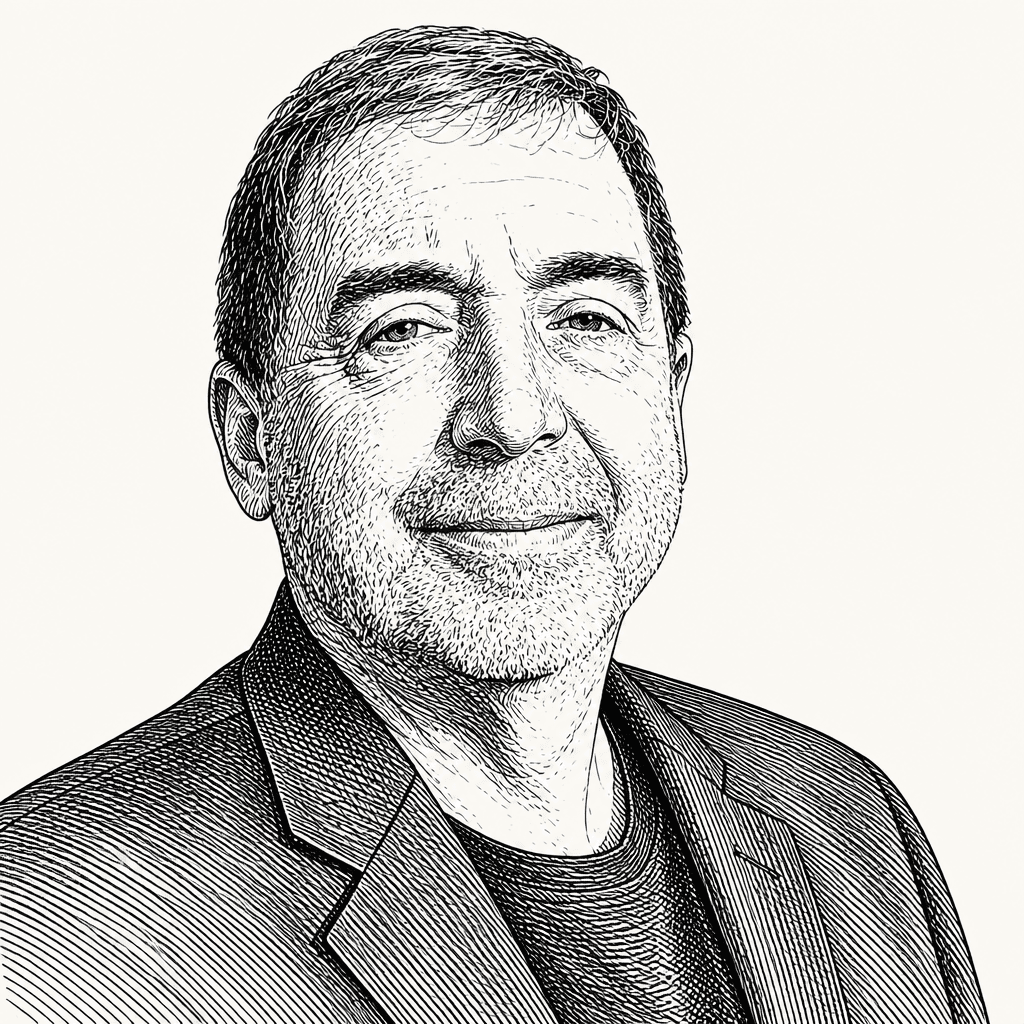
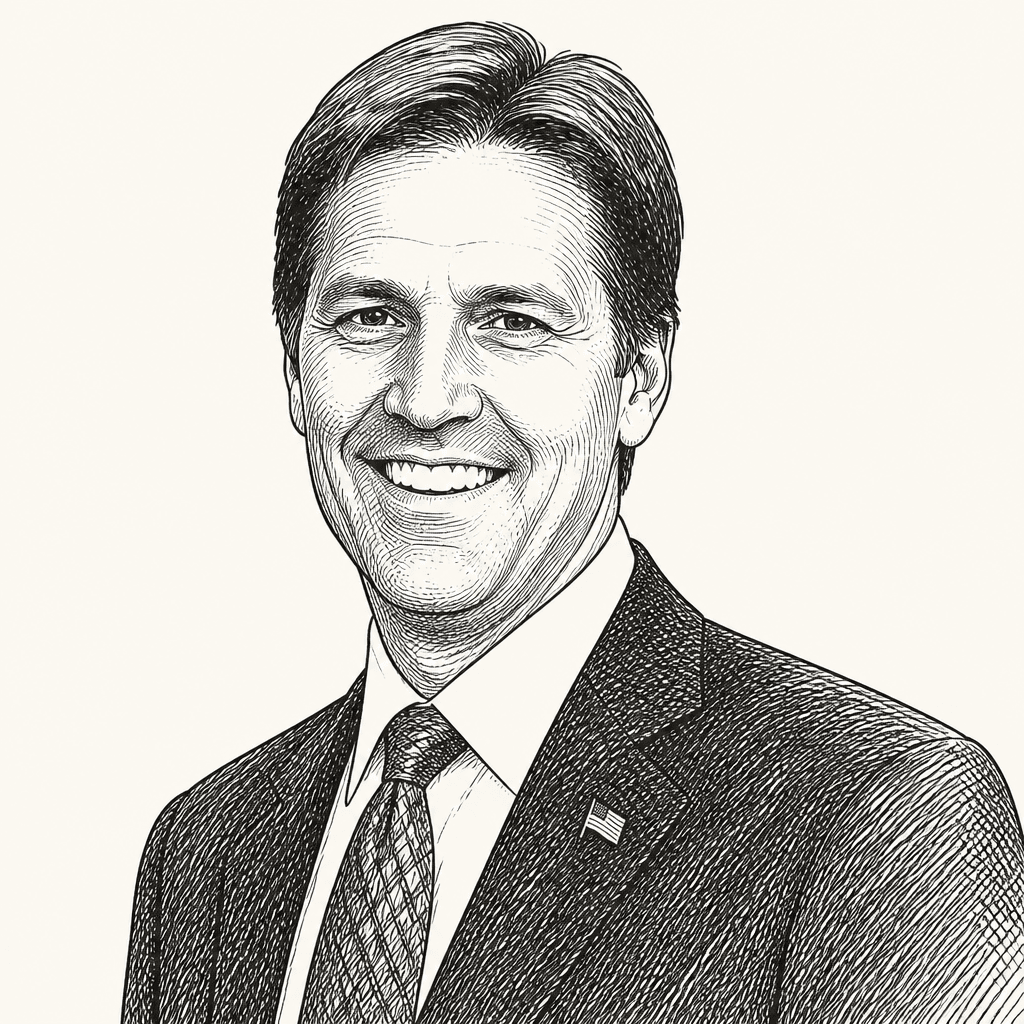
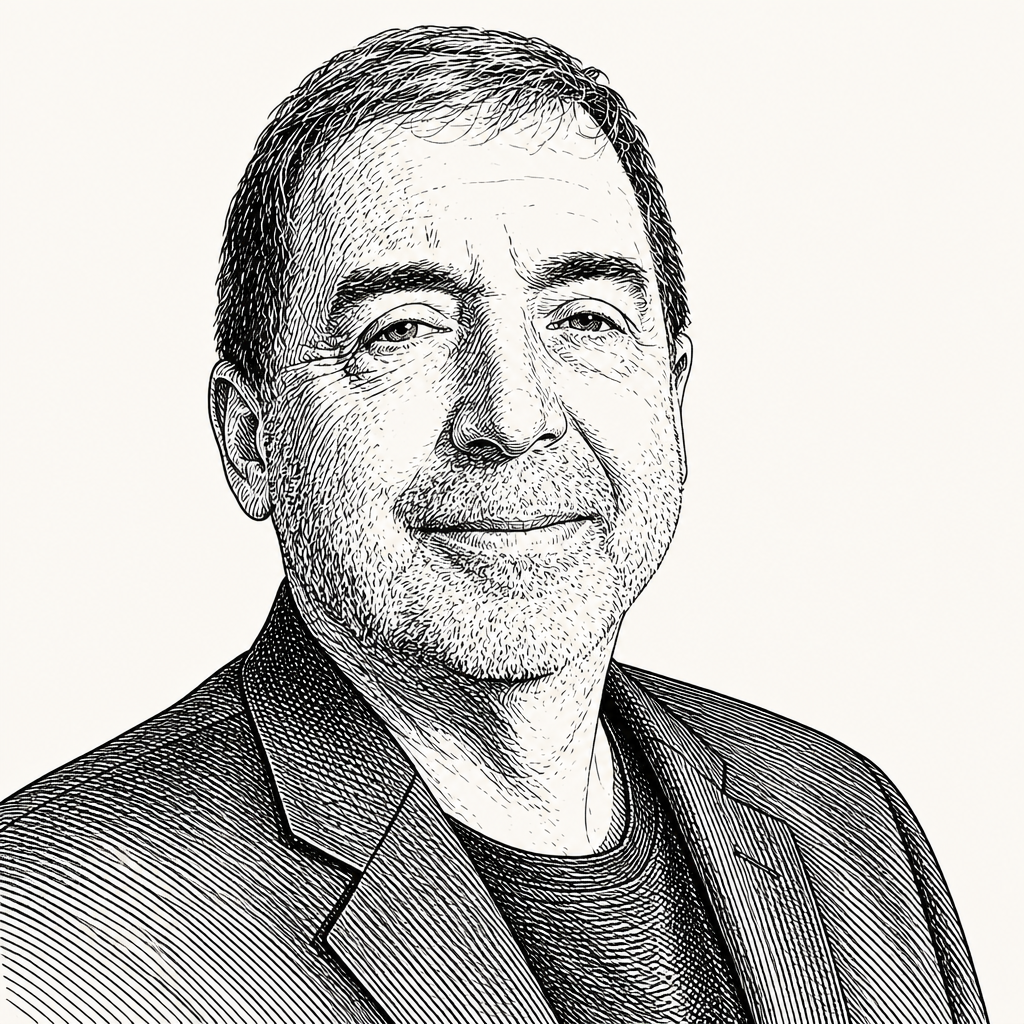
Facing terminal pancreatic cancer, former senator and university president Ben Sasse argues that mortality strips professional achievement, online judgment and political performance of their claim to ultimate importance. In conversation with EconTalk’s Russ Roberts, Sasse grounds that view in a Christian account of guilt, grace and gratitude, and extends it to a critique of institutions—from Congress and universities to digital platforms—that seek authority or attention while evading responsibility. What endures, he says, is embodied life: faith, family, service and accountable work.

A terminal diagnosis makes finitude impossible to ignore
Ben Sasse was told in mid-December that his pancreatic cancer was advanced Stage IV, had metastasized across five other systems, and gave him roughly 90 days to live. Nearly seven months later, he described each additional dinner, holiday, and ordinary day with his wife and three children, ages 15 to 25, as a “bonus.”
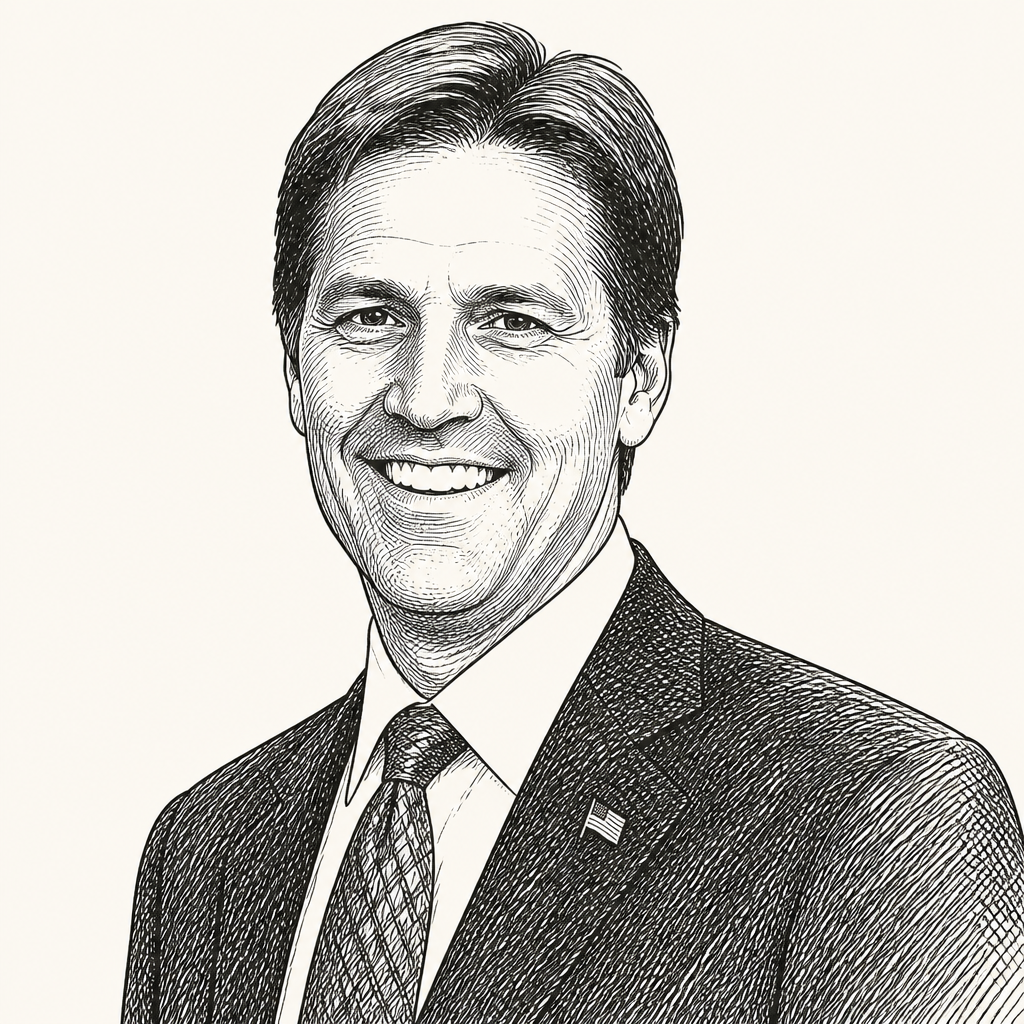
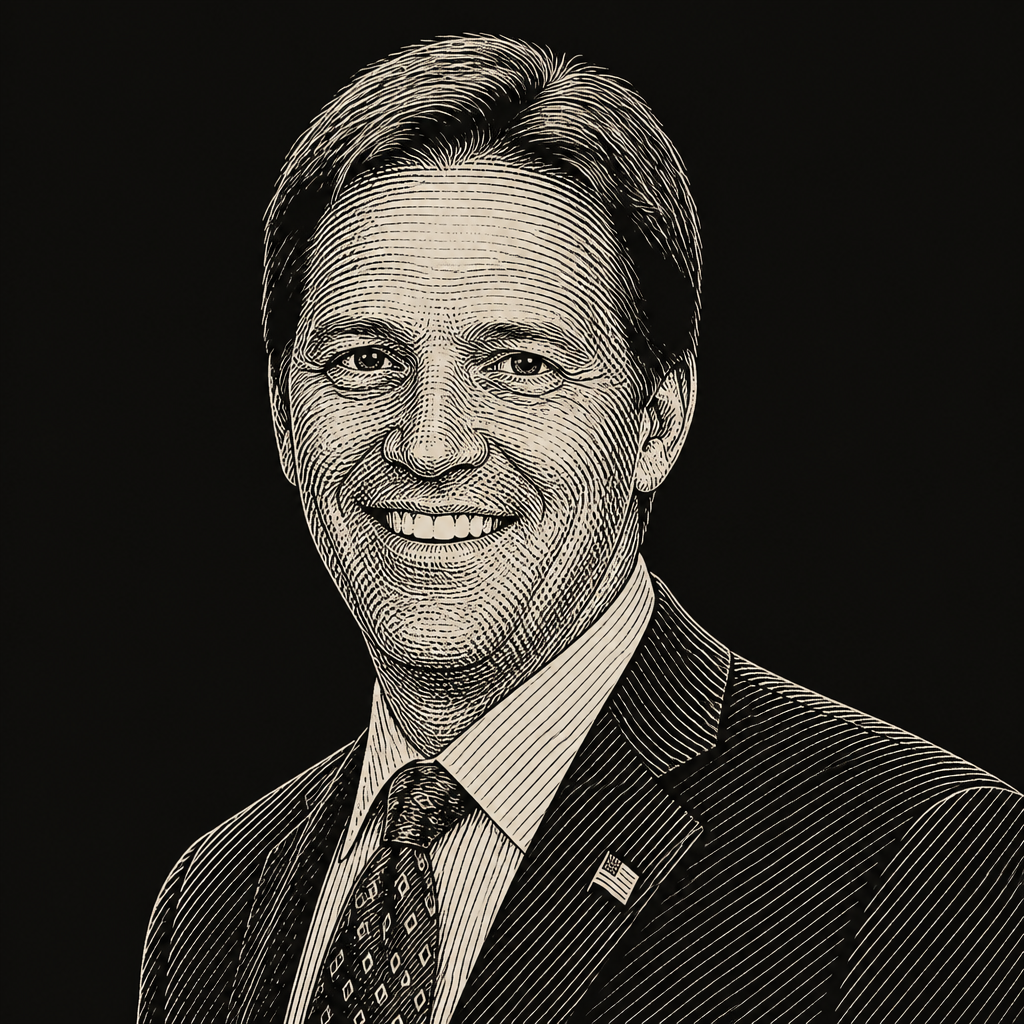
Treatment has bought time without making cure likely. Sasse said his tumors had shrunk by more than 80% on a KRAS-inhibiting drug, alongside aggressive chemotherapy. He described pancreatic cancer as overwhelmingly associated with a KRAS mutation for patients his age and called the drug extraordinary after what he regarded as 40 years without good news in pancreatic cancer. Yet he did not treat the response as recovery: because he presented with extensive metastasis, he expects treatment to buy time rather than eliminate the disease.
The cost of that time is concrete. Sasse said he was nauseated enough to vomit four or five times a day, had trouble growing skin and hair, and was dealing with a bleeding scalp. At night, he said, he sometimes changed blood-saturated pillowcases repeatedly. Before diagnosis and pain management, he spent much of the night on a shower floor with water made hotter than the usual household temperature limit running on his spine, trying to relieve agonizing pain from a tumor pressing against it.
Illness has become a “truth injection” about finitude and mortality. It has made workaholism, professional performance, online comments, and minor grievances harder to mistake for matters of ultimate importance. Sasse had known from his time on the Senate Intelligence Committee that much inflammatory online activity was manipulated or generated by foreign actors. During campaigns, he still sometimes read hostile comments. With cancer, he said, accusations from a bot no longer hold personal power, even if the broader civic manipulation still concerns him.
Death sucks, but it is a blessing to be able to view it as the final enemy, not as the ultimate word. It’s the last bad thing.
Sasse does not claim fearlessness. He distinguished between fear about his standing before God, which he said he does not principally feel, and apprehension about the process of dying. Pancreatic cancer’s final stages can be ugly, he said, and he wants his children to see him present, honorable, and engaged rather than incapacitated. He frequently takes less morphine than prescribed because the full dose leaves him asleep or incoherent. That choice leaves him in some pain, but permits conversation and attention.
For Sasse, the alternative to denial is not resignation. He agreed with Russ Roberts that death can concentrate the mind, but resisted the idea that contemplating mortality should turn a person away from life. It should make ordinary life more legible. No achievement, wealth, or accumulated work can produce a sufficient storehouse against death. The response, as he sees it, is gratitude and service rather than the pretense that loss is insignificant.

Faith supplies an account of death without making it good
Sasse described himself as “self-consciously Christian,” formed by the Lutheran tradition and what he called a Luthero-Calvinist theological community. The framework he returned to was the Heidelberg Catechism’s sequence of guilt, grace, and gratitude: the scale of human wrongdoing; the possibility of forgiveness through Christ; and the question of how one should live in response.
His understanding of salvation is explicit. Human beings bring sin and brokenness, while the Messiah brings forgiveness and righteousness. He said this worldview had been settled since his teens or early twenties, though a terminal diagnosis has changed the texture of living within it. The diagnosis has not given him a new doctrine so much as tested whether the old one can bear reality.
Sasse said he does not get angry at God. His explanation begins with an exacting account of his own moral condition. The Ten Commandments are not evidence that the law is unjustly demanding; they are a measure against which he sees himself as “crooked stuff.” He identified with Paul’s description in Romans 7 of doing what one does not want to do and failing to do what one wants to do. The gap is not between an unreasonable divine standard and an innocent self, but between righteousness and repeated human failure.
That acknowledgement of guilt is inseparable from grace. Roberts offered a related Jewish reflection: ordinary frustrations can expose an assumption that the world ought to comply with one’s wishes—an implicit anger at not getting what one believes one deserves. Anne Lamott’s line that “God’s name is not me,” Roberts said, captures the correction. Sasse agreed.
The same logic shapes Sasse’s account of marriage. If his aim in marriage is his own happiness, he said, he will likely be unhappy. If his aim is his wife’s happiness, he has a better chance of happiness himself. He offered this as an instance of a larger paradox: flourishing is more reliably found through self-denial, service, and love than through the direct pursuit of one’s own fulfillment.
We’re not meant to be on the throne.
Prayer is meant to discipline the tendency to put himself there. Sasse said his family generally prays aloud at least once each day, usually at dinner or before bed, and sometimes in the morning. Individually, he uses the sequence of adoration, confession, thanksgiving, and supplication. Beginning with petitions, he said, quickly makes prayer “way too much about Ben.” Adoration—especially reflection on God’s patience, eternality, omniscience, and power—puts confession and requests in their proper setting.
His experience of pain has deepened rather than erased petitionary prayer. Sasse recalled Tim Keller, who died of pancreatic cancer, saying that he hated the disease and would never wish it on anyone, but would not want to return to a time before he knew the power of “pancreatic cancer prayer.” Sasse initially did not understand the phrase. During weeks of severe, unexplained pain, he did. He prayed for relief, but the prayer also forced recognition that even a cure would not alter mortality’s final condition. A 53-year-old who survives cancer still dies eventually.
That recognition produces a hierarchy of importance: relationship with God first, and relationships with loved ones as the central worldly goods. Death remains terrible rather than illusory or welcome. But it is also, for Sasse, a flashing sign against self-deception—against the belief that professional output or worldly accomplishment can finally secure a person.
The things that endure are relational, not achievement-based
When Roberts asked what he was proudest of, Sasse did not name the Senate, a university presidency, political influence, or public arguments. He named his wife, Melissa: 33 years of friendship and 31 years of marriage. Then he named their children.
He spoke affectionately about his children’s ambition and willingness to work, while recognizing traits in them that he sees in himself: a capacity for striving that can become excessive, a “grinder achiever culture” that is both admirable and potentially deforming. He is proud that they work and serve, but sees in them his own tendency toward workaholism.
Roberts put the point more starkly: children are not a parent’s legacy but, in an important sense, the parent continuing in another form. Parents see their own strengths and failings recur in children; the chain persists across generations. Sasse agreed, then became emotional recalling the finality hidden inside ordinary parenting. A parent does not know, at the time, that a particular bedtime story or a child falling asleep while being read to will be the last occurrence of that exact event.
His oldest daughter, about to turn 25, had just passed a military aviation check ride and was on her way home from Vance Air Force Base. Sasse joked that the government had made a mistake in allowing his “toddler” to fly a jet in formation. The daughter who remains, in his imagination, a small child is now an Air Force second lieutenant entrusted with a jet aircraft.
Sasse does not reject work. He says he loves it. But work becomes distorted when it functions as a bid for ultimate standing. The Sabbath matters because it interrupts that bid. In his Christian account, the day of rest declares that a person cannot achieve enough to become secure, immortal, or self-justifying. One cannot keep the planets in orbit, build a sufficient storehouse, or earn a final verdict of worth.
He connected this to a thought from his graduate-school training as a historian. Professors told him that people remain, in some meaningful sense, substantially shaped by who they were at age 10—not completely determined by childhood, but not detached from it either. Human beings want to know and be known, to be accepted, and to hear some version of “well done, good and faithful servant.” That longing can animate good work. It can also become addiction, compulsive achievement, or an attempt to make a name for oneself.
The Sabbath, then, is not an anti-work institution. It limits the claim work can make. Acceptance, Sasse said, precedes striving; work should be an expression of gratitude rather than a means of attaining ultimate standing.
Institutions fail when those with power evade responsibility
Sasse sees in American government an institutional version of the temptation he identifies in personal life: seeking the benefits of authority while avoiding the responsibility that ought to accompany it. He agrees that executive power has expanded dangerously, but calls executive overreach a reactive problem. The prior failure, he argues, is legislative underreach. Congress has become performative and has surrendered difficult choices to presidents and administrative agencies.
Public impatience with a legislature that does not address large problems makes executive vacuum-filling understandable, he said, though not defensible. The founders would be struck not merely by modern technology and material abundance, but by legislators who do not fiercely guard their authority to legislate.
Sasse recounted interviews he conducted with former White House chiefs of staff while helping prepare Mitt Romney’s 2012 transition. Across parties, they expressed the same surprise: senior legislators and committee chairs would ask the White House to accomplish through executive order policies that those legislators themselves had the power to enact.
The political incentive, in Sasse’s rendering, is straightforward. On a 70–30 issue, a senator may prefer executive action: the 70 percent gets the outcome it wants, while the unhappy 30 percent directs anger toward a president or bureaucracy rather than toward the legislator who avoided a vote. Politicians can gain credit for lobbying while avoiding responsibility for deciding.
Sasse and Roberts agree that the usual defense of delegation—expertise—does not settle this problem. Expertise can inform a decision, but it cannot resolve the underlying tradeoffs among values, costs, and priorities. Those choices need ownership by people accountable to voters.
Sasse used the Affordable Care Act as an example. He said the law contains roughly 1,200 explicit or inferred places requiring the executive branch to complete key details. A requirement that insurance include “essential minimum benefits” raises contested questions: whether the package includes in vitro treatment, hair plugs, or other services. Those are not simply matters of technical implementation in his view. They are political and moral choices about what people must buy and what others must subsidize.
He welcomed judicial efforts to roll back broad delegations to the administrative state, while emphasizing that bureaucrats themselves are not the enemy. Bureaucratic managers can appropriately sustain institutions. But decisions that redirect resources, create new obligations, or make consequential social tradeoffs should be made by officials whom voters can remove.
His policy priorities follow from that view. He favors Senate term limits—ideally one long term rather than a permanent political class—as a way of recovering the Washington-Cincinnatus ideal of service followed by a return to ordinary life. He opposes cameras in the Supreme Court because he expects them to turn oral arguments into material for Instagram and TikTok, much as televised legislative hearings have become occasions for self-aggrandizing performance. Closed intelligence hearings offer a contrast: without cameras, senators can ask genuinely uncertain questions rather than staging certainty for an audience.
The largest unresolved substantive problem, he says, is the entitlement state. Medicare, Medicaid, Affordable Care Act spending, Social Security, and interest on the debt together account, by his estimate, for more than 70% of federal spending. Sasse said the ratio of workers to retirees had fallen from 16 workers per retiree historically toward two and a half, and argued that current commitments shift insolvency onto the next generation.
He also favors more effective mid-career transition support. A worker displaced at 35, 40, 45, or 50 should be helped into work aligned with real economic demand, he argues, rather than becoming permanently unemployed and dependent. He expects that problem to become more pressing as AI disrupts employment.
Universities and digital platforms reward the same evasions
Sasse’s criticism of large universities follows the same logic. He values small colleges as institutions of local association. At Midland University, then called Midland Lutheran College, he saw a Tocquevillian project: a place where people organize around a shared purpose and learn community through it. He worries that many contemporary students arrive at college without having learned to work, accustomed to passive consumption and delayed adolescence. College should be a structured environment in which curiosity drives engagement with books, professors, mentors, and enduring questions—not “grade 13.”
At the University of Florida, he confronted an institution so large that it combined statewide extension, hospitals, research operations, teaching, athletics, and physical infrastructure. He said its $9.5 billion budget was dominated by the health system, while education was only one major enterprise inside what he described as a collection of organizations universities often pretend are coherent.
The figures below are Sasse’s reported description of Florida’s size, finances, and faculty incentives during his presidency, rather than independently assembled university data.
| Reported Florida measure | Sasse’s description |
|---|---|
| Total annual budget | $9.5 billion |
| Share associated with health systems | About 65% |
| Total research activity | About $1.3 billion |
| Faculty generating more than 95% of research dollars | About 80 |
| Median faculty research leave | About 60% |
His sharpest criticism concerned faculty incentives. Florida had roughly $1.3 billion in total research, Sasse said, but approximately 80 faculty members generated more than 95% of the research dollars. Meanwhile, he said, the median faculty member was on roughly 60% research leave despite nominal expectations of a 3–3 teaching load.
His objection is not that all faculty should generate research grants. It is that institutions can preserve reduced teaching obligations in the name of research even where there is little research output. He also argued that activity which may be political activism or an avocation can be classified as research or service without a sufficiently accountable evaluation of its institutional value.
The same basic problem appears in his account of shared governance. Faculty committees may participate in matters beyond their competence, he said, while curriculum is effectively left to faculty senates rather than deliberately managed by faculty, boards, and administrators together. He sees the result in curricular incoherence and in an inability to reallocate resources. If a professor retires from a department with declining enrollment, Sasse asked, why should that department automatically control the replacement line rather than having to make the case that the position remains the best use of institutional resources?
Digital tools intensify these institutional failures because they reward visible performance over responsibility for difficult tradeoffs. Sasse places AI and digital technology within a broader civilizational contest, but rejects both simple accelerationism and a safety-first strategy of constraining frontier technologies through Washington bureaucracy. Regulation that slows the United States while the Chinese Communist Party advances does not solve the underlying competition, he argued.
His summary of the digital revolution is deliberately double-edged: if the question is whether it brings heaven or hell, the answer is yes. It makes human capacities faster, cheaper, and more widespread. That means it magnifies what is good in human life and what is broken in it. The challenge is not to stop the technology but to learn how to govern personal and communal life amid it.
Sasse worries particularly about competition with the CCP. He described the choice as one between a Western-led order built on free trade, open navigation, transparent contracts, rule of law, and human dignity, and a CCP-centered order of centralized totalitarianism and dependent states. Americans, he argued, have not been adequately prepared to understand those stakes because attention is captured by the “digital casino” in their pockets.
That same attention economy helps explain why he sees digital performance as an institutional problem rather than merely a personal vice. It rewards certainty over inquiry, outrage over deliberation, and visible symbolic action over responsibility for difficult tradeoffs. In Congress, he argued, that dynamic has helped turn hearings into camera-facing theater. In public life more broadly, it can leave citizens absorbed by conflict generated or amplified for them while less visible questions of fiscal, technological, and geopolitical order go unattended.
Embodied life cannot be replaced by digital transcendence
Sasse is equally direct in rejecting technological fantasies of escape from embodiment. He called Ray Kurzweil’s ideas about uploading consciousness and transcending bodily mortality “nuts.” Digital tools should supplement embodied, place-based life, he said, not supplant it. Human beings break bread, worship, make families, and hug loved ones in bodies. The point of technology is not to abolish that reality.
Roberts raised a related question about declining formal religion: what happens to the human longing for belonging and transcendence? He pointed to crowds at concerts and sporting events, communal singing, and the intensity with which people reach toward celebrities or national teams. It is not theology, Roberts said, but it reflects a desire to be part of something larger than oneself.
Sasse agreed that people always worship something—God, or money, sex, power, fame, and the self. He drew on Ephesians, where he sees gratitude, humility, and communal singing as central marks of Christian life. Singing matters because gratitude produces the urge to sing, and worship is inherently communal.
He is wary of crowds in general, though he makes an exception for the catharsis of sports. West Virginia fans singing “Country Roads” at the College World Series in Omaha represented a shared joy rooted in place, memory, and community. By contrast, he recalled the atmosphere before a U2 concert, when tens of thousands seemed to pulse in expectation of redemption from the performer’s arrival.
His concern is not that such experiences lack power. It is where they direct desire: toward forms of shared life that people can carry home, or toward a celebrity, political figure, or crowd asked to bear a salvific weight it cannot sustain. The embodied relationships Sasse returns to—marriage, children, prayer, meals, worship, service—cannot be made secure by technological power or replaced by its simulations.