Zipline Raises $1 Billion at $20 Billion Valuation as Walmart Rollout Begins


Zipline has raised $1 billion at a $20 billion valuation as it expands its U.S. delivery partnership with Walmart, starting with 300 supercenters. CEO Keller Rinaudo says demand has exceeded expectations at both companies and argues that faster, less expensive drone delivery will lead customers to order more. He says the business rests on a decade of operating experience and a system built to handle the engineering, manufacturing and logistics of scaling deliveries.
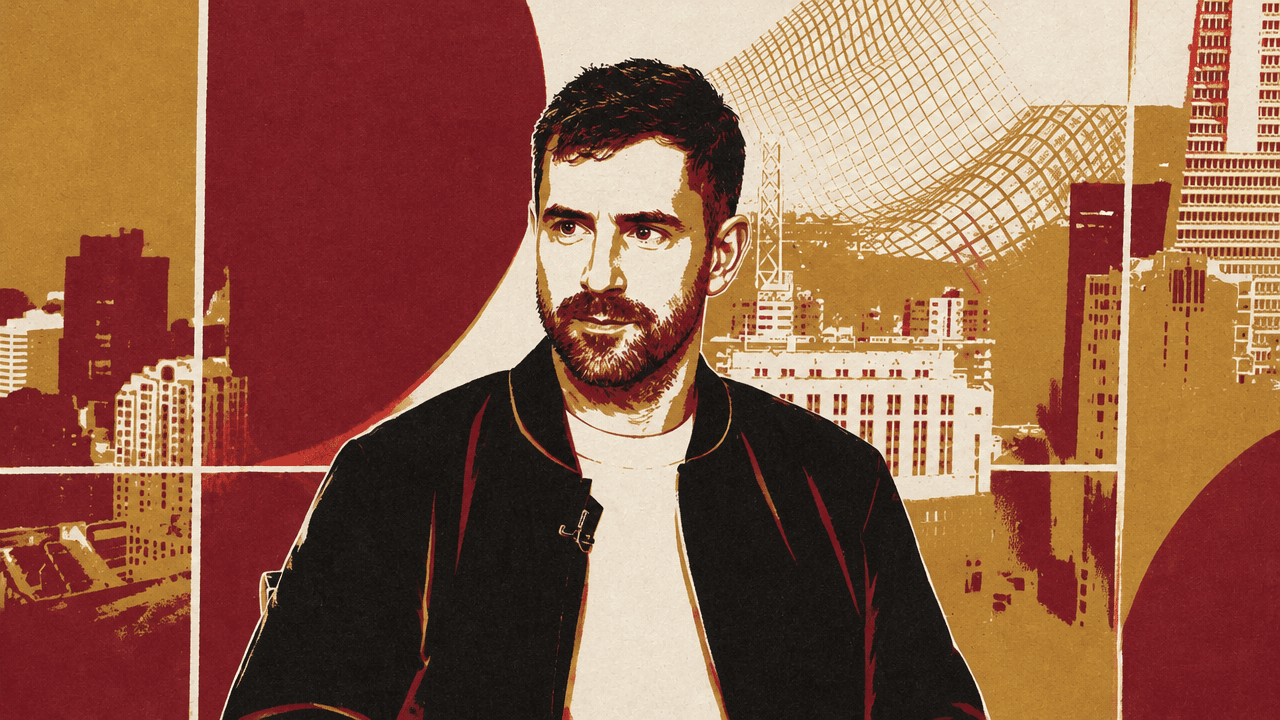
A $1 billion raise backs Zipline’s $20 billion valuation and U.S. expansion
Zipline has raised $1 billion at a $20 billion valuation as it expands its U.S. delivery business with Walmart. The national partnership begins with 300 Walmart supercenters and can grow beyond that based on performance.
CEO Keller Rinaudo said Zipline spent its first 10 years operating outside the United States, where drone delivery was legal before it was permitted in the U.S. That constraint made it difficult to raise capital, he said, but also gave the company time to build a system he described as reliable, safe and unit-economic.


Rinaudo said Zipline received permission to operate in the U.S. two years ago. By then, it had logged more than 100 million commercial autonomous miles with no safety incidents. The company presented that record to the FAA as evidence supporting its operations.
The African healthcare operation is not being left behind as the U.S. business grows. Rinaudo said it is cash-flow positive and growing faster than ever, serving thousands of hospitals and health facilities. Deliveries include blood for testing, vaccines, transfusions, infusions and cancer medicine; he described the service as an autonomous public-health supply chain.
A recently signed national-scale public-private partnership in Côte d’Ivoire will add 10 distribution centers and cover 12 million people with what Rinaudo called instant access to healthcare logistics.
Zipline is building for a different kind of delivery
The U.S. commercial business uses different aircraft and systems from the earlier operation Ed Ludlow had seen near a Walmart in Bentonville, Arkansas. Ludlow described that earlier technology as launching from a rooftop by slingshot; Rinaudo distinguished its fixed-wing aircraft from the company’s vertical-takeoff-and-landing vehicle.


Rinaudo put the U.S. opportunity at 5.5 billion instant deliveries a year. He contrasted an item averaging five pounds with the three- to four-thousand-pound combustion vehicle and human driver often used to bring it to a home. From a physics perspective, he said, the mismatch points to a need for technology designed specifically for instant delivery.
Zipline’s service, Rinaudo said, can be 10 times faster, less expensive, quieter and safer, with no pollution in neighborhoods. The company is seeing customers consume more delivery when those conditions improve, he said, citing its operations in Dallas. He expects instant delivery to grow tenfold over the coming years as logistics improves.
Walmart’s rollout starts with 300 supercenters
Zipline and Walmart have built out multiple supercenters over the past two years. Both companies, Rinaudo said, have been startled by customer demand. Zipline can deliver the vast majority of the roughly 100,000 stock-keeping units in a supercenter to customers’ homes.
The national partnership begins with 300 supercenters, with expansion beyond that based on performance. Rinaudo described the longer-term ambition as reaching every metro and eventually every home in the United States.
Meeting demand requires a substantial operating system behind the customer experience. Zipline builds all 43 major aircraft sub-assemblies, as well as the aircraft, the small delivery robot lowered near customers’ homes, the docks and towers installed at charging sites, and the drop boxes that businesses can use to make orders easy to collect.
The components are manufactured at Zipline’s factory beside San Francisco airport, then moved through the company’s logistics network to maintenance depots in the metros it serves. Zipline operates and maintains the hardware for customers, too. Rinaudo described the combination as a complicated engineering, manufacturing, logistics and operations challenge. The intended service is simpler: customers use an app to order from participating brands and receive items in 10 to 15 minutes.
The opportunity has grown beyond the original mission
Rinaudo recalled that Zipline began more as a mission than a clearly defined economic venture. He compared its early ambition to SpaceX’s original idea of buying a Russian intercontinental ballistic missile and launching a terrarium to Mars. In Zipline’s early years, he said, investors were more interested in social media and software-as-a-service businesses than capital-intensive hardware.
He sees a different investment climate now, with renewed belief in robotics, AI and the possibility of building infrastructure and hardware competitively in the United States. The opportunities, he said, have become much larger than the founders initially anticipated.
Rinaudo pointed to Zipline’s recently announced partnership with Uber as another sign of that expansion. He said the companies are expanding toward one million deliveries a day, a quarter of Uber Eats’ U.S. deliveries. He also cited Uber CEO Dara Khosrowshahi’s description of demand as “insatiable and infinite.” Rinaudo’s view is that faster, less expensive and safer delivery can expand the market by changing how much customers choose to order.