Apple Uses Monthly Payments to Accelerate Device Upgrade Cycles


Bloomberg’s Mark Gurman says Apple’s upgrade program is designed to recast a $1,000-plus hardware purchase as a manageable monthly payment, encouraging customers to replace devices more often. The company can then benefit not only from recurring payments but also from reselling returned devices and reusing their parts, he argues. But the strategy depends on inventory: Gurman says shortages of the latest MacBook Air could frustrate customers ready to trade in.
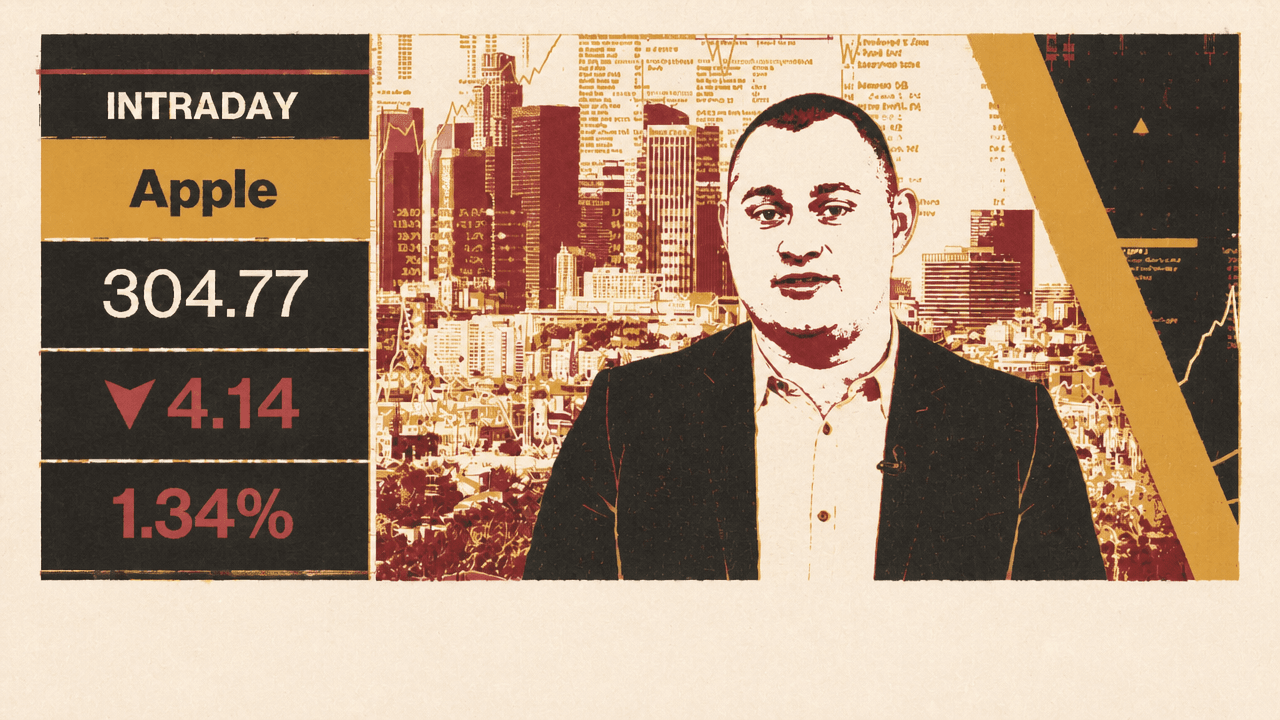
Apple wants to replace sticker shock with a recurring payment
Mark Gurman says Apple is moving customers from thinking about a device’s sticker price to thinking about an ongoing subscription payment. Wireless carriers have pursued that model for years, he says, with substantial success in the United States and abroad.


Apple’s release calendar gives the model regular moments to work. New iPhones and Apple Watches arrive every September; iPads now tend to appear in fall and spring; and Mac refreshes also cluster around those seasons, depending on the model. Customers who might otherwise replace a phone every three years or a computer every five could be encouraged to upgrade more often when the purchase is framed as a recurring charge rather than a large new outlay.
The aim, Gurman suggests, is not simply to make existing replacement cycles easier to finance. It is to make a new device feel more affordable often enough that customers return hardware to Apple and move into another payment plan.
A Bloomberg News Power On card made that psychology explicit: rather than asking customers to justify spending more than $1,000 on a phone or laptop, it said, Apple is asking whether they can afford roughly a dollar a day. The card described that as a way to make annual device upgrades feel routine rather than extravagant.
The commercial logic extends beyond financing. If customers upgrade more often and return old hardware, Apple receives a steadier flow of devices with residual value. Gurman says Apple can resell those phones in secondary markets and reuse parts for new devices, creating cost savings and improving margins alongside the used-device business.
Those pieces reinforce one another: a trade-in can lower the apparent cost of the next device; Apple obtains hardware it can resell; and reused parts can reduce costs. More frequent upgrades would therefore produce both recurring payments and more opportunities to retain value from a device after its first owner trades it in.
And then the consumer is paying on a recurring schedule, so the payments to Apple never stop.
Gurman says the combination of recurring payments, resale, and parts reuse will produce more revenue and profit over time than episodic hardware purchases. Wall Street, he adds, has been urging Apple to make such a shift for more than half a decade.
Demand can be financed, but the device still has to be in stock
Ed Ludlow described trying the program himself: trading in a 2020 M1 MacBook Air for the latest 13-inch M5 MacBook Air while using Klarna financing. He called the arithmetic a good deal, but encountered a practical constraint: a three-week wait for the new machine.


Gurman says the delay reflects a supply issue that has broadened beyond Apple’s niche desktop computers. The Mac Studio and Mac mini had faced pronounced shortages; now, he says, the shortage has reached Apple’s most popular Mac. New MacBook Air orders were not expected to arrive until early September.
That leaves an immediate limit on the upgrade proposition. A trade-in and installment plan may make a replacement easier to justify, but customers still need the model they want when they are ready to order. Ludlow’s experience illustrates the gap between reducing the cost friction and meeting demand with available inventory.
Apple is responding by steering shoppers online and in stores toward the base-level 14-inch M5 MacBook Pro, Gurman says. It has substantial supply of that model and wants to reduce it before an M6 version arrives in a couple of months. With the MacBook Air delayed, the stocked M5 MacBook Pro gives Apple an alternative for customers ready to upgrade while also helping clear inventory ahead of the next refresh. For buyers specifically seeking the Air, however, the wait remains a constraint on the smoother subscription-style pitch.