Suno Sees AI Turning Music Listeners Into Creative Participants


Suno chief executive Mikey Shulman argues that AI could make music less passive by letting listeners remix, cover and collaborate with their favorite artists. In a Bloomberg Tech interview, he says those experiences could draw people into making music and expand the business, while partnerships with rights holders could support products built around licensed music, voices or likenesses. These are possibilities he describes, not products he says are already available.
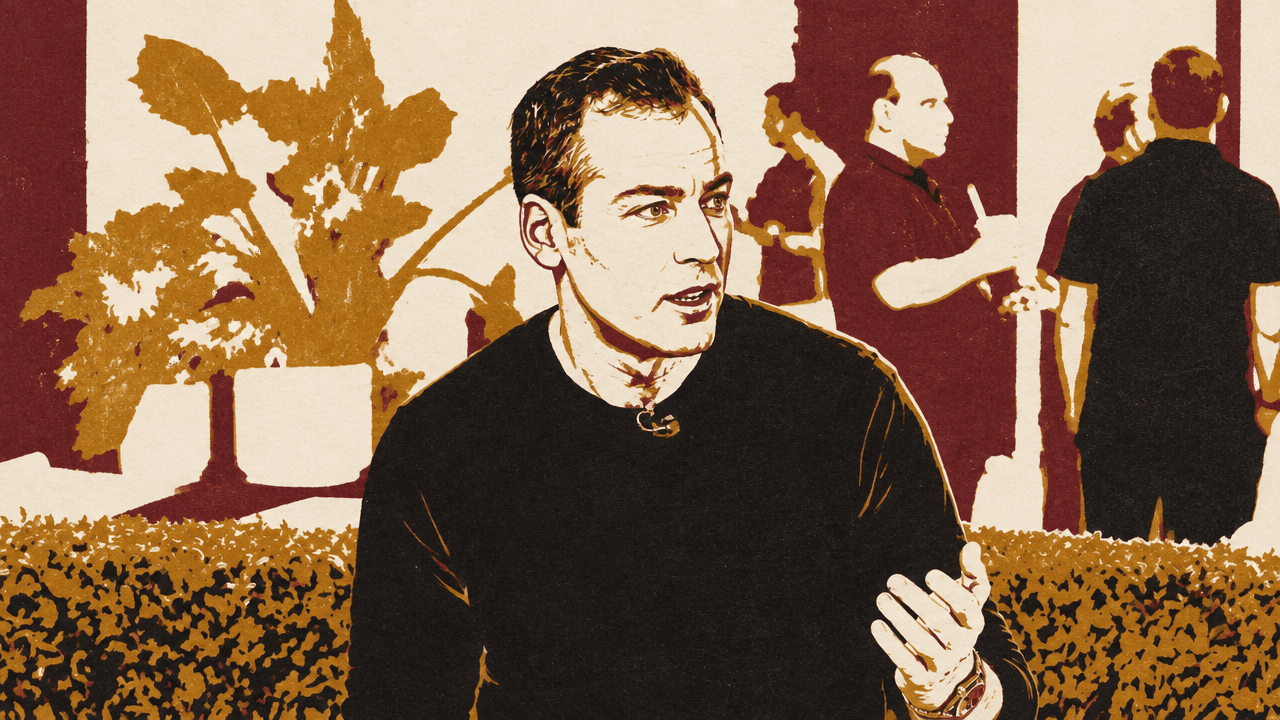
Suno wants listeners to make music with artists
Mikey Shulman describes Suno as a way for anyone to make music, whether a Grammy-winning producer is refining a track or a grandmother is making music for fun. The proposed experience goes beyond generating a song from a prompt: a listener could take music by a favorite artist and remix it, cover it, combine it with other music or otherwise change it, feeling as if they are co-creating with that artist.


Shulman argues that digital music has become passive, and that inviting listeners to participate could engage them in new ways and grow the music business. His broader ambition is for people to be entertained through creative activity, not only by consuming what others make. He says that spending time making music—or making anything—can leave people feeling better than simply consuming entertainment.
He says more than 100 million people have used Suno. The audience includes industry professionals using it in their day-to-day work as well as people across genders, races, countries and languages. Shulman says the breadth reflects music’s universality.
The interface shown during the discussion includes options to generate variations, choose among models such as v6 and v6-mini, and create a custom model based on a user’s uploads. Shulman presents the technology as a means of enabling new forms of participation, rather than an end in itself.
Partnerships could make artist-led participation possible
Asked by Ed Ludlow what Suno’s partnerships with companies including Warner and BMG produce, Shulman emphasizes their long-term nature. The future of music remains unknown, he says; the opportunity is to bring music companies together with Suno’s technology to build products that could not have been built before.


Ludlow presses him on whether “building products” means building tracks and what partners pay Suno for. Shulman does not describe a specific existing partner product or payment arrangement. Instead, he outlines possibilities: letting people play with an artist’s music by remixing, covering or changing it, and developing products around licensing an artist’s voice or likeness.
Licensing is part of the opportunity Shulman says Suno is excited to pursue with partners. He sees the ability to license a voice or likeness as a basis for new products, alongside listener-facing ways to interact with an artist’s music. He argues that these possibilities could create differentiated offerings in a music business he sees as stagnant. The products he describes are prospective; he does not say that the examples are already available.
AI music spans uses that may need shared rules
Mikey Shulman says Suno builds its technology in-house. When the company began, he says, there was nothing in the space, so it had to develop the technology itself. He describes Suno less as a technology company building for its own sake than as a music and product company: the goal of the technology is to delight users. In his view, discussion of AI gives too much attention to tools, utility and enterprise applications, and too little to creativity, fulfillment, fun and entertainment.
That perspective informs his answer to the question of whether AI-generated audio should be distinguished from other music. “AI music,” he says, covers a broad spectrum, from someone typing a few words into a text box to a professional using AI only in parts of a production. He argues that decisions should be made together by AI platforms, media platforms and rights holders—not by any one group alone. The landscape may also shift as the technology and its use in music production change.
It’s actually good that we don’t have firm rules of the road just yet.
Growth is substantial, but the cost model sits between two extremes
Mikey Shulman says Suno’s last released figures were 2 million subscribers and $300 million in revenue. When Ludlow asks whether the company is now far beyond both numbers, Shulman says it is, without giving updated figures. A fast-facts graphic shown during the discussion displays “2M+ paid subscribers.”
Shulman presents the business’s traction as evidence against the view that music is a small or unattractive market. He says music is a large part of people’s lives and has substantial growth potential.
On the balance between usage, computing costs and what Suno charges, Shulman describes the company as sitting between two models. Streaming, he says, has very low marginal costs for serving content; general intelligence, by contrast, involves directing more compute at problems in pursuit of better results. Music does not have right answers, and cannot simply be scaled until the desired result appears. Suno is in an intermediate position, he says, and is doing okay from that perspective.