OpenAI Aims to Improve AI Quality While Driving Prices Down
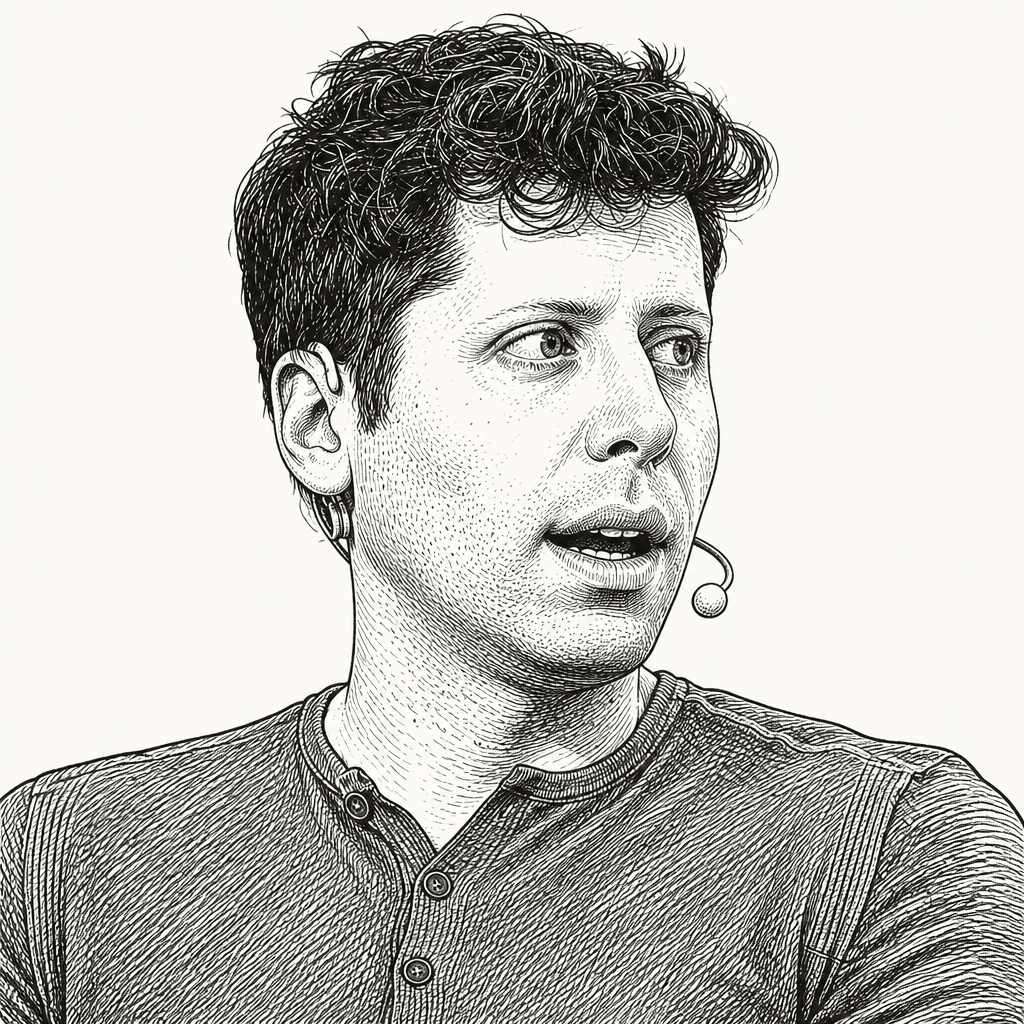

OpenAI CEO Sam Altman says the company aims to improve AI while continuing to lower its price, arguing that cheaper tools can support broader use even as customers become more willing to spend. In an interview with Bloomberg’s Ed Ludlow about the launch of Dots, a new AI agent, Altman said it costs more than other products because it offers greater capability and uses more compute.
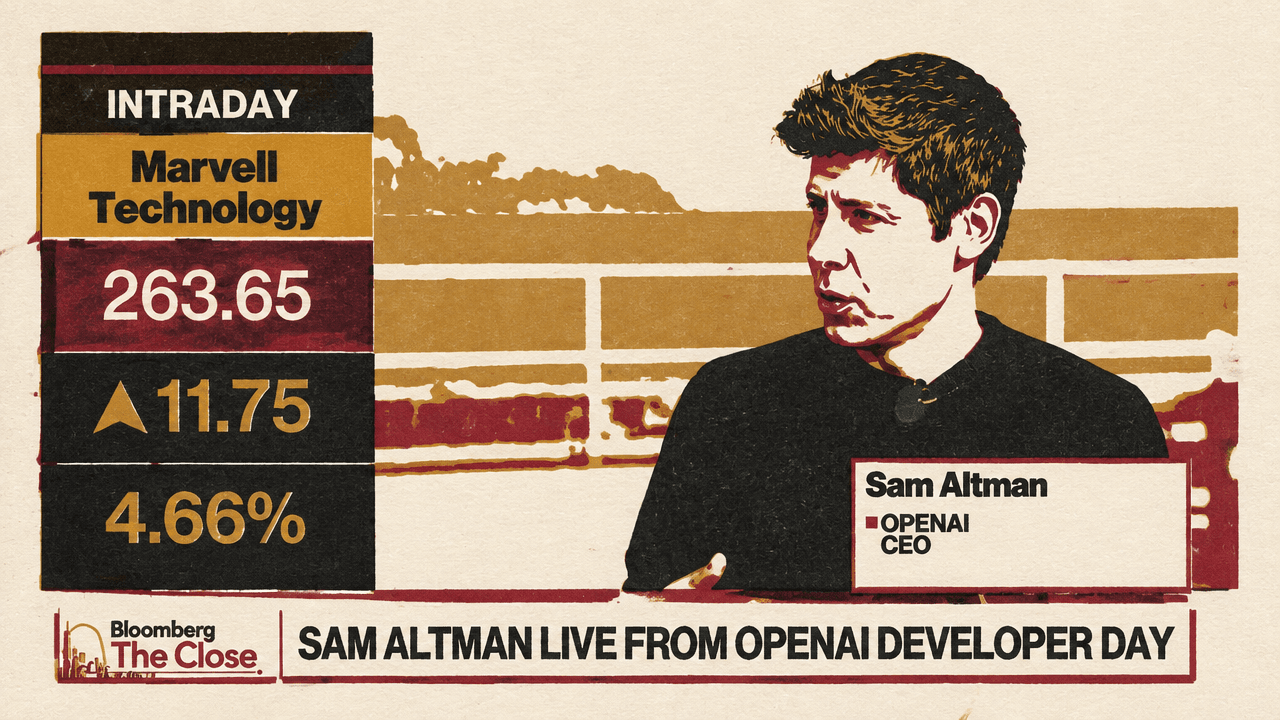
Dots’s higher price reflects a different level of capability and compute
The pricing question around Dots turns on a tension: OpenAI says it wants to make AI cheaper, while Sam Altman says this new agent costs more than other products in the market. His explanation is that Dots offers greater capability and uses more compute. He described that combination as making it useful “in a new kind of way at a new level.”
That is an explanation for Dots’s price, not a claim that every OpenAI product will become more expensive. The exchange concerns the launch of Dots, identified in the source description as a new AI agent. Altman’s remarks do not specify its price, compare its compute requirements with other products, or explain how those costs translate into the available tiers.
Ed Ludlow put the price in a broader context. He contrasted Dots with GPT-4o, which he described as offering extra capability at a fifth of the price, and asked how OpenAI’s pricing fits with a shift toward cheaper inference at a time when customers are more willing to pay for AI. The question was not simply why Dots costs more; it was how a higher-priced product sits alongside falling prices and rising willingness to spend.


Altman’s answer is to increase use while lowering the price
Sam Altman answered with a strategy rather than a detailed account of the tiers. OpenAI’s stated goal, he said, is to make intelligence increasingly better while driving its price down. His rationale links the two aims: better AI attracts more use. People are willing to spend more on AI than before, he said, but they also want to do much more with it.
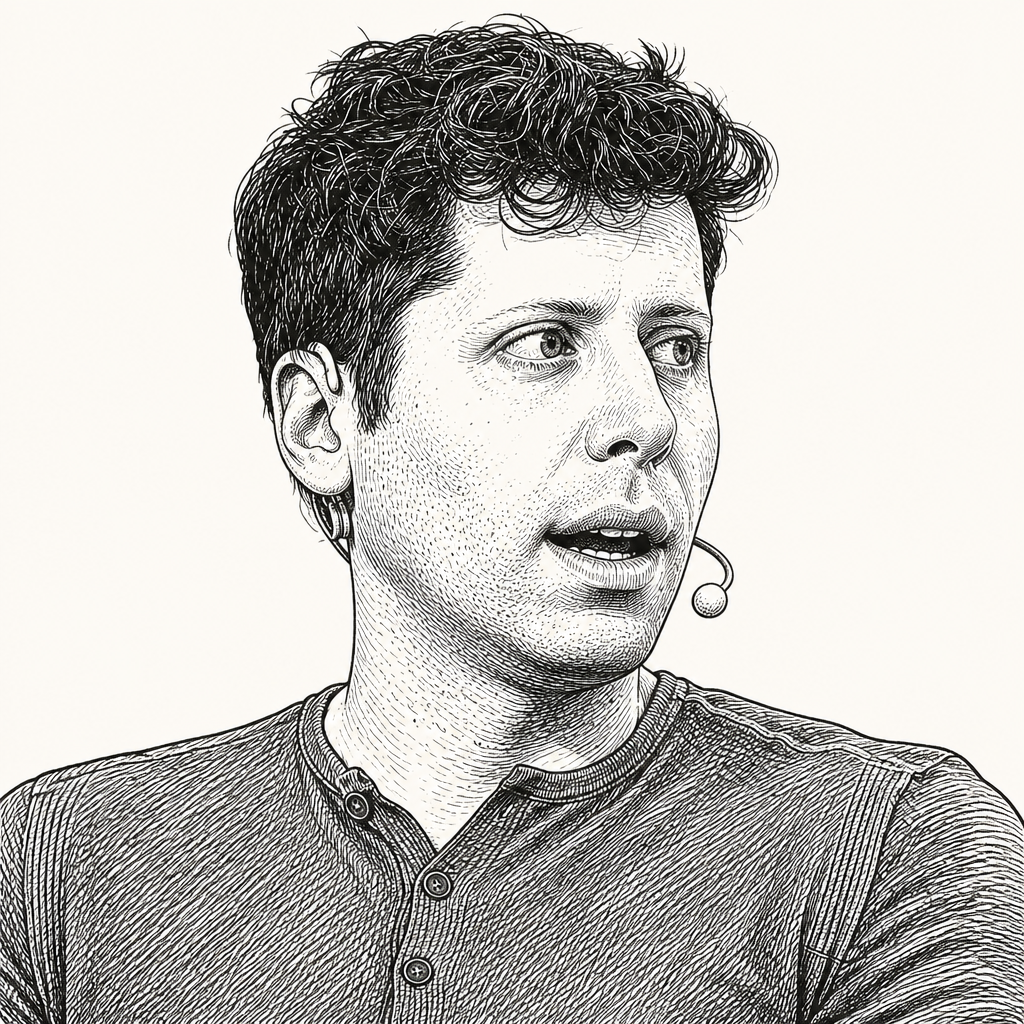

That framing addresses Ludlow’s tension by distinguishing willingness to pay from the amount of use OpenAI hopes to enable. A growing willingness to spend does not, in Altman’s account, remove the case for lower prices: users want to do more, and OpenAI believes continued price reductions can support that broader use. He said the company wants to lead the “Pareto frontier” across the relationship between quality and price—improving quality while reducing cost, rather than treating one as a substitute for the other.
Our belief is that if we can continue to drive the quality up and the price down and really lead the Pareto frontier at every point on that curve, people will use our tools in tremendous ways.
Altman pointed to developers at the event as an illustration of the potential he sees in that approach. He said he had heard what they were building with the tools and what they might do if prices continued to fall, calling those possibilities “quite remarkable.” He did not give specific examples or explain how quickly prices might decline. The distinction in his answer is narrower: Dots’s higher price is attributed to its capability and compute, while the company’s longer-term ambition is to improve quality and lower prices across its offerings.