Mac Mini Starts at $900 Amid AI Demand and Chip Shortages


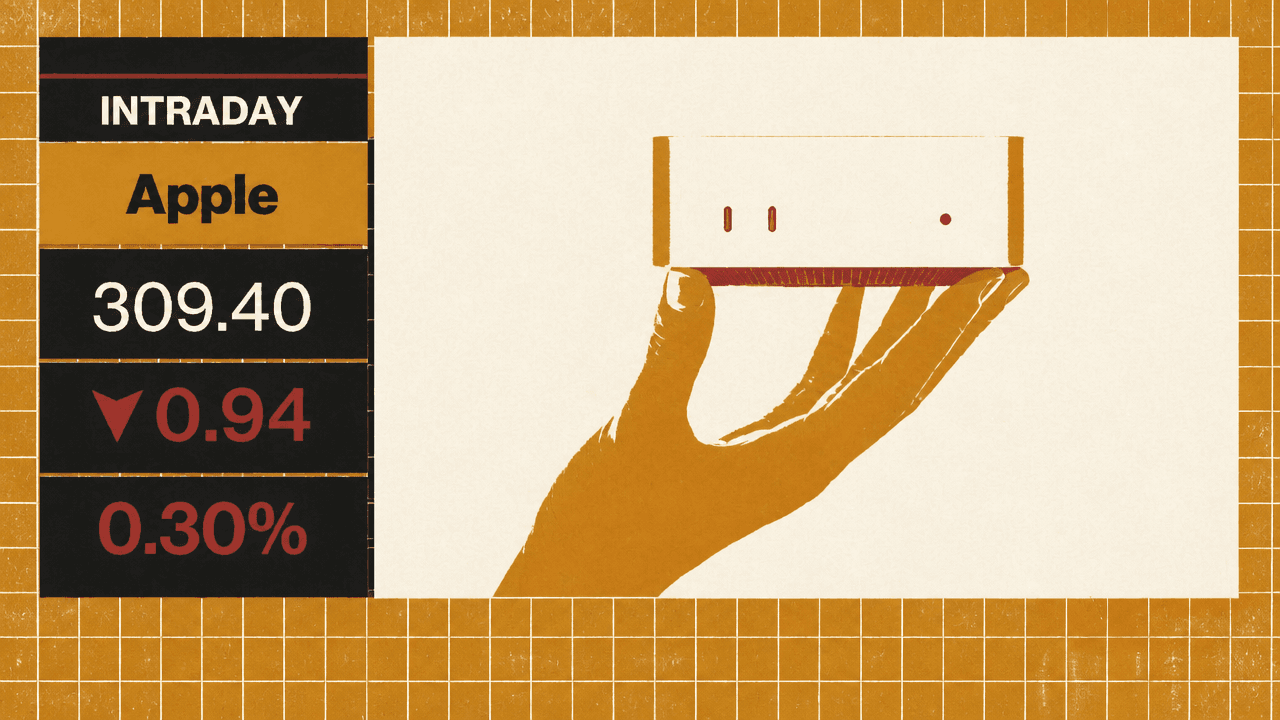
Apple is raising the entry price of its desktop Macs as customers buy Mac minis and Mac Studios for local AI processing and memory and silicon shortages constrain supply. The Mac mini now starts at $900, up from $600, while an M5 Ultra Mac Studio starts at about $5,500. Bloomberg’s Mark Gurman presents Apple and Oura as companies seeking more value from premium hardware: Apple through higher-priced computing capacity, and Oura through subscriptions alongside device sales; he reports Oura’s IPO could raise up to $3 billion at a valuation above $16 billion and says its hardware and service margins are strong.
Premium hardware is being priced around higher-value use
Two companies in different categories are making a related commercial case: hardware can command more when it supports a valuable workload or produces recurring revenue. For Apple, the workload is local AI processing on a desktop. For Oura, it is a premium wearable paired with a subscription business.
Mark Gurman said customers have been buying Mac minis and Mac Studios in “hot numbers” to run AI applications locally, on their own desks. At the same time, memory and silicon shortages have complicated inventory for both machines. Apple’s refresh responds with more capable configurations—and with a materially higher price floor.


The basic reported trade-off is clear. The Mac mini’s starting price has risen from $600 to $900, while the Mac Studio configuration built around the new M5 Ultra starts at roughly $5,500. Gurman said the increases were large, but described them as necessary “to some degree” to offset the memory situation.
That price increase is not just a specification change. It puts Apple’s lowest-priced desktop at a higher entry point while the company is facing component constraints and seeing demand from people who want local processing capacity. Gurman did not present Apple’s pricing as solely a response to AI demand; he tied it to the combined effects of demand, memory shortages and silicon shortages.
The high end of the line makes the capacity Apple is selling more concrete. The Mac mini receives Apple’s newly introduced M6 chip, with an M5 Pro option as well. The Mac Studio is available with an M5 Max or a new M5 Ultra, which Gurman said can reach 80 CPU cores and half a terabyte of memory.
A half-terabyte configuration is 512GB of memory. That configuration does not explain every buyer’s need for a desktop, but it illustrates the kind of high-capacity local-compute tier that now sits above the $900 Mac mini entry point.
Apple is raising the desktop price floor while expanding the ceiling
Ed Ludlow said the upgraded Mac mini and Mac Studio were available for preorder and would reach stores on September 22. Bloomberg’s on-screen product graphic listed the Mac mini with either an M6 chip or M5 Pro, and the Mac Studio with an M5 Max or M5 Ultra; it also placed the releases within a wider wave of Apple products expected in the second half of 2026.


The important distinction is between the two ends of the lineup. The Mac mini’s move to $900 affects the accessible desktop tier, whereas the $5,500 M5 Ultra Studio is a specialized high-end offering. Apple is therefore not simply adding an expensive option for buyers with unusual requirements. It is also charging more to enter the Mac desktop range.
Gurman’s account gives that pricing a specific context: buyers are using these systems for on-device AI processing, while the memory and silicon needed to supply them are constrained. What follows directly is that Apple’s desktop refresh pairs a higher capability ceiling with a higher minimum price. Whether that shift changes demand across the broader Mac market was not addressed.
The Mac mini, the price has gone up from it used to be 600 dollars, the starting price now is 900 dollars.
Apple’s product images showed the Mac Studio alongside video-editing software, code and charts, and a 3D wind-turbine model. Those are examples of professional desktop workflows Apple chose to display; Gurman’s separate claim was that local AI processing has become an important source of demand for the machines.
Oura’s proposed valuation depends on more than selling rings
The same distinction between a device and its underlying business matters to Oura. Mark Gurman reported that the smart-ring maker is seeking to raise up to $3 billion in an IPO that could happen as soon as September, with a valuation on track to exceed $16 billion.
Gurman said that figure would be about four times the valuation of smaller hardware companies including Sonos and Peloton. The comparison was intended to underscore the scale of Oura’s proposed public-market valuation, not to establish a like-for-like operating comparison among the companies.
Oura’s commercial argument, in Gurman’s telling, is that it is not dependent only on one-time device sales. The company sells a premium-priced hardware product and also sells a subscription. Gurman said its margins are “extraordinary” on both the hardware and services sides, based on what he has heard.
The underlying Oura business is unique in that they sell you a hardware product, and it's a premium priced product, but they also sell you a subscription.
Gurman also described smart rings as having become extraordinarily popular over the past year, serving both as alternatives to smartwatches and as complements to them. He expects the category to continue growing. The prospective IPO valuation, however, rests in his account on the combination of that product demand with subscription revenue and strong margins—not on category popularity alone.