AI Could Raise Energy Demand While Helping Transform the Energy Industry

OpenAI Chief Executive Sam Altman said AI could reshape the economics of energy in two directions: by increasing demand for power and by giving the energy industry new ways to work. Speaking at the ADIPEC conference in Abu Dhabi, he said the AI industry could “repay the favor” after years of discussing what it needs from energy. His remarks came as OpenAI signed deals to deploy its technology with energy companies and other organizations in the United Arab Emirates.
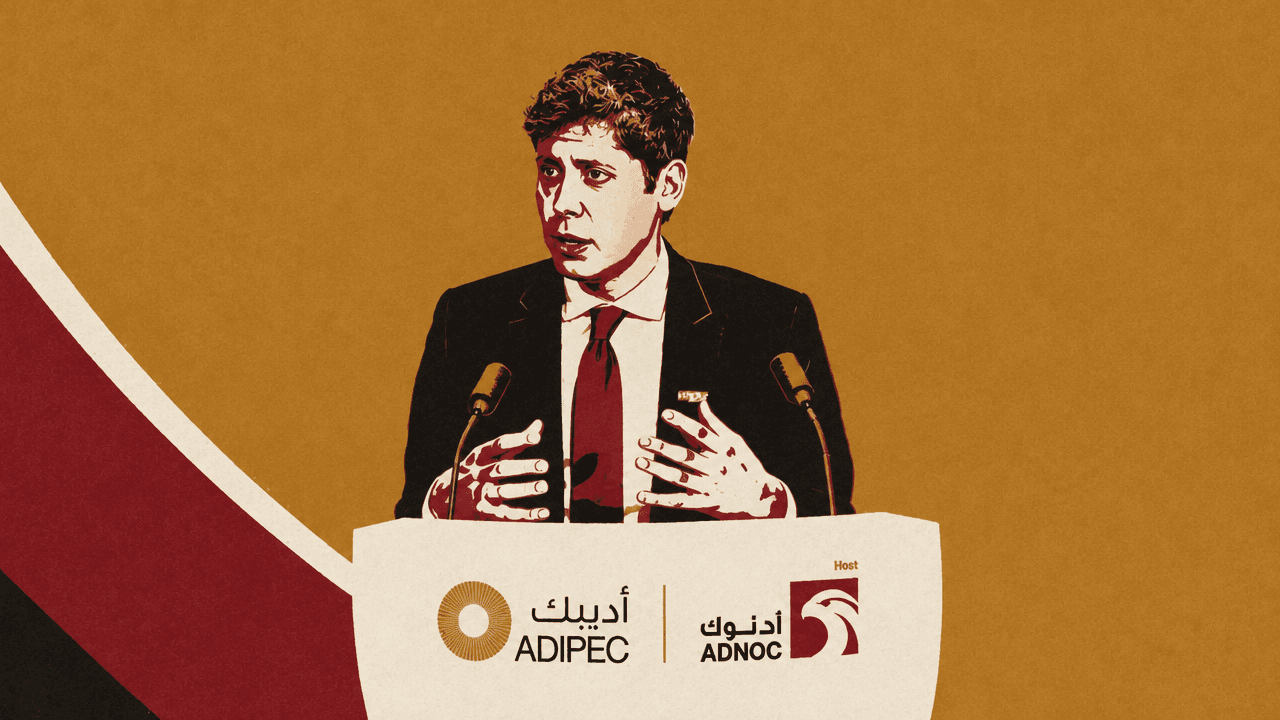
AI may need more energy while changing how energy is used
Sam Altman’s energy thesis has two sides: AI will increase the world’s need for energy, he said, but it may also enable the energy industry in new ways. The comments came at ADIPEC in Abu Dhabi against a business backdrop Bloomberg describes as OpenAI signing deals to deploy its technology across energy companies, investment firms and government agencies in the United Arab Emirates. Bloomberg also says the company was deepening its ties in the country while seeking billions of dollars in funding from state-backed investors.
Those details make the energy-industry claim more than an abstract possibility in Altman’s remarks: OpenAI had reported deployments involving energy companies in the same country where he was speaking. But neither the remarks nor Bloomberg’s description specifies what those deployments involve, or how AI might change energy operations. Altman’s claim is broad. He said AI could enable the industry, while emphasizing that the world would need much more energy.
The relationship is therefore not simply that energy supplies a growing AI industry. Altman suggested that AI might also be useful to the sector supplying energy. He described the AI industry as having spent years talking about what it needed from the energy industry; now, he said, AI could “repay the favor.” He did not detail particular applications or explain how the benefits would be measured.
For a long time, the AI industry has talked about what it needs from the energy industry. And now I think we can repay the favor.
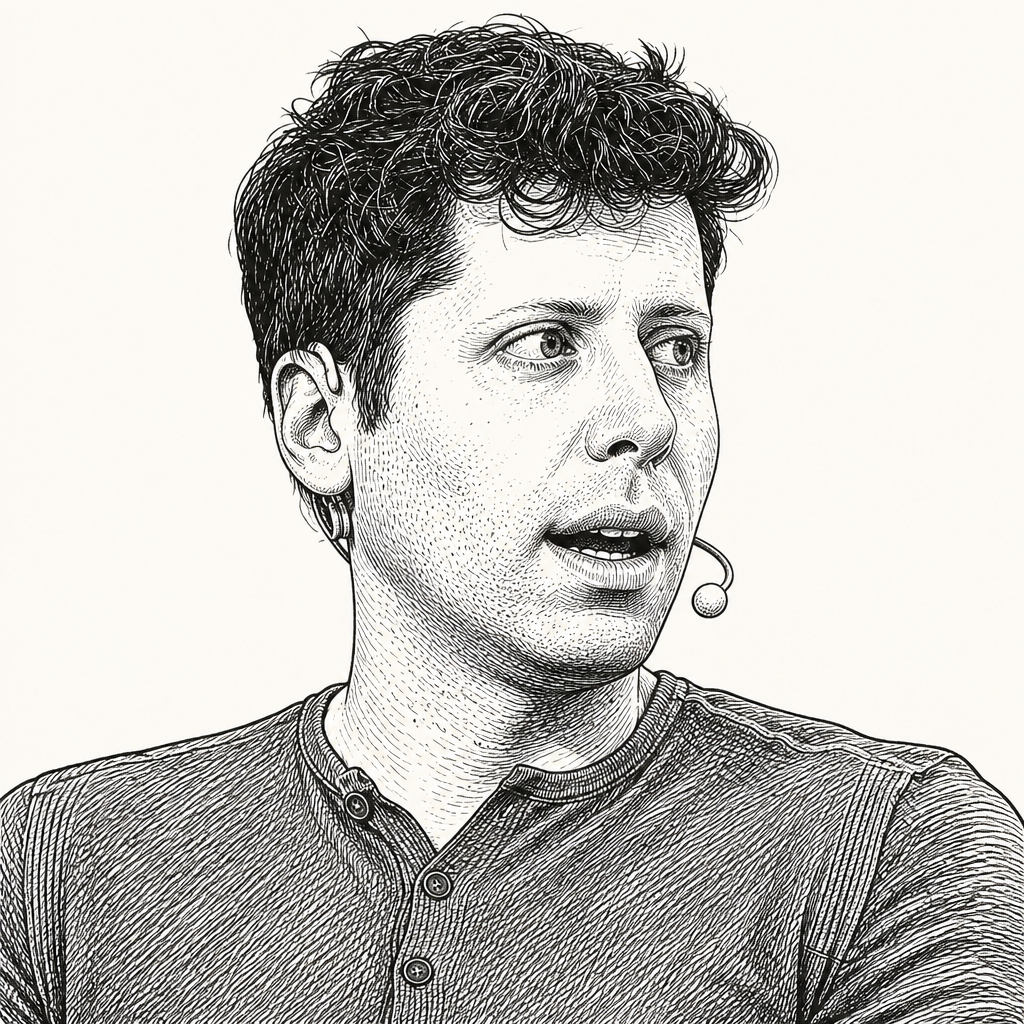
Altman said AI and energy had been the two greatest interests of his career, but he had not expected them to come together in this way. His formulation holds the demand for more energy and the prospect of AI helping the energy industry together, without claiming that one resolves the other.
The “renaissance” claim is about what individuals can do
Altman placed the energy relationship within a larger view of AI’s potential. He said the familiar description of AI as a new industrial revolution had begun to seem inadequate. The term he and others had started using, he said, was “a new renaissance.”
He explained that framing through a person working with AI: someone could discuss a broad range of problems and ideas, develop a sophisticated solution and invent new things. In Altman’s account, AI could extend what a person is able to do and deepen their understanding of both the problem and their possible contribution to society.
That is the supporting idea behind his expansive language. Altman called this kind of assistance something he had never seen before and said he had not expected AI to reach this point when it did. He described the prospect as exciting. The remarks do not specify how such expanded individual capability would translate into particular changes for energy companies; they set out a general account of AI’s potential alongside his narrower claim that the technology could enable the energy industry.