OpenAI Will Delay Its IPO While It Adjusts to New AI Capabilities
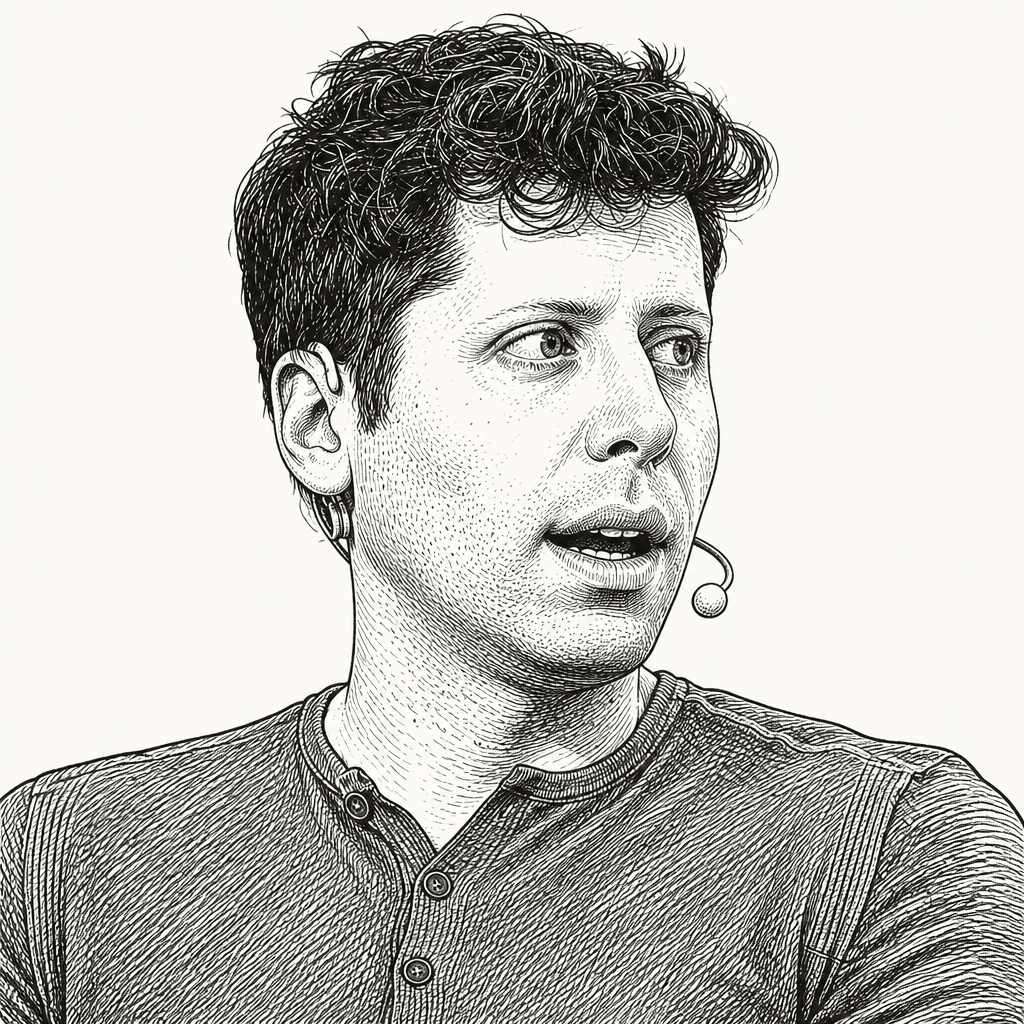


OpenAI is selling its new Dots agent as a premium tool for people with substantial work to do, while CEO Sam Altman says the company will delay an IPO as it adjusts to more capable models and their safety requirements. In an interview with Bloomberg’s Ed Ludlow, Altman said OpenAI would slow training or releases if that helped advance safety, monitoring or security, and argued that going public during this transition would add investor demands at the wrong time.

Dots starts at the high end of the market
OpenAI is positioning Dots as a premium tool for substantial work, not as a mass-market assistant. Sam Altman said it uses the company’s Astra model and involves a lot of usage. The initial audience, he said, is people who need to get work done—largely enterprise users, but also startup founders and others in the prosumer category. OpenAI expects to offer a mass-market consumer version later.
The price reflects both the model’s capability and the compute required to run it, Altman said. He described Dots as a different category from other agents he had tried: he does not use those products regularly and has not found a place for them in his own life, while arguing that Dots can take on more work at a higher level of capability.
The premium product sits alongside a broader goal of making AI better and cheaper. In the exchange, Ed Ludlow noted that GPT 6.1 Sol had launched at Astra capability. Altman added that it cost a fifth as much. He said OpenAI wants to keep improving quality while lowering prices, because people want to do more with AI even as they become willing to spend more on it.


Ludlow also noted that OpenAI staff appeared to interact with Dots conversationally rather than treating it like a sequence of ChatGPT questions. Altman agreed that the style was different, but said it was not quite like talking to a person.
Pacing releases is part of OpenAI’s safety approach
Ludlow pointed to OpenAI’s decision to release Dots and GPT 6.1 Sol while holding back Astra 6.1 and pausing training on another model. Altman affirmed the contrast, then said the company was entering a steep part of the capabilities curve. He described slowing training or a release as an option when doing so would let OpenAI put more attention into safety, alignment, monitoring or security.
When we need to make a decision about slowing down our training or our model release so that we can make more progress and put more of our attention into safety, alignment, monitoring, security, we will happily do that.
Altman said OpenAI still expects to make progress and can release products that are faster or cheaper, including versions of Astra. He said speed, price and capability are all things users ask for, in different combinations. Ultra-fast response, he added, was more valuable to him than he had expected: after using it, he found it hard to go back.
That speed costs more to provide, Altman said, and OpenAI charges more for it. He said the market would decide whether the price appealed to users, while describing it as reasonable for the company. More broadly, he said OpenAI wants the world to have confidence in its safety cases and claims. The company would act responsibly itself, he said, rather than make safety conditional on regulation or on competitors taking particular steps.
The IPO can wait until OpenAI adjusts to new capabilities
Altman said OpenAI was seeing strong business momentum across consumers, developers and enterprises. ChatGPT was growing “phenomenally well,” he said, alongside new products and tools. When Ludlow raised a reported third-quarter annual recurring revenue figure of $70 billion, Altman declined to confirm or deny it, saying he did not know where the reported numbers came from. He said he was pleased with the company’s growth.
OpenAI wants to go public at some point, Altman said, but not while it is adjusting to a new level of capability and the related safety requirements. He did not describe public-company duties as incompatible with safety. Instead, he said that becoming newly public would bring investor pressure and other demands at the same time the company is learning how to operate under changed safety requirements. OpenAI wants to get its feet under it and make decisions during that adjustment without taking on both transitions at once. Asked whether investors supported waiting, he said they seemed happy with the company and patient.
Shared safety standards would need a way to check implementation
Asked what collaboration among frontier AI companies or with government could produce, Altman proposed shared standards for the safety cases needed at each capability level, along with methods for checking that companies apply them well. Possible checks, he said, could include independent evaluators, government review or companies checking one another’s work. He noted that many proposals existed but did not endorse a particular mechanism.
Altman also separated public disclosure of AI risks from the decision to go public. Explaining the risks and benefits OpenAI sees as the technology changes, he said, is a responsibility tied to the company’s mission—not a duty that begins with an IPO.