Private Equity Is Bringing New Capital and Exit Options to Sports Teams

K. Don Cornwell argues that private equity can help sports teams grow without taking control from their owners. The co-founder of Dynasty Equity, which has invested in the Seattle Seahawks and TMRW Sports, says capital and technology can improve teams’ business performance and give owners a clearer path to selling—while revenue growth beyond ticket prices can help preserve fans’ access.
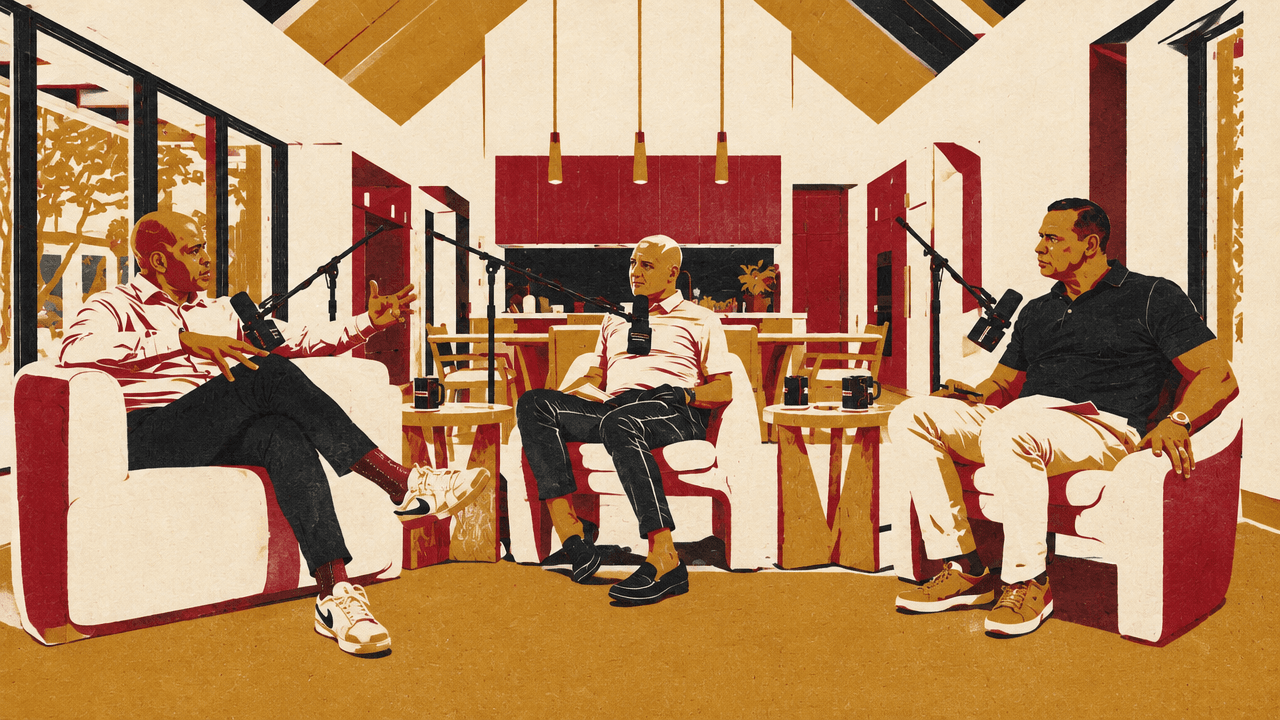
Dynasty supplies capital while owners keep control
Dynasty Equity’s investment model is built around a boundary: it provides capital to sports teams, while team owners retain control. Don Cornwell said league rules allow private equity to own up to 10% of a team, and described Dynasty as a passive minority investor—not a party seeking to replace management. Its capital can support projects such as a practice facility or stadium renovation. In the Seattle Seahawks investment, he said, the Khosla family is running the team; Dynasty is available to advise if asked.
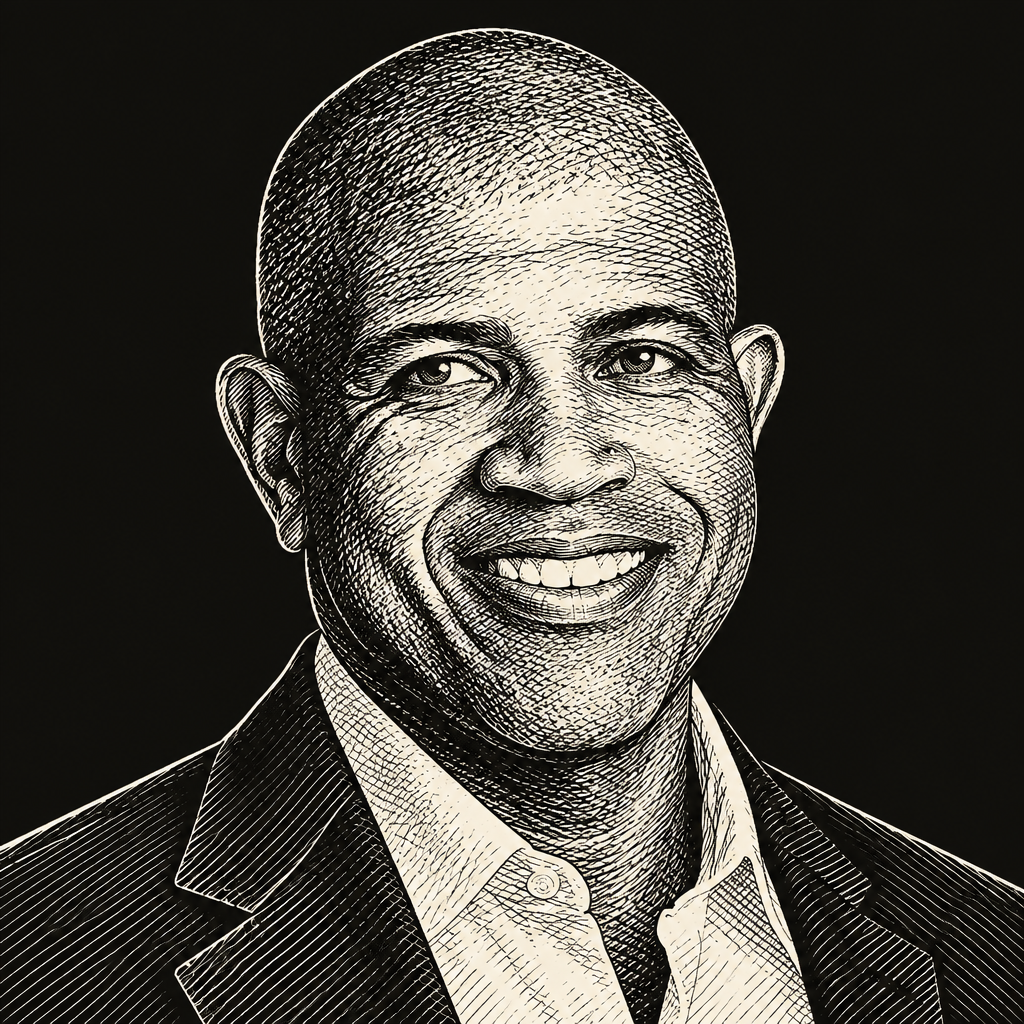
Cornwell put the distinction plainly: “The team owners still control the asset. What we're able to do is provide capital for growth.”
Cornwell and Jonathan Nelson founded Dynasty about four or five years before the interview, aiming to bring what Cornwell called “private equity in a traditional form” into sports. The partnership combines different kinds of experience: Cornwell described Nelson as a source of pattern recognition who can identify issues from past deals and prompt further diligence, while their relationships and networks complement each other. Nelson’s connections, Cornwell said, can reach people who are otherwise difficult to access; his own relationships are more oriented toward day-to-day work.
At the time, Cornwell said, some people treated teams as vanity purchases rather than businesses. The reception ranged from people looking at the founders “like we had eight heads” to supporters who saw the opportunity. Since then, he said, major investment firms including Ares, Apollo and KKR have entered sports. Dynasty’s position, he argued, is specialization: while larger firms invest across sectors, sports is all Dynasty does.
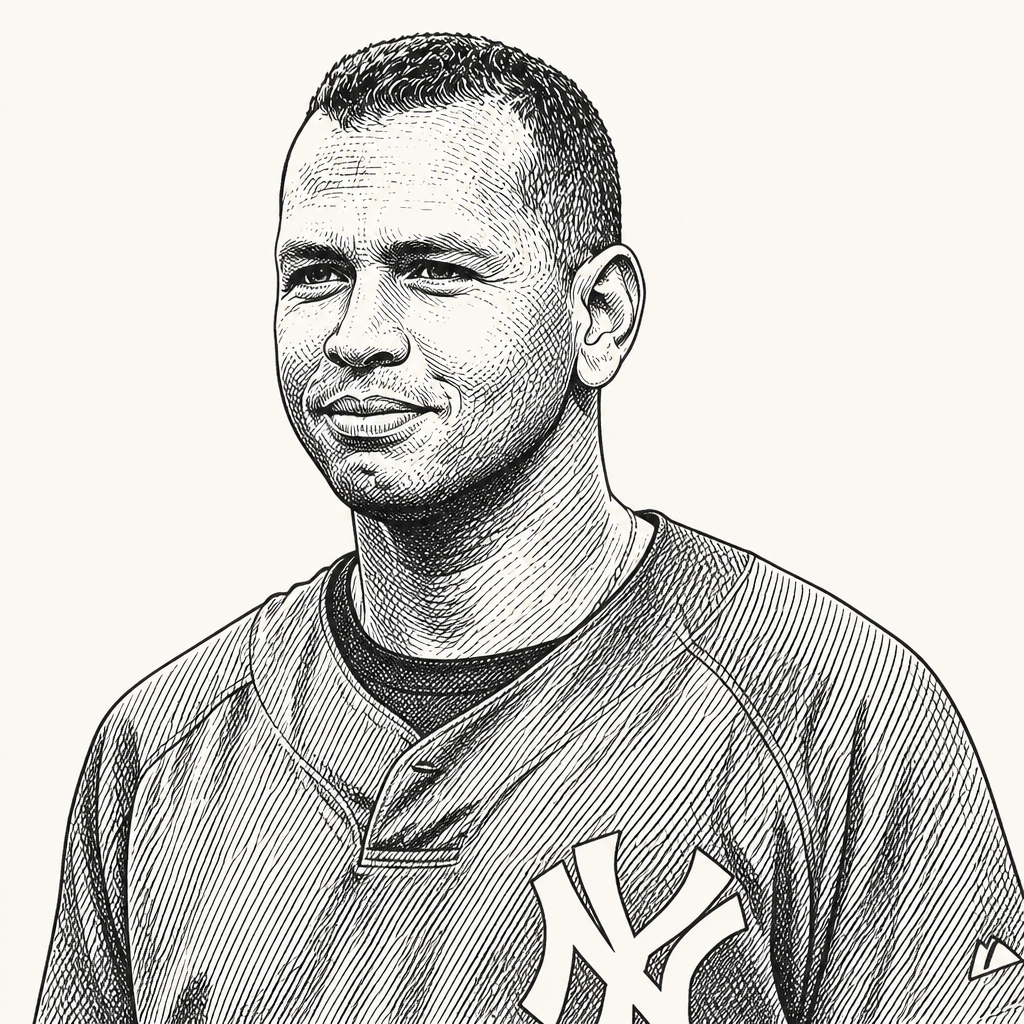
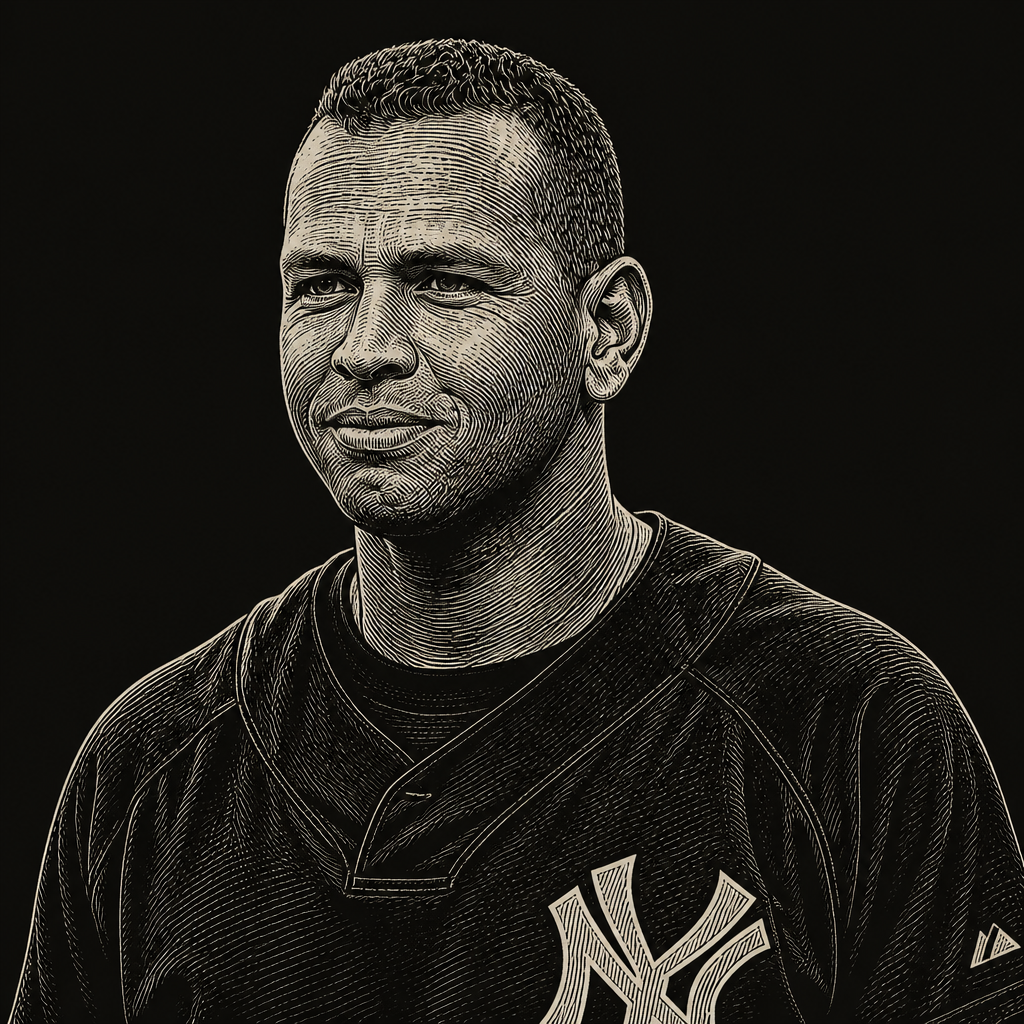
Alex Rodriguez said the industry’s expansion had outpaced what he and Cornwell expected when they discussed the opportunity five or six years earlier. Cornwell agreed that the shift in how people perceive sports had happened faster than he anticipated. He also described a change in what makes sports valuable. The original thesis emphasized social media; AI was a topic, but not yet the main event. Now, he argued, social media and AI together have increased people’s appetite for being together in real life. Live events answer that demand, and sports provides a strong setting. The arrival of Amazon, Google and Netflix in sports, alongside the desire for in-person experiences, has strengthened the investment case, in his view.
TMRW offers a way to own league-level economics
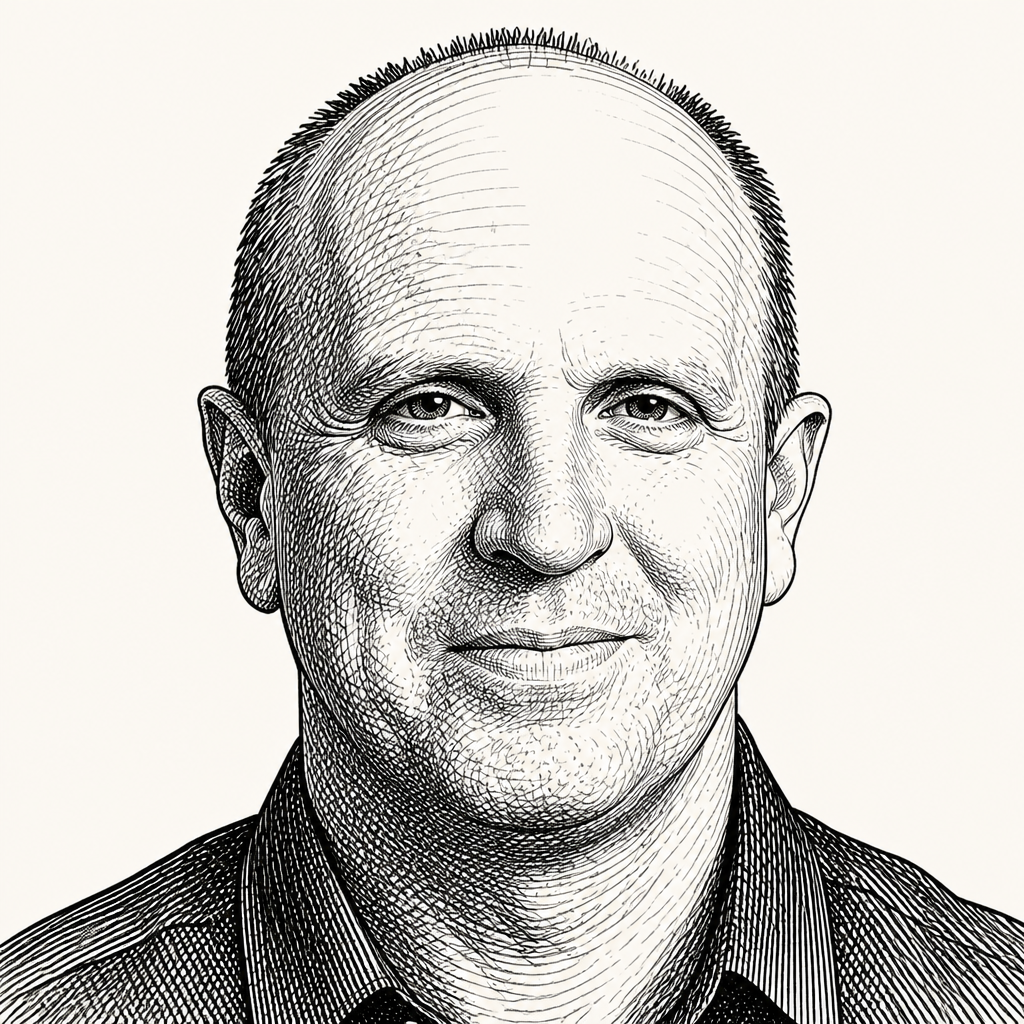
Dynasty’s investment in TMRW Sports began through a relationship with Mike McCarley, whom Cornwell came to regard as a special executive while each was building a business. When McCarley approached Dynasty about investing in or buying the New York golf team backed by Steve Cohen, Cornwell said, the firm instead proposed partnering with McCarley and investing in the broader company. TMRW was preparing to raise a new financing round.
Cornwell said Dynasty initially saw TMRW as a golf company, with opportunities in both men’s and women’s golf. A key part of the investment case was its partnership with the PGA Tour. For Dynasty, working with an established league reduced risk: Cornwell said the major leagues have enough reach and influence to make new ventures more viable. He expected golf to be TMRW’s starting point and thought other leagues might eventually want a similar model. The NFL’s interest came sooner than he had anticipated.
The economics were unusual, Cornwell said, because TMRW offered a chance to own the league-level economics through the platform. He contrasted that with major North American leagues such as the NBA, Major League Baseball and the NFL, which he described as pass-throughs: team owners, rather than the league itself, own the economics. With TMRW, he said, the platform could participate in interactions with fans and corporate partners.
The business also appealed to Dynasty because it was relatively low in capital intensity. Cornwell contrasted building 20 stadiums around the country with operating from one $75 million venue. He said that structure made the unit economics look promising, while partnerships with the PGA Tour, LPGA and later the NFL were difficult to replicate.
Jason Kelly asked how the NFL connection developed, particularly around flag football. Cornwell said the NFL had spent 25 years promoting youth flag football in the United States and overseas, with a particular interest in expanding participation among women. He described flag as less expensive to play than tackle football and requiring little equipment. He also said the NFL had worked with the International Olympic Committee to make flag football an Olympic sport, with men’s and women’s competitions scheduled for the 2028 Los Angeles Games.
For athletes to commit to flag football, Cornwell said, the sport needed a professional route to earning a living. He said the NFL wanted to launch professional leagues for men and women and was looking for a partner. In conversations with potential partners, the league heard people propose building “the TGL for flag football.” Cornwell saw a fit with McCarley’s experience at NBC Sports, where he had worked on both the London Olympics and Sunday Night Football. After a meeting involving NFL Commissioner Roger Goodell, his team and McCarley’s, the deal took another six to nine months to complete. Cornwell described the resulting opportunity as promising for both TMRW and the NFL.
The Seahawks investment depends on the setup and the owners
When Dynasty considers an investment, Cornwell said, it evaluates the league office and its leadership alongside the asset itself. Commissioners and their teams help drive revenue through decisions such as media negotiations and labor agreements. He estimated that, in the NFL, the league office could account for as much as 75% of the economics. That makes the commissioner and the team beneath them important parts of Dynasty’s underwriting, he said.
Dynasty also looks for a situation where its capital can support an inflection in the profit-and-loss statement. Cornwell said the firm is a passive investor in NFL teams, not one that intends to come in and change management. For the Seahawks, he pointed to a stadium that, in his assessment, had not received investment for 10 years and could be upgraded in ways that would affect the team’s financial performance. He also said the fan base could benefit from more engagement from ownership, which he expected the Khosla family to provide.
The investment decision still involves standard financial analysis, including multiples, but Cornwell emphasized the specific setup and the people involved. Because Dynasty cannot be the control owner in the major leagues, he said, it needs to trust the owners it backs as stewards of capital.
Kelly described the transaction as Vinod Khosla and his family buying the Seahawks from the estate of Paul Allen for $9.5 billion. A Bloomberg headline shown during the interview described the sale as $9.6 billion.
Cornwell said the sale process was open and Dynasty was already a known potential financing partner. He said only five firms could serve in that role. As competition between bidders intensified, the seller’s side approached Dynasty about getting involved; the firm had been following the process and doing its own diligence.
The Khosla partnership appealed to Dynasty in part because of the family’s technology experience. Cornwell described Vinod Khosla as one of the most prominent technology investors and said the family was considering ways to improve local fan engagement, the stadium experience, sponsorship and ticketing, including through AI. That fit Dynasty’s interest in technology coming into sports. For Cornwell, the investment was also a chance to work directly with the NFL after going through the league’s approval process.
Capital can help teams know their fans and give owners an exit
Cornwell connected institutional capital to rising team values through two mechanisms. First, teams can use capital and technology to build more direct relationships with fans. Better knowledge of supporters can help teams develop products, experiences and merchandise those fans want. If those efforts improve the profit-and-loss statement, they can also support higher valuations, he argued.
Second, Cornwell said private equity’s presence gives prospective owners more confidence that there will be a way to sell later. Wealthy families have asked where they could go if they needed to exit a team investment. They may never sell, but the presence of private-equity buyers offers a potential exit and can make ownership more attractive. In his view, the additional capital affects value partly by changing the comfort level of buyers.
Rodriguez added that institutional investors bring information and experience across leagues, which can help owners make decisions more quickly. He described the benefit as access to knowledge an individual owner might not have, while maintaining that decisions can still be made cleanly and quickly.
Growth has to reach beyond ticket prices
Rodriguez pressed Cornwell on who might lose as owners, private-equity firms and other institutional investors benefit from the growth in sports valuations. He recalled that, as a child, his mother worked two jobs and could not afford to take him to a Miami Dolphins, University of Miami or Miami Heat game. He warned that fans could become the biggest losers if the industry’s gains made attendance less accessible.
Cornwell agreed that teams are not only financial assets but community assets. He used the New York Knicks as an example: their popularity depends on children across the boroughs, not only fans in affluent Manhattan neighborhoods. Teams, he said, need to reach the South Bronx, Queens and Brooklyn as well as the West Village and Tribeca. Dynasty considers whether prospective ownership groups share that view.
Cornwell’s proposed path is to find more sources of growth than ticket prices. Teams can pursue merchandise, experiences and corporate sponsorship, including high-end sponsorship, to increase revenue while preserving fan access. He cited Liverpool as an example, saying its ticket prices had risen by an average of 42 cents the previous year. As he framed it, the example showed how a team could seek growth elsewhere rather than relying on substantial ticket increases.
Cornwell argued that technology and more sophisticated business models could make it possible for teams to grow revenue and profits while fans retain access. For Dynasty, he said, the community question is part of assessing whether a potential ownership partner is the right one.