Three WIN Projects Target Workplace Conditions Behind Gender Inequality
 Alexia Sanchez
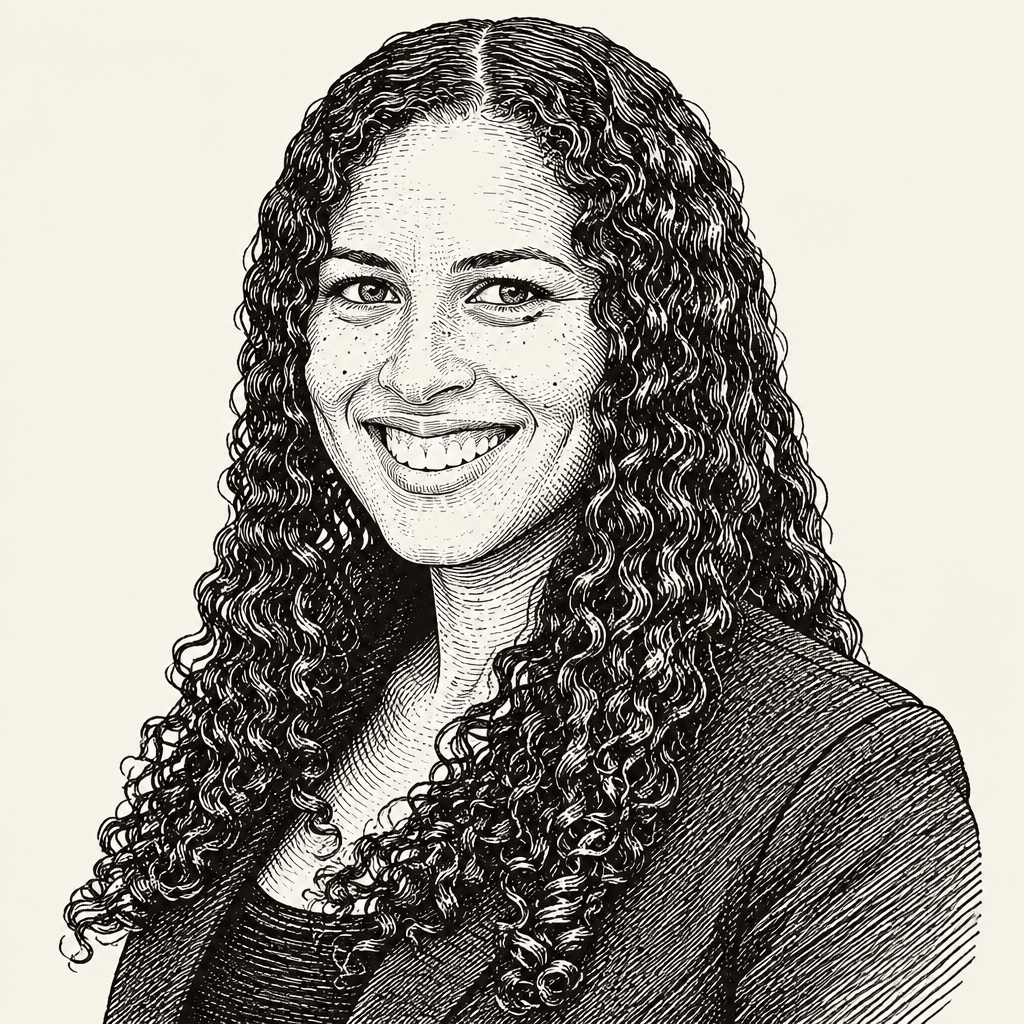 Jessica LeeDaniel Schneider
 Myra MartinezThe Aspen InstituteThursday, October 29, 20264 min read
At the WIN Summit, three of the WIN Challenge’s 18 awardees argued that helping women thrive at work requires changing workplace systems, not just preparing individual workers to manage barriers. The Shift Project is targeting scheduling software that makes shifts unpredictable; WorkLife Law plans to connect pregnant workers with legal protections through healthcare providers; and Affordable Homes of South Texas is making safe job sites a condition of placing women in construction roles.
The interventions target workplace conditions, not just individual workers
The three WIN Challenge projects presented at the WIN Summit start from a shared premise: helping women thrive at work requires changing the conditions that keep them from succeeding, not only helping them navigate those conditions. The barriers differ—unpredictable schedules, difficulty securing pregnancy-related accommodations, and unsafe construction sites—but each initiative aims to alter how workplaces operate.
The Summit brought together leaders from business, academia, philanthropy, and the social sector to advance ideas intended to help women thrive as AI changes the future of work. These projects were among 18 WIN Challenge awardees. Their approaches range from changing scheduling software to training healthcare providers and requiring safer job sites.
Scheduling software can make instability the default
For millions of women in hourly service jobs, changing shifts can make it difficult to arrange childcare, enroll in classes, or count on a steady paycheck. The Shift Project’s director, Daniel Schneider, said this instability is built into workplace scheduling systems—not simply the result of bad luck or a few bad managers.
Scheduling software, Schneider said, often optimizes for next week’s labor costs as if that were the only measure of business success. The consequences fall especially heavily on women, who shoulder much of the caregiving at home. Unpredictable schedules, he said, undermine health and well-being, increase economic insecurity, and make it harder for workers to get ahead.
The Shift Project has spent a decade researching these dynamics and trying to address them through local labor standards and company-by-company efforts to persuade employers to adopt better practices. Schneider said workers need a solution that can reach across firms and across the country.
The project is partnering with workforce-management software provider Deputy to intervene in scheduling algorithms used at thousands of companies. It aims to apply evidence-based practices and AI in ways that account for workers’ real lives, making more humane schedules the norm for women, their families, and employers. The focus is not just on helping workers cope with unstable schedules, but on changing the systems that produce them.
Healthcare providers can connect workers to protections
Pregnant and postpartum workers often contact WorkLife Law’s free legal helpline after facing a choice between protecting their health and keeping their jobs. Jessica Lee, the organization’s co-director, said callers may need time off for medical appointments or changes to protect them from extreme heat at work. Many are left to navigate those requests alone; some reach the helpline only after losing wages or their jobs, when income and health insurance are especially important.
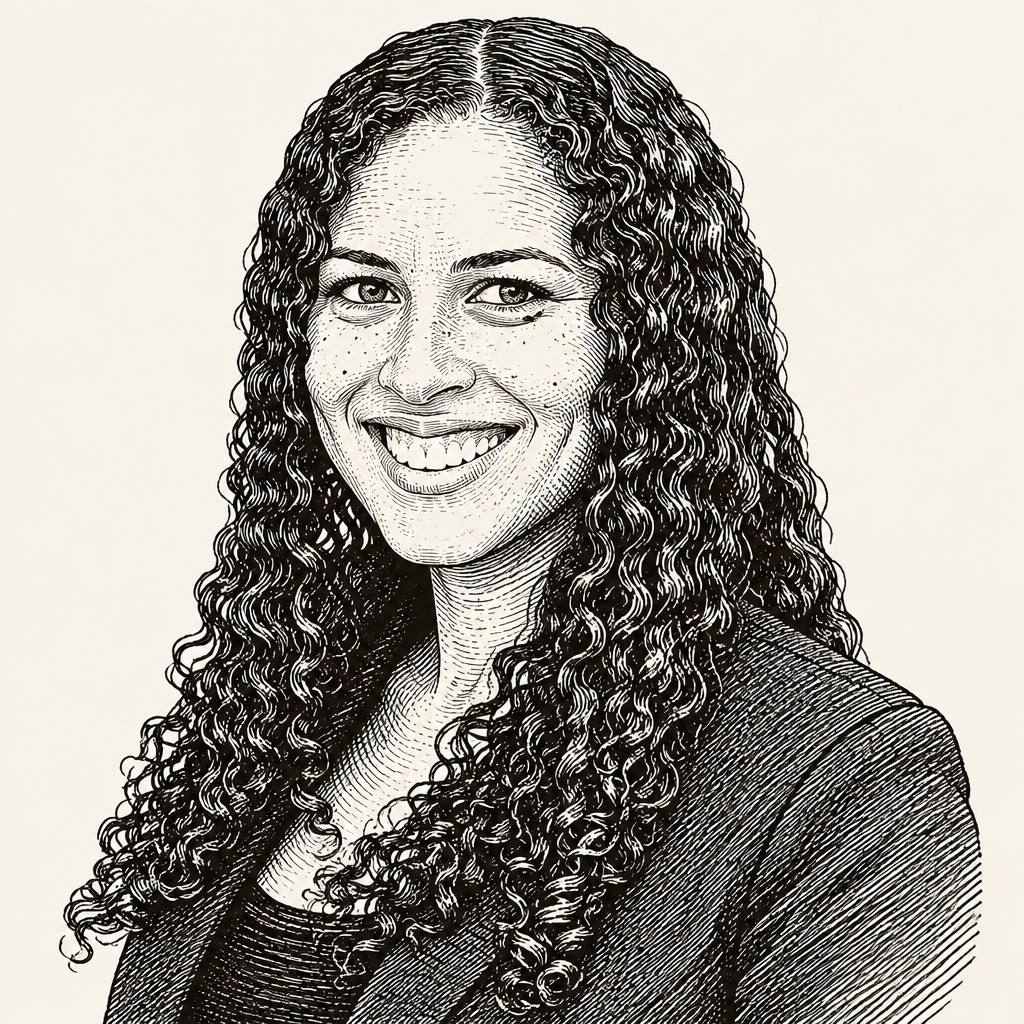

Lee said legal rights already require employers to provide workplace accommodations, but many workers do not know those rights exist or how to use them. WorkLife Law’s plan is to reach workers through healthcare providers they already trust. With support from the WIN Challenge, the organization will train 10,000 providers who serve 1 million pregnant patients each year.
The training will help providers identify workplace problems, explain patients’ legal rights, and write work notes that can support requests for accommodations or time off. Providers will also be able to refer patients to WorkLife Law’s expanded free legal helpline.
Lee said the helpline has helped nine out of ten callers obtain the workplace support they need to stay safe without sacrificing their jobs or income, and without going to court. The project’s premise is that healthcare providers can help workers reach those protections earlier—so accommodations and time off become routine rather than exceptional.
Construction training depends on the job site
In construction, preparing women for trades work is only part of the problem; the conditions they encounter on site also have to change. Myra Martinez Myra Martinez, who leads Affordable Homes of South Texas, said women make up about 11% of the national construction workforce, but only 4% of workers in the trades. She rejected lack of interest as the explanation for the drop. The barrier, in her account, is often the job site women enter.


Martinez described the experience of her organization’s construction manager, Erendira Miguel, the first woman to hold that role there. Crews sometimes ignore her instructions; when she enforces construction standards, she may be labeled difficult. Martinez said these responses have nothing to do with Miguel’s ability to do the job. They point instead to conditions that can keep women from succeeding in the trades.
Affordable Homes of South Texas is developing HERbuilt to provide women with training and career paths in construction trades. But training is only one part of the plan: before a worker is placed, the job site must meet the organization’s Safe Site certification standards. Those standards include zero harassment, properly fitting gear, and a process for reporting concerns that ensures follow-up.
The distinction matters to Martinez: expanding access to construction work requires changing the places where that work happens, not just preparing women to enter them. She sees women as an answer to labor shortages in the trades, but the project makes placement conditional on safer, more workable job sites.