Sport’s Power Depends on Credible Rules, Access, and Responsibility
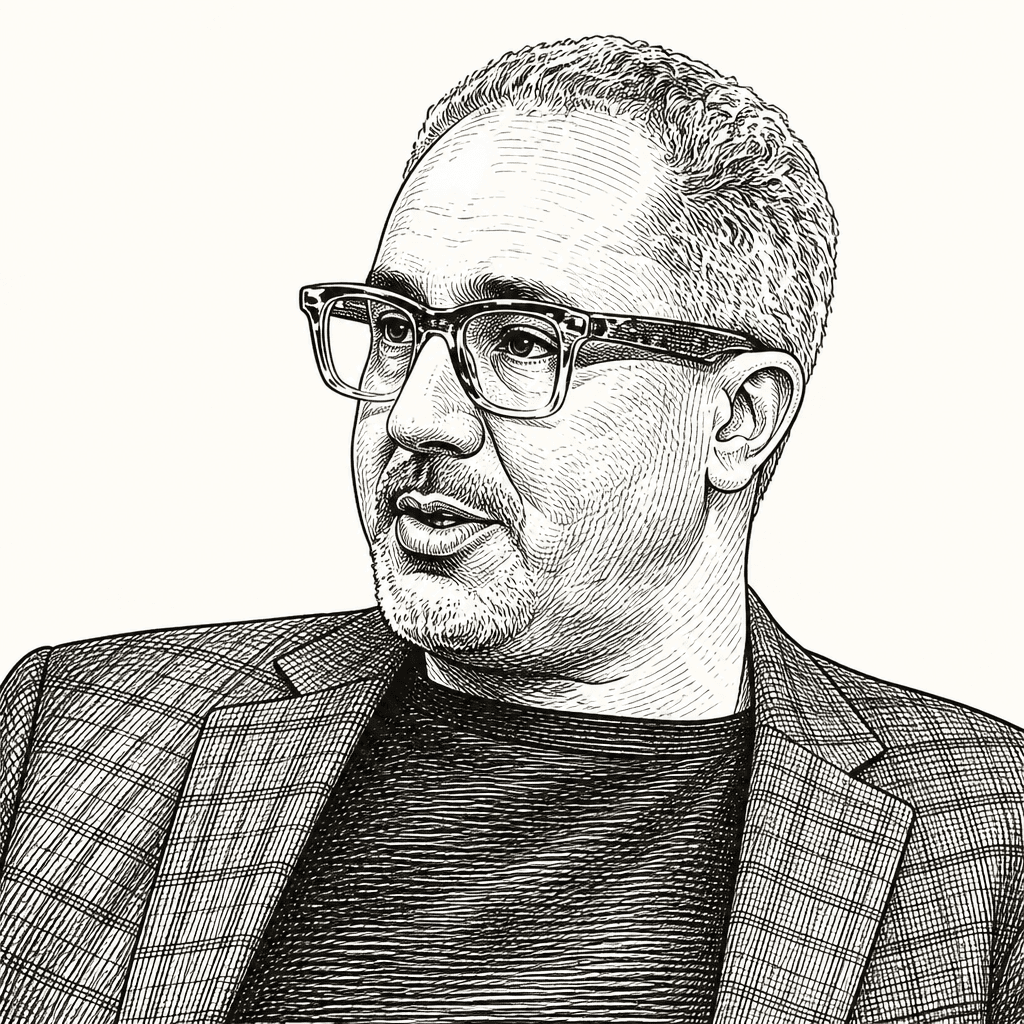 Dan Reed
 Jay Vickers
 Marc Brix
 Tom Farrey
 Markus Rogan
 Volker Lichte
 Scarlen Martinez
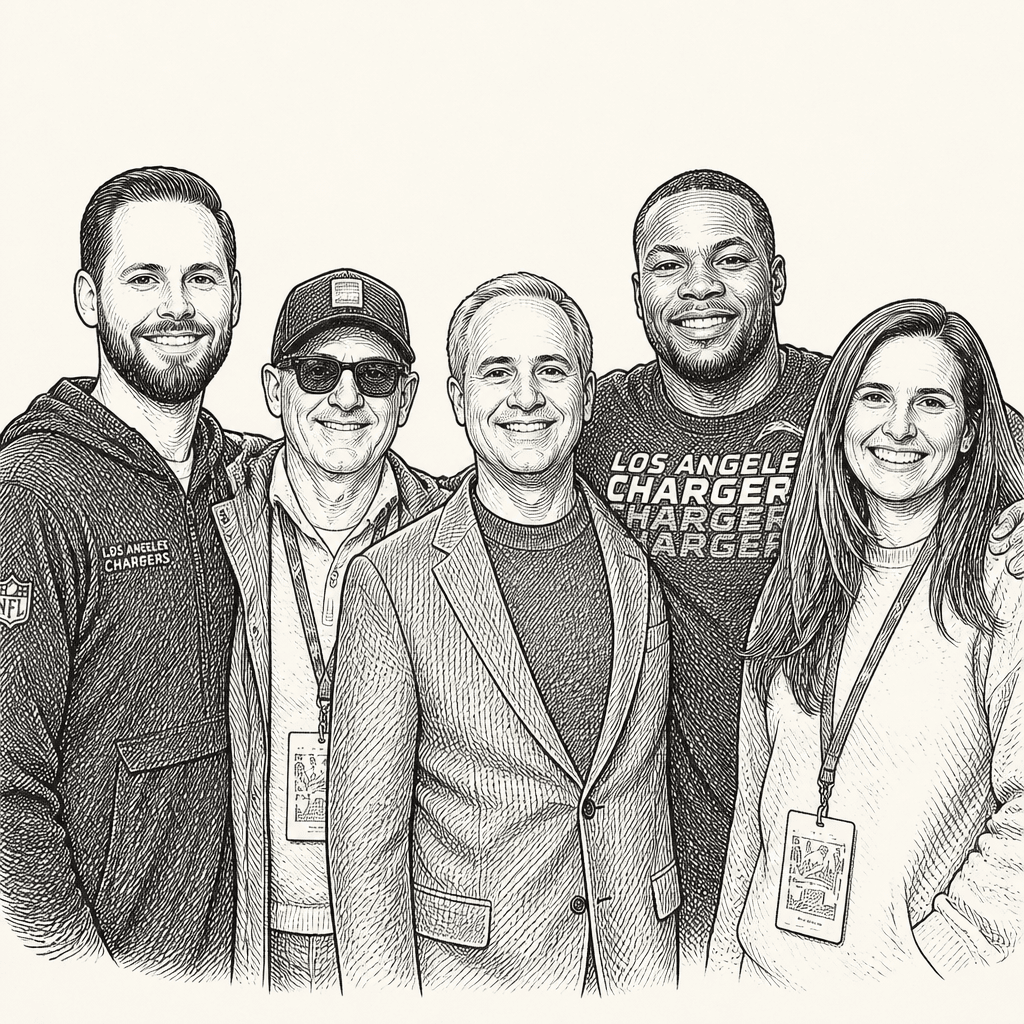 Kacey Florence
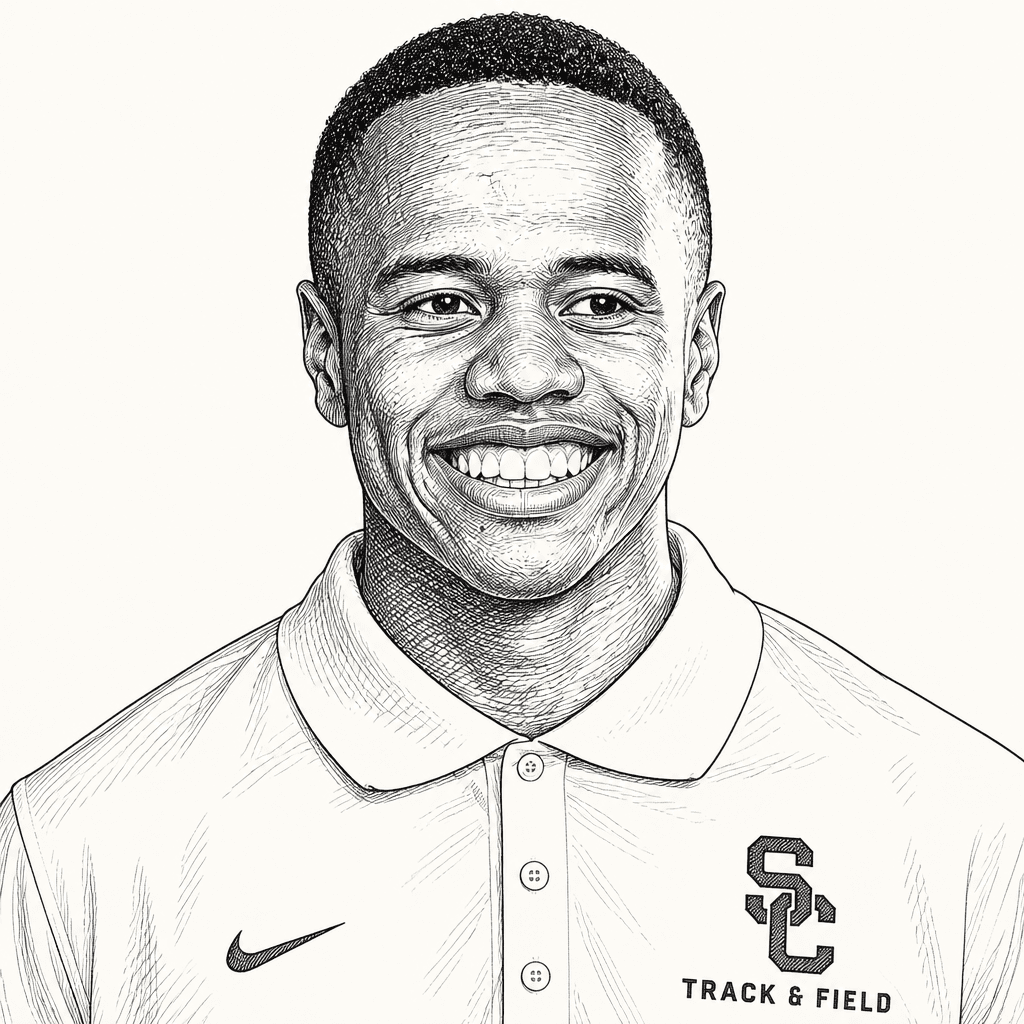 Isaiah JewettTanya BennettThe Aspen InstituteWednesday, August 19, 20269 min read
At the Rose Bowl Institute’s Sportsmanship Summit, Aspen Institute leaders and sports executives argued that sport shapes power not automatically but through the rules, access and relationships institutions build around competition. Dan Reed of the Aspen Institute said leagues depend on legitimate governance and fair enforcement, while Scarlen Martinez argued that athletes and other sports figures must recognize the influence their platforms give them. Across examples from women’s and para sport to the Los Angeles Chargers’ work in Greece, the panel made the case that sport’s civic value rests on how people choose to use that influence.

Power in sport depends on rules people believe are fair—and platforms people choose to use
Sport can spread influence beyond the people who formally govern a league, own a team, or hold public office. But the panel’s examples make a more conditional argument: that influence has value only when the institutions around it are credible and the people who hold it recognize their responsibility to use it.
Dan Reed described sport as a compact model of what a functioning democracy requires. Competitive organizations must bring rival interests into agreement on common rules, enforce those rules fairly, and sustain a governing authority with enough legitimacy that participants accept its decisions. Without that shared structure, Reed said, competition becomes chaos.
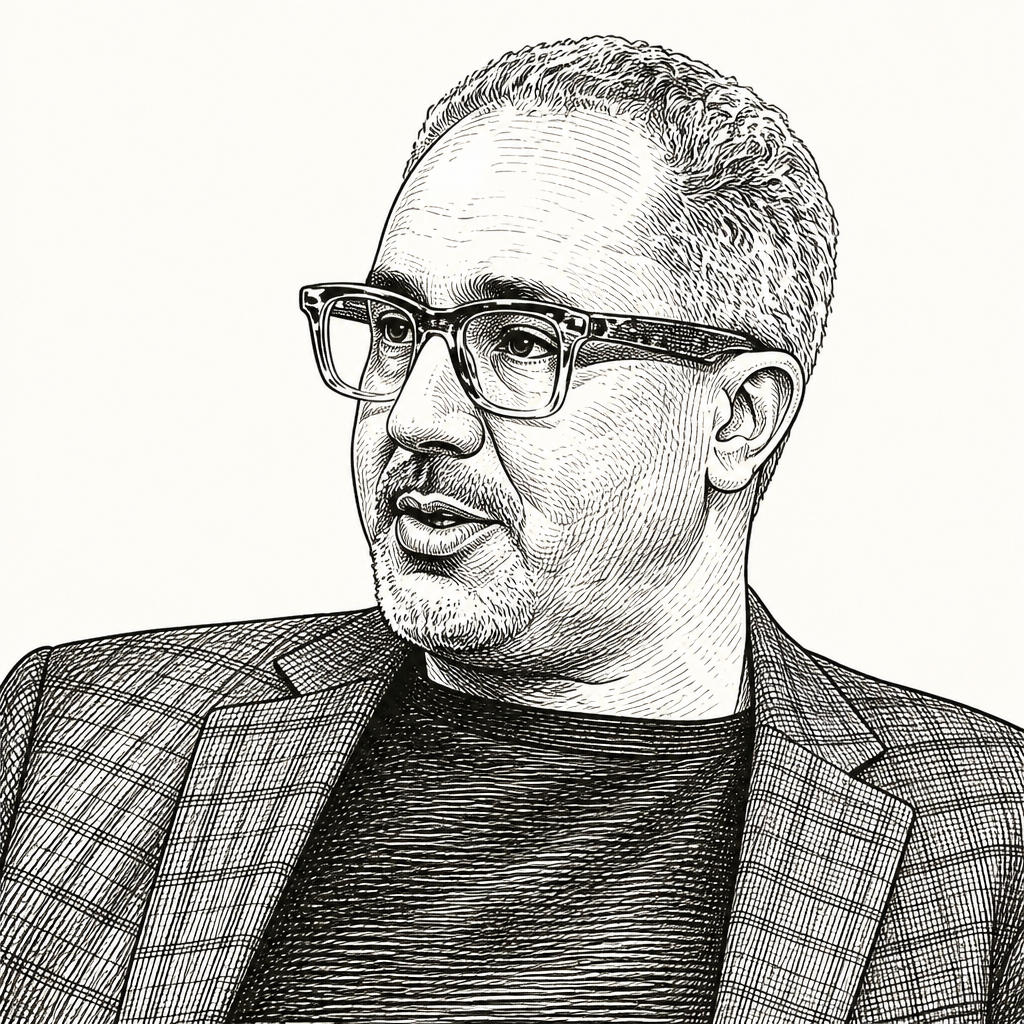
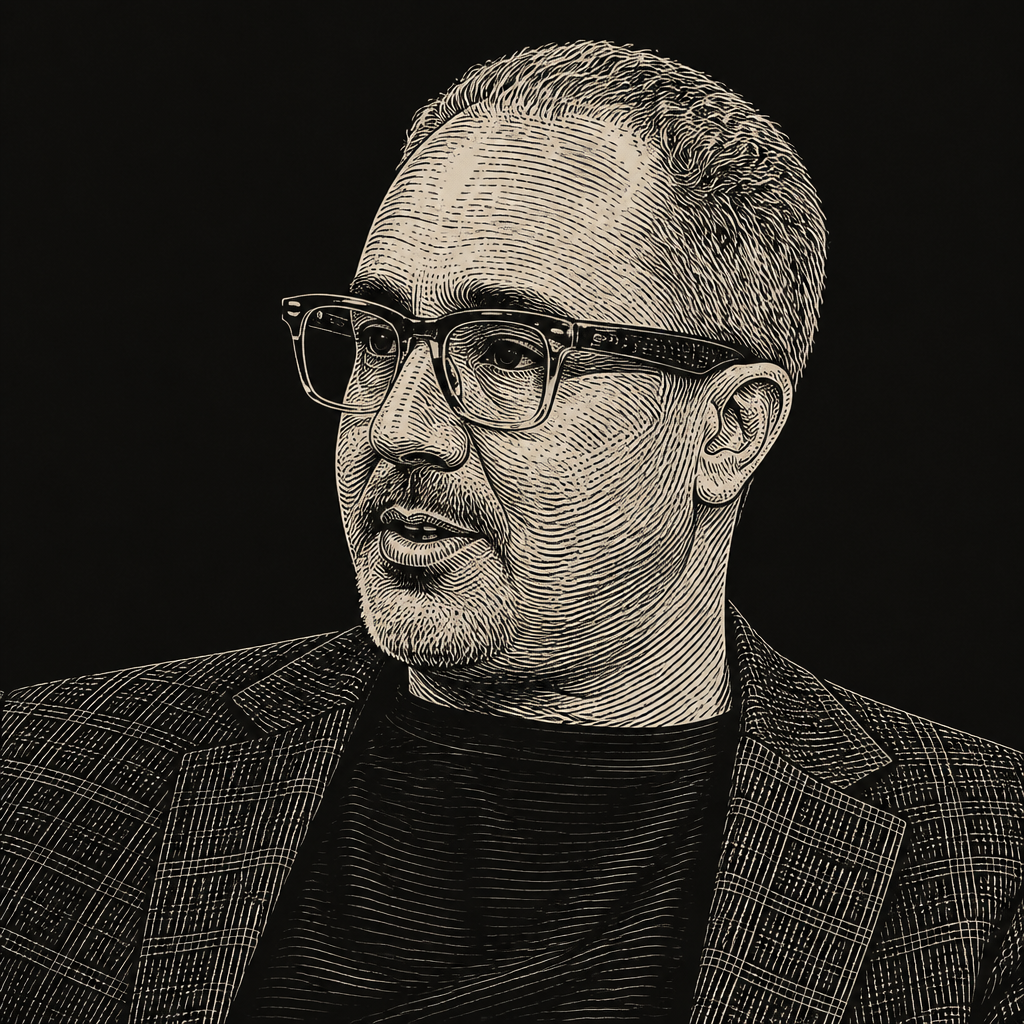
His experience at the NBA made the point concrete. The organization was internally known, he said, as “Nothing But Attorneys,” an acknowledgment that a league of competing owners depends on negotiation, rulemaking, and enforceable agreements. During his time running the G League, Reed treated the off-season review of rules as a central responsibility: participants will always seek an edge, but the league must determine whether the rules are working, whether they remain fair, and whether the people subject to them have had a voice in their revision.
The familiar dispute over officiating is consequential in this view. Complaints about referees are not merely part of the spectacle; they expose how much a sport relies on confidence that rules apply neutrally. If participants and audiences no longer find enforcement credible, Reed said, the sport itself can be damaged.
You can have very strong conflict and competition, and that's okay, because that brings out the best in everyone, but at the end we're all partners in this.
The postgame handshake matters for the same reason. It does not remove conflict or deny the importance of winning. It demonstrates that intense competition can end without turning an opponent into an enemy, because both sides remain participants in a shared enterprise.
Reed extends that institutional lesson to leadership. Coaching offers an alternative to the older model of the leader as a dictator, general, or command-and-control authority. Coaches may exercise formal power, but their task is to create conditions in which individuals and teams can thrive. He named Bob Knight and Phil Jackson as contrasting examples of coaching styles, while emphasizing the common challenge of developing people and coordinating a group.
Captains present a different form of authority: peer leadership without the formal ability to write rules, assign playing time, or control governance. A captain leads through example, effort, relationships, and credibility with teammates. Reed said the Captains Leadership Academy, a partnership between Aspen and Heisman, aims to bring leadership training to high-school captains and encourage them to carry those skills into their communities.
The central question, then, is not simply whether sport gives people influence. It is whether leagues can make authority legitimate, and whether people without formal authority can still exercise leadership responsibly.
Scarlen Martinez put the second condition plainly. Sport has diversified who can possess power, she said, but athletes, fans, executives, administrators, and team leaders do not necessarily understand where their own influence lies. Martinez said she had worked with 10 NFL teams in the preceding two and a half weeks to discuss players’ global power as ambassadors for the country and their sport. Some players responded with surprise that others might look to them in that way.
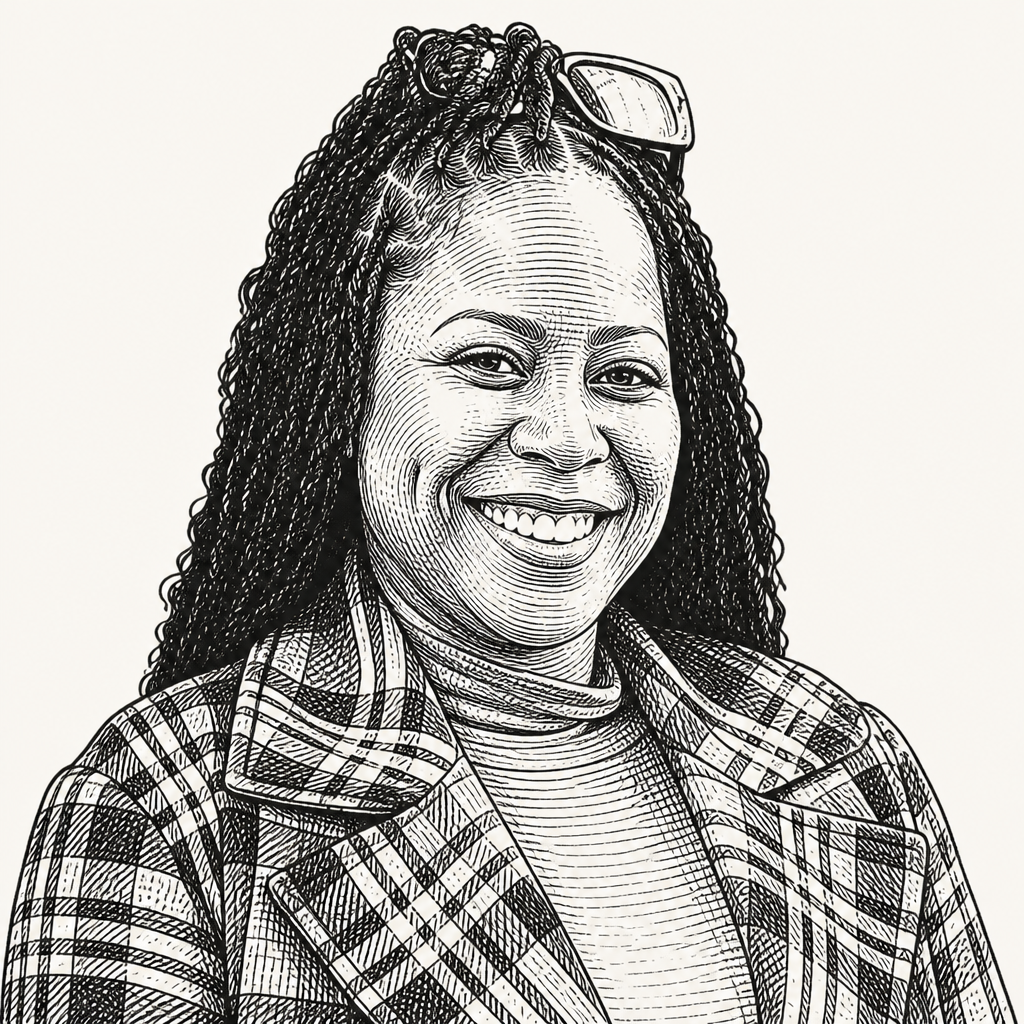
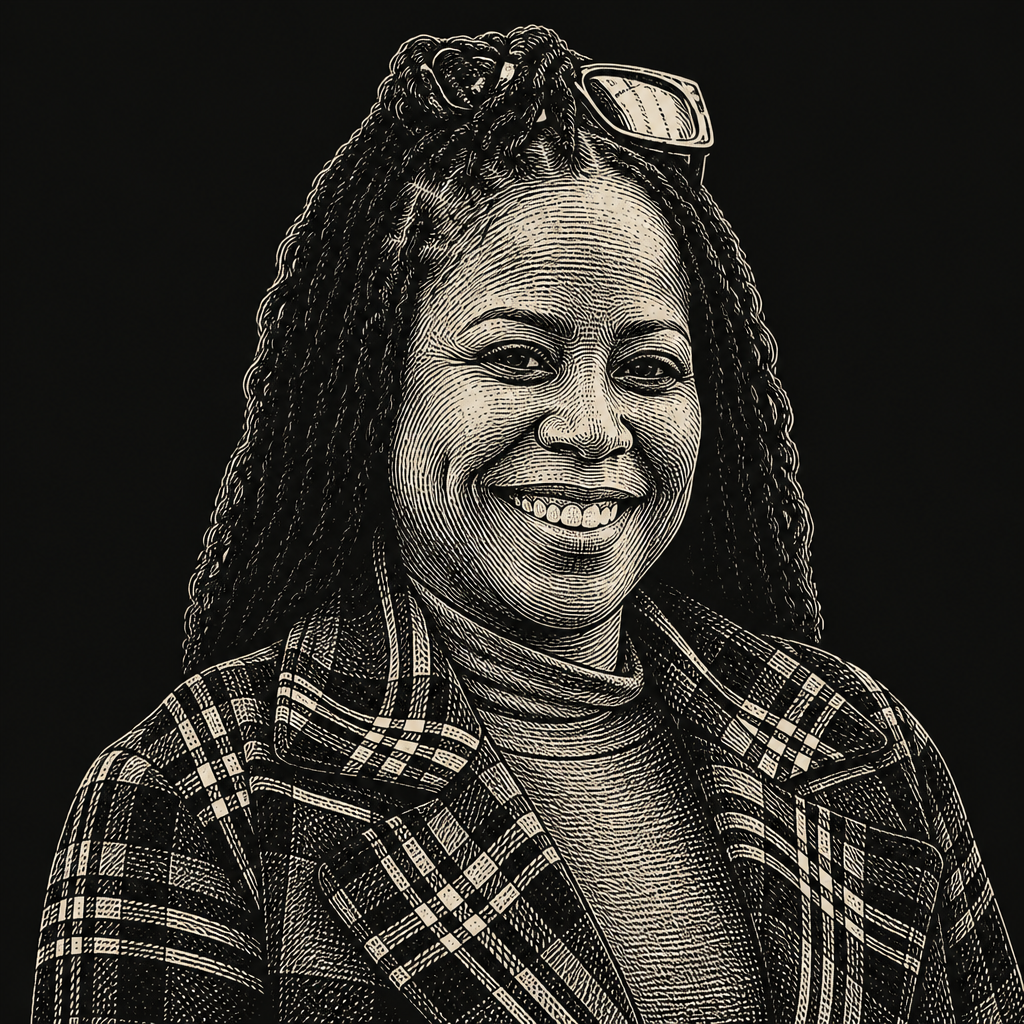
How do we get the people that have these platforms, have this power, to know that they do have it? And then the second part is, how do we use that power?
A slide presented during the discussion framed the possible progression as “From Power to Connection.” It listed trust between communities, international relationships, economic opportunities, tourism growth, educational exchange, cultural understanding, and community development as things sport can create. The panel did not treat those outcomes as automatic. Martinez’s question was about agency: who has the capacity to act, whether they recognize it, and how they choose to deploy it.
Access to elite sport changes who can be seen, heard, and resourced
Rules and leadership determine how a sports institution operates; access determines who gets to exercise influence inside it. Tanya Bennett connected power to the expanding ability of women and para athletes to participate at the highest levels of sport and receive public recognition there.
Looking at images of a para athlete and an elite woman athlete, Bennett said LA28 is expected to be the largest Paralympic Games in history and the first Games with a female majority. She treated those prospective milestones as questions of equality as well as representation. Women’s access to elite competition was once constrained by claims about physical incapacity. Bennett cited marathon running, saying that women were not allowed to compete until the 1980s—LA84, she believed—because of what she called dubious science about women’s capacity to participate at that level.
For Bennett, wider attention to the Paralympic Games and women’s elite sport signals a more inclusive and equal form of elite competition. That matters because sporting institutions can make visible the kinds of societies and democracies people want to inhabit.
Isaiah Jewett added an economic dimension. Sport can create mobility for athletes from impoverished places by giving them both access to wealth and a public platform from which to tell their stories, he said. Serena Williams was his example. The opportunity does not stop with the individual athlete if access to resources enables that athlete to build an ecosystem that opens doors for others.
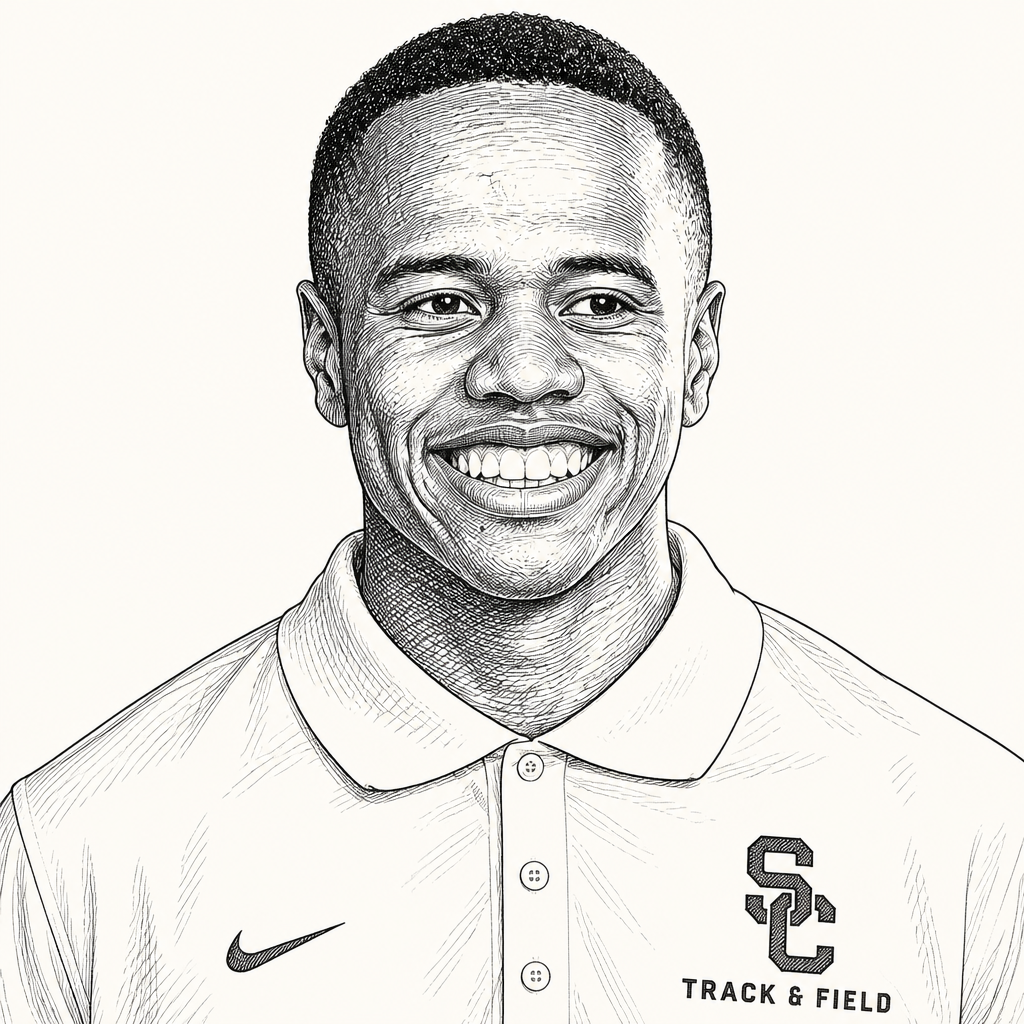
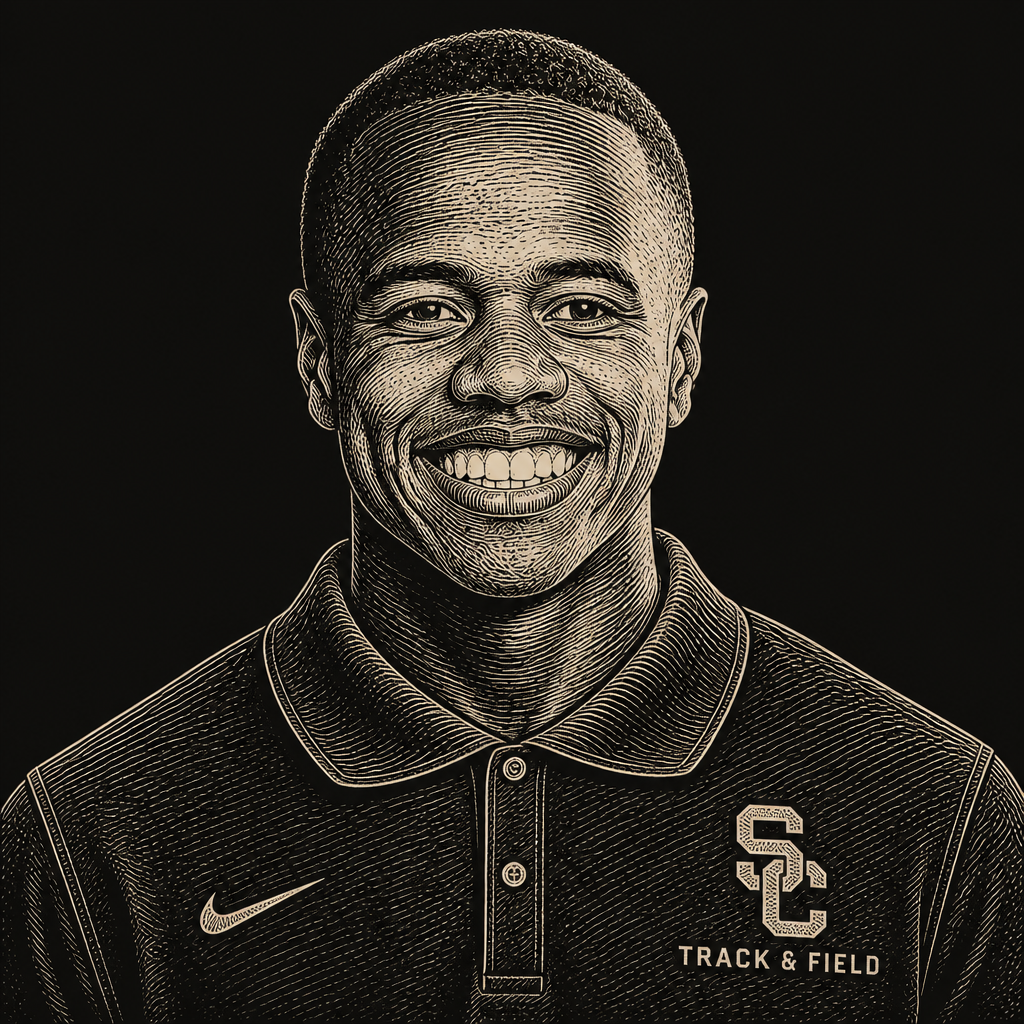
Jewett’s point complicates the familiar story of athletic success as private advancement. The power created by sport can remain concentrated in the person who reaches professional status, or it can become an infrastructure for others: relationships, investment, visibility, and opportunities that reshape the prospects of a next generation.
That possibility is why Martinez’s emphasis on awareness matters. A platform is not a social outcome in itself. Athletes and teams can use public attention merely as personal capital, or they can treat it as an opening to build relationships, broaden participation, and support others’ access to opportunity.
International growth begins with listening, not with a market to capture
The Los Angeles Chargers’ work in Greece offers the panel’s most practical example of power being converted into connection. Kacey Florence said the NFL’s global-markets program lets teams apply for rights in other countries. The Chargers selected Greece in part to honor the Greek culture and heritage of the team’s ownership.
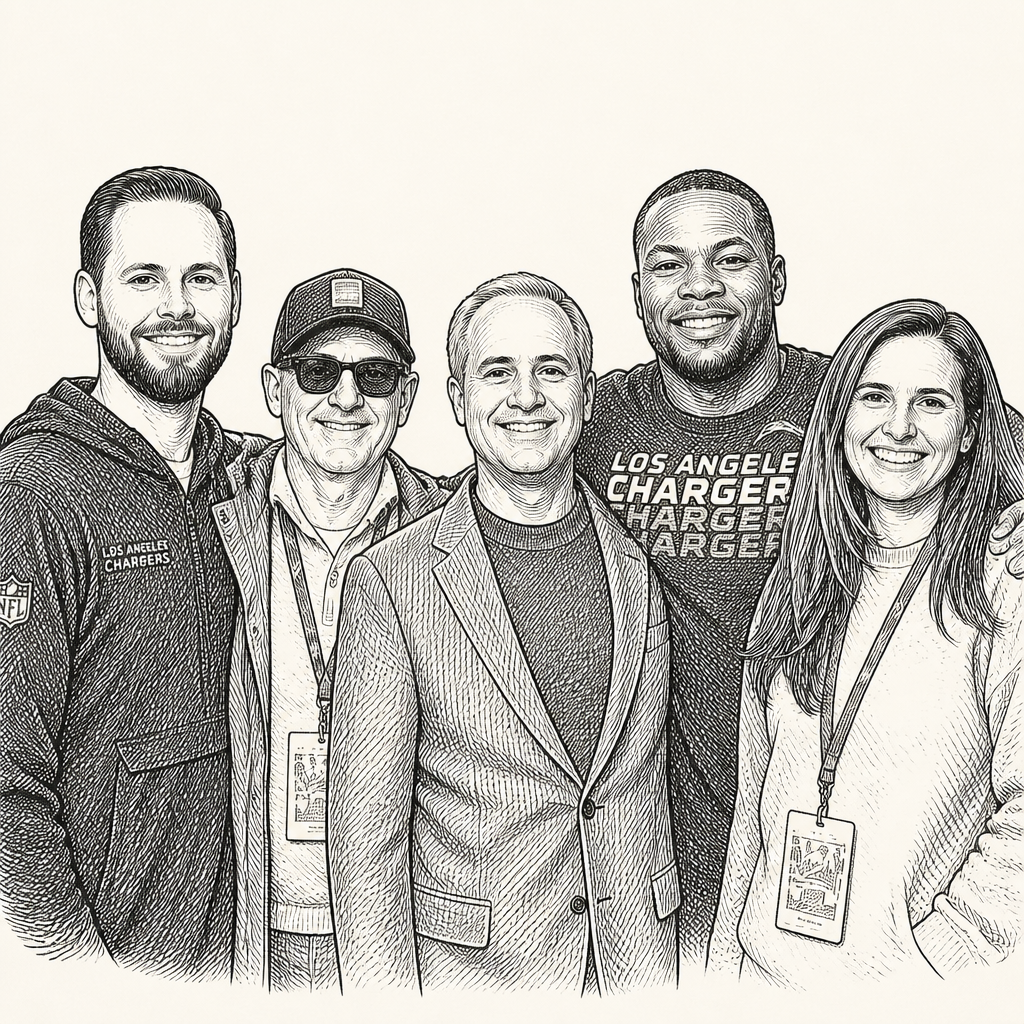
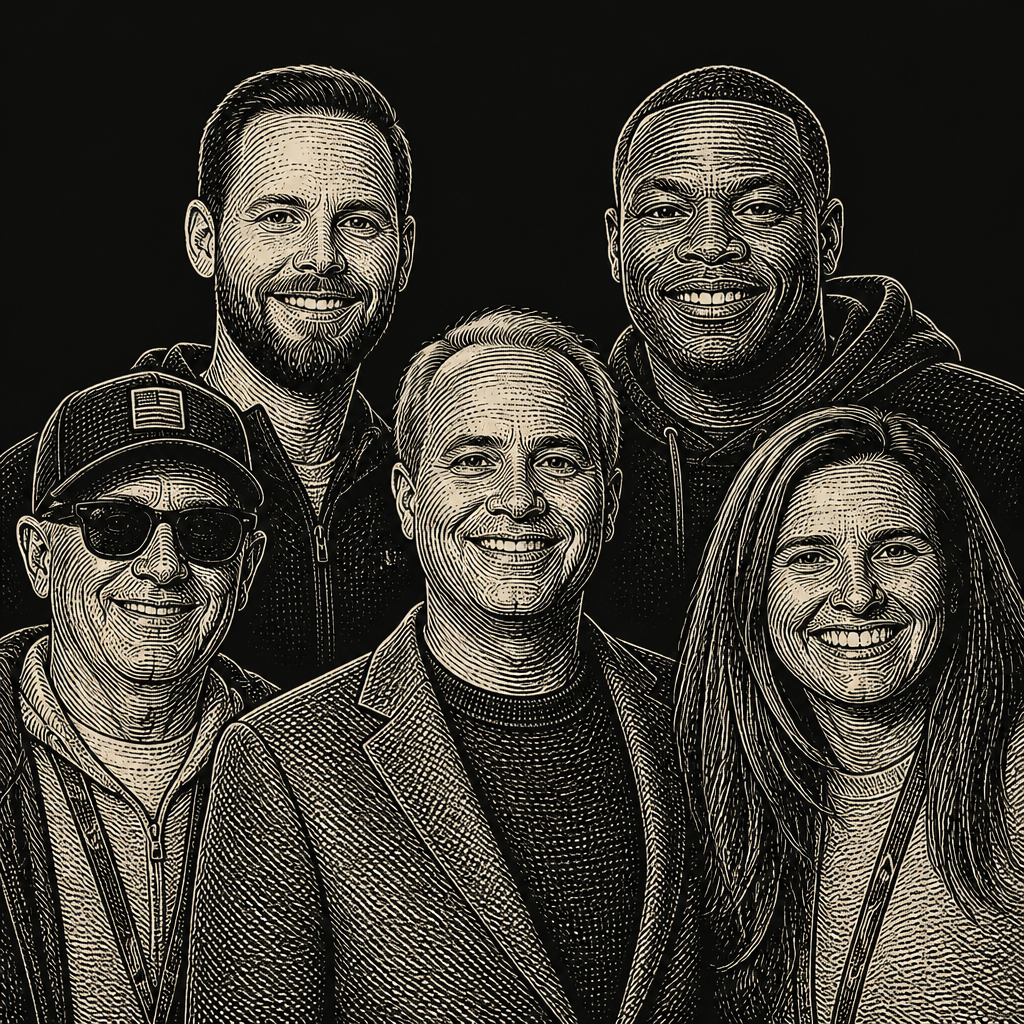
The organization did not approach Greece as a place where an American football game could simply be imported and rapidly monetized. Florence said American football is the country’s 15th most popular sport. Before building a program, the team researched where the sport sat within Greece’s broader athletic landscape. Hosting a game there may be the Chargers’ “North Star,” she said, but it was not the premise for entering the country.
That distinction shaped the early work. Florence noted that the unfamiliarity was basic: people accustomed to soccer balls and basketballs might not even recognize the shape of an American football. The Chargers began by engaging young people and communities, trying to understand their response to the game rather than assuming sport would function as a universal language on its own terms.
The team has held five camps in Greece and brought four players to participate. Florence described young participants as highly engaged, but attributed the progress to research, listening, and relationship-building. The Chargers also developed a partnership with the U.S. Embassy in Athens.
That partnership has supported an exchange program expected to bring 10 people from Greece to the United States with the objective of creating a Greek flag-football federation. Florence said the visitors will receive exposure to coaching and infrastructure, speak with people across the Chargers’ ecosystem, and ideally attend a Chargers game as well as flag-football and college-football events.
The example gives operational content to the slide’s language of trust, international relationships, educational exchange, and cultural understanding. The Chargers’ stated objective is not simply to create interest in a new sport. It is to work with local participants and institutions that could establish their own foundation for it. Florence’s conclusion was straightforward: none of that work would have been possible without first understanding the country, its existing sports culture, and the community the team hoped to engage.
Sport became a civic instrument because institutions chose to build it that way
Tom Farrey urged the audience not to treat sport’s ubiquity as natural or inevitable. Fields beside schools, urban parks, pools, running paths, golf courses, and everyday recreation can make sport appear to be a permanent feature of American life. Farrey said it was not central to the country in the late nineteenth century.
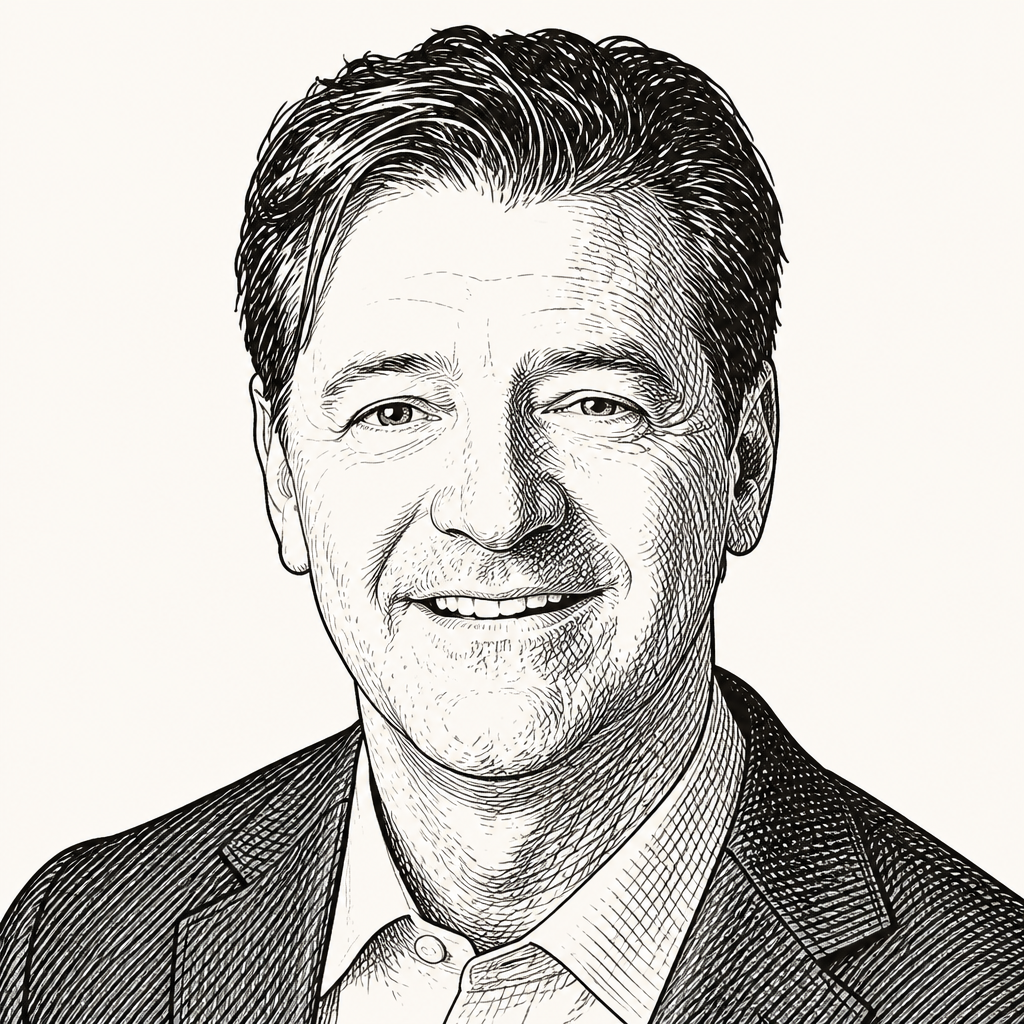

In his account, a loose collection of actors began treating sport as a nation-building tool in the 1890s and the first decades of the twentieth century. Theodore Roosevelt was among them, alongside Luther Gulick of the YMCA in Springfield, Massachusetts, where Farrey said Gulick’s students invented basketball and volleyball. Physical-education curricula entered schools, interscholastic sports were established, and the playground movement built thousands of parks in rapidly urbanizing cities.
Different institutions saw different uses for the same development. Military recruiters viewed athletic activity as preparation for soldiers. Industrial leaders such as Carnegie and Rockefeller, Farrey said, saw sport as a model of capitalism: a system of winners, losers, rewards, and competition that could help teach immigrants what it meant to be American.
That history is relevant because it makes sport’s social effects visible as choices rather than inevitabilities. Sport has not merely reflected American ideas about belonging, freedom, and power, Farrey argued; it has helped shape them, along with education, universities, urban design, fashion, and politics.
Britt Salvesen identified art as another institution shaped by sport. Art and sport both work fundamentally with the body, physical strength, communication, and expression. Athletes become icons not only through performance but through their repeated depiction in photography, film, and visual art; even spectators can become part of the subject.
Salvesen pointed to images shown during the event: Serena Williams in victory and a painting of a para athlete titled American Grit. The painting, she said, presents American qualities and achievements through an athletic portrait. Sport and art can engage politics and international life, and both retain connections to military aspiration and nation-building. Those connections can be aspirational, Salvesen said, but they also carry negative potential when power relationships are at stake.
The project’s planned exhibition at the Los Angeles County Museum of Art, expected in May 2028 ahead of the Los Angeles Olympics, and its companion book are meant to examine that fuller texture. The argument advanced here is narrower but demanding: sport can create public power, yet its effects depend on the rules that organize competition, the people allowed onto the stage, and the choices made by those who gain influence there.