Belonging in Sport Requires Shared Authority, Not Just Access
 Tom Farrey
 Ezra Frech
 David Sikorjak
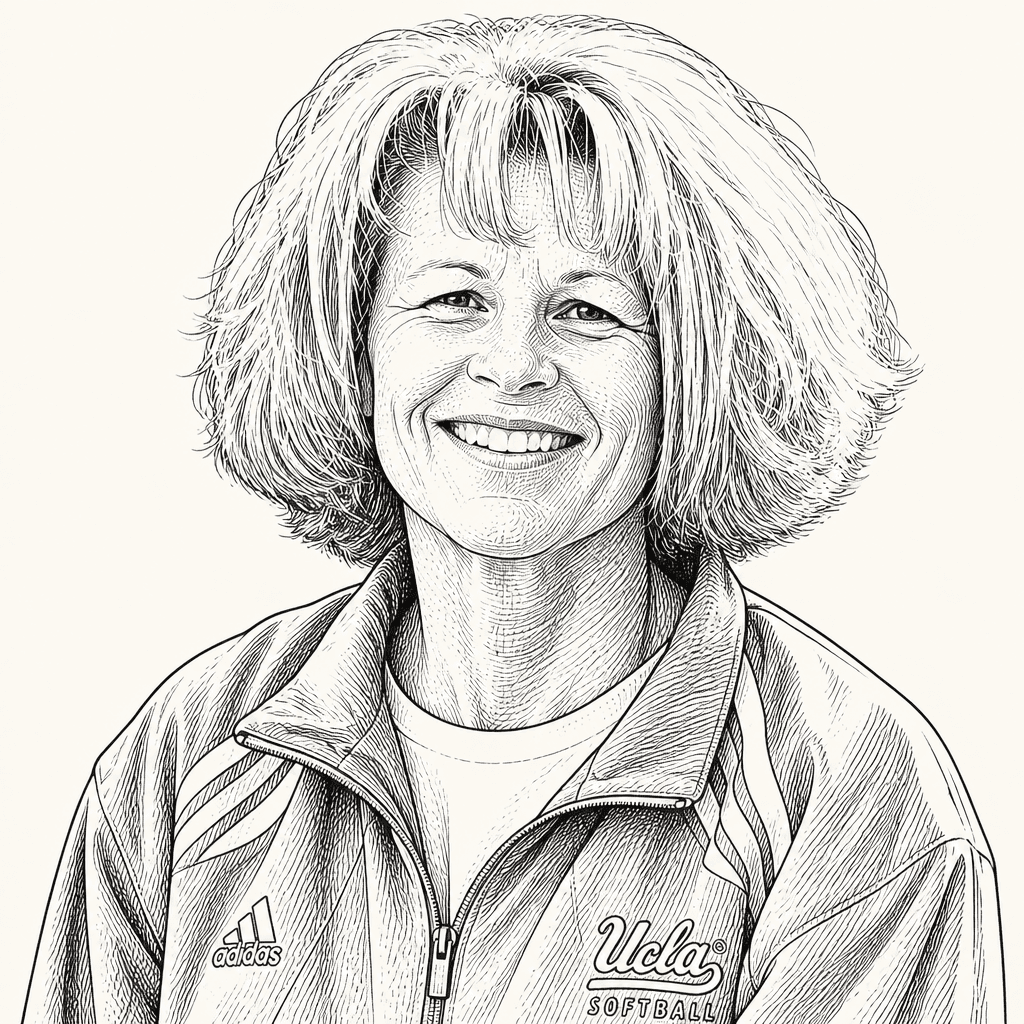 Sue Enquist
 Jay Coakley
 Catherine Opie
 Dan Durbin
 Holly Martinez
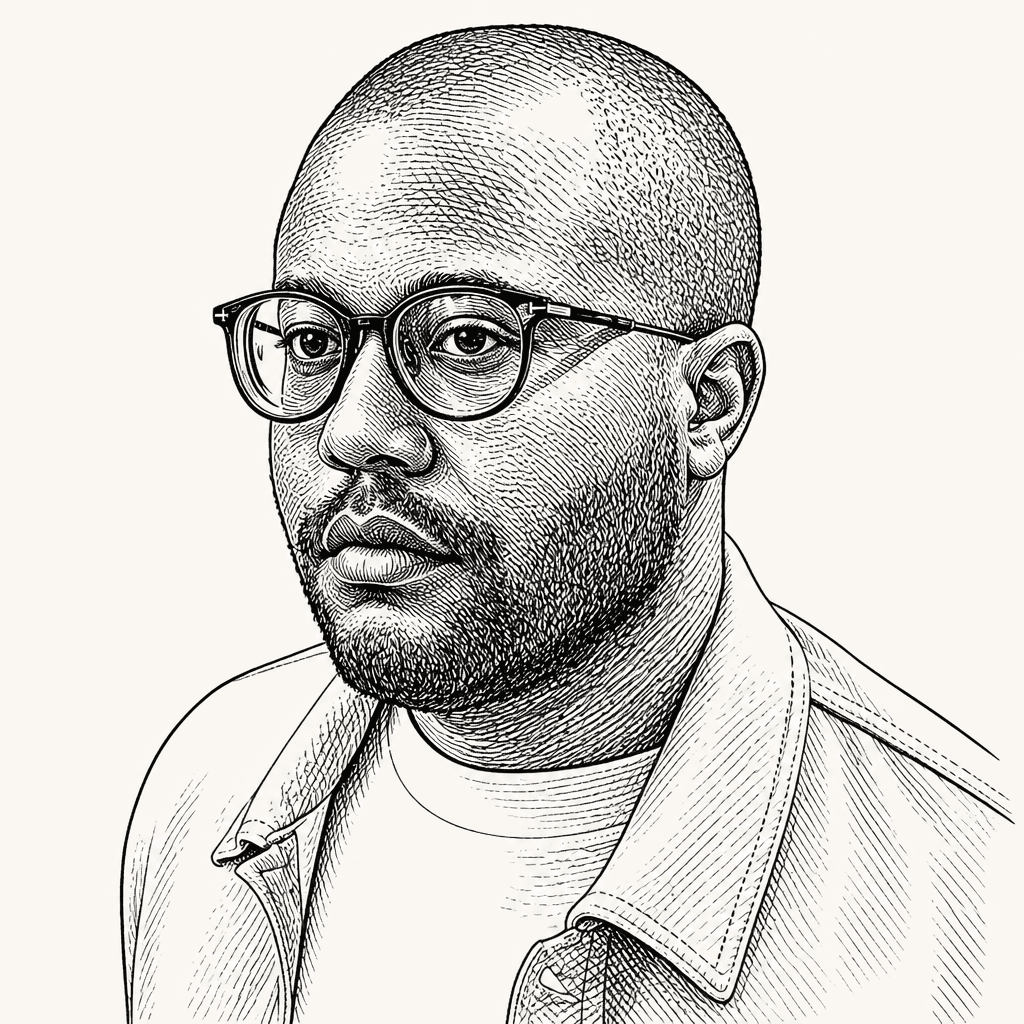 Bryant Robinson
 Susan Chun
 Daysi Garcia
 James WashingtonThe Aspen InstituteWednesday, August 19, 20265 min read
At an Aspen Institute roundtable on sport and belonging, sociologist Jay Coakley argued that inclusion requires more than being welcomed: people must be seen, valued and included in decision-making. Participants including Binta Brown, Brandon Bailey, Ezra Frech and Sue Enquist made related cases for sport as a route to agency, representation and social change, while warning that access without shared authority or institutional accountability leaves belonging incomplete.

Belonging begins with agency, not affiliation
? binta-brown frames belonging as beginning with an individual’s relationship to self. Before people can belong to a family, community, or society, she says, they need self-knowledge and confidence: a sense of what their own bodies can do when they train and discipline themselves. That internal footing, Brown argues, is what makes belonging to something beyond oneself possible.
Tom Farrey says sport has offered a way to be part of something larger than oneself—a team, a neighborhood, a nation, and an idea of what it means to be American. But sport does not merely reflect society, he argues. It has also shaped and transformed it in ways that are often underappreciated.

That makes belonging more than affiliation. Jay Coakley defines it as being seen, heard, welcomed, and valued in a particular setting. He adds a more demanding condition: people must be integrated into a group’s decision-making processes. The obstacle, in other words, is often not symbolic acceptance but the willingness to share power and influence.
When we think about belonging, we're talking about being seen, being heard, being welcomed, and then being valued within a particular context.
People seek belonging through relationships, marriage, and other forms of association, Dan Durbin says. Even within “a pressurized system” in which they do not belong, they will create their own means of belonging. Formal membership alone, in this account, cannot settle the question: people construct connection even where institutions do not readily offer it.
Access opens a door; representation makes possibility visible
In Watts, where ? brandon-bailey says access is limited, sport starts with a simple proposition: “a ball isn’t racist.” It does not know who is kicking it. His invitation is to play, because play may reveal another opportunity.
Bailey’s broader argument is about whose perspectives shape the work. There is no right or wrong answer in a roundtable, he says, only perspectives formed by different economic backgrounds, social backgrounds, cultures, and communities. Bringing those perspectives together can build a solution that lasts.
Stories can make that possibility more concrete. Bryant Robinson says high-profile athletes and celebrities are often reluctant to discuss the “deeper, more connecting tissue” in their lives. His job is to build enough trust to draw it out, creating links between public figures and people in Watts or elsewhere who can look at a celebrity and think: that could be me.

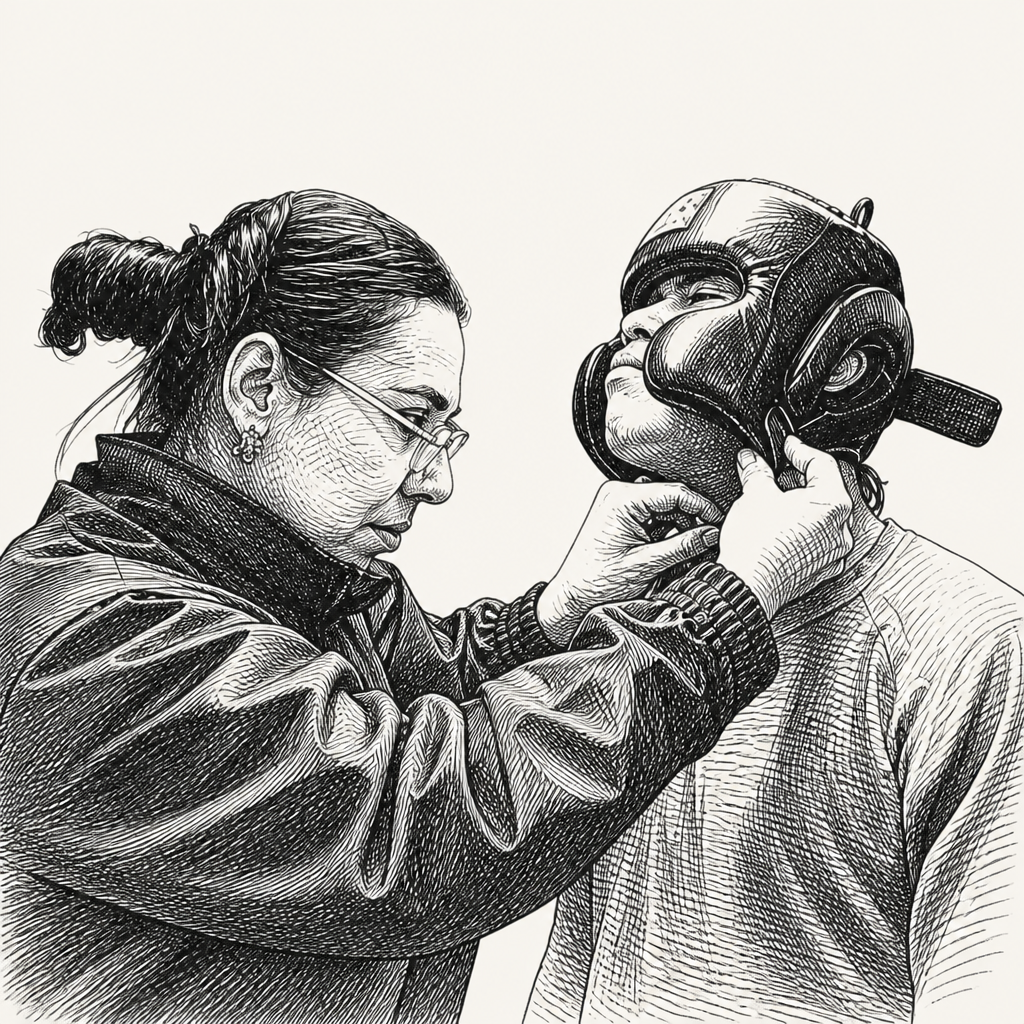
Representation, then, depends on more than putting people into view. Daysi Garcia calls a lack of cultural competency a central concern and describes coaches as “the sociologists” in the gym. Coaches can be credible messengers, she says, but they need to understand the social world around sport. Investing in people who become better translators across sports would make communication problems something to confront rather than avoid.
Visibility can challenge the categories that exclude
Ezra Frech describes public life with a physical disability as a recurring experience of being stared at and pointed toward. He says physically disabled people account for 15% of the population—50 million Americans and one billion people globally—yet many do not feel properly included in society.
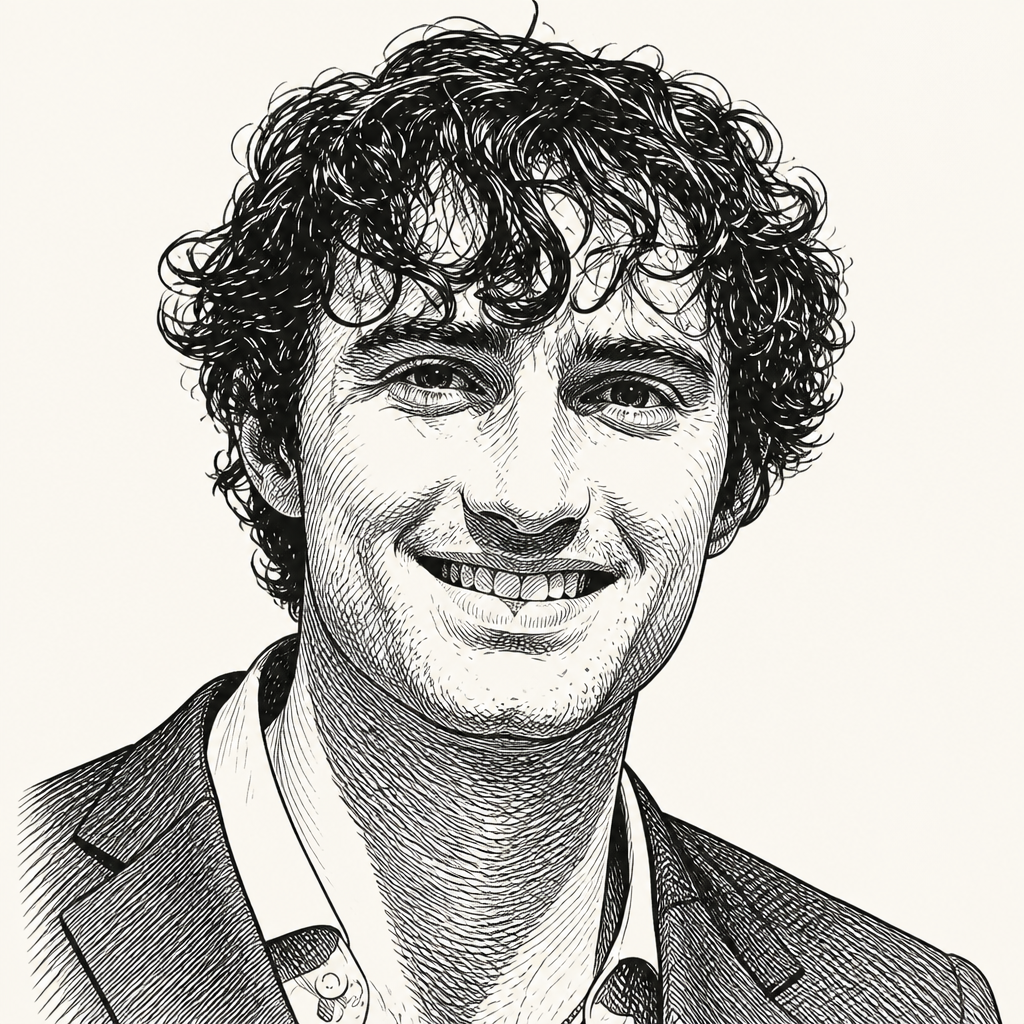

Frech sees the Paralympics and sport as ways to change how broader society sees disabled people. In his view, the disabled community and Paralympic sport are “the next frontier for social movements,” with sport playing a pivotal role in that shift.
The question extends beyond disability to the categories through which citizenship and identity are organized. Catherine Opie, reflecting on her photography, asks what it means to belong amid inherited ideas of citizenship and nationalism. Her work has focused on the specificity of identity in relation to social structure; she asks whether citizenship can exist without nationalism as its condition, and how those binaries might be broken down.
Art is not a decorative accompaniment to these questions. Britt Salvesen says the aim is to select work that demonstrates reciprocal concerns between sport and art: mutual influence, critique, dialogue, and expression. Artists, athletes, and fans each express social values, aspirations, and criticism. The task also includes finding better ways for projects and institutions to communicate with and reach their audiences.
What institutions value must appear in their decisions
Belonging can sound too abstract to policymakers, says Holly Martinez. She recalls legislators asking why government should invest in it at all. Her response is to join policy with cultural change by looking at the whole family and community, connecting services, community engagement, movement, and children’s opportunity for a strong start in life.

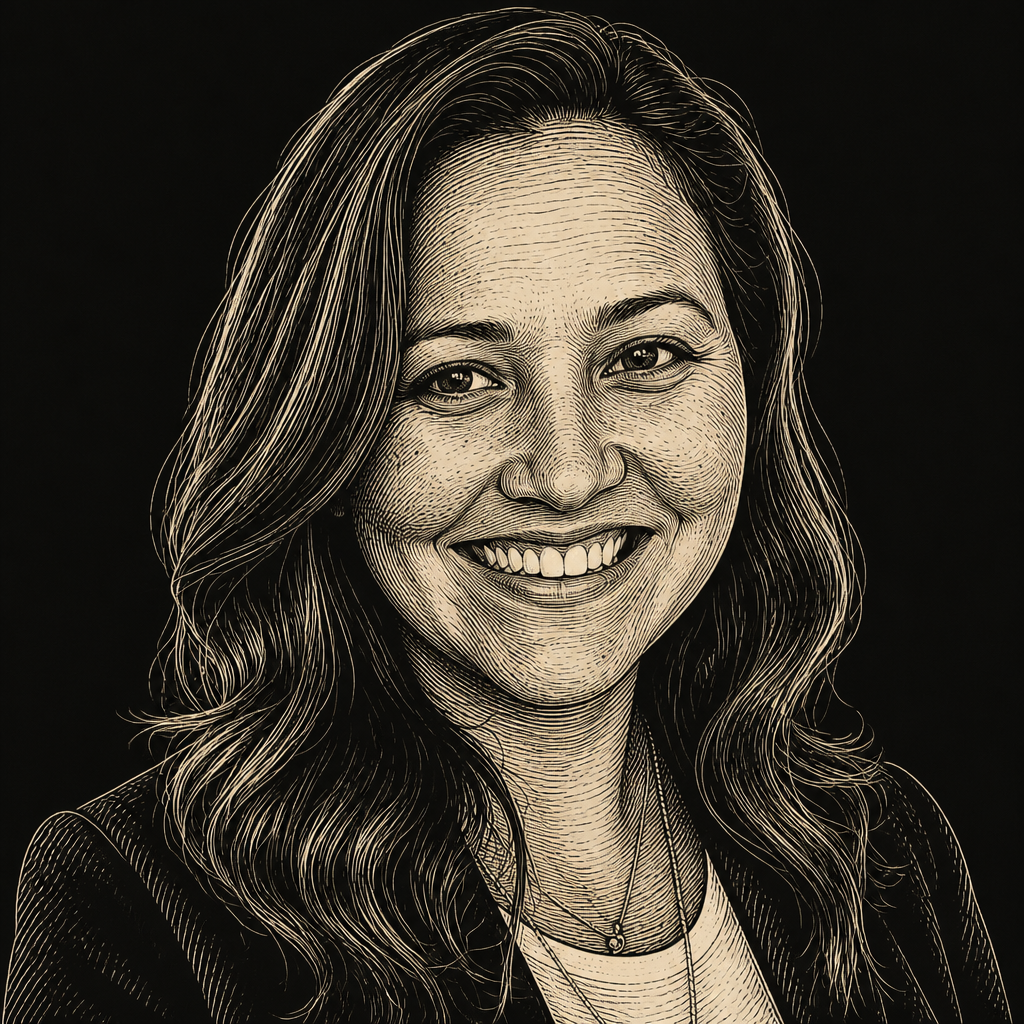
For Sue Enquist, the institutional test is measurement. When a concern is absent from a budget, administrators and policymakers are not accountable for it. The familiar question is where the money will come from; Enquist’s answer is that the issue must become a cost center against which institutions are measured.
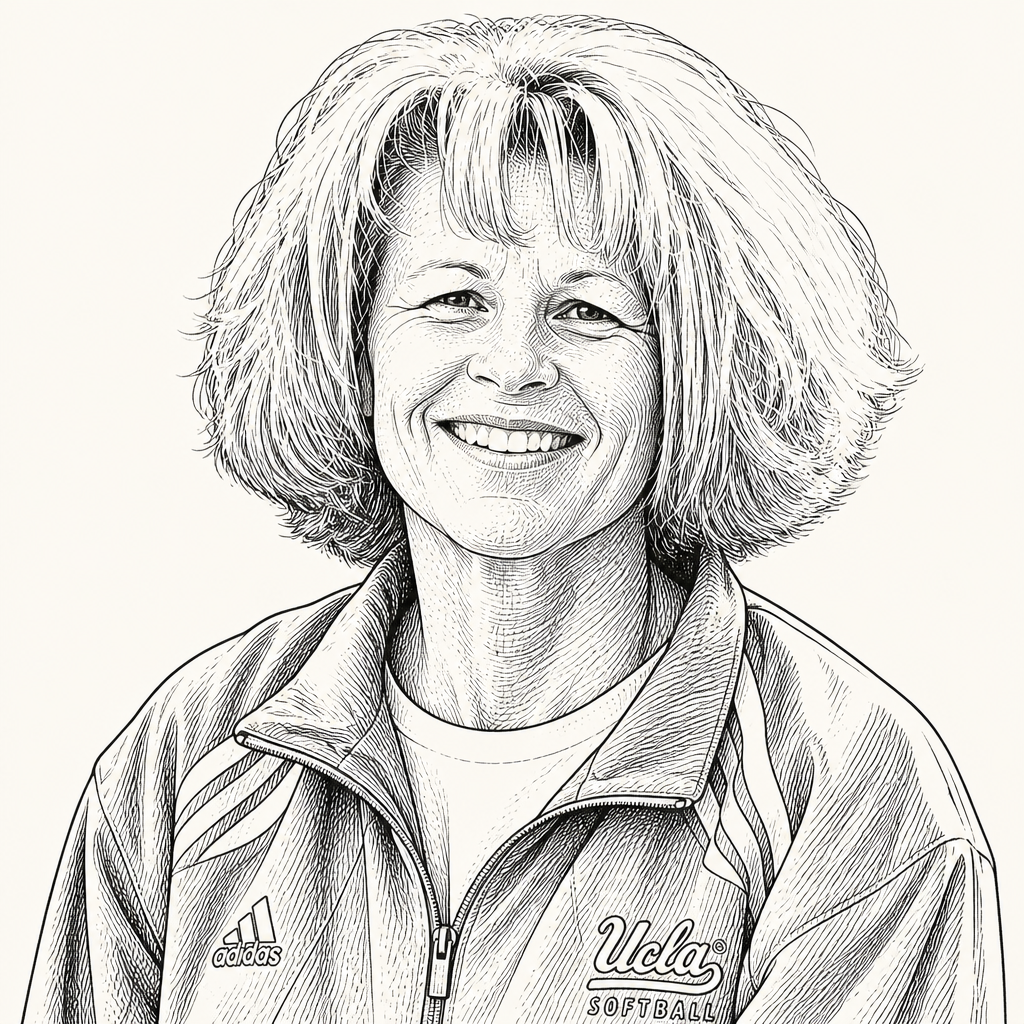

How are we measuring what we say we value, and how do you then value what you're measuring.
That test bears directly on Coakley’s distinction between welcome and belonging. Programs can create access, visibility, and recurring opportunities for connection while leaving authority untouched. By his standard, belonging requires that people be integrated into decision-making—an institutional commitment that would require resources and accountability.
James Washington offers an example of culture’s longer horizon. His daughter played softball at UCLA and hit the winning hit that scored the winning run in its last national championship. She did not pursue professional softball and is now at Northwestern in PA school. Washington credits both her home and a culture established at UCLA before she arrived, one in which she could grow as a young adult.