4P Foods Replaces Fragile Supply Chains With Regional Food Hubs
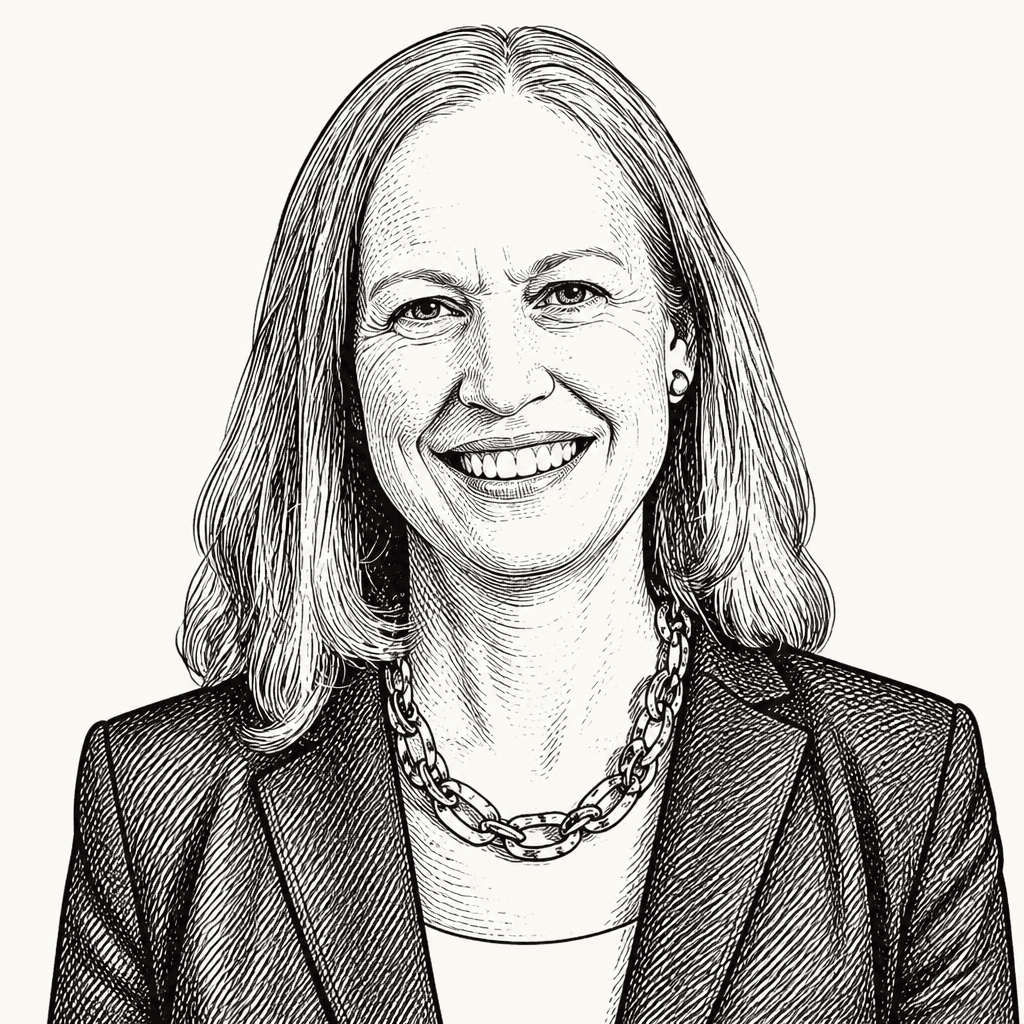
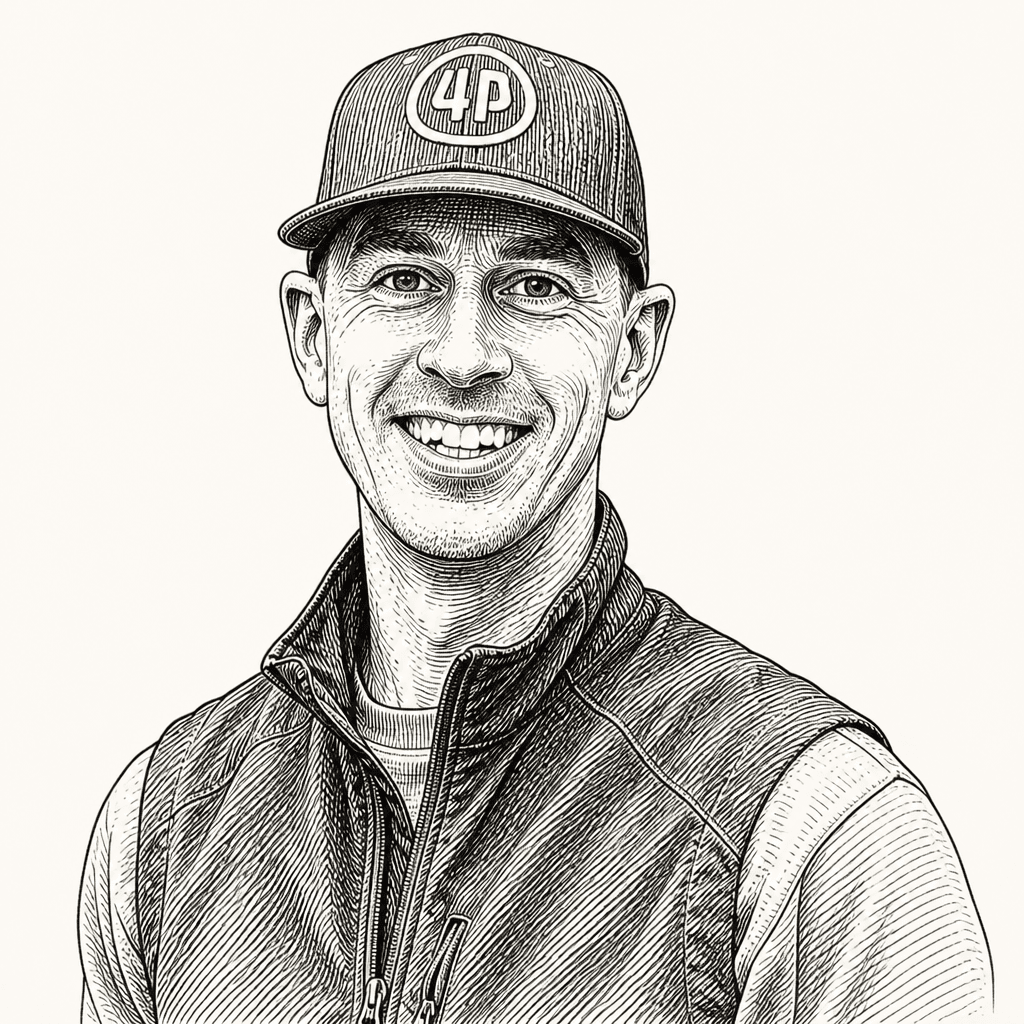
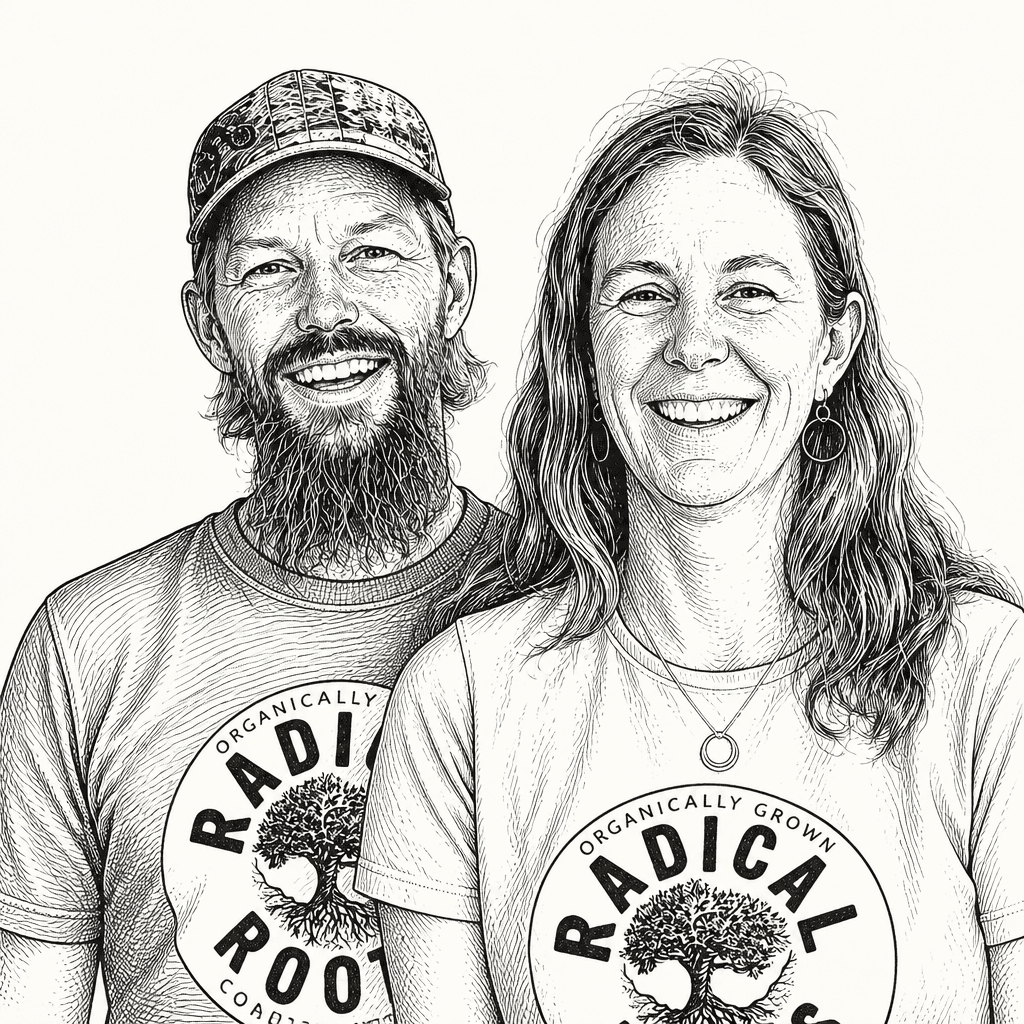
Tom McDougall, founder of 4P Foods, argues that regional food hubs can give farmers a larger share of customer spending while making local sourcing workable for schools, retailers and other large buyers. He presents the model as an alternative to a concentrated food system that he says has made supply chains brittle and consolidated wealth and power. McDougall’s broader case is that leaders must both improve the institutions people still depend on and build replacement systems organized around fairness, respect and resilience.
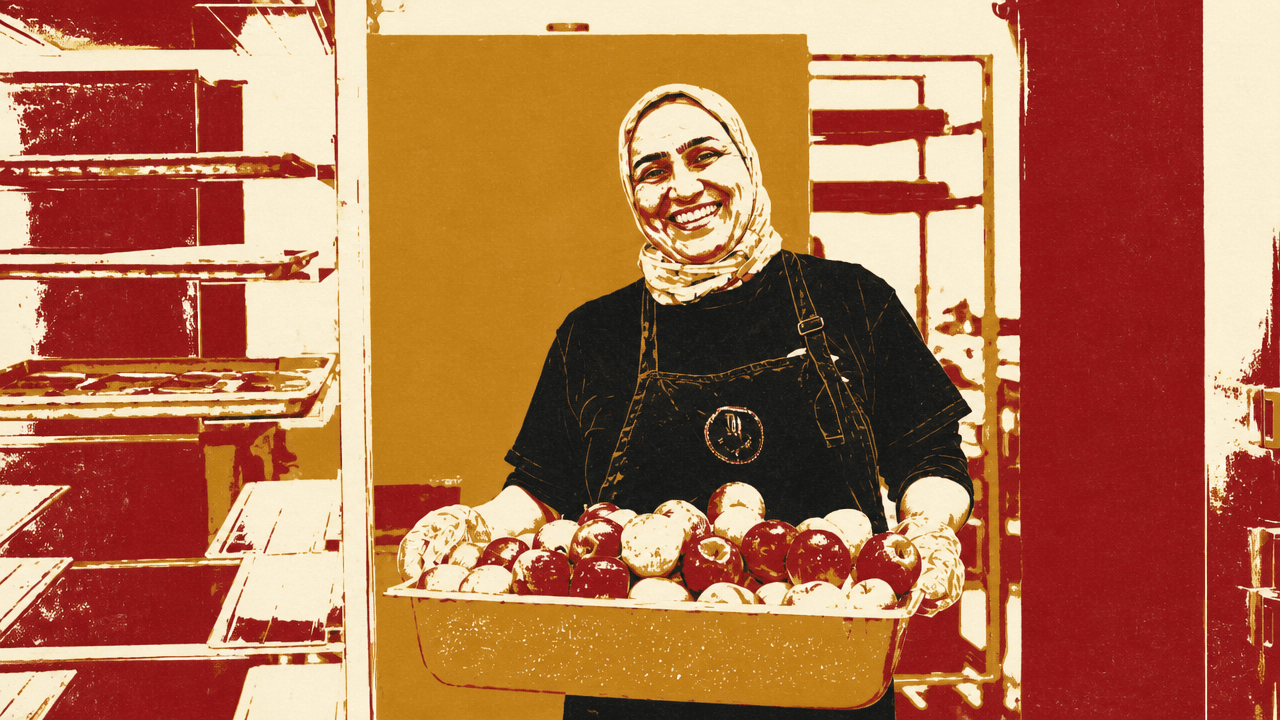
A food hub can replace a dozen handoffs with one
Tom McDougall describes 4P Foods as the “missing middle” between farms and buyers they cannot efficiently serve on their own. The company buys from several hundred Mid-Atlantic farms, aggregates and inspects food in its warehouse, packs it, and delivers it to customers across the region.
The economic case is the share of the customer’s dollar that returns to the farm. In the conventional supply chain, McDougall says, food changes hands an average of seven to 12 times before reaching a customer, leaving farmers with roughly $0.11 of each dollar paid. 4P’s route is farmer, food hub, customer: one intermediary rather than a chain of wholesalers and distributors.
Lee O'Neill says a farm’s success depends on more than growing excellent food; it must also get that food to people. The hub handles aggregation and delivery so growers can focus on production. In that model, O’Neill says, farmers receive an average of $0.66 of every customer dollar.
| Distribution model | Route to customer | Farmer share of customer dollar |
|---|---|---|
| Conventional supply chain | 7–12 handoffs | $0.11 |
| 4P Foods model | Farmer → hub → customer | $0.66 |
The model’s further claim is that local food can work at institutional scale, rather than only through farm stands or specialty retail. McDougall says 4P delivers throughout the Washington, D.C., area, most of Maryland, and nearly all of Virginia, serving K–12 school systems, universities, restaurants, grocery stores, and a Food is Medicine program for food-insecure families and children.
Andrea Early says it is not feasible for multiple farmers to deliver separately to 100 school locations. A distributor can collect from many growers and deliver food in the timing and volume schools need. The strawberries served to students that day, she says, had been harvested only a few days earlier.
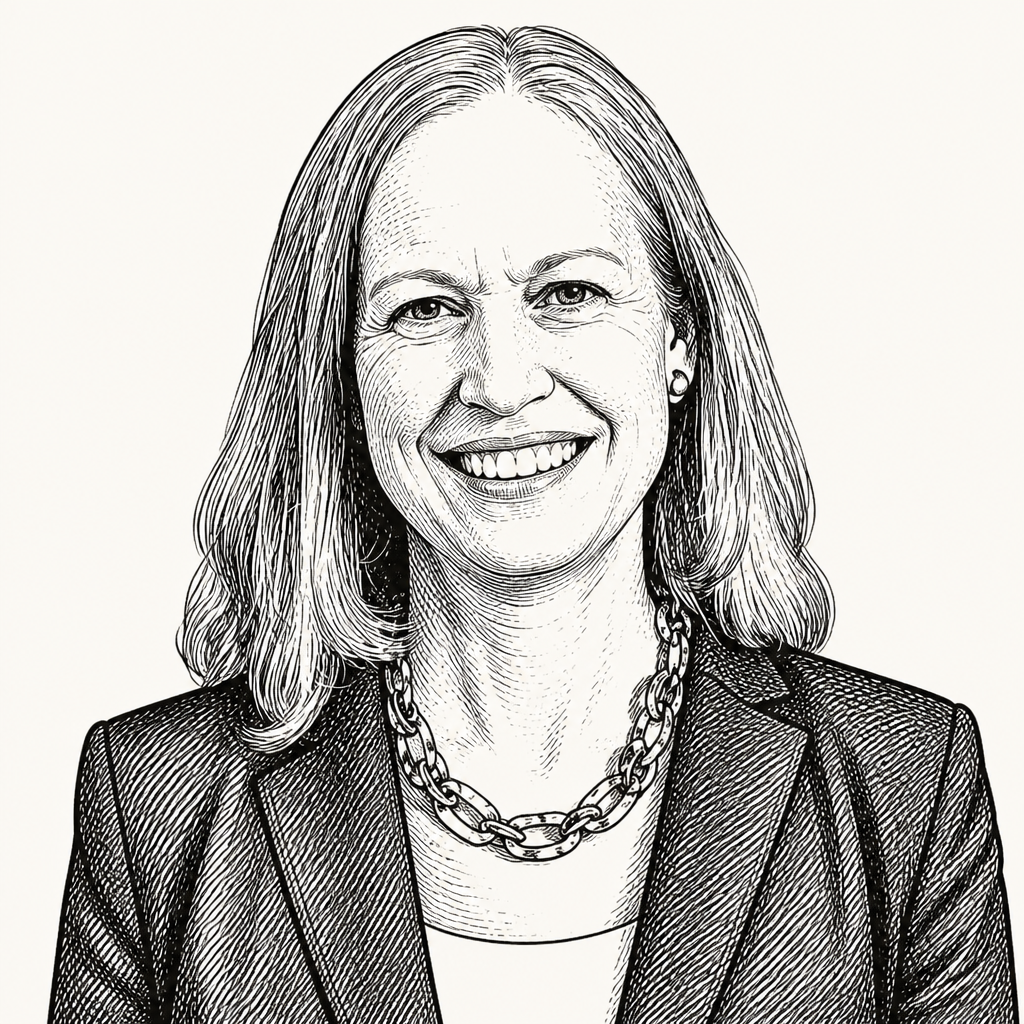
McDougall names Richmond City Public Schools and Fairfax County Public Schools while describing systems that feed 176,000 students a day. 4P Foods says it has expanded markets for U.S. farmers, sourced local food to hundreds of thousands of families, and directed more than $100 million to the regional economy.
Consolidation makes efficiency brittle
The food-hub model is McDougall’s answer to a system he considers both concentrated and fragile. He says 60% to 70% of the produce consumed on the East Coast comes from one valley in California, roughly 3,000 miles away. Such concentration can appear efficient, he argues, until climate disruption or geopolitical instability breaks the supply chains on which it depends. A World Meteorological Organization headline shown alongside his remarks described 2025 as one of the warmest years on record.
Tom McDougall says the number of U.S. farms is falling as farms go bankrupt or are bought by larger conglomerates. He also says more than a million farmworkers live in conditions he characterizes as modern-day indentured servitude. In his account, these are not isolated defects in an otherwise sound arrangement; they follow from a food system designed to consolidate.
The food system we have today is working exactly as it was designed. Which is to say, it’s not working for everybody.
McDougall extends that critique beyond food distribution. The food system and the broader economic system around it, he says, have concentrated not only food but wealth and power over roughly 400 years through “extraction, and oppression, and enslavement, and theft.” He identifies food as a major source of greenhouse-gas emissions, says seven of the country’s 10 lowest-paying jobs are in the food system, and points to a hunger-obesity crisis that he says is driven by it.
His own experience gives the argument a local frame. McDougall grew up in New York’s Hudson Valley near a roughly 200-acre dairy operation, where he earned $5 an hour stacking hay. That dairy farm later became a golf course. He says he did not initially understand what he was seeing, but later came to view it as part of a broader process in which food production and rural communities were consolidated and dismantled together.
The alternative, in his formulation, is not simply a shorter supply chain but a supply web: multiple points of production and connection rather than a single linear route. If one point breaks, he says, the entire system need not fail.
The task is reform and replacement at once
McDougall does not present building an alternative as permission to ignore the system people still rely on. He frames the choice as whether to repair the existing system incrementally or, following Buckminster Fuller’s formulation, build a better one that makes the old model obsolete. His conclusion is “frustratingly both”: people are embedded in the current system and need to improve it, while also constructing something different.
Tom McDougall uses a 300-piece puzzle to describe what that construction requires. The work is collaborative, he says, and participants need some shared image of the finished system. He believes people across fields would describe that future in strikingly similar terms.
The puzzle’s corner pieces are values. Against extraction, oppression, and theft, McDougall offers love, beauty, fairness, and respect. The grouped pieces represent related areas of work: housing, education, the energy transition, and food. No single field completes the puzzle, but each contributes a necessary part.
No one is coming to save us. That’s the bad news. And the good news is that no one is coming to save us, so we get to build it ourselves.
His invitation is not to abandon every effort to improve current institutions, but to stop treating marginal improvement as sufficient. The people already working on the separate pieces, he says, are themselves the materials for a new system.