Social Trust Requires People to Extend Trust Before Expecting It
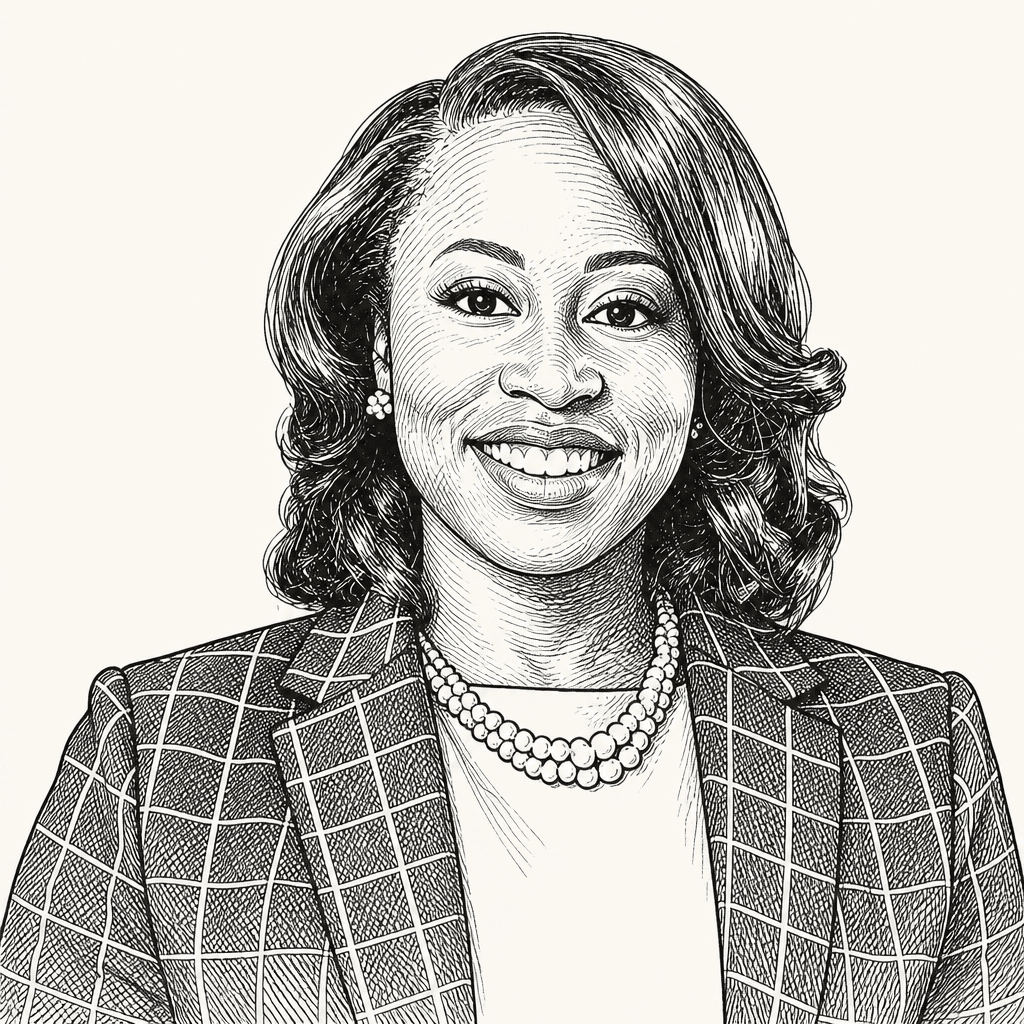
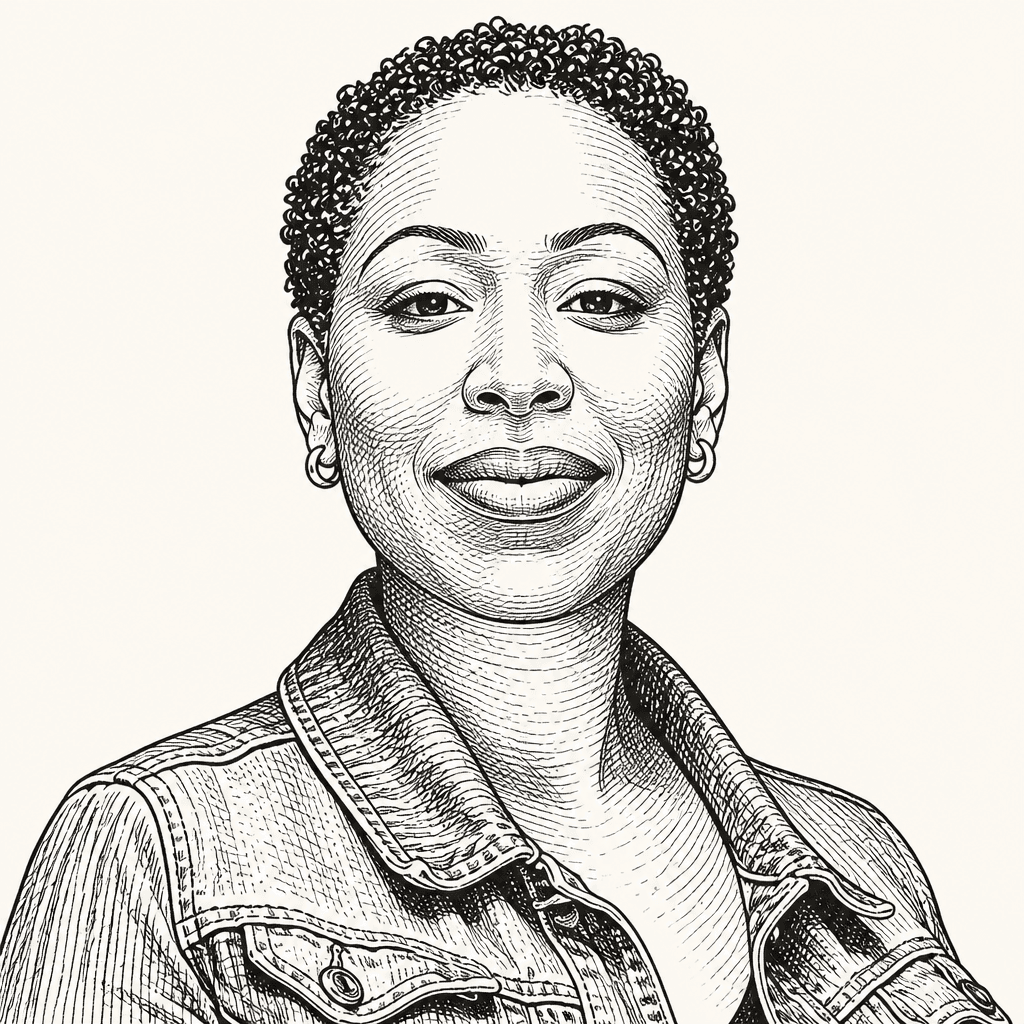
Olajumoke “Jummy” Banjo, senior director of the Alliance for Social Trust at the Aspen Institute, closed the 2026 Trust in Practice Summit by arguing that social trust begins with people willing to extend it before they can expect it in return. In conversation with NPR’s Jenn White, Banjo framed trust-building as long-term, community-embedded work: less a matter of formal programming than of vulnerability, sustained relationships, and commitments whose benefits may not be visible for decades.
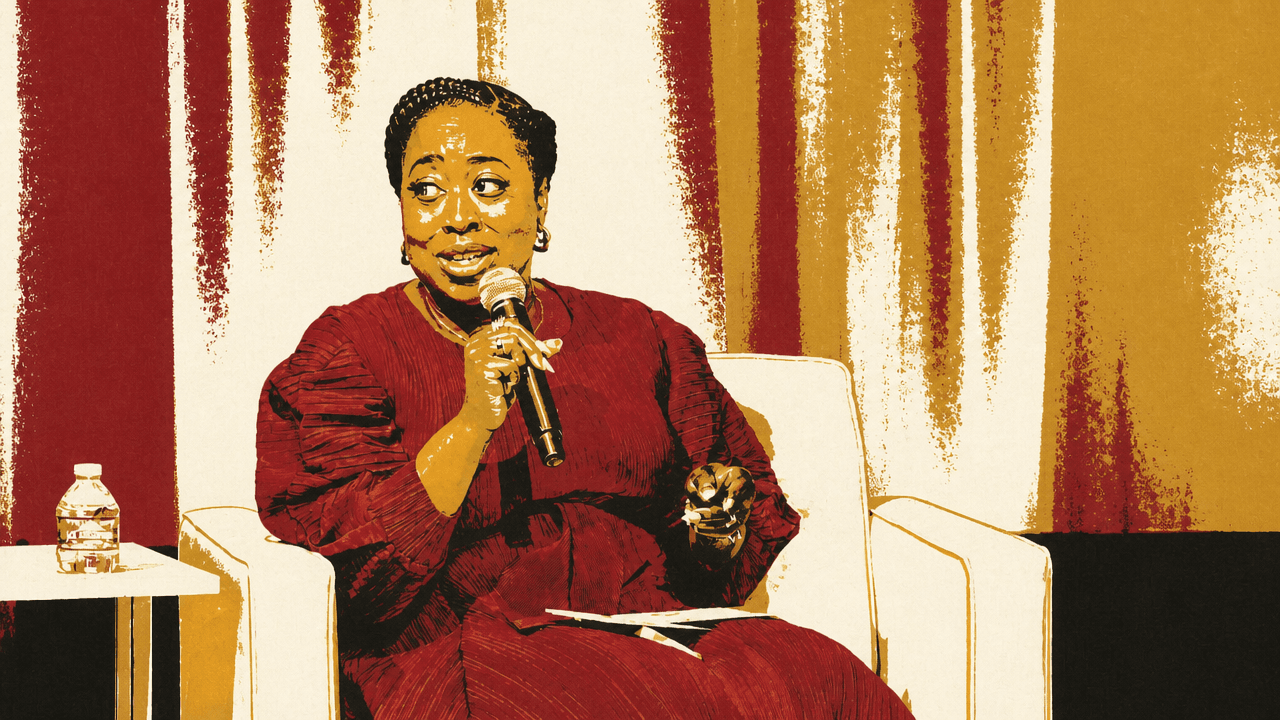
Trust begins when someone is willing to go first
For Olajumoke Banjo, the most important pattern in the room was not simply that people were discussing trust. It was that they were practicing a particular sequence: extending trust before expecting it.
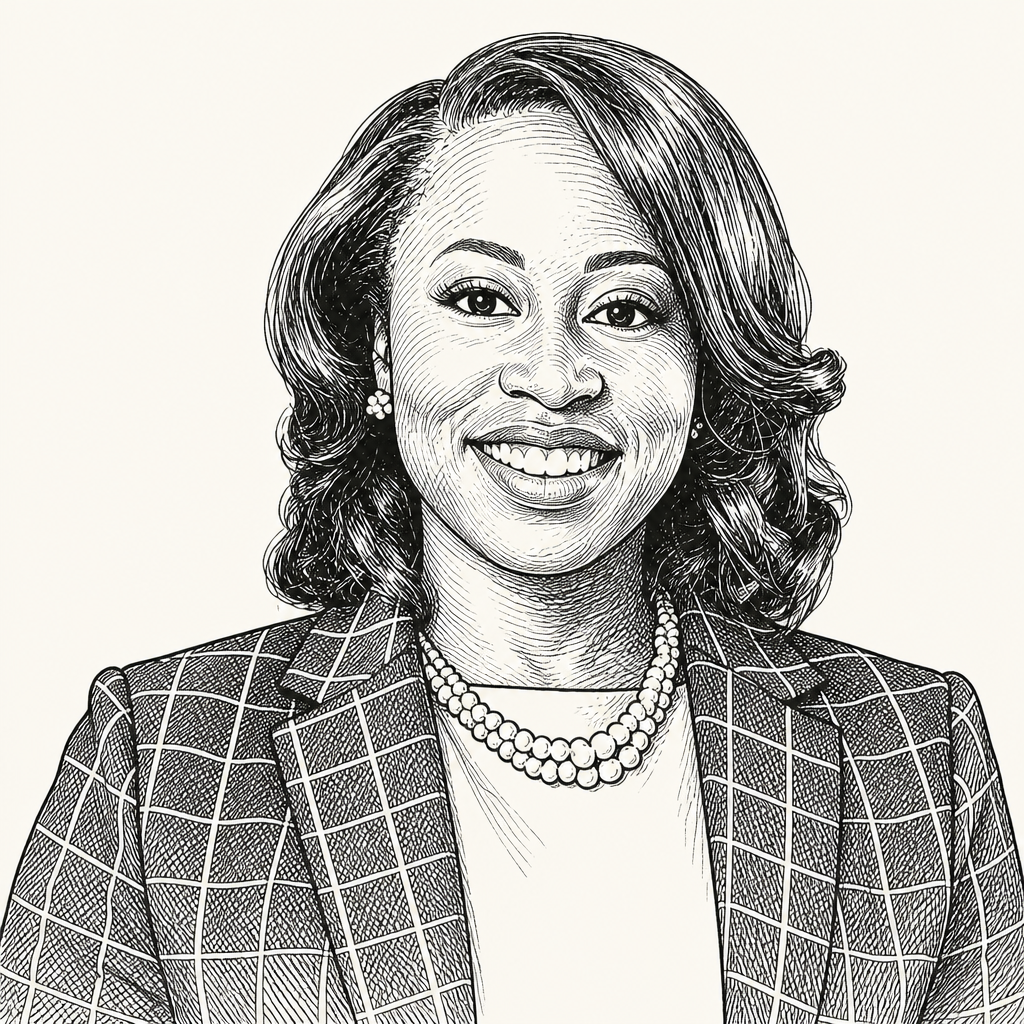
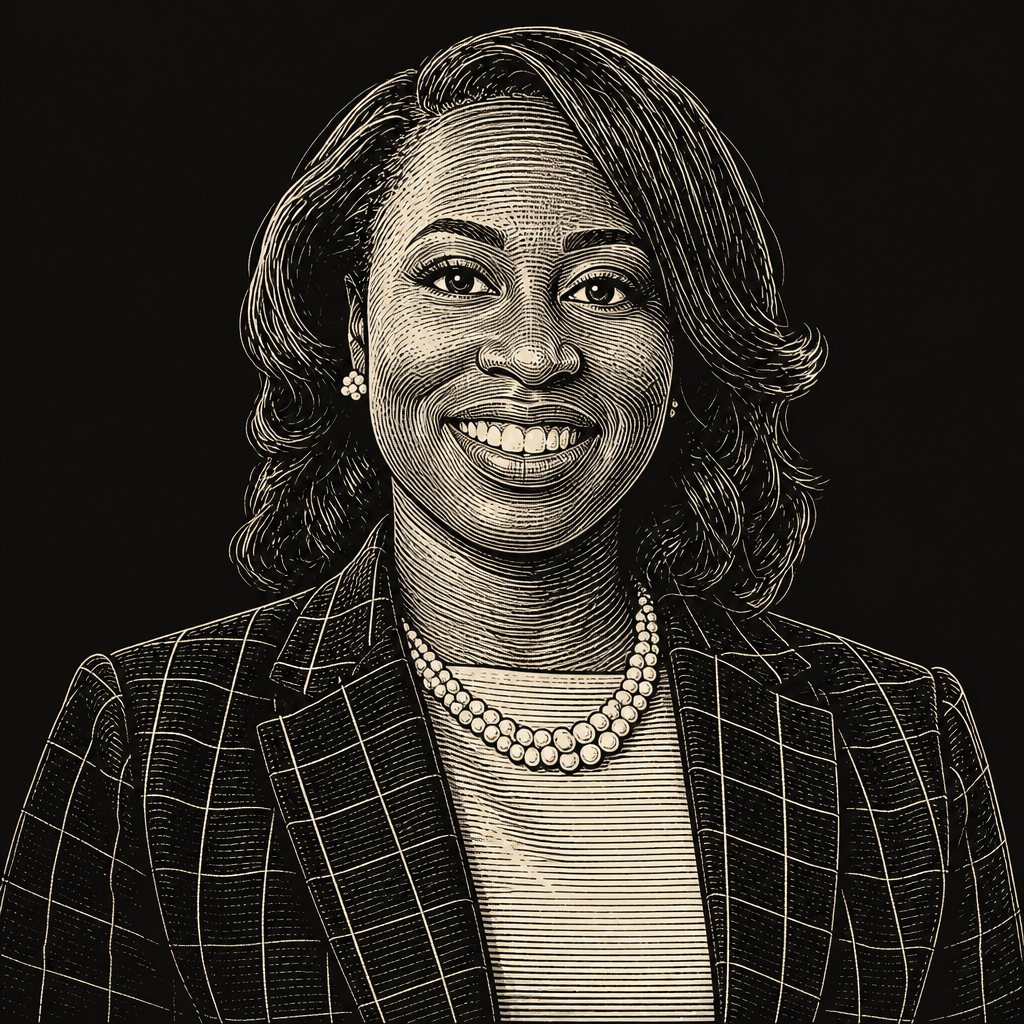
Banjo, senior director of the Alliance for Social Trust at the Aspen Institute, traced that phrase to a sticker she received from a stranger at the Aspen Ideas Festival the previous year. The sticker read, “Trust, extend it before expecting it.” She said the line had stayed with her because it captured what she had seen throughout the summit: connections forming, energy building, and people choosing to act as if trust could be offered first rather than withheld until proven safe.
That order matters in Banjo’s account. She framed trust not as a static condition but as an act that requires someone to move before there is certainty. “Someone has to be willing to go first,” she said. That willingness, in her account, depends on vulnerability — a word she acknowledged many people are not taught to regard as powerful.
Banjo said she owns a sweatshirt that reads, “vulnerability is my superpower,” and she treated the phrase as more than a slogan. Vulnerability, she argued, is difficult precisely because it exposes the person offering it. Yet in her experience, showing up in a space with openness — sometimes sharing more than she had planned — has repeatedly led to connection. People bond, recognize one another later, and build the kind of durable familiarity that can turn an event into a relationship.
Trust, extend it before expecting it.
The point was not that trust is easy, or that vulnerability should be sentimentalized. Banjo’s claim was direct: if trust is the goal, vulnerability is part of the work. People have to risk initiating a relationship before they can know how it will be received.
Jenn White placed that claim beside a different kind of civic imagination. She recalled reading a piece by Chicago-based sociologist and educator Eve Ewing about the public education system. White was explicit that she was not quoting Ewing directly. As White remembered the argument, the state of public education reflected a failure of imagination, and one line had stayed with her: if talk of dreaming sounds silly, “make no mistake, right now we’re living in someone else’s dream.”
For White, the summit room represented people “dreaming something different” and doing so collectively. But she also underscored the difficulty of that kind of shared imagination. In her profession, she said, getting people to agree on a common dream can feel almost impossible. The gathering gave her hope because it made that agreement appear less abstract: people were not only discussing civic repair, they were trying to imagine and build it together.
Hope comes from evidence of work already under way
Banjo located hope less in optimism than in evidence of people continuing under difficult conditions. She was candid that staying engaged can be hard. She said she rarely turns on the television in her office and tries to remain “responsibly engaged and involved” while also stepping away when needed — taking walks, touching grass, and creating distance from the constant flow of news and internal Slack updates.
The sources of hope, she said, are conversation, community, and direct encounter. They are also visible in scale: the Alliance for Social Trust reviewed 1,600 applications from people working across the country. Banjo said it was unfortunate that the program could not fund or award everyone, but the application process itself showed that the work was happening whether or not applicants received recognition.
She named places where that work was visible: West Virginia, Texas, East New Jersey, New Orleans, and communities across the country. Banjo’s point was that social trust is not being rebuilt only in highly visible national spaces. It is also being advanced by local efforts that may never be broadcast, awarded, or widely known.
Banjo tied this to White’s language of dreaming by adding a generational constraint: many people building trust will not personally receive the full benefit of what they are building. They are, she said, recipients of work done decades earlier by others. The same may be true now. The work being done today may matter in 40 or 50 years, even if it does not produce the hoped-for results in 10, 15, or 20.
Banjo did not describe trust-building as a program cycle with immediate returns. She described work whose value may become visible long after the people doing it have moved on. In her framing, the fact that the builder may not be the beneficiary does not make the work less necessary.
The collective dream is not uniformity
When White asked what collective dream the room could hold, she connected the question to Banjo’s becoming a mother since the previous year’s summit. Banjo had been pregnant when the two closed the prior year’s gathering; now she had a five-month-old at home. White’s question sharpened the stakes: what, exactly, should people dream together for those who will inherit the results?
Banjo resisted the premise that a collective dream must mean everyone sharing the same specific project. “Do we have to have a collective dream? Maybe not,” she said. Her answer was less about consensus around one vision than about excellence and persistence within many different roles.
She named academics, corporate leaders, nonprofit leaders, social entrepreneurs, and others. Each, in her view, has a responsibility to do the best work possible in the sector and community where they are situated. The Alliance for Social Trust emphasizes cross-sector partnerships, and Banjo affirmed the value of convening people across boundaries. But she also insisted that partnership is not a substitute for doing one’s own work well.
The collective dream, as she defined it, is a space in which people continue to believe their work has consequence despite the noise around them. She did not suggest ignoring the noise; she called it a reality. But she wanted attendees to leave with renewed confidence that unnoticed work can still affect a community. Recognition is not the measure of whether the work is real.
Banjo also treated the simple fact of attendance as evidence of purpose. Many attendees had experienced travel problems, with a large portion indicating by raised hands that they had faced delays or difficulty getting there. Banjo said she was sorry for the experience, but she hoped it affirmed that they were “supposed to be here”: to connect with someone, to be inspired, to be motivated, or to encounter something they needed.
Her collective dream, stated plainly, was that people do not give up. “We need you,” she told the room. “We need this work.” For Banjo, the dream was not that every person leave with the same plan. It was that every person leave convinced that their work matters to someone, including people in their own communities who may never publicly say so.
Trust is not experienced the same way everywhere
Banjo asked attendees to answer a Slido poll about where they had traveled from, explaining that she wanted to know who was represented in the room and how geography might shape the conversation.
The live results showed strong attendance from the Midwest and Northeast, followed by smaller shares from the South, Mid-Atlantic, West, and Southwest. No respondents were shown from Alaska and Hawaii.
| Region | Share of respondents |
|---|---|
| Midwest | 34% |
| Northeast | 28% |
| South | 13% |
| Mid-Atlantic | 11% |
| West | 10% |
| Southwest | 4% |
| Alaska & Hawaii | 0% |
Banjo said the question mattered because conversations about trust differ depending on where people live. She noted that people often say East Coasters may be less trusting than Southerners, and she referred to Pew Research Center’s prior work on interpersonal trust, institutional trust, and differences across demographics, race, and region. The session did not adjudicate those differences. Banjo used the poll to make visible a basic condition of any trust conversation: the room’s composition affects what can be said, assumed, challenged, and learned.
The summit itself was framed on screen as “Trust at Scale: Systems, Strategy & Collective Action,” but Banjo’s comments kept returning to the local and relational. Scale does not erase place. If trust is experienced differently across regions and communities, representation is not a procedural concern; it changes the substance of the conversation.
Relational infrastructure was the clearest demand for the next summit
Banjo also used the closing session to ask what attendees wanted more of in the next Trust in Practice Summit. A Slido ranking slide listed four categories: networking time, workshops, time for collaboration and problem solving, and panels. When the technology did not fully cooperate, White shifted to a show-of-hands and open responses from the room.
The requests pointed less toward more formal programming than toward stronger relational infrastructure. Attendees asked for more networking, more problem-solving time, more breakout sessions, and facilitated networking that would help people find others with commonalities. One audience member asked for more on the “science of mind,” including the neuroscience of trust.
Banjo said youth had come up often and identified youth voice and representation as an area for growth, including actually having more young people present at the summit. A later comment refined that further: youth in rural areas. Other suggestions focused on proximity to the work: continuing lightning rounds where people describe what they are doing, including people connected to grantees and participants in the work, and bringing in more foundations, described by one attendee as “the engine behind the engine.”
The requests were consistent with Banjo’s larger argument. Participants were asking for formats that make connection, collaboration, youth presence, community proximity, and funder engagement easier to act on — not just easier to talk about. There was also a moment of levity: when someone suggested inviting Michelle Obama, Banjo said she had literally written “Michelle Obama” on her card.
Community work cannot be transactional
Banjo’s closing story returned the discussion from systems and convening design to relationship-building at human scale. Before her current role, she had been an eighth-grade teacher. Other teachers would ask why she had such strong relationships with students. Her answer was that she participated in their lives beyond the classroom: cheerleading competitions, AAU basketball games, birthday parties.
That example became her instruction to the room. Whether someone is a grantor, grantee, community leader, researcher, corporate leader, or working in another role, Banjo said they should continue to engage and connect with the communities they serve.
This is not transactional work. This is long-term work, but also people can feel authenticity, and people can feel if you really care.
For people working in a new community, she urged a posture of embeddedness: eat the food, listen to the music, go to local places, and invest in local businesses. She acknowledged she was “preaching to the room,” but treated the point as core to trust-building. Too often, she said, people dip in and dip out.
The alternative is to show up beyond the formal work. Attend the basketball games. Attend community events. Build relationships that are not reducible to the grant, the research project, the program, or the partnership.
White added that one of her own takeaways from the summits was watching participants show up for one another. Even when their work did not directly align, she said, they offered emotional support and saw one another in ways that mattered for continuing. That observation reinforced Banjo’s larger claim: trust is not built only by aligned strategies. It is built by people who can recognize and sustain one another across difference, fatigue, and uncertainty.