Employee Ownership Advocates Urged to Reject the Niche Label
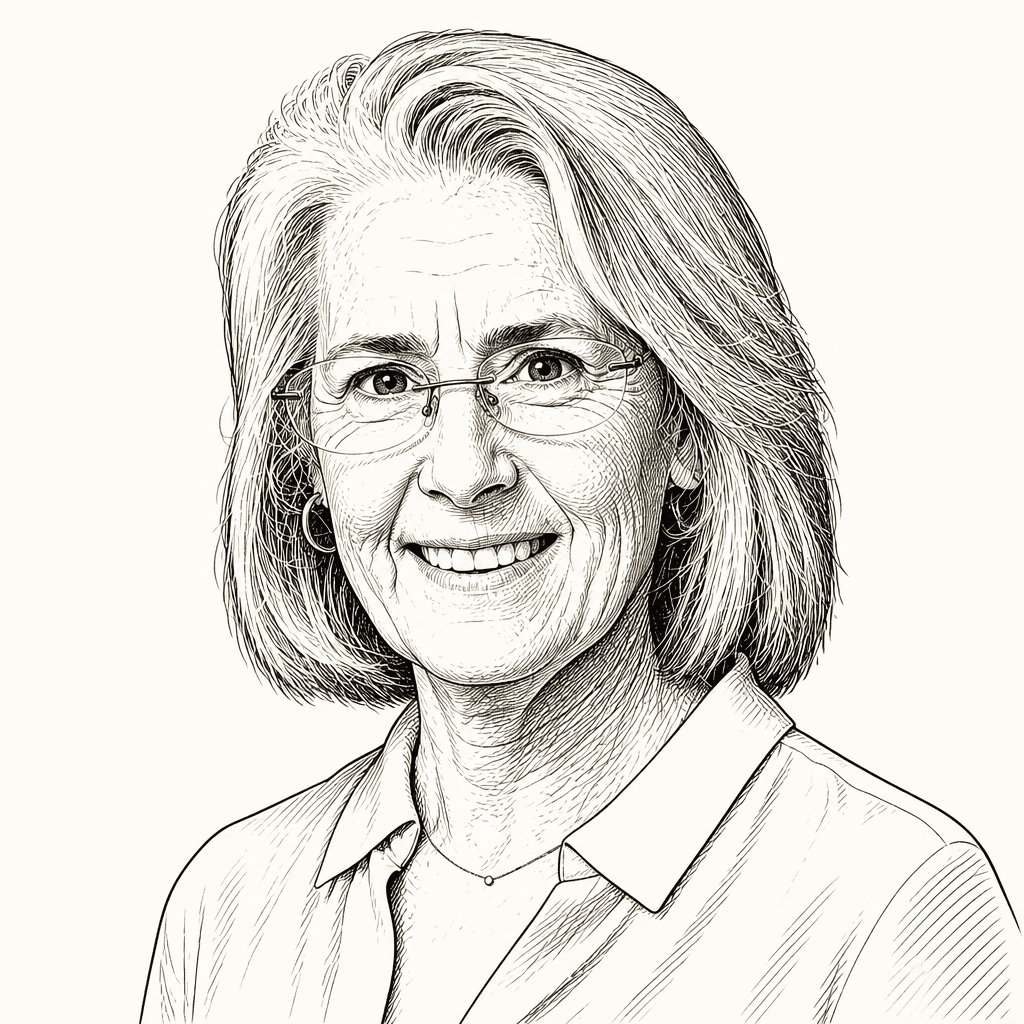
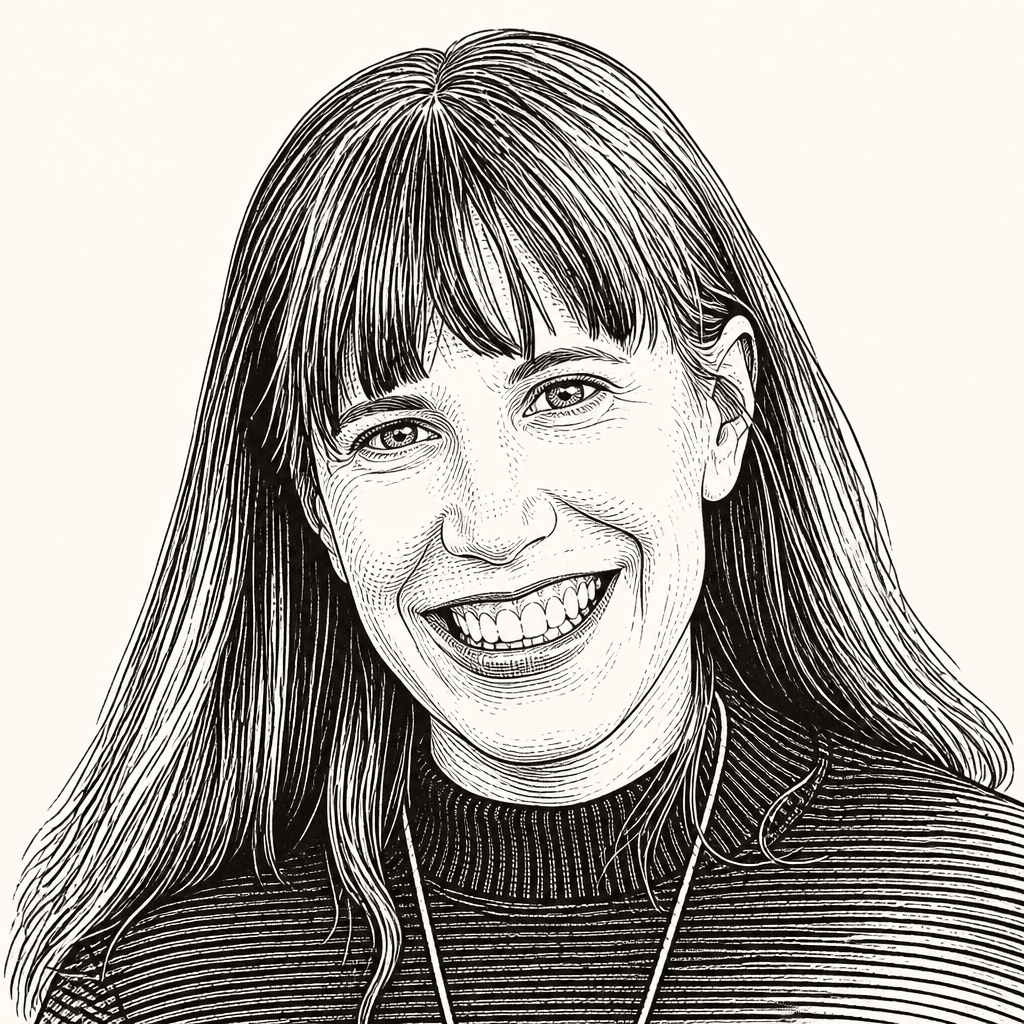
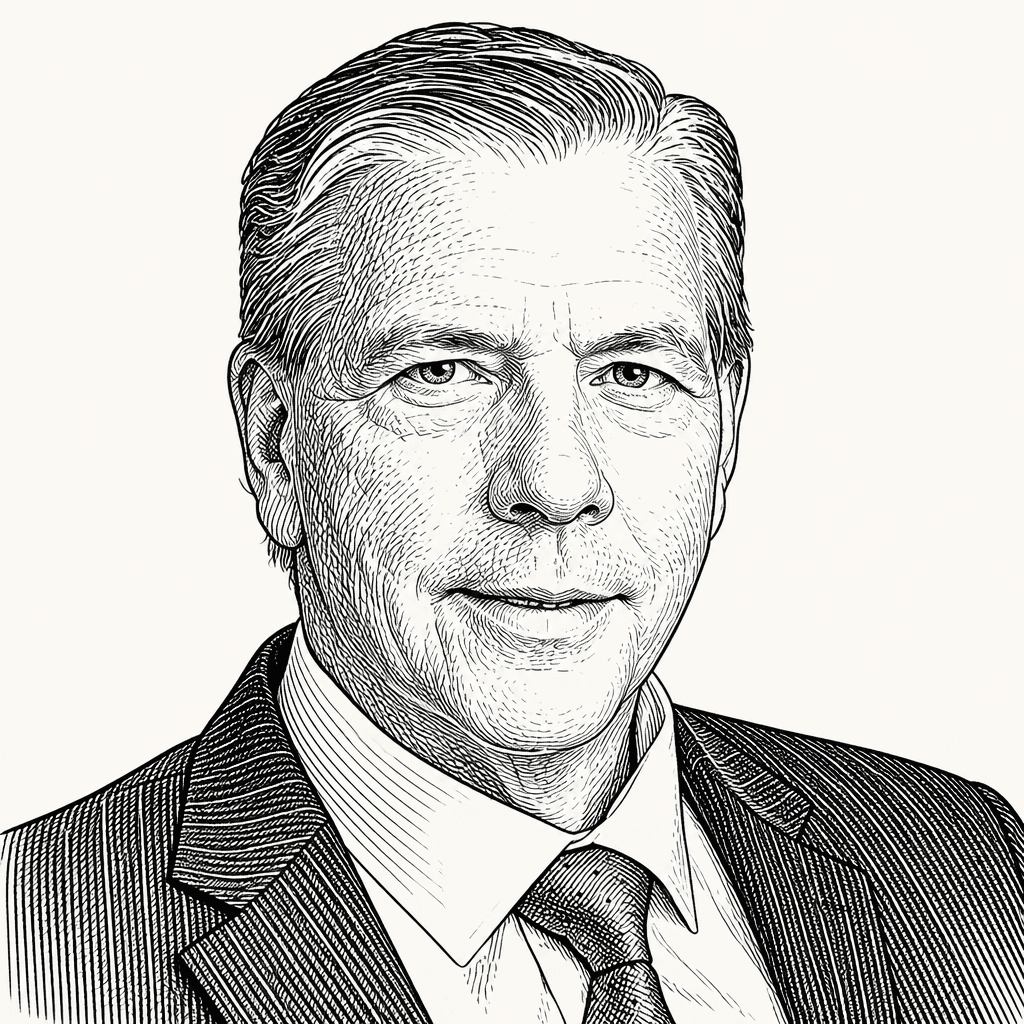
Paula D’Ambrosa, Prudential Financial’s director of inclusive wealth-building, opened the second day of the 2026 Employee Ownership Ideas Forum by arguing that employee ownership should be understood as a longstanding American answer to who shares in economic growth. Drawing on a Revolutionary-era profit-sharing requirement for cod-fishing subsidies, she said the field should stop describing itself as niche and instead present employee ownership as a mainstream way for workers to share in the value they create, including as artificial intelligence reshapes the economy.
Employee ownership was framed as a recurring American answer to who shares in growth
Paula D'Ambrosa put the case for employee ownership in broad terms: not as a specialized corner of business practice, but as an answer to a recurring American economic question. When growth is being rebuilt or remade, who gets to share in the value being created?
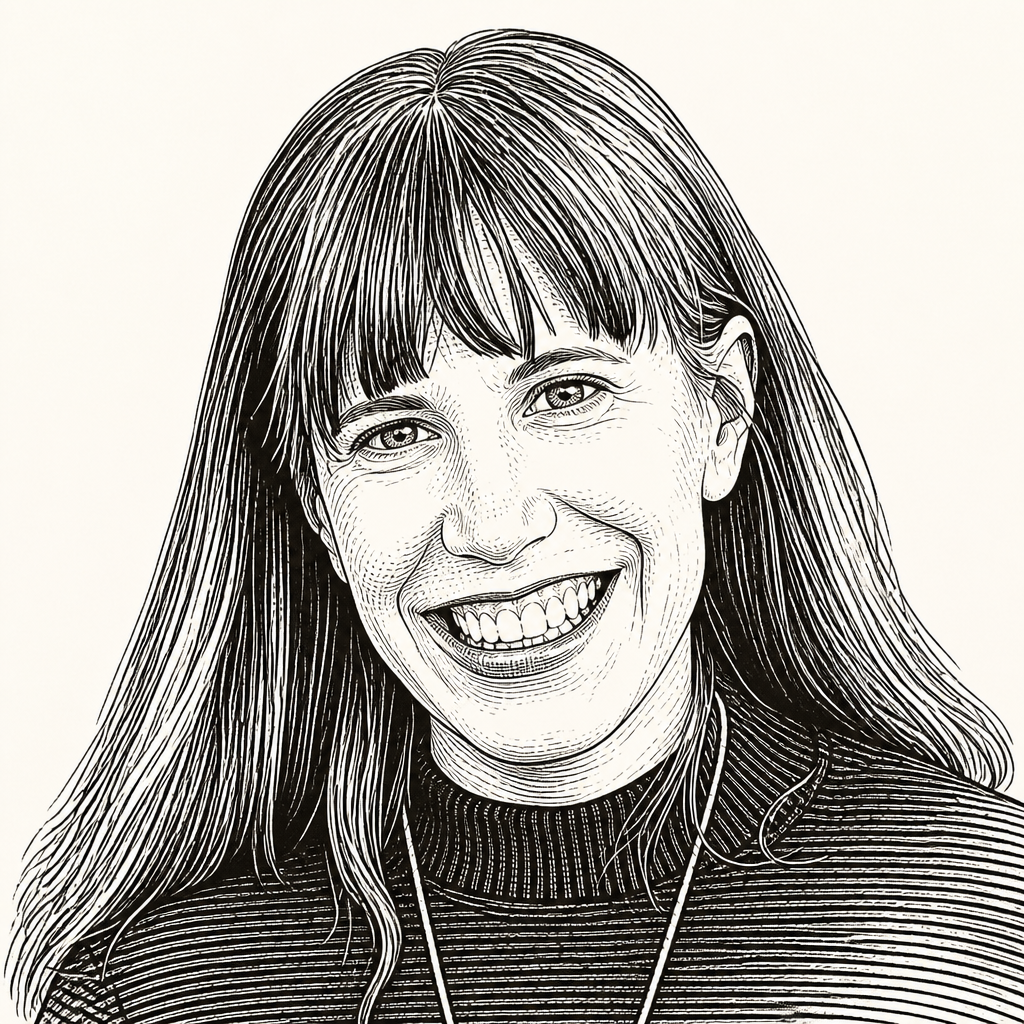
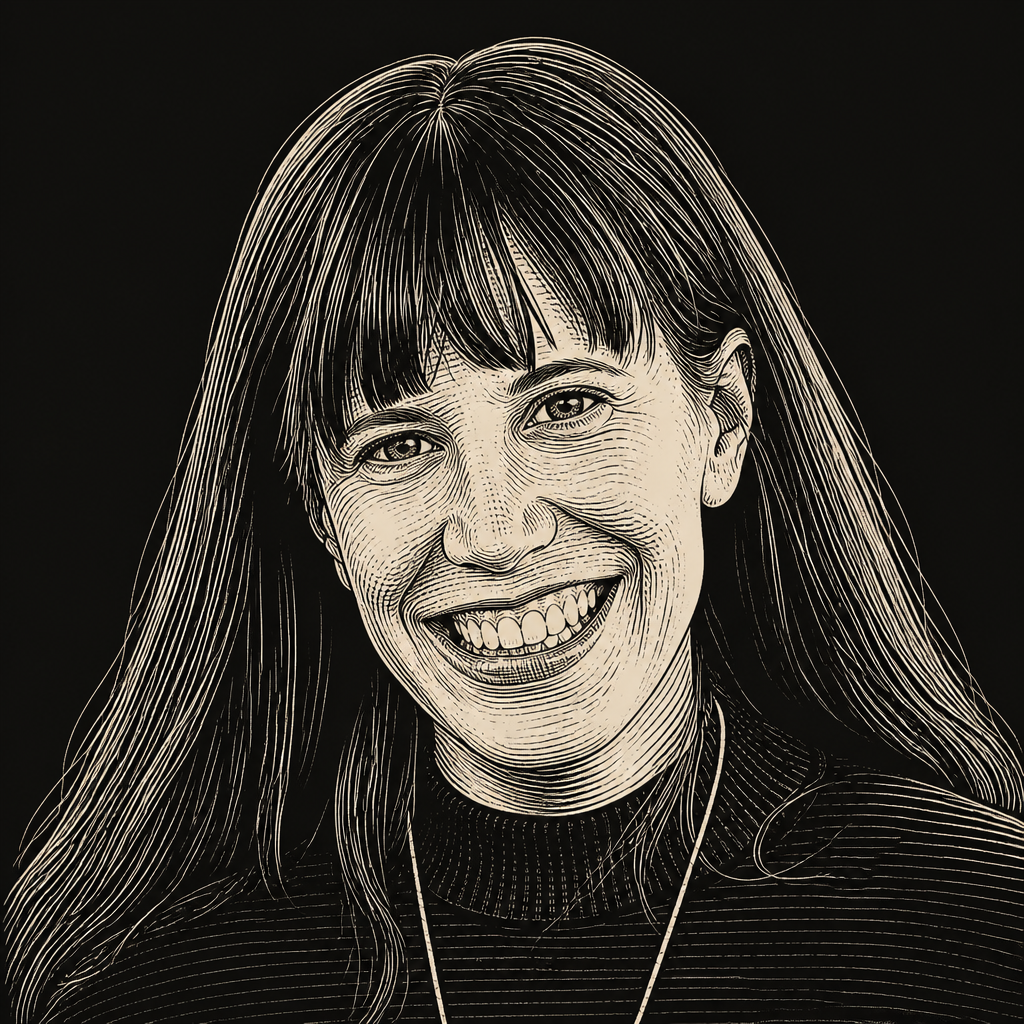
D'Ambrosa, director of inclusive wealth-building at Prudential Financial, opened with a story from The Citizen's Share, the book by Rutgers professors Blasi and Kruse with Professor Freeman from Harvard. In her telling, the story begins in the 1790s, when the new United States was trying to revive the cod fishing industry after it had been “totally decimated by the British during the Revolutionary War.” Congress chose to pass a subsidy, but attached a condition: ship owners could receive the subsidy only if they codified a profit-sharing agreement with the crew. A flat wage alone would not qualify.
For D'Ambrosa, the point was not antiquarian. The law, she said, was signed by George Washington and supported by Thomas Jefferson and Alexander Hamilton — figures she noted “didn’t really agree on a lot of stuff.” The significance was that, from the beginning of the country, there was broad support for the idea that workers should gain from the value they helped create.
That historical frame mattered because D'Ambrosa wanted employee ownership to be understood as both “old and new.” More than 200 years after the cod-fishing subsidy, she argued, the economy is again in the middle of a major shift. Macroeconomic conditions are changing quickly, artificial intelligence is advancing, and the same underlying question has returned: how to drive economic growth and dynamism while ensuring that everyday people share in what is being created.
Employee ownership is kind of both an idea old and new and ultimately, you know, an idea whose time has come.
D'Ambrosa gave the phrase “its time has come” a specific meaning. She said many people have used it before, but she meant it to signal that the idea has been present from the start. “Its time is now,” she said, “because it’s kind of always been its time.”
That same frame also explained how she described Prudential’s philanthropic work. D'Ambrosa said she leads Prudential’s work around “building an ownership economy,” with the goal of helping to reimagine ownership so that more people have a real stake in the economy they are building. William Castellano described her portfolio as focused on advancing economic mobility through ownership of homes, businesses, and investments, including employee ownership, shared equity housing, and community investment structures that help people build wealth and foster agency and belonging.
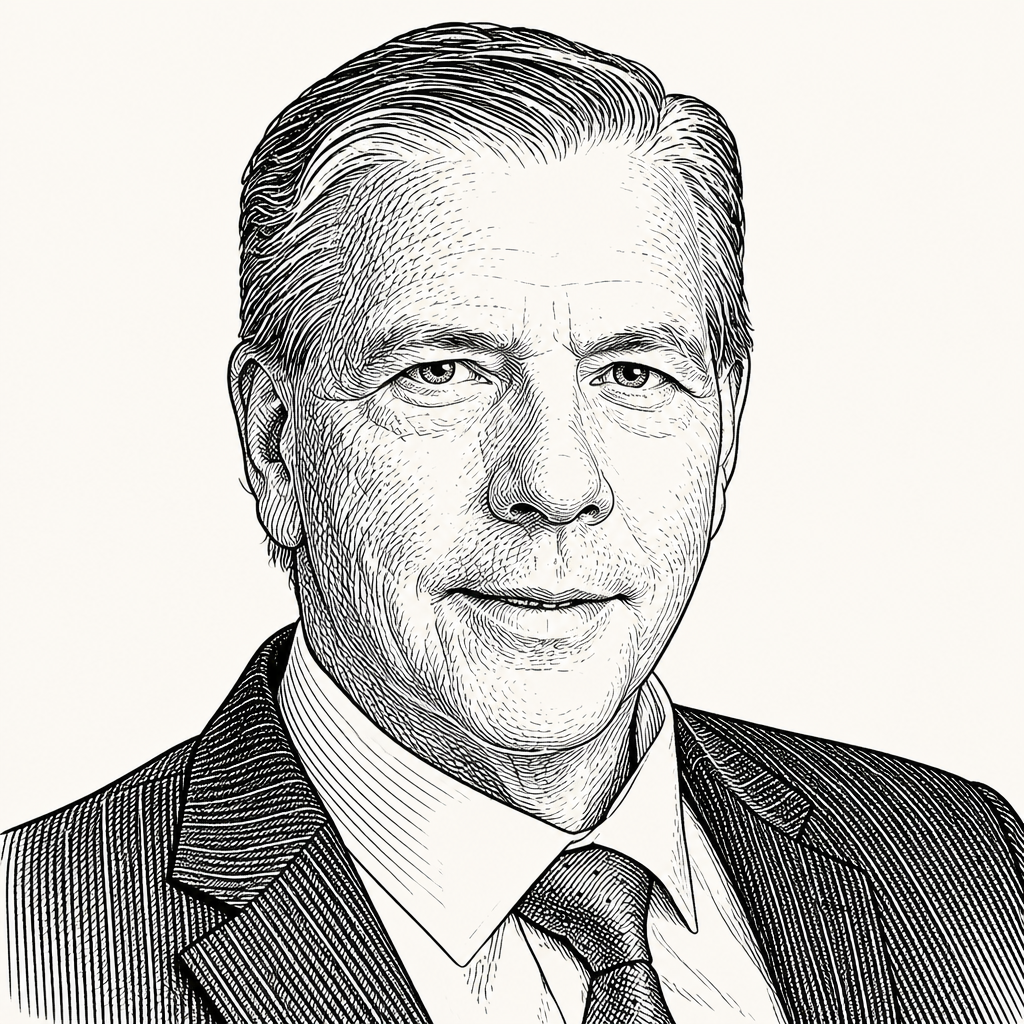
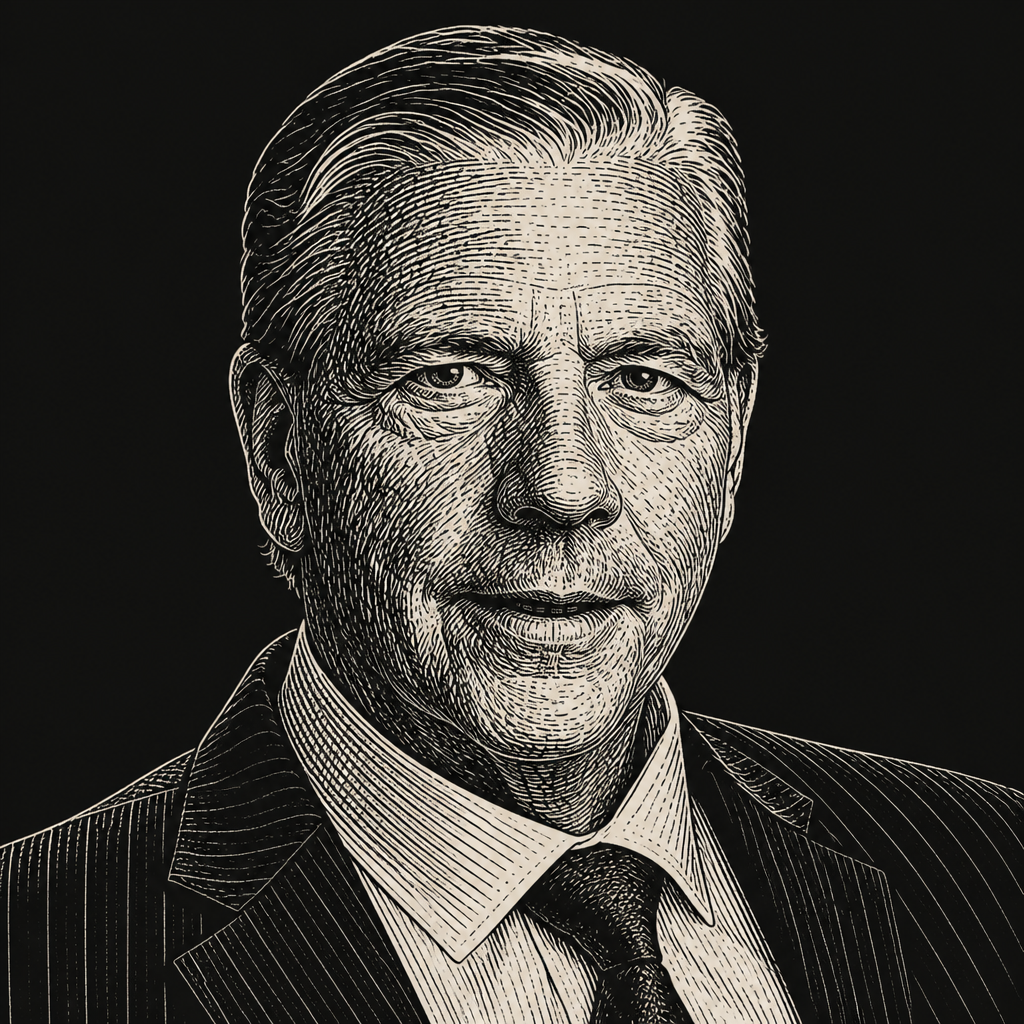
Castellano also placed Prudential inside the development of the Employee Ownership Ideas Forum itself. He said the Prudential Foundation had been a major supporter beginning with the inaugural forum in 2023, and argued that the forum would not have its current “traction and impact” without Prudential’s early and consistent support.
Aspen and Rutgers placed the forum inside a larger argument about prosperity
Maureen Conway situated the Employee Ownership Ideas Forum within the Aspen Institute’s interest in economic opportunity, human flourishing, and the common good. Conway, vice president at the Aspen Institute and executive director of its Economic Opportunities Program, said the forum’s discussions had included political leaders, worker-owners, business founders, advocates, researchers, and practitioners.
The substance of those discussions, as Conway described them, went beyond “the mechanics and the how-to’s of employee ownership.” The larger questions were how to build an economy that creates real opportunity, how to ensure prosperity is broadly shared, and how to create workplaces where people can contribute, belong, and thrive. She also noted that the forum had spent time on belonging and “our challenges of loneliness in the economy today.”
Conway connected those themes to the Aspen Institute’s origins. Founded more than 75 years earlier as the Aspen Institute for Humanistic Studies, she said, the institution was created as a place for leaders to wrestle with enduring questions about balancing economic progress with human flourishing, citizens’ responsibilities to one another, and institutions that support both individual opportunity and the common good. She referred approvingly to Senator Tim Kaine’s comment from the prior day about “putting the human on top,” adding that Aspen’s roots were humanistic.
That framing made employee ownership part of a broader institutional question rather than a narrow financing mechanism. Conway said ideas about ownership, participation, and economic opportunity have deep roots in American history and thought, including in the forum’s discussion of Louis Kelso. At a moment of rapid technological change and concern about economic inequality, she said, employee ownership offers “a practical way to connect business success with shared prosperity.”
William Castellano reinforced the same connection from Rutgers’ side. Castellano, director of the Institute for the Study of Employee Ownership and Profit Sharing at Rutgers University, said the institute does “quite a bit of research in this space” and described employee ownership as one viable solution to pressures reshaping the workplace and the economy: exponential advances in technology, AI, robotics, and demographic trends. In Rutgers’ view, he said, expanding employee ownership is “very much needed.”
The field was urged not to describe itself as niche
Paula D'Ambrosa’s most direct strategic instruction was about language. Employee ownership, she said, should not be talked about as a niche idea. She invoked Jason Kelly, CEO of Ginkgo Bioworks, who she said had spoken about myths: narratives that groups can fall victim to even when those narratives “hold very little reality.”
One such narrative, D'Ambrosa said, is that employee ownership is a niche. She acknowledged that many people in the room likely already reject that characterization, but argued that the field still needs to “hammer away” at it. More importantly, people working on employee ownership need to avoid reinforcing the niche frame in the way they describe their own work.
It's kind of like, going back to this history lesson, this is like a real American, apple pie kind of idea, right? And like, that is how we should be talking about it.
The phrase linked the 1790s cod-fishing story to the broader account, also present in Conway’s remarks, that ownership and citizenship have long been intertwined in American economic thought. D'Ambrosa also referred to Steven Hill’s prior-day discussion of Louis Kelso and the history of community, citizen, and employee stock ownership plans. Her characterization of Hill’s point was that, from the founding fathers to Abraham Lincoln and beyond, broad-based ownership has been linked to ideas about citizenship, democracy, and the republic itself.
The implication was that employee ownership advocates should not allow the subject to be confined to technical policy circles or specialized investment discussions. D'Ambrosa said employee ownership should be part of conversations about whether society works for people, whether people believe the American dream works for them, and whether they feel they have a stake in the country’s economic story.
That did not mean abandoning practical deployment. Her remarks treated narrative and field-building as part of the work required to scale the idea. The field, in her view, needed to tell a story large enough to match the economic and civic questions it wants employee ownership to address.
AI made the ownership question more urgent
Artificial intelligence appeared in the remarks as a distributional question. Paula D'Ambrosa said one of the issues she had been thinking about “a great deal” was whether the wealth AI creates will flow primarily to those who already own capital, or whether workers and everyday people will get a real stake in it.
That concern aligned with the broader frame from Conway and Castellano. Conway had described employee ownership as especially relevant at a time of rapid technological change and concern about inequality. Castellano had named AI and robotics among the trends having an impact on work and the economy. D'Ambrosa sharpened the point: if AI generates wealth, the central question is whether workers and everyday people share in it.
Her agenda preview for the day reflected that scale problem. Participants would hear about “big ideas for scaling employee ownership,” ways to move “serious institutional capital” into the space, and how to grow a genuine ownership culture inside companies. D'Ambrosa presented those as linked tasks: scaling the model, bringing capital into it, and building the company-level culture needed for ownership to be meaningful.
The alternative she named was returns flowing primarily to those who already own capital. Against that possibility, employee ownership belonged in the debate over how the gains from a changing economy are distributed and whether workers have a stake in the value they help create.
Movement building was treated as infrastructure, not atmosphere
If employee ownership is not niche, Paula D'Ambrosa argued, the field needs continued “field and ecosystem building,” which she also described as “movement building.”
She credited Lauren Rogers, who had spoken the previous day, for offering “super concrete and actionable ways” to build the field and achieve its stated goals. Among the ideas she highlighted were a shared website, shared information portals, and field-wide responses to AI and other developments. She encouraged participants to speak with Rogers and “pick his brain.”
Her own addition was the need for “a coordinated story.” The field, she argued, should position employee ownership not merely as “a possibility” or “an option,” but as “an inevitability.” Returning to the idea of myths, she suggested that narrative can shape how people understand what is possible and expected. The task was not only to reject the niche story, but to replace it with a broader account of employee ownership’s place in the economy.
The warning was that employee ownership can become trapped in too narrow a use case. D'Ambrosa specifically said it should not be present only in conversations about the “silver tsunami.” She affirmed that those conversations are important and that employee ownership needs to be in them. But she argued the idea is “much bigger than that.”
The larger story, as she described it, is about building a society that works for people. It is about whether people feel that the American dream works for them, whether they have a stake in the country’s story, and whether they participate in the economic value they help create. In that context, employee ownership is not merely a transaction structure. It is one way the field can answer a broader question about participation in economic life.