Trust-Building Is Cast as a Practice Learned Through Community Action
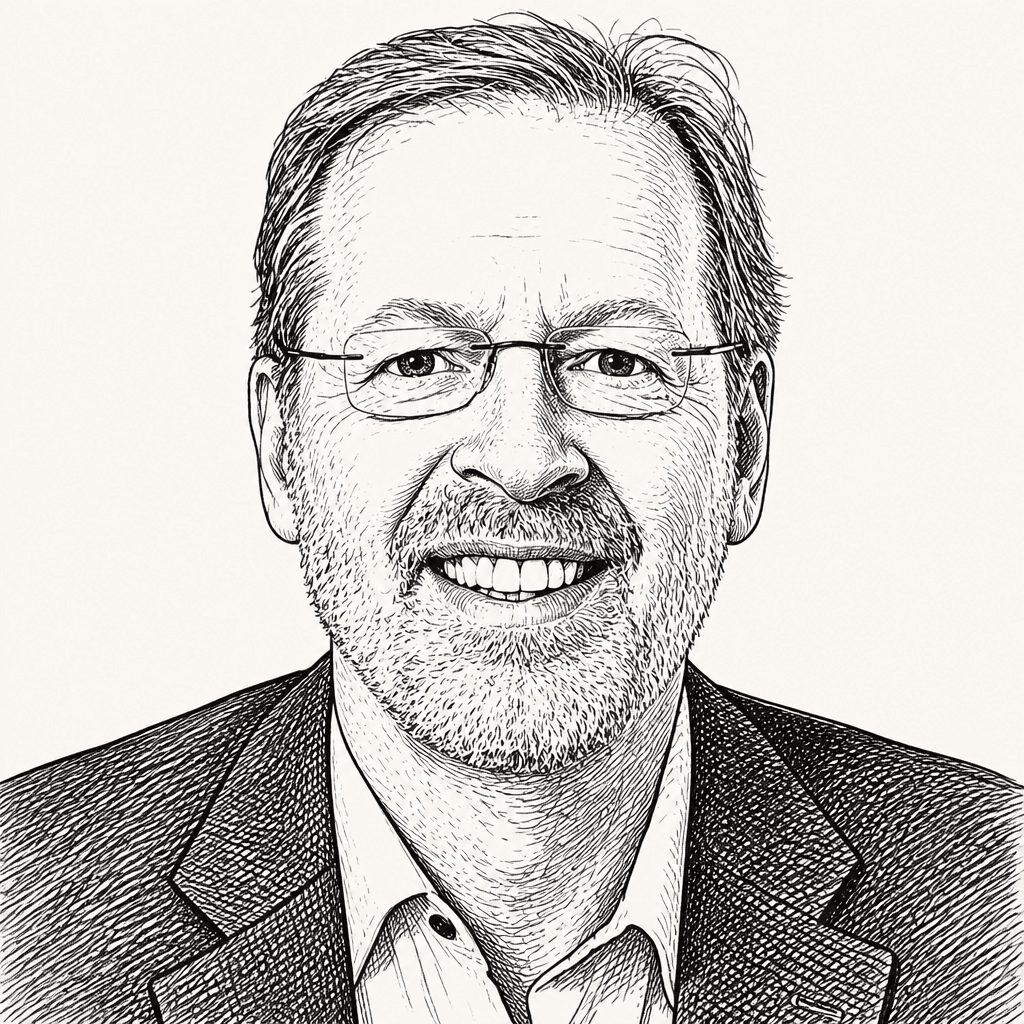
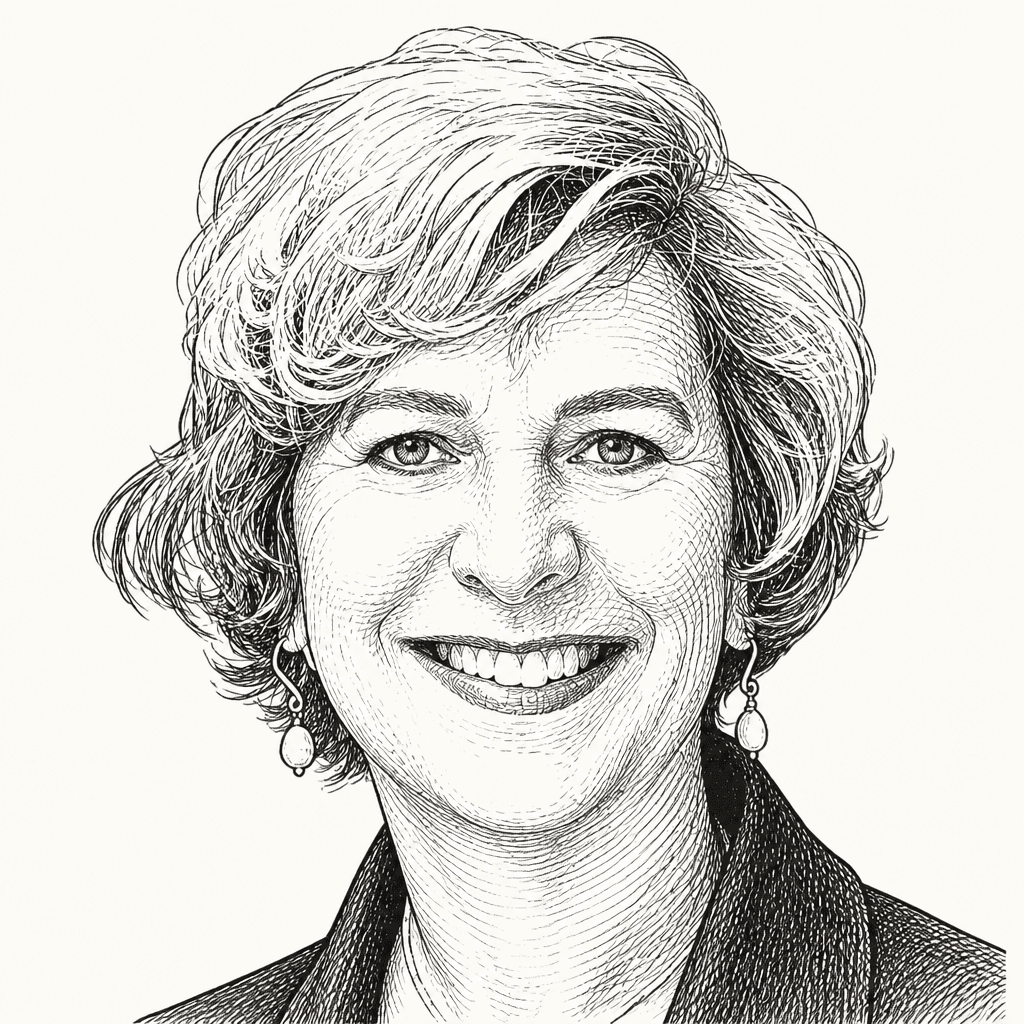
Vivian Schiller and Dan Porterfield opened the 2026 Trust in Practice Summit by framing social trust as work to be learned from practitioners, not simply a theme for discussion. Schiller described the Chicago gathering as a convening built around participation and exchange, while Porterfield tied the effort to the Aspen Institute’s postwar tradition of using dialogue to build understanding and spur action. Their central case was that Aspen and Allstate can help connect communities already rebuilding trust into a broader learning network.
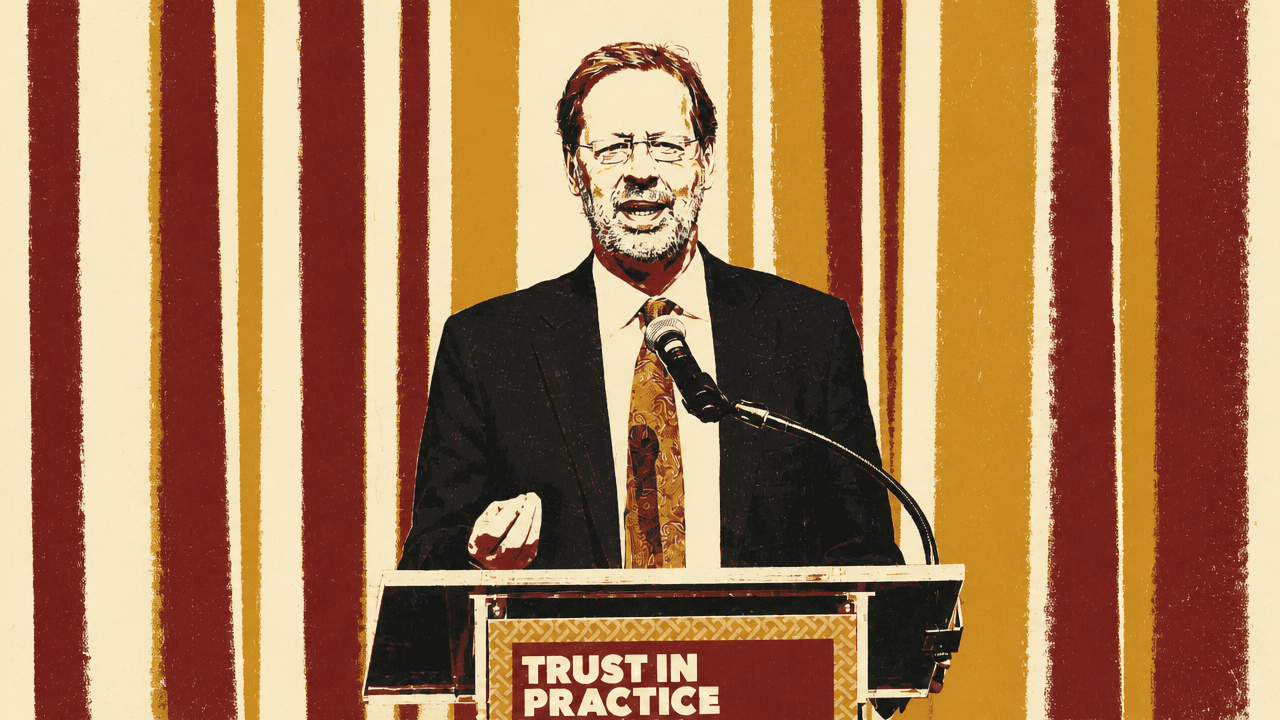
Trust-building is presented as work to learn from, not just a theme to discuss
The Trust in Practice Summit was introduced as a Chicago gathering on May 19 under the theme “Trust at Scale: Systems, Strategy & Collective Action,” with the Alliance for Social Trust, the Aspen Institute, and Allstate named on the event title card.
Vivian Schiller described the summit as a program designed “for you, for the community, to share and to learn and to be inspired.” Her emphasis was less on the formal agenda than on the conditions the organizers wanted to create: panels and breakouts, but also time for participants to speak with one another. The room itself mattered in Schiller’s welcome because the summit depended on the “depth and the diversity of the voices” gathered there.
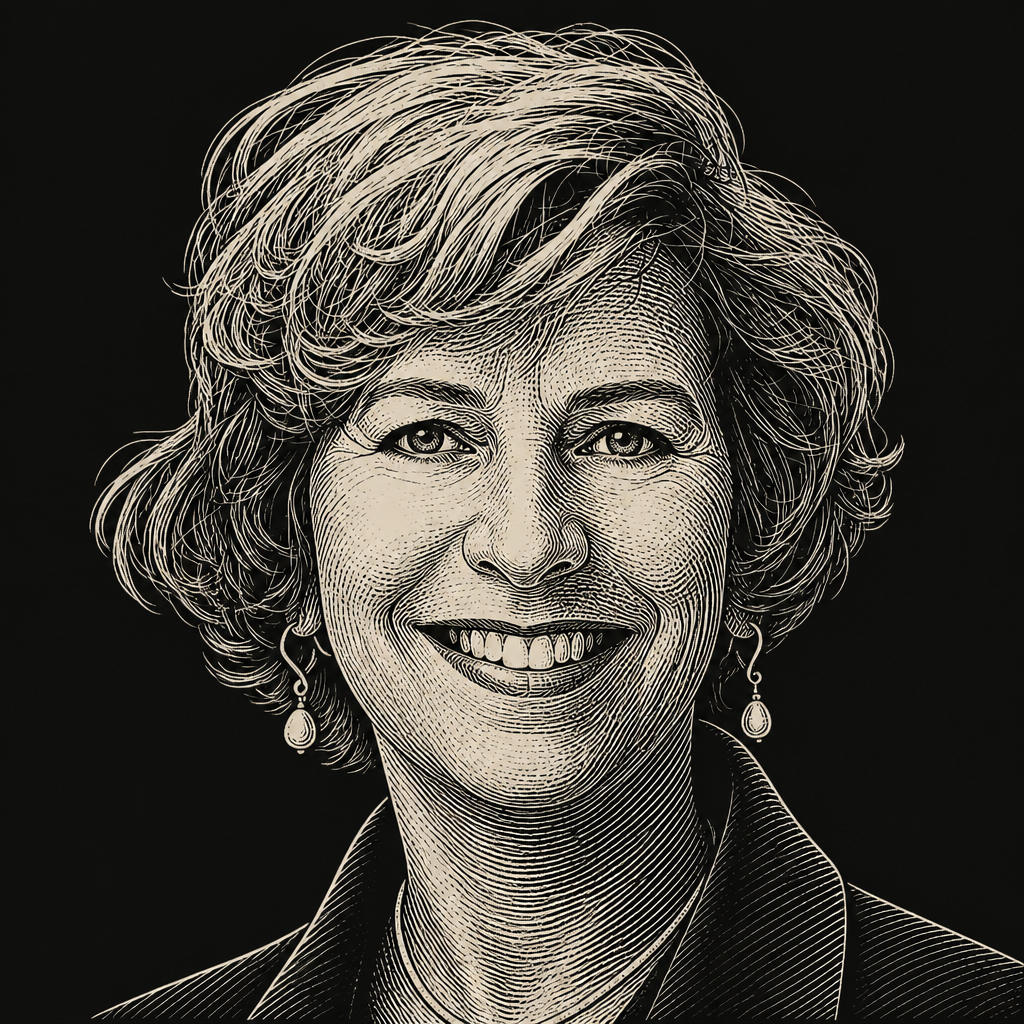
Approach this day, as we do, with curiosity, with humility, and with shared purpose.
Schiller treated the event’s growth as a practical sign of momentum. The summit had moved from the previous year’s inaugural setting at “Moonlights” to the larger Venue SIX10 because, as she put it, organizers had become “victims” of the community’s success. She acknowledged concern that the more formal auditorium setting might change the feel of the gathering, but said the morning had shown the “same incredible energy.”
The logistics she highlighted were in service of participation. Attendees’ name tags included a QR code linking to the day’s agenda, panels, and breakouts. She also stressed that the schedule had “baked in” time for people to talk to one another, even if, as she added, it is “never enough time.”
Aspen’s trust work is tied to a postwar theory of dialogue
Daniel Porterfield placed the summit inside the Aspen Institute’s longer institutional purpose. Aspen, he said, was founded in 1949 at a moment of global stress: the aftermath of World War II, economic destruction, the Holocaust, Soviet expansion, communism spreading in China, the recent use of nuclear weapons against civilians by the United States, and the beginning of the arms race and Cold War.
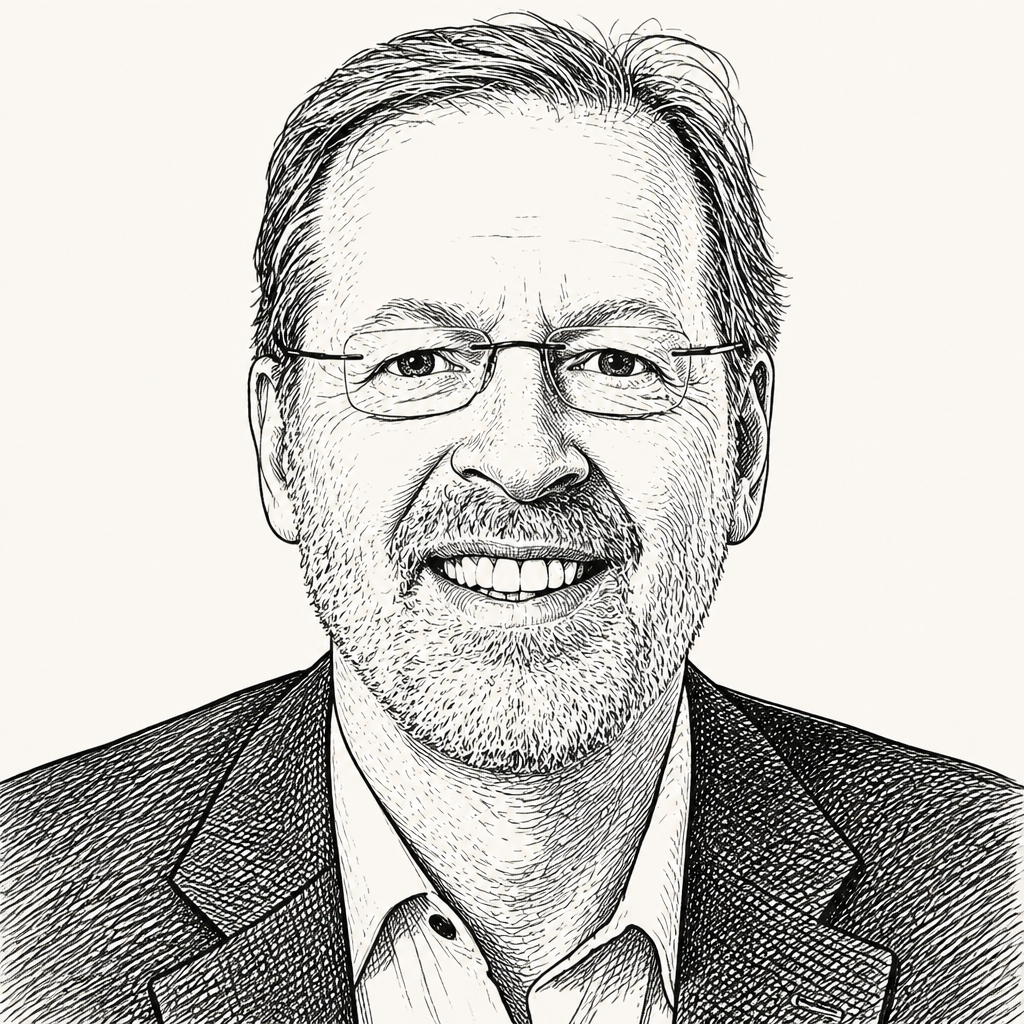
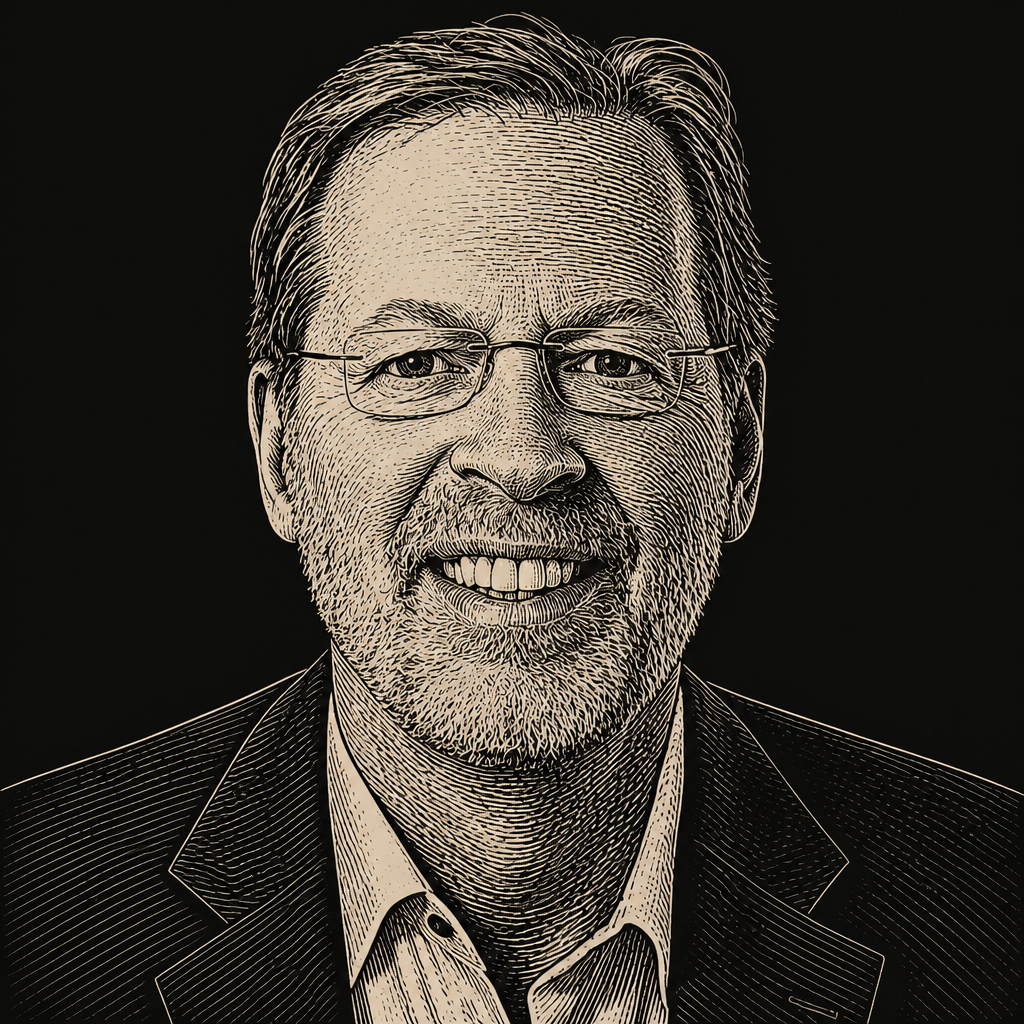
Porterfield used that history to explain why trust-building belongs within Aspen’s mission. In that postwar context, he said, leaders in the United States were asking how to mobilize belief that the country was “a coherent, connected culture,” that it shared values, and that pluralism had “a real purpose.”
The response, in his account, was a large gathering in Aspen, Colorado, then a former silver town with buildings and places to gather after population decline. Business and academic leaders built an enormous tent and brought together roughly 3,000 people from around the world. Porterfield described the central question as whether humanism could be valid in a world facing rapid change, political and military realignment, and frightening technology, especially the technology of war.
He drew the comparison to the present directly. The contemporary question, as he put it, is again what “pulls us together as humans, as communities” and as people trying to build “a good world and a good life” for children and future generations.
Porterfield described the “Aspen Method” as two linked moves that began with the 1949 summit. The first is to assemble “the right table,” “the right room,” and “the right dialogue partners” so that a genuine exchange of views can build understanding. The second is to move from dialogue into creation: to “ignite human potential” and “create new possibilities for a better world.”
Build understanding, catalyze new possibilities.
That paired formulation was Porterfield’s shorthand for Aspen’s current purpose. Dialogue is not presented as an end in itself; it is supposed to produce understanding that can lead to new action.
Allstate’s role is to help connect communities already building trust
Daniel Porterfield said Allstate’s proposal for a trust initiative fit Aspen’s “enduring calling” because it offered resources for convening and for identifying people “building trust in practice.” The phrase mattered in his remarks. Porterfield distinguished between understanding trust and learning how it is built through action. “We want understanding,” he said, “but we’ve got to learn from doing.”
That distinction carried the main claim of his welcome. Porterfield told participants working in community that they are “essentially writing the playbook” for how the country, and possibly the world, can build “beloved community” and use pluralism as a strength. He named the kinds of practice the initiative was meant to surface: fostering dialogue, working productively with diverse parties toward collective impact, and setting goals that motivate younger and older people to pursue something common.
Allstate’s role was presented not merely as sponsorship, but as support for connection across communities. Porterfield said Tom Wilson wanted to connect many communities across the country so they could create “a learning community together.” In that account, the summit was a way to bring practitioners into relationship with one another and learn from what they are already doing.
The stakes, for Porterfield, were social and generational. If the country and other countries cannot “rebuild trust” and “reweave community,” he argued, they will not be able to achieve common purposes. They also will not be able to help younger people believe society is oriented toward their talents, needs, and inclusion.
Porterfield also placed Aspen itself inside a process of institutional change. Over 75 years, he said, the Institute had become “a much more inclusive organization,” more grassroots, involving more young people, and with greater global reach. But he said the core remained the same: building understanding and allowing new possibilities to flow from it.
The handoff to Tom Wilson reinforced the partnership frame. Porterfield introduced Wilson as the leader of the effort and as someone whose idea of community had sparked the initiative. By then, the opening premise had been set: trust was being treated as something practitioners are already building in communities, and the summit’s purpose was to connect those practitioners so they could learn together and act from that learning.