Community Relationships, Not Authority, Rebuild Social Trust
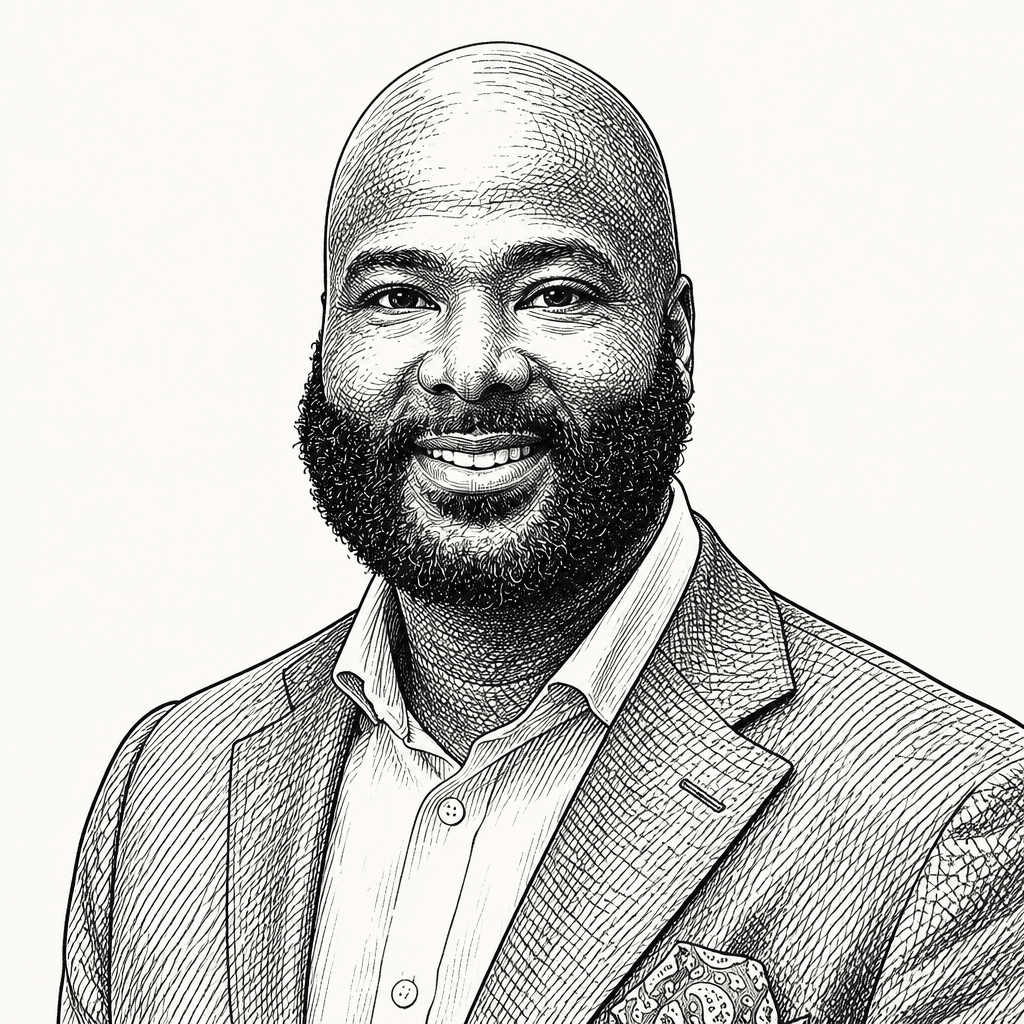
Frederick Riley, executive director of Weave: The Social Fabric Project, told the Trust in Practice Summit in Chicago that America’s trust problem is rooted less in disagreement than in the loss of relationships that once contained it. He argued that trust is rebuilt locally, through neighbors, mentors, coaches, business owners, and other “weavers” who create repeated contact and reasons for people to show up for one another. Programs and data can help, Riley said, but they cannot substitute for the relationships through which trust is formed.
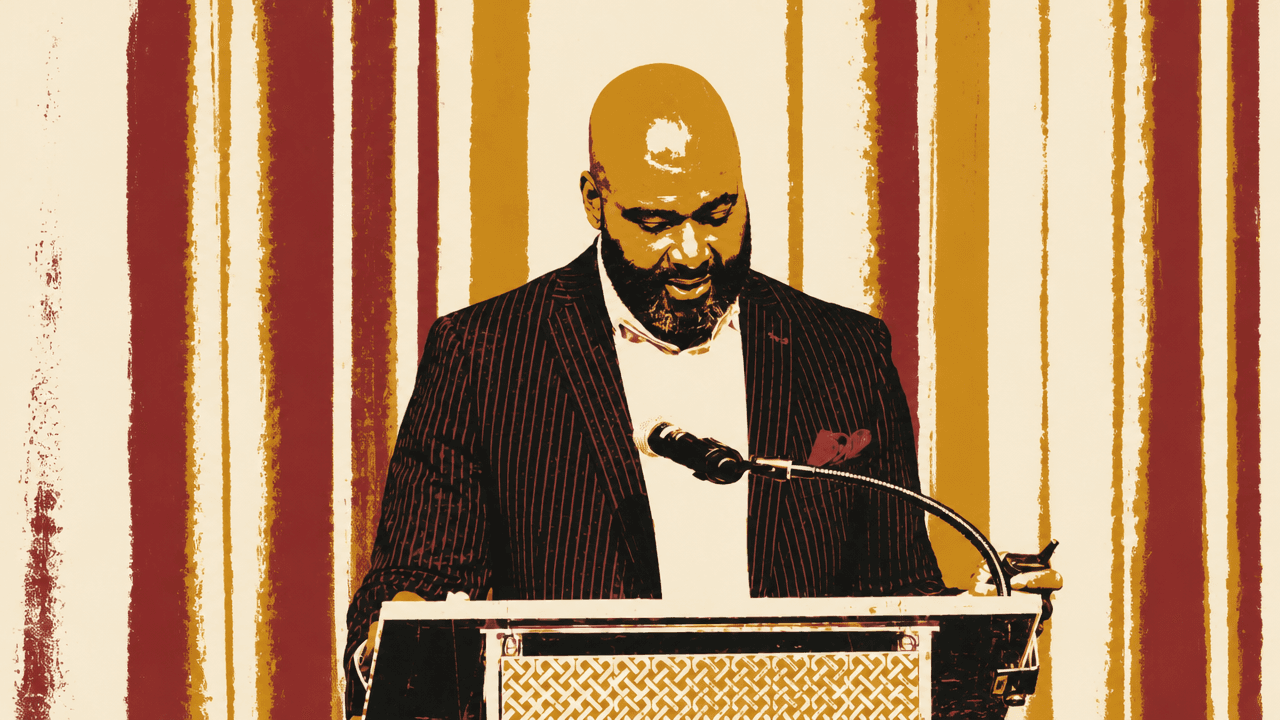
The trust problem is less disagreement than disconnection
At the Trust in Practice Summit in Chicago, hosted by the Aspen Institute and Allstate, Frederick Riley framed America’s trust problem as a breakdown in the relationships that once made disagreement livable. The decline he describes is not simply that Americans have sharper conflicts, or that polarization has increased. His claim is more specific: people are less connected to those with whom they disagree, and that changes what disagreement becomes.
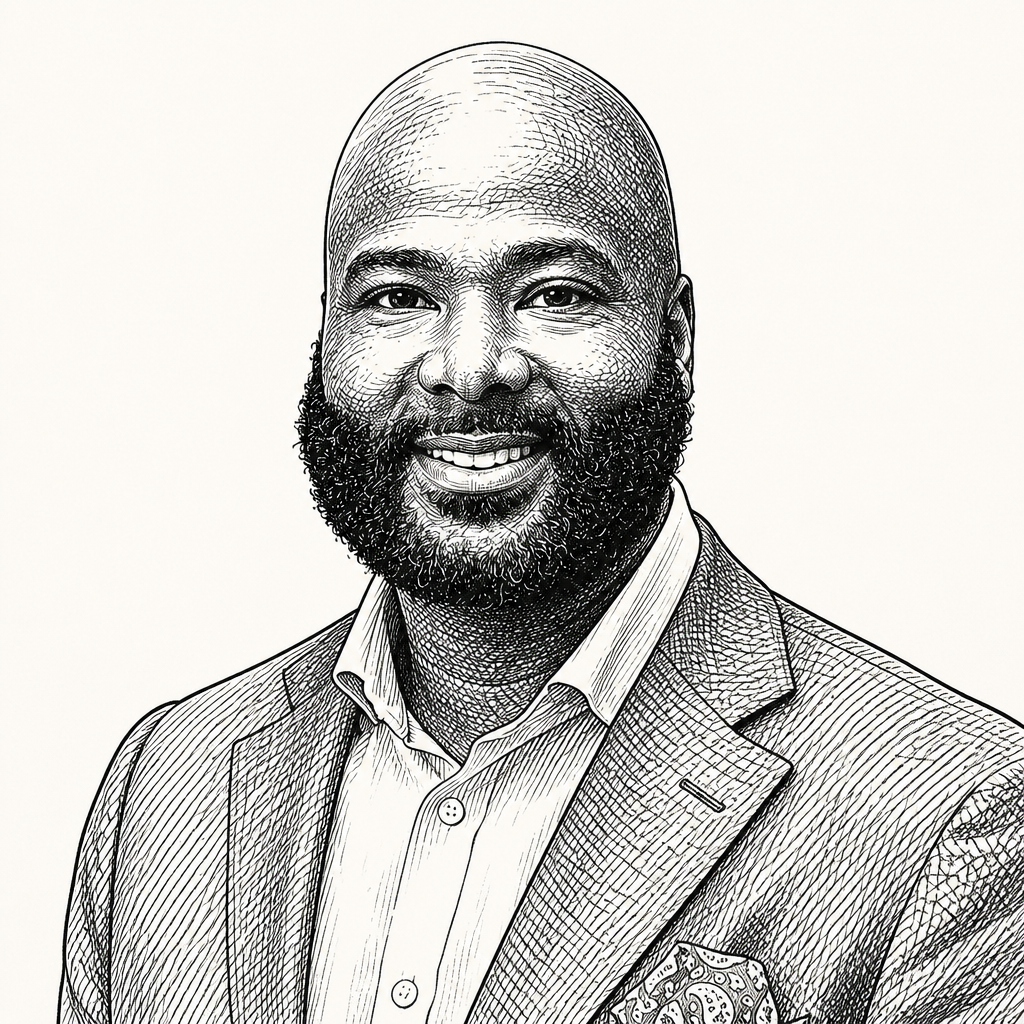
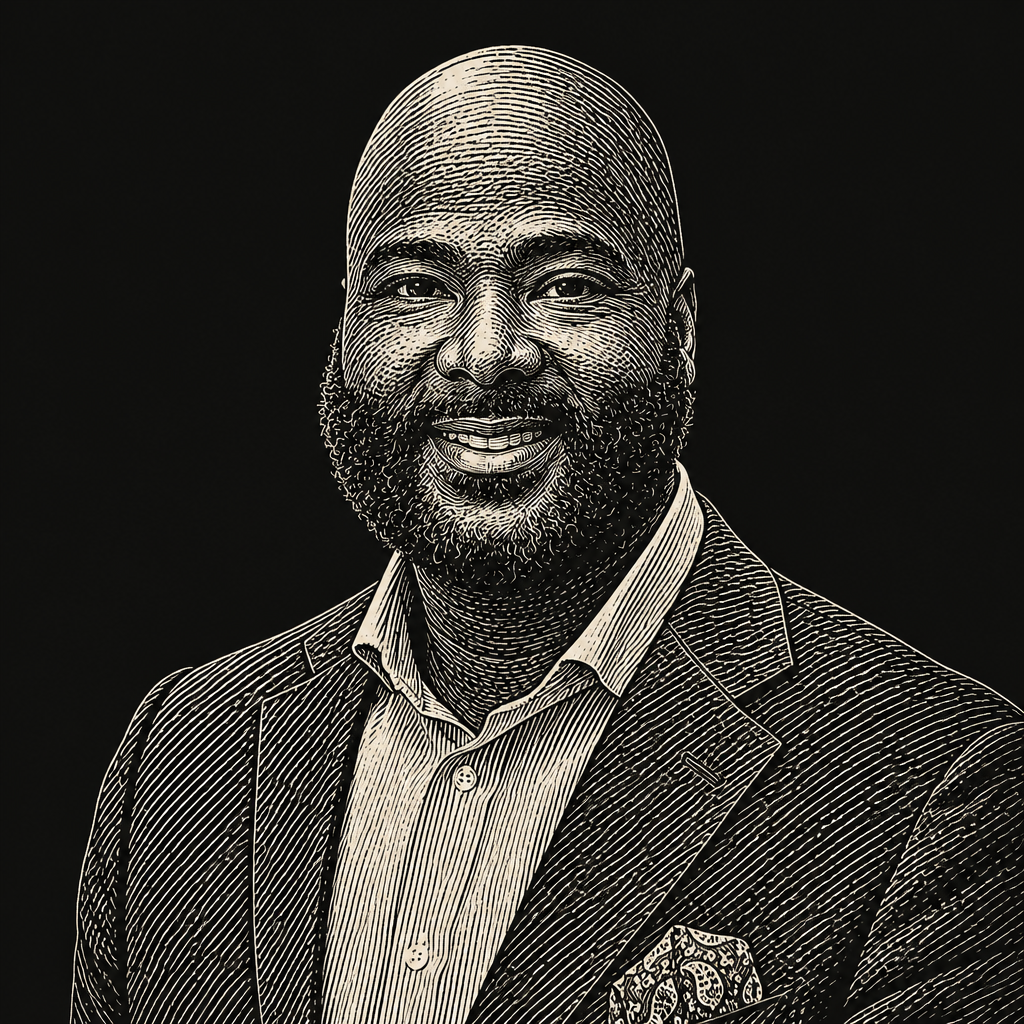
Researchers, Riley notes, have been asking communities a version of the same question since the 1950s: “Who do you trust?” In the 1960s and early 1970s, he says, nearly half of Americans answered that most people could be trusted. Today, that figure is closer to one-third. Trust in institutions has followed a similar path. But the more consequential shift, in his account, is social rather than merely attitudinal.
Fifty years ago, people with different political views often lived near each other, worked together, sent children to the same schools, and occupied the same community spaces. Disagreement existed, but it was “held inside” relationship. Today, more people live, work, and spend time with people who are similar to them. When disagreement is no longer anchored in acquaintance or shared local life, it becomes more distant, abstract, and extreme.
When there's no relationship, it's much easier for disagreement to turn into distrust, and for distrust to turn into disconnection.
That is why Riley resists describing the national condition only as polarization. The deeper issue is a “quiet crisis” of disconnection: neighbors who no longer know one another, institutions facing low confidence, leadership environments defined by skepticism. In that vacuum, he says, a narrative takes hold: the country has gone too far, other people cannot be trusted, no one really knows me, and people do not care about me.
The other story is local, ordinary, and easy to miss
Riley’s answer to the “doom and gloom” narrative is not that the decline is imaginary. He explicitly holds two claims together: trust is declining, and the challenges are real; at the same time, possible solutions already exist in communities, often below the level of headlines and formal institutions.
He ties that conviction to his own childhood in Saginaw, Michigan, a former industrial boom town that later faced job loss, stretched families, and national stigma as one of the most miserable communities in the country to live in. What Riley remembers most is not the struggle itself but the people who appeared in it: mentors who believed in him before he believed in himself, neighbors with little to spare who still found ways to give. Looking back, he understands that experience as social cohesion, connection, community resilience — and perhaps the place where he first learned trust.
Riley says that when he joined Weave: The Social Fabric Project, he and colleagues traveled to big cities, small towns, and places that “feel forgotten about.” They asked: Who do you trust? Who shows up for you? In his telling, the answers did not usually point to large institutions or powerful figures. People named neighbors, teachers, coaches, local business owners — people whose trustworthiness came from repeated presence.
That observation shaped Weave’s premise. The people who know how to rebuild trust are already present, even if they are not always visible or supported. Weave calls them “weavers”: people who do not wait for permission and who build trust by showing up consistently. Riley’s formulation is that trust does not come from programs or policy alone; it “grows at the speed of relationships.”
Weavers create reasons for people to encounter one another
Frederick Riley offered two local examples of what “weaving” looks like in practice. Ding Yi in Chatsworth, California, was caring for her chronically ill mother with cancer while trying to continue college. She had believed her strength came from doing everything alone, until the strain brought her to the point of dropping out. After seeking support from a local group, she came to see that hope grows not from isolation but from connection.
In a divided neighborhood, Ding began creating simple occasions for people to gather and serve together: ice cream socials, healthcare-kit distribution, and other opportunities for neighbors to work side by side. Riley’s emphasis is on the shift he says those acts produced. People who disagreed began talking. People who avoided one another began showing up.
Jason Maxwell in Centerton, Arkansas, began with his wife by starting a small food pantry. They then concluded that the deeper issue in their community was not only the need for food. They expanded into Farm to Families, bringing neighbors together to provide food for people in need, and the work became more than distribution: a place where people could be seen and heard. People came for support and stayed for relationships.
The examples are modest in scale by design. Riley presents trust-building as repeated local practice: feeding people, hosting gatherings, making room for people to be seen, and creating conditions where neighbors who might otherwise remain abstract to one another can become known.
Making trust visible requires measuring behavior, intention, and shared space
A practical obstacle, Riley argues, is that broken trust is hard to see. It is not like a broken streetlight or a pothole, where residents know what is wrong and whom to call. When neighbors do not know one another, or a community no longer feels connected, the problem is felt before it is named.
That is the problem Riley says Weave tried to address with trustmap.org. From the stage, he described it as a tool built with large datasets across every ZIP code in the country to help local people understand trust and distrust in their communities. His emphasis was not only on identifying weak trust, but on helping communities see what may be strengthening connection and what may be pulling them apart.
The need for plain explanation became clear, Riley says, in conversations with his mother. When he tried to describe his work in terms of trust, social fabric, and connection, she told him she still did not understand what he did all day, why he could not take her calls at 11 a.m., why he could not come home for Sunday dinner, and why he thought he was so important now. The joke carries a serious point: if people cannot understand how trust develops, they cannot act on it.
Weave’s answer, as Riley presented it, was to organize the drivers of trust into three categories.
| Driver | What Riley says it captures | Examples or data he names |
|---|---|---|
| Behaviors | How people show up for one another in communities | Voting, volunteering, donating to charity |
| Intentions | Whether people believe they can trust their neighbors | Data and social media scores from every ZIP code |
| Spaces | Places where people come together organically | Parks and third spaces |
Behaviors concern visible civic and neighborly action. Intentions concern whether people believe neighbors are trustworthy. Spaces concern the physical or shared places where connection can happen organically. Riley says users can go to trustmap.org, enter a ZIP code, click on a neighborhood, see a score, and receive a sheet suggesting what they could do next at the neighborhood level.
The underlying claim is that trust is not merely a condition communities inherit. It is something residents and leaders can build once they can see enough of the relevant patterns to act.
Authority does not substitute for relationship
For Frederick Riley, the implications differ by role but point in the same direction. Leaders should recognize that authority alone does not build trust; relationships do. Institutions should move beyond transactions toward connections. Communities should invest in the people already doing trust-building work, especially the “weavers” who are quietly holding things together.
His warning is also about where not to look exclusively. Riley urges people thinking about the future of the country not to rely only on headlines, because headlines miss the people showing up in communities and telling a different story than the one circulating online. Trust, in his formulation, cannot be built “on the ground in Washington DC.” It is built in streets, neighborhoods, and quiet moments when people choose to care.
Riley closes on the metaphor embedded in Weave’s name: weaving brings different threads together to create something stronger. The question is not whether trust can be restored in the abstract. It is whether people will combine their own “threads” locally, with those around them, to build a stronger social fabric where they live.