Family-Led Models Aim to Scale Child Care, Housing, and Health Supports
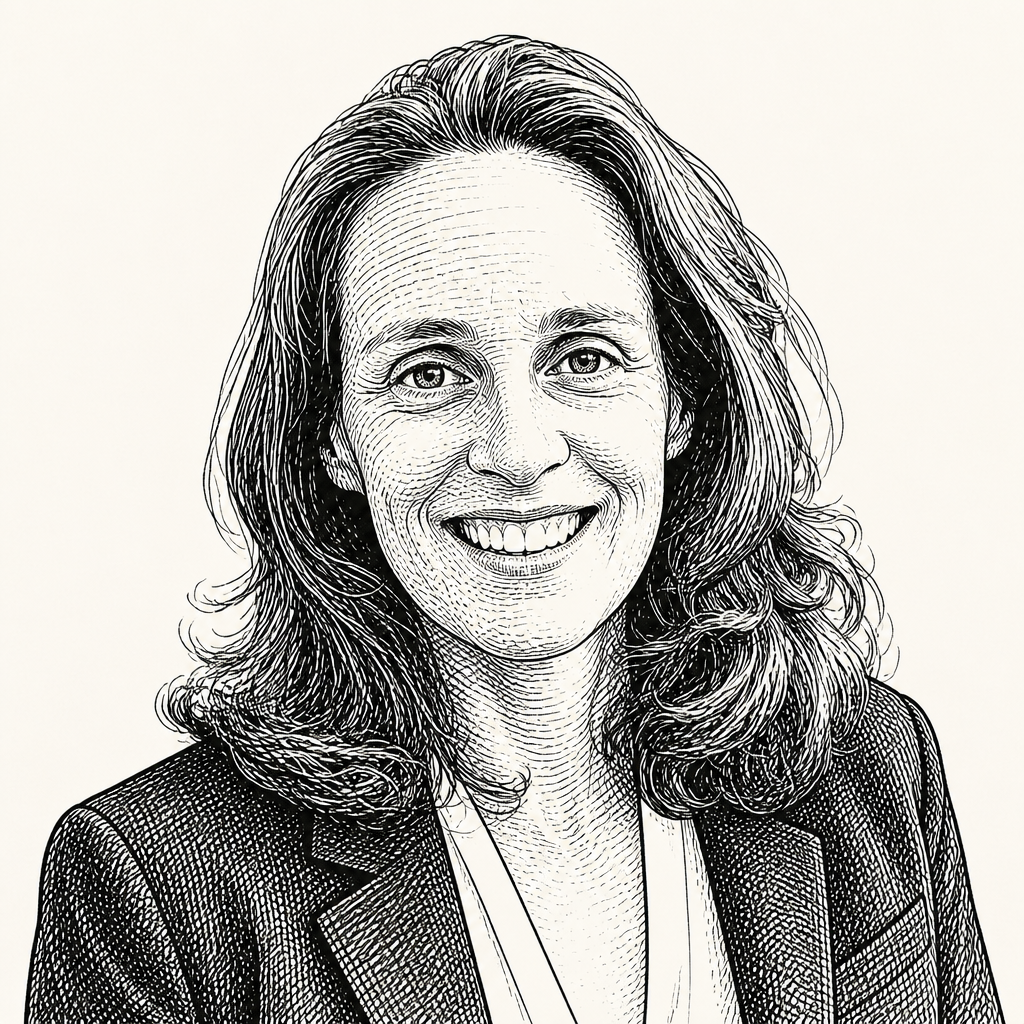
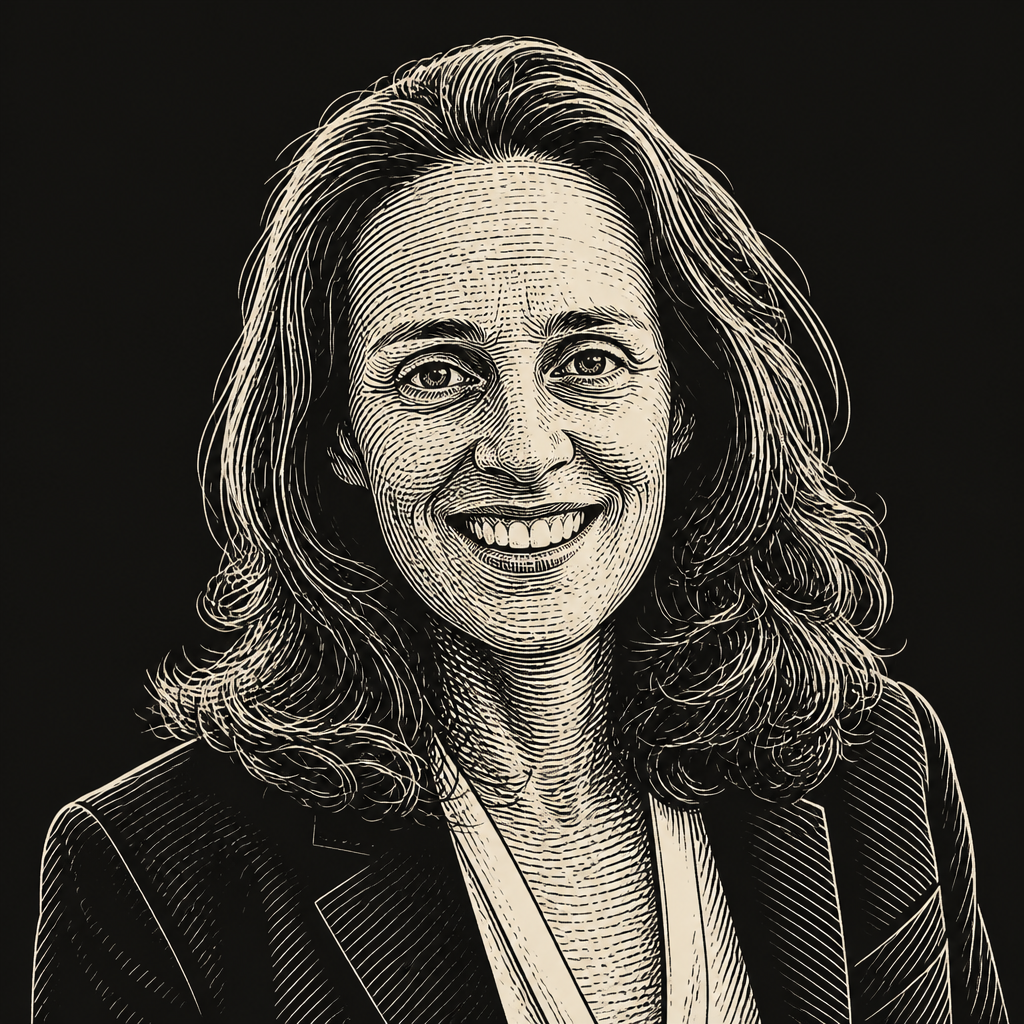
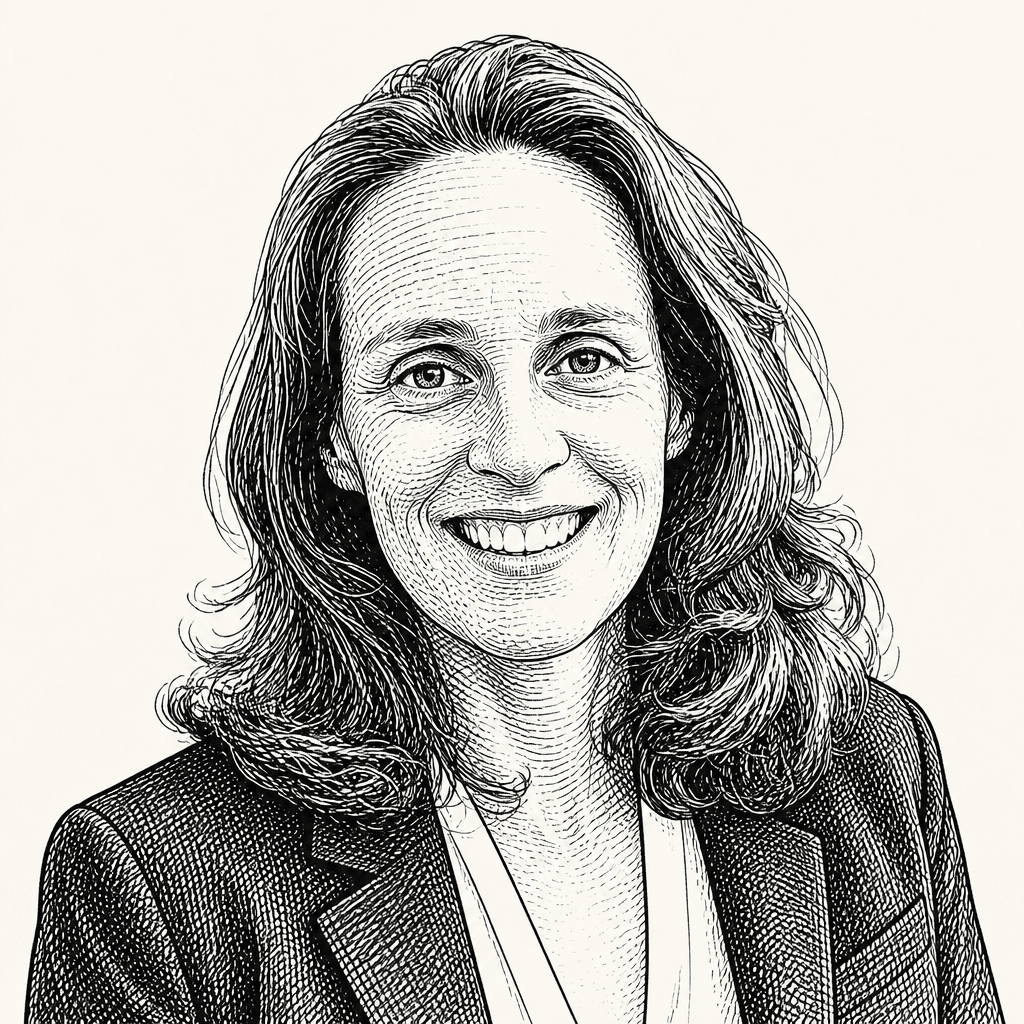 Katie Albright
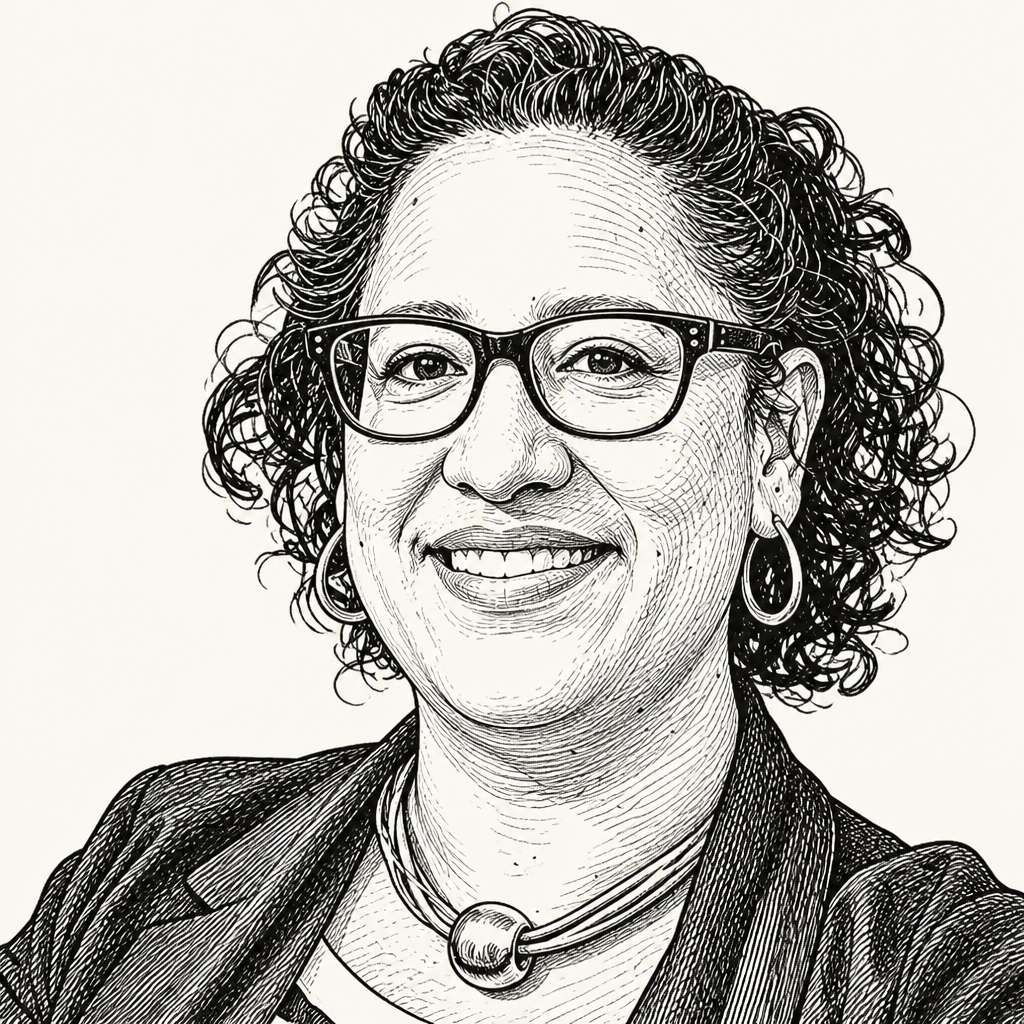
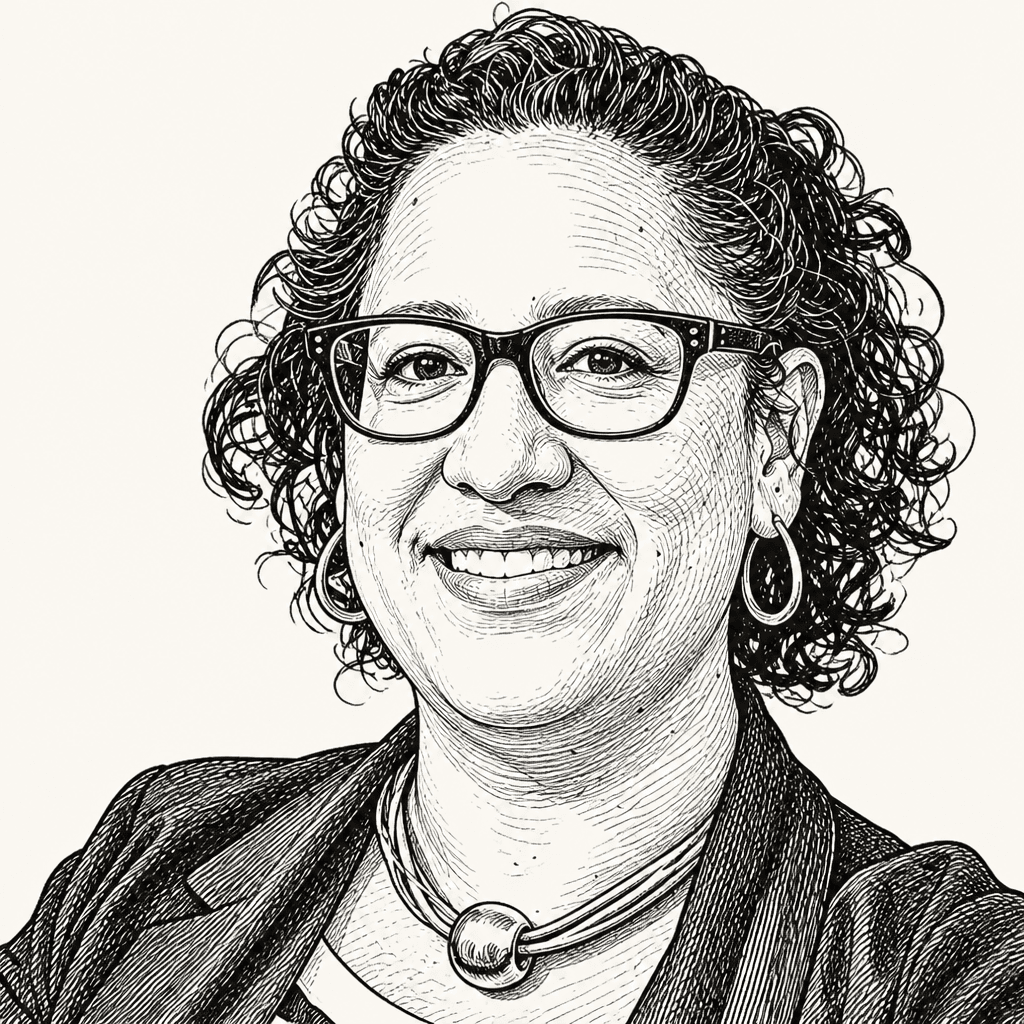 Laura Migus
 Anne Mosle
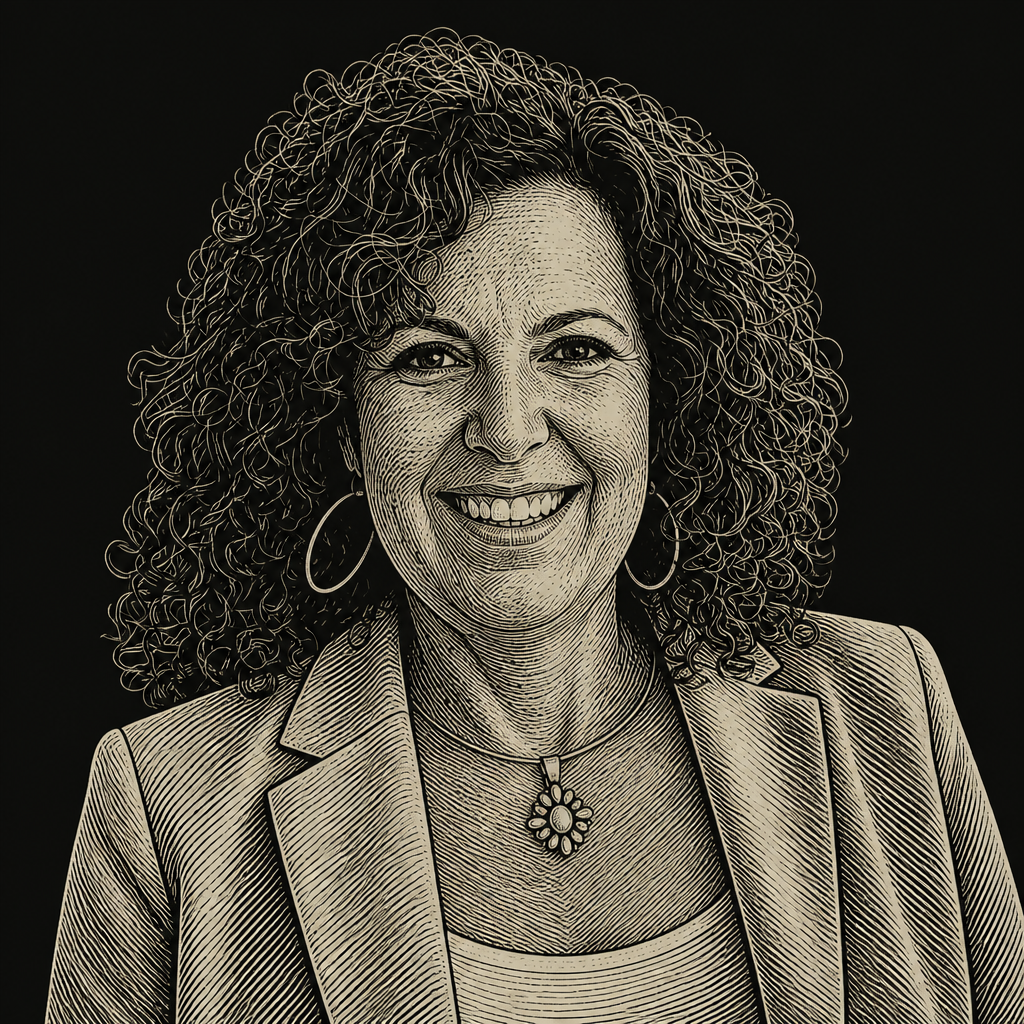
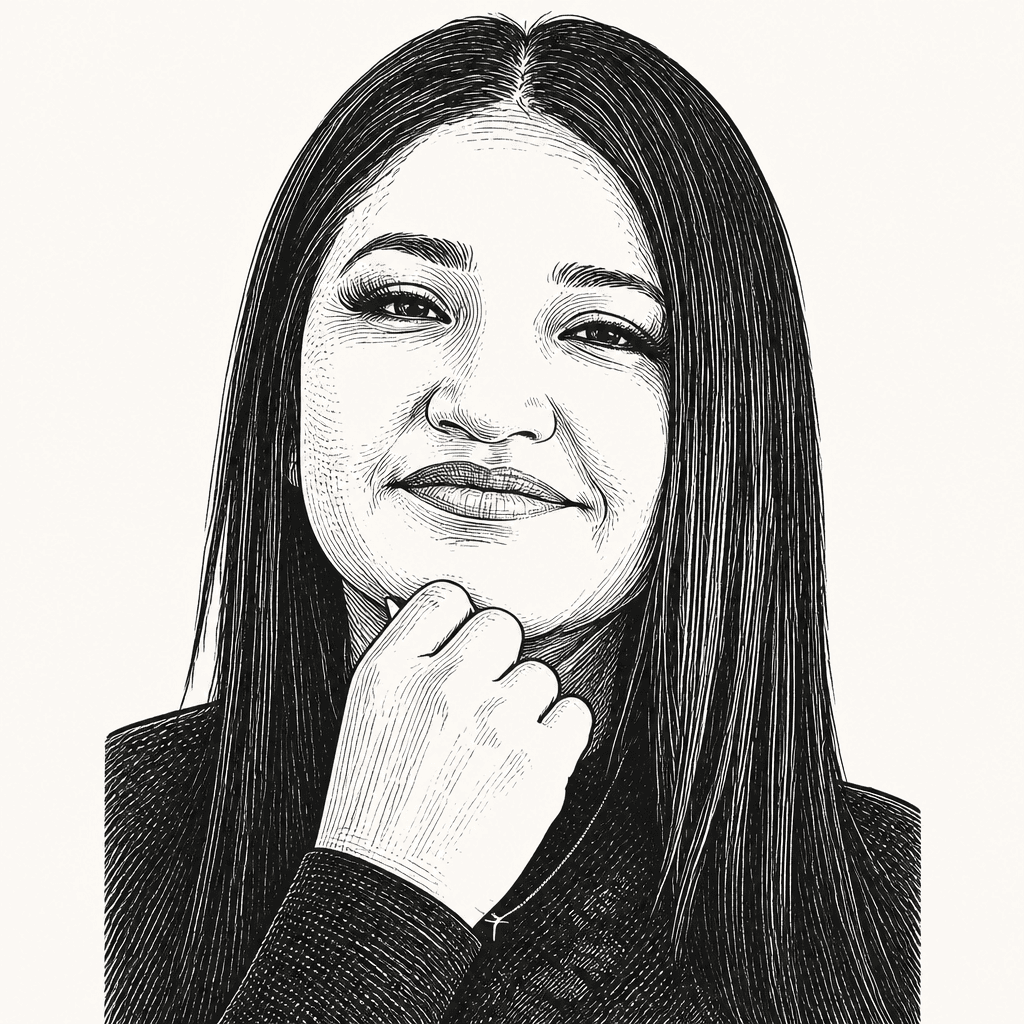 Carolina Salas
 Maria RodmanThe Aspen InstituteTuesday, June 30, 202618 min read
At the Aspen Ideas Festival, Ascend’s Anne Mosle and parent adviser Carolina Salas framed family policy as a design problem that should start with families’ lived expertise, not agency silos. In a conversation with Maria Rodman, Katie Albright and Laura Migus, they argued that practical models already exist for housing, child care, health care, education and community support, but that scaling them depends on preserving local family leadership and forcing institutions to coordinate around how families actually live.

The test is whether models can scale without stripping out family leadership
Carolina Salas framed the problem from the position Ascend wants to institutionalize: the people closest to children are not only service recipients, but experts in what a workable system would require. Salas, a parent advisor for Ascend who lives in Rio Rancho, New Mexico and is the mother of two children, said in Spanish that the gathering mattered because it allowed working families to be heard — families not only trying to survive, but trying to have an affordable life that includes safe housing and access to health services.
Este espacio para mí es muy importante, ya que se puede escuchar a las familias trabajadoras que no solamente están intentando sobrevivir, sino tener una vida asequible.
Anne Mosle made that premise explicit. Ascend, she said, has been building a community of parent advisors and leaders who are not merely “at the table,” but involved in designing the table itself: governance, policy, systems, and practices. She described lived experience as evidence, and parents and the adults closest to children as experts whose knowledge is needed if solutions are going to scale, last, and fit family life.
Ascend began almost 15 years ago, Mosle said, as a bet made in the shadow of the Great Recession. The animating question then was what it would take to pass the American dream from one generation to the next through family economic security, educational success, and well-being. The question now has shifted. It is no longer only whether the American dream can be passed down, but what that dream should mean if families are living with unaffordable housing, inaccessible child care, fragmented health systems, and unstable work.
Mosle described the original diagnosis as threefold: systems, services, and policies were fragmented, siloed, inequitable, and not effective enough. Child care might sit in one institutional lane while housing or job assistance sat in another. Ascend’s answer was a two-generation approach that puts children and the adults in their lives at the center together, builds lived experience into design, and makes a major bet on values-based leadership across sectors.
The scale Mosle described is not small. Ascend’s network now includes more than 650 organizations across all 50 states, tribal nations, Puerto Rico, and the District of Columbia, with work also growing globally. The network includes United Ways, Head Start programs, state agencies, housing organizations, and job training centers. Mosle said it is supported by 138 parent advisors and nearly 182 fellows, reaches more than 15 million families, and has helped unlock more than $700 million in philanthropic and public funding.
The next chapter, Mosle said, is a “Forward With Families” effort organized around innovation, implementation, civic imagination, and leadership. She presented it as a practical response to a polarized moment: Ascend has worked in red, blue, and purple states, and Mosle argued that there are family-centered solutions ready to scale. The campaign is organized around five areas: care and child care; employment and education; food and housing; cash and savings; and health and well-being.
Its stated moonshot is broad but operational: what would it look like if every state, community, and hospital system were committed to ensuring that every child is welcomed and loved when brought into the world, and that families are positioned to be stable, thrive, and dream for themselves and their children?
That moonshot anchored the practical models that followed. The examples were not about one program design. They were about what happens when families identify the bottlenecks, local institutions rearrange around those realities, and systems that normally operate separately are forced into coordination.
In the Roaring Fork Valley, families named three bottlenecks: housing, child care, and preventive health
Maria Rodman described Valley Settlement’s work in Colorado’s Roaring Fork region as a case study in local systems change led by families. She said the organization works from Parachute to Aspen and has seen “incredible transformation” by working in and with families. Her operating theory is that systems, social, and community change begin at the individual level, are fueled in community, and are felt through sustained action. That only happens, she argued, through trusting and mutual relationships real enough to survive difficult conversations and disagreement.
When Valley Settlement looked at the crisis facing families, Rodman said, it chose to “flip” the frame from crisis to opportunity. Families identified three priorities: housing, child care, and preventive health care. None were surprising, she said, because all are central to whether a family can be vibrant, stable, and able to pursue its own dreams.
The organization then pursued three strategies. On housing, it worked on mobile home park preservation and conversion from a tenant model to resident ownership. On child care, it helped establish what Rodman described as the region’s first special tax district for early childhood and child care across three counties, expected to bring in close to $12 million per year to address affordability gaps. On health, it adopted a promotora model — a culturally familiar, relationship-based approach in Latino communities in which trust is built first, and people then begin to disclose what is happening in their lives.
Rodman emphasized the preventive-health point because many families do not have adequate health care. If they cannot depend on the formal system, she argued, they need timely resources through trusted relationships before problems escalate.
Housing was the first hard proof point. Rodman said many people initially told Valley Settlement that preserving mobile home parks and converting them to resident ownership could not be done. Her response was that “a no is just a little stepping stone to the yes.” The work had to begin with legislation enabling families in mobile home parks to bid to own their parks. Four or five years later, she said, the fourth mobile home park in the region is being converted to resident ownership.
A no is just a little stepping stone to the yes.
The financing was substantial. Rodman described families, residents, children, employers, government, and philanthropy all playing roles, with special low-interest loans and fundraising packages ranging from $12 million to $25 million for preservation. Children spoke at school boards about not wanting to lose their homes because they wanted to stay in their schools. Employers, local governments, and foundations had to come into the work because housing instability was not only a family problem; it affected schools, businesses, and the region’s social fabric.
The key point, Rodman said, was not that Valley Settlement acted on behalf of residents. It was that “at every turn,” the families whose homes were in jeopardy led the way. Valley Settlement brought assets, resources, and relationships, but the work was done by the people closest to the threat.
One technical barrier showed why the model required a coalition. Under the legislation, residents had only 120 days to raise the money to buy their park. Raising $12 million to $25 million in that period looked implausible. Rodman said the residents and the coalition did it because no participant was being asked to carry the full burden alone. Each party had a vested interest in the outcome.
The child care campaign followed a similar logic but took even longer. Rodman said it took eight years to get to the ballot. Families and employers both described the child care crisis as a barrier to recruiting and retaining staff in the region. The issues included available slots, affordability, and cultural norms. The eventual proposal was a quarter-penny sales tax to raise $10 million to $12 million per year for child care.
Rodman said the coalition wanted to avoid a regressive tax and therefore excluded basic needs such as food, gas, diapers, and feminine products. Polling never showed 51 percent support in any of the three counties. Still, the coalition chose to go in 2025 because it was neither a presidential nor a midterm election year, meaning the path was a turnout campaign among likely supporters. The measure passed in all three counties with 54 to 56 percent support.
| Local strategy | What Rodman said families identified | Implementation detail |
|---|---|---|
| Housing | Mobile home park preservation | Resident ownership enabled through legislation, coalition financing, and resident leadership |
| Child care | Affordability, slots, and workforce pressure | Quarter-penny sales tax across three counties, excluding basic needs, expected to raise $10M–$12M per year |
| Preventive health | Families lacking adequate health care | Promotora model built on trusted relationships and timely support |
For Rodman, the lasting effect of these wins is not only the specific housing units or child care dollars preserved. It is the change in community expectation. Once families and institutions do a “big, bold, hard thing,” she argued, they become more willing to do the next one.
Child welfare can be rebuilt around family well-being
Katie Albright used the early pandemic to challenge a core assumption in child welfare. In March 2020, she said, families were struggling to find food and toilet paper, and food banks lacked basic supplies. At the same time, children were out of school, and many in the child welfare community feared that because mandated reporters — especially teachers — no longer had regular eyes on children, children would be harmed.
Albright said child abuse reports to child welfare agencies did decrease. But when practitioners looked beneath that topline and talked with families, they saw a different pattern. Families were reaching out to warm lines. They were seeking food bank support. They were showing resilience and supporting their children. According to Albright, the number of children removed from families stayed the same, fatalities stayed the same, and the number of children involved in incidents stayed the same.
Her conclusion was that the pandemic period demonstrated the possibility of transforming child welfare into a system of child and family well-being. Instead of building a system primarily around separating children from families, she argued, communities can build pathways that help children and families stay together. But that requires the same practical supports Rodman named: housing, health care, educational support, and child care.
Albright said this work is happening across states with different politics, citing California, Texas, New York, and Colorado as places where leaders are thinking about child welfare reform and community pathways. One area she highlighted is the transformation of health care services funded by Medicaid — Medi-Cal in California — so community-based organizations can provide family supports, including promotora services.
The promise, however, is in implementation, not simply policy design. Albright noted that community-based organizations face real infrastructure burdens when trying to provide Medi-Cal services: billing systems, reporting requirements, and administrative processing. She traced the arc of implementation through her own work. As an Ascend fellow in 2012, she helped write a report on the importance of health care access for communities. In 2014, the agency where she worked became Medi-Cal eligible. Fourteen years later, she said, California is ensuring that community agencies have the ability to become Medi-Cal or Medicaid eligible to help create a community pathway.
The lesson she drew was that laws are not self-executing. Implementation depends on community intention, lived experience, careful interpretation of data, and persistence.
Albright later made the same point through a family story from a 24/7 warm line. A mother in a domestic violence situation called while caring for a young baby and a six-year-old; she needed housing that night. Albright invited her into a family resource center designed not as a stigmatized services office but as a living-room-like space. That night, the center helped secure housing. Over time, the work expanded: child care, health care, support for a baby struggling with sleep, eating, and failure to thrive, and help for a six-year-old struggling in school and showing developmental concerns.
The case demonstrated Albright’s central systems point. Emergency housing that night mattered, but long-term stability required multiple systems to work together around a family’s actual life. In her formulation, she is not “data-driven” so much as “data-informed and family-driven.”
I’m data-informed and family-driven.
That distinction mattered because the mother’s needs did not map neatly onto agency categories. Albright listed health care, housing, child care, joy, and resilience as part of what families need. But those supports typically sit across six or seven federal funding streams, multiple state funding streams, and multiple local funding streams that are not coordinated. The result is that families are required to navigate complex systems themselves. If a parent is especially savvy, she may be able to do it. If not, the system’s fragmentation becomes the barrier.
At UC Berkeley, Albright said, the goal is to bring these systems together from the start by educating a new generation of scholars, researchers, and practitioners who can think across education, public policy, law, psychology, human development, and public health. Mosle added that this also requires changing traditional research and evaluation so it is done in partnership with communities rather than at a distance. Albright described the work as bringing “lived experience” and “learned experience” together.
Place is an underused part of the family-support infrastructure
Laura Migus began from a question she said often follows her into family policy conversations: why is “the museum lady” on the stage? Her answer was that place and space are among the country’s under-leveraged assets.
She connected Rodman’s housing work to pride of place and community. She connected Albright’s Medi-Cal implementation point to the creation of new gathering spaces where services can be delivered. Then she broadened the frame. The United States, Migus said, has a distinctive cultural ecosystem: primarily private and community-driven, self-funding access to cultural life. She said there are more libraries and museums in the country than McDonald’s and Starbucks combined, and that participation in cultural life exceeds professional sports and concert attendance annually by two to three times, even during economic turmoil. In the source, those figures were offered as Migus’s framing for why cultural institutions should be treated as civic infrastructure.
Her argument was not simply that museums and libraries are amenities. It was that policies and systems can become abstract and unmoored, while people actually live in material places. If family-support systems need trust, dignity, joy, and access, then the spaces where families encounter those systems matter.
COVID gave Migus a concrete example. At the beginning of the pandemic, she was executive director of the Association of Children’s Museums. Children’s museums were among the first public venues to close because of the audiences they served, and among the last to reopen because children became eligible for vaccinations later. That left 300 institutions across the country with empty or underused space.
Migus asked what those spaces could become. They could serve as family vaccination centers rather than forcing families into sterile, inaccessible, or hostile office buildings. They could become auxiliary classroom spaces when children could not safely be in crowded schools or isolated at home. They could support food bank distribution because crowded spaces were unsafe. None of these were new interventions, she said. The change was adding space and place as a variable, which could make impact “exponential.”
Her larger claim was that many civic spaces are already trusted, or can become trusted, and can make people feel worthy when they are welcomed into them. She included college and community college campuses in that category. When child care is available on campuses and children are welcome in educational spaces, she argued, that creates possibility and contributes to intergenerational success.
That point linked directly to Mosle’s two-generation frame. Anne Mosle argued that when thinking about the youngest families, especially from prenatal through age five, family-centered design can have transformative effects that ripple outward. She linked maternal health, parental economic status, and a felt sense of safety to children’s success, while also noting the reciprocal motivation: when a child is succeeding and well, adults and caregivers are supported and motivated too.
Mosle described Ascend’s role as setting tables where state Medicaid directors, practitioners, and families can solve concrete implementation problems together. She then stated one of the working principles of the network: “change happens at the pace of relationships.” Trust, she said, has to sit at the center rather than turf or territory — an easy principle to state and a hard one to practice.
Migus later described Forward With Families as a way to organize this “menu of opportunity and potential” so that individual case studies do not remain isolated. Families know what they need, she said, and there are solutions, interventions, and practices already showing or developing evidence of efficacy. The task now is to give stakeholders a clear shared understanding of what works, and efficient ways to adapt and adopt those ideas locally.
She was explicit that the effort is not meant to be theoretical. “We’re not in the space of taking time to agree or disagree, but to act,” she said. The work is to platform solutions so that anyone who cares about families can contribute or take up ideas in ways that make sense in their own communities.
National translation has to keep listening to local authorship
Maria Rodman described Valley Settlement as intentionally hyper-local, and said organizations like Ascend matter because they operate in arenas local organizations do not. She credited Ascend with sharing information and asking questions at the local level rather than treating local groups as implementers of a distant agenda.
Her description of Valley Settlement’s staffing made clear what “local” means in practice. The organization became independent in 2016, and Rodman said its model centers lived experience and lived expertise among staff. Its staff is 92 percent Latina, bilingual, and immigrant, reflecting the community it serves. More than 70 percent of staff have either participated in Valley Settlement programs themselves or have family members who have participated.
For Rodman, the people closest to the work are the recruitment base. She said that after 30 years of community-based work, she had never been in a space where she learned something every day and was daily in awe of what a community can do.
She also introduced a measurement question: Valley Settlement wants to measure hope. The reason, she said, is that hope drives “the next thing.” When a community proves to itself that it can accomplish hard things — preserving mobile home parks, passing a regional child care tax — it creates conditions for future action without the same hesitation.
The wins produce more than outputs; in Rodman’s telling, they alter what families and institutions believe is possible.
Anne Mosle connected this to Ascend’s broader next chapter. She described Forward With Families as an attempt to organize and optimize activation into collective action across grassroots, rural, urban, and suburban communities and across systems. The point is not to produce one national template. It is to create a solution center that can help communities understand what is ready, what fits, and what must be adapted for rural, urban, suburban, hospital, community center, or educational settings.
This is also why Mosle repeatedly emphasized that Ascend works in red, blue, and purple states. She presented the work as capable of crossing political contexts because the entry points are concrete: child care affordability, housing stability, health access, student parents, workforce retention, school readiness, and community trust.
Early gains require aligned schools, colleges, and family systems
Early-childhood gains do not hold automatically. They depend on what happens after kindergarten, how schools work with families, and whether postsecondary systems are built for adults who are also caregivers.
One audience question focused on kindergarten readiness and early literacy, especially for bilingual children. The questioner argued that investing early in parents and reading could save money later by reducing third-grade retention and high school dropout.
Maria Rodman answered by putting family engagement in the home at the center of Valley Settlement’s early childhood model. Its preschool and early childhood work uses small ratios rather than large rooms. Families volunteer in mobile preschools across the region. Parents receive homework assignments to take home. Rodman said the organization is seeing 92 percent of children above readiness levels when they enter kindergarten.
Rodman immediately named the next problem: what happens from kindergarten through third grade. The gains produced in early education have to be sustained and improved inside the school system. Rodman called the K–12 space Valley Settlement’s “next big challenge.” Audience comments about investing in teachers and phonological-awareness training reinforced that concern without displacing Rodman’s central point: readiness at kindergarten is not enough if the next system does not carry the gains forward.
Anne Mosle expanded the frame. Children’s education and well-being, she said, must be valued alongside the education and well-being of parents and caregivers. She pointed to work by Dr. Daria Willis, an Ascend fellow, who had led community college campuses in becoming places where children and adults are welcomed together. Mosle described changes as practical as campus welcome, class scheduling, and supports for parents and children together.
The point was that no parent should have to choose between a child’s early learning and the credential or training the adult needs for economic mobility. Mosle called this a modern two-generation approach: children and adults moving together across early learning, teacher development, parental education, and economic trajectory.
She cited student parents as an example of how traditional assumptions need changing. One in five students in higher education are parents, she said. At community colleges, the share can be 40 to 60 percent. Student parents overall have a higher GPA. If community colleges are mobility boosters, then making them family-centered is not an accommodation at the margins; it is central to how educational and economic mobility works for many families.
The same design question appeared in a later audience exchange about adolescents and postsecondary access. An audience member asked what programs are most effective for 12- to 18-year-olds, especially rural students, to encourage access to postsecondary education and avoid under-matching. She said career and technical programs can count as college, but asked why a first-generation student should be limited to a nine-month welding program rather than considering a four-year engineering degree at Colorado School of Mines. She emphasized financial aid, tools, and understanding access.
An unidentified respondent challenged the idea that “match” can be judged only by the individual student’s institutional destination. Choices about school, she said, are not made in a vacuum; they are made by students and families. Speaking from her own experience as a first-generation college graduate, the first woman in her family to go to college, to leave high school without a child, and to complete college, she said Latino college attrition remains above 50 percent because many campuses and the college experience do not culturally make sense as part of a generational mobility narrative.
Her challenge was to ask what makes sense for a child as part of a family system, and what success looks like for the whole family, not only the individual student. Mosle folded that point back into Ascend’s solution-center idea: the work is to identify what solutions are ready for which communities and contexts — rural, urban, suburban, hospitals, community action centers, educational institutions — while asking the right questions and designing around the whole family.
Implementation is the work, with families as the organizing unit
The closing charge was practical. Katie Albright said she was excited about California embracing holistic support and child care for children ages zero to five, “free for everyone,” and added that if California can do it, others can too. Laura Migus said she was excited about questions and about creating space for creative alignments like the ones described across the session. Maria Rodman said she was excited about the power of families to get things done, saying she is never alone in the work and describing “joy rising every day.”
Anne Mosle located Ascend’s next chapter in work across the country: conversations and multiday forums in places including the Twin Cities, Michigan, New Mexico, and Washington state. She specifically mentioned New Mexico as making big swings toward universal child care and funding it. She also pointed to work in the Heartland, California, tribal nations, and elsewhere.
The invitation was to join what she called a “community of the willing and the doing and the dreamers and doers.” The substance was implementation: resident ownership legislation, rapid financing, a child care tax district, Medicaid billing capacity, trusted civic spaces, parent advisors, student-parent supports, and local staff drawn from the communities they serve.