Food as Medicine Depends on Farms, Kitchens, and Community
 Corby Kummer
 Joanne Rodriguez
 Rick Bayless
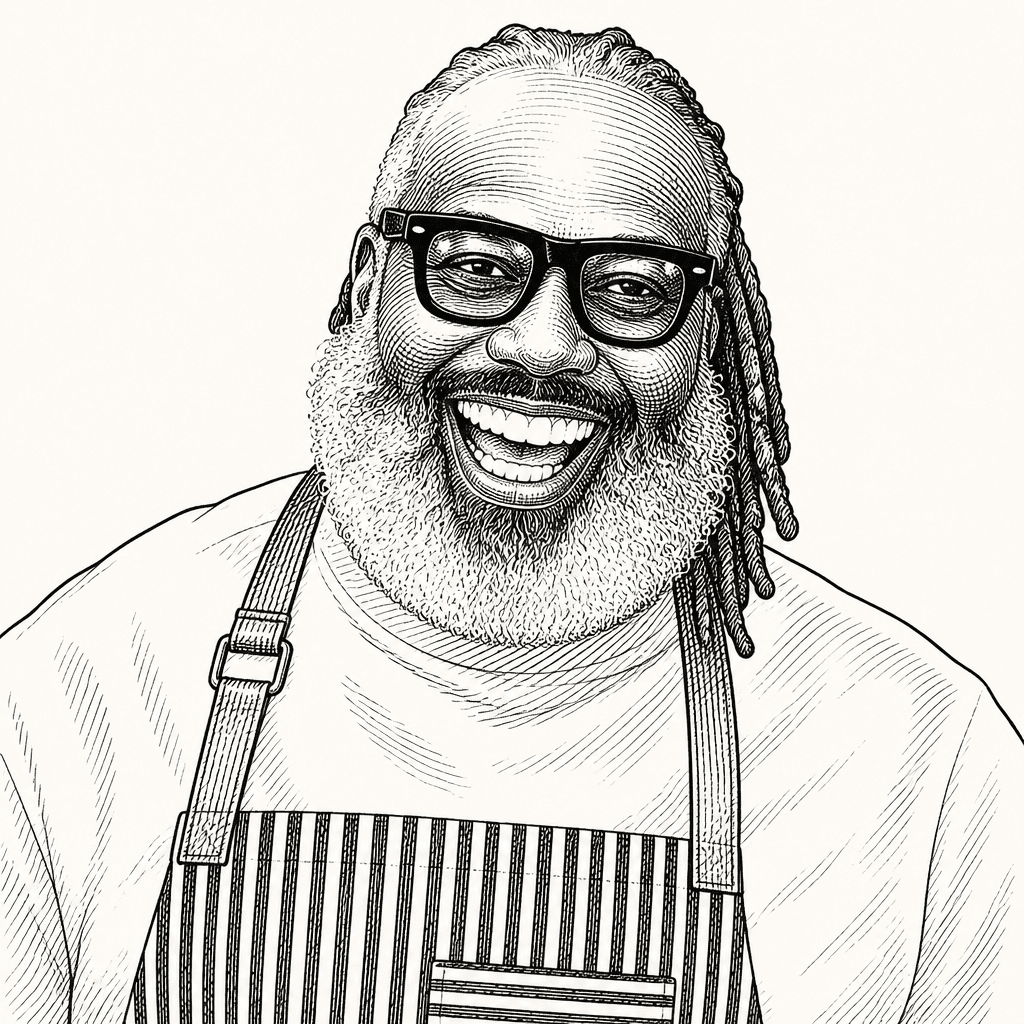 Cliff Rome
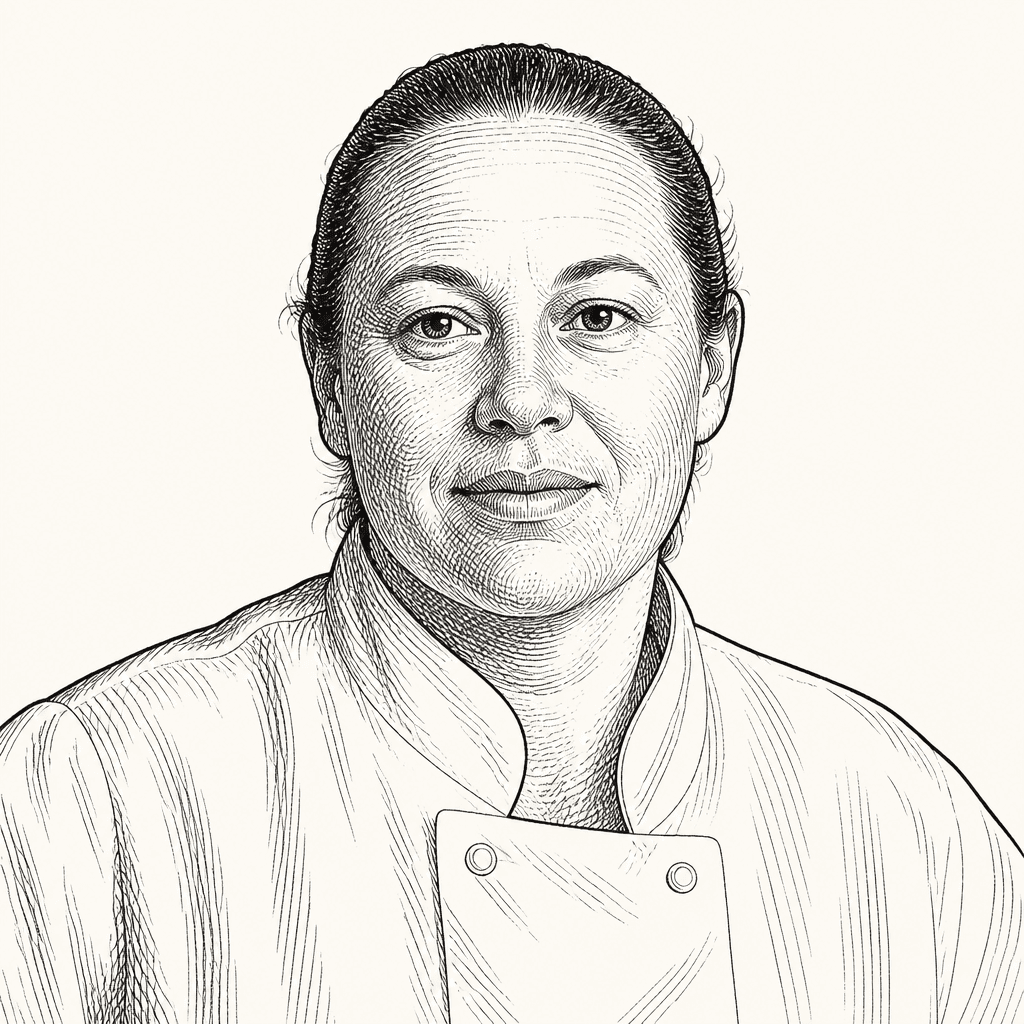 Sarah StegnerCarly GlickenhausThe Aspen InstituteWednesday, July 29, 202612 min read
Food as medicine depends on more than getting healthier ingredients onto a plate, argues moderator Corby Kummer and a panel of Chicago chefs and food-system leaders: it requires affordable access, viable farms, cooking knowledge and time to turn food into meals. Rick Bayless cautions that treating food as medicine can strip it of pleasure, while Cliff Rome and Sarah Stegner describe teaching kitchens, markets and farmer-support programs as ways to make fresh, local food a durable part of household and community life.

Health begins with the conditions for cooking
“Food is Medicine” is commonly used to describe preventing and managing chronic illness through diet, often with healthcare organizations helping people pay for food. Corby Kummer framed the issue more broadly: food’s health effects cannot be separated from how it is grown, whether people can afford it, whether they know how to prepare it, and whether meals remain part of daily life.


That broader frame contains a tension. The clinical language of food as medicine can imply that the problem is simply choosing the right ingredients. Rick Bayless objected to the phrase because it does not sound delicious—and because it can make ordinary food seem like treatment rather than pleasure. In his view, the more basic task is to push aside processed, or “ultra-processed,” food and restore the capacity to cook real ingredients.
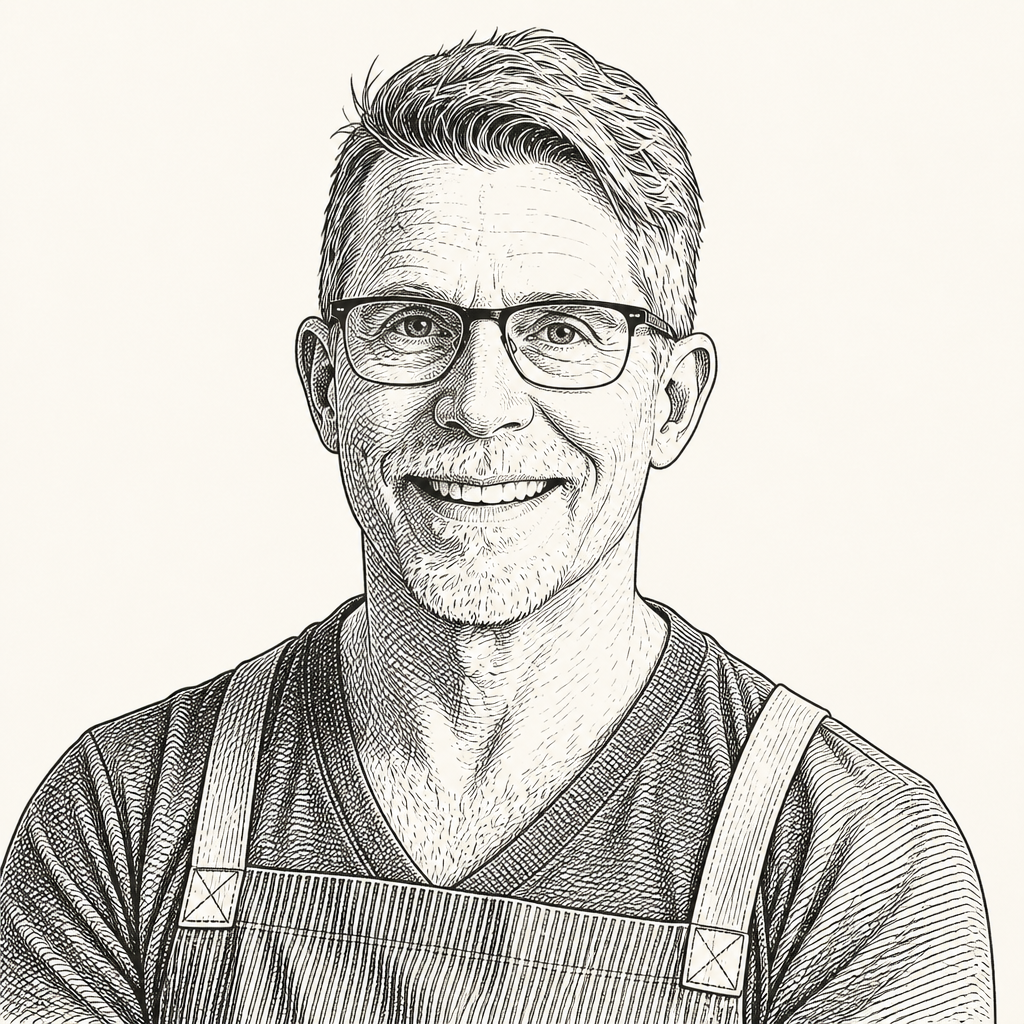
If we were just to sort of shove it to the side, literally what's left is food as medicine. It's all good.
Bayless’s concern is that many households have lost the practical knowledge that makes this proposition usable. People may ask what to do with an unfamiliar vegetable at a farmers market, but a list of ideas is not the same as knowing how to cook. He tied the loss of that knowledge to processed and frozen food, microwave cooking, and fewer shared meals. What has eroded is not just diet quality but the routine transmission of technique and culture.
He recalled traveling with his daughter for a family-meals book and asking cooks around the world for recipes. They often declined to provide one in the expected form. He needed to come to their kitchens and watch, they told him, because the relevant knowledge was not a formula but accumulated familiarity with ingredients and methods.
A visit to the French town of Brie-Comte-Robert made the point concrete. At the weekly market, Bayless stopped in front of a four-foot-high pile of French breakfast radishes and admired it. His host asked whether he wanted to cook radishes; by the end of the visit, he had seen that she could make several dishes from nearly every ingredient at the market. She had no recipes because she had learned to cook from her mother, who had learned from hers.
The skills at issue are not advanced restaurant techniques. Bayless emphasized basic capabilities that let someone buy what is available and turn it into dinner: handling greens, cooking vegetables, seasoning, adapting, and using ingredients repeatedly enough to understand them. Cooking with another person transfers those methods in a way that a recipe alone often cannot.
Sarah Stegner approached the same problem through a chef’s relationship with farmers. She said her original reason for championing local, sustainable, and regenerative agriculture was straightforward: food is more delicious when she knows the farmer, when it is local, and when she understands how it was handled. Better food, in her account, makes restaurants more appealing and leaves diners happier.
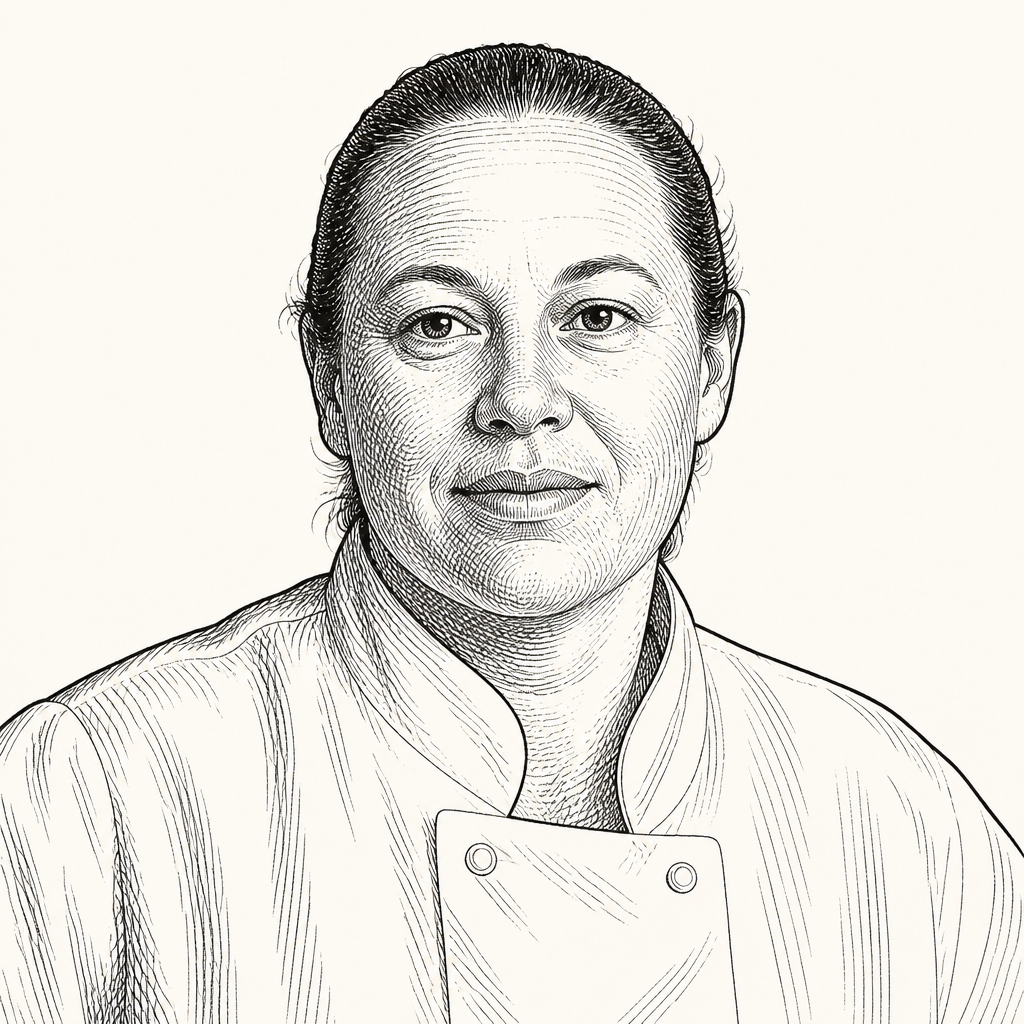
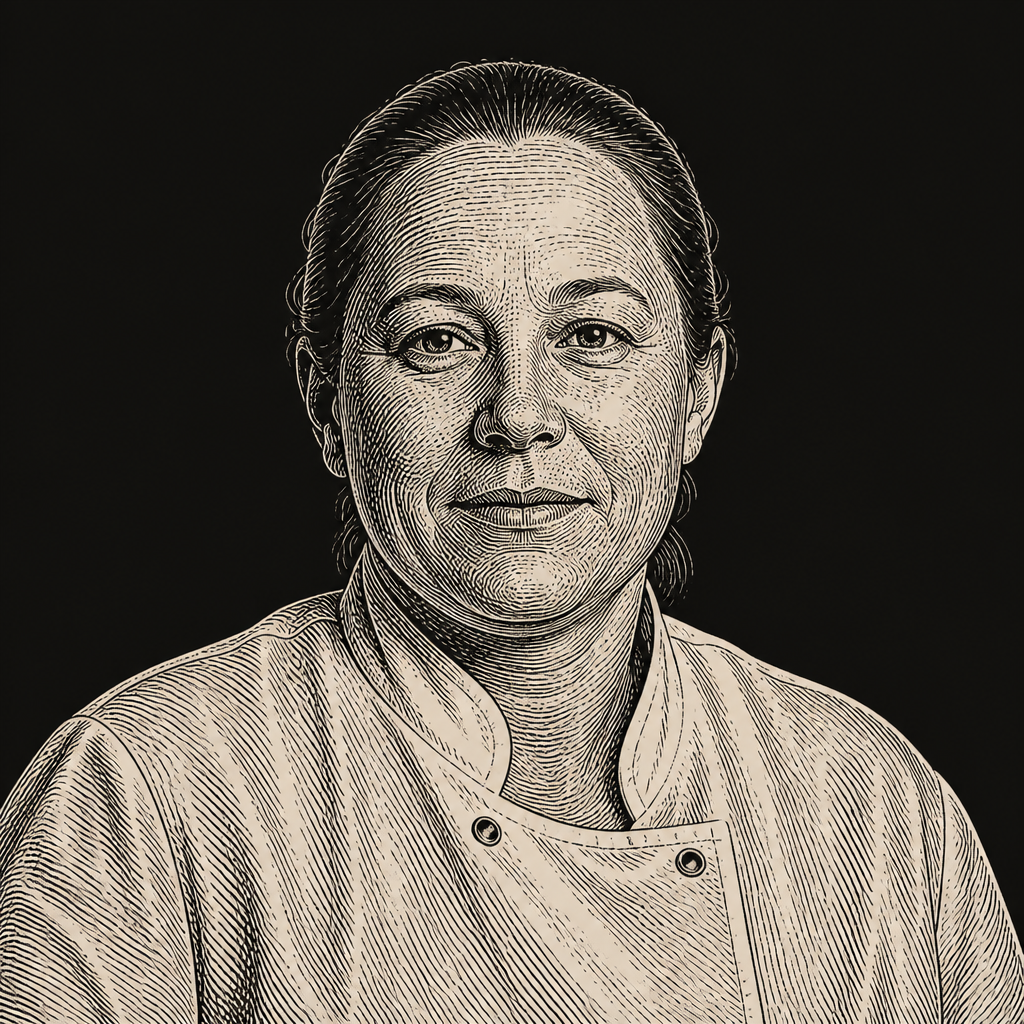
But taste does not automatically create a durable food culture. Stegner argued that people need to connect buying local food with supporting farms, protecting land, preserving a future food source, and feeling better themselves. Food creates an opening for that connection because meals bring families, cultures, and neighbors into contact. The harder question is whether those occasions change the repeated habits of buying, cooking, and eating.
The kitchen table is where food becomes knowledge
Cliff Rome described growing up in Englewood on Chicago’s South Side, where his grandmother’s round kitchen table served nearly every function in the household. The family picked greens there, paid bills there, prayed there, celebrated there, and disciplined children there. The greens came from a vacant lot beside her home that she turned into a garden, recreating something of the Southern home she had left behind.
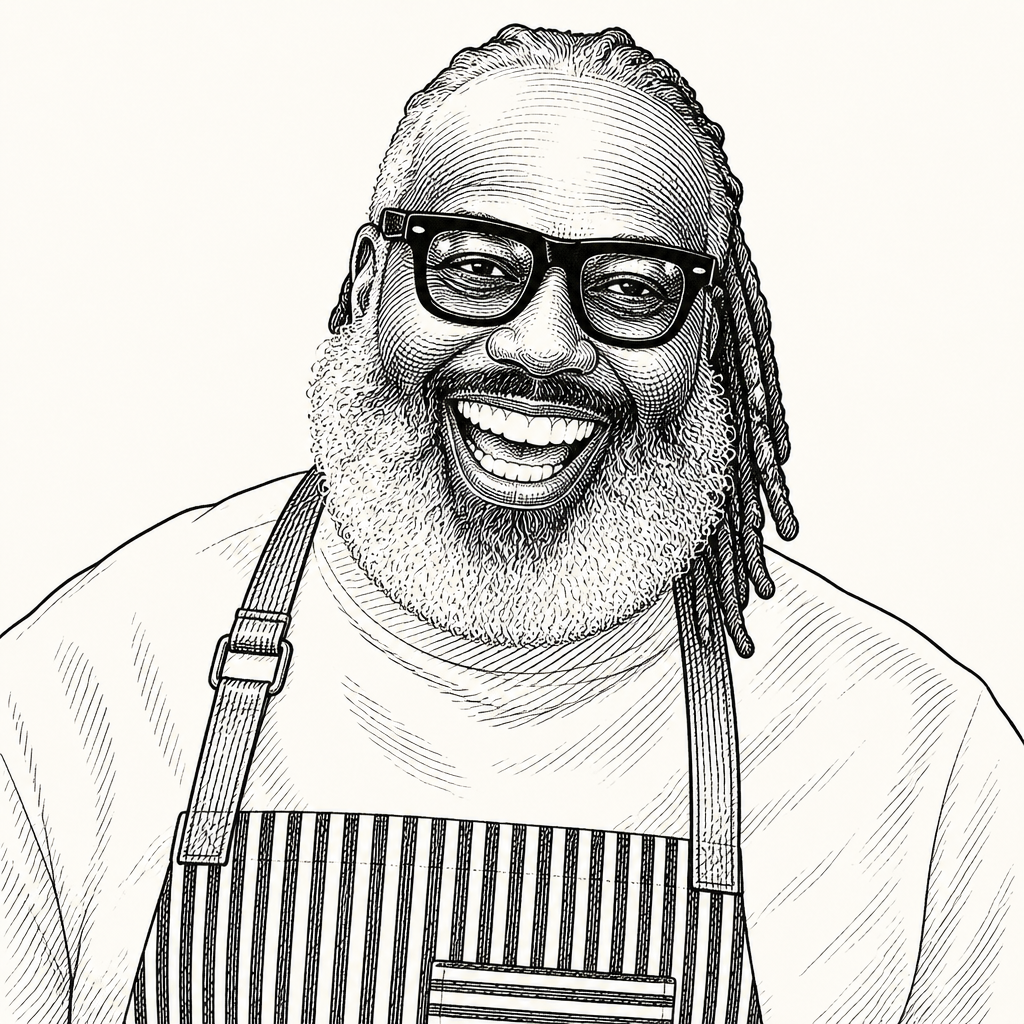
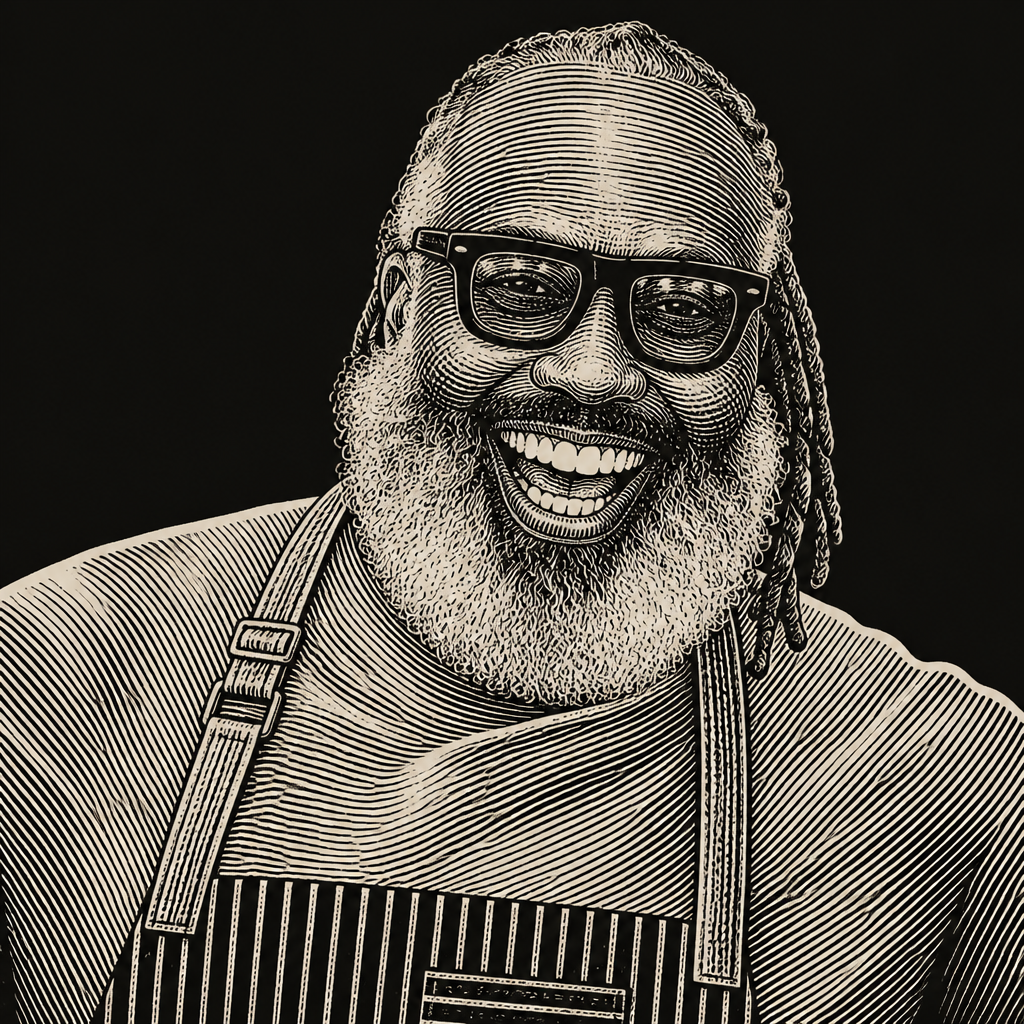
Rome disliked the Saturday job of pulling weeds. What stayed with him was his grandmother’s understanding that food was tied to labor, memory, care, and household life.
Medicine didn’t start at the doctor’s office. It started at the kitchen table.
Farming, Rome said, is difficult and unglamorous work. Knowing that work—and knowing the proximity between a grower and a buyer—changes how people see ingredients. A shopper drawn to a tomato because it looks good may not yet know what to make with it. A chef may already be imagining a finished dish. Both begin with the same opening: an ingredient that invites attention rather than arriving as a sealed, ready-made product.
Rome described a garden-and-teaching-kitchen plan at the Obama Presidential Center, where he oversees food operations. The 19-acre property includes a garden above the restaurant, and he said the aim is to bring ingredients from it into beverages, desserts, and entrées. He also said the center has a teaching kitchen intended to be open to the public.
The teaching model he described is deliberately ordinary. Someone might encounter fresh thyme in lemonade and then see it used in a chicken marinade. The purpose is not to turn everyone into a professional cook. It is to make ingredients less unfamiliar through use and repetition, so that people can recognize what they taste and imagine what else they might do with it.
Rome’s standard is not perfection. “Perfect costs too much,” he said. What matters is regular practice, ongoing explanation, and an environment where people can learn the mechanics without intimidation. Cooking shows can conceal that work through what he called the “magic of television”: dishes may be prepared before recording begins, making a process that takes time appear to happen in minutes.
The real process involves knives, heat, mistakes, and repetition. Once people learn the basic mechanics, Rome argued, the knowledge becomes durable—more like riding a bicycle than following a one-time instruction. The value is not only the meal produced that day, but the ability to prepare food again and pass that ability to someone else.
Stegner made the time constraint explicit. Green City Market has long used chef-led cooking demonstrations, and she said they are well received. Yet demonstrations alone do not solve the problem of getting food onto a household table. She described returning from a 12-hour restaurant shift, consulting work, and nonprofit commitments at 9:30 p.m., then cooking so her daughter would have food the next day.
That labor requires planning and structure. Stegner said fast cooking-show formats can suggest the opposite: that good food, especially local food, should be ready immediately and without preparation. Such shows have helped raise chefs’ profiles, she acknowledged, but they can reinforce an expectation that works against the person cooking at home. A household cook needs time and support, not another demand for speed.
A local food system needs different tools for different constraints
Local food does not become broadly usable because customers care about farms. The panel described separate constraints that require separate mechanisms: purchasing power for customers, capital for farmers, market hours that fit people’s schedules, dependable demand over a growing season, and places where people can learn to cook what they buy.
| Mechanism | Panelist-cited detail | Constraint addressed |
|---|---|---|
| Green City Market SNAP incentive | Stegner cited a $750,000 budget for a triple-match program | Affordability for customers purchasing fresh food |
| Chicago farmers markets | Bayless cited about 45 markets | Physical access to local produce and other farm products |
| Frontera Farmer Foundation | Bayless cited about $4 million invested in local family farms | Farm equipment and production capacity |
| Typical Frontera grant | Bayless cited grants of about $15,000 | Small capital needs that can delay a farm's growth |
| CSA subscriptions | Customers commit in advance for regular farm shares | Demand certainty and cash flow through the growing season |
| Obama Presidential Center teaching kitchen | Rome described a public-facing cooking kitchen linked to the garden and restaurant | Cooking confidence and familiarity with ingredients |
Sarah Stegner pointed to Green City Market’s $750,000 budget for a SNAP triple-match program. Kummer explained that comparable programs are often called bounty bucks or double-value food coupons: when SNAP benefits are spent on fresh fruits and vegetables, the customer receives additional value to use for those foods. The Green City program described by Stegner triples the value.
The mechanism matters on both sides of the transaction. Stegner described it as a double win: more food enters the community, while money reaches farmers. Buying directly from a farmer, she said, sends the customer’s dollar directly into the farm economy. In her terms, each such purchase is “one more vote” for protecting land and preserving a food source.
Bayless distinguished that local connection from the more general health benefit of eating fresh produce. A customer can go to any grocery store, buy fruits and vegetables, and improve their diet relative to one dominated by processed food, he said. Buying local adds another layer: the customer can know the grower and help sustain a local agricultural economy.
That economy needs places to sell. Bayless said that when his restaurant opened nearly 40 years earlier, Chicago had no farmers markets. One early market operated in the Lincoln Park High School parking lot with five vendors. He went every Saturday to purchase ingredients for the restaurant and support local agriculture; he said vendors initially thought he was trying to bargain them down.
The market system developed over time, including Green City Market and markets in Evanston and on 63rd Street on the South Side. Bayless now puts Chicago’s total at roughly 45 farmers markets. He highlighted a newer market near his home that opens on Thursday afternoon and remains open until 7 p.m., so people can shop after work.
Hours are part of access, not an afterthought. If a market operates only when working customers cannot reach it, the existence of fresh local food does not translate into use. Stegner also saw promise in urban farms that sell directly to their surrounding neighborhoods. She described visiting Just Roots in the South Loop and seeing a steady stream of neighbors walk up to buy food from the farm.
Supply is the other side of the equation. Bayless said many small family farms his businesses worked with lacked enough infrastructure to produce for farmers markets or high-volume restaurants. His team began with a no-interest equipment-loan program. Farmers could repay within a year, including with product. That program later became the Frontera Farmer Foundation.
Bayless said the foundation has invested about $4 million in the local family-farm economy, generally through relatively small grants.
A grant of roughly $15,000 may be modest by institutional standards, but Bayless said it can move a family farm ahead by about five years—the time it might otherwise take to save that amount. The bottleneck may be a piece of equipment or another limited investment that allows a farm to expand output and serve more customers.
A CSA addresses a different vulnerability: uncertain demand. Kummer described the weekly box as an insurance policy for the farmer. Customers commit in advance, giving the farm more assurance that its expenses will be covered across the season. In return, customers accept what the farm grows rather than ordering exactly what they want at any moment.
That arrangement can be challenging for households. Stegner said a farm share can make people eat more healthfully, but only if someone cooks the food. She had herself been overwhelmed by the greens in a box and began looking up each ingredient and its nutritional value as motivation to use it.
The distinctions matter. A SNAP incentive can make food more affordable without teaching someone how to prepare it. A teaching kitchen can build confidence without ensuring that a farm has capital to expand. A CSA can stabilize a farm’s revenue but asks customers to accept seasonality and make time for unfamiliar ingredients. The panel’s account is not of one intervention with many benefits; it is of a chain in which each weak link needs its own support.
Scale does not carry local relationships with it automatically
When an audience member from McDonald’s asked what could be applied at the scale of a large corporation, Rick Bayless did not offer a replicable formula. His own operations include locations at Chicago’s airport, Willis Tower, Old Orchard, Las Vegas, and New York, but he still described them as “tiny” relative to the sourcing challenge faced by a multinational company.
His point was not simply that volume is difficult. Multi-site expansion requires product that can be obtained at the needed scale in multiple places, while retaining the values, distinctive flavor, and connection to place that local sourcing is meant to create. The supply base and relationships that work around one restaurant do not automatically travel with a new location. Bayless said his businesses work with a smaller company that shares their values, but he characterized preserving a flavor that reflects “a place and a people” at scale as especially hard.
Cliff Rome supplied a different, though not contradictory, proposition. Scaling is difficult, he said, but large businesses should not treat smaller businesses as peripheral. They should build relationships that help bridge financial gaps for smaller enterprises and connect them with vendors and farmers.
Rome called this a shared-value approach. Small businesses can be more nimble, he said, because they operate closer to community relationships. Larger firms have financial reach but can lose that proximity. His proposed remedy was not that a large company can become local by adopting local-food language; it was that it can use its position to strengthen the smaller firms that hold those community ties.
The tension is practical. Bayless emphasized the limits imposed by supply, place, and the difficulty of reproducing a sourcing relationship across markets. Rome emphasized a possible role for corporate capital and partnership in strengthening the smaller businesses within those markets. Neither suggested that scale removes the underlying requirements of land, labor, farm capacity, and cooking skill.
An audience member also asked about an open-source, AI-powered tool intended to help communities envision local food economies and supply chains. The panel did not develop a substantive answer. Rome said he hoped technology could be useful, while the immediate exchange returned to cooking together and community connection. Kummer added that nonprofit meal programs were continuing to train cooks even as some nonprofit leaders considered replacing parts of their workforce with AI.
Food policy cannot wish away the work of food
The panel treated food as medicine less as a program than as a set of material dependencies. People need money to buy fresh food, farms need enough capital and dependable demand to grow it, markets need to operate when customers can use them, and households need the time, confidence, and equipment to turn ingredients into meals.
Those requirements can conflict. Direct purchasing may put more money into a farmer’s hands, but it can demand a trip to a market and a higher degree of cooking readiness. A CSA gives a farm more predictable revenue, but transfers uncertainty about the week’s harvest to the household. Cooking from fresh ingredients can be more satisfying and more adaptable than relying on prepared food, but it requires labor that busy households may not have.
Stegner said that after roughly 30 years of work around local food in Chicago, the impact still felt marginal. She referenced a threshold of around 25 percent participation before broader change becomes visible, while acknowledging that she did not know whether Chicago had reached that share of people buying local food. Her emphasis was on repeated, practical contact: urban farms serving nearby residents, incentives that make purchases possible, cooking demonstrations, and people learning what to do with the food they bring home.
This is the key: it's relationships. And that will answer all of the questions along the way. We need community.
That is an argument for relationships, but not relationships as an abstraction. In the panel’s account, they take operational forms: a shopper and farmer meeting at a market; a family learning to use a vegetable that arrived in a box; a small farm receiving equipment capital; a teaching kitchen making an herb or technique familiar; and a large company deciding whether to support or bypass smaller enterprises.