Pluralism Requires Religious Liberty for Beliefs Majorities Do Not Endorse
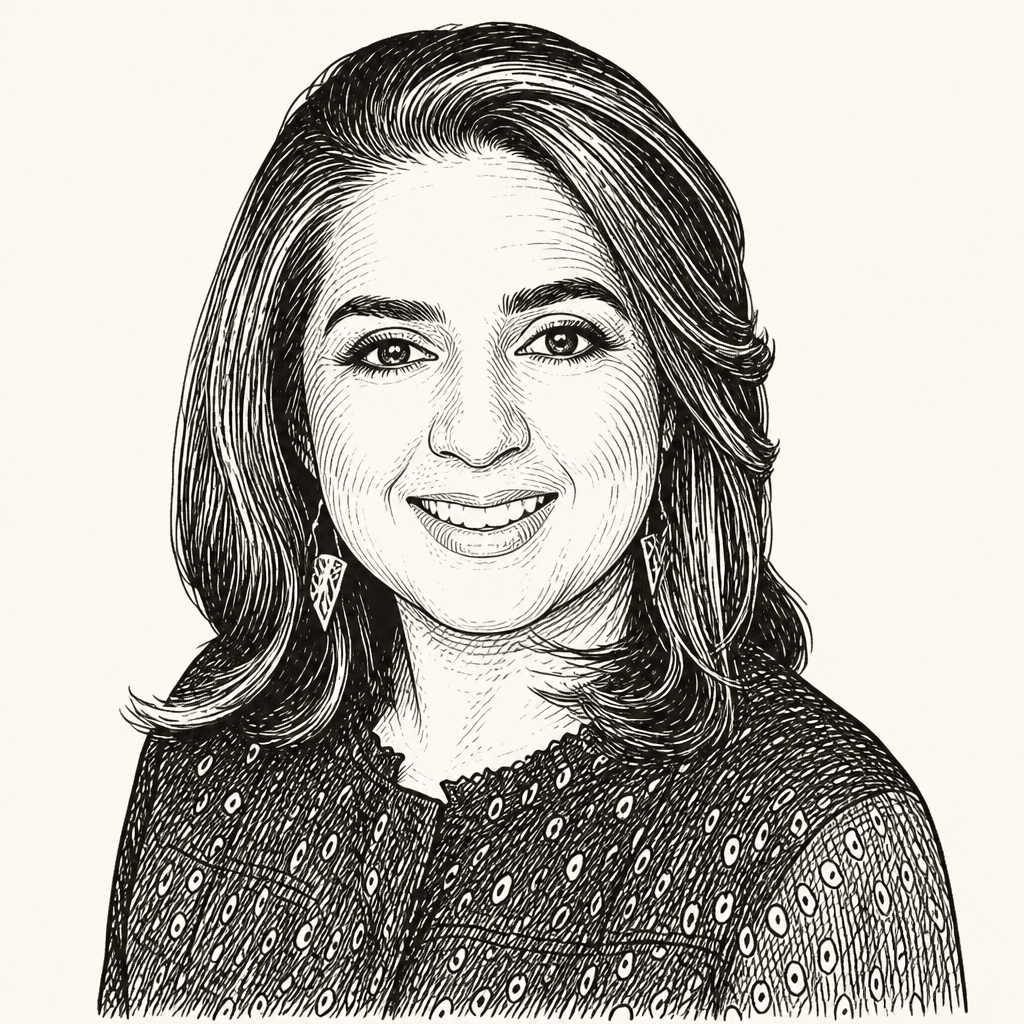
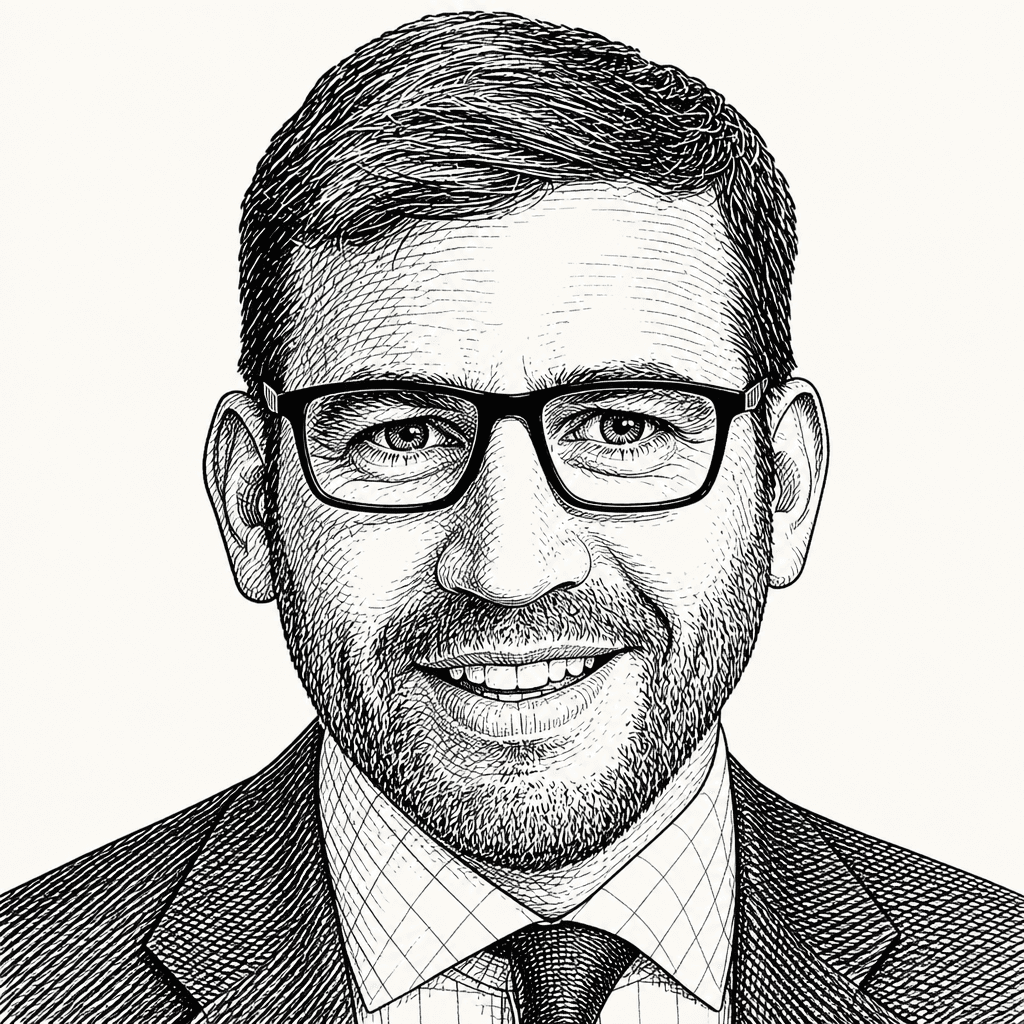
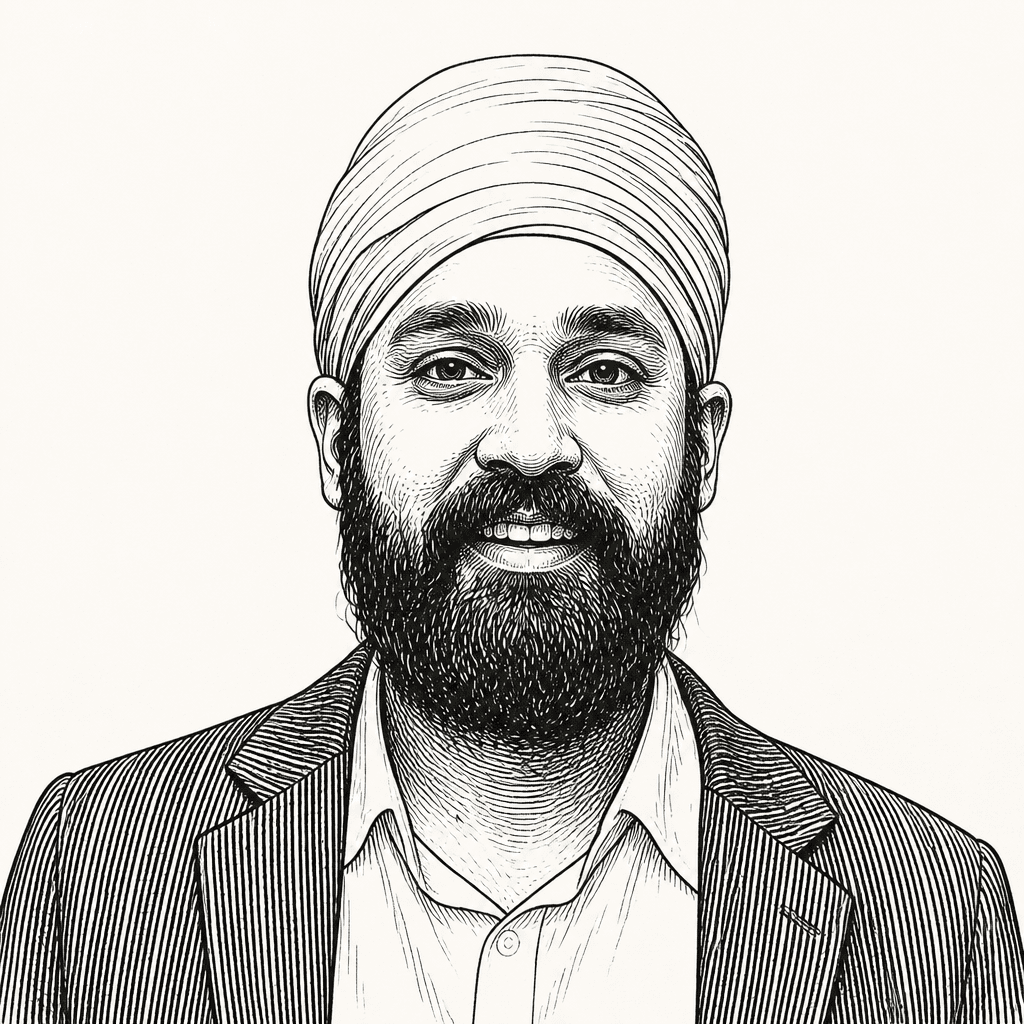
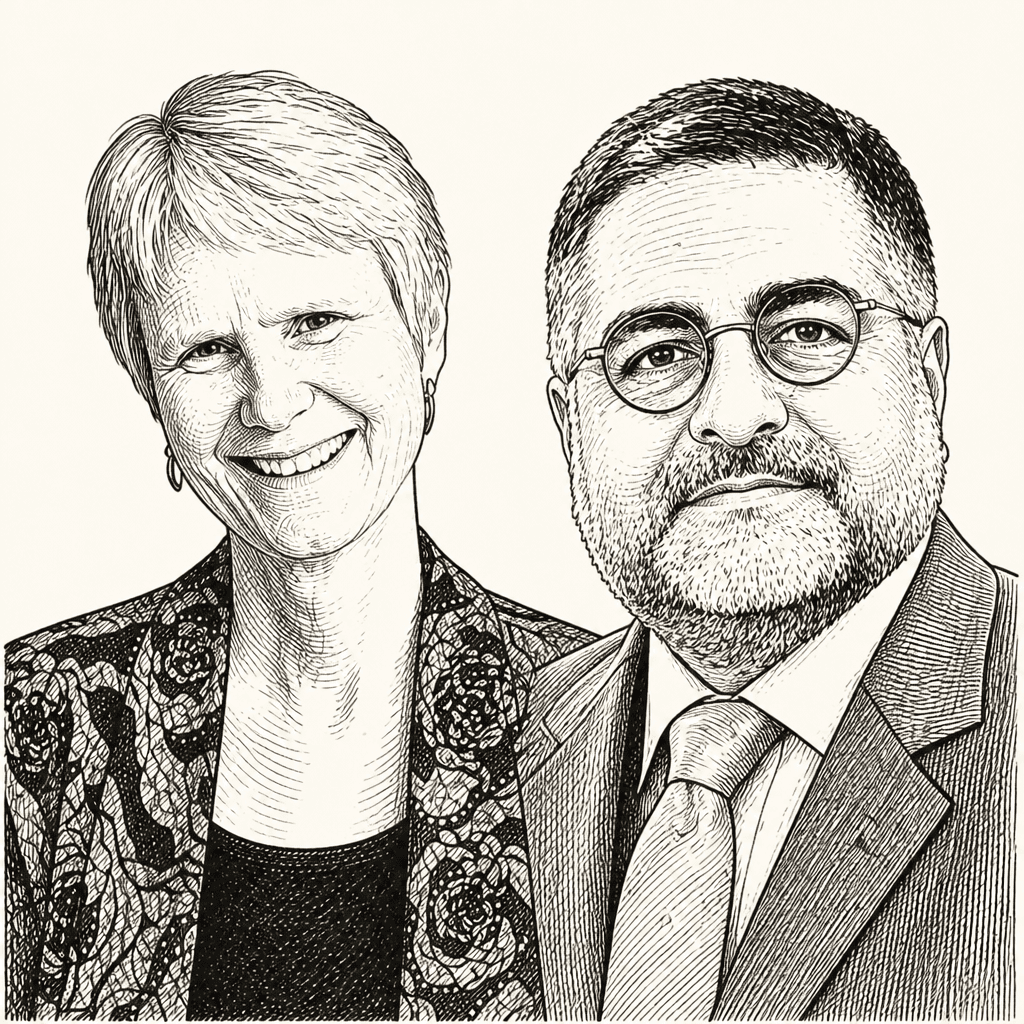
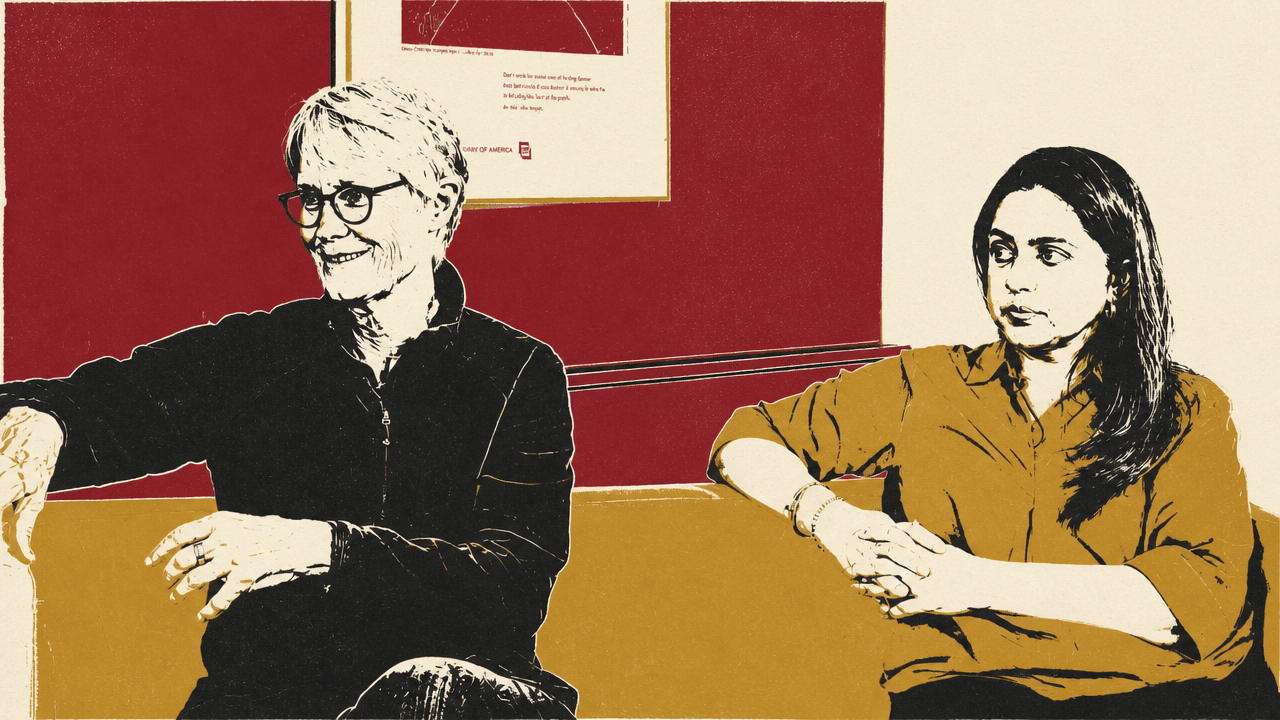
Treating religion as a fixed, private or uniform identity obscures the ways it shapes public life, argue Simran Jeet Singh, Diane L. Moore and Asma Uddin in Faith Angle’s discussion of Modeling Religious Pluralism. They define religious literacy as understanding traditions as diverse, evolving and entangled with social power, and argue for a pluralism that protects strong commitments without allowing any one community to make its norms the public default.
Religious literacy begins by refusing the easy categories
Religion is often treated as peripheral to public life, even as it helps drive contemporary polarization. Simran Singh said the project behind Modeling Religious Pluralism began with a practical question: in a country where people struggle to live alongside those from different religious and cultural backgrounds, what tools might change how people understand one another—and, downstream, change the culture?
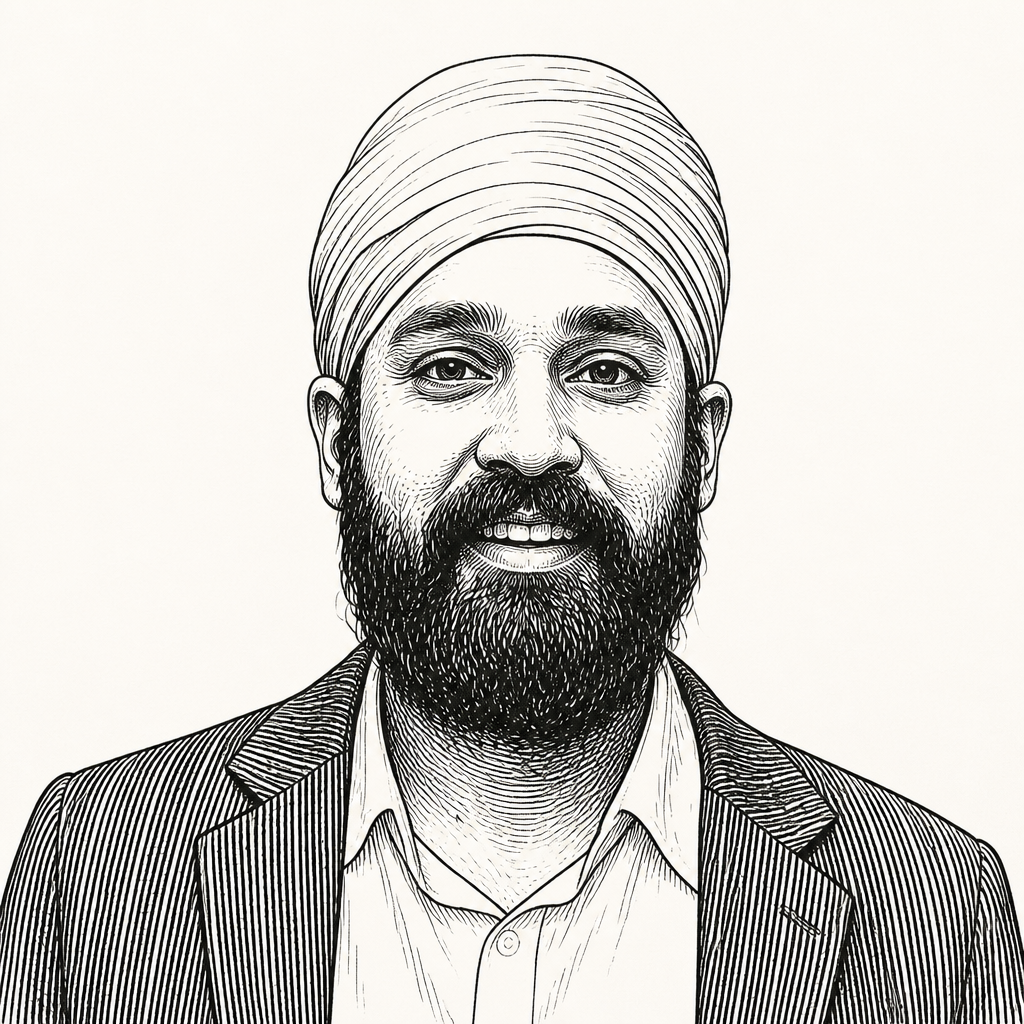
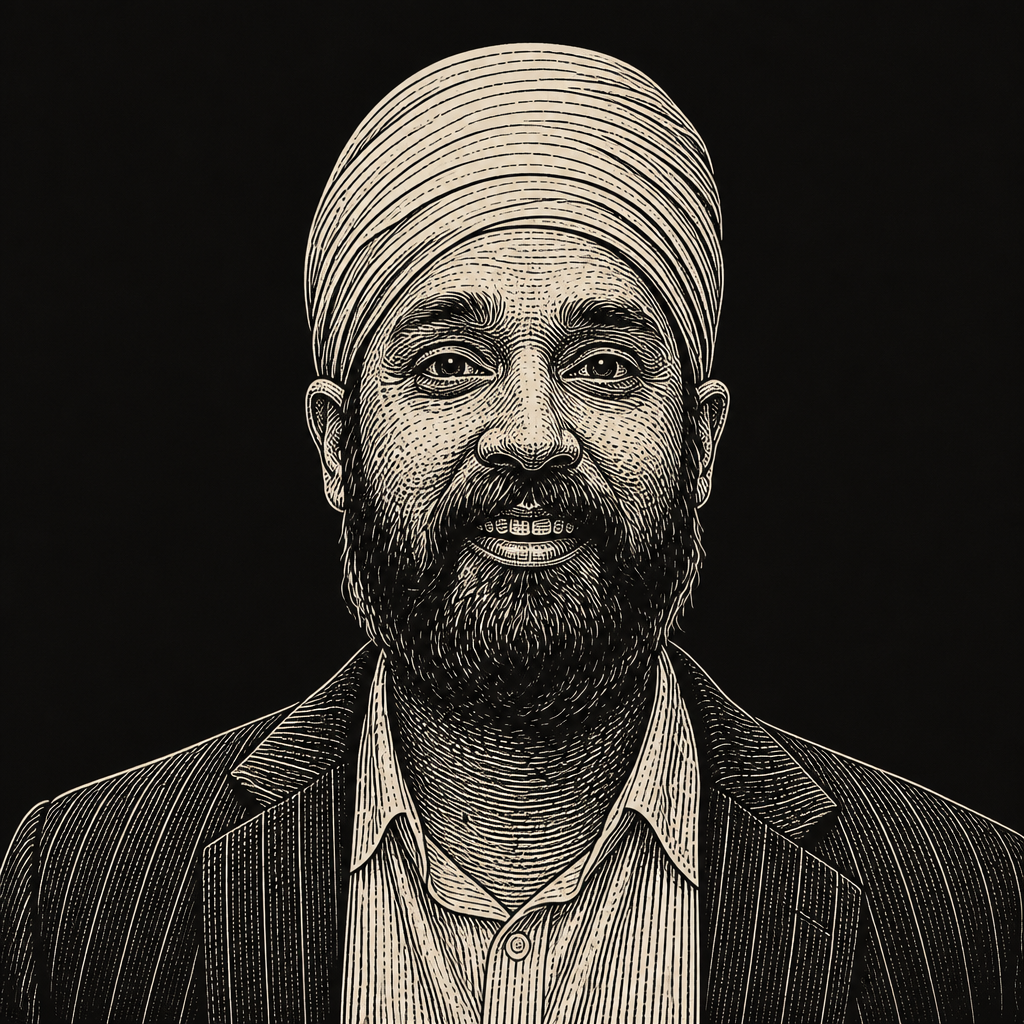
The book’s answer is not a catalogue of religious facts. It is a way of seeing religion as a complex, lived, and socially embedded force. Diane Moore calls that framework religious literacy. Its purpose is to counter simplified public representations through which religion is commonly discussed: fixed traditions, monolithic communities, purely private beliefs, or forces that are either inherently benevolent or inherently dangerous.
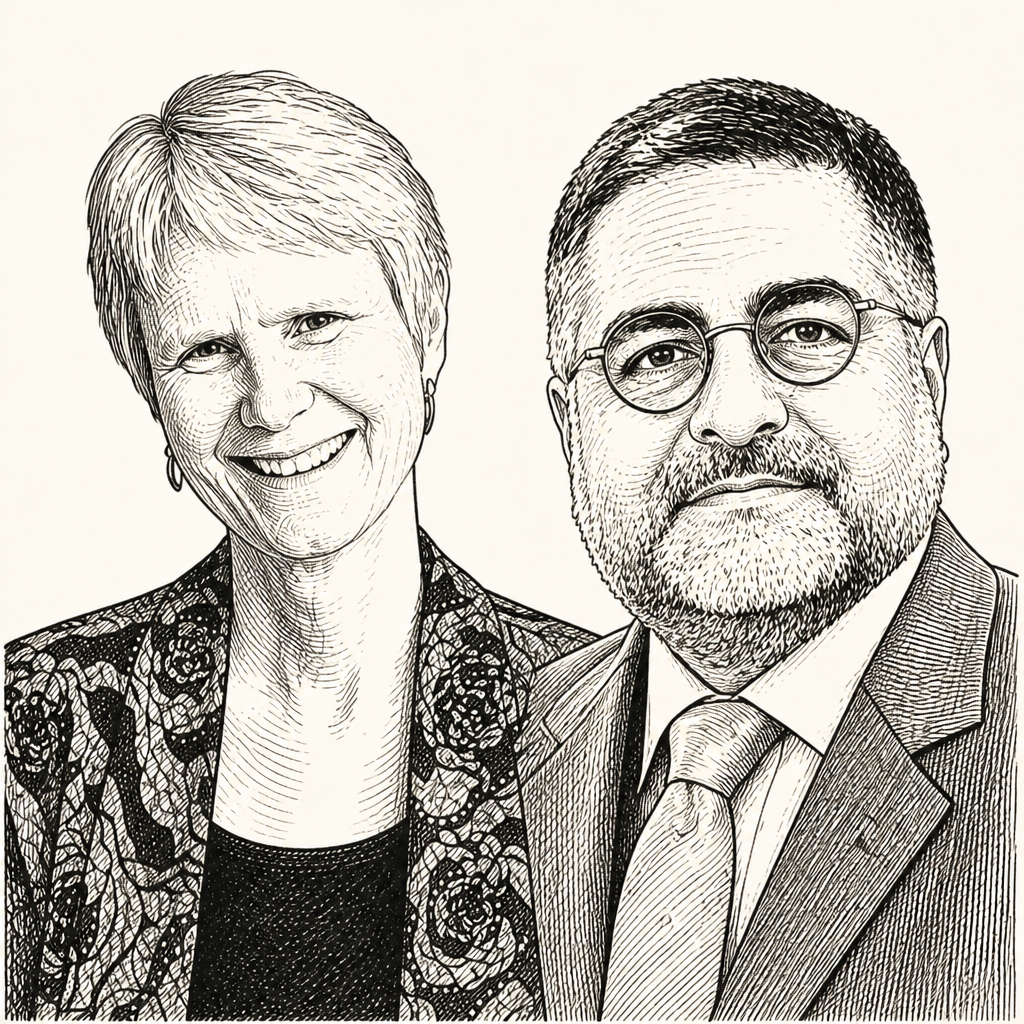
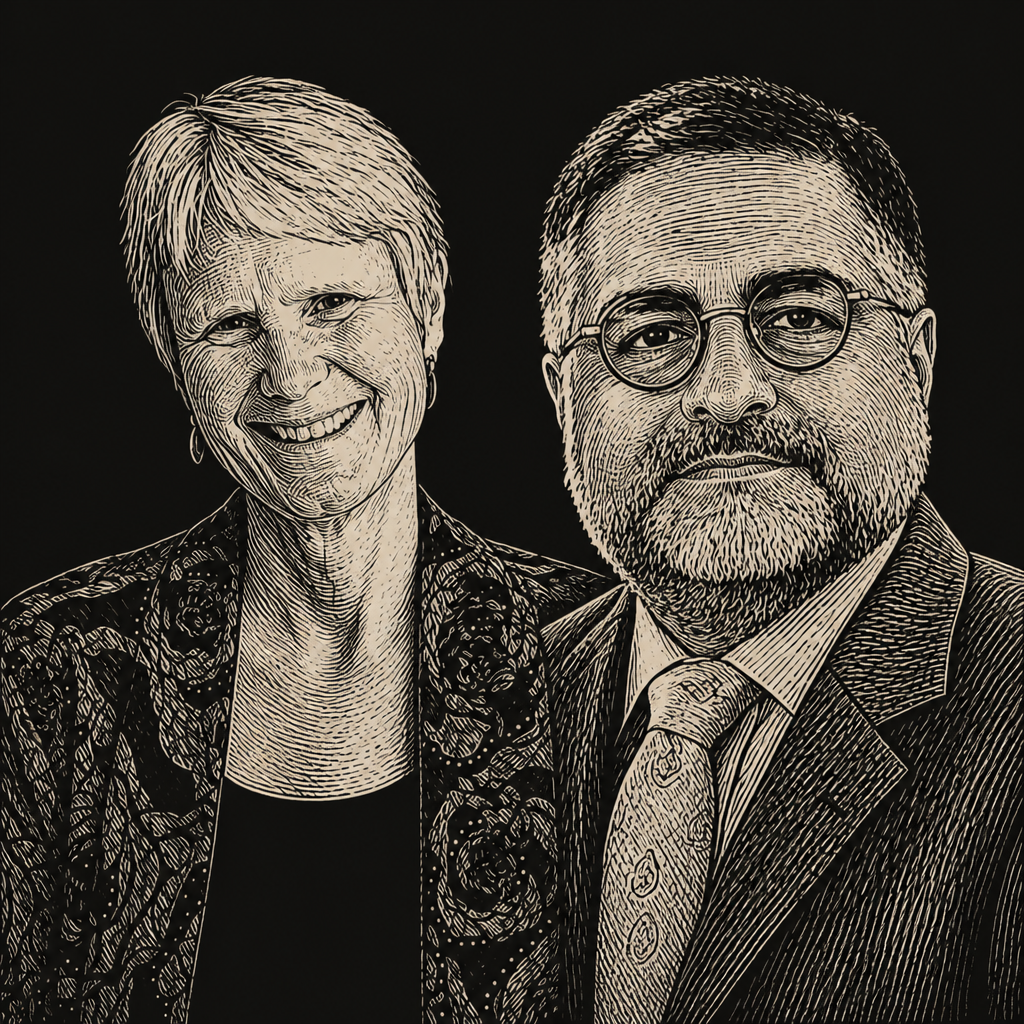
Moore’s first distinction is between a theological or covenantal assertion of faith and the academic study of religion. A Muslim can offer indispensable insight into their own religious life, for example, but no individual Muslim can stand in for the full diversity of Muslim experience. The same is true across traditions. Treating one person as representative of an entire religious community does not produce understanding; it reduces a living tradition to a token.
Religious literacy rests on three further propositions. Religious traditions are internally diverse; they change and evolve over time; and they are embedded in every dimension of human experience—political, economic, civic, cultural, and social.
Each proposition challenges an ordinary public assumption. Internal diversity means that a label such as “Islam,” “Christianity,” or “Sikhism” cannot tell a reader or voter what any particular believer thinks or does. Moore noted that even familiar shorthand can hide consequential variation: describing Islam through “the five pillars,” for instance, privileges a Sunni framing and does not capture Shia expressions.
Change matters because traditions are not static sets of beliefs and practices preserved outside history. They are living traditions whose meanings, institutions, and public roles develop in changing circumstances. Embeddedness matters because religion cannot be cleanly separated from politics or social life. The common opposition between “religious” and “secular,” or between religion and politics, obscures the intersections through which people make commitments and exercise power.
Moore links that tendency to a specifically American inheritance: Protestantism’s association with inward belief. When religion is imagined principally as a personal cognitive commitment, it becomes easier to treat it as separate from economics, law, culture, or public power. But that distinction can make the workings of religion harder, rather than easier, to see.
The framework does not ask people to decide whether religion is good or bad. Moore rejects that premise. Religions are powerful forces in human life; people can act sincerely in the name of religion in ways others find admirable or abhorrent. An act does not become nonreligious merely because it is troubling. A more useful inquiry asks what conditions, motivations, and social forces make a particular form of action possible.
Religions are just powerful. They're a powerful force in human experience. They're not innately good or bad.
That distinction shifts the task from classification to inquiry. Religious literacy asks what assumptions, histories, incentives, fears, and norms are shaping conduct. It also creates room for collaboration that is otherwise foreclosed when religion is assumed to belong only inside religious communities.
Vulnerability turns difference into a zero-sum contest
Asma Uddin described her work on Islam and religious liberty as an effort to understand why people who may regard themselves as decent can support or believe things that harm others. Her starting question is not whether a person’s conduct is acceptable, but what broader circumstances make that conduct attractive or plausible.
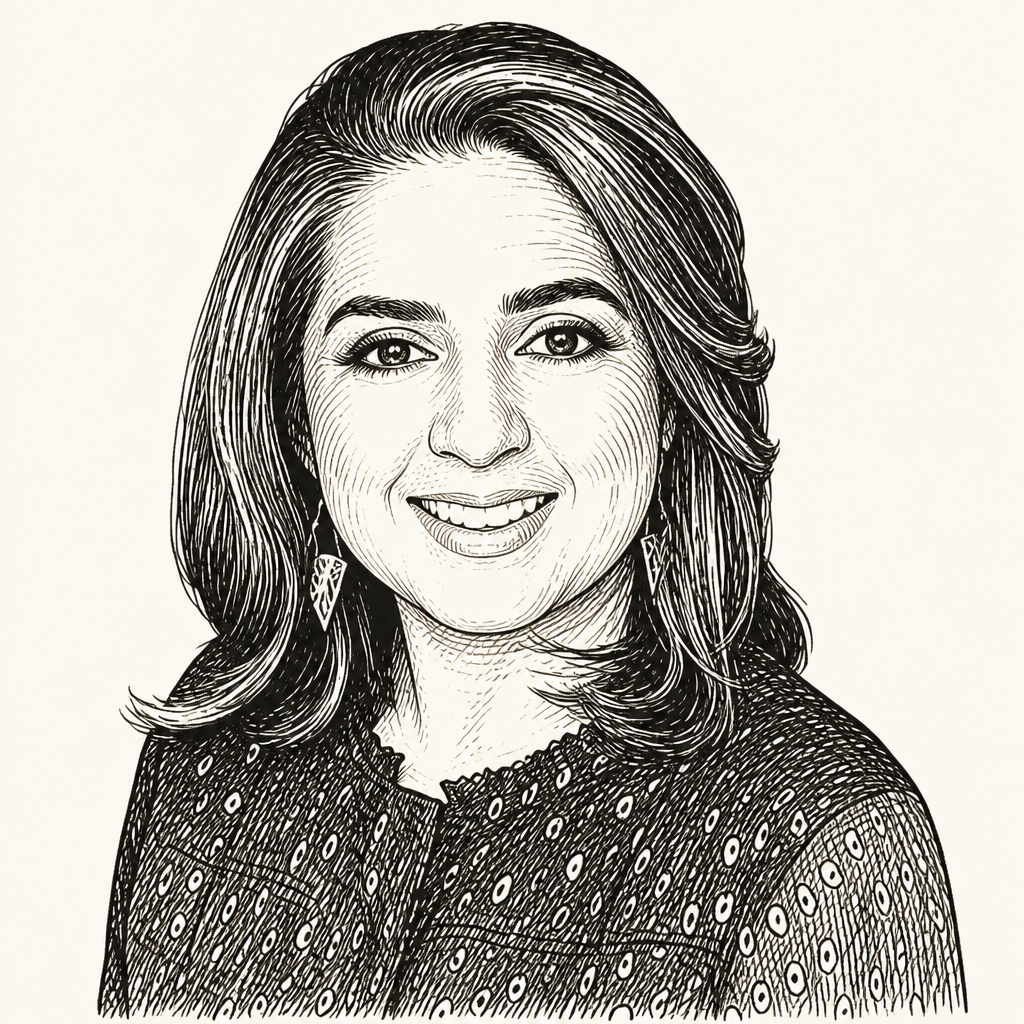
Uddin had spent more than a decade working on religious-liberty cases, including cases at the Supreme Court, and entered that work committed to protecting religion as a public good. For her, religious liberty is not merely protection against government interference. It is the right for religious communities and individuals to have space to flourish in public life.
Yet she encountered a recurring contradiction: some advocates insisted on strong protections for their own religion while withholding them from Muslims. The exclusion is not always phrased as “Islam is not a religion,” she said. It can instead appear as claims that Islam is too political, too violent, or otherwise unlike the religion deemed worthy of legal protection.
That framing depends on a selective standard. Singh pointed to a familiar argument that Muhammad’s involvement in battle makes him unlike a “true” prophet, presumed to be peaceful and nonpolitical. But political engagement and violence are part of the histories of many religious traditions, and prophets are often understood as participants in social and political struggle. The distinction produces an imagined other rather than an accurate description of lived religion.
Uddin argued that the contradiction becomes especially visible when people who portray Islam as impermissibly political are themselves invested in elevating Christianity’s place in American politics. In her account, the issue is not simply whether religion and politics may mix; it is which religious communities are treated as entitled to exercise public power.
She cited disputes in Texas over ordinary forms of Muslim communal life: building religious communities, sending children to religious schools, and renting a water park for an Eid gathering. Invocations of violence do not fit the immediate activity at issue. Their persistence, she said, points to anxieties that are not really about the stated concern.
Josh Good proposed that sociology often explains what theology appears to explain. Religious majorities and minorities occupy different social positions. A person in a culturally secure majority may experience religious difference differently from someone in a community that makes up one or two percent of the population. Fear of losing majority status can produce a desire to defend a cultural order understood as one’s own—to box out the outsider in the name of protecting the country, the community, or the faith.
Uddin’s account of vulnerability develops that point. People can become closed to genuine understanding of others when they perceive their own group as threatened. They may have had limited contact with Muslims, absorbed a television representation, or encountered an account of Islam mediated entirely by others. Her purpose is not to excuse resulting prejudice. It is to reject the shortcut of treating objectionable actions as proof that their authors are simply bad people beyond understanding.
What motivates good people to do or think bad things?
For Singh, pluralism is a social vision in which different experiences have equal footing. It stands against exclusivist, hegemonic, nationalist, or authoritarian arrangements that operate on “my way or the highway.” The question, as he put it, is why differences in practice, food, belief, or politics should generate fear when people can share actual relationships, loyalties, neighborhoods, work, and even a basketball team.
Moore identifies the same dynamic in the reproduction of binaries: believer or nonbeliever, orthodox or heretic, us or them. Once difference is framed as zero-sum, coexistence looks like defeat. Religious literacy can disrupt that frame by making complexity more familiar and by giving people practice in living with differences that do not resolve into agreement.
Tolerance is not enough. Moore said tolerance can mean merely putting up with someone else; pluralism asks for an embrace of difference as a foundational fact of human life and a potential source of collective flourishing.
Tolerance is kind of you put up with someone else. Whereas pluralism is really a celebration and embrace of difference as a foundational dimension of what it means to be human.
Religious liberty must protect commitments it does not endorse
Uddin presents religious liberty as one of the legal and civic mechanisms through which pluralism can be negotiated. Her governing proposition is direct: religious liberty for some becomes religious liberty for none. A protection weakened for another community will eventually be available in weakened form against one’s own.
The “all” in religious liberty for all includes diversity among traditions and within them. It includes progressive and conservative Christians, as well as divergent practices and political commitments within Muslim, Sikh, Jewish, Hindu, and other communities. Uddin’s argument is that a legal regime cannot protect only the religious interpretation that its dominant constituency finds familiar while treating others as suspect political projects.
That universality does not make religious exercise absolute. Uddin said that legal disputes involve established tests balancing broad protection for religious exercise against sufficiently important government interests. Physical wellbeing and national security were examples she named. In her account, the central question is often whether the government can achieve its legitimate objective by another means rather than limiting religious exercise.
She used disputes over the Affordable Care Act’s contraceptive mandate to illustrate the structure of the inquiry. In cases such as Hobby Lobby, employers objected that some contraceptives were abortifacients and that facilitating access violated their religious beliefs against abortion. As Uddin described the issue, the importance of access to the drugs was not itself disclaimed; the question was whether the government had another route to provide them without requiring objecting employers to act against their religious exercise.
Legal precedents can travel in directions their original advocates did not expect. Uddin noted that minority religious women have used Supreme Court case law developed in conservative Christian religious-liberty cases to seek exemptions from abortion bans. Before the Religious Freedom Restoration Act was enacted in 1993, Catholic bishops warned that the statute could be used by women seeking abortions in a future where Roe v. Wade had been overturned. Uddin said that prediction has materialized. A precedent associated with one constituency can become a resource for claimants whose rights are otherwise precarious.
Good placed these questions in a changing social context. Religious liberty, he argued, is experienced differently depending on where someone stands in the story of American religious affiliation, participation, and public power. He contrasted a period in which white Christians commonly occupied visible majority status with a present in which many experience that status as less secure. He also described a globally religious world with immense diversity among Christians, Muslims, Hindus, Buddhists, Jews, and adherents of folk religions. For Good, pluralism is a fact before it is an aspiration.
Moore worries that a sense of lost Protestant normativity can translate into an effort to restore religious mandate rather than preserve religious freedom. She distinguished between a teacher leading prayer in a classroom and a school allowing room for students to pray if they choose. One imposes a religious assumption; the other protects individual expression.
That distinction matters, Moore said, as questions about religion return to schools and courts. She pointed to the reemergence of the Ten Commandments and other religious symbols in educational settings as part of what she sees as a Christian push to reassert lost ground. Her concern is a reversal of a distinction she associated with mid-century court decisions: schools can teach about religion without requiring or manifesting religion as practice.
Good expressed guarded confidence that societies eventually move beyond attempts by religious or national majorities to dominate others, even when the immediate direction is regressive. Moore said she hoped he was right. Their shared premise was more limited but consequential: pluralism can protect thick religious commitments without granting any community an automatic right to turn those commitments into a public mandate.
Contact matters when nobody must stand for a whole people
Contact can interrupt bias, but it can also reproduce it if a person becomes an exception, a spokesperson, or an object of conversion. The more demanding account of pluralism offered here treats relationship as valuable without making any individual responsible for representing a tradition—or making persuasion the test of a successful encounter.
Simran Singh described growing up in the United States with the experience of being met by assumptions based on his appearance. Some assumptions were hostile; others were merely absurd. He recalled a friend who saw a Sikh person on the street and shouted “Go Spurs,” having unconsciously generalized from her relationship with Singh and their shared basketball allegiance. The story is harmless on its face, but it illustrates how readily one relationship can become a template for an entire community.
A lecture on Sikhism, Singh argued, may not unsettle a person’s underlying bias. Personal relationships can, because they allow someone to discover that an assumption they had absorbed—often without knowing where it came from—was false. But a relationship does not solve the problem if one person is treated as evidence that a stereotype has a single exceptional case.
Uddin has encountered that response directly. People may say they like her while maintaining that she is unlike other Muslims: “you’re the exception.” The individual then becomes evidence not against the stereotype but for its resilience. Her practical question follows: how many people must someone meet before a community is no longer imagined through a fixed and hostile category?
Moore connects that problem to power and normative assumptions. Some norms are so culturally entrenched that people do not recognize them as norms at all; they seem like reality itself. She pointed to heteronormativity as a social assumption about what kinds of relationships are normal, pervasive enough to be reproduced unconsciously even by communities committed to human rights and inclusion.
Diane Moore described coming out as queer in a progressive Protestant community in Ann Arbor, Michigan. The community understood itself as oriented toward faith and human rights, yet her disclosure exposed limits in its language and assumptions. It was difficult for her and for the congregation. Because a relationship already existed, however, the disruption also created the possibility of growth.
The relevant encounter is therefore not only between members of different religions. It can arise within a community that believes itself aligned around shared values. Difference becomes consequential when it unsettles an unexamined norm.
Good emphasized the role of time. A person’s immediate reaction to an unfamiliar identity or difficult disclosure may differ from their reaction after weeks, months, or years of relationship. Pluralism cannot be reduced to a one-time exposure or a lesson in acceptable terminology. It depends on the possibility that people will continue to encounter one another and revise what they thought they knew.
That process requires humility from people who are learning and from people who believe they already understand the stakes. Moore warned against a punitive response to ignorance or embedded bias, including within communities that explicitly value diversity. If every mistaken statement is treated as proof that someone is beyond engagement, the result can reproduce the binary pluralism is meant to challenge.
In doing the work of justice, we have to be wholehearted and half sure.
Moore’s formulation, borrowed from social ethicist Sharon Welch, does not require indifference to harm. Singh stressed that generosity and an assumption of good faith cannot dismiss dangerous consequences. Heteronormativity, for example, has real legal and social effects that require response. But harmful consequences can be addressed without presuming that everyone who reproduces a harmful norm is a deliberate or irredeemable actor.
Uddin described a similar tension in her constitutional-law classroom. Because of her background and public work, conservative students sometimes felt freer to speak there than in other settings. Progressive students at times complained that certain statements constituted violence simply by being expressed. Uddin did not argue that every difficult or offensive idea belongs in the classroom. She distinguished between speech that genuinely crosses a boundary and speech that should first be understood in context: what a student is trying to say, what assumptions are behind it, and whether there is something to hear before deciding to reject it.
Moore likewise distinguishes intentional “nefarious actors” from the much larger number of people who reproduce cultural assumptions unwittingly. Her educational interest lies principally with the latter. The task is to give people language for seeing that what feels inevitable or absolute is historically formed and therefore malleable.
Singh described history as one route into that recognition. Learning that race had been made and remade over time changed what he had taken for granted as normative; later, he came to see religion in comparable terms. Even as a religious minority who had experienced the costs of religious normativity, he had not initially thought to interrogate the category of religion itself.
For Moore, education should seek more than factual mastery. It should cultivate critical reflection: questioning assumptions not simply to tear them down, but to recognize change and participate in it with generosity. The aspiration is a stronger civil society able to act amid uncertainty.
That uncertainty also changes the character of religious encounter. Singh said his Sikh identity matters deeply to him while questioning the confidence with which people use identity labels to imagine they know one another. Knowing that there are 1.9 billion Muslims, for example, cannot amount to knowing the lives of those individuals. Uddin added that the boundary between “tribe” and “community” is unstable: people tend to describe their own group as community while interpreting others through identity markers and group belonging.
Moore described her own hesitation to identify publicly as Christian because Christianity is associated, in her view, with developments she finds frightening. Yet silence can reproduce the assumption that all Christians are represented by the version of Christianity she rejects. Her response is neither to abandon the identity nor to seek out other Christians merely to persuade them.
I want to be able to have conversations with people who are also Christian who deeply disagree with me ... for a learning experience.
Moore rejects persuasion as the starting condition because it makes another person’s transformation the price of encounter. She expects that she herself may be changed by the experience, even if she is not persuaded. The agenda, in her account, can be encounter itself: understanding why each person cares, witnessing commitments honestly, and allowing a relationship to matter without making conversion its measure of success.
Uddin connected the burden of representation to the experience of American Muslims after September 11. Many were suddenly expected to serve as spokespeople for 1.9 billion people. They had not volunteered for that role, and many did not want it. Uddin said her own decision to stop wearing a headscarf intersected with the desire to leave home without having to represent something.
At the same time, she said, many Muslims became more publicly Muslim because visible encounter could offer others actual relationships in place of stereotypes. The tension does not disappear: representation can be burdensome, while the absence of contact can leave assumptions unchallenged. The work of pluralism, as the participants describe it, is to sustain contact without demanding that a person serve as proof of what an entire people are—or become an instrument for changing someone else’s mind.