Trust-Building Starts With Shared Local Work, Not Political Reform
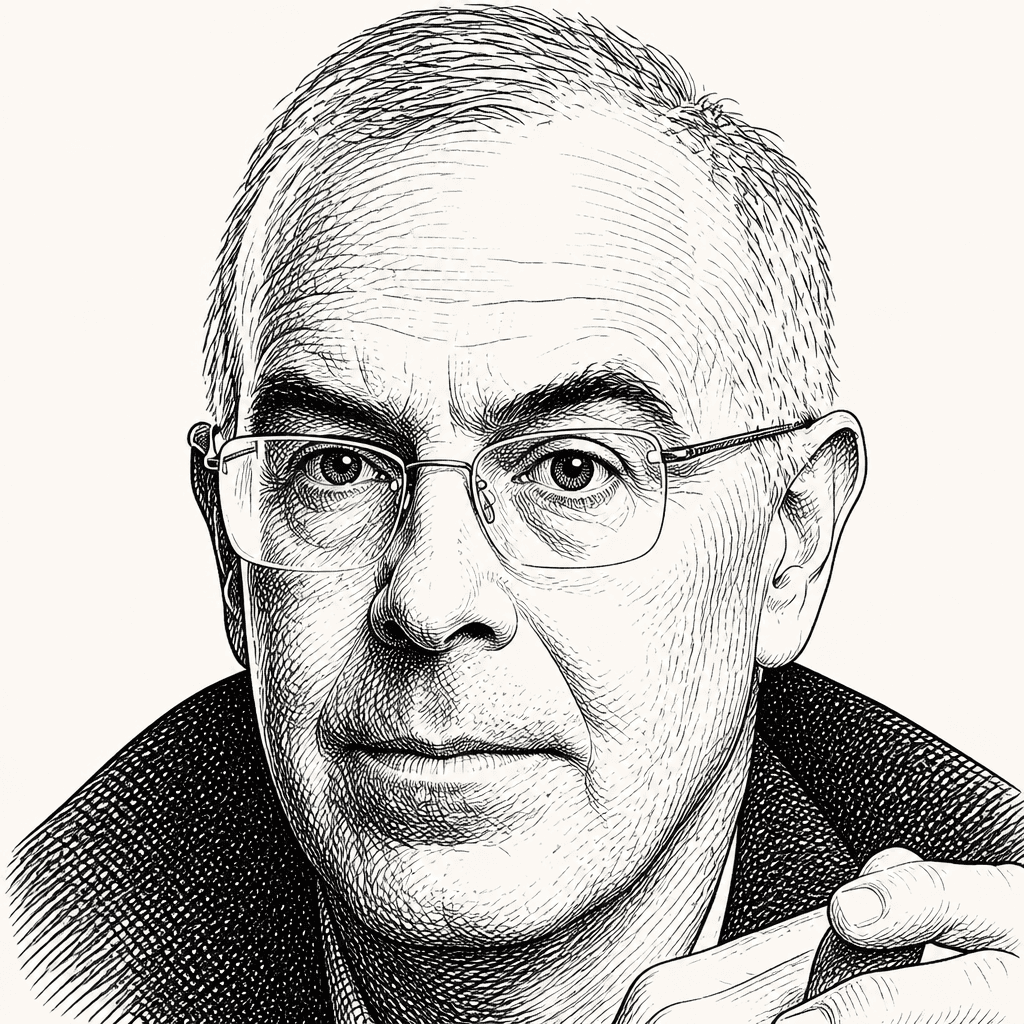
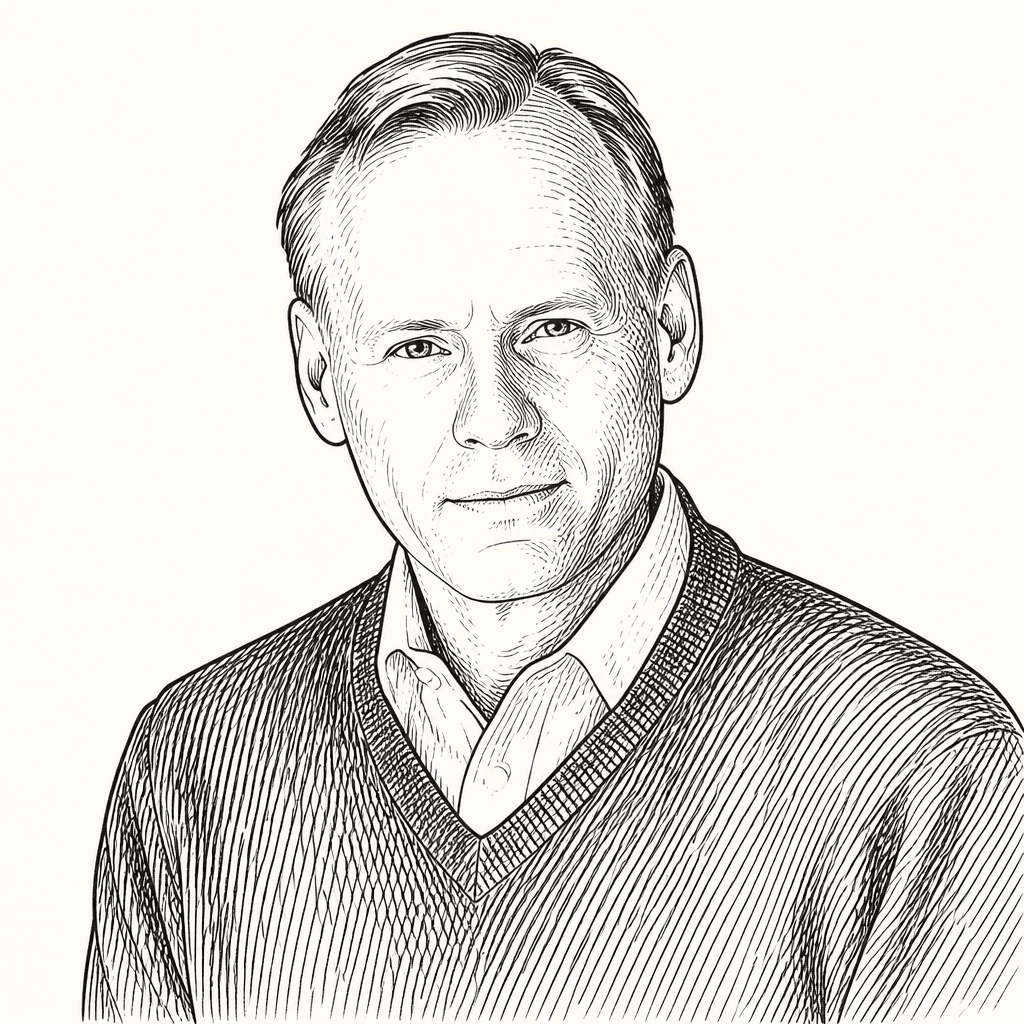
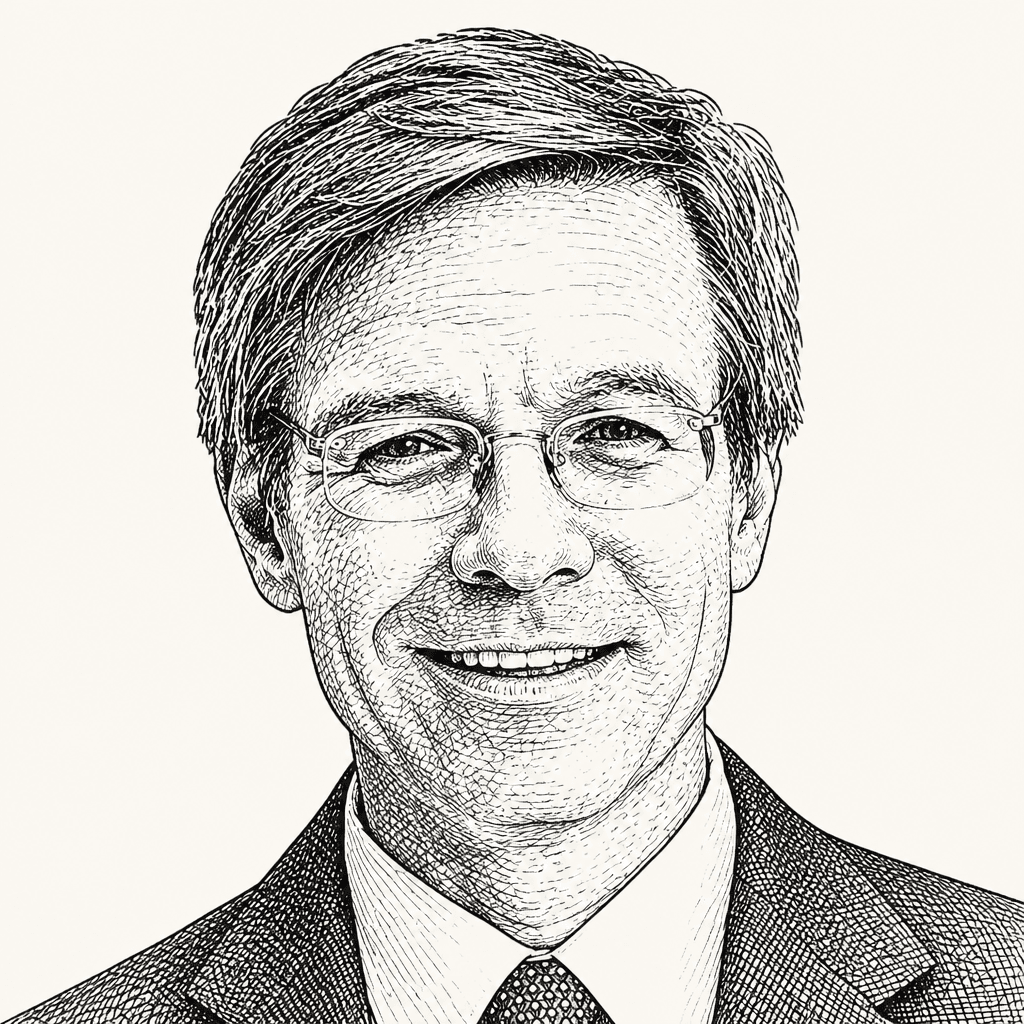
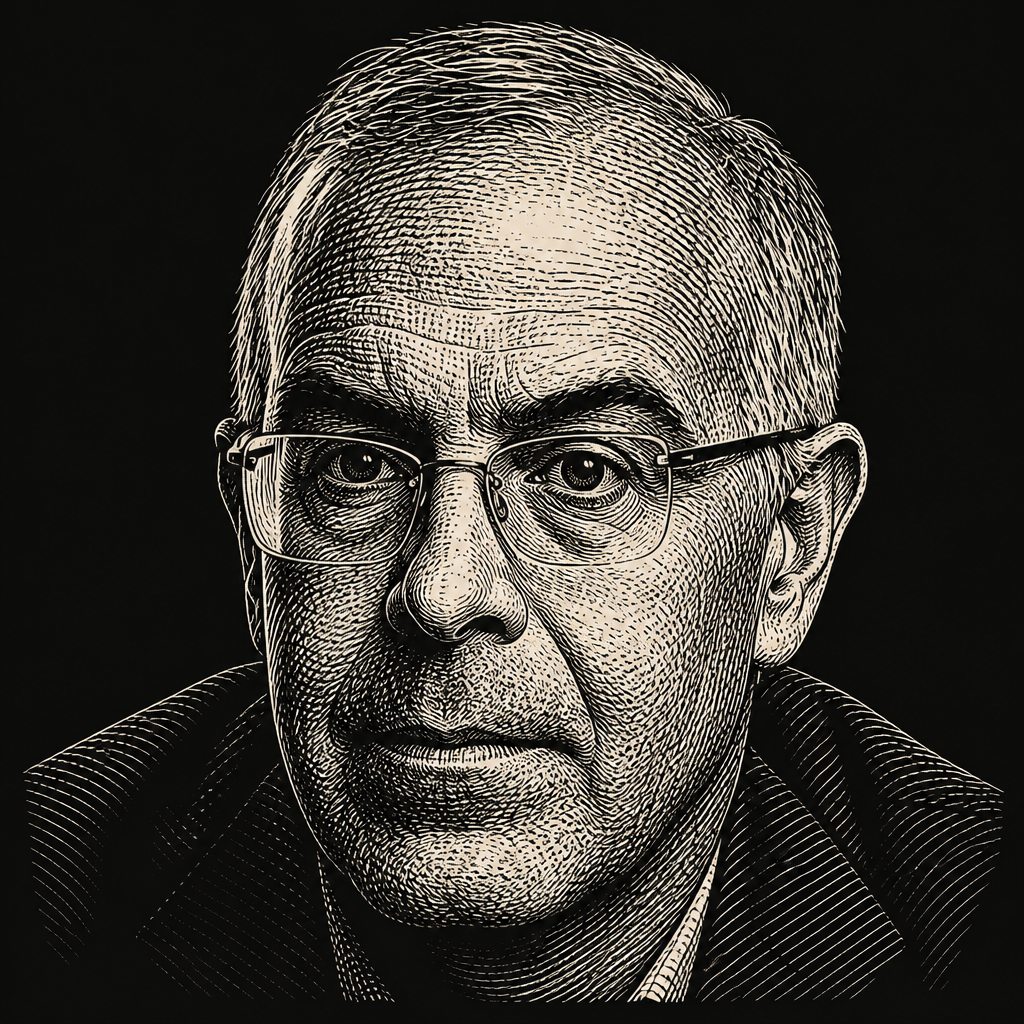
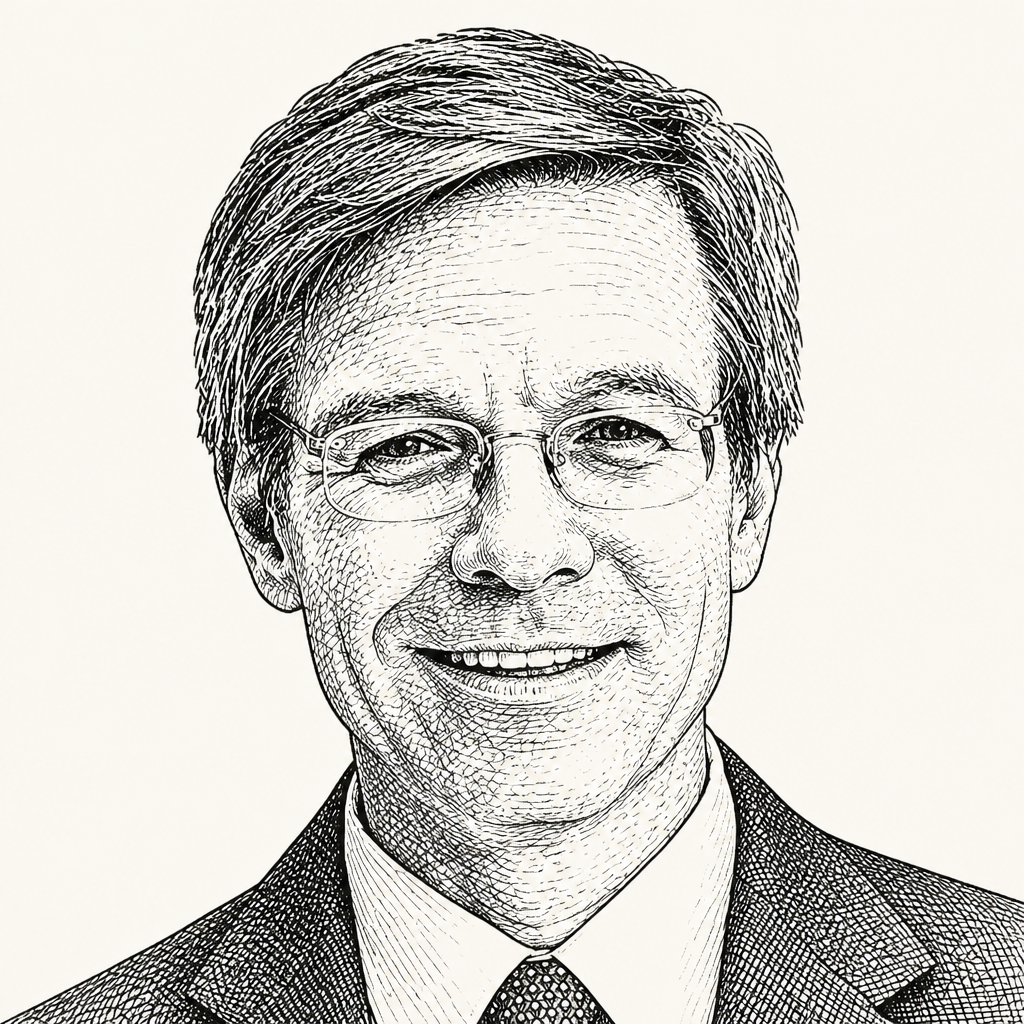
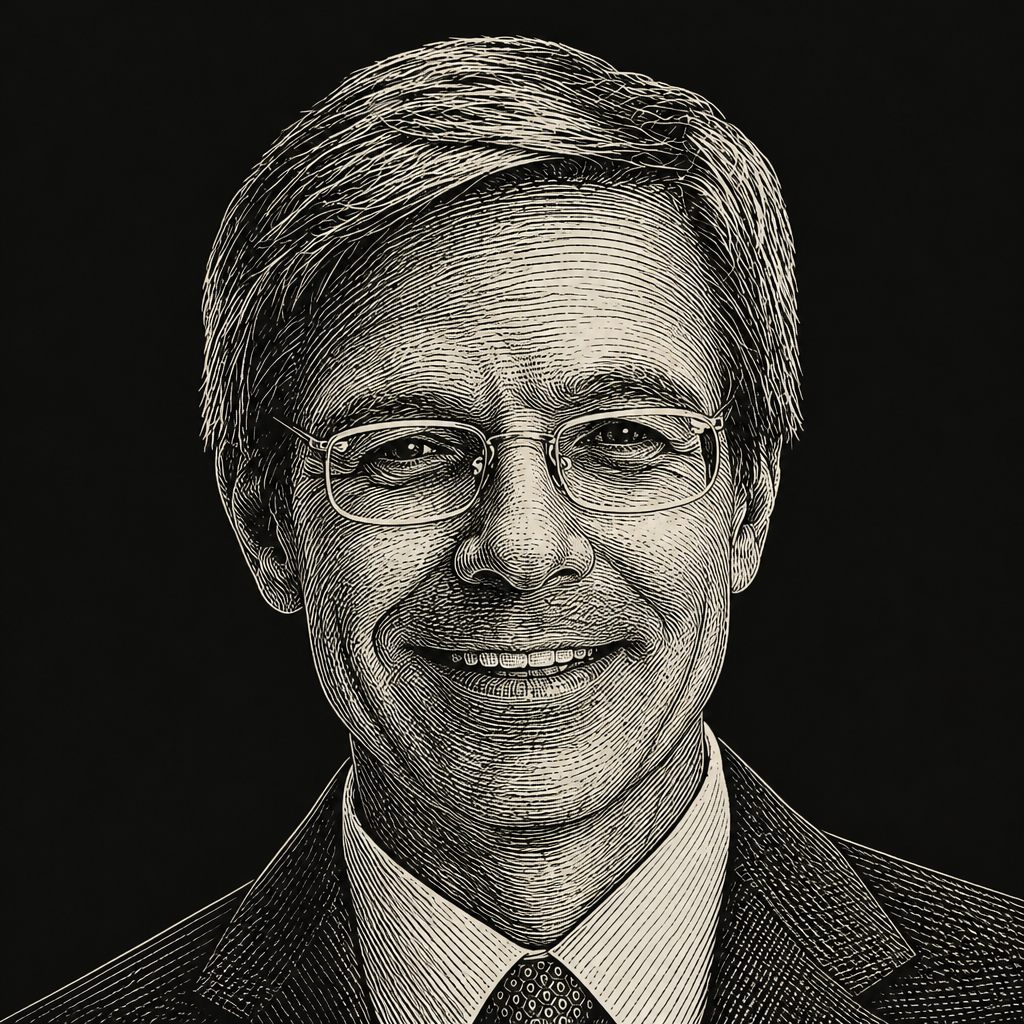
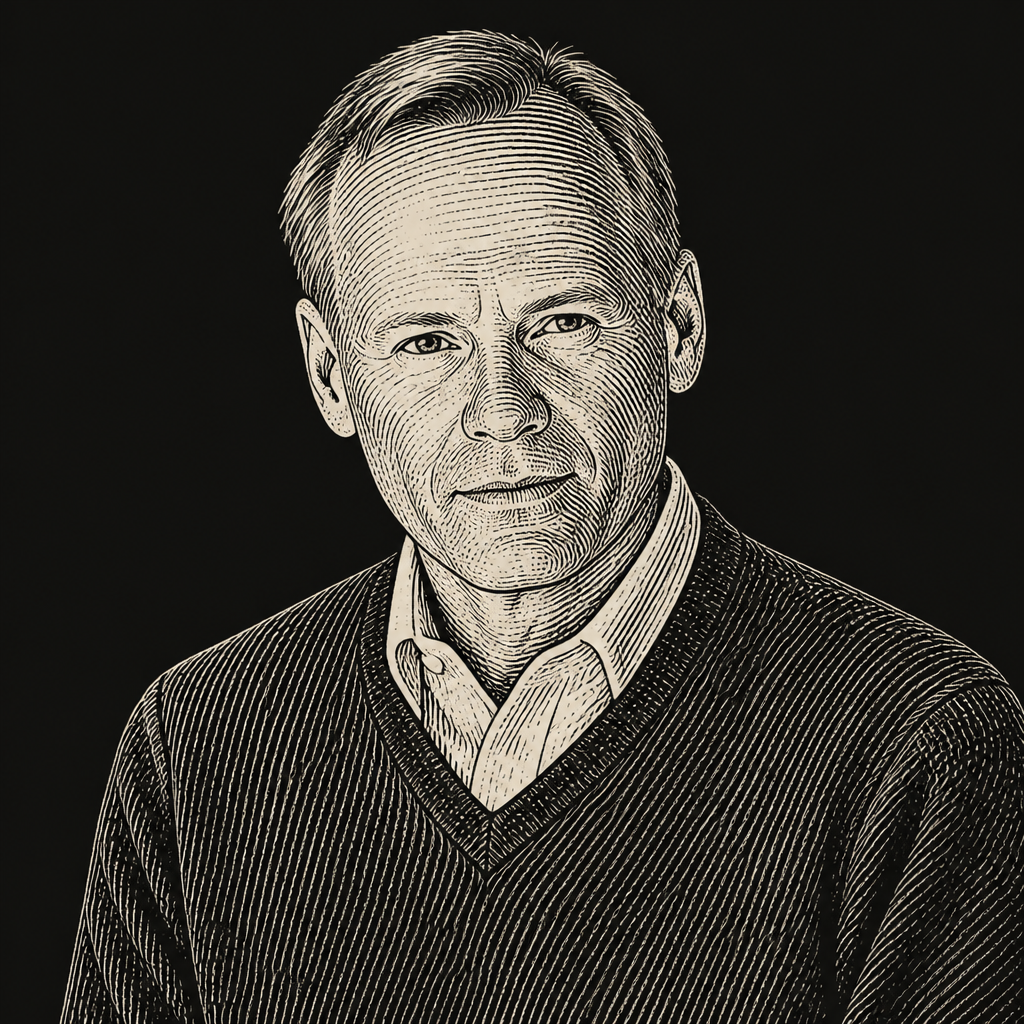
At the Aspen Ideas Festival, David Brooks of the Aspen Institute and Allstate chief executive Tom Wilson argued that America’s trust problem cannot be repaired first from Washington or by institutional reform alone. They described trust as a practice built through repeated local action: shared work, cross-generational contact, respect across disagreement, and everyday habits that make people feel seen. Their case was that politics is more likely to follow such a civic revival than lead it.

Civic repair was framed as a neighborhood-and-norms project that has to begin before politics can do much with it. David Brooks and Tom Wilson described trust as a social practice rather than a public mood: built through repeated local action, substantive shared work, respect across disagreement, and learned habits that make other people feel seen. The difficulty is that America’s distrust is institutional and political in scale, while the repair work they described starts below that level — in neighborhoods, volunteer projects, conversation habits, business conduct, and models of civility that can become contagious only if enough people practice them.
Trust is not only an institutional problem
Tom Wilson framed trust as the precondition for both civic order and individual agency. At the highest level, he said, “if you don’t have trust you don’t have civil society.” At the personal level, distrust keeps people from becoming “the person you have the potential to be,” because anxiety narrows behavior: people reach out less, try less, and protect themselves more.
David Brooks separated the decline into two related forms: institutional trust and interpersonal trust. Institutional trust, in his account, broke sharply after Vietnam and Watergate. He said that from 1900 to 1965, 78 percent of Americans said they trusted government to do the right thing most of the time; after Vietnam and Watergate, that fell to 19 percent and “never came back” in any durable way.
Interpersonal trust, Brooks said, has followed its own collapse. Drawing on the General Social Survey, he said that two generations ago about 60 percent of Americans said they trusted their neighbors. Now, he said, the figure is closer to 30 percent, and among millennials and Gen Z it is 19 percent. “The younger you go, the more distrusting you are.”
The diagnosis was not primarily technological or procedural. Brooks described a loss of social consideration: successive generations, he argued, were not taught “how to be considerate to each other in the concrete circumstances of life.” That meant not just etiquette, but practical moral and emotional skill: what to say when a friend loses a parent, how to sit with someone suffering from depression, how to leave a conversation gracefully.
His deeper claim was that trust depends on a shared moral order. Trust, he said, is “faith that you will do what you ought to do.” But that only works if people have some shared sense of what ought to be done. Brooks argued that after World War II, American culture “privatized morality” by telling people to find their own truth and their own values. That produced two problems: most people cannot invent a complete moral philosophy for themselves, and a society of privately generated moral codes lacks shared norms.
He pointed to George Marsden’s writing on Martin Luther King Jr.’s rhetoric: what gave King’s moral language force was the conviction that right and wrong were “woven into the fabric of the universe.” Slavery, segregation, and rape were not wrong only in some settings; they were wrong always. Brooks also cited Walter Lippmann’s warning from 1955: if right and wrong are determined by each individual’s feelings, “we are outside the bounds of civilization.”
The point became concrete in a traffic merge. A merge works because drivers follow a shared rule: left lane, right lane, left lane, right lane. If another driver cuts in, the anger is not only personal inconvenience; it is an attempt to enforce a norm. Many such norms, Brooks argued, have weakened at once.
Wilson did not dispute the decline, but emphasized the usable counter-evidence. Asked about trust surveys, he said what surprised him was “the amount of potential and hope.” He referred to Americans’ belief in people closer to them and to high levels of volunteering as evidence that there is something to build on. The public numbers on trust are bad, he said, but they do not describe an empty field. “There’s consumer demand to make a difference.”
The prescription begins with shared work, not discussion alone
John Dickerson pressed the practical question beneath the diagnosis: if the causes include phones, economic shocks, moral formation, and social fragmentation, what kind of diagnosis makes action possible? Brooks’s answer was that moral and social skills can be taught and practiced.
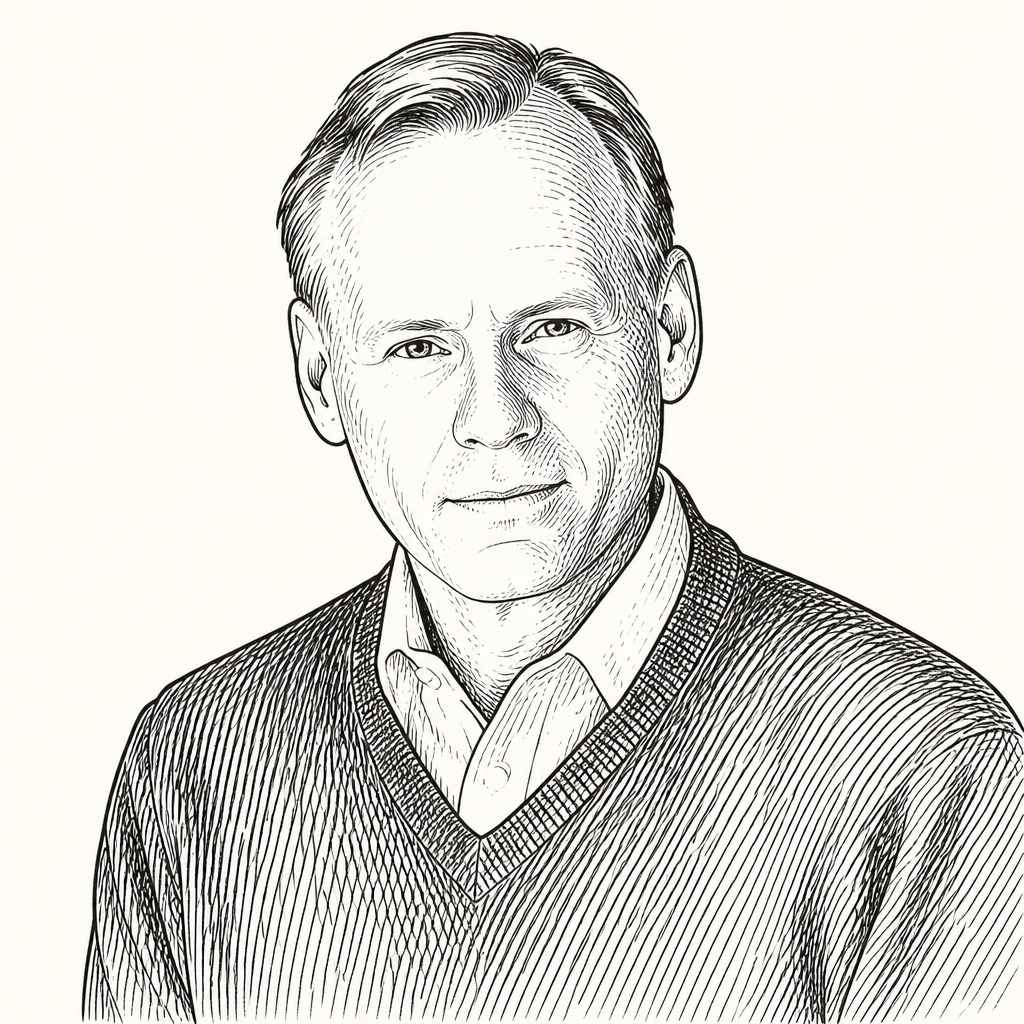
Weave, the Social Fabric Project Brooks chairs at the Aspen Institute, is built on the supposition that culture shifts when a small group of people discovers a better way to live and others copy it. Brooks compared that process to the early church and to the rise of hippie culture from a smaller beatnik subculture. Trust, in this account, is restored less by messaging than by visible models of behavior that become imitable.
Weave’s method starts by asking a local question: “Who’s trusted here?” The answers often converge on people who do not hold formal power and may not be legible to outsiders as civic leaders. In Columbia Heights, a Washington, D.C., neighborhood, residents repeatedly pointed to a man who took money at a parking garage and had an unusual command of zoning rules. If someone had a problem with the city, Brooks said, they went to the parking-garage worker, who helped them.
Other examples made the same point. One person described herself as practicing “aggressive friendship”: she was the neighbor who invited others in. A woman in Florida helped elementary-school children cross the street and took food to hospital patients, yet did not think of herself as volunteering. To her, Brooks said, it was simply what neighbors do.
Wilson’s Trust in Practice awards were built from a similar premise, but aimed at funding and learning from local efforts. Tom Wilson said Allstate and the Aspen Institute began with the recognition that it is difficult, perhaps impossible, to assign clean causation for the trust collapse. Rather than solve attribution, they asked how to get out of it.
The program focused on local relationships. Wilson drew a contrast between programs that bring people together to debate hot issues and programs that bring them together to do useful work. Issue dialogue can be helpful, he said, because it teaches listening. But in his view, it does not necessarily build trust. Trust grows more reliably when different people work together on “something of substance”: filling sandbags, making lunches at a homeless shelter, volunteering, or otherwise acting together in ways that matter to the community.
The awards began, Wilson said, with an intended $500,000 pool for innovation. As he and others reviewed the programs, he concluded that $500,000 was too small and pushed the commitment to $5 million. Applicants had to include multiple nonprofits working together, bring different kinds of people into a substantive local effort, and report what they learned about building trust so those lessons could be shared.
The response changed the problem. Wilson said the program received 1,600 applications from 3,000 organizations seeking $800 million. That left, in his words, “$795 million of unmet demand.” For him, that was evidence not merely of nonprofit need but of demand for trust-building work.
| Trust in Practice measure | Wilson’s figure |
|---|---|
| Initial innovation funding considered | $500,000 |
| Expanded award pool | $5 million |
| Applications received | 1,600 |
| Organizations represented | 3,000 |
| Funding sought | $800 million |
| Unmet demand after expansion | $795 million |
The open question is how to measure trust without distorting it
Tom Wilson was careful not to claim that the Trust in Practice work had already solved measurement. Asked how Allstate would know whether trust-building work was scalable, he answered: “We don’t yet.” The purpose, he said, is to learn what is measurable and what is scalable.
The warning was that bad measurement can create compliance without impact. If an organization is told to gather 53 people every week, it may gather 53 people, but they may be the same people from the same echo chamber. The metric can be met while the trust-building purpose is missed.
The early lesson, Wilson said, is that the activity has to be substantive enough to create depth. A one-hour trash pickup may not be sufficient; it has “a half-life of nothing.” He pointed to efforts that bring older and younger people together, with young people leading work in the community, as the kind of deeper shared project that might matter more than a thin event.
He also distinguished blind trust from real trust. Blind trust searches for reinforcement of what one already believes, and he argued that it may be worse than no trust. Real trust involves predictability, reciprocity, balance, and some moral grounding.
Real trust is just about predictability and reciprocity and knowing there’s some balance to it and there’s some morals to it.
That distinction matters because the goal is not to persuade people to trust indiscriminately. Wilson’s version of trust-building requires contact with difference, shared work, and enough repeated behavior that people can learn what to expect from one another.
The micro-skills of trust are visible before words
David Brooks said he became frustrated by words like “community” and “relationship” because they can become too abstract. He wanted to understand the specific process by which a trusting relationship begins.
The first step, in his telling, happens before speech. When people meet, they unconsciously ask whether the other person will be kind to them and whether they are a person in the other’s eyes. The answers appear “in the eyes before any words come out.”
Brooks illustrated this with a 93-year-old “weaver” in Waco, Texas, named Laru Dorsey. She had been a teacher and struck him as a drill-sergeant figure: tough, disciplined, somewhat intimidating. When her pastor, Jimmy Dorrell, greeted her with physical warmth and repeated affection — “you’re the best” and “I love you” — Brooks said she changed immediately, from a drill-sergeant presence into someone bright-eyed and young. His conclusion was that Dorrell’s gaze and manner brought forth a different version of her.
Conversation is the next discipline. One technique Brooks emphasized was being a “loud listener.” A friend of his listens almost like someone in a charismatic church service: “yes, yes, amen, preach that.” Even when the subject is ordinary, the listener’s face and responses make the speaker feel received. Television interviewers do this physically, Brooks noted: turn down the volume and the interviewer’s face still signals engagement.
The second conversational skill is the quality of questions. Everyone was once good at this, Brooks said, because three-year-olds ask an average of 140 questions an hour. He described eighth-grade boys who, when invited to ask a teacher anything, quickly moved from whether she was married to whether she still loved her former husband and whether he knew. The point was not that every intimate question is appropriate in every setting. It was that people are often starved for respectful interest. In Brooks’s career, if one asks people respectfully about their lives, they usually welcome it because “nobody has ever asked them.” Being seen in this way is, for Brooks, a direct path to trust.
Dickerson asked whether this work had changed Brooks personally. Brooks answered by contrasting two moments. Fifteen years earlier, a bat flew into his lap at a Baltimore baseball game, and instead of celebrating, he put it on the ground and sat there. Looking back, he said, that man had “the emotional reactions of a turtle.” Years later, at a conference, he was asked to gaze into a stranger’s eyes and sing a love song. He would once have “spontaneously combusted,” but this time he did it. The example was comic, but the claim was serious: adults can change their relational habits.
Business depends on trust, but cannot demand it
Tom Wilson connected trust directly to business, first because of Allstate’s product and then because of business’s place in society. “At Allstate we sell trust,” he said. Customers give the company money and trust that the company will be there when something happens. If the surrounding ecosystem is one in which people trust no one, a company cannot fully isolate itself from that atmosphere.
Business, Wilson argued, has four roles: serve customers, make money for shareholders, create opportunity for employees, and improve the community. Those goals cannot always be advanced simultaneously; leaders have to make tradeoffs and “make people unhappy all the time.” But without trust, none of the four roles works. Customers will not buy, investors will not invest, people will not work for the company, and communities will not welcome it as a legitimate actor.
Trust, in this sense, is part of business’s “license to operate.” Wilson did not mean that low trust immediately shuts companies down. He meant that society has ways to extract what it wants from businesses that fail to meet expectations: regulation, laws, taxes, and other constraints.
An audience challenge sharpened the point. The questioner argued that large institutions themselves can breed distrust, naming insurance after disasters and large medical organizations that, in the questioner’s view, turn people away. Wilson rejected the blanket claim that insurers “disappeared,” saying that he tracks disasters such as wildfires closely and knows what happened. People may not have had the coverage they wanted, he said, but that is a different issue. In California, he argued, the insurance system has a 20-year story behind its dysfunction; Texas, by contrast, is larger, has more kinds of losses and more total losses, and in his view has a system that works.
His broader answer was not that every company deserves trust. Some companies may be “crappy companies,” he said, and people should not buy from them. But he argued that most companies are trying to balance customer service, shareholder returns, employee opportunity, and community obligation. The practical admonition was to investigate before letting distrust determine what every new fact will mean.
The question of business trust also reached technology and data. Wilson identified one issue where he believes the current business environment is wrong: people do not own the data they create. A drawing belongs to the person who makes it, he said, but behavioral and search data can be collected and used by others. Companies benefiting from the current system have economic arguments for it, he acknowledged, but he said he disagrees “vehemently” with the arrangement.
David Brooks added a related observation about executive culture. At a recent conference in California, he said, a major technology figure told him it was difficult to think of a CEO in his industry whom he admired. Brooks found that “a sad comment,” while adding that he did not think it was entirely true. Still, he saw a shift in some CEO styles, especially in technology. Jim Collins’s Good to Great celebrated “Level 5 leaders” marked by humility, Brooks said, and he called Wilson an example of that kind of leader. By contrast, when Brooks thinks of some large technology executives, “humility is not the first word that comes to mind.”
Trust scales through neighborhoods and norms, not simple replication
David Brooks resisted conventional ideas of scale. Trust-building, he said, does not scale like a product rollout, because “the neighborhood is the unit of change.” The relevant unit is not the isolated individual and not an abstract national public, but a local ecology with its own relationships, institutions, and unwritten rules.
The contrast between Compton and Watts in Los Angeles was his example. Citing work by Raj Chetty, Brooks said the neighborhoods are only a few miles apart and demographically very similar, yet outcomes differ sharply. He explicitly cautioned that he was not giving exact numbers, but said the share of men who grew up in Watts and were incarcerated by age 21 was “something like” 42 percent, compared with roughly 6 percent in Compton. Social mobility in Compton, he said, is much higher. He attributed part of the difference to civic architecture: Compton is its own city within Los Angeles, while Watts is a neighborhood within a larger city.
The claim was not that experts know exactly how to turn communities around. Quite the opposite: Brooks argued that one often does not know why a particular set of interventions produces change. But if enough is invested in one place — “everything in the kitchen sink” — a virtuous cycle can form. He compared this to the Harlem Children’s Zone, where the broad, concentrated effort mattered even if the full causal mechanism remained elusive.
Thread in Baltimore pushed against expansion as the default success metric. Brooks described Thread as an organization founded by Sarah Hemminger, who saw lonely young people at a Baltimore high school and built a social web around them. In his account, each young person is surrounded by four volunteers, then eight collaborators, then 12 grandparents. Hemminger, he said, is technically skilled and built an app that records contact between young people and volunteers, so the organization can know if a child has gone six hours without contact. Brooks said 27 cities have asked Thread to expand beyond Baltimore, and Hemminger has said no. She wears a necklace with a map of Baltimore. She does not believe the work can be scaled in the conventional sense.
What does scale, Brooks argued, is norms. If people redefine volunteering or neighboring, large changes can happen. Littering was once acceptable in a way it later was not. The MeToo movement shifted norms around sexual violence and abuse. Labels can carry new norms, too. In the 1950s, he said, almost nobody called themselves a feminist; by 1975, millions did, and the label carried “a way of being in the world.” That is one reason Weave chose the term “weaver”: Brooks wants people to identify with a role and a set of practices.
Tom Wilson agreed with the systems view — neighborhoods and norms matter — but insisted that individuals should not be let “off the hook.” Norms do not exist unless individuals act. Neighborhoods do not become civic units unless people lead within them. Trust-building cannot be achieved by isolated individuals alone, but every person still has responsibility for the trust environment.
Civility begins with resisting the negativity environment
Tom Wilson described his work on “modeling civility” as emerging from a failed framing. He initially wanted to tell people to be less negative. He dislikes negativity and sees public life as saturated by it. In his formulation, net negativity — the negative messages left after positive ones are offset — amounts to “a hundred billion dollar advertising campaign of us against us by us.”
Wilson did not blame a single class of institutions. He said he was not blaming media alone, or any one actor. The system is made by the people who press the buttons, respond to incentives, click, post, and amplify. But the effect is anxiety, distrust, and a sense that every message is shaping people toward suspicion.
When Wilson used the language of addiction to negativity, the reaction was poor. He compared it to telling someone with a substance-abuse problem that they have a problem; it is not usually the best conversation. So he shifted toward the phrase “modeling civility.”
For Wilson, modeling civility has two parts. First, people have to seize some control over their environment by becoming aware of how their thoughts and words are being shaped by those who seek to control them through messages. He did not settle on a single cause — digitization, dollars for clicks, politics — but said people need to ask: Where am I? How am I feeling? Am I anxious?
Second, people have to give others freedom. If someone wants to vote for a candidate Wilson dislikes, he said, that is their vote. He should not hate or judge them for it. Respect is both a precondition and a product of trust: “If you don’t respect people, you’re never going to trust them.” Wilson was careful not to present himself as exemplary. He gets angry and makes mistakes, he said. But he argued that everyone in the room has some leadership responsibility for the society they help create.
David Brooks connected negativity to broader political and emotional dynamics. Since the internet age, he said, the number of headlines designed to arouse fear and hatred has doubled because media actors are competing for clicks. He invoked political theorist Bill Galston’s writing on “the dark passions”: hatred, anger, fear, resentment, and Augustine’s libido dominandi, the urge to dominate.
The most destructive passion for social trust, in Brooks’s view, is resentment. Resentment is about social standing. If people are promised equality but live in a wildly unequal society, they feel humiliation: I am behind someone else. That humiliation becomes impotence: the person looking down on me does not even see me. Over time, Brooks argued, impotence ferments into a sour-grapes posture toward the goods one lacks. Empathy becomes “toxic empathy.” Expertise becomes fraudulent. Cooperation and friendship are dismissed as naïve, and power is treated as the only real currency.
He cited a comment by Stephen Miller, a Trump aide, as an example of that worldview: niceties about global cooperation are pleasant to discuss, but life is really about power, force, and domination. Brooks said resentment produces distrust by making people see threat even when there is none. Some distrust is accurate, he acknowledged, when someone has actually betrayed you. But much current distrust, he argued, is inaccurate: an overestimation of threat and betrayal that then generates its own proof.
Trust, for Brooks, is always spiraling. It either spirals upward or downward in a doom loop. The work he and Wilson described is a counterforce in “this huge war between the forces of dehumanization and the forces of humanization.”
Politics is more likely to follow a trust revival than lead it
Tom Wilson said government can help solve major social problems, but only after trust begins to turn. He described America as “awash in economic malnutrition”: many people lack the money to eat well, get an education, or do what they need to do. Government has a role in addressing those problems, and business cannot solve them by itself. But without trust among individuals, and between politicians, Wilson said, “we got no hope of fixing it.”
He did not present this as a counsel of despair. He said he senses a turn. He acknowledged possible selective perception — the way a person who buys a red minivan suddenly sees red minivans everywhere — but said he is seeing more people talk about trust and more people notice the scale of negativity. Still, he argued, individuals must drive the turn before government can effectively act. Otherwise, the country will remain stuck in “horseshoe politics.”
David Brooks shared Wilson’s sense that timing may be changing. In his account, Weave made progress for years, then COVID “cratered” the work. Now, he said, it has been moving back up.
Trust is about values — how people behave and what they value — and value shifts can happen with astonishing speed, Brooks argued. He described American public life as moving through rhythms of downturn and renewal. Dwight Eisenhower embodied modesty, moderation, and humility. John F. Kennedy arrived with an intensely idealistic inaugural address promising to cure disease and conquer starvation. After the decline of the 1970s, Ronald Reagan returned with optimistic rhetoric. After later downturns, Barack Obama offered “hope and change.”
Brooks said he feels the country may be on the verge of “the biggest vibe shift” in politics in a long time, because exhaustion with hatred has become intense. He saw evidence in popular culture: appetite for stories about earnestly good people who remain good in cynical settings. He named Mr. Rogers, Ted Lasso, and the Anne Hathaway character in The Devil Wears Prada. He said he wept during the Mr. Rogers documentary because of the goodness on display. He added that although he does not agree with Mamdani on policy, he sees him as a “happy warrior,” and believes that style — whether from the right or left — will become politically valuable because “people always want the opposite of what they’ve just lived through.”
Asked when an upswing would become visible in Congress, Brooks turned to Robert Putnam’s The Upswing. He said Putnam described an earlier American recovery of trust and cohesion around the 1890s as a three-phase sequence: cultural, civic, then political. First came a cultural shift from Social Darwinism to the Social Gospel movement. Then came a civic renaissance, including the creation or rise of groups and movements such as Boys and Girls Clubs, the NAACP, the environmental movement, the union movement, and the settlement house movement. Only after that, he said, came the Progressive movement and institutional reforms such as the Federal Reserve System and the National Forest Service.
Brooks’s conclusion was that it is unfair to ask politicians to lead a trust revival. They are busy raising money and trying to win the next election. Most do not think in the deeper terms required.
Belonging requires a shared project and a shared story
David Brooks treated belonging as inseparable from trust. Asked whether trust can exist when people lack a sense of belonging and no longer identify with one another, he answered that belonging is “another word for trust,” then explained it through community formation.
Nobody creates a community merely for the sake of community, Brooks said. A community forms around a common project. He used the biblical contrast between Genesis and Exodus: the creation of the universe is described in a small number of verses, while the building of the tabernacle occupies hundreds of highly specific, even boring verses about measurements and materials. For Brooks, the imbalance is revealing. Community is created through the shared work of building something together.
A community is also a common story. The Exodus story, he said, happened so that it would be told. Belonging comes when people identify a shared problem, work on it together, and understand themselves through a shared narrative.
He closed with the story of Aisha Butler in Chicago. Butler was planning to leave her neighborhood when she saw a little girl in a pink dress playing in an empty lot with broken bottles. She told her husband they would not move: “We’re gonna be a sticker.” Brooks said every community has “stickers,” people who plant themselves. Butler went on to create several community efforts and now runs RAGE, a community organization in Englewood. In local stores, Brooks said, T-shirts read “Proud Son of Englewood” and “Proud Daughter of Englewood.”
That, for Brooks, is belonging: not sentiment alone, but a place where people stay, build, tell a common story, and become proud to be claimed by it.