“Speak Up, Sit Out, Cool Down” Targets Youth Heat Illness


Laura Schifter of the Aspen Institute argues that protecting young athletes from extreme heat requires more than telling them to hydrate: children need permission and a simple script to stop playing when symptoms emerge. The institute’s Play It Cool campaign promotes “Speak Up, Sit Out, Cool Down” as a shared response to dizziness, nausea, headaches and cramps, with active cooling such as cold towels or ice packs after leaving the field. Schifter says the aim is to make stepping out of play a normal safety decision rather than a failure to push through.
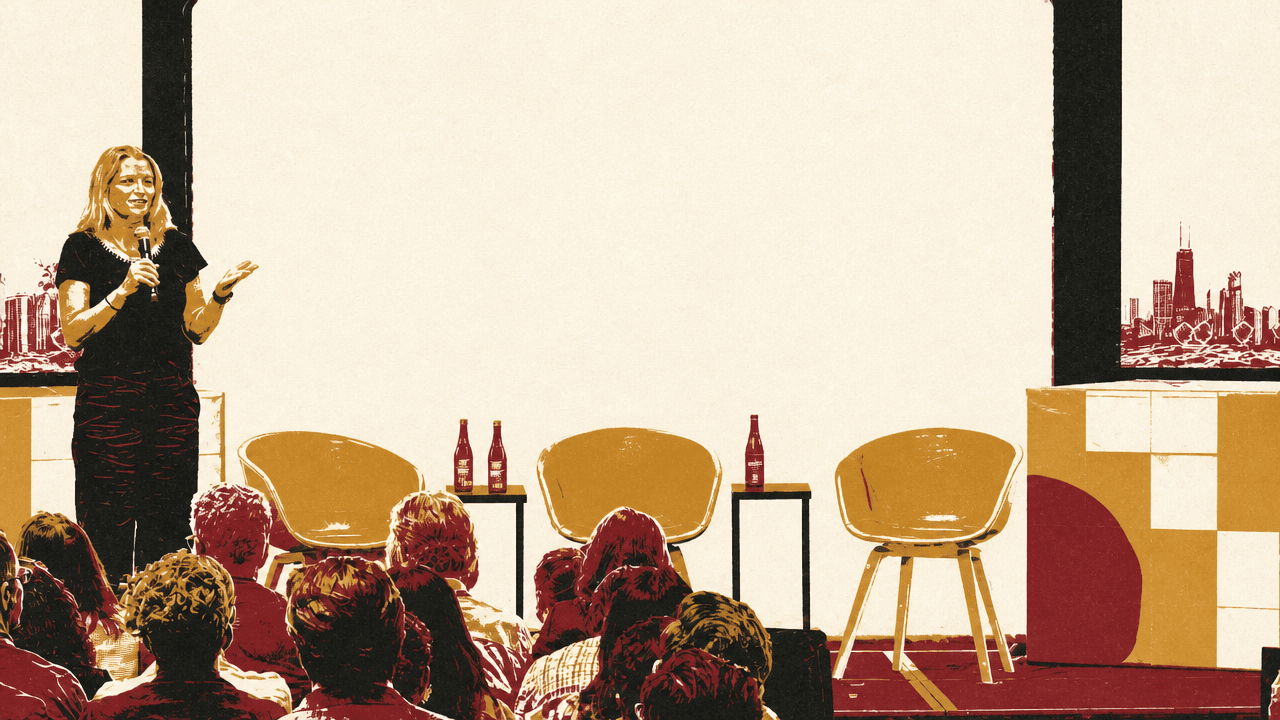
Leaving play is the point of the message
A child who becomes dizzy, nauseated, headachy, or cramped in the heat is being asked to do something that can be difficult in sports: say so, leave the game, and accept that stepping out is the right call. Laura Schifter frames that behavioral shift—not simply awareness of hot weather—as the central purpose of the Aspen Institute’s Play It Cool campaign.
The campaign’s three words are meant to function as a usable sequence. “Speak up” applies when symptoms begin. “Sit out” means taking oneself out of play and, as Schifter puts it, normalizing that choice in the moment. “Cool down” means actively bringing down body temperature while sitting out.
Speak up, if you're starting to feel dizzy, nauseous, have a headache, cramp. Sit out, take yourself out of the game, normalize that in that moment. And then while you're sitting out, cool your body down.
Schifter makes a specific distinction at the final step: this is not just about drinking a lot of water. She points instead to cold towels and ice packs as ways to get the body cold. The campaign therefore gives families language for both the decision to interrupt activity and the response that follows it.
That language is designed to fill a gap Schifter illustrates with a familiar safety reflex. Many adults know “stop, drop, and roll” when clothes catch fire, she says; far fewer have a comparable slogan for recognizing early heat illness and acting on it. Play It Cool aims to make the response equally easy to recall under pressure.
Our goal with this campaign is to make Speak Up, Sit Out, Cool Down something as resonant for this generation as stop, drop, and roll has been for ours.
Heat is already part of children’s playing conditions
Schifter says extreme heat is affecting childhood in a way it did not when many adults were growing up. Her examples come from the ordinary settings where children practice and compete: as a coach and mother, she has seen a player come off the field and begin vomiting; two friends of her 11-year-old have been hospitalized with heat illness; and an ambulance came to a field beside her 8-year-old’s soccer field after another child fainted.
She says Gen Z children experience four times as many heat days as Gen X did during childhood. Heat may not look like a conventional disaster, she argues, but it is the leading cause of weather-related deaths in the United States. The premise of the campaign is not that families can shield children from heat altogether. It is that children and the adults around them need a short, shared instruction for the moments when heat symptoms emerge during play.
The campaign was developed with Dr. Seuss Enterprises, Moms Clean Air Force, Love Football, Home of Football, 160over90, and people Schifter describes as leaders in sports, media, marketing, and climate. Its launch materials include public-service announcements featuring fitness instructor Robin Arzón and the Lorax, the animated Dr. Seuss character.

The PSA places the message in an outdoor workout rather than a clinical setting. Arzón leads the Lorax through stretches, lunges, punches, and running before stopping the session: “Let’s take five to cool off. It’s a hot one today.” Animated text then presents “Speak Up! Sit Out! Cool Down!” and Arzón repeats the phrase. The format is deliberately simple: a child sees exercise pause because of the heat, hears the steps, and sees them rendered as a memorable refrain.
Schifter asks viewers to share the material with children in their lives and invites partners to help distribute it. The campaign’s practical bet is that a child is more likely to act early if speaking up and stepping away are established as normal parts of playing safely, rather than as a failure to push through discomfort.