Employee Ownership Gave a Local Hardware Chain Its Succession Plan
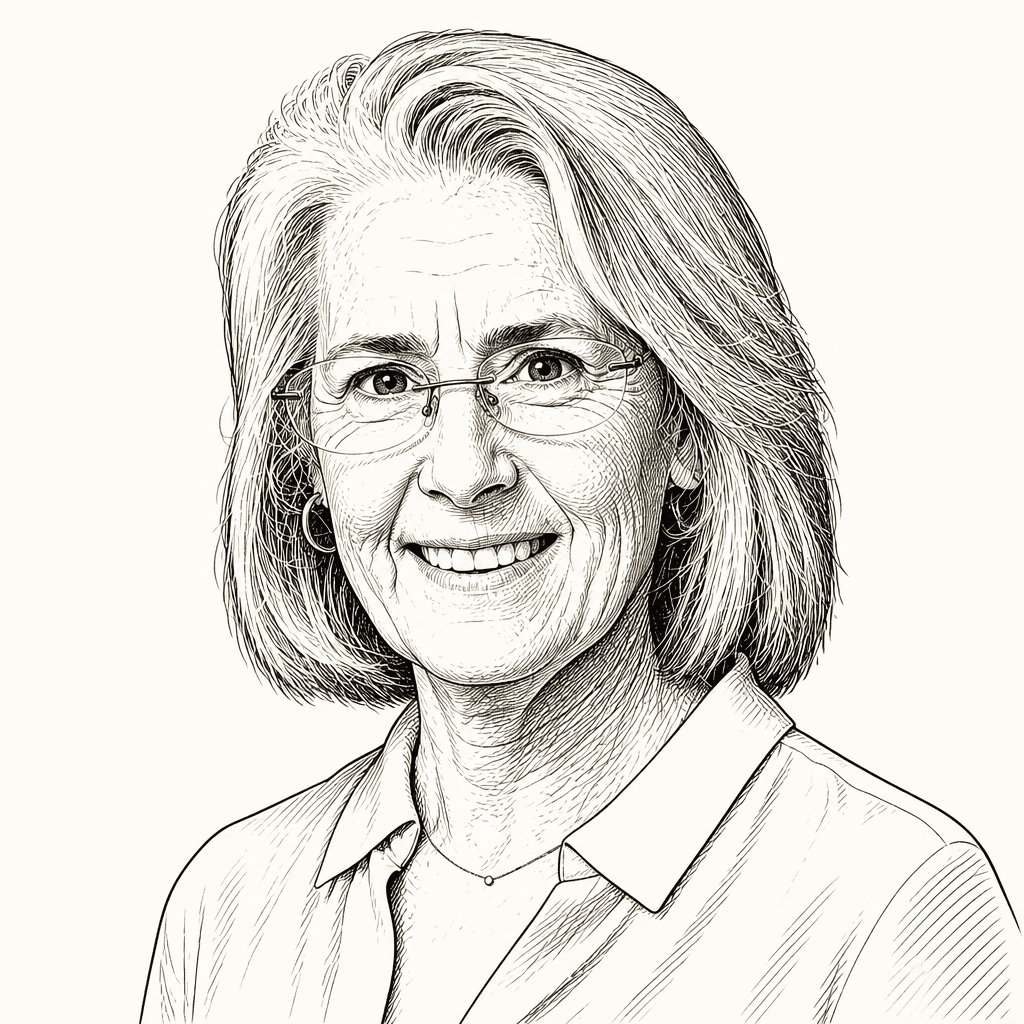

Gina Schaefer, founder and co-owner of A Few Cool Hardware Stores, used her keynote at the 2026 Employee Ownership Ideas Forum to present employee ownership as a succession strategy for community-rooted businesses. After building a 14-store hardware company in the Washington region, Schaefer said selling to employees through an ESOP was a way to preserve the company’s culture, reward the workers who built it, and keep ownership tied to the communities the stores serve.
Employee ownership as succession, not exit
Gina Schaefer sold A Few Cool Hardware Stores to its employees through an ESOP after building a local hardware business with 14 locations and about 300 teammates across the Washington region. Maureen Conway framed that choice as an answer to a succession problem many values-driven business owners face: how to step back without handing the company’s culture, relationships, and community role to an outside buyer.

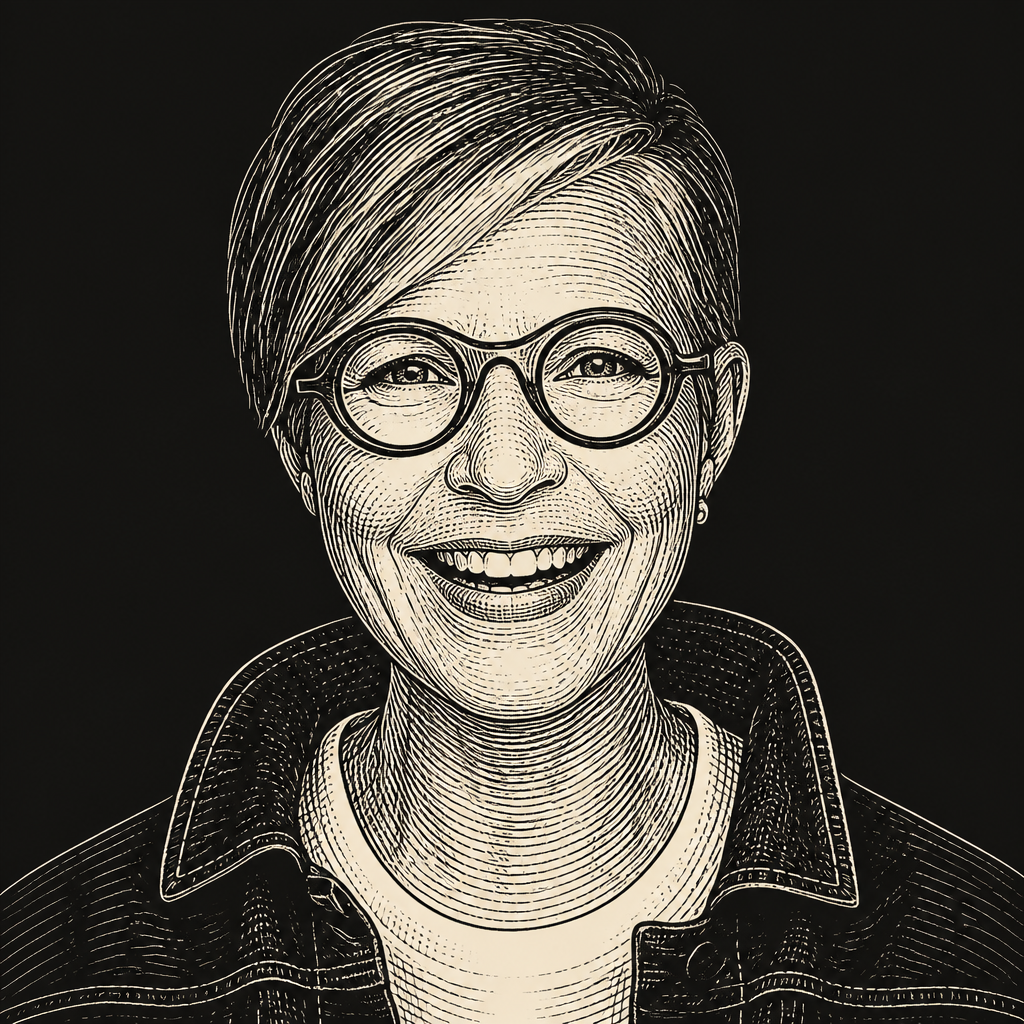
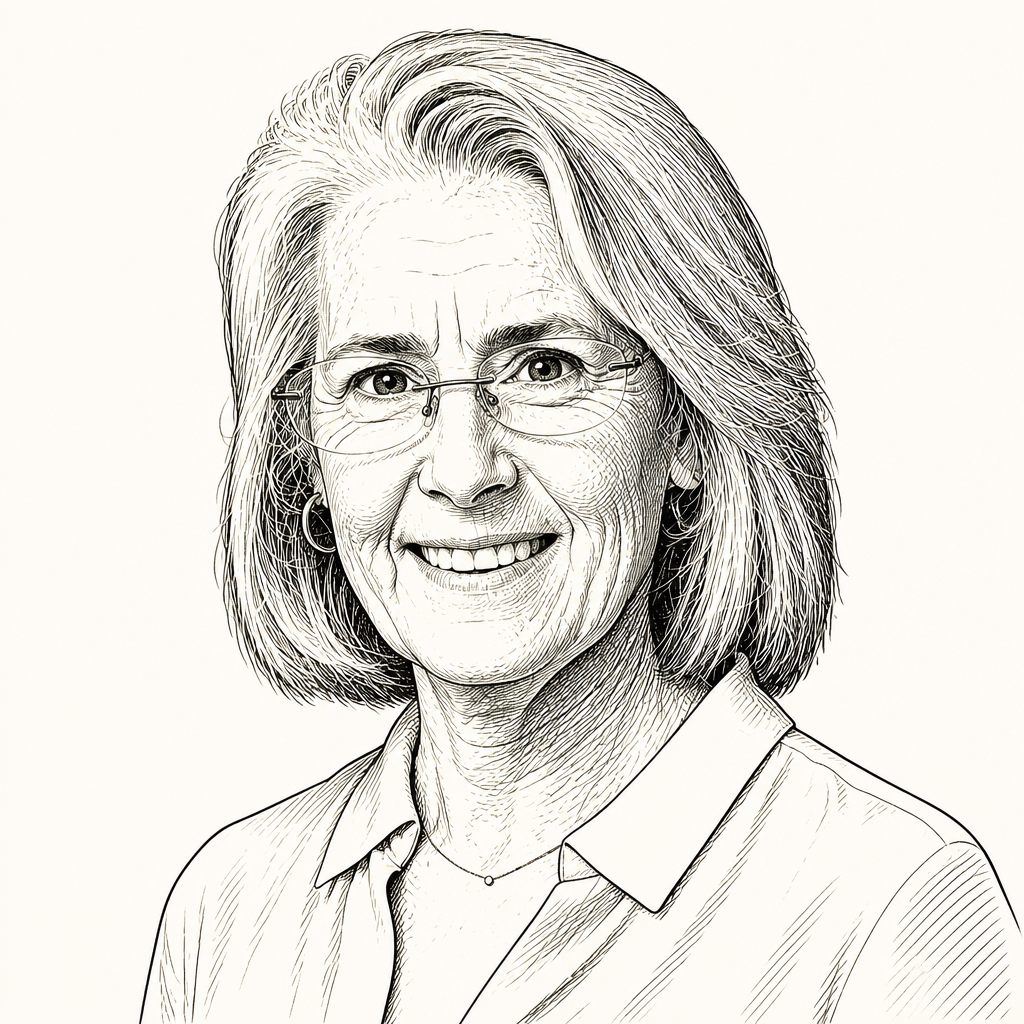
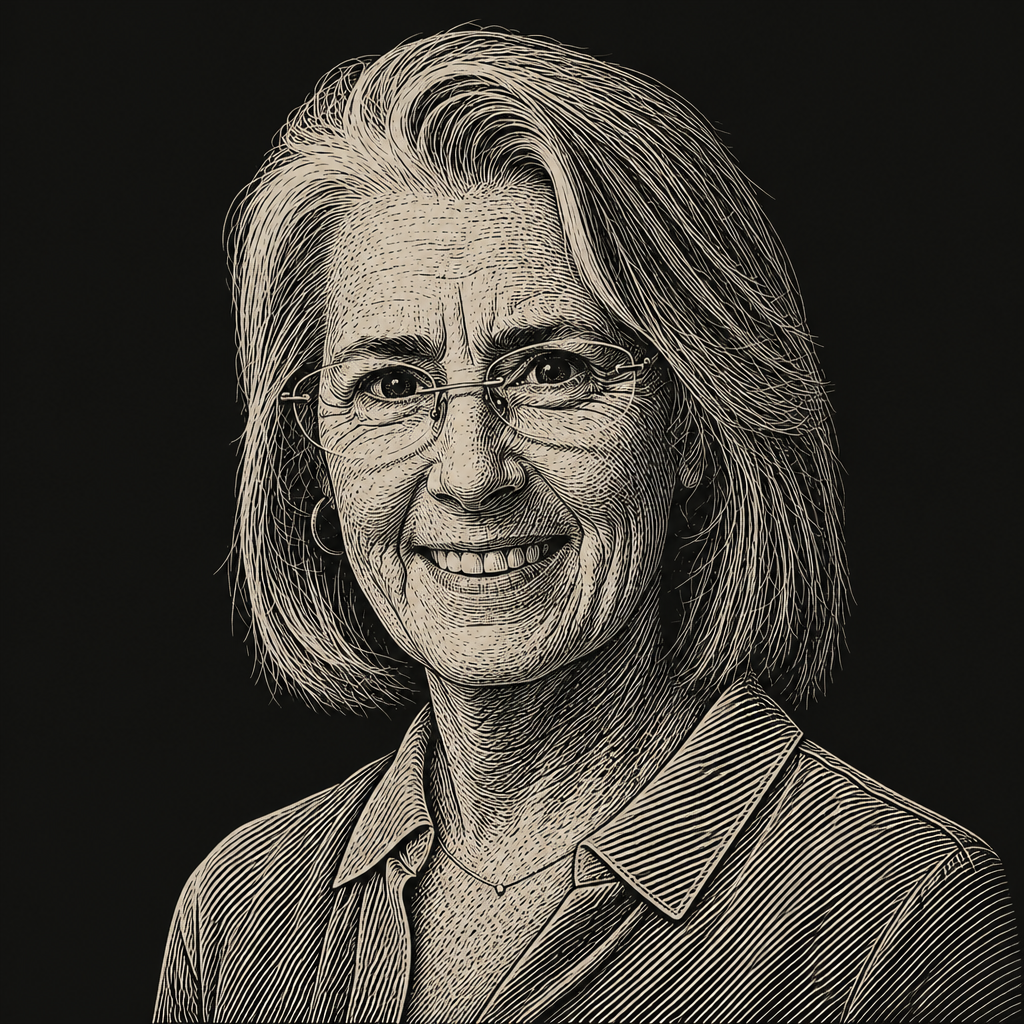
Conway said Schaefer had spent more than two decades building a company around people and community. Nearly 22 years earlier, Schaefer opened her first hardware store in Washington, D.C., in a neighborhood many people would have treated as too risky. Conway described the company as 13 locations across D.C., Maryland, and Virginia, employing more than 300 people; Schaefer updated the count from the stage, noting that a new Rockville, Maryland, location had opened about eight weeks earlier, bringing the company to 14 stores and about 300 teammates.
The ESOP ensured that the people who helped build the company would share in its future. For Schaefer, it was also the continuation of a business that had started with a neighborhood need, grown through employees who were often overlooked elsewhere, and come to understand ownership as part of its community role.
The company began as a wager on a damaged neighborhood
Gina Schaefer anchored the company’s origin in Logan Circle, the Washington, D.C., neighborhood where she moved in 1997. She called it a “full circle” place in the story of the ESOP because the business began from the neighborhood’s needs and later returned ownership to the people working inside that community-based enterprise.
Her account of Logan Circle began with the riots after Martin Luther King Jr. was assassinated. She said the riots began on U Street, just north of where her office is today, and spread south down 14th Street. By the time they were over, more than 300 businesses had been burned, looted, and abandoned, and more than a thousand people had been injured or arrested, or both. A once “beautiful, diverse, vibrant neighborhood,” she said, fell apart.
By the late 1980s and early 1990s, people looking for cheaper housing began moving east in Washington and encountered boarded-up houses and an abandoned commercial corridor. Schaefer was one of them. A real estate agent told her the only place she could afford was Logan Circle. Schaefer said she cried: the streets were strewn with trash, friends would not visit because they thought the area was too sketchy, boarded-up buildings appeared on every other block, and “there was no place to transact commerce.”
Still, she bought a condo. Her boyfriend, later her husband, bought one around the corner. They joined neighborhood association meetings, where residents joked that they lived in the dark, pictures sat on the ground, and toilets were always running because the closest hardware store was too far away.
A layoff made the need personal. Schaefer had been working in technology and called herself a “tech reject” after her third layoff in four years. Driving home that day, she decided she was done working outside her community and would open the hardware store the neighborhood lacked. Her husband’s reaction, as she recalled it, was disbelief: “What do you know about hardware? What do you know about retail?” Her answer was that she knew about community, the neighborhood needed the store, she needed a job, and she loved the idea.
The hiring model became the business model
Hardware retail did not offer Gina Schaefer a franchise path. An owner either buys from a wholesaler or joins a co-op. She joined the Ace Hardware Cooperative after being vetted for capital, business experience, and location. Three months after the first store opened, her husband came home from his job and said she was having too much fun; he joined and has been the company’s CFO since.
Asked over the years how she competed in a male-dominated industry, Schaefer said the more important question was not “how” but “why.” The answer became the people she hired.
Her first teammate had been in prison for 17 years. Schaefer said she did not ask about it because she did not think it was her business. Her second teammate was six weeks clean from a crystal meth addiction when he asked for work — “so young and so fragile and so precarious,” she said of that stage of recovery. She hired him. He brought someone, who brought someone else, and the group began shaping the culture that would support the company’s growth.
My “why” became those teammates, the people that we were hiring.
Schaefer’s argument centered on what a job could do when it came with trust, benefits, belonging, and eventually ownership. She called some of her employees “non-traditional teachers,” people whose lives taught her what the business was really building.
Mike’s story made ownership concrete
Mike, one of Gina Schaefer’s teammates, made the point tangible. Schaefer overheard him in the break room talking about running a 10K. Mike, by his own description, was “more tortoise than hare,” and Schaefer did not initially see him as a runner. He told another employee that he had run 25 5Ks, 15 10Ks, and was training for a half marathon.
When Schaefer asked whether he had been running his whole life, he said he had started three years earlier. That meant he had begun at 59. When she asked why, Mike told her he had been homeless, living on a park bench in Washington, D.C., for nine years.
A nonprofit worker had approached him and said that if he came to a meeting, he would receive a pair of shoes. Mike needed the shoes, so he went. At the next meeting, he was offered pants. At another, he was invited to walk. “Before I knew it,” Schaefer recalled him saying, “I was walking and jogging and running my way all over Washington, D.C.”
The shoes led to more than running. Schaefer said Mike “ran himself” to a boss who loved him, a 401(k), profit-sharing, health care, an apartment, and eventually retirement from the company as an owner. That was the succession argument in human form: the company did not only provide Mike with the benefits of a good job; the ESOP converted him into one of the people who owned the enterprise he had helped sustain.
That last phrase mattered enough for Schaefer to correct herself. Mike did not just retire as an owner in her business. “He retired as an owner in his business.”
A 20-minute march clarified the ESOP
The “full circle” moment came during protests in Washington in 2021, which Gina Schaefer said began at the same spot on U Street and moved south down 14th Street, in front of the company’s offices. She and her team watched from the office, making signs and using cowbells, wanting to participate but asking what “a little local business” could do.
Her husband suggested a walk. They asked customers and team members in the store whether they wanted to march with the protesters. Every person said yes. They locked the door and joined the march.
Schaefer joked that they were probably gone only 20 minutes because they did not want to anger customers or lose many sales. But she described the brief walk as life-changing. The protesters wanted generational wealth building, gender equity, racial equity, and related aims. Schaefer saw that, in a small way, the business had been working on those aims “in the plumbing aisle and in the paint department and with the flower pots.”
The march turned employee ownership from an abstract option into the logical continuation of the company’s history. Schaefer said they came back to the store and realized they could sell the business to the people who had helped build it, create an ESOP, assemble a team to make it happen, and define their legacy as continuing to grow community-based local hardware stores with those employees.