Trust in Practice Awards Fund 11 Local Trust-Building Collaborations
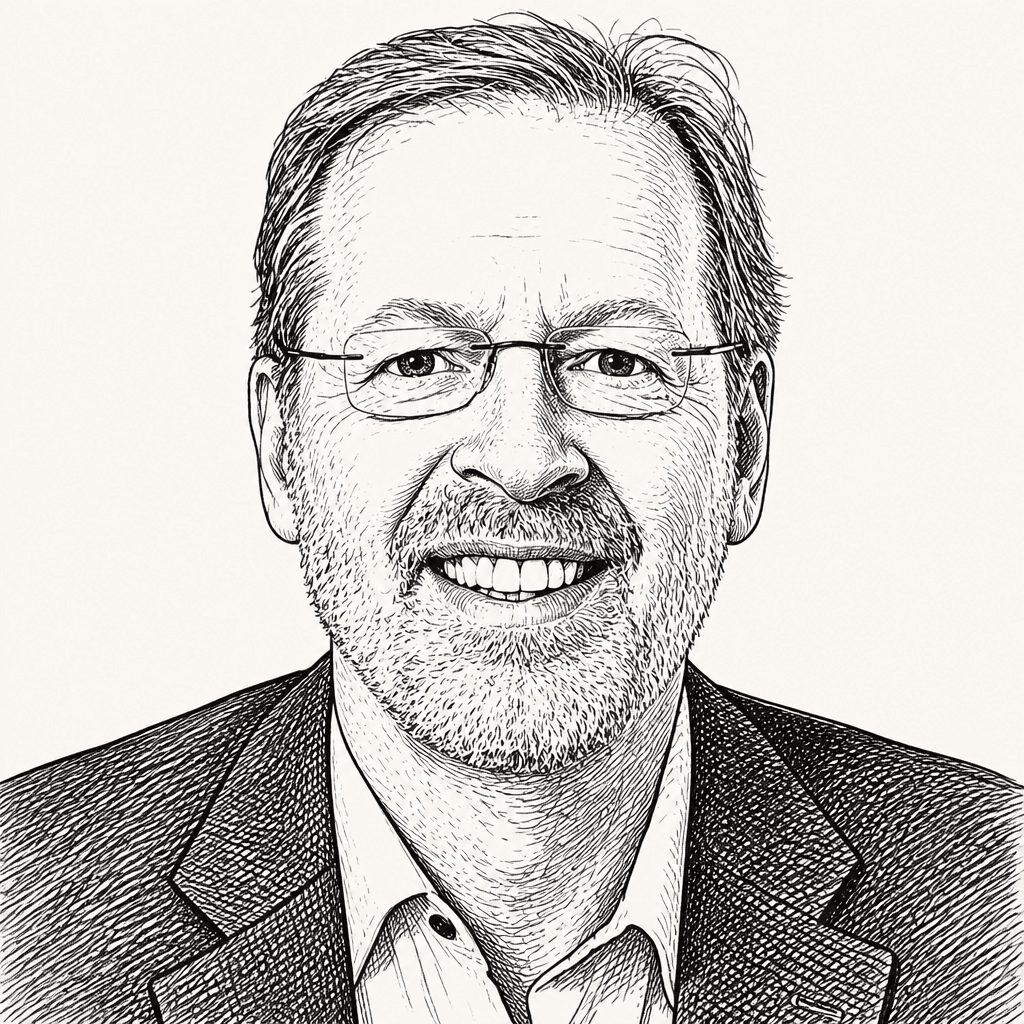 Daniel Porterfield
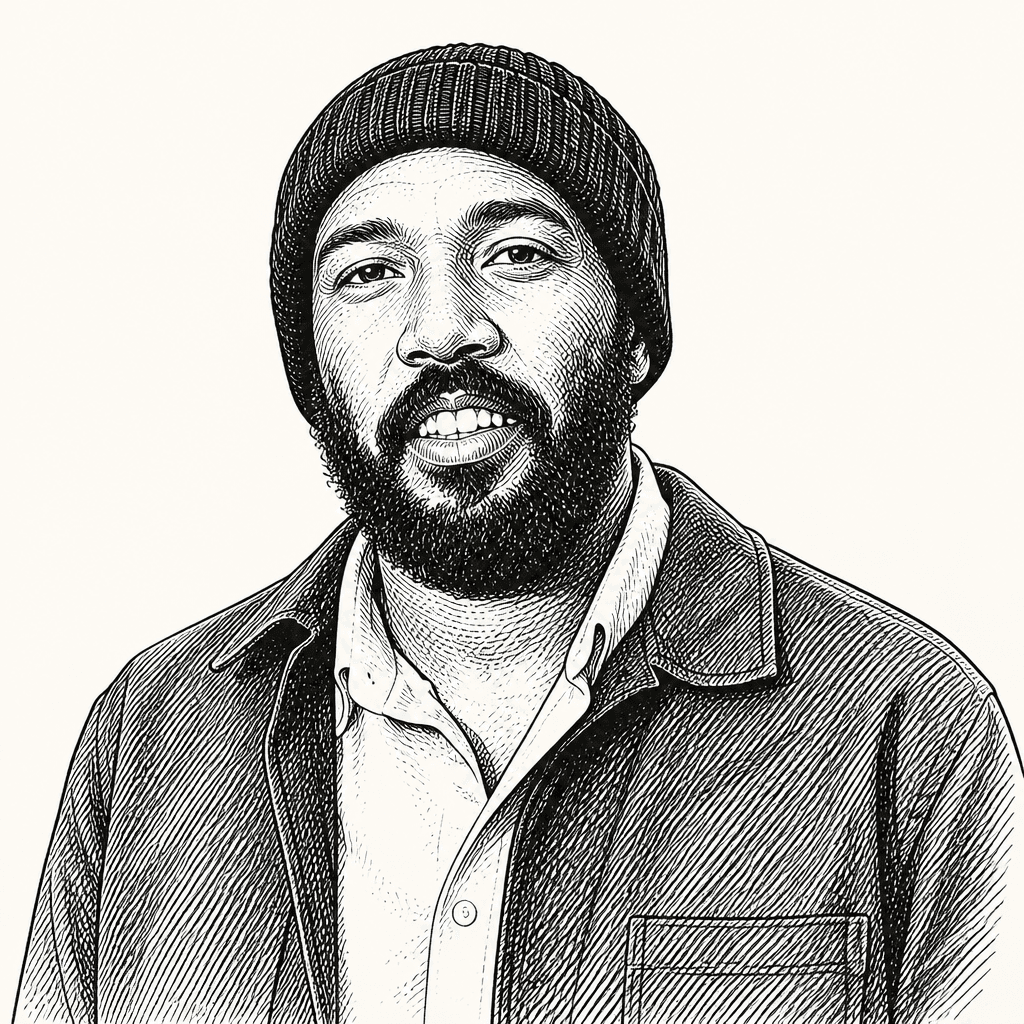 Mazin Sidahmed
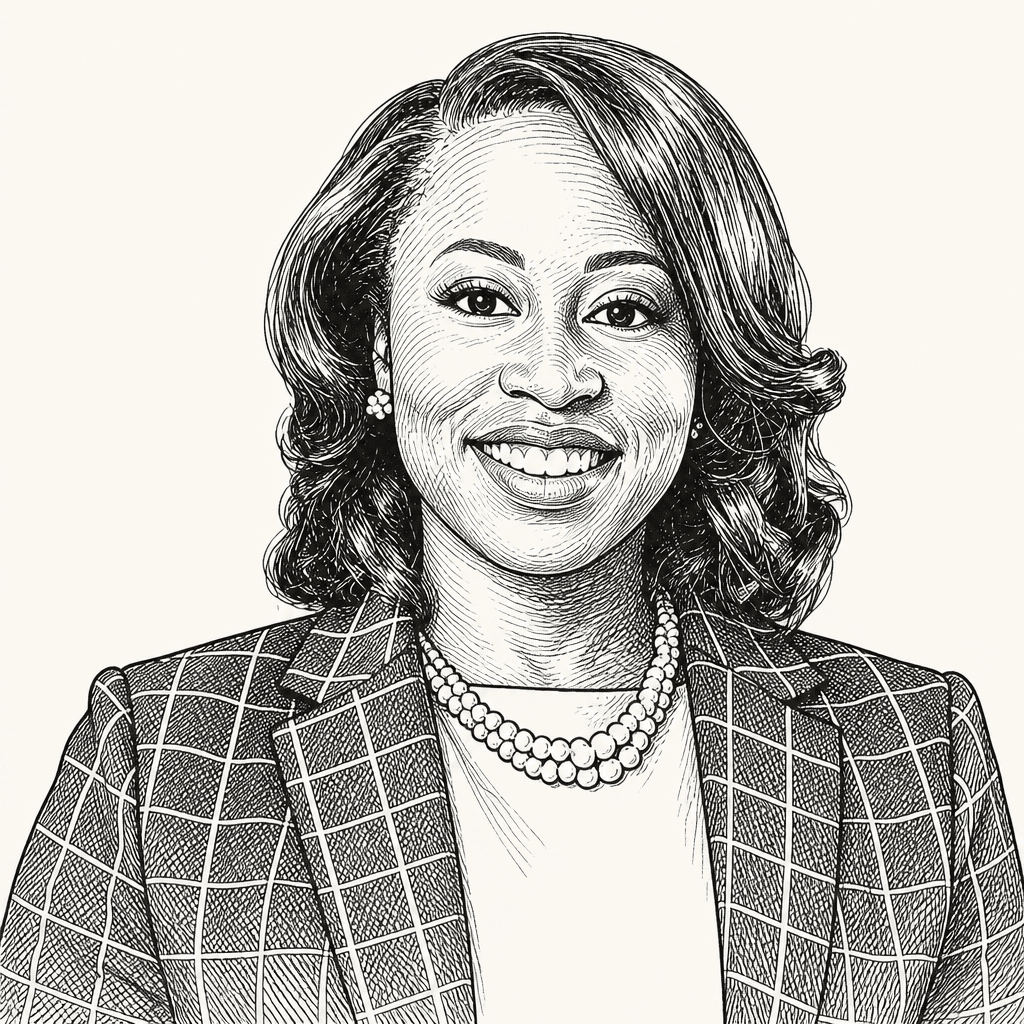 Olajumoke Banjo
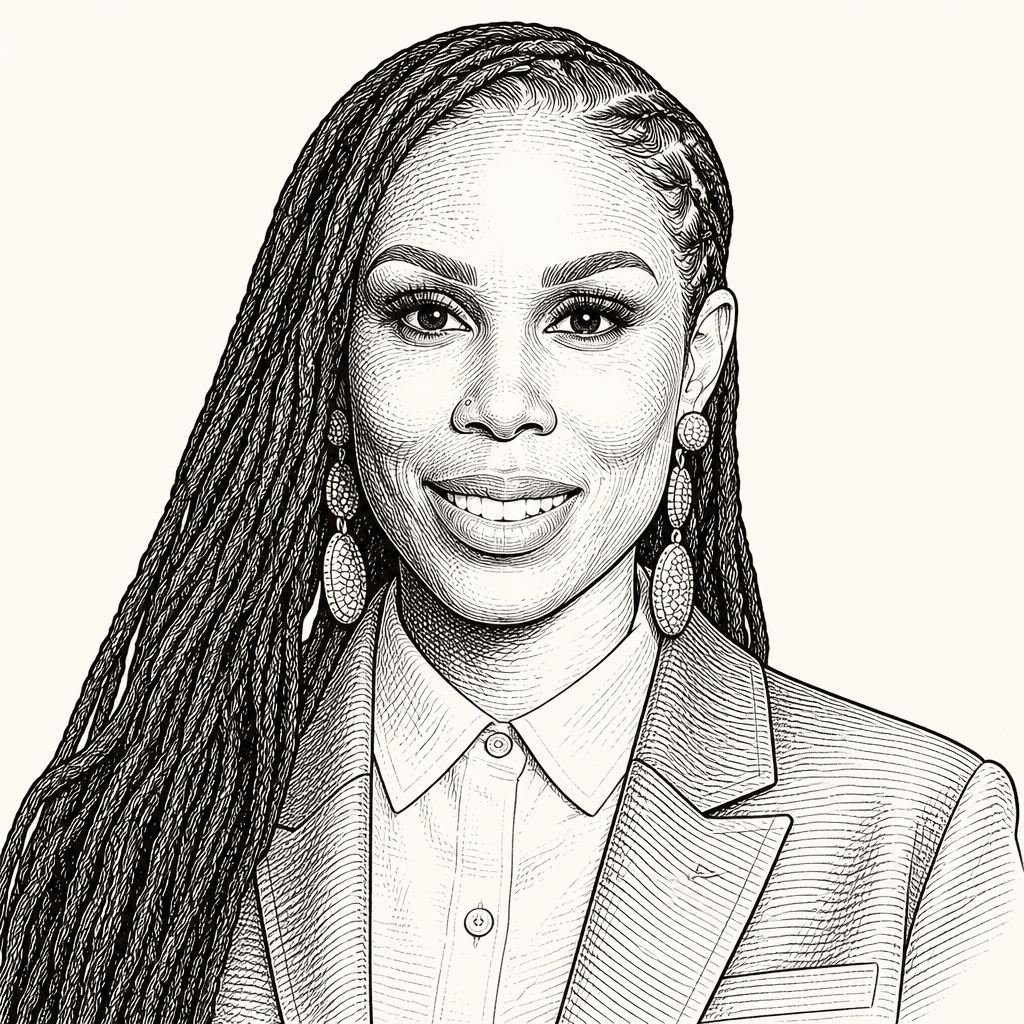 Uché Blackstock
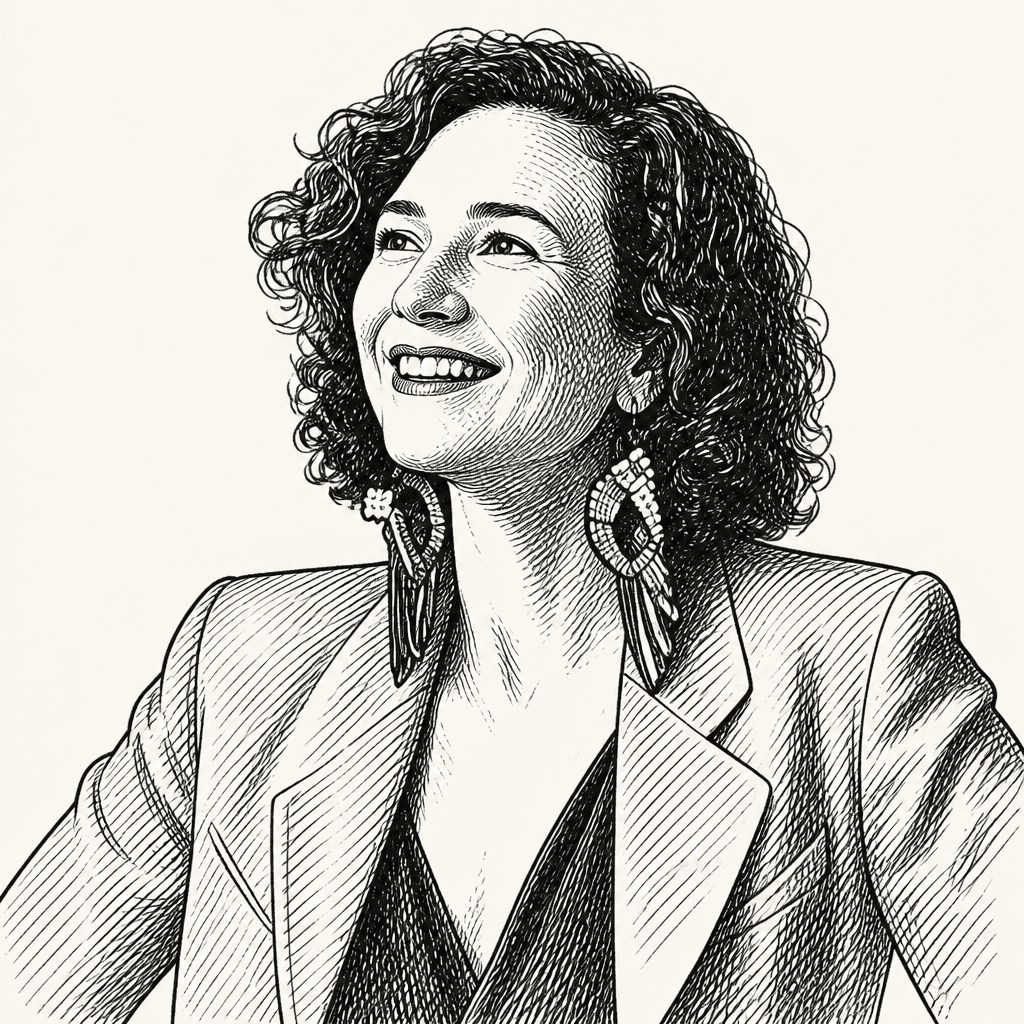 Nellie Catzen
 Jordan Bowman
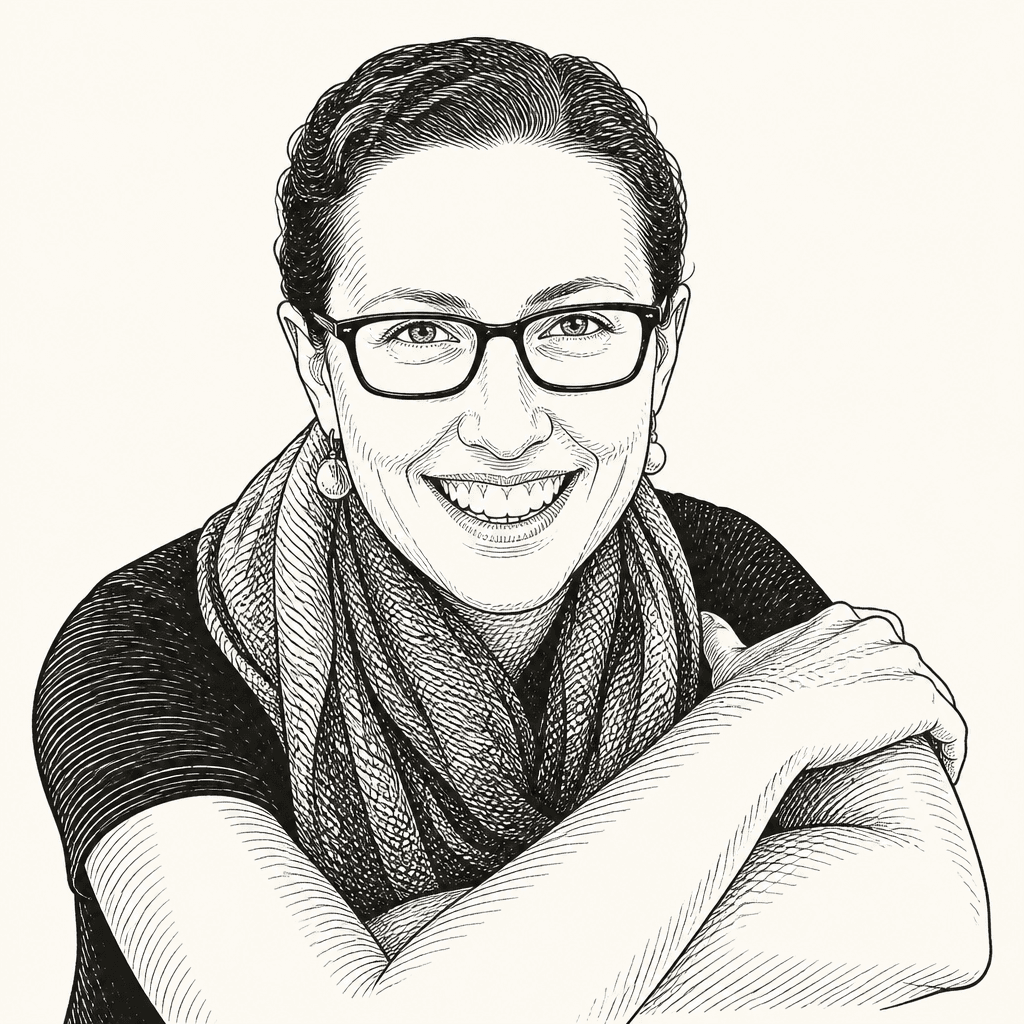 Shoshana Barzel
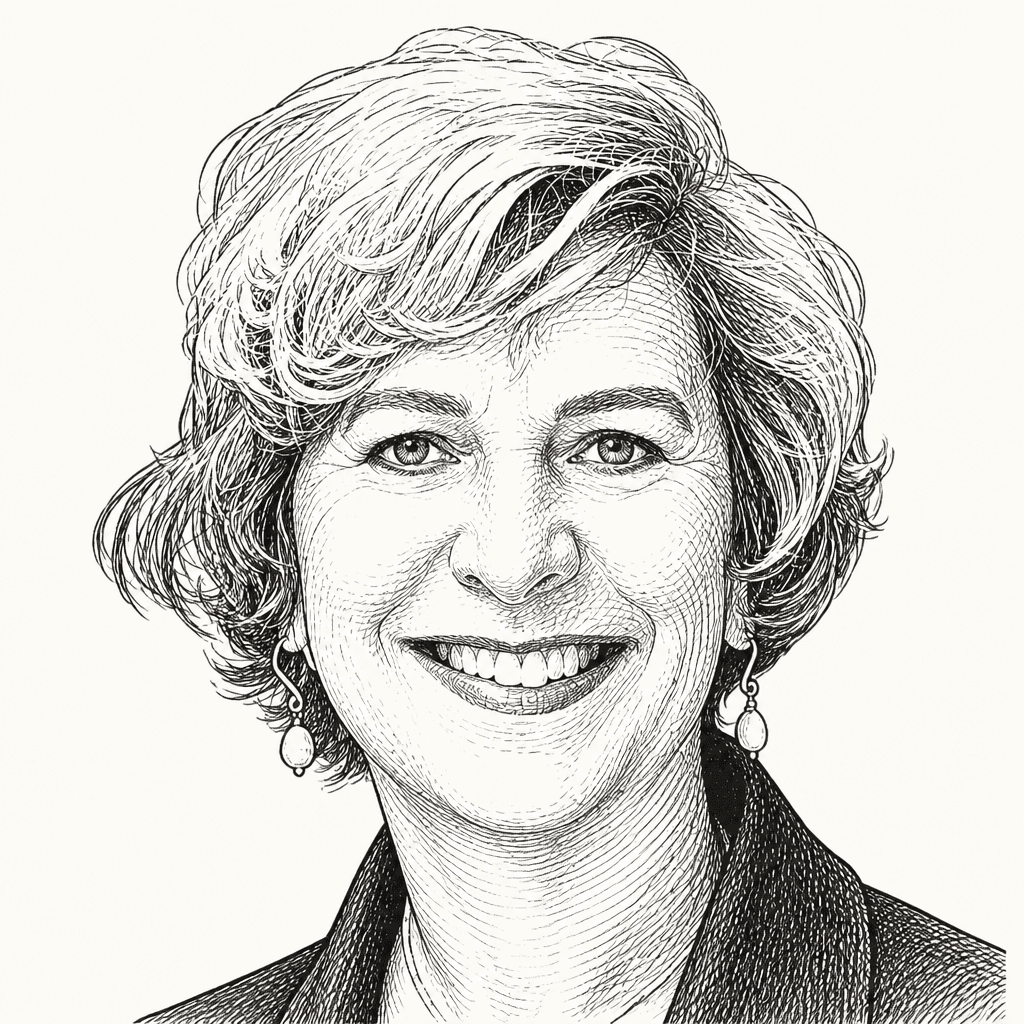 Vivian Schiller
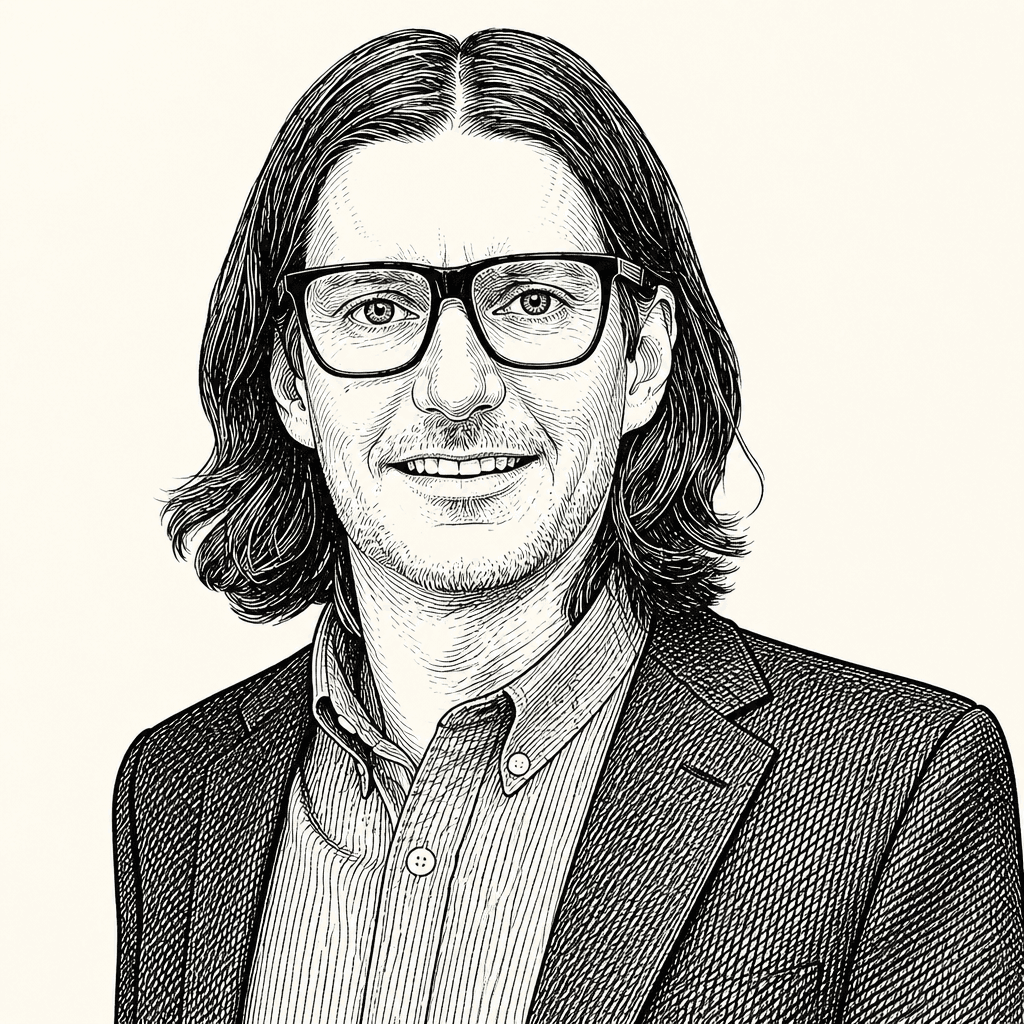 Charlie Brown
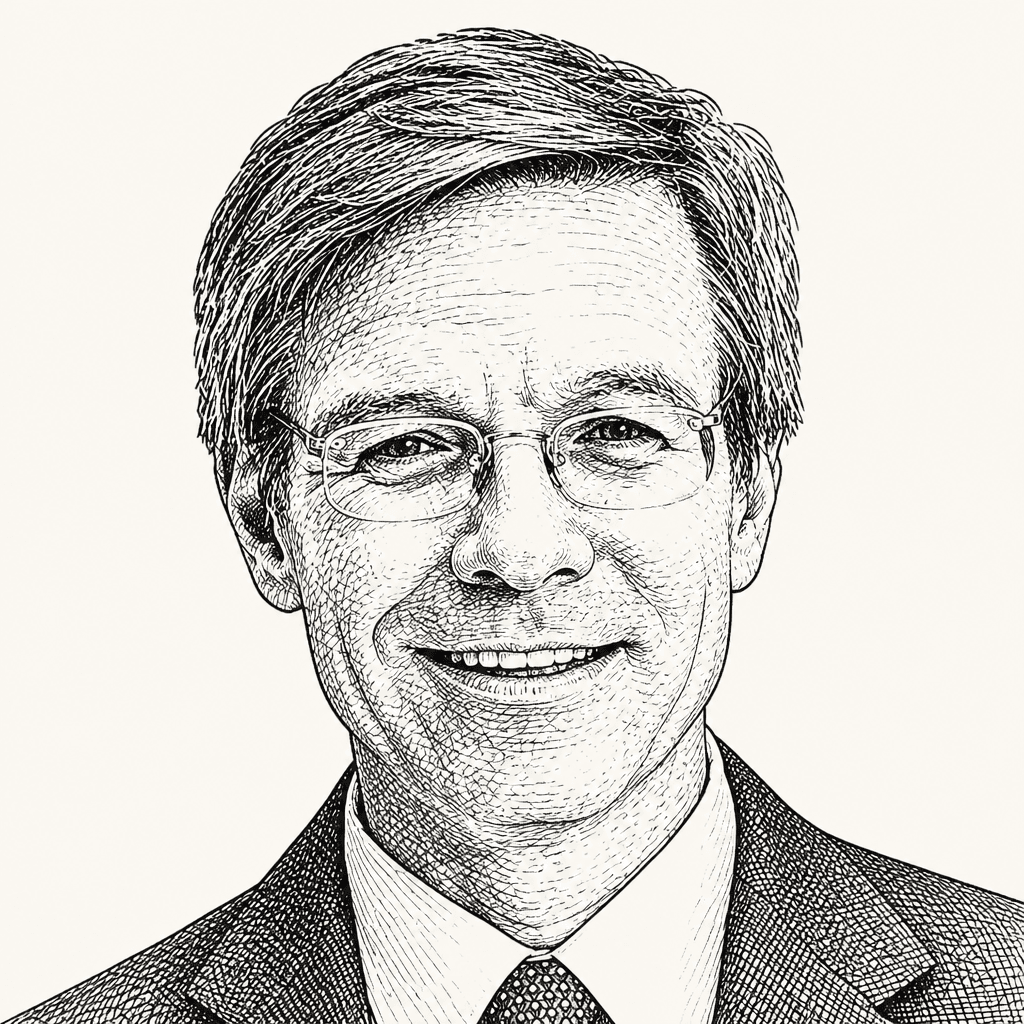 Tom WilsonThe Aspen InstituteTuesday, June 2, 20265 min read
The 2026 Trust in Practice Summit, convened in Chicago by the Alliance for Social Trust with the Aspen Institute and Allstate, presented trust-building as practical local work that requires funding, measurement, institutional listening and community relationships. Speakers including Daniel Porterfield, Tom Wilson and others argued that pluralism and institutional trust depend less on national messaging than on leaders embedded in communities, while the summit’s awards and Trust Map were offered as tools to support that work.
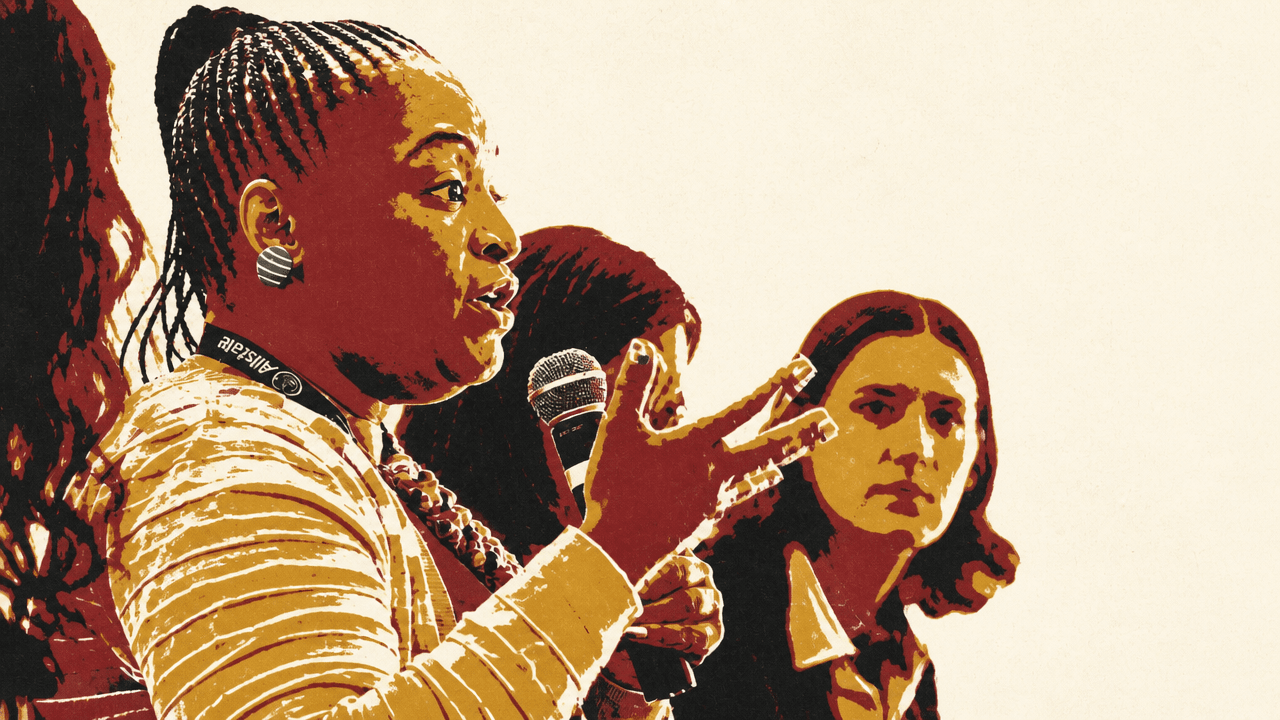
Trust-building was framed through awards, tools, and local work
On May 19 in Chicago, the Trust in Practice Summit brought together more than 250 leaders under the banner of the Alliance for Social Trust, the Aspen Institute, and Allstate. The summit’s practical premise was visible in both the remarks and the room: trust-building was presented as work that needs tools, resources, institutional support, and people with local relationships.
The awards gave that framing a concrete form. The summit announced the 2026 Trust in Practice Awards, supporting 11 nonprofit collaborations across 10 states with awards of $1 million, $500,000, or $100,000 for community-based trust-building.
Olajumoke Banjo described the summit’s second year as a gathering of leaders “here for one purpose”: to keep learning and acquiring the resources they need “to build.” The visible framing around the room reinforced that orientation. One interactive board asked, “How are you building trust?” and prompted attendees to place pins under areas including economic mobility and fair access, media and information integrity, education and youth engagement, and storytelling and narrative change.
How are you building trust?
The board’s language mattered because it treated trust as something organizations do through specific areas of work, not just something they endorse. Vivian Schiller described the program as designed for “the community to share and to learn and to be inspired.” That formulation placed the emphasis on exchange among people and organizations already working in different sectors and communities, rather than on a single prescription delivered from the stage.
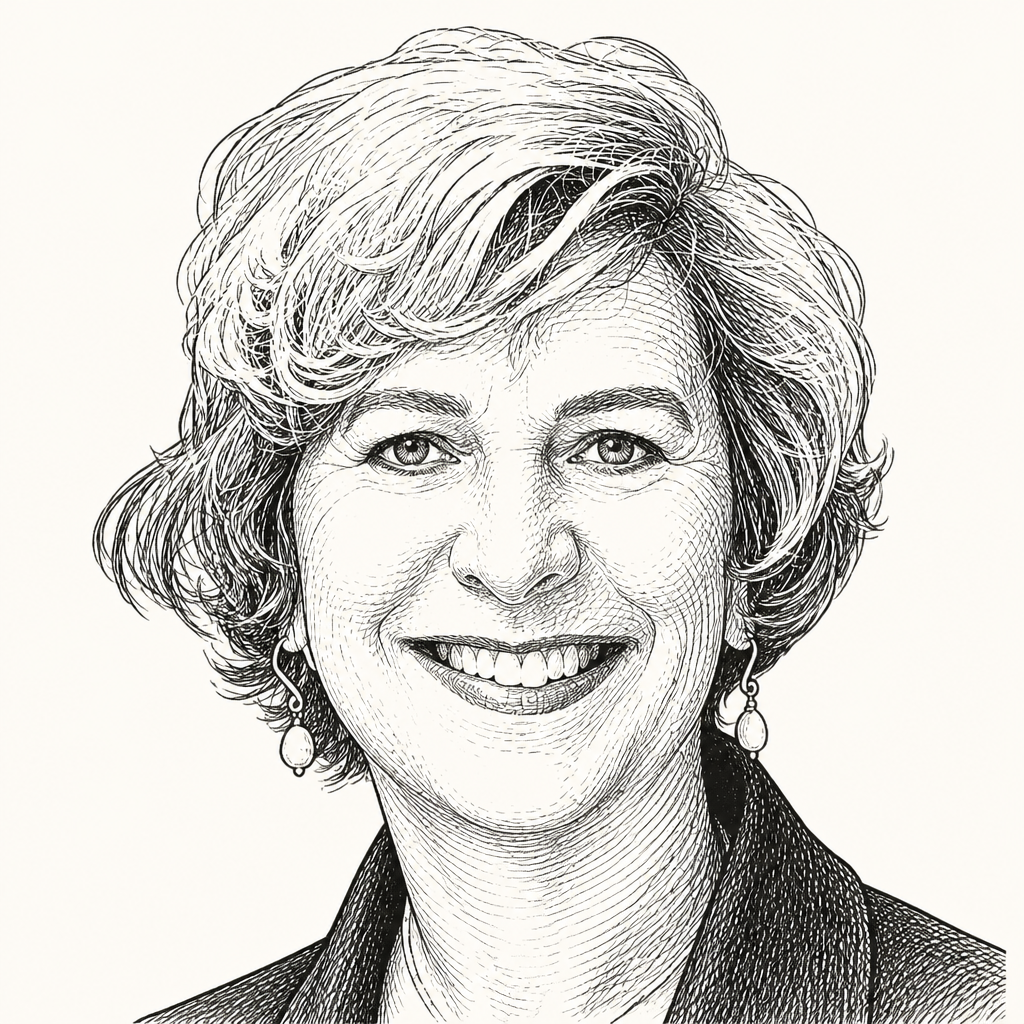
Pluralism was tied to whether people can still see connection
Daniel Porterfield framed the problem at a cultural level. His question was how to mobilize “the belief that we are a coherent, connected culture,” that shared values exist, and that pluralism “has a real purpose.”
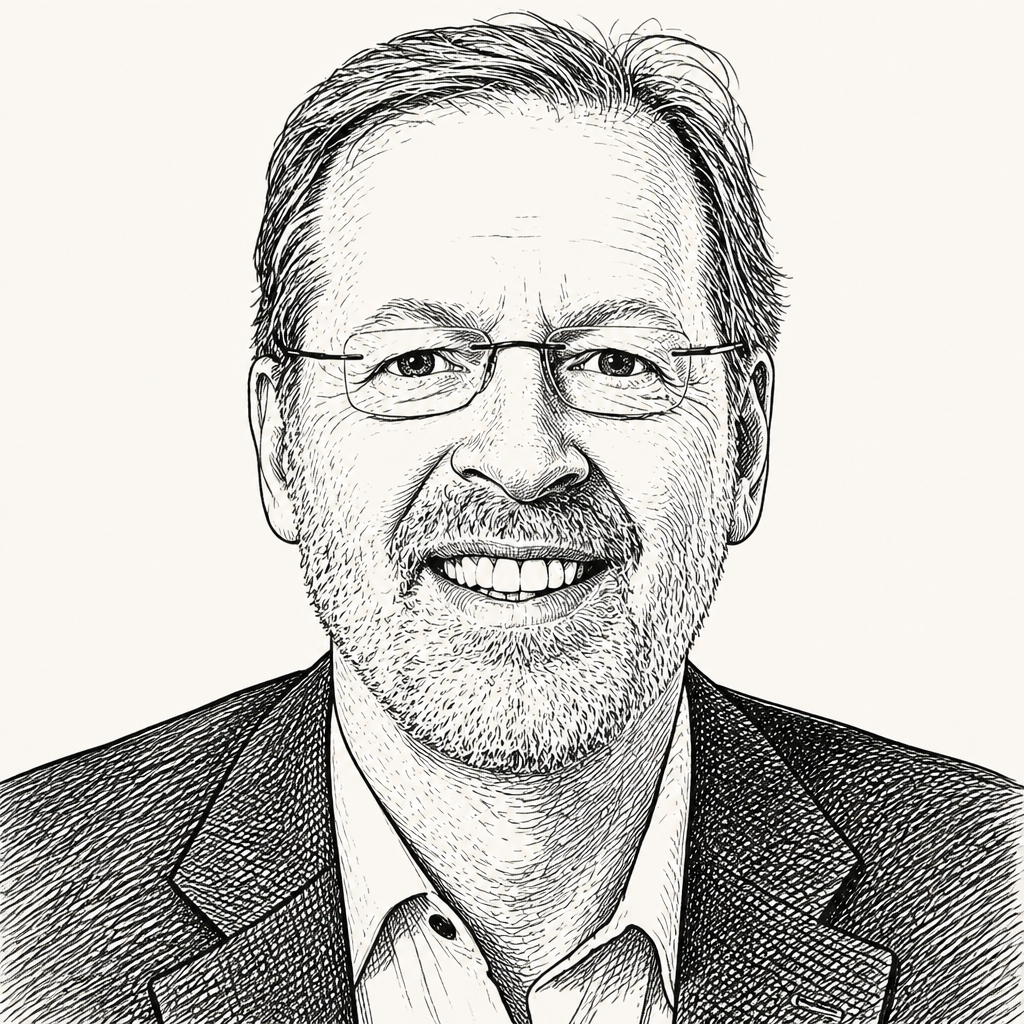
Porterfield’s formulation treated trust as a condition for pluralism to function: people need some sense of shared value without erasing difference. That concern appeared later in more local terms when Charlie Brown contrasted national narratives about division with community-level problem-solving. The through-line was not that trust is solved by national messaging, but that pluralism needs lived evidence of connection.
Tom Wilson spoke to the people in the room as capable of acting on that problem. He called the gathering “an amazingly talented group of leaders” with the expertise and resources needed “to build a better future.” Later, he located the source of momentum in the same audience.
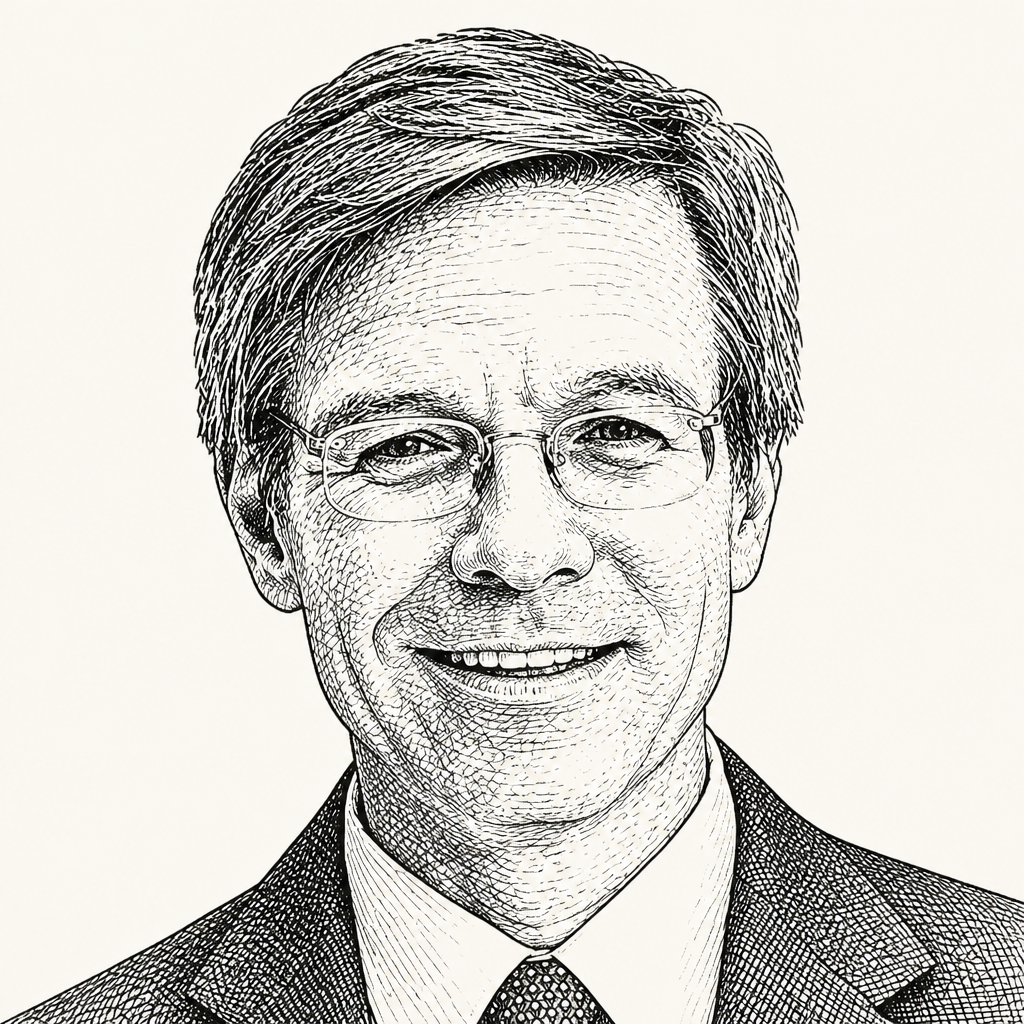
There’s hope and momentum to turn this around. And that hope is you. It’s your leadership, your lived experience, your day-to-day work in the communities.
Wilson’s framing placed the work with people who already have proximity to local problems and relationships. In his account, trust is rebuilt through leaders embedded in communities, not through messaging alone.
Measurement and listening made trust more actionable
One of the most concrete tools named was the Trust Map. Mazin Sidahmed said learning about the map, and about how trust can be measured “at such a micro level,” could be “incredibly transformative.” His emphasis was on measurement as a way to see where trust is, not merely to invoke it as a value.
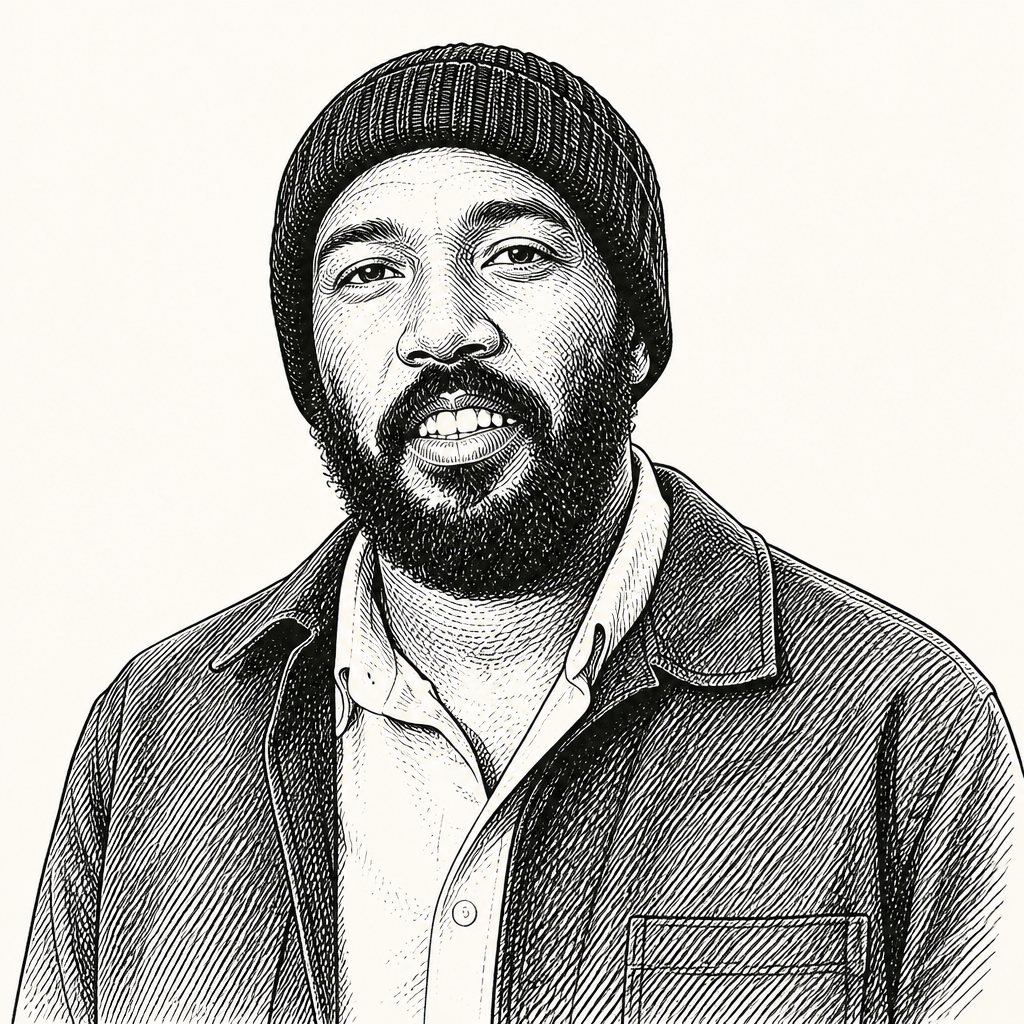
Sidahmed’s remark made measurement part of the summit’s practical vocabulary: trust-building was connected to the ability to locate trust at a granular level.
Nellie Catzen connected that posture to institutional listening. She said she was heartened by a process in which “several institutions” were coming together to listen to local leaders and understand “why and how trust moves in our communities.” That phrase — how trust moves — treated trust as something dynamic, shaped through local relationships, institutions, experience, and action.
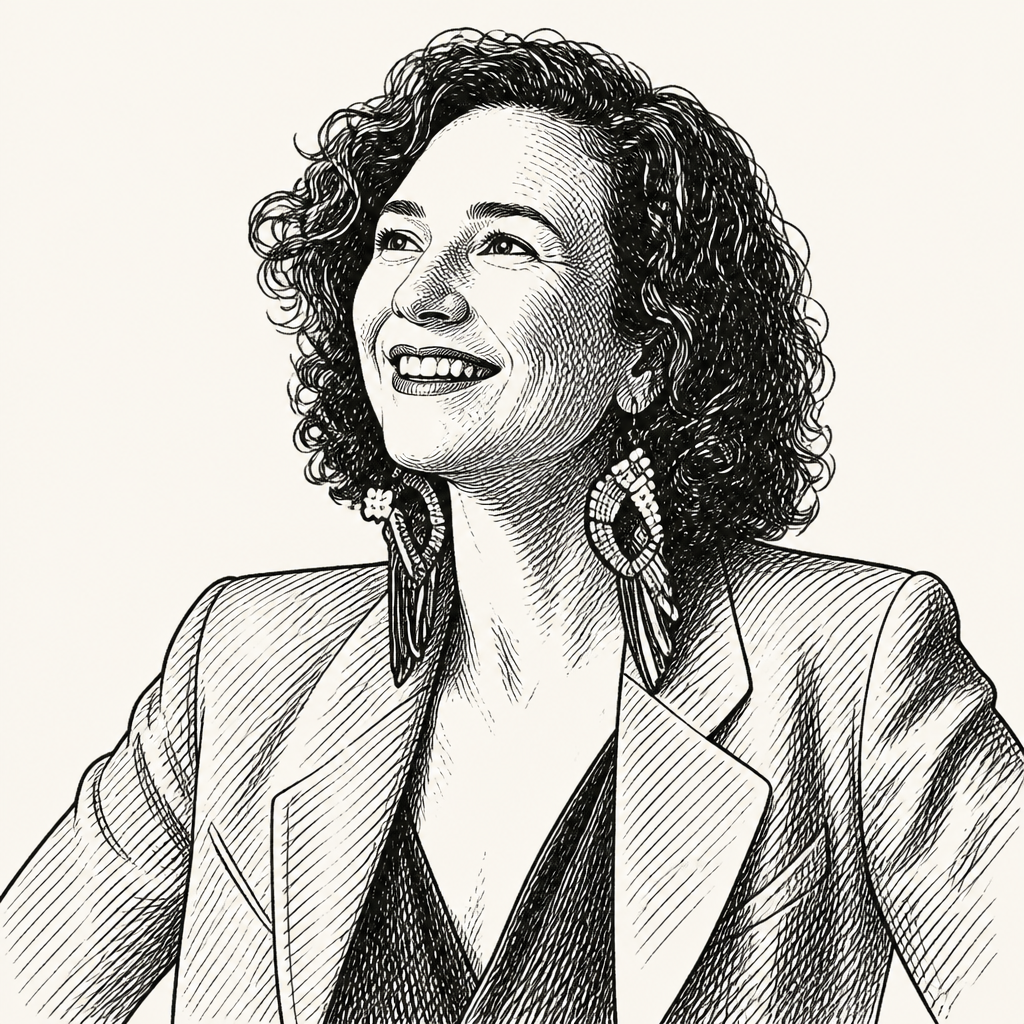
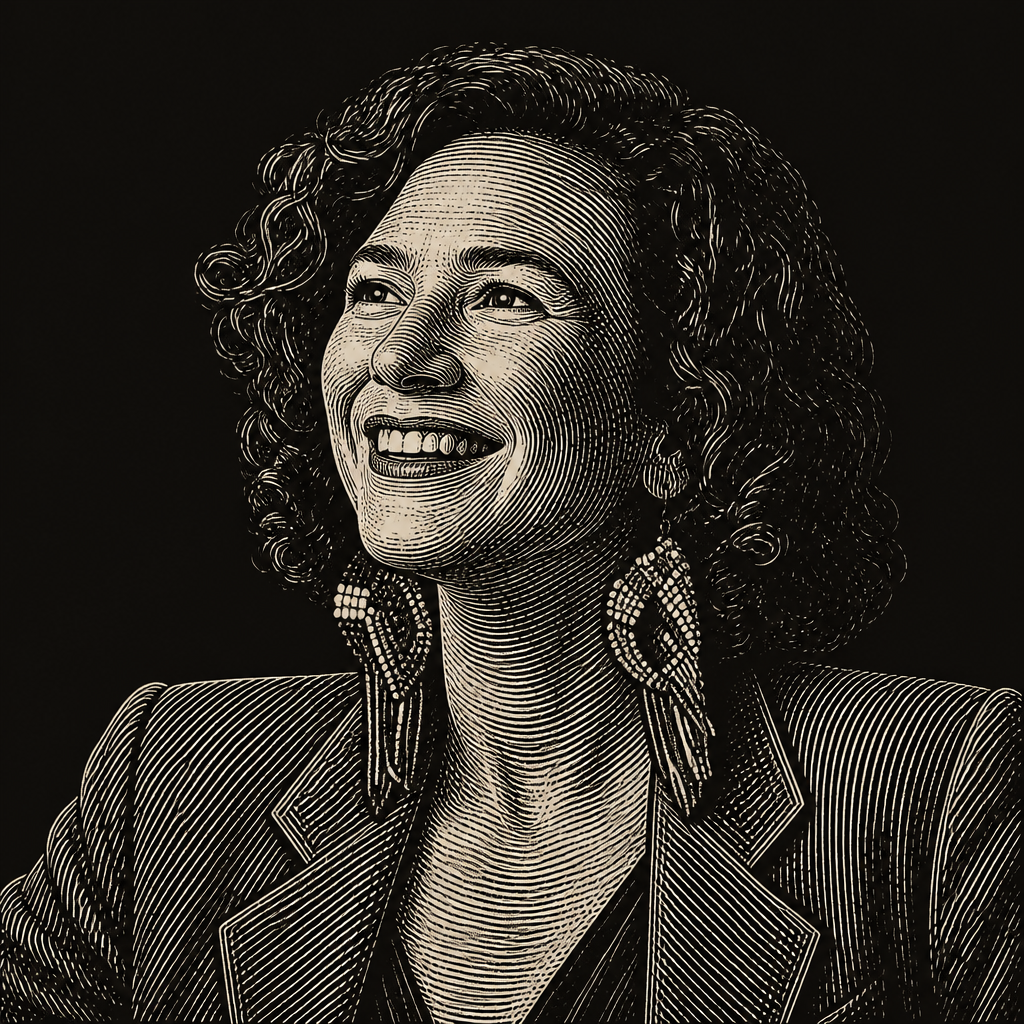
The combined emphasis was not simply that trust should be measured, or simply that institutions should listen. The useful claim was narrower and more practical: community leaders need tools that help them understand local conditions, and institutions need to pay attention to the people who can explain how trust is gained, lost, and moved in specific places.
Local practice was presented as the visible site of repair
Several speakers contrasted broad distrust or national fragmentation with the work of local communities. A speaker identified on screen as Dr. Uché Catzen, founder and CEO of Advancing Health Equity, said people are struggling with how to engender trust with communities, but are willing to work together and learn best practices from others. She said the convening helped participants leave “with the tools” to make a difference.
Jordan Bowman described the desired pathway in interpersonal terms. His hope was that as people become “better neighbors” and begin to “see the humanity in each other,” each person would start to trust the systems they are part of. That statement linked institutional trust to relational trust: systems become more trustable when people experience one another differently inside them.
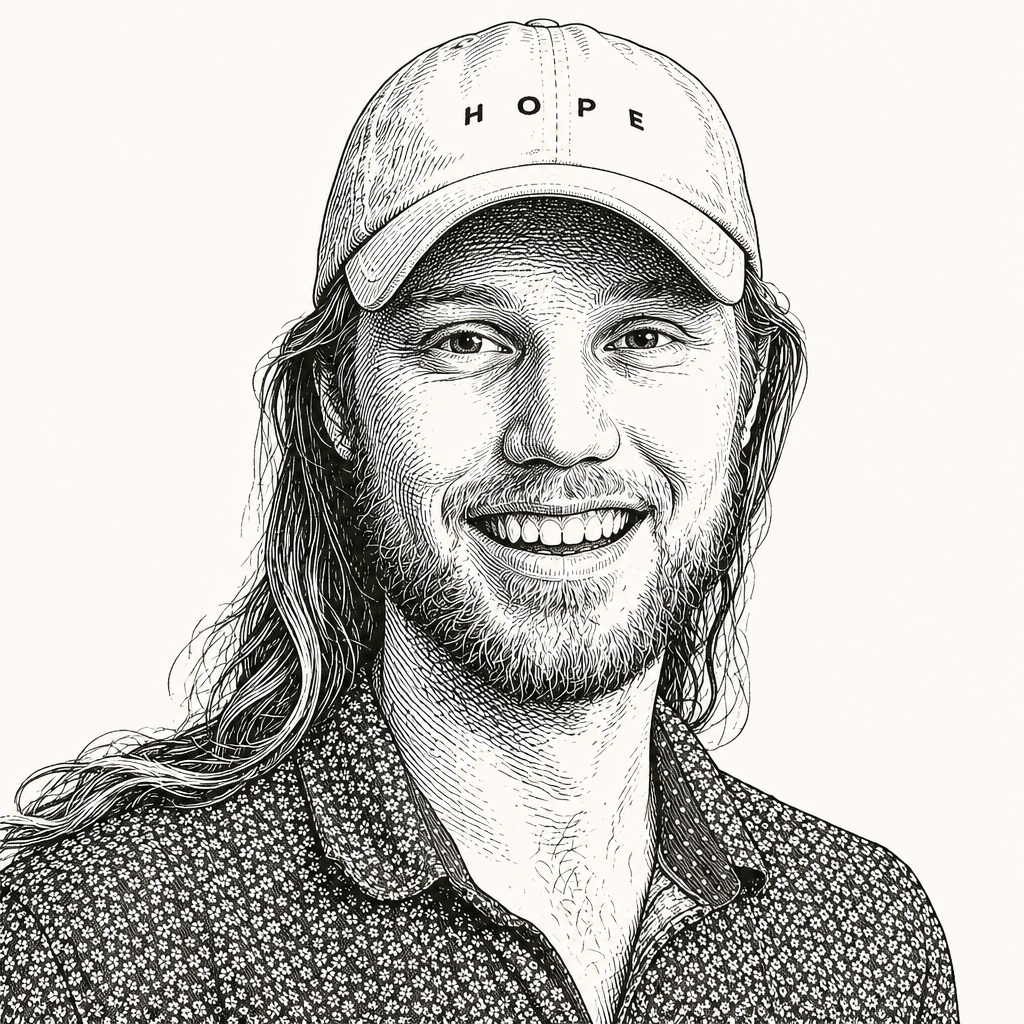
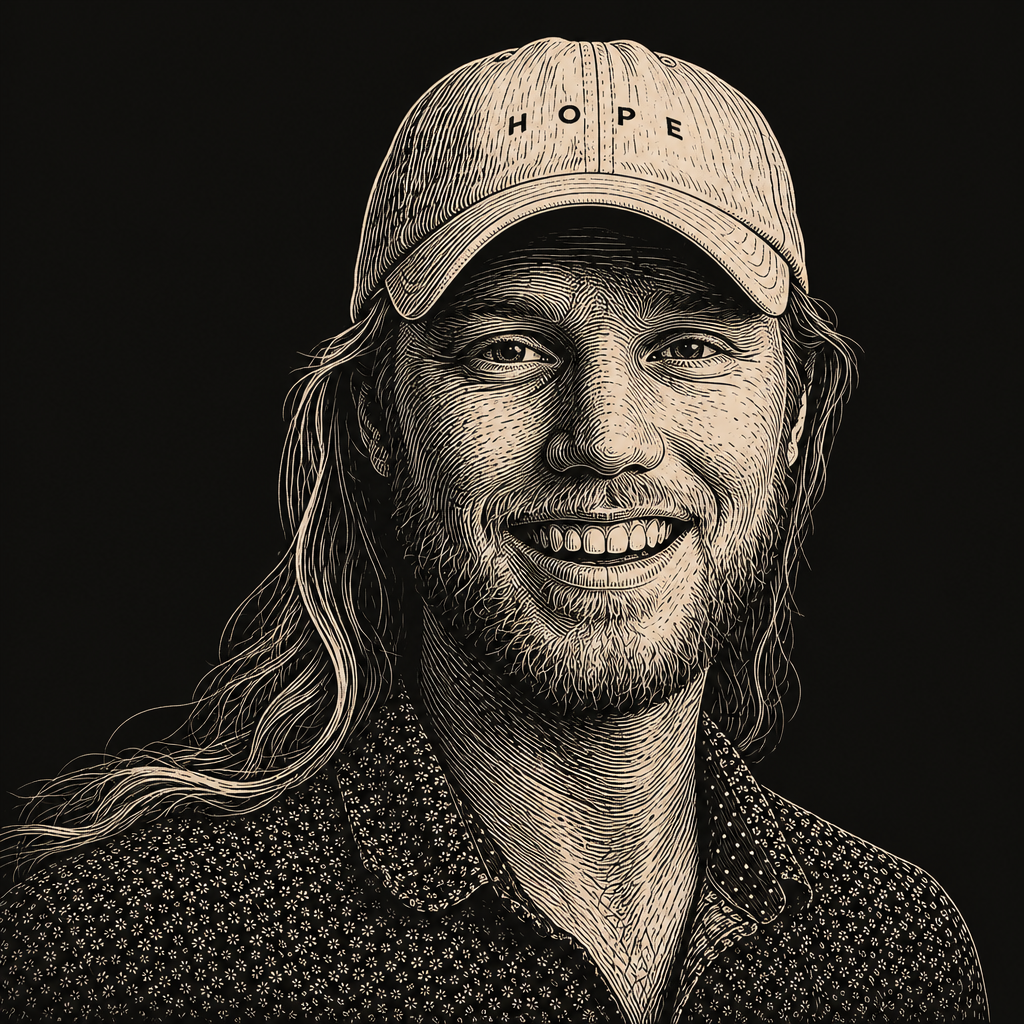
Shoshana Barzel focused on the value of seeing beyond one’s own organization or immediate partners. She said organizations often function in “our little bubble,” while the same work is happening across the country. For her, the inspiration came from recognizing that local or organizational trust-building is part of a wider pattern rather than an isolated project.
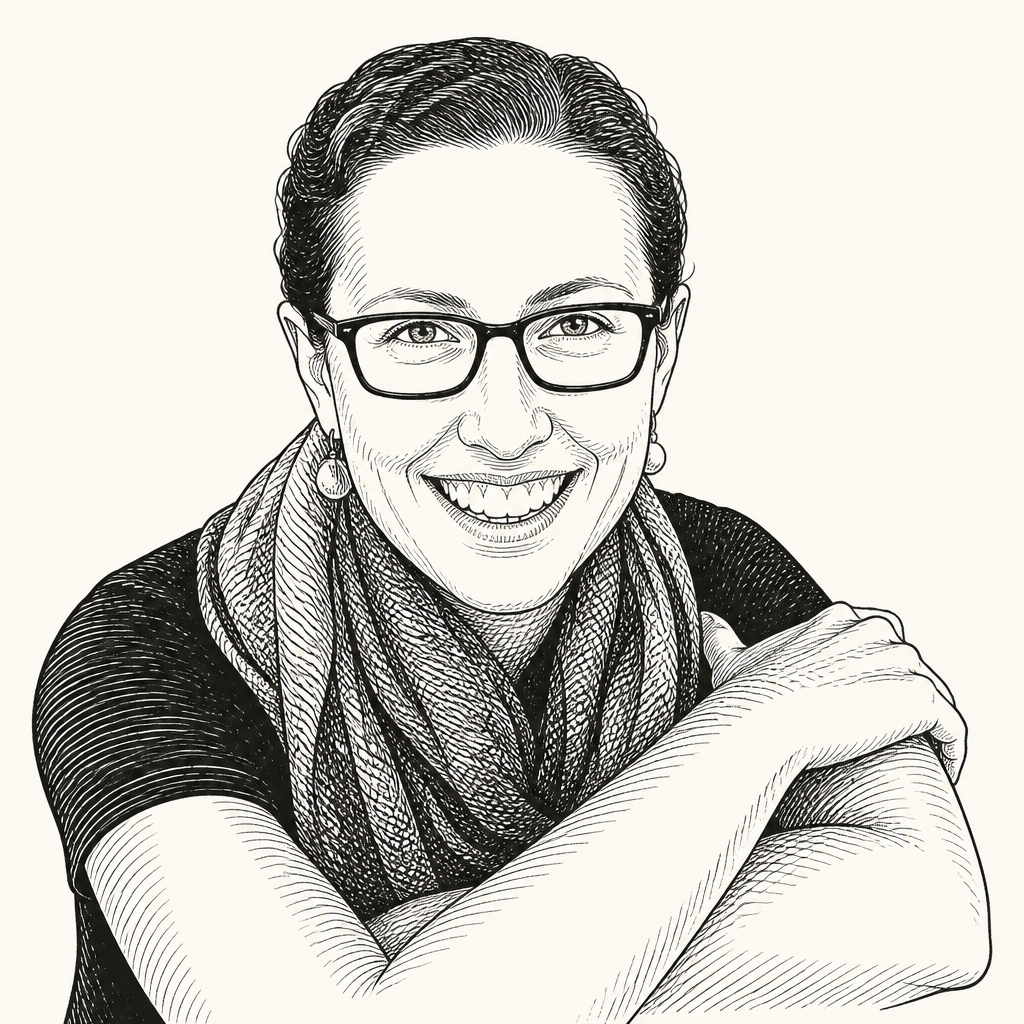
Charlie Brown sharpened the contrast between national narrative and local practice. National narratives, he said, often highlight challenges or differences. But when one enters a local community, “what you find is people working together” to solve the problems affecting their day-to-day life. He called that the future of trust-building.
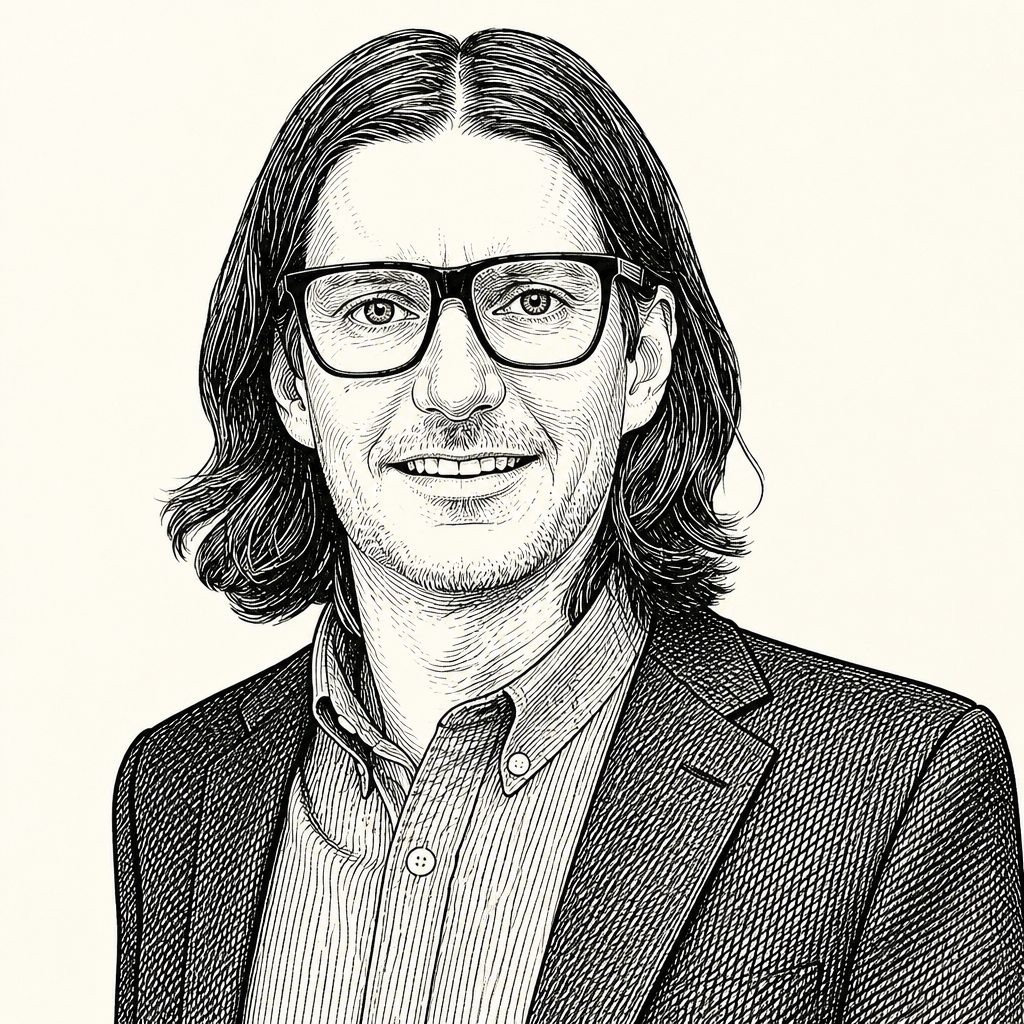
The recurring claim across these remarks was that trust is rebuilt through practical cooperation on problems people recognize in daily life. The local setting mattered because it is where differences become specific, relationships become visible, and shared work can be observed.