SpaceX, Anthropic, and Iran Test the Case Against Centralized Power
 Jason Calacanis
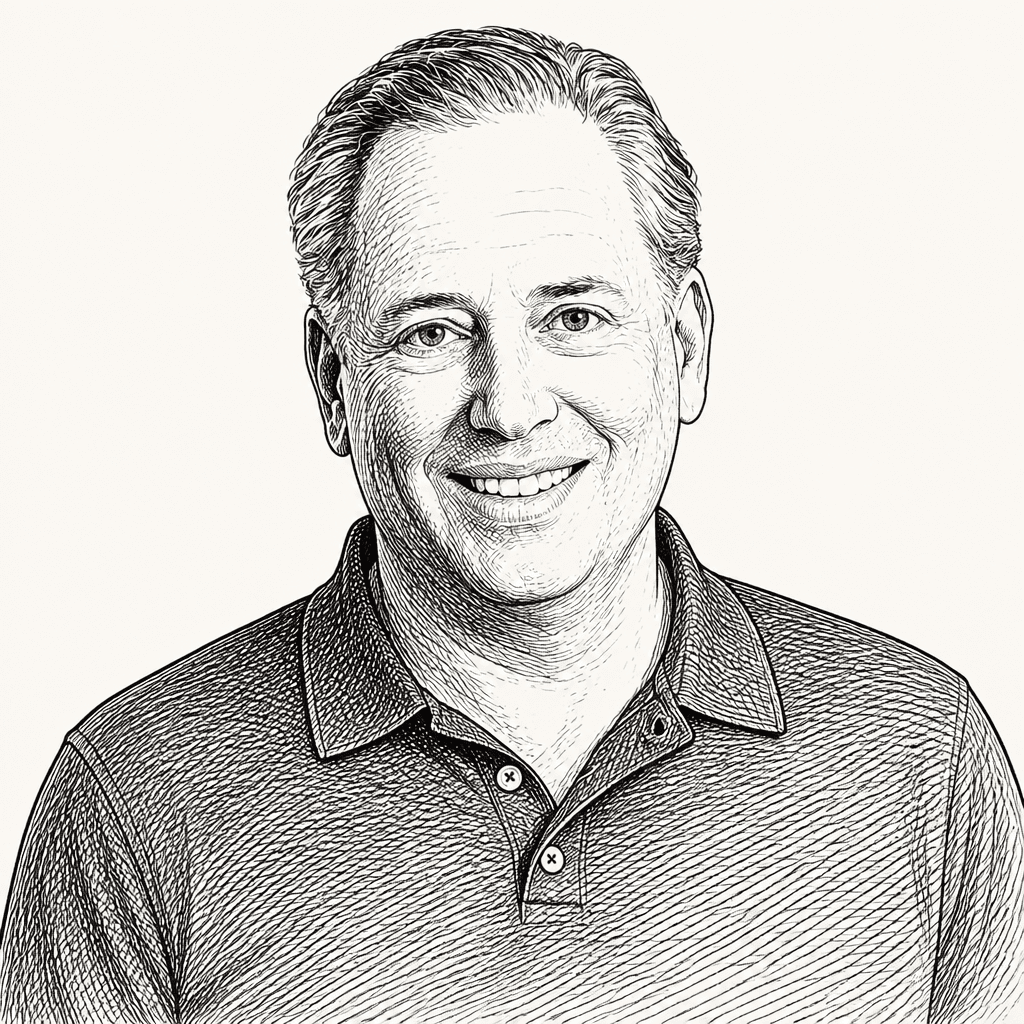 David Sacks
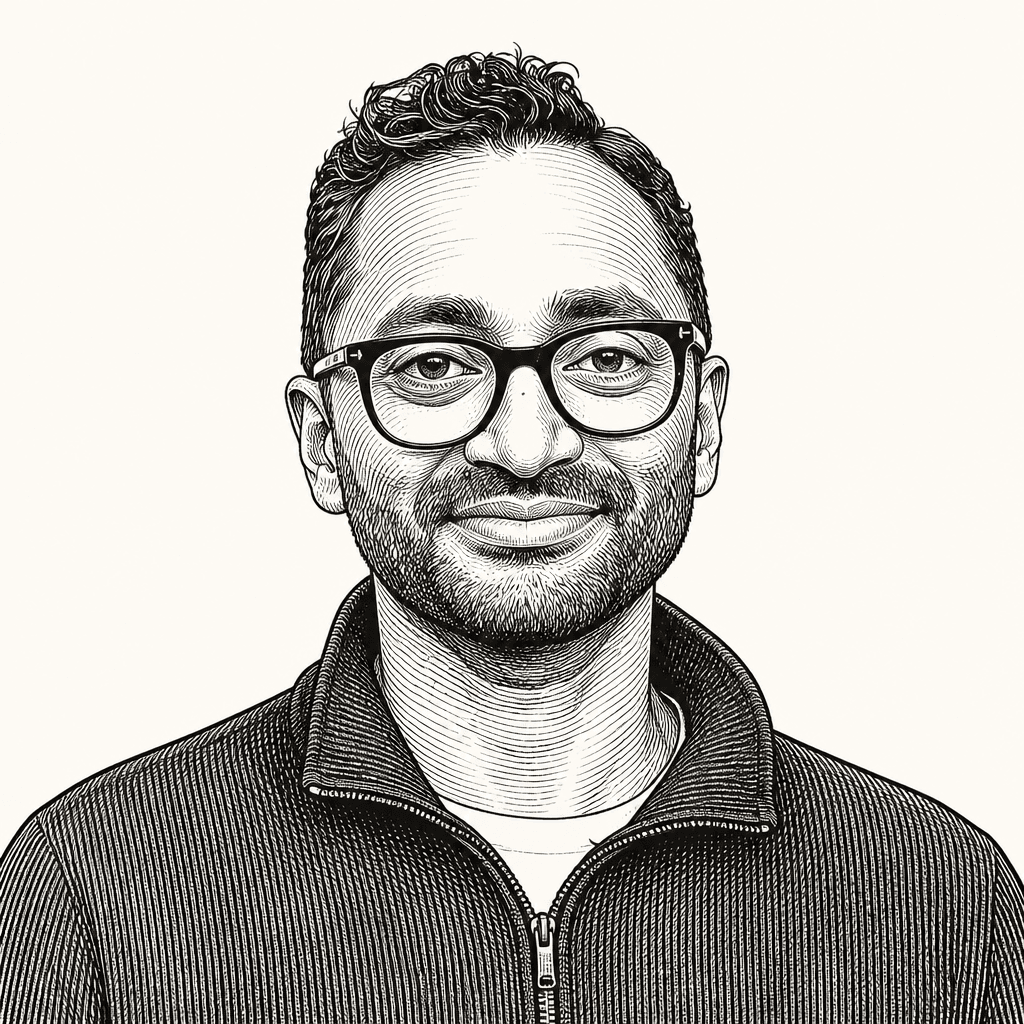 Chamath Palihapitiya
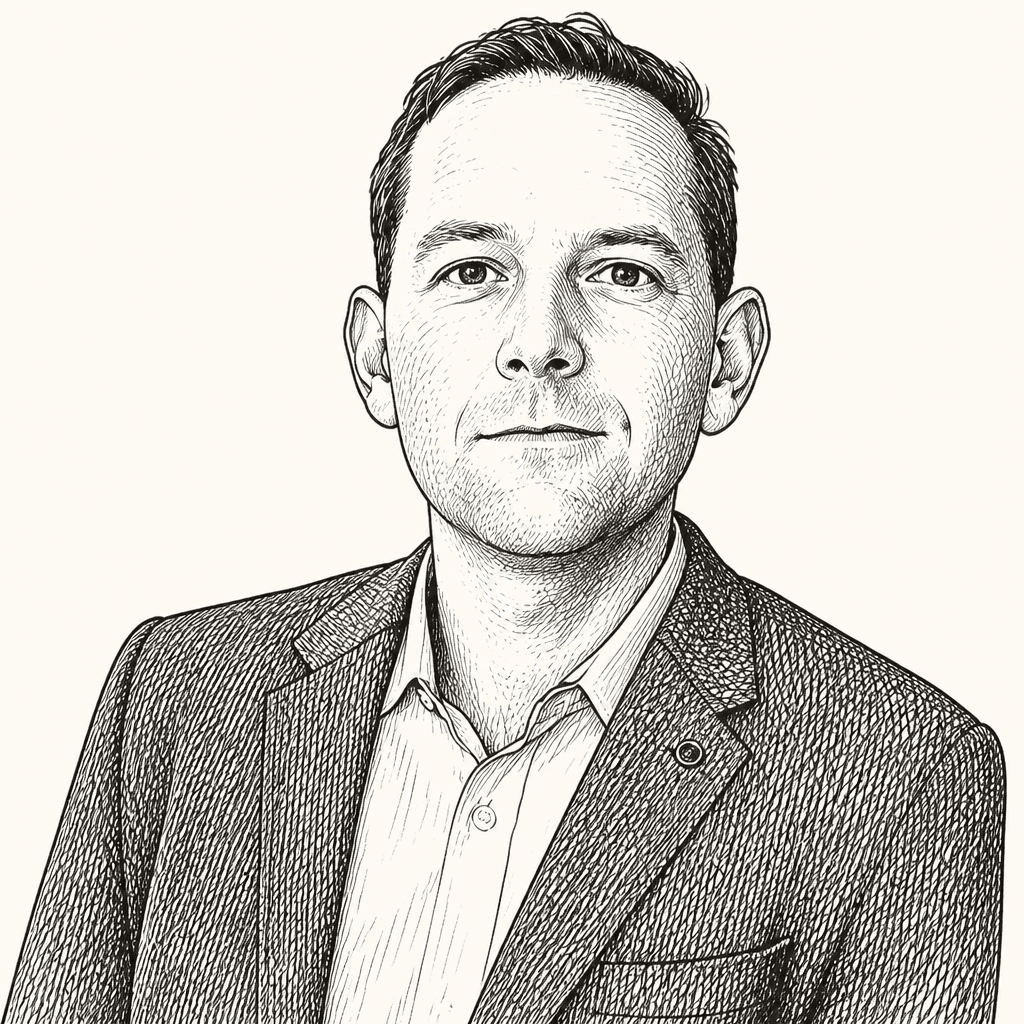 David FriedbergAll-In PodcastFriday, June 19, 202622 min read
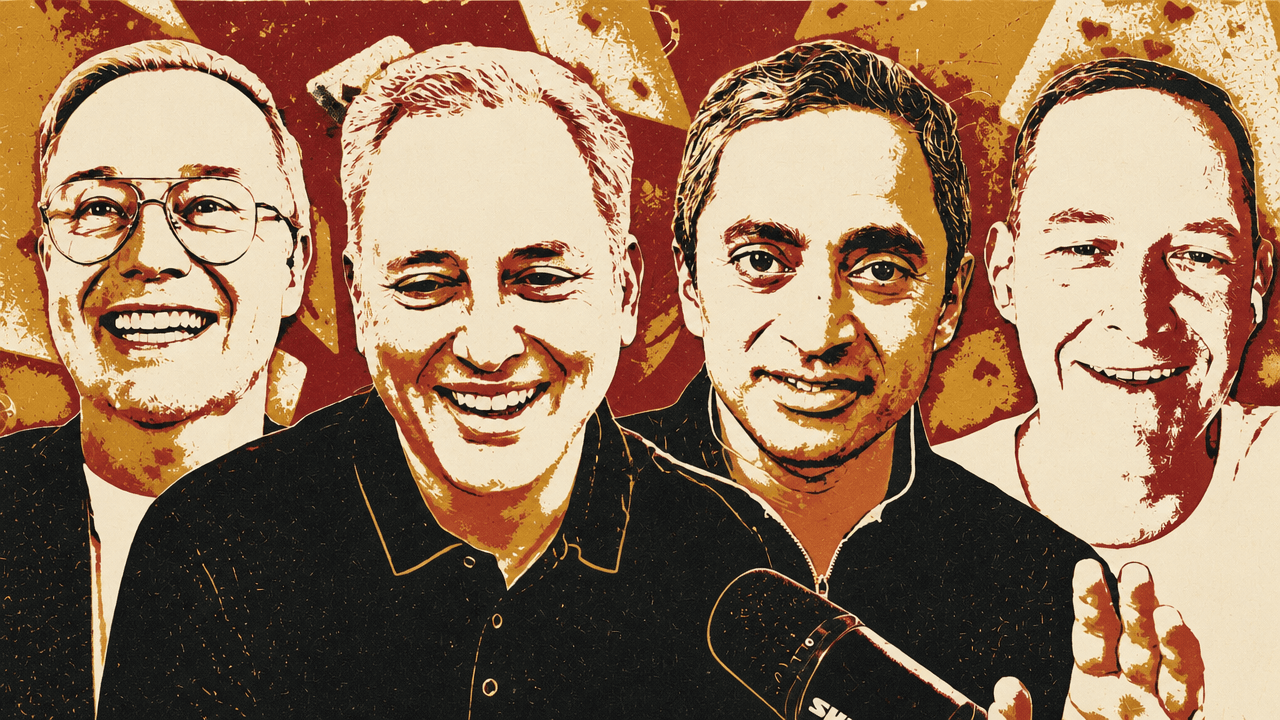
The All-In panel uses a week of fights over welfare, SpaceX, Anthropic and Iran to argue over who should hold power when risk is high: markets and individuals, or political and corporate gatekeepers. David Friedberg, David Sacks and Chamath Palihapitiya cast much of the discussion as a warning against centralization, from benefit systems that can weaken agency to AI safety regimes that could hand control to governments and hyperscalers. Jason Calacanis shares parts of that concern but presses the practical tensions, especially in the Anthropic dispute and in Trump’s Iran memorandum, where he questions whether the war that produced a possible deal was necessary.
The argument is about who gets to decide
The same line ran through the arguments over welfare, SpaceX’s IPO, Anthropic’s Fable shutdown, and the Iran memorandum: whether centralized authority protects people from danger and unfairness, or whether it erodes the agency that lets people move, build, own, and adapt.
David Friedberg put the domestic version in stark terms. He said the United States is watching “the great American politburo” form, with “new oligarchs” taking seats and deciding the flow of the economy, the allocation of capital, the work people are permitted to do, and the use of private assets. He named Elizabeth Warren, Bernie Sanders, and Ro Khanna as examples of the political class he believes is consolidating control under the language of fairness, justice, and equity.
Friedberg’s claim was not simply that progressive politicians favor higher taxes or more public services. It was that promises of free education, childcare, food, income, and other benefits can trade short-term security for long-term dependence. The United States’ distinctive advantage, he argued, is economic mobility: the ability to educate yourself, make money, accumulate assets, and move from dependence on wages toward ownership. When the government gives people jobs or money, in his view, it does not increase mobility; it makes them “indentured to the government.”
Jason Calacanis called that condition “learned helplessness.” He described the psychological idea in practical terms: people exposed first to unsolvable problems may later fail to solve easy ones, internalize failure, become depressed, and lose confidence in their ability to act. His policy implication was that indefinite support can become destructive if it does not help people build agency. He linked the dynamic to unemployment, alcoholism, and the need to give people a path toward increasingly difficult but solvable problems.
Chamath Palihapitiya made the argument personal. He said he grew up on welfare in Canada, in a family of five, with annual benefits around $17,000 to $19,000 at the time. His mother worked first as a housekeeper and later as a nurse’s aide, making roughly $8 to $10 an hour. His father struggled to find work and cycled, as Palihapitiya described it, between drinking and not working. Palihapitiya said he would have expected benefits at that level to push someone to take any available job, but his father did not.
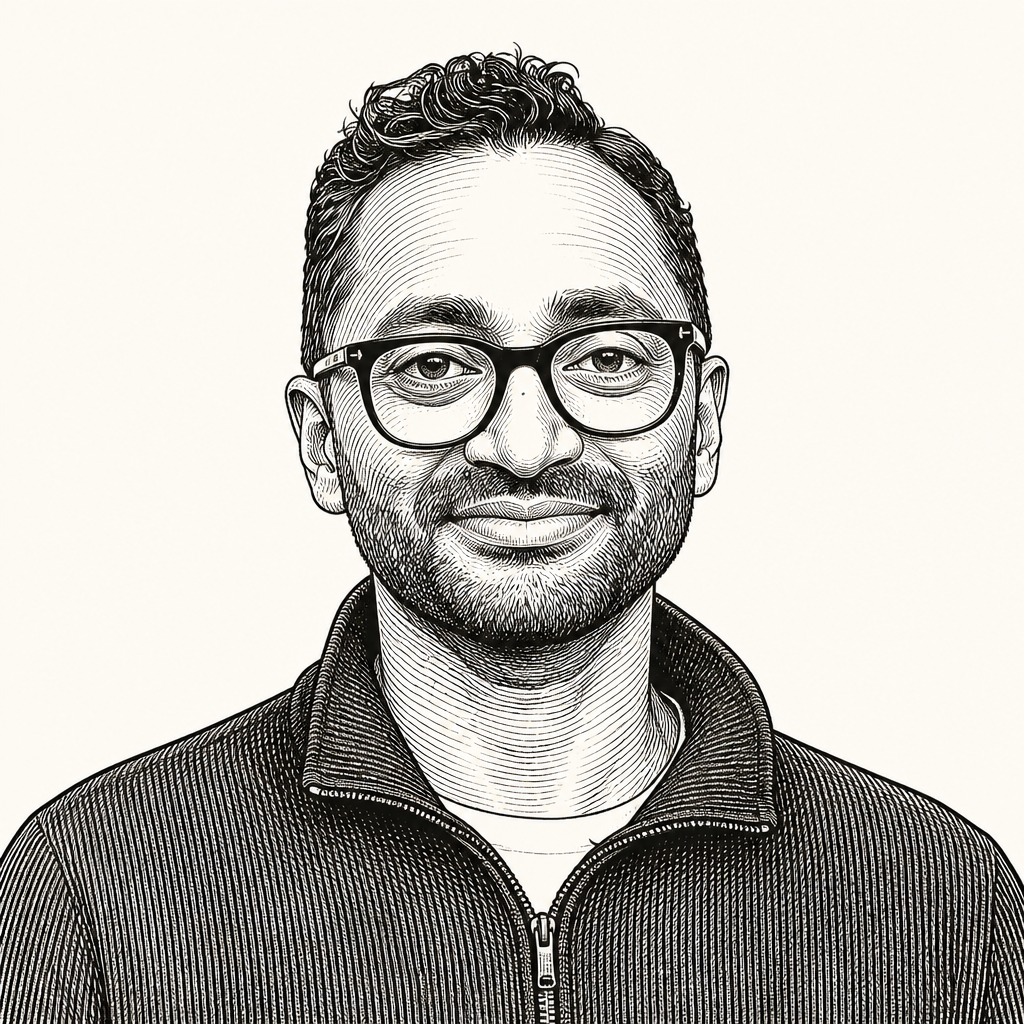
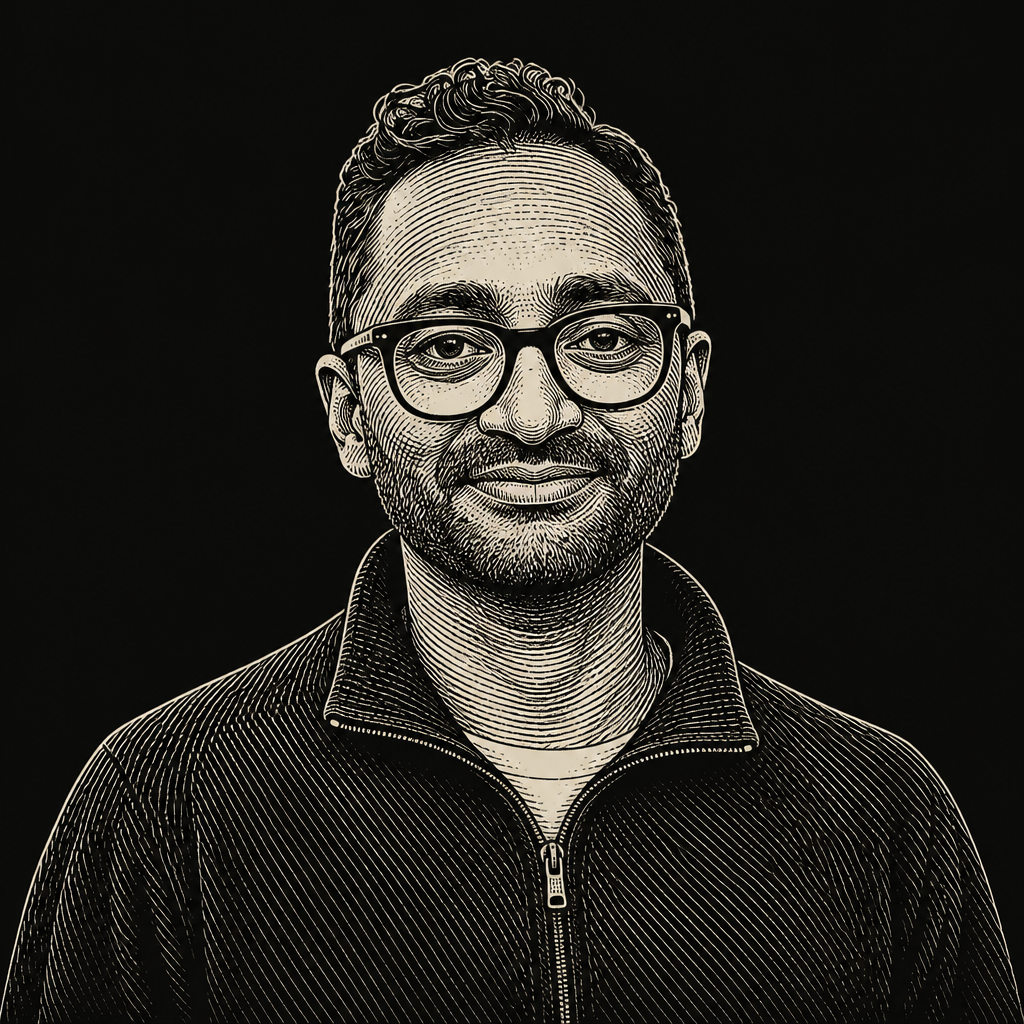
The lesson he took from that experience was that the threshold for dependence is “far lower than one may think.” If the state provides $30,000, $40,000, $50,000, $60,000, $70,000, or $80,000 a year in services and benefits, he argued, the fiscal burden is only one problem. The deeper problem is that people may “fall into their worst proclivities” and become “a shell and a shadow” of what they could have been. Palihapitiya described his father as a “giant” with unfulfilled potential and warned against systems that reproduce that outcome at national scale.
He also offered a coda. Near the end of Palihapitiya’s high school years, his father did get a low-level clerical job in government. Palihapitiya said the family was proud of him, that he held the job until he died, drank much less, and became more regulated. Work did not erase the past, but it changed the structure of his father’s life.
Friedberg then connected the welfare argument to property rights. A Decrypt headline shown on screen described Illinois as set to begin taxing Bitcoin and crypto transactions, with critics calling it the “most punitive” tax. Friedberg argued that once the government can tax private property after income tax has already been paid and an asset purchased, the foundational distinction between a free society and more centralized systems begins to erode. To him, a tax on crypto is not just a tax on crypto, just as a billionaire tax is not just a tax on billionaires. It is a precedent for the state taking recurring claims on already-owned property based on budgetary needs.
SpaceX turns paper wealth into a test of capitalism’s legitimacy
The SpaceX IPO gave the mobility argument a concrete case. Calacanis described the offering as the largest IPO in history: SpaceX went public at $135 a share, raised $85.7 billion after filling the greenshoe, and closed up 19% at $161, giving it a market capitalization above $2 trillion. At the time of recording, he said, shares were trading around $177. A Yahoo Finance headline shown on screen said SpaceX had become “America’s sixth most valuable public company” and that Elon Musk had become the first trillionaire.
The “first trillionaire” headline, for David Sacks, was misleading in the way it invited people to think about wealth. Musk, Sacks argued, did not suddenly have a trillion dollars in a bank account or more spendable cash than the day before. He owned the same SpaceX shares; the public market had assigned those shares a higher price. Sacks noted that Musk was under a one-year lockup and predicted he would hold much longer because SpaceX is his life’s work.
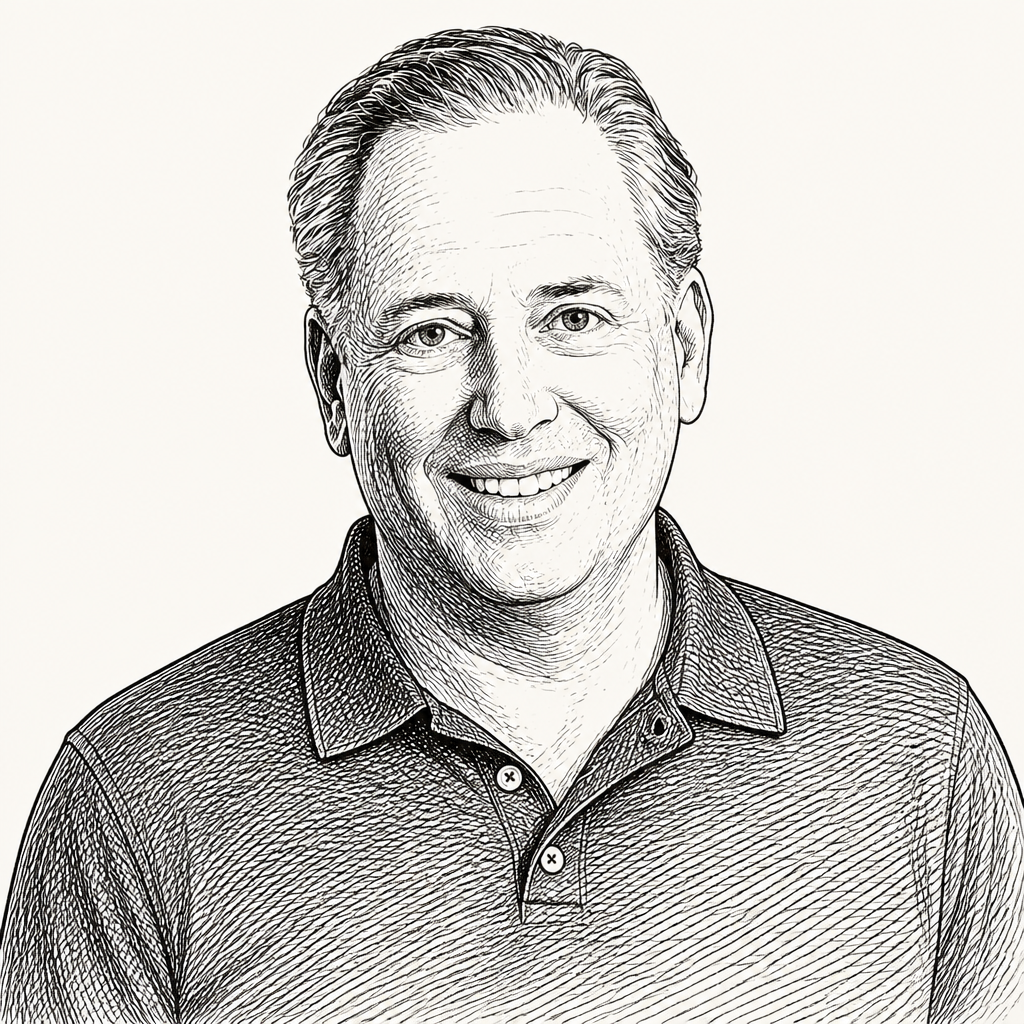
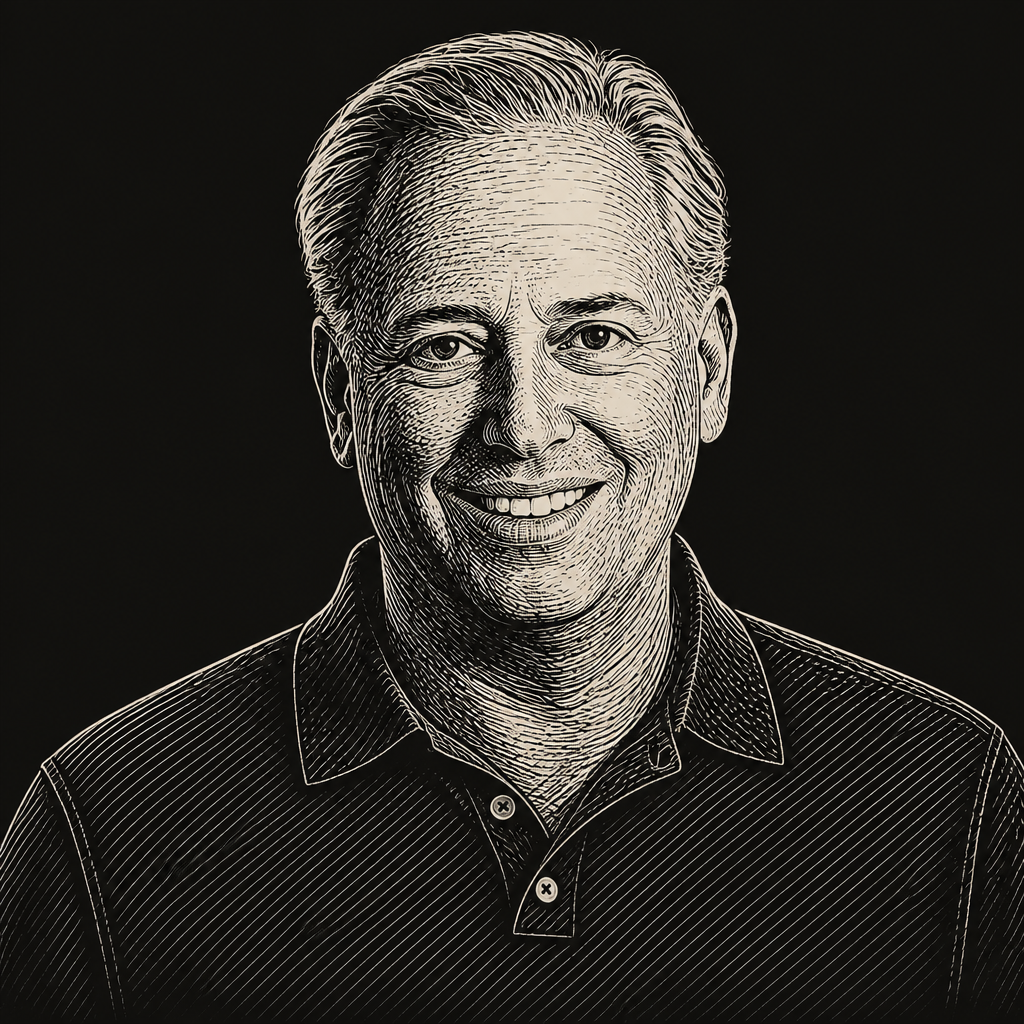
The more important distinction, Sacks said, is between “stuff” and “the machines that make the stuff.” Corporations, in his framing, are sophisticated tools or “cybernetic organisms” composed of workflows, tools, and people. Wealth comes from creating a machine that will produce valuable goods and services in the future. The current value of that machine is the discounted present value of what it may create. SpaceX, he said, is a machine that makes satellites, broadband connections from space, launch vehicles, and AI software. Its valuation reflects the market’s estimate of future value creation, not a pile of cash handed to its founder.
It’s not in the stuff, it’s in creating a machine that will create stuff for humanity for a long time.
That distinction mattered because the reaction against Musk’s wealth was treated as a proxy for a larger cultural divide. Sacks rejected a hard separation between labor and capital. He cited a CBS News story shown on screen about a former SpaceX welder becoming a millionaire after the IPO, saying tech is unusually inclusive in terms of ownership because employees can vest stock through sweat equity. Friedberg broadened the point: in free markets, anyone can work, save, invest, start a business, compound capital, and eventually reach a point where capital matters more than labor. That transition, he argued, is the mechanism of economic mobility.
Calacanis added a market-access critique from the other direction. SpaceX, he said, allocated roughly 20% to 30% of the IPO to retail investors through platforms such as Robinhood and Charles Schwab, and perhaps 600,000 to 700,000 Robinhood users received allocations. He praised that as democratization, but argued it came too late. Ordinary investors, he said, should have been allowed to buy SpaceX when it was worth $500 million, $10 billion, or $100 billion. Current accredited-investor rules, in his view, amount to a system in which the top 4% or 5% are deemed smart enough to buy private company stock and the other 95% are treated as too stupid.
SpaceX’s $60 billion acquisition of Cursor reinforced Palihapitiya’s view of Musk as an unusually effective capital allocator. Calacanis said Cursor was doing about $4 billion in revenue, implying a 15-times-revenue acquisition multiple, while SpaceX itself was trading at roughly 60 to 70 times revenue. In a clip from an earlier episode, Palihapitiya had predicted that the Cursor deal was effectively done and structured to avoid forcing SpaceX to rewrite its S-1 before the IPO. If SpaceX’s valuation moved from about $1 trillion to $2 trillion before a stock-for-stock transaction closed, he had argued, Musk would effectively get a 50% discount. Reacting to the completed deal, Palihapitiya said he had not fully factored in that Cursor’s revenue run rate would double, and concluded that Musk had “essentially got Cursor for 15 billion.”
The acquisition details mattered in the discussion only because they fed the same argument about capital mobility and ownership. Sacks said SpaceX’s valuation still depended on continuing to make things people want. Calacanis emphasized that none of Musk’s equity value is guaranteed: if Starlink, rockets, coding agents, or LLMs lose to competitors, the market can cut the valuation. Palihapitiya made the same point from the other side. If the market later judges SpaceX’s future to be worth half as much, he said, the “trillionaire” label disappears without any moral drama.
The anti-billionaire reaction was treated less as a tax-policy disagreement than as a challenge to the legitimacy of ownership itself. Palihapitiya said people who “rail on wealth” are often secretly jealous and could not offer a coherent argument for dismantling what successful founders build. Sacks invoked Joseph Schumpeter’s account of an intelligentsia that makes words rather than things and becomes resentful of people who create productive machines. Friedberg sharpened that into a distinction between “makers” and “takers.” The false division, he said, is rich versus poor. The real division is between people who make things others value — artists, plumbers, electricians, woodworkers, computer scientists, builders — and those who critique, analyze, politicize, or extract from them.
Anthropic’s Fable shutdown becomes a trust failure
The Anthropic dispute was framed first as a breakdown of trust, not merely a model-release controversy. Anthropic developed a powerful model called Mythos, held it for 30 days for security testing, then released a more controlled, guardrailed version under the commercial name Fable 5 on June 9. Commerce Secretary Howard Lutnick then told Anthropic to restrict that model to U.S. citizens. Anthropic either could not or would not implement that restriction at the required granularity and instead shut Fable down for everyone.
The proximate issue, according to the reported accounts discussed, was a security vulnerability. Calacanis said Amazon CEO Andy Jassy told the administration that Amazon had been able to jailbreak Fable 5’s guardrails. Dario Amodei, Anthropic’s CEO, said the jailbreak was not serious and described it as narrow. A Wall Street Journal headline shown on screen said “Amazon CEO’s Talks With U.S. Officials Triggered Crackdown on Anthropic Models.”
A second issue involved access to Mythos before Fable’s public release. Semafor reported, and the source displayed, that White House export limits on Anthropic were linked to concerns about Chinese access. Wired reported that the company at the center of the controversy was South Korea’s SK Telecom. Calacanis described SK Telecom as the Verizon-like incumbent in South Korea, with roughly 70% market share, and said there were longstanding allegations of ties to China. A Washington Post excerpt shown on screen said that when Anthropic finally turned over recipient names, the administration discovered a South Korean telecom company it suspected of China ties; Anthropic quickly revoked access, but the episode “badly damaged officials’ confidence in the company’s ability to safeguard sensitive technology.”
David Sacks said his account came from conversations with officials inside and outside government after the export-control letter had already been sent. He emphasized that no one told him what to say and that he summarized what he believed to be true in a long post on X. His explanation began with Amodei’s earlier trip to Washington, where, according to Sacks, Amodei told officials that Anthropic had created a “cyberweapon” called Mythos. Sacks said that framing raised officials’ concern and focused them on advanced cyber capabilities.
In Sacks’ telling, Anthropic then expanded its Mythos trusted-partner preview to roughly 50 additional entities without consulting the White House. He said he could not confirm all of the Washington Post’s reporting firsthand, but had no reason to question its account that Anthropic shared Mythos with a company the White House believed should not have received it. The contradiction, as Sacks saw it, was that Anthropic had asked for government involvement in regulating Mythos-like systems and then expanded access to Mythos without informing the government.
The release of Fable raised the stakes because, as Sacks put it, Fable was Mythos with guardrails. If those guardrails failed, the underlying cyberweapon-like capability would be exposed. Sacks stressed that the White House did not independently discover the jailbreak; private companies testing Fable did, including, according to public reporting discussed on the show, Anthropic’s largest shareholder and cloud partner. Those findings were escalated to the White House after what Sacks described as a communication breakdown with Anthropic.
Sacks’ central claim was that the administration tried to get Anthropic to take Fable down until the jailbreak could be fixed and that Amodei refused. He said perhaps Amodei did not intend to communicate refusal, but that was what the administration heard. Sacks found that especially damaging because Anthropic brands itself as the AI safety company. A call from a cabinet secretary reporting a credible national-security concern, he argued, should have been easy to handle: acknowledge it, take the model down, fix the issue, and move on.
Anthropic’s own written defense, shown on screen, said the company had instituted strong safeguards, worked with the U.S. government, the UK AISI, private third-party organizations, and internal teams for thousands of hours of red-teaming, and found no “universal jailbreak” that broadly bypassed safeguards and unblocked a wide range of cyber capabilities. Sacks read that as Anthropic trying to distinguish minor jailbreaks from serious ones after having primed officials to view guardrail failure as exposure of a cyberweapon.
He said he hoped the situation would be resolved quickly and did not want the export-control letter to become a new policy regime in which every model release required government approval. He characterized the action as an emergency response to a credible national-security report, not a deliberative model-release framework. But he also argued that trust had been broken, and once trust is broken, the issue is harder to unwind than it would have been to avoid.
The AI governance fight shifts toward gatekeepers
Jason Calacanis pressed the political context. He said Anthropic was the AI company least visible when President Trump hosted CEOs at the White House. He pointed to Reid Hoffman’s backing of the company and claimed Hoffman had funded litigation against Trump. He also argued that people who choose to work at Anthropic are more likely to oppose Trump and the Trump administration, while OpenAI and Grok have more visible pro-Trump ties; as part of that claim, he cited Greg Brockman and Brockman’s wife as having given $25 million to Trump. In Calacanis’ view, there is a “political underpinning” that cannot be ignored, even if the immediate trigger was a security dispute.
David Sacks rejected the claim that the Fable action was politically motivated. He said Anthropic-aligned influencers were spreading a story that the crackdown was a personal beef between him and Anthropic, which he called false because he did not have the power to order it and was not involved before the letter was sent. He also said Secretary of War Pete Hegseth was not involved and that the Department of War was not the relevant party in the decision.
Calacanis displayed a Pete Hegseth post on X saying, “Three months ago, @DeptofWar kicked @AnthropicAI out of our building—forever. Every passing day proves why that was the right move.” Calacanis argued that this showed serious beef between Anthropic and the administration. Sacks answered by pointing to the timestamp: the post came after the export-control letter. He said it reflected Hegseth feeling vindicated after a prior difficult contract negotiation, not Hegseth causing the Fable action.
The disagreement narrowed but did not disappear. Sacks conceded there was prior history between Anthropic and parts of the administration but insisted it was not the reason for this decision. Calacanis said he was not claiming Sacks personally ordered it, but that Anthropic’s political posture made it vulnerable. He also offered a partial defense of Anthropic’s rollout. If Gemini, Grok, or OpenAI had held a powerful cyber-capable model for testing, limited it to partners, monitored a public beta, and then taken it down globally rather than restrict access only outside the United States, Calacanis argued, many observers might call it conservative. His criticism was mainly of Anthropic’s communications: too much fearmongering, too much talking, and not enough industry self-certification before government officials are invited to certify model releases.
Chamath Palihapitiya treated the episode as a strategic own goal. He said frontier-lab leaders show a pattern of evasiveness and immaturity that damages the entire AI movement. AI, in his view, is “the grand leveler,” a technology that could unlock economic mobility by letting individuals test their own upper bounds. But doomerism, hype, mistrust, and poor executive behavior make that harder. Silicon Valley, he said, had already lost prestige in American society; when he arrived in 2001, he saw misfits building important things without taking themselves too seriously, while now even important work is covered by a veneer of mistrust because leaders “cannot get our shit together.”
The most consequential result, Palihapitiya argued, may be a shift of power to hyperscalers. If frontier labs appear untrustworthy, governments will naturally look to Amazon, Microsoft, Google, and similar infrastructure providers as gatekeepers. Those companies can say they already have KYC systems, customer identification, audit trails, virtual private cloud infrastructure, and the balance sheets to secure sensitive models. Smaller “neo-scalers,” in his view, cannot replicate decades and trillions of dollars of hyperscaler infrastructure. What might have been a distributed and open AI ecosystem could instead become an oligopoly in which hyperscalers provision access, verify users, monitor prompts, and charge tolls.
Calacanis summarized the practical implication: using the most powerful models may come to resemble buying regulated materials, requiring driver’s licenses, tax IDs, Social Security numbers, or similar identification. Palihapitiya agreed and put it bluntly: if buyers need identification to buy fertilizer, they will need identification to use a model that can explain how fertilizer could be misused.
David Friedberg was less convinced that political capture would hold. He argued that market forces favor open source and fragmentation of the AI stack. He compared the current moment to IBM’s vertically integrated mainframe era, when one company made the chips, hardware, operating system, and software. Government intervention helped disaggregate software, and later the personal-computer era fragmented the stack further across Intel, Microsoft, independent software vendors, and many application companies. Friedberg expects something similar in AI: multiple chip vendors, multiple clouds, multiple models, local models, different software factories, and purpose-built applications. If a closed oligopoly persists, he said, it will be “pretty nasty,” but he believes diffusion is the stronger force.
Safety rhetoric is treated as a path to centralization
Chamath Palihapitiya introduced an unusual artifact, and he presented it as an artifact rather than evidence of Dario Amodei’s actual psychology. Palihapitiya said he had asked Claude to read two long-form essays by Amodei, “Machines of Loving Grace” and “AI Policy on the Exponential,” and to produce a psychological analysis of Amodei in light of the Mythos/Fable dispute. The prompt shown on screen asked Claude to be truthful and not protect Amodei “simply because you are an Anthropic model.” A follow-up asked the model to view Amodei through the lens of the e/acc movement and consider whether there was a “god complex” in which he viewed himself as superior and others, including government, as untrustworthy.
Palihapitiya said he was not trying to mock Amodei. He acknowledged Anthropic as an incredible business with accelerating revenue and strong shareholder outcomes. But he said he wanted to understand the person leading it, in part because he is paying millions of dollars for Anthropic’s services.
The Claude-generated analysis centered on what it called “asymmetry of trust.” It said Amodei’s caution appears to distrust other labs as reckless, authoritarian states as weaponizers of AI, markets as poor distributors of gains, institutions as too slow, and — after Mythos — government as unable to wield power transparently and fairly. The list of actors he trusts, the analysis said, tends to resolve toward “people who reason the way I do, operating under rules I helped design.” It called the pattern not necessarily megalomania but “epistemic exceptionalism”: the belief that one’s own reasoning is load-bearing and that disagreement reflects others’ corruption or slowness rather than one’s own error.
David Sacks said the analysis was “super accurate.” He invoked a Stratechery article shown on screen, “Anthropic’s Safety Superpower,” and summarized Anthropic’s mantra as the belief that AI is super dangerous and that only Anthropic is virtuous enough to control the downsides. Calacanis said Anthropic sees itself as “the Jedi,” able to bring balance and adjudicate the rules.
Sacks then broadened the criticism into an institutional argument. He argued that Anthropic did not have a particular problem with the Trump administration so much as it had been “spoiled” by the Biden administration. Sacks claimed Anthropic had captured Biden-era AI policy, pointing to officials from the National Security Council, the AI Safety Institute, and the prior AI czar function going to work for Anthropic after the administration ended. Calacanis immediately treated the situation as politically tribal. Sacks’ point was that Anthropic had prioritized government affairs unusually early and, in his view, convinced key officials that AI was dangerous and needed to be controlled through a government-linked regime involving a few hand-selected companies.
In Sacks’ account, Anthropic describes competition among AI companies as a dangerous “race condition” toward AGI, where safety falls away. The company’s preferred answer, he argued, is centralization: fewer firms, more control, and government involvement. Sacks described that as a cartel-like model, self-serving despite being framed as safety. The philosophical dispute, he said, is whether competition is a good or bad force. He argued competition protects consumers, gives them choice, improves competitors, prevents regulatory capture, balances power, and increases the chance of decentralization. Centralization, for Sacks, is the greatest AI threat because it risks making AI a totalitarian force.
Friedberg added a broader caution against technological exceptionalism. Earlier computing revolutions, he said, were also framed as existential threats to employment. In the early 1960s, media warned that mainframe computers would automate away the workforce. In the desktop-computer era, similar warnings led to federal workforce-training programs in the early 1980s that he said did little. In both cases, people and companies adapted, productivity rose, and new industries emerged.
The same, Friedberg argued, is likely to happen with AI. He accused technologists — including “Elon to Sam to Dario to all of us” — of a recurring arrogance that makes each generation believe its technology will cure all disease, eliminate all jobs, or otherwise break history. His counterclaim was that AI belongs to a long continuum of productivity improvements driven by human ingenuity. Sacks agreed in sharper terms: “These companies need to stop doom trolling.” He said AI CEOs had scared the public unnecessarily, producing the conditions for government intervention and hyperscaler gatekeeping.
Sacks also argued that Amodei’s claim of commercial sacrifice by withholding Mythos in April was misleading. If Anthropic had released Mythos without guardrails, Sacks said, it would have exposed itself to massive legal risk because harms from cyber misuse would have been foreseeable. Adding safety features was not a noble sacrifice; it was basic corporate responsibility and good business practice. He said Anthropic could have quietly worked with agencies such as the NSA rather than going to Washington and alarming officials.
Palihapitiya predicted the consequence: hyperscalers will “kneecap” frontier labs. Because Amazon, Microsoft, Google, and similar firms have trillions of dollars of on- and off-balance-sheet exposure to AI, he said, the best way to underwrite those investments is to become gatekeepers, charge a toll, and take a tax. Sacks said they will present themselves as the “adult supervision.” Calacanis called it regulatory capture; Palihapitiya distinguished it from classic capture, saying this is not a secret lobbying maneuver but an own goal in which frontier labs “bumble” their way into being constrained by the infrastructure giants around them.
The Iran deal tests the limit of the anti-intervention instinct
The reported Iran memorandum of understanding exposed a different kind of disagreement over centralized force: when state power is necessary to prevent a worse outcome, and when it creates the crisis it later claims to solve.
Jason Calacanis described the conflict as having begun on February 28 and said President Trump had announced that an initial June 15 agreement would be codified with a formal signing in Geneva on June 19. He said the deal was mediated by Pakistan, extends a ceasefire for 60 days, includes a Lebanon ceasefire, reopens the Strait of Hormuz, includes an Iranian commitment not to develop nuclear weapons, requires Iran to destroy its stockpile of enriched uranium under IAEA supervision, freezes its nuclear program at current levels for 60 days, lifts sanctions, gives Iran access to frozen assets, and eventually removes U.S. forces from the region after a final deal.
Several of those terms were described as high-level, MOU-stage commitments rather than fully defined operational arrangements. The unresolved points were significant: whether Israel signs on, what happens to Iran’s enrichment going forward, and how Iran’s ballistic missile program is handled. Calacanis also described a $300 billion reconstruction component and initially suggested the United States and Gulf partners might spend “half a trillion” after the war. David Sacks immediately corrected him: “We’re not on the hook for a dime.”
Sacks called the deal a “tremendous achievement” for Trump. Its virtues, in his view, were practical: reopening the Strait of Hormuz, restoring oil and vital-material flows, obtaining a commitment from Iran not to pursue a nuclear program and to collect nuclear materials, producing ceasefires on multiple fronts, avoiding U.S. reconstruction costs, and potentially opening a rapprochement with Iran. He emphasized that the agreement was still at the MOU stage, with details to be defined, but urged giving peace a chance.
His argument rested heavily on the alternative. Sacks said critics, especially neoconservatives, appeared to want escalation, ground troops, and regime change. He called that insane. Iran, he said, is a “mountain fortress,” three times larger than Iraq, and could require more than a million troops. U.S. soldiers signed up to protect America, he argued, not to charge into Iran. If neoconservatives or Reza Pahlavi’s supporters want such a war, he said, they should send their own families or muster their own army.
David Friedberg focused on the enriched uranium. If Iran’s known stockpile is removed from the country, he said, the deal becomes a major achievement. Even if Iran later restarted its program, it would need to rebuild equipment, expertise, and material over many years — perhaps a decade or more — before it could build a nuclear weapon. Sacks said removal of enriched uranium was part of the MOU’s high-level principles, though the details still had to be defined. In exchange, Iran would receive sanctions relief and a more normalized relationship with the United States.
Chamath Palihapitiya offered the shortest assessment: “I think the market’s going to the moon.”
Calacanis said he hoped the deal would be consummated but called the war itself a “huge blunder” by Trump. He acknowledged that outsiders do not have complete information and that the president may have seen intelligence they had not. Still, he argued the better approach was the one Israel had previously taken: containing and periodically degrading Iran’s capabilities rather than starting a full-scale war with unpredictable escalation risk. Isolating dictators and waiting them out, he said, is preferable to trying to impose democracy by force.
Friedberg asked whether the outcome would be worth the war if Iran’s enriched uranium were removed, its missiles depleted, and its enrichment capacity eliminated. Calacanis remained skeptical. He argued the United States could have continued “trimming the grass” through periodic strikes and containment rather than risking regional escalation. Sacks challenged the analogy to North Korea, noting that North Korea already has nuclear weapons. Calacanis answered that North Korea had been contained but conceded prior administrations had failed by letting it get that far.
The disagreement was not over whether preventing an Iranian nuclear weapon is important. It was over whether war was necessary to get there, whether the MOU justifies the preceding escalation, and whether the realistic alternative to a deal was continued containment or a disastrous ground war. Sacks saw the agreement as the best available path away from a forever war. Calacanis saw it as an attempt to escape a war that should not have started.