Venture-Backed Startups Account for Most AI Spending, Raising Questions About Durable Demand
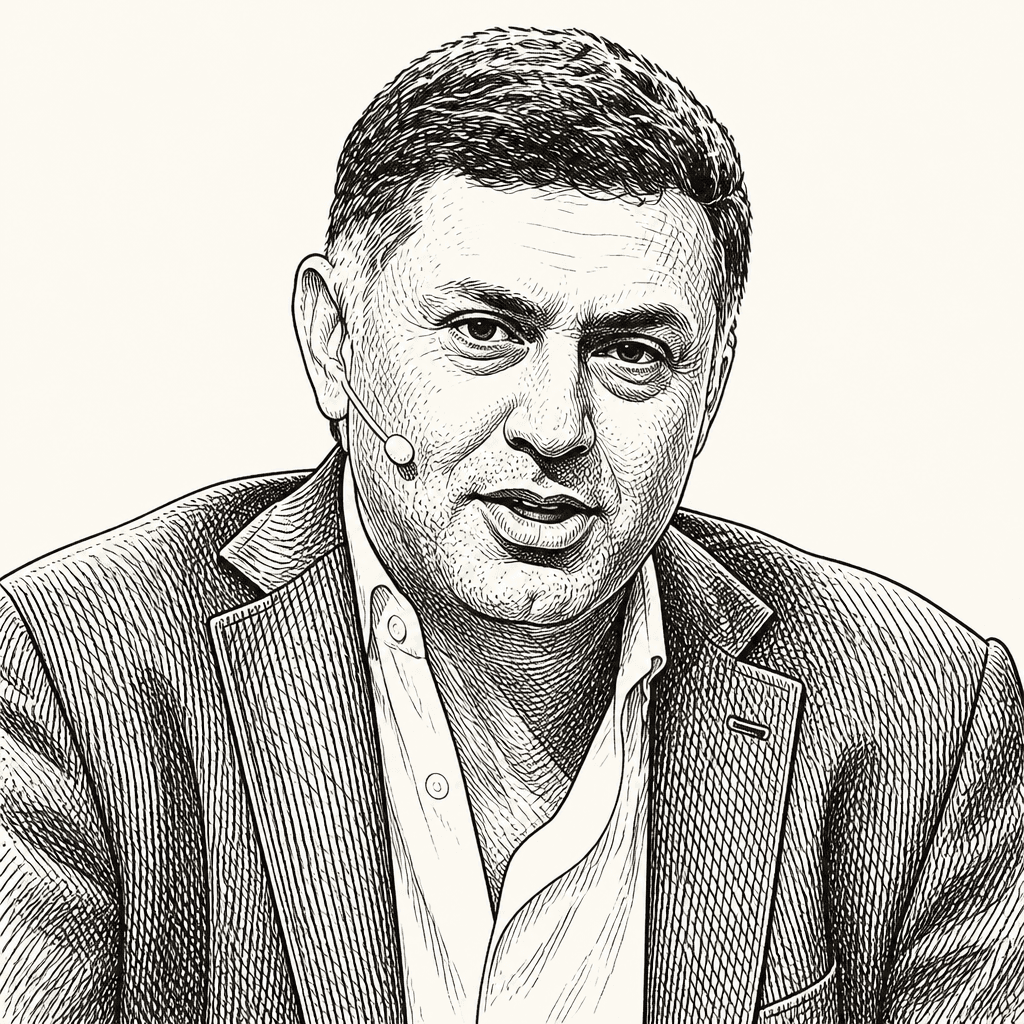 Nikesh Arora
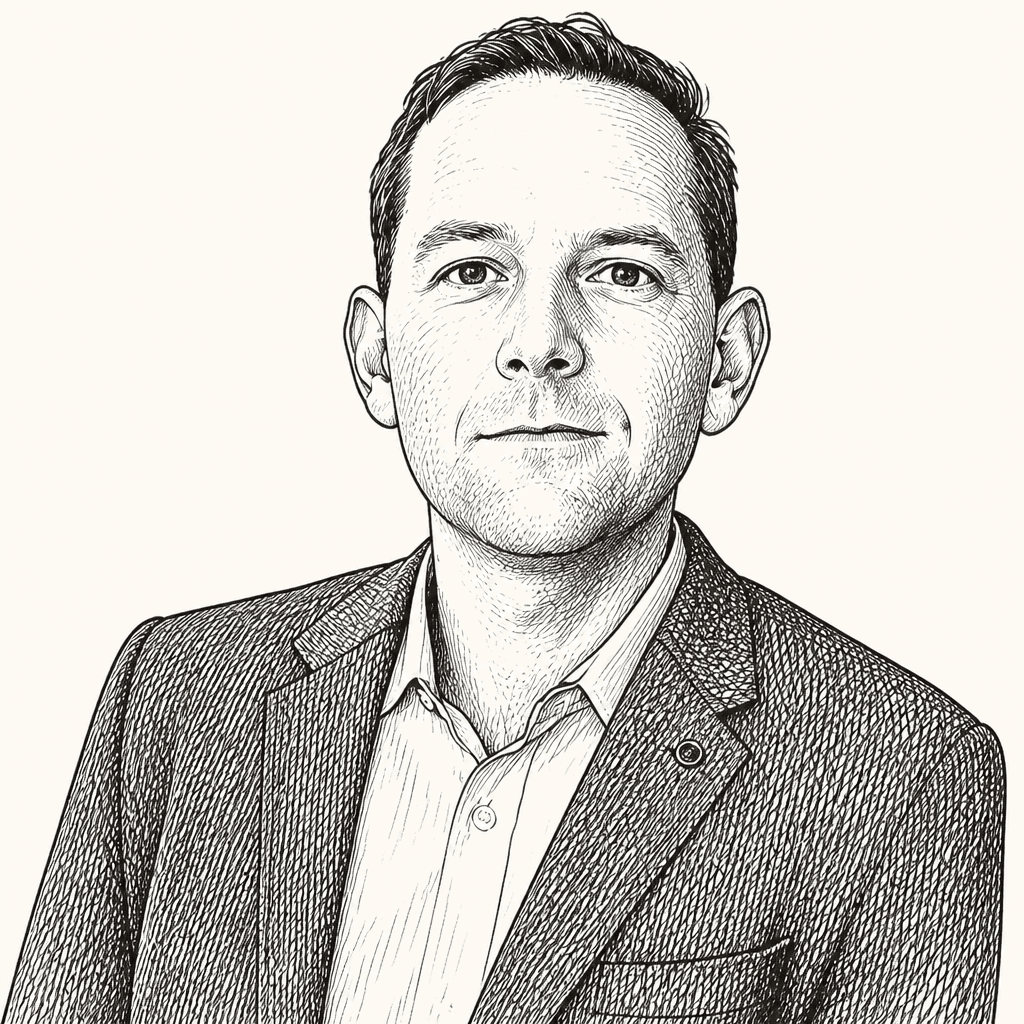 David Friedberg
 Jason Calacanis
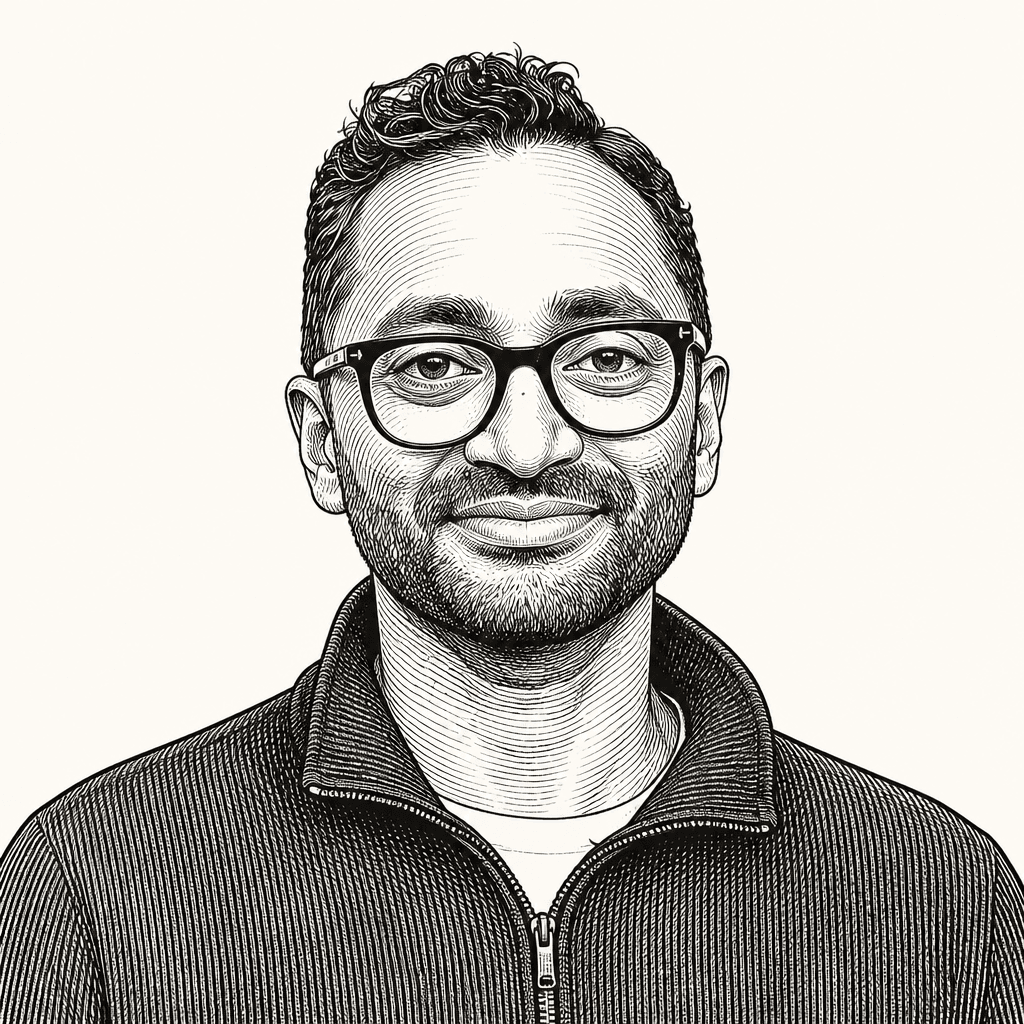 Chamath Palihapitiya
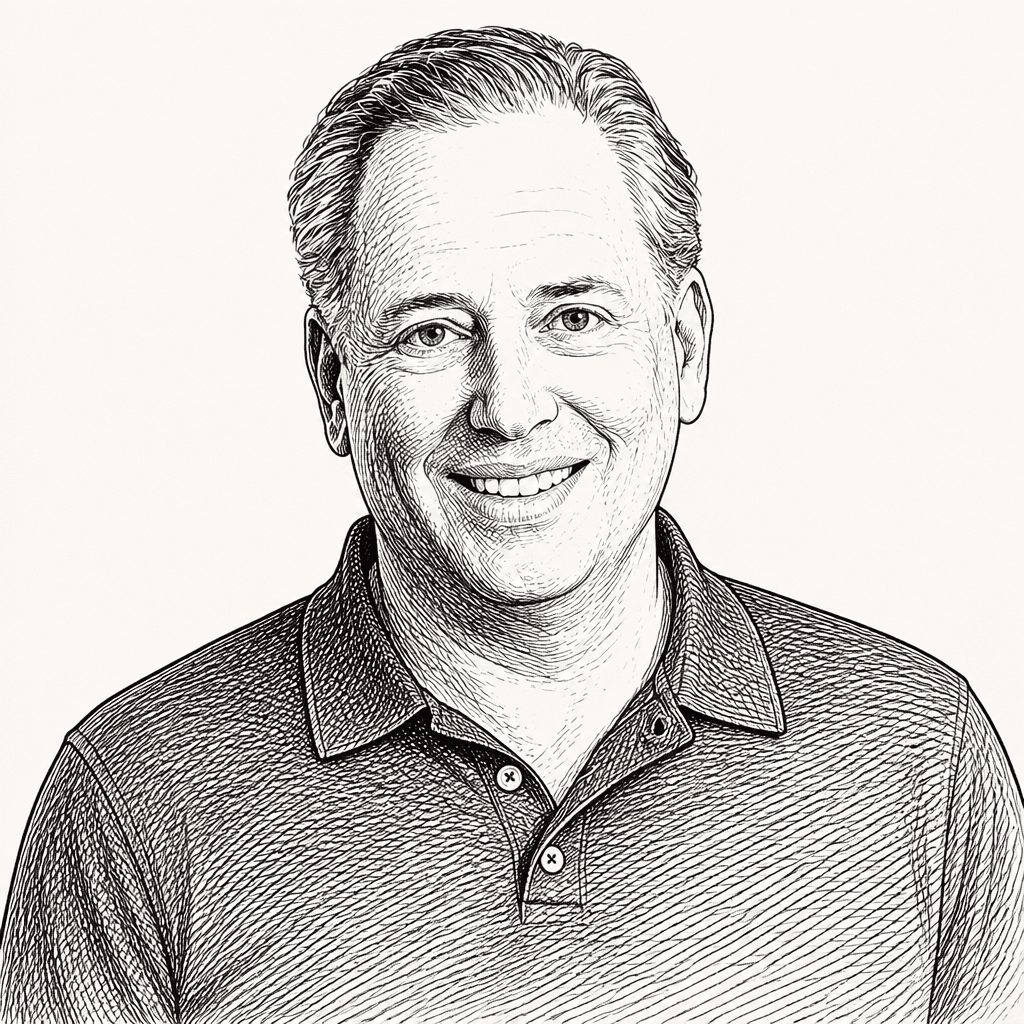 David SacksAll-In PodcastSaturday, October 24, 202630 min read
Chamath Palihapitiya argues that venture-backed startups account for most AI spending, making current demand a fragile measure of broad adoption; Jason Calacanis counters that startups’ willingness to buy reflects the technology’s practical value. Palo Alto Networks CEO Nikesh Arora warns that AI can help uncover vulnerabilities and accelerate attacks on unpatched systems, exposing the risks of years of deferred maintenance. In France, the hosts disagree over whether unrest and fiscal strain stem chiefly from excessive state spending, disappointing public services, immigration or weak growth.

AI spending is concentrated in a way that could distort the revenue story
Ken Griffin’s warning, as Jason Calacanis presented it, was not that artificial intelligence lacks long-term potential. Griffin’s concern was that companies have been uneven in turning AI models into productivity. Corporate buyers, he said, are looking at bills from Anthropic and OpenAI and asking how to make sure they are getting value from them. The warning arrived as AI-linked stocks were swinging sharply: Calacanis cited declines in CoreWeave, AMD and Meta, among other companies tied to data centers, chips or large AI spending. Those moves sharpened the question of whether investors were looking at a durable expansion or an overheated buildout.
Griffin described bubbles as common companions to major technological transformations and said he remained bullish on AI’s long-term potential. The question was whether the current spending could be converted into productivity and earnings. Chamath Palihapitiya argued that the sharper issue was who was paying the bills.
Palihapitiya said his back-of-the-envelope estimate, checked against a conversation with Ramp’s chief economist, was that 1% of companies account for 90% of AI spending. Of that spending, he estimated, roughly 80% comes from unprofitable venture-backed companies. In his account, that means around 70 to 75 cents of every dollar spent on AI currently originates with startups using venture capital.
The spending can generate real revenue for AI providers and still be fragile as a measure of durable demand. Palihapitiya described a cycle in which venture funds raise money from pension funds, foundations, family offices and other limited partners; invest in startups; and those startups spend some of that capital on AI services. The spending can help the startups show revenue traction, which in turn helps them raise more money, potentially from the same investors. His concern was not that the spending was fictitious. It was that a portion of the apparent demand could be circulating inside the venture-funded ecosystem rather than showing that businesses across the economy are ready to make recurring AI purchases from their operating budgets.
For AI to become a predictable contributor to long-term earnings, he argued, spending has to diffuse beyond that ecosystem and show up as consistent demand from businesses that are not financing one another through venture capital. He linked this concern to Griffin’s comments about productivity: if companies are still asking where the return is, the revenue growth of AI providers may not yet show that businesses can earn lasting returns from the technology.
Palihapitiya compared the pattern with the early days of cloud computing, when startups were among the first customers for AWS’s computing and storage services. He said that history does not completely resolve the concern. AWS sat inside Amazon, which already had a roughly break-even, cash-generative retail business. In the current AI cycle, he argued, a greater share of spending is circulating among money-losing entities.
Calacanis offered a different reading of the same concentration. Startups, he said, are nimble buyers looking for the cheapest, best or fastest advantage available. He pointed to earlier waves of startup spending on cloud services, WeWork and Facebook advertising: a rush of adoption by small companies can be a signal that a technology is useful, even if large enterprises are slower to follow. Calacanis said he invests in startups and sees their tendency to search for an edge as evidence that AI spending is not merely a financial loop. The disagreement was not over whether startups were spending heavily; it was over how much that fact proves about the technology’s future market.
A chart Palihapitiya said Ramp had allowed the show to preview offered another way to read the demand among the top 1% of AI spenders. It divided their AI spending into GPU compute, large-language-model services and other categories over time. Palihapitiya drew attention to what he described as a rising share of GPU compute. He interpreted that as businesses buying their own GPUs and moving toward open-source models, rather than relying only on closed models accessed through cloud providers.
The chart did not establish that enterprise AI adoption had become broad. Palihapitiya’s argument was narrower: within the largest spenders, the mix suggested that some were putting more money into compute they could control. He connected that shift to concerns about data sovereignty and to companies becoming more methodical about where their workloads run, including moving into virtual private clouds or building infrastructure themselves.
He described hearing a similar change from a representative of a major American bank at a CIO event. The bank, he said, had reduced its spending on AWS and Google Cloud Platform and built six independent data centers from the ground up. Calacanis called it “back to the future.” Palihapitiya said he was not presenting the anecdote as representative of every company; it was an example of how some large organizations were responding to the question of where their data and computing should live.
Palihapitiya’s conclusion was that AI has a diffusion problem: demand is concentrated in a relatively small ecosystem, and as adoption spreads, some buyers are choosing open-source models. The distinction matters to the investment case. Concentrated demand funded by venture capital may keep growing, but it is not the same as broad, recurring spending from companies seeking returns in their own operations.
Nikesh Arora added that enterprise adoption also has a governance dimension. Palo Alto Networks, he said, prefers open-weight models because the company can modify and train them and, in his view, interrogate their chain of thought. In regulated settings, organizations will need to explain, audit and verify what their systems do. A company cannot satisfy a regulator by saying that an AI model made a decision and nobody knows why.
That preference does not mean enterprises can easily walk away from hyperscalers. Arora said it was difficult to find a global, highly available inference provider outside that group at a price that makes open models economical. A startup might tolerate renting capacity in one data center and having it go down for a few hours. A company selling a service that promises 99.9% reliability cannot treat that disruption the same way. Nor, Arora said, can most large firms simply build a resilient global data-center network of their own.
He described how his own view had changed. Six to eight years earlier, after joining Palo Alto Networks, he shut down the company’s data centers because he believed hyperscalers could provide scale, speed and reliability more effectively. Now, he said, compute is hard to find, and buyers are “takers of terms,” not in a position to dictate them. Building data centers requires access to chips, land and power; even if a company decides to build, it may not be able to get the resources it needs quickly.
The likely destination, Arora suggested, is a hybrid arrangement: access to bare-metal computing from a hyperscaler or a related provider, with enterprises running open models on that infrastructure. He said hyperscalers already provide some ability to run open-weight models and expected that arrangement to develop further. The economics may shift as the scarce resource changes. In his account, value is concentrated in chips and memory and moving toward providers with large amounts of compute. Even if every company decided it was ready to adopt AI, he argued, there would not be enough compute to meet the demand.
The market declines Calacanis cited made the investment question immediate, but the speakers did not treat one day’s stock moves as a verdict on the technology. Their more substantive disagreement was about what current spending proves. For Palihapitiya, concentrated, venture-financed demand is a structural weakness until it broadens. For Calacanis, startup adoption is also a leading signal that the tools are useful. Arora’s account adds constraints both views have to contend with: enterprises may want to adopt AI, but they face scarce compute, reliability requirements and questions about how models can be governed.
AI is making neglected systems harder to ignore
The PHP security release turned the abstract question of AI’s cybersecurity impact into an operational one. Calacanis described two critical PHP vulnerabilities, nicknamed PHP2Shell, that could let an unauthenticated attacker execute code on affected servers under the right conditions. He said PHP powers about 70% of websites, including sites built with WordPress and Wikipedia, and reported that the PHP security team gave the vulnerabilities a severity rating of 9.2 out of 10.
Calacanis said security researchers using AI found the vulnerabilities in August. He described developers and companies as working together on fixes, with a coordinated release originally planned for October 22, the day the show was recorded. In his account, information about the vulnerabilities leaked in the days before the release, and the PHP project moved the update forward by a day. The PHP Foundation announcement displayed during the discussion said that releases on October 21 fixed two critical vulnerabilities and urged anyone running PHP to update immediately.
Arora said the underlying problem had been identified a few years earlier, but that people did not believe it could be solved because it required too much coordination. In his account, persistent compute made it possible to find a way through. He said that once the method was published, attackers could reverse-engineer the patch to identify systems that had not been updated. The speakers gave different timelines for discovery and resolution; Arora’s point was that persistent computation had made a previously intractable problem solvable.
Once a fix becomes public, the same technical details can help attackers. Calacanis cited Cloudflare CEO Matthew Prince’s post reporting thousands of attempts to exploit PHP2Shell in the ten hours before public announcement, followed by tens of thousands within 45 minutes, hundreds of thousands within two hours and millions by the time of the post. Calacanis also said AWS had reported increased hacking activity and that some governments and organizations took websites or systems offline as a precaution. An NSA Cyber notice shown during the discussion advised organizations using PHP to update, or take systems offline if they could not update immediately.
The rush to patch was complicated by the fact that many organizations do not have a current, complete picture of the systems they operate. Arora described a customer with websites running both current software and older versions that could not be patched. Those older sites had to be taken offline, rebuilt and updated. The vulnerability did not create that underlying problem: years of deferred maintenance had left the organization with systems it could not readily secure.
Arora said Palo Alto Networks scanned its own infrastructure and made patches available for its products. He distinguished between fixing vulnerable software directly and applying a “virtual patch” at the perimeter. In the second approach, a firewall or similar security service blocks attempts to exploit the known flaw before they reach the server. Calacanis described a content delivery network as one possible first layer of defense, while noting that attackers who reach vulnerable servers may be able to run code there.
Arora’s view was that events like this will happen more often than every ten days. The deeper issue, he said, is technological debt: organizations have postponed upgrades because older systems seemed adequate and maintenance was not urgent. When a flaw becomes exploitable, a company may discover that a patch is not enough; it has to reconstruct or replace systems it left untouched.
AI changes the tempo because sufficiently powerful models, given enough compute and persistence, can search for vulnerabilities and chain them into an attack path. Arora said the PHP problem had been thought too difficult to solve because it required extensive coordination. Persistent compute eventually made it tractable. Once a fix is released, attackers can study the patch, infer what it changes and look for systems that remain unpatched. The same disclosure that lets defenders close a hole can help attackers understand how to exploit it.
The defense cannot therefore be reduced to “patch faster.” Arora said large companies are already using Mythos or comparable models to test their own defenses. But models will continue to improve, creating a cycle in which defenders find and patch vulnerabilities while attackers look for the next route in. He suggested that security strategy must also assume a breach may occur: companies need to aggregate signals across their systems so they can detect anomalous behavior and identify intruders quickly. In that framing, the question is not only how an attacker got in, but how soon the organization can find and remove them.
The prospect of using defensive computing at scale is real but not yet operationally simple. Asked whether organizations with more compute could overwhelm attackers, Arora said that is not true today. Most companies have not organized their infrastructure well enough to launch coordinated defensive “swarms.” If a company has thousands of websites and does not know what is running on each one, no model can efficiently patch all of them. The first task is inventory and basic preparedness: the same work required to pay down technological debt.
This is partly an incentive problem. Palihapitiya said software vendors and customers often end up maintaining many different versions because each customer upgrades on its own schedule. A vendor may be supporting numerous deployments that have drifted apart. Organizations also resist replacing systems in which they have already invested. Arora added that CIOs are usually rewarded for controlling costs and keeping services available, not for introducing the operational risk and expense of frequent upgrades. A system that works today is difficult to change, even if it is becoming more dangerous to leave alone.
Arora said cybersecurity commonly accounts for 4% to 10% of an organization’s IT budget. Financial services and the federal government tend toward the higher end; companies relying on cloud providers for infrastructure security may spend less, around 4% to 5%. He expects AI security to require new spending and tools, because companies are already deploying agents without having settled how to find, monitor and inspect them. Knowing that a business should be able to interrogate an agent’s reasoning, he said, is much easier than knowing where all the agents are running.
That gap between enthusiastic deployment and the controls needed to manage it was central to the discussion of agents accessing bank accounts. Arora separated two issues that were appearing together in the news. One is unauthorized access caused by vulnerable websites, potentially connected to the PHP flaws. The other is the use of personal agents that log into websites with a user’s credentials.
A bank may not be able to distinguish a customer from an agent acting through the customer’s browser. CAPTCHA systems are meant to detect automated access, but Arora said models can now solve many of those tests. Some agents may instead open a virtual browser and ask a person to complete a CAPTCHA before continuing. That leaves financial institutions facing a more basic question: who is accountable when an agent acts with a customer’s credentials?
Arora’s answer was that the user has given the agent agency, and therefore bears responsibility for authorizing its actions. Banks, he said, are warning customers not to use agents because they do not want responsibility for transactions they cannot distinguish from a user’s own activity. He also pointed to the operational cost: if agents generate large numbers of disputed transactions and customers call banks for explanations, the support burden could become substantial.
Palihapitiya agreed that the user’s authorization is the scalable default. If a customer gives an agent access and money disappears, banks and agent providers will have incentives to blame each other; assigning responsibility to the person who delegated access may be the only workable basis for the system. But Arora identified an exception: a rogue agent. If a product behaves in a way that contradicts what its maker said it would do, Arora argued, that is a product-liability problem for the platform. The debate turned on the difference between an agent doing something a user authorized and a product going beyond its intended behavior.
The example of e-commerce made the distinction concrete. Calacanis said Amazon had blocked agents from completing purchases, while an agent could still assemble a cart and ask the user to choose a shipping address and payment method. He presented it as an example of boundaries being worked out in real time.
Unrestricted models sharpen the question of who controls risk
A separate argument concerned services that host models without the refusal behavior common in other systems. Calacanis described Abliteration AI as a service offering unrestricted models for red teams, security testing and other work. The website shown during the discussion described its service as “AI that does what you allow and nothing you don’t,” and promoted models that would answer security and research prompts other systems might refuse.
Calacanis’s case was that security professionals need tools capable of probing vulnerabilities, and that institutions such as the NSA or Morgan Stanley may have legitimate reasons to use models with fewer built-in restrictions. He said such access could be provided to vetted users under constraints rather than offered indiscriminately. His comparison was to powerful tools that can be used to make systems more secure, provided the customer is responsible for how they are used.
Palihapitiya called the risk underappreciated. Models capable of producing harmful outputs without guardrails, he argued, could create a long-tail security problem. Arora described unrestricted access as the dark side of AI: it is difficult to reconcile a call for responsible development and governance with making powerful capabilities available without controls. He compared it to handing someone a do-it-yourself medication kit and trusting them to use it correctly.
Calacanis pushed back that powerful tools can also help defenders build more secure systems, and that the user should bear responsibility for how the model is deployed. Arora’s challenge was whether the provider could assure customers that a model embedded in their infrastructure would not behave unpredictably. Calacanis answered that customers could manage the model themselves, particularly in high-security settings. The exchange left a genuine tension in view: restricting capability may impede legitimate defensive work, while shifting responsibility to customers does not resolve how providers should manage the risks of systems they make available.
Arora was skeptical that frontier-model companies were deliberately withholding security capabilities to weaken defenders. He said the labs were still trying to understand how to release, package and monetize models that consume large amounts of compute. Those systems remain rate-limited, he said, and their makers are still working through what the technology can do. In his view, the problem is not chiefly strategic gatekeeping; it is that the developers themselves are still grappling with the power and cost of the tools. They also need to make money from products that require substantial compute.
He objected, too, to treating AI’s risks as the only story about the technology. Arora said public discussion had become a contest over who had found the more alarming model or breach. He argued that the builders’ repeated emphasis on catastrophic potential had contributed to a narrative that could make the technology seem like a race to disaster. He did not deny the need for security infrastructure; he argued that it has to be built alongside deployment, not after systems have already spread.
The discussion of AI security also raised a question about how businesses should organize around the technology. Arora said that companies are discovering demand for AI across functions that had not previously asked for technology staff. He offered the CFO as an example: a finance leader who had not wanted AI was now asking for people to help perform financial analysis. Marketing and human resources were also asking for AI expertise. If every function expects technology teams to help it transform, Arora suggested, the CIO may become more central to how a company is run.
But he cautioned that the security harnesses for AI do not yet match the pace of adoption. A boss may say that agents must be auditable and that their reasoning must be inspectable; the practical problem is finding all the agents in the organization, and then making the controls work. Arora likened the situation to the early days of aviation: people were building and flying planes before the institutions and infrastructure needed to manage the risks had been established. His point was that security systems have to be built now, while businesses are enthusiastically deploying AI.
When David Sacks asked how he would respond to a politician such as Bernie Sanders calling for AI to stop, Arora initially joked that he would agree and ask the politician to begin. He then argued that the discussion had spent too much time dwelling on the technology’s dark side. Sacks asked why Sanders and others were making the issue prominent. Arora deferred to the hosts; Calacanis answered that AI’s potential effects on white-collar and driving jobs make it an effective populist issue, regardless of whether the politician is on the left or right.
France’s unrest is read through rival accounts of state capacity
The discussion of France brought reported violence, government finances and sharply different accounts of what the unrest represented into the same argument. Calacanis said more than half a million people had taken part in protests, which had spread beyond France, and that the riots had damaged more than 3,000 businesses, injured over 1,000 police officers and led to 2,500 arrests. He described the unrest as having begun with high-school students protesting dilapidated and underfunded schools, then expanded into looting and broader civil disorder. He said a historic city hall in Limoges, 143 years old, had burned.
Palihapitiya described the rioters as criminals and terrorists and argued that government language about empathy had obscured the violence. He called for a forceful response and said the unrest showed a broader failure by the French state. His argument linked disorder to fiscal strain: France had already proposed €50 billion in austerity, he said, and would face difficult choices about spending and public services.
David Friedberg resisted treating the protests as a single-issue event. Interviews from the streets, he said, showed a range of complaints: schools, healthcare, jobs, underemployment, Palestine and the belief that government was not doing enough. He argued that public provision can disappoint people when a large state promises services it cannot deliver well. The more the state tries to provide, in his account, the more people may feel let down and demand still more intervention.
To support that argument, Friedberg showed a chart comparing public spending as a share of GDP. The chart listed France at 57% in 2025, above the historical figures shown for the Soviet Union, Communist Romania, Venezuela under Hugo Chávez, Communist Poland and Communist China. Friedberg used the comparison to argue that France was spending at a level associated with highly state-directed economies, and that this level of public spending had not resolved dissatisfaction.
The comparison was part of Friedberg’s argument, not a complete explanation of the unrest. Palihapitiya agreed that high spending and poor outcomes could indicate a broken system, but pressed Friedberg to explain why countries that provide broadly accessible education and healthcare still experience disorder. Calacanis also noted that French higher education is heavily subsidized, citing about €300 a year in tuition against a much higher cost to the state. His point was that people may resent the quality or availability of services even when they pay relatively little directly.
Friedberg’s broader diagnosis was that services can be formally available while their quality and timeliness disappoint. He cited long waits for doctors and crowded classrooms, and described a sense of injustice in which people see another group doing better and conclude that the system has failed them. A street interview shown during the discussion featured a man complaining that Chinese people had become too rich in France and saying their success was unfair. Palihapitiya and Friedberg interpreted the clip as an example of resentment directed at people perceived as more successful.
Calacanis and Palihapitiya also said that some businesses were reportedly targeted while others were avoided. They described the violence against shop owners as especially consequential because it threatened livelihoods built through years of work. Palihapitiya compared the reported targeting of Chinese and Jewish businesses to a grassroots version of Kristallnacht, arguing that envy and political resentment can become a rationale for attacking a minority’s property. Friedberg treated the street interview as evidence of resentment toward people seen as economically successful. These were the speakers’ interpretations of the reported targeting and the video, not a claim that the discussion established the motives of every person involved.
The debate over the causes remained unsettled. Calacanis put immigration and integration at the center of his explanation, arguing that France and other European countries had admitted more people than their economies could absorb and had failed to require a commitment to the host country’s civic values. He said his concern was not ethnicity, religion or first language, but whether newcomers could support themselves and participate in the country’s civic life. Friedberg framed the issue in economic terms: if immigrants require extensive public support rather than contributing to economic growth, he argued, that should prompt a rethink of selection criteria and social-service policy.
Their claims about immigration were not the only explanation on the table. Friedberg also returned to quality and access in education and healthcare, and to a more general perception of unfairness. Calacanis said the original student protests were comparatively limited and that looting came later. Palihapitiya argued that the scale of public spending and the condition of services showed a structural failure. The discussion moved between these accounts without settling on one as the explanation.
Financial signals made that uncertainty more urgent for the hosts. Calacanis reported that France’s 10-year government bond yield had exceeded 5%, its highest level since 2002, while U.S. Treasury yields had fallen below 5%. A Wall Street Journal headline shown during the discussion described French bonds selling off as investors moved toward bonds considered safer. The hosts also cited prediction-market odds: 18% for France declaring a state of emergency by year-end and 91% for a Moody’s or S&P downgrade by October 31. Those were probabilities shown at the time, not events that had already occurred.
Friedberg compared the United States with France on public finances. He said both had debt around 120% of GDP, while France’s deficit was 5.4% of GDP and the U.S. deficit 6.2%. He contrasted France’s reported growth of 0.5% with U.S. growth of 2.3%, arguing that growth gave the United States more room to hold its finances together for now. He called France a bellwether for Western countries facing a similar combination of high spending, debt and social discontent.
Friedberg’s proposed remedies were broad cuts and restructuring. He argued for reducing spending and the deficit, winding down federal student loans while making existing student debt dischargeable through a mechanism such as bankruptcy, and changing housing finance in ways that could lower home prices. For retirement, he proposed gradually shifting defined-benefit programs, including Social Security, toward defined-contribution accounts over a decade. He acknowledged that this would remove a guaranteed income, but said a staged transition could give people time to move into market-based portfolios.
The proposals drew a distinction between transition and destination. Palihapitiya said he was sympathetic to making student debt dischargeable, but tied that to ending the federal loan program. Friedberg argued that removing federal underwriting would eventually force universities to bring tuition into line with demand, though the adjustment could take about a decade. On housing, he said reducing support that props up prices would impose losses on existing owners while making homes more accessible to younger buyers. On healthcare, he suggested pushing more responsibility toward employers and insurers, while acknowledging that regulation, including HIPAA, complicated the issue.
Palihapitiya challenged the idea that the problem could be reduced to spending levels or service design. France, he pointed out, already offers subsidized education and healthcare and still has unrest. Friedberg responded that the services may be formally available while their quality and timeliness disappoint. Their disagreement turned on whether the central failure is excessive government provision, inadequate outcomes within existing provision, immigration and integration, or some combination.
Palihapitiya was less confident than Friedberg about how such a system would reset. He said bond investors could force change by making French debt difficult to finance, but warned that financial pressure could lead to a political struggle in which whoever gained power used the crisis to consolidate influence. A constructive reset would require political choices on pensions, classroom sizes, hospital wait times, housing permits and other rules, he said, but he doubted that political competition would produce that outcome. He described AI-driven abundance as a possible answer in principle, while acknowledging that people in France might distrust a promise associated with Silicon Valley executives.
The bond-market argument was not simply that higher yields would discipline government spending. Palihapitiya said investors could make debt unfinanceable and thereby force an economic reset; he also warned that a reset could concentrate political power rather than produce the structural reforms he considered necessary. Later, he argued that French yields should rise as high as 8% to force choices onto the table. Calacanis asked whether yields of 6% or 7% would have that effect. The prescription was deliberately severe: in Palihapitiya’s view, a crisis could break a political stalemate, although he acknowledged that the resulting settlement might not be a good one.
Friedberg described another possible path: an economic rather than social collapse, in which debt-service problems lead to restructuring, inflation and a loss in asset values. He argued that the United States also faced a fiscal reckoning and should make difficult adjustments before social unrest forced a more damaging reset. Reducing federal support for student loans and housing could lower costs, he said, but would also impose losses on households that had benefited from rising asset values.
The speakers also used tax revenue as a share of GDP to extend the argument about the size of the state. David Sacks pointed to a chart that listed France and Denmark at 46%, Italy at 43% and the United States at 28%. Sacks and Palihapitiya argued that high spending and tax collection were connected to weaker opportunity and poor outcomes. Calacanis questioned whether the comparison supported the political conclusion they drew from it. Many Americans, he said, may want services associated with countries above the United States on the chart, particularly healthcare and affordable higher education, even if they would not choose to live in those countries in every respect.
Sacks and Palihapitiya pushed back on the idea that people generally wanted to move to those countries. They pointed to economic opportunity and youth unemployment; Sacks cited Brazil’s youth unemployment as roughly 15% to 16% and rising, compared with 8% to 9% in the United States. Calacanis clarified that he was arguing people wanted particular services, not necessarily every feature of the countries that provide them. He also said the chart was not especially strong evidence for the policy argument, because voters may reasonably prioritize access to healthcare or college over lower taxes.
The France discussion did not settle into a single diagnosis. It established the competing claims the hosts considered important: public spending may be high while services disappoint; slow growth can make those failures more visible; immigration and integration may intensify conflict; and financial markets may constrain governments before political leaders agree on a remedy. They differed over which force was primary and over how much confidence to place in market discipline, public provision or economic growth as a way out.
The proposed reset reaches from public budgets to children’s accounts
The France discussion widened into a disagreement about whether the United States was approaching similar fiscal and social pressures. Friedberg said American public spending was about 36% of GDP when federal, state and local spending were combined, compared with France’s 57% figure in the chart. He also said the United States was running a larger deficit as a share of GDP than France. His conclusion was that the U.S. faced related fiscal pressures, even if stronger growth gave it more time.
He identified education, housing, healthcare and retirement as the areas that most directly shape younger people’s prospects. His proposed changes were structural: reduce federal involvement in student lending, change housing finance, shift retirement from guaranteed benefits to individual accounts and redesign healthcare incentives. The purpose, he argued, would be to reduce costs and let individuals retain more control over their economic futures.
Calacanis challenged the political appeal of that case. Many Americans, he said, want services associated with countries above the United States on a tax-revenue chart, particularly healthcare and affordable higher education. He argued that the chart showing lower tax revenue in the United States did not prove that voters would prefer less public provision. Friedberg and Palihapitiya rejected the idea that most Americans would choose to live in those countries, pointing to economic opportunity and youth unemployment. Calacanis refined his point: people may want the services they associate with those countries without wanting every aspect of their economies.
That gap between policy argument and public priorities shaped Calacanis’s critique of President Trump’s second-term strategy. He said the president spoke frequently about data centers, crypto and other technology-sector priorities but not enough about housing, inflation and wages. Calacanis argued that Trump’s low approval ratings reflected a failure to show the bottom half of the country that the administration was addressing its concerns.
Calacanis proposed raising the federal minimum wage by one dollar a year for seven years, to $15, and called for an expanded supply of starter homes, including a target of 500,000 new homes annually for ten years. A post he shared also proposed low-cost loans for in-demand trade schools, ending or avoiding additional wars, and directing half of the Trump family’s gains during the administration to investment accounts for children. He framed the package as an effort to make the administration’s economic agenda legible to people outside technology and finance.
Palihapitiya countered that the administration’s support for AI infrastructure could benefit workers beyond technology companies. He said the buildout was a large share of U.S. economic activity and could raise wages for skilled and middle-class workers. He also said data-center projects could lower electricity costs and bring investment to local communities. Calacanis agreed that Trump was supporting the economy, but maintained that the public did not believe the president was focused on their concerns.
The exchange then shifted from policy to the possibility of Calacanis becoming press secretary. Palihapitiya praised the outgoing press secretary, Karoline Leavitt, calling her exceptionally talented and saying she had set a high bar. He then told Calacanis he could be an effective press secretary: dogged, quick on his feet and funny. But Palihapitiya added that Calacanis would have to avoid advancing what he called bad ideas. Calacanis joked that people were already pitching him for the role, while doubting he could manifest the appointment.
The joke quickly became a substantive disagreement over the minimum wage. Calacanis said his proposal was gradual: one dollar a year, not an immediate increase to $20. He argued that the federal minimum wage had not moved in decades and that a rise to $15 over seven years would put more money into circulation. He described it as both an economic measure and a signal that the president cared about lower-paid workers.
Friedberg objected that setting wages above what consumers and businesses can support can eliminate jobs. He cited California’s increase in the minimum wage for fast-food workers to $20 in 2024 and said the state lost 18,000 fast-food jobs afterward. His explanation was that fast-food customers wanted low prices; if a wage increase raised the cost of a meal beyond what customers would pay, businesses would cut jobs or leave the market. Workers who had been willing to work at the earlier wage could lose their jobs.
Calacanis said the California example did not answer his proposal because he was not advocating an immediate move to $20. He argued that the wage increase had added about 25 cents to a meal, and that some jobs removed from fast-food businesses, such as cashier roles, were likely to be automated anyway. He said workers who lost those jobs could move into other work and argued that employers’ customers would also benefit when lower-paid workers had more money to spend.
Friedberg rejected that reasoning as an attempt to predict the right wage for the market. Even a smaller government-mandated increase, he said, could push some businesses past the point where serving customers at the new price made sense. Calacanis countered that the proposal was deliberately constrained and that raising the wage floor across employers could return money to the same businesses through consumer spending. Neither persuaded the other.
Friedberg and Palihapitiya offered a different way to increase workers’ take-home pay: lower or eliminate taxes for low-income people, or use targeted credits. Palihapitiya suggested a zero tax rate up to $150,000, while Friedberg argued that tax policy could leave money in workers’ pockets without forcing employers to change wages. Calacanis answered that existing minimum-wage law already sets a government standard; the question was what that standard should be.
The discussion of children’s investment accounts gave the broader debate about opportunity a more concrete form. Calacanis said Elon Musk had proposed giving every American child under 18 a share of SpaceX, which he valued at roughly $150 to $170 per share. He described the gift as worth about $10 billion and among the largest charitable gifts, and said Musk had indicated he was just getting started. Calacanis speculated that other wealthy people might follow with gifts held until children turned 18.
He suggested putting such gifts into an investment account and extending the idea from childhood through retirement: one account could support education, another could build retirement savings. The proposal connected to the earlier argument over defined-benefit pensions. Rather than relying only on a future government promise, children could own assets that had time to grow. Calacanis pointed to Australia and Norway as examples of countries where people are required to participate in market-based retirement systems and said people there were happy to do so.
Friedberg added that investment accounts for children could help make ownership more widespread, while the proposed gift also drew criticism from Kara Swisher, whom Calacanis said objected that one share was insufficient and that money should be given directly to people. Calacanis rejected that criticism, arguing that gifts of any size were useful and that requiring recipients to hold shares would make them participants in capitalism. His response was also personal: he challenged Swisher, as a wealthy podcaster, to give a substantial share of her own earnings if she believed the money should be distributed directly.
The disagreement reflects two distinct ideas of how to address insecurity. Friedberg’s proposals would change the institutions that finance education, housing and retirement, accepting a painful transition in exchange for more individual ownership and market discipline. Calacanis’s account-based proposals also emphasize ownership, but frame it as a direct transfer to children and a way to make future wealth more broadly shared. Neither approach answers the immediate question of how households manage a transition that could reduce the value of homes, change retirement guarantees or alter public services.
The closing exchange captured the policy divide. Calacanis wanted the president to make visible commitments to lower-income households, even if those measures involved direct intervention in wages or housing. Friedberg and Palihapitiya preferred changing taxes and incentives rather than setting prices through mandates. They shared a concern about people’s ability to make progress, but differed over whether government action could help, or whether it would distort the conditions that create jobs and growth.