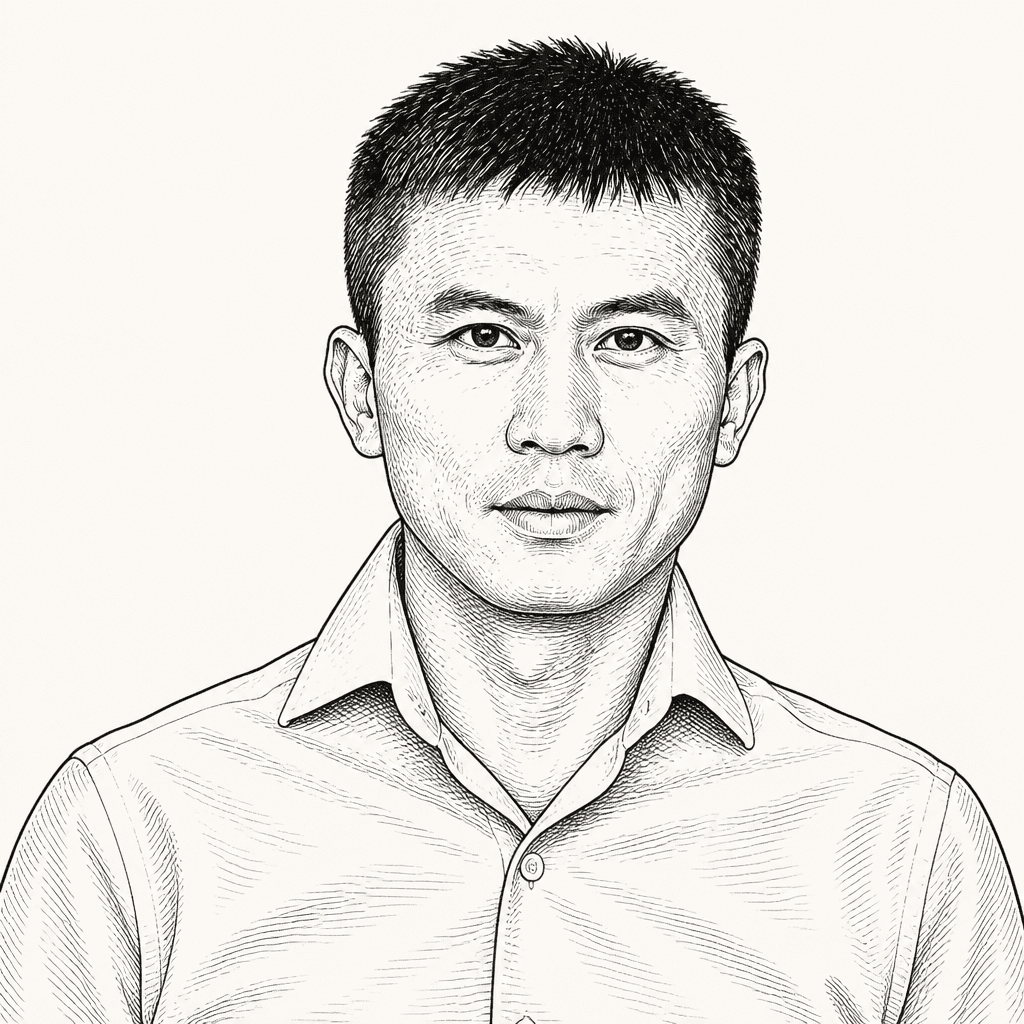
Yi Cui
Yi Cui is a Stanford professor of materials science and engineering whose research includes batteries, nanomaterials, and energy storage. He also founded several companies, including Amprius and EnerVenue.
Flow Batteries Separate Grid Storage Capacity From Power Output
Stanford professor Yi Cui argues that redox-flow batteries could suit grid storage because they separate energy capacity from power output: tank size determines how much energy the system stores, while the electrode stack determines how much power it delivers. In this course preview, he describes the design’s promise and its main constraints: increasing the concentration of redox molecules in the liquids, keeping them stable through repeated cycling and reducing the cost of membranes that limit crossover between the two sides.
Grid Storage Choices Turn on Efficiency, Cost, and Geography
Stanford instructors Matthew Kanan and Yi Cui argue that meeting rising electricity demand alongside variable renewable generation requires choosing among storage systems with distinct physical and infrastructure constraints. Kanan says the relevant trade-offs are efficiency, cost and geography: pumped hydro depends on reservoirs and elevation, while underground hydrogen storage converts electricity into fuel that requires a salt cavern and equipment to return it to the grid. Cui adds that AI data-center growth strengthens the case for storage, while AI-based materials prediction could accelerate battery development.