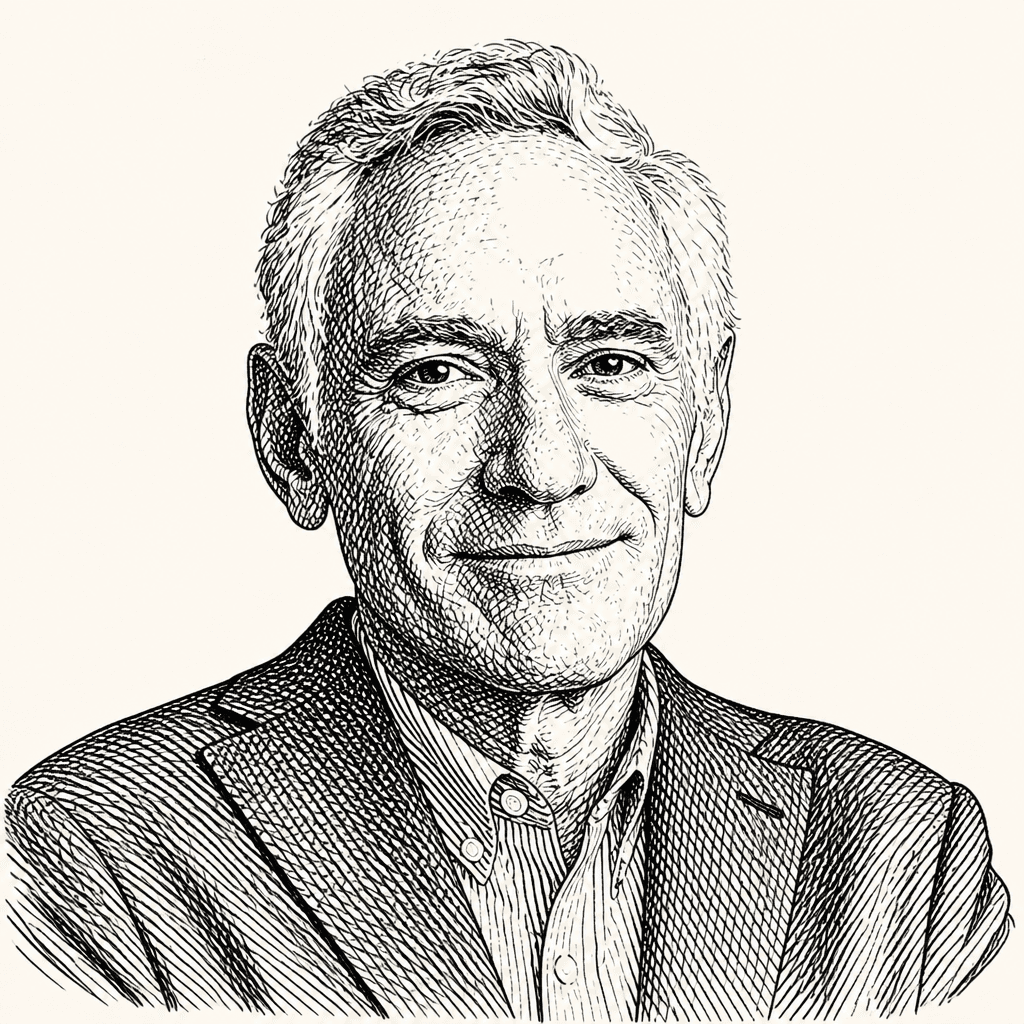
Scott Atlas
Robert Wesson Senior Fellow in Scientific Philosophy & Public Policy at the Hoover Institution. A physician and former Stanford chief of neuroradiology, he researches health-care policy, medical innovation, and the roles of government and the private sector in health care.
Patient Price Visibility and Provider Competition Could Lower Healthcare Costs
Scott W. Atlas argues that American healthcare’s high costs and uneven access stem less from insufficient coverage than from a system that shields patients from prices and limits competition among providers. He favors consumer-directed insurance and health savings accounts, transparent pricing for scheduled care, and fewer restrictions on physician training, licensing, and nonphysician practice. Atlas also contends that Medicaid enrollment does not ensure access, while drug-price controls risk weakening the incentives for pharmaceutical innovation.
Insurance Coverage Does Not Guarantee Timely, Effective Care
Scott W. Atlas argues that U.S. health policy should be judged by whether patients can obtain effective care in time, not by insurance coverage, spending levels, or stated intentions. He contends that single-payer systems achieve lower costs partly by restricting treatment, technology, and specialist access, while the United States delivers stronger outcomes through greater capacity and innovation. Atlas also links the post-COVID decline in institutional trust to what he calls the false claims and overlooked harms behind pandemic restrictions.
Public-Health Trust Depends on Evidence, Dissent, and Accountability
Scott Atlas argues that public health can rebuild trust only by showing greater discipline under uncertainty: testing evidence, admitting limits, and permitting dissent rather than enforcing consensus. He says COVID-era officials and physicians too often substituted conformity and fear for judgment, then failed to revisit the assumptions behind prolonged restrictions. Atlas extends that critique to prevention policy, arguing that government should inform people about health risks but not use aid programs or emergency authority to direct private choices.