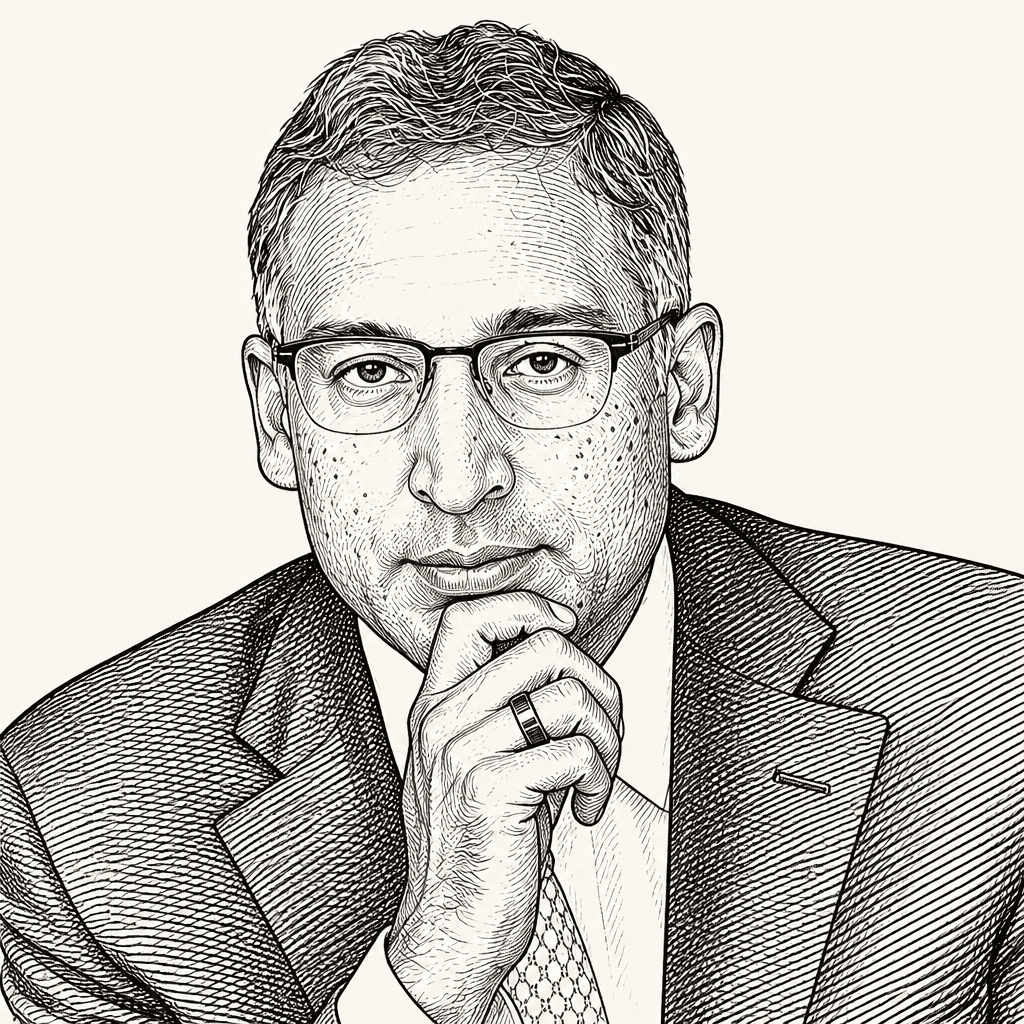
Neal Katyal
Partner in Milbank’s Washington, DC Litigation & Arbitration Group, former Acting Solicitor General of the United States, and veteran Supreme Court advocate focused on appellate and complex litigation.
The Emergency Docket Is Reshaping How the Supreme Court Decides Cases
Neal Katyal and Katherine Wellington argue that persuading the Supreme Court requires more than doctrinal command: advocates must identify the particular textual, historical or institutional concern that may move individual justices under pressure. Their account of recent cases—from challenges to presidential tariffs and jury discrimination to gun regulation—also portrays a Court whose ideological divisions do not always determine outcomes, but whose turn from precedent and growing use of emergency orders have made both advocacy and judicial review less predictable.
AI Predicted the Supreme Court’s Questions, but Human Persuasion Won
In a TED talk, Supreme Court lawyer Neal Kumar Katyal argues that AI helped him prepare for a historic tariff case, but did not win it for him. Katyal says a legal AI system trained on decades of justices’ questions and writings anticipated major lines of attack in a challenge to a president’s tariff program, including concerns that later appeared in argument and opinions. His central claim is that prediction is not persuasion: the case was won by combining AI-assisted foresight with human judgment, listening, composure and the ability to answer the person in front of him.