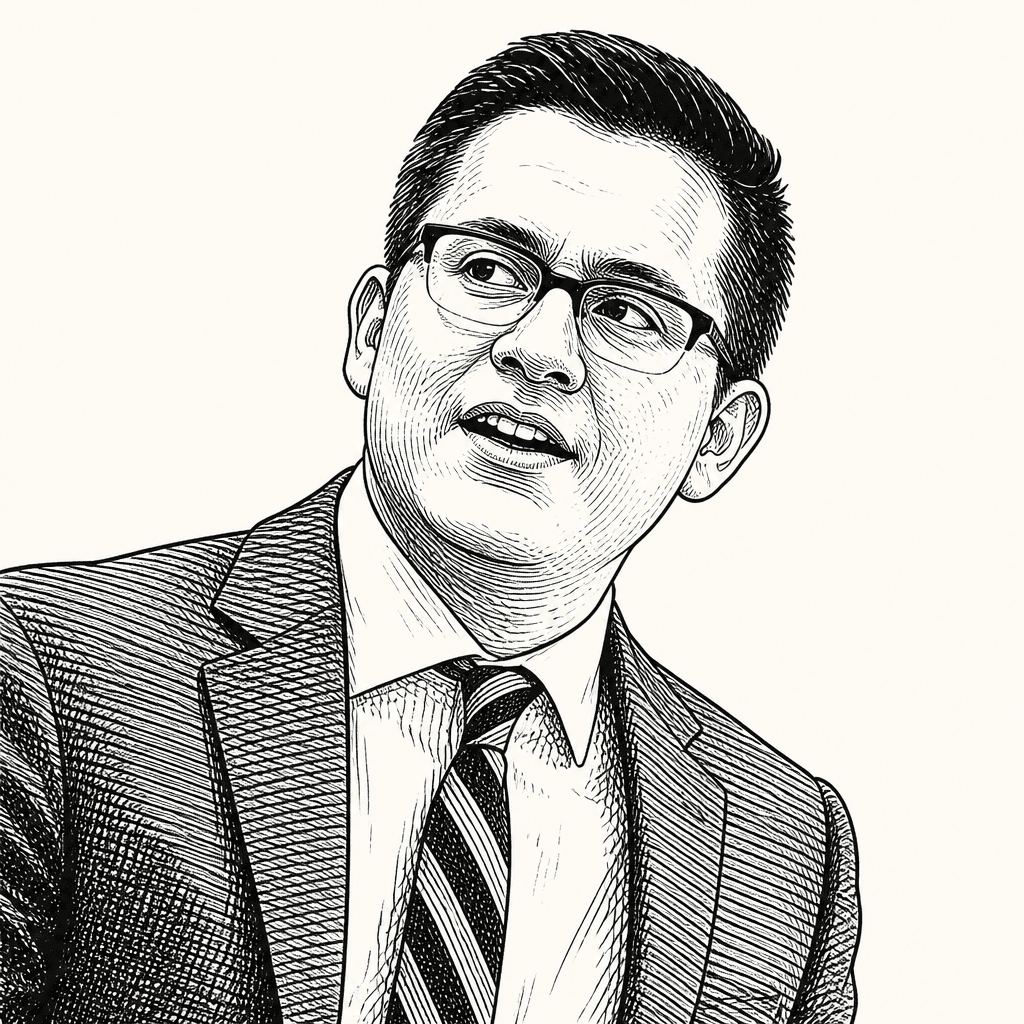
Luis Parrales
Staff writer at The Atlantic covering religion; previously a fact checker at the magazine and an associate editor for arts and culture at The Dispatch.
Platform Incentives Are Reshaping Religious Authority Online
Social media has expanded access to religious ideas, but it has not democratized religious authority, argue Liz Bucar of Northeastern University and Andrew Mark Henry of Religion for Breakfast. Henry says platform incentives favor conflict, extremity, and moral-emotional language, distorting what users encounter; Bucar argues that authority has shifted toward communicators who can earn attention and trust rather than disappearing altogether. Both contend that online reach and information do not necessarily provide the sustained guidance, correction, and community required for religious literacy or formation.
An American Pope Makes Catholic Teaching a U.S. Political Force
Paul Elie and Christine Emba argue that Pope Leo XIV has made longstanding Catholic teaching newly consequential in U.S. politics not by changing it, but by making it harder to ignore. As an American pope confronting an American administration, Leo has become a legible moral countervoice on war, migration, technological power, and human dignity, while his restrained style leaves unresolved the Church’s own disputes over authority, gender, and tradition.