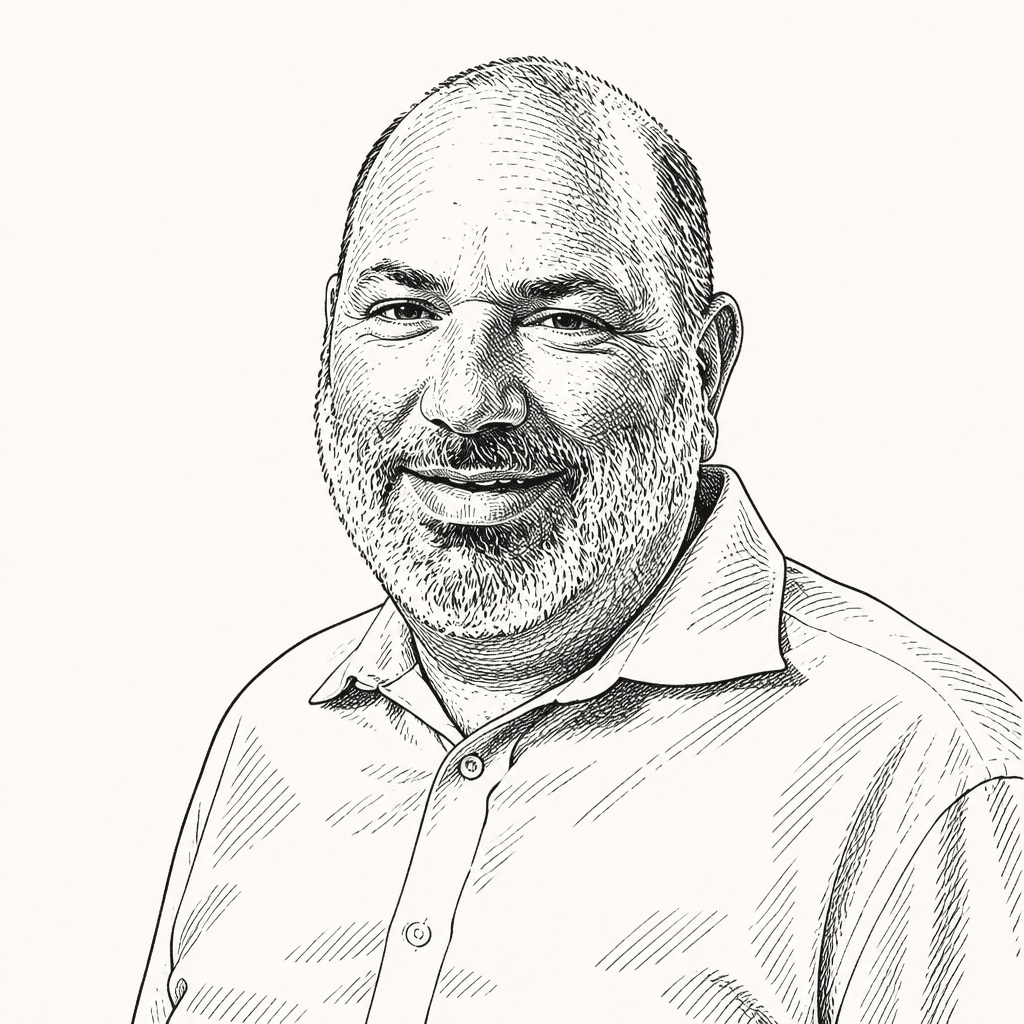
James Landay
Stanford computer scientist and professor specializing in human-computer interaction. James Landay is the Denning Director of Stanford’s Institute for Human-Centered Artificial Intelligence (HAI), where his work focuses on human-centered AI.
AI Investment and Adoption Are Outrunning Institutions’ Capacity to Respond
James Landay, director of Stanford’s Institute for Human-Centered Artificial Intelligence, argues that AI’s rapid growth is outpacing the institutions responsible for assessing its effects. Citing new midyear AI Index data, he points to concentrated model development, uneven public attitudes and early employment signals as reasons for scrutiny—not sweeping predictions. Landay says universities should test claims independently, make their work open to examination and bring technical and domain expertise together to guide how AI is built and used.
Attendees Put Independent Safety Testing First in Building Trust in AI
Stanford HAI Denning Director James Landay said he had no single answer to what AI’s rapid progress means, but named the choices ahead: what to build, how to govern it and who gets a seat at the table. Reporting attendees’ poll responses, he said third-party safety testing was the most commonly selected way to increase trust, with clear liability rules close behind; attendees saw science and healthcare as the greatest potential benefit, and elections and democracy, as well as work and labor, as areas of greatest risk.
Stanford Merges AI and Data Science Institutes Around Open Scientific Discovery
Stanford’s AI+Science Conference opened with James Landay announcing that the university is merging the Human-Centered AI Institute and Stanford Data Science into a single institute for AI and data science across Stanford. Landay, president Jonathan Levin, Surya Ganguli and Risa Wechsler framed the move around a common argument: AI is becoming a scientific instrument, but one that will require open research, domain-specific rigor, uncertainty-aware methods and human judgment about which questions matter.