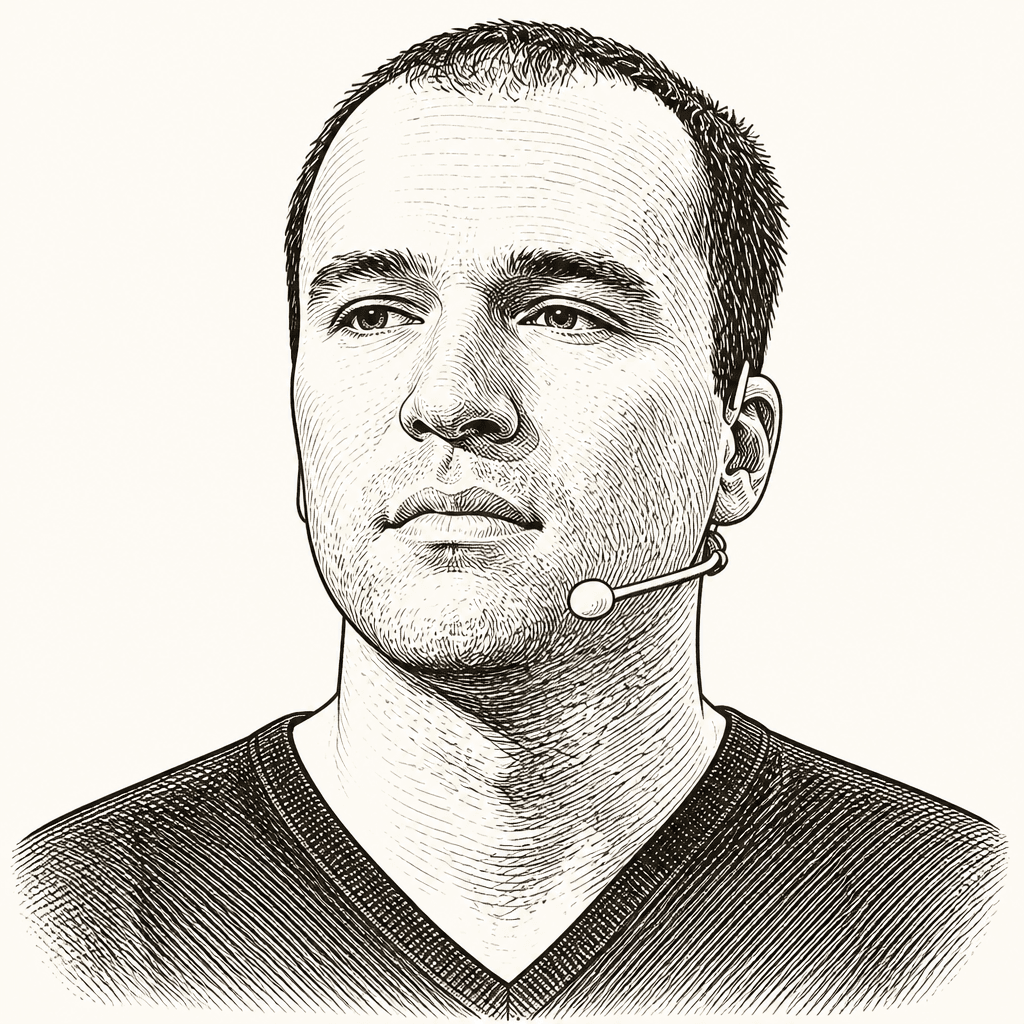
Greg Brockman
Co-founder and president of OpenAI. Previously served as Stripe’s CTO, and is a prominent technical leader in the development, deployment, and safety governance of frontier AI systems.
AI’s Cyber Defender Window Depends on Automation Before Diffusion
OpenAI president Greg Brockman argues that the arrival of models such as Astra marks an “AGI era,” not because they are uniformly reliable but because they can use computers and pursue work coherently over long periods. He says that shift makes safety, alignment and cybersecurity operational constraints rather than after-the-fact safeguards: organizations with frontier access should use it now to find and fix vulnerabilities before similar capabilities spread more widely.
Astra Signals OpenAI’s Shift From Chatbots to Computer-Using Agents
OpenAI president Greg Brockman argues that AI should move beyond chat interfaces that require users to choose models, tools and settings, toward systems that can determine how to complete a task while remaining open to human oversight. He presents Astra, OpenAI’s computer-use system, as evidence that agents can now work across software designed for people, while describing the earlier Operator release as a necessary but insufficient deployment that exposed the reliability and speed such systems require. In health, Brockman says the same model depends on earning enough trust to connect the fragmented information held by patients, clinicians and hospitals.
OpenAI Plans to Replace Chat With Persistent Personal Agents
OpenAI president and co-founder Greg Brockman argues that ChatGPT is moving beyond chat toward a persistent “personal AGI” that can understand context, use tools and act on a user’s behalf. In a Big Technology Podcast interview, Brockman says the limiting factors for that shift are not just model quality but trust, permissions, dynamic context, natural voice interaction and, above all, compute. He also makes the case that prices for a given level of intelligence will fall even as demand for frontier capability keeps rising, with health as one of the clearest early areas for widespread use.
Compute Allocation Is Becoming AI’s Central Strategic Question
OpenAI co-founder Greg Brockman argues that compute has become the central bottleneck in AI, turning data centers into a strategic advantage and a public allocation problem. In a Knowledge Project interview with Shane Parrish, Brockman says the question is no longer just how powerful AI systems become, but where scarce capacity should go — consumer access, business productivity, scientific discovery or problems such as cancer research — and how the benefits can be felt broadly rather than concentrated.