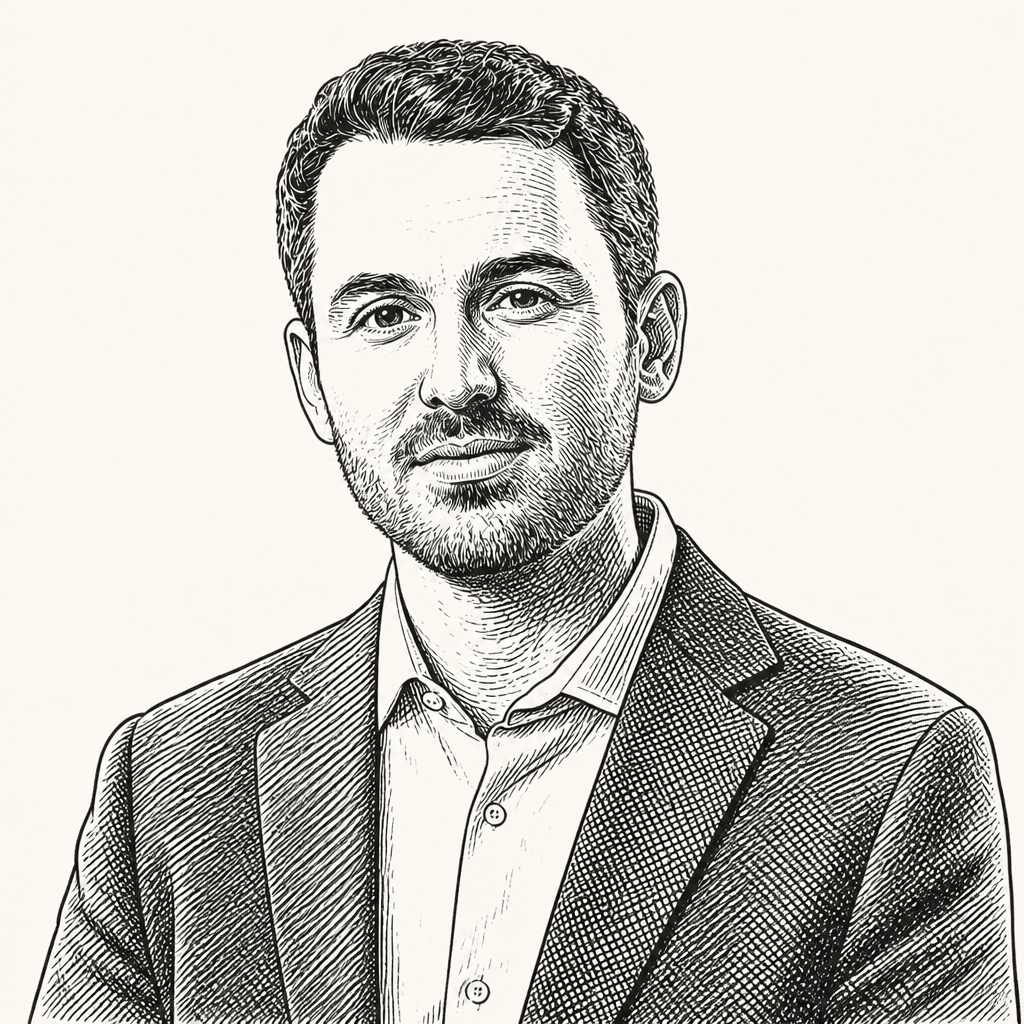
Eyck Freymann
Hoover Fellow at Stanford University and director of the Allied Coordination Working Group, focused on preserving peace and protecting U.S. interests amid strategic competition with China. He is the author of Defending Taiwan and coauthor of The Arsenal of Democracy.
Taiwan Deterrence Depends on Allied Industry, Logistics, and AI
Hoover Fellow Eyck Freymann argues that the United States has a narrowing five-to-eight-year window to deter Chinese coercion or military action against Taiwan, as China’s local missile, industrial and geographic advantages outpace many U.S. long-term defense programs. In conversation with economist Michael Boskin, he contends that deterrence will depend less on any single weapon than on a resilient system of allied access, logistics, undersea forces, air defenses, secure supply chains and privately developed AI and space capabilities.
Allied Coordination Is the Missing Link in Taiwan Deterrence
Eyck Freymann argues that preventing conflict over Taiwan requires the US and its allies to coordinate political, military, strategic, and economic power rather than rely on American military strength alone. China can pressure Taiwan through blockade, coercion, and economic measures short of invasion, he says, while allied governments remain organized around separate national policies and bureaucratic silos. The deterrent resources exist, Freymann contends; what is missing is the joint planning and trusted relationships needed to use them in a crisis.
China Could Pressure Taiwan Into Submission Without Invading
In Defending Taiwan, Eyck Freymann argues that U.S. strategy is too narrowly focused on deterring a Chinese invasion and is underprepared for a gray-zone crisis that could isolate Taiwan without open war. Freymann’s case, developed in discussion with Hoover Institution participants including Philip Zelikow, is that Beijing’s most plausible path may be legal, commercial, and coercive control over Taiwan’s external ties. Deterrence, he argues, will require Washington and its allies to integrate military power with political discipline, economic planning, technological leverage, and diplomatic coordination before such a crisis begins.
Deterring China Over Taiwan Requires Options Short of War
Eyck Freymann’s argument in Defending Taiwan, discussed with Niall Ferguson at the Hoover Institution, is that U.S. deterrence is too narrowly built around stopping a Chinese invasion. Freymann says Beijing could instead use customs controls, coast guard pressure, energy constraints, supply-chain leverage, and political coercion to force Taiwan toward submission without triggering a clear war. His prescription is for Washington to build credible options between inaction, military escalation, and an economic rupture it cannot sustain.