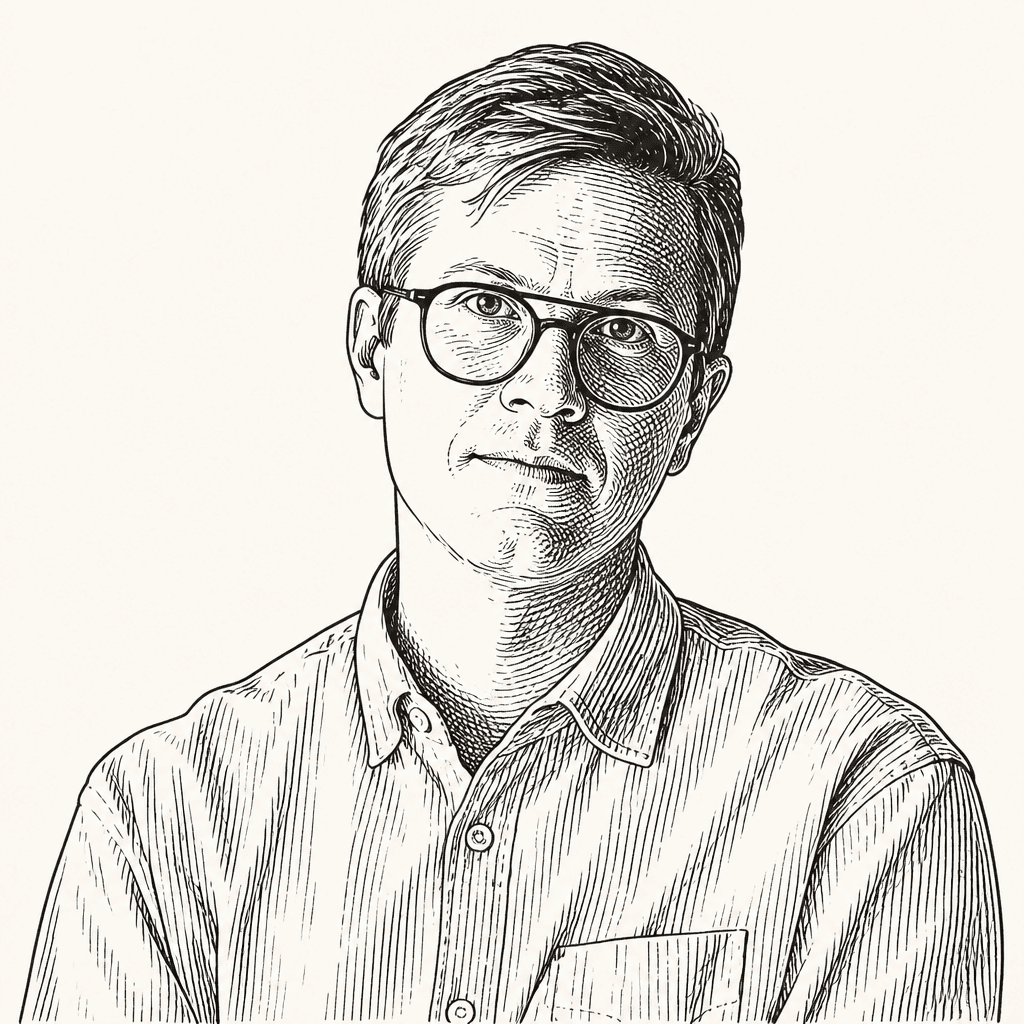
Erik Bernhardsson
CEO and co-founder of Modal, an AI infrastructure company building a compute platform for running workloads such as GPU-intensive AI applications.
GPU Contracts Assume Steady Demand; AI Workloads Do Not
Modal CEO Erik Bernhardsson argues that AI workloads need compute on demand, while much of the GPU market sells capacity in fixed, multiyear blocks that may begin months later. Modal pools supply across customers, regions and providers to match that capacity to demand that rises and falls. Bernhardsson says the model can make flexible access work, but leaves Modal exposed to the financial risk of long-term commitments if GPU prices or demand fall.
AI Demand Fluctuates, but GPU Capacity Still Sells in Three-Year Blocks
Modal CEO Erik Bernhardsson argues that AI workloads fluctuate too much for the GPU market’s prevailing model of capacity sold in fixed, multi-year blocks. In his account, Modal pools supply across customers and scales it with demand, but that flexibility requires the company to make increasingly large commitments to cloud providers—leaving it exposed if GPU prices fall or utilization weakens. The tension is central to how Bernhardsson weighs growth against the financial risks of securing capacity.
Modal Has Run More Than 3 Billion Sandboxes for AI Agents
Modal CEO Erik Bernhardsson argues that the new capabilities of AI models require new infrastructure, including inference, training and sandboxes that let agents execute code in isolation. He describes those tools as building blocks for AI applications; Modal says it has run more than 3 billion customer sandboxes. The company has raised $750 million at a $15.75 billion post-money valuation to grow faster, launch products and add capacity.
AI’s Bottlenecks Shift From Model Demos to Compute, Rights, and Institutions
AI, in TBPN’s latest discussion, is no longer treated mainly as a product demo but as a question of infrastructure, financing and institutional adoption. The strongest evidence came from SpaceX’s AI-heavy IPO framing, Anthropic’s reported move toward operating profit, and OpenAI’s claimed Erdős breakthrough, which the speakers used to challenge the “AI is a scam” critique. The unresolved issue is not whether the technology matters, but how quickly compute capacity, rights regimes, regulation and existing institutions can absorb it.