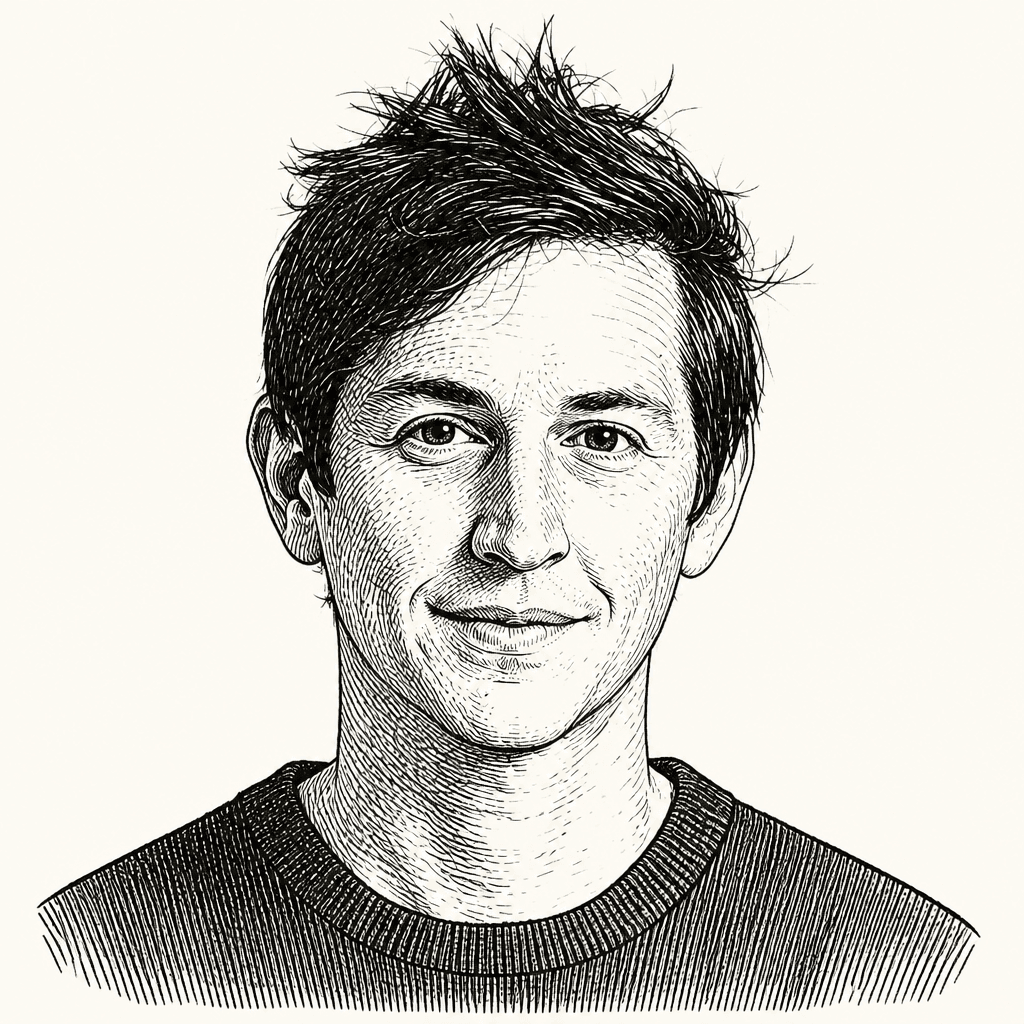
David Haber
General partner at Andreessen Horowitz focused on technology investments in B2B software and financial services. He previously worked at Spark Capital, founded SMB lending company Bond Street, and later worked in strategy at Goldman Sachs after Bond Street was acquired.
Public-Market Concentration Is Pushing Investors Toward Private Assets
Marc Rowan, cofounder, CEO and chair of Apollo Global Management, argues that private markets are becoming central to capital allocation because public equity and fixed-income exposure is increasingly concentrated. In an a16z Show interview with David Haber, Rowan makes the case that Apollo’s future lies in originating investment-grade private credit for retirees, insurers and institutions while financing data centers, energy, defense, robotics and other capital-intensive technology infrastructure. He also says private-market products must adopt more public-market features, including daily pricing and standardized data, if they are to reach new pools of capital.
Risk Management Is Contingency Planning, Not Prediction
Lloyd Blankfein, the former Goldman Sachs chief executive, argues in a conversation with a16z’s David Haber that resilient institutions are built less on prediction than on disciplined contingency planning. Drawing on Goldman’s partnership culture, its financial-crisis risk controls and his view of AI, Blankfein says leaders must take risk while preserving the systems, information flow and judgment needed to survive being wrong.
Culture and Distribution Powered Blackstone’s Rise to Nearly $1 Trillion
Tony James, former president and COO of Blackstone, tells David Haber on the a16z Show that his career at DLJ, Costco and Blackstone was defined less by asset class than by a repeatable operating pattern: enter under-scaled franchises before the opportunity is priced, then use culture, disciplined decision-making and structure to let them compound. He argues Blackstone’s rise from roughly $16bn in assets to near $1tn depended on turning a collection of subscale businesses into a firm-level machine, with investment committees, distribution and succession treated as sources of advantage rather than administrative chores.