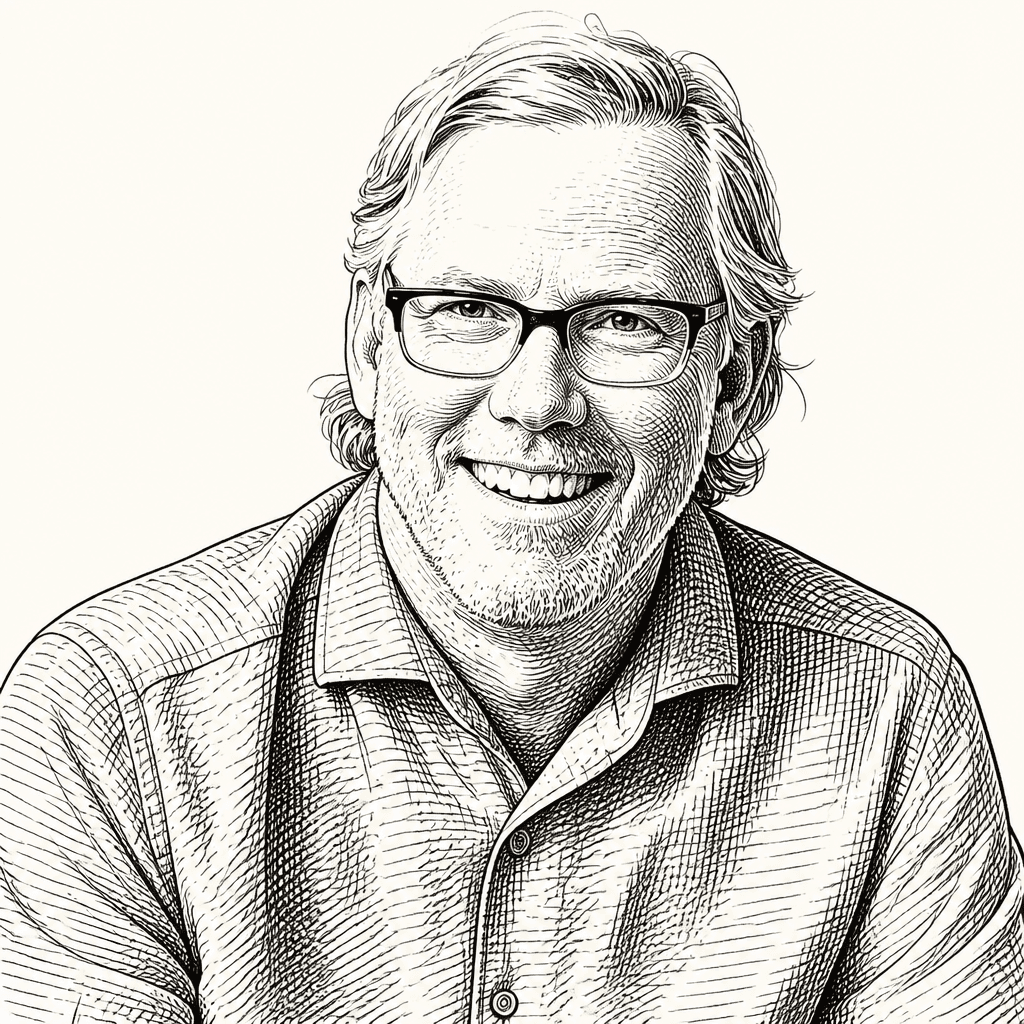
Brian Halligan
Co-founder of HubSpot and former CEO, now a partner at Sequoia Capital, where he advises and coaches startup founders on becoming scale-up CEOs. He is also associated with Propeller Ventures and has taught entrepreneurial scaling at MIT Sloan.
Databricks Built Its Business by Relentlessly Targeting the Bottleneck
Databricks CEO Ali Ghodsi argues that a chief executive’s central task is to identify the company’s most consequential bottleneck and concentrate the organization on removing it for years, not weeks. In his account, that discipline led Databricks to abandon its product-led instincts for enterprise sales, build the Lakehouse category despite internal resistance, and redesign engineering workflows around AI. It also requires a willingness to reject bad hires, competing priorities and, when necessary, the approval of colleagues.
Kalshi Built Its Prediction-Market Lead by Suing Its Own Regulator
Kalshi co-founder Tarek Mansour argues that the prediction-market company’s defining choices — refusing to pivot, suing the CFTC, and keeping a deliberately chaotic founder-led organization — all followed from treating Kalshi as a vehicle for an “everything exchange,” not as a conventional startup to be optimized. In his account, the company’s legal victory before the 2024 election mattered because years of regulatory patience, product work, and co-founder disagreement with Luana Lopes Lara left it ready to use the opening.
Ivan Zhao Says AI Makes Companies Flatter, Not Hierarchy-Free
Notion founder and CEO Ivan Zhao argues that AI will not make companies hierarchy-free, but can reduce the amount of human routing that makes hierarchy slow. In a conversation with Brian Halligan, Zhao describes Notion’s answer as “jazz mode”: a deliberately decentralized company that still has structure, but relies on high-agency people, ex-founders and model-enabled teams to improvise as product and market conditions change. His broader case is that AI-era leaders have to refound around the technology itself, not just bolt it onto the old SaaS operating model.
Twitter’s Hypergrowth Playbook Replaced Consensus With Accountable Owners
Dick Costolo’s account of running Twitter from 2010 casts the company’s early crisis less as founder drama than as an operating failure: too many decisions required group consent, too few people clearly owned outcomes, and process was allowed to substitute for judgment. In a conversation with Brian Halligan, the former Twitter CEO argues that scaling the company required replacing consensus with accountable decision rights, a bias to yes, direct communication, and faster correction when mistakes or personnel problems became clear.