Writing Down the Cost of Inaction Can Make Change More Compelling

Tim Ferriss argues that recognizing what keeps you stuck—and knowing about tools such as IFS, CBT and DBT—does not by itself change your behavior. In a Q&A, he says people may need to make the cost of inaction concrete, using fear-setting to map what staying put could mean over time, then build a bias toward change through small, consistent actions.
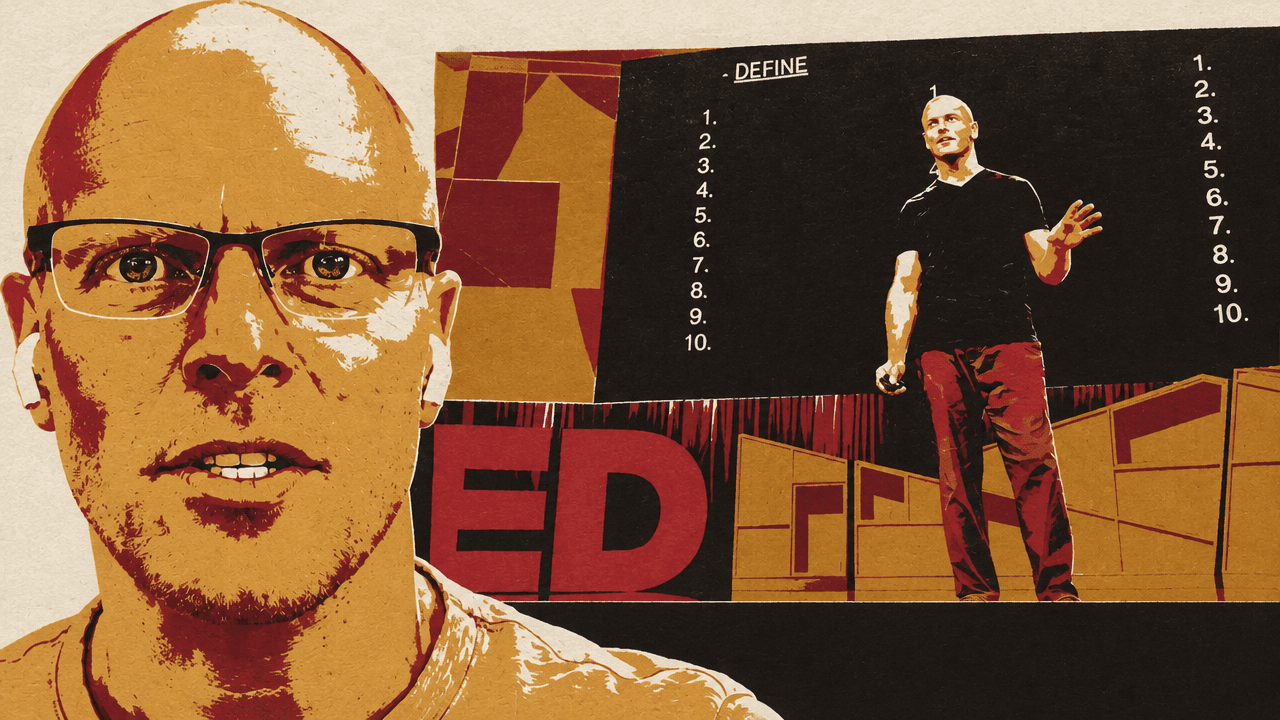
Recognizing the pattern does not make change automatic
Tim Ferriss says it is common to see what is keeping you stuck and still not change it. Giving advice can feel easy because you can see another person’s problem from the outside. The harder step, he says, is translating good intentions into different behavior. Even his own yearly reviews and “behavioral engineering” have not resolved everything he recognizes needs to change.

Ferriss briefly names several tools that may help. Psychedelics can sometimes let someone watch their own life from the outside, which he says may create awareness and a window to revise beliefs and patterns. He also recommends Internal Family Systems (IFS), developed by Dick Schwartz, and mentions cognitive behavioral therapy (CBT), dialectical behavior therapy (DBT), and Atomic Habits. His point is not to lay out a therapy program: recognizing a pattern and knowing about tools are still different from acting on them.
Make the cost of inaction concrete
Ferriss says people sometimes do not change because their current situation is not painful enough. He has seen this repeatedly with addiction, including among family members and close friends who died from it, and friends who are currently addicted. Sometimes, he says, people have to hit “rock bottom.” He offers fear-setting as a way to examine the consequences of staying put before reaching that point.
One part of the exercise, he says, is especially neglected: writing down the cost of inaction. The focus is not only on the possible downsides of doing something new, but also on what may happen if nothing changes. Ferriss says people often consider the risks of a new action without taking time to consider the costs of the status quo.
We don't often take the time to consider the atrocious cost of the status quo and inaction.
To do the exercise, take a piece of paper and make three columns: one year, three years, and ten years. Write at the top what you would like to change. In each column, describe what the costs could be if you continue doing—or not doing—what you are doing now. Ferriss suggests considering physical, financial, and relational costs, among others. The time horizons can be adjusted; he suggests five years as another option.
He calls this part of fear-setting a “reality accelerator”: writing out the future costs can magnify a situation that does not feel painful enough now and make change compelling. The exercise turns an abstract concern about staying stuck into specific questions about what that choice might mean in a year, three years, or ten. Ferriss says the picture may be “nearly inevitable” and “not going to be pretty.”
The comparison matters because trying something new can feel risky, while remaining where you are may feel like the safer option. Ferriss argues that change may involve less pain—likely temporary—and less risk, probably reversible, than staying with the status quo. Fear-setting directs attention to both sides of that decision: the possible downside of acting and the cost of continuing as before.
Use a small action to build consistency
For people who collect ideas without putting them to work, Ferriss points to older videos by creator Casey Neistat. He says Neistat is good at explaining the value of consistently shipping work, whether daily, weekly, or monthly. The interval can vary; the point is to produce something regularly.
Ferriss connects that consistency to developing a bias toward action, beginning with the smallest possible next step. It does not need to be big. He describes action as a way of reconstructing an identity: that identity can lead to habitual behaviors, and those behaviors can lead to more output.
That sequence shifts the focus from waiting to feel fully ready to doing something small enough to begin. Ferriss’s advice is to make the next action manageable, then use repeated action to support the habits and identity that make further output more likely.