Scheduling Upside And Downside Time Can Turn Anxiety Into Action

Tim Ferriss argues that staying hopeful amid grim news requires choosing what to pay attention to, rather than letting social media feeds set the agenda. He recommends making time to consider both opportunities and risks, and points to Studs Terkel’s *Hard Times* as a record of people who endured—and sometimes thrived during—the Great Depression. For Ferriss, those histories and the confidence built through action offer evidence that people can adapt.
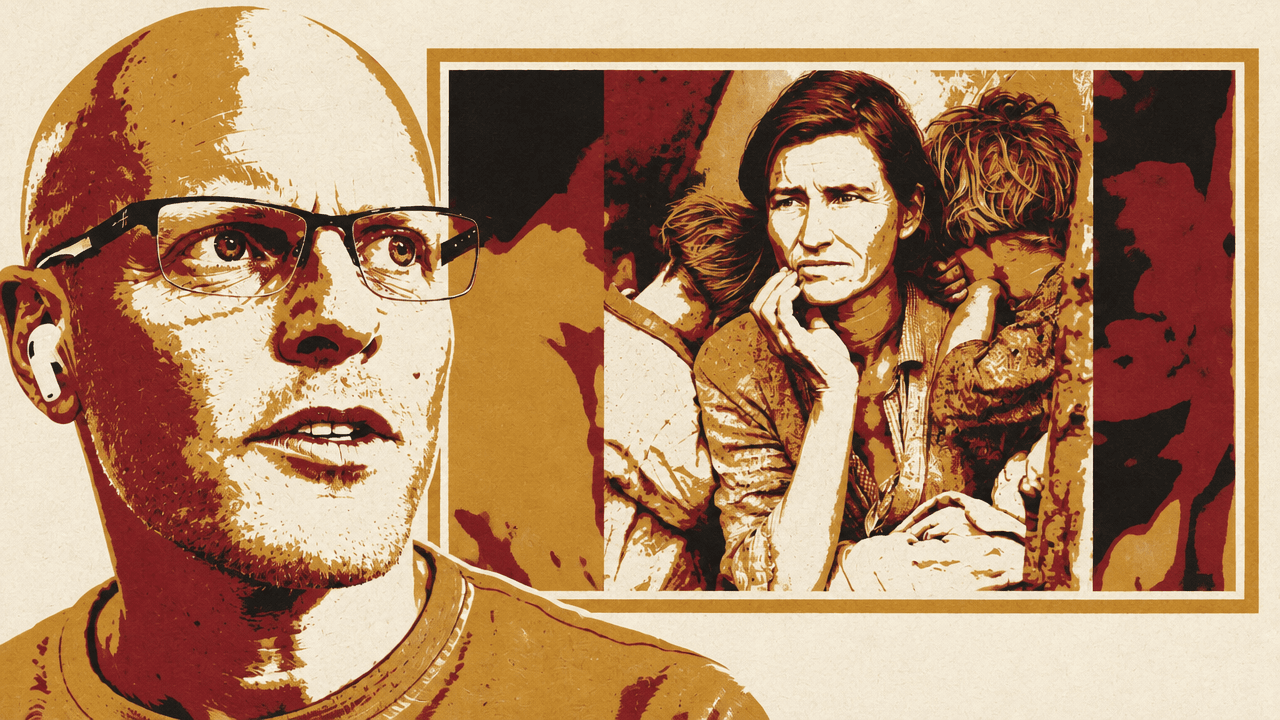
Hope needs protected time, not a constant news feed
Tim Ferriss says he has kept social media apps off his phone for about five years, apart from YouTube, which he uses for learning. He suggests trying a one- or two-month social media fast. He describes removing that input as a way to step out of what he calls a “raging waterfall of bullshit and rage,” rather than continually trying to swim against it. Even when friends send him Instagram memes, he says, not having the app on his phone limits how far he gets pulled in.
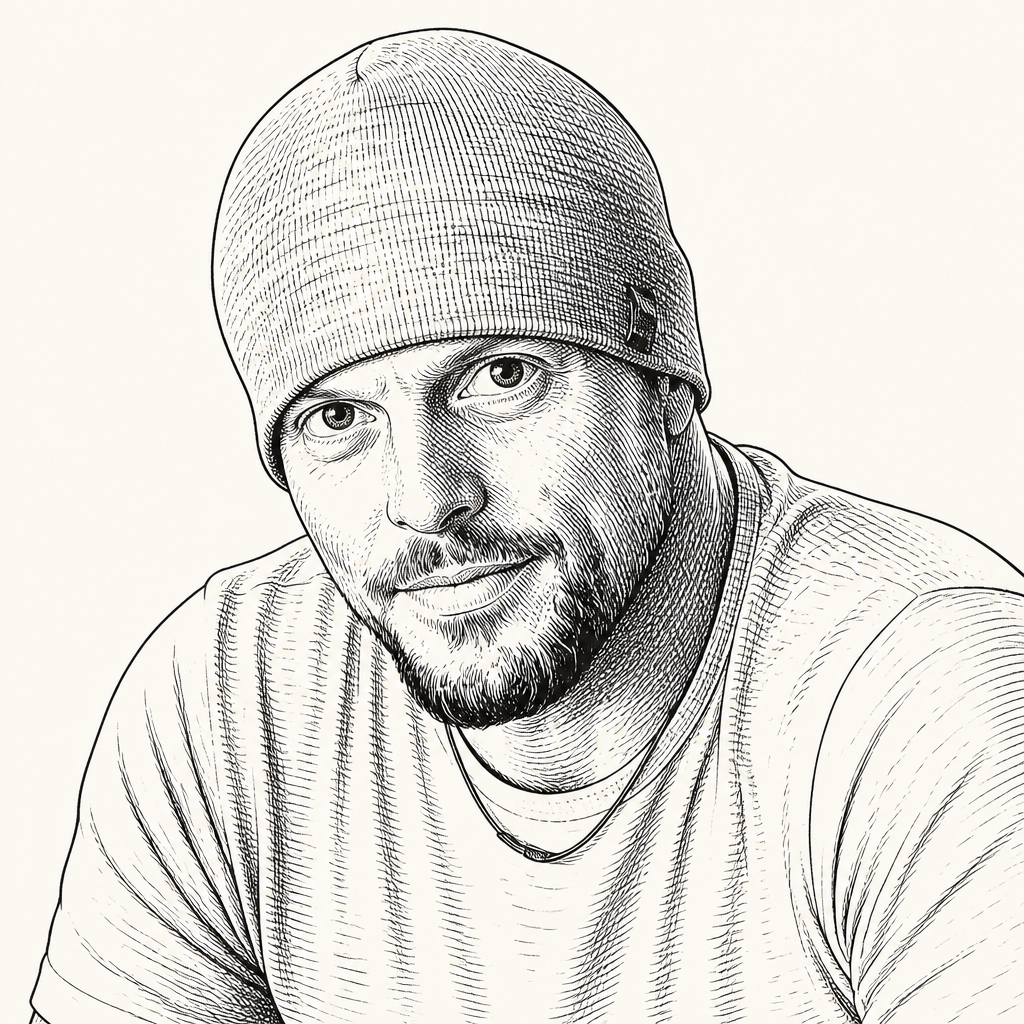
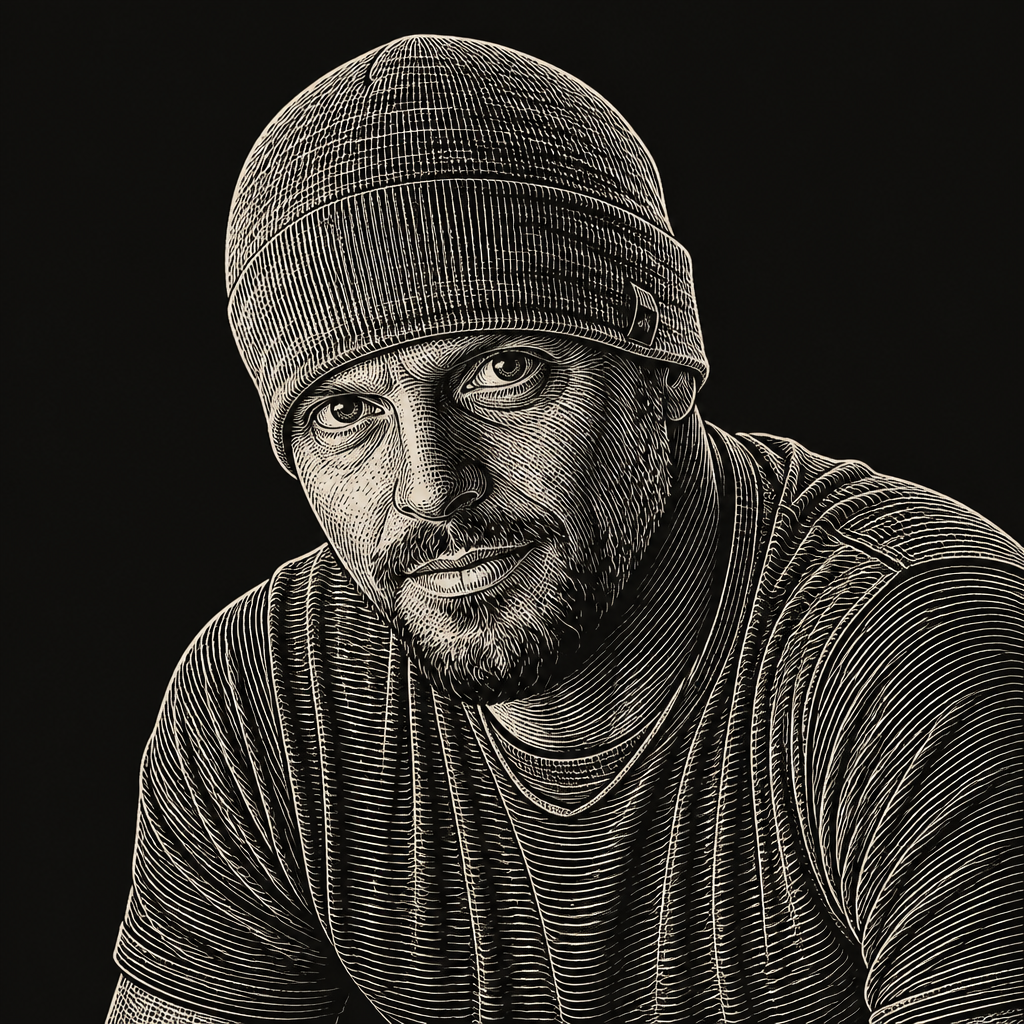
He pairs that boundary with a calendar practice: schedule both “upside time” and “downside time.” Upside time is deliberate study of possibilities—where AI may create opportunities, for example, or what might be possible in a particular sector. It is a dedicated period for looking for optimistic cases, not a requirement to feel optimistic all the time.
Downside time is a planned review of weaknesses, threats and risks. The distinction is not between looking at good news and ignoring bad news. Ferriss says the purpose of examining risks is to find descriptions of what can be done, rather than to take in more descriptions of the problem. A scheduled review asks what the risks are and what responses may be available; passive exposure leaves the choice of what to see to a feed.
Ferriss argues that people are more likely to spend time on what upsets them than on what makes them optimistic. In his view, opening a platform without a specific purpose risks handing that choice to a feed of fear, uncertainty and pessimism. He says platforms sell users’ attention to advertisers and are designed to keep people on them as long as possible. His alternative is to choose what to examine and when: use a tool such as an LLM to direct a YouTube search, rather than opening the site and following its recommendations.
A history of hardship can make resilience concrete
Tim Ferriss puts Studs Terkel’s Hard Times: An Illustrated Oral History of the Great Depression in his upside-time category. The book gathers accounts from people who lived through the Depression, organized thematically. Ferriss contrasts that collection with a cursory picture of the era—stock-market crashes, black-and-white photographs of poverty, and familiar stories of destitution. The oral histories make the period personal by showing what happened to people in their own words.
The accounts contain hardship, but also joy, and people who did better than ever during difficult times. Ferriss offers the example of a jingle writer whose creative output surged during the Depression. The book’s many vignettes include people of different genders and races, making the period’s experiences more varied and specific than a summary can convey.
For Ferriss, those stories make resilience less abstract. They show people surviving, recovering and sometimes thriving in a period that many readers may know only in outline. He also recommends looking at one’s own past: recessions, wars, stumbles and personal disasters may have disrupted people’s lives, but many found a way through. Remembering that does not erase the difficulty. It offers evidence from one’s own experience that recovery has been possible before.
Optimism and action reinforce each other
Tim Ferriss says the deeper issue is confidence in one’s ability to adapt. He recalls entrepreneur and investor Mike Maples Jr. telling him that one of a parent’s responsibilities is to teach children optimism: optimistic people see options and feel they have agency.
Ferriss does not treat optimism as a prerequisite that must arrive before action. The relationship runs both ways.
So does the optimism come first and then the action, or is it action and then the optimism? I think it actually points both ways. The arrow is bidirectional.
Reading Hard Times can make Ferriss more confident that he will figure things out; practicing a skill can build the same confidence. He points to using a learning toolkit for rock climbing or portrait drawing with Procreate and YouTube videos—not because either activity is essential, but because practicing how to learn can strengthen the capacity to adapt elsewhere.
That connects to the “meta” section of his book The 4-Hour Chef, which he describes as focused on accelerated learning. The specific skill is less important than refining a reusable approach to learning. Confidence can support action, and action can provide reasons for confidence. In practical terms, that means choosing a skill to work on can be one way to build confidence in adapting, while limiting social-media apps reduces the stream of inputs that competes for attention.