Daily Small Actions Can Rebuild Momentum After Overthinking
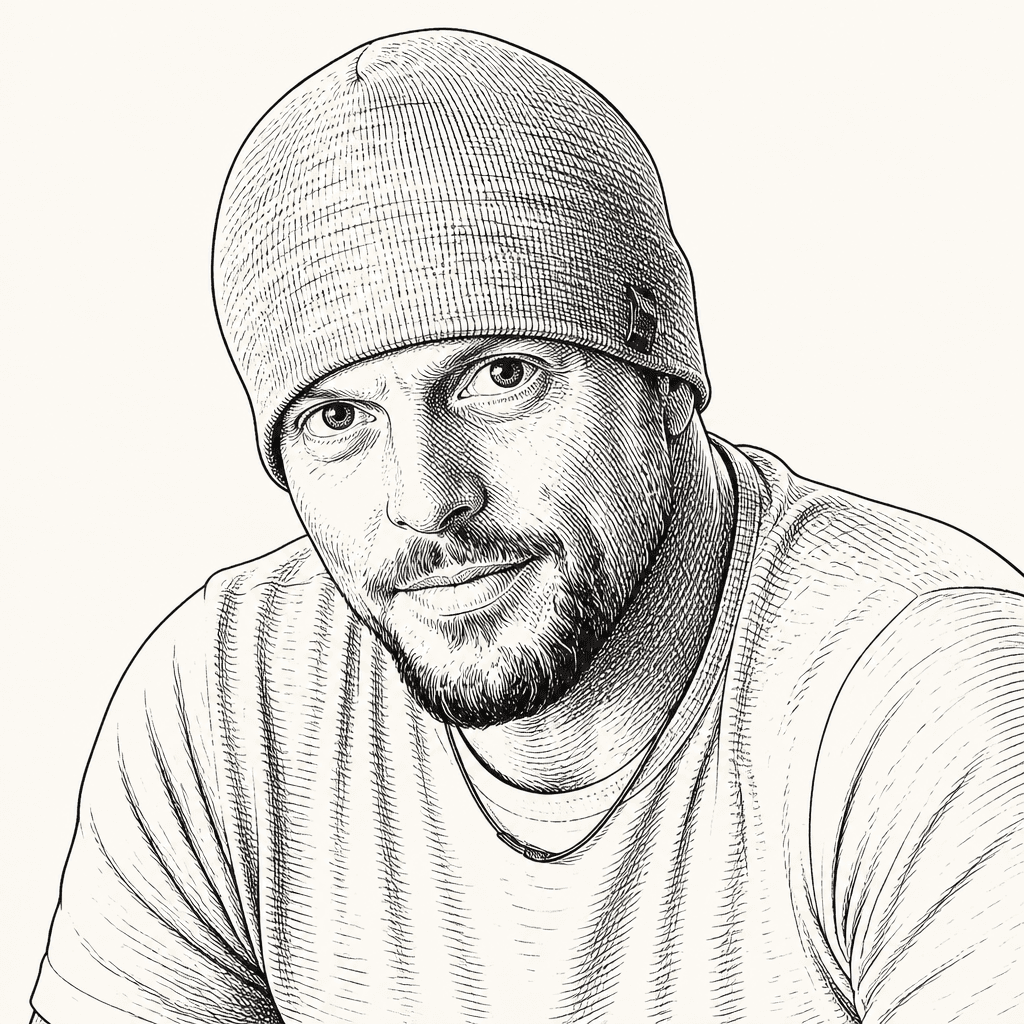
Tim Ferriss argues that people stuck in overthinking should rebuild momentum through small actions they can repeat daily, rather than starting with an ambitious plan. In a Q&A, he says those actions provide proof that a person can follow through; he also recommends making one of them outward-facing, such as calling someone to express gratitude.

Rebuild trust with actions small enough to repeat
When overthinking has become paralysis, Tim Ferriss recommends starting with an immediate, small action—not a sweeping plan for the next 30 days. The purpose is to rebuild trust in your ability to follow through. His rule is to do less than you think you can manage, then do it daily.
The questioner describes professional and personal setbacks, a loss of momentum, and a habit of journaling, reading, exercising, and examining their behavior. They wonder whether all that introspection has become another form of avoidance. Ferriss says he recognizes the pattern in himself and has seen small actions work for people close to him. The answer is not to abandon reflection, but to put action back on the daily menu.
He points to Atomic Habits by James Clear and Stanford’s BJ Fogg as useful guides to starting small. A slide illustrating Fogg’s “Tiny Habit” format pairs a small action with something already in the day: hang your keys on a hook after walking in the door, or floss one tooth after brushing. The existing routine gives the new action a specific place to happen; the action itself is deliberately modest.
Ferriss’s own examples follow the same principle. Five pushups before each meal or ten minutes of meditation immediately before bed are possible starting points, not a prescribed schedule. A short session in a meditation app is one option he mentions. What matters is choosing something small enough to repeat, rather than making the initial commitment larger than necessary.
Daily repetition gives the person acting evidence to work with. Ferriss describes the aim as reclaiming the story that you are a person of action—rebuilding an identity through what you do, not just what you intend to do.
You need proof. And the proof is daily action.
He calls the starting point the “minimum effective dose.” As confidence grows, the action can grow too: take a slightly larger bite, then another. Ferriss says that even when the situation feels urgent, there is time over several weeks to develop that muscle. The progression depends on first establishing a practice that can be carried out daily.
Make one small action outward-facing
Ferriss gives special weight to doing something for another person. He suggests calling or messaging someone to thank them, with a phone call his preference, or finding a brief opportunity in person to express gratitude. That might mean thanking a barista, introducing yourself, or otherwise making an effort to brighten someone’s day.
The suggestion addresses a risk he sees in the question itself: self-help can turn into “self-fixation,” which he says can become a recipe for self-recrimination and poor mental health. He does not spell out a mechanism by which gratitude changes that pattern; instead, he recommends making contact with someone else a small, repeatable action.
That action also fits his broader advice to rebuild agency through proof. The point is not to take on a grand project of helping others. It is to make a conservative commitment—a call, a text, a thank-you—and follow through. Ferriss recommends starting with less than you think you are capable of doing, so the action can become part of daily life.
Turn ambition or worry into a next step
Ferriss’s preferred questions for podcast guests make his emphasis on action explicit. He first considers asking, “What are you most excited about and why?” and, as a follow-up, “What keeps you up at night and why?” He revises both to ask what the person is doing about the excitement or the concern.
He says he is less interested in high-concept abstract discussion than in what someone is doing or considering doing in response to an ambition or worry. For someone feeling stuck, the same distinction offers a practical prompt: rather than continuing to analyze the concern, identify a small action that can be done today and repeated tomorrow.