Coca’s Defenders Say Prohibition Mistook a Medicinal Leaf for Cocaine

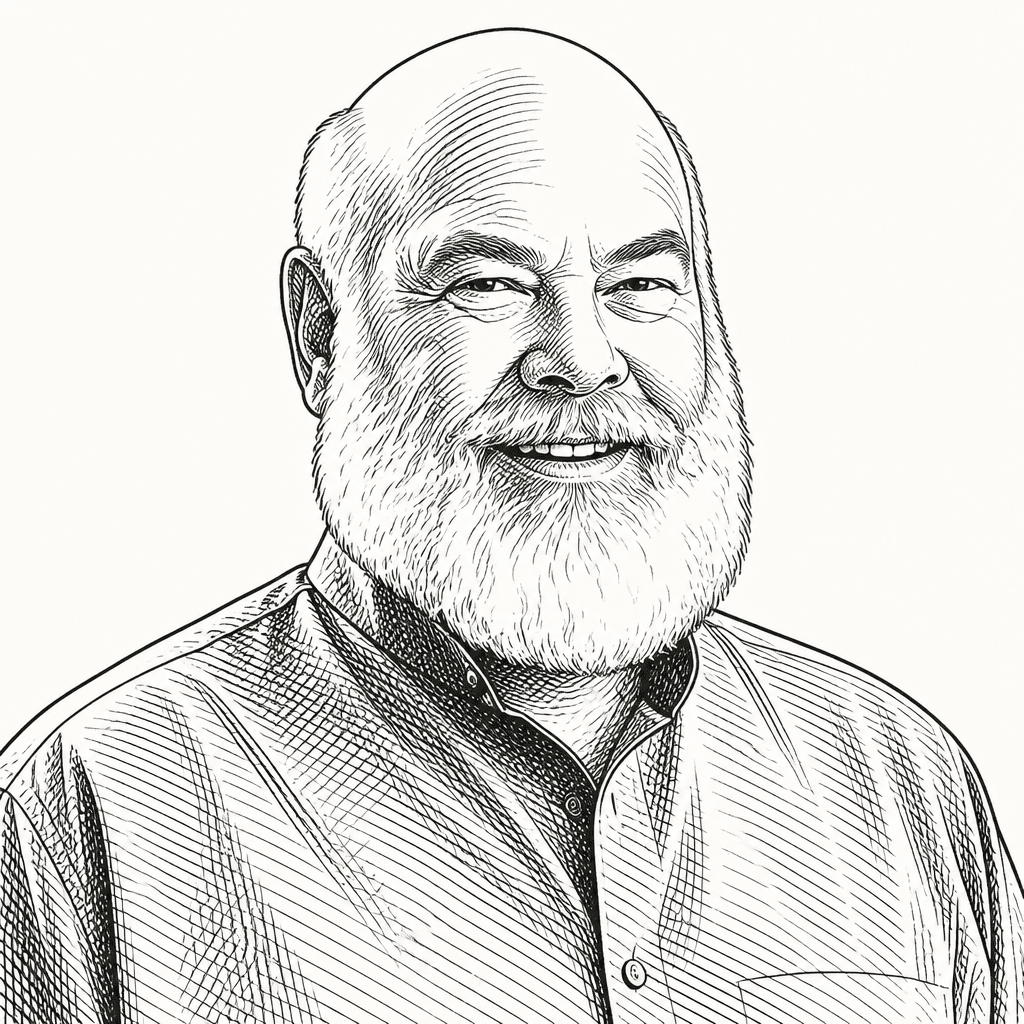
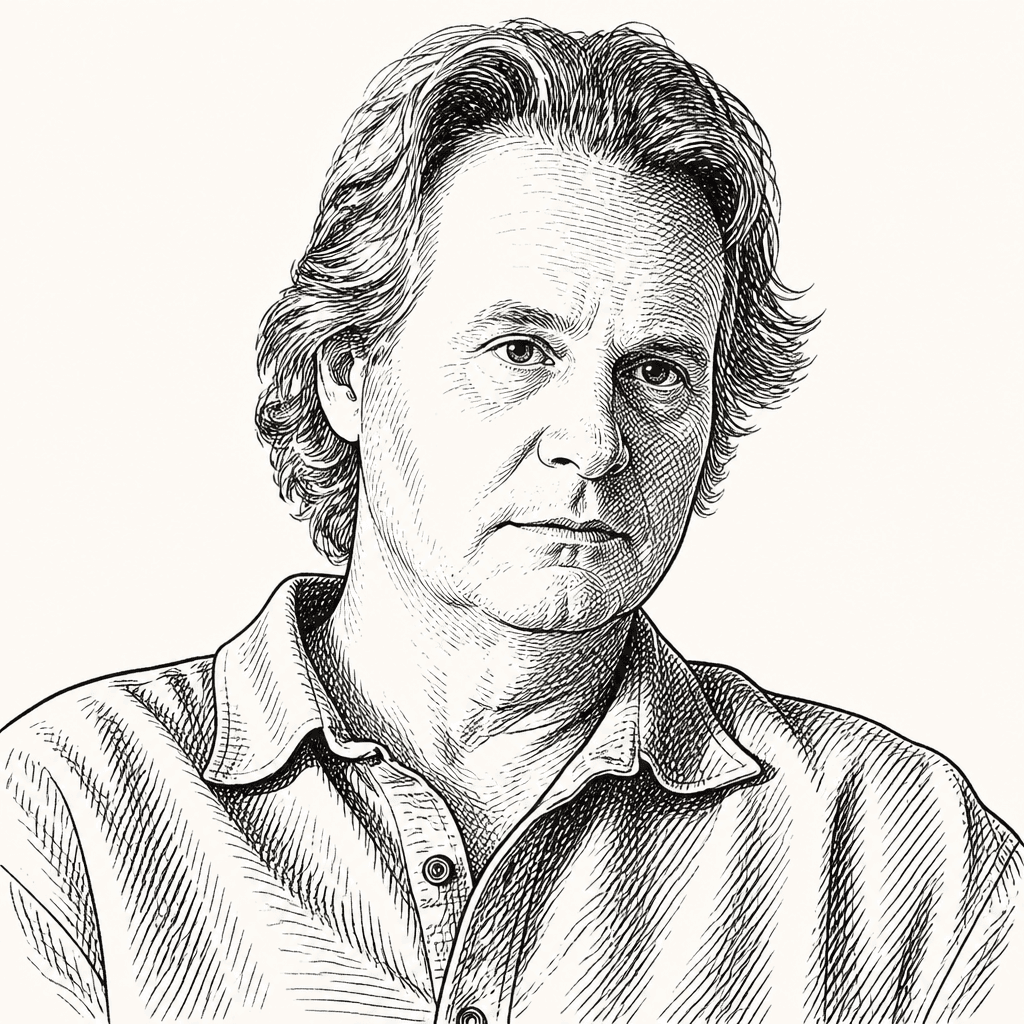
In a Tim Ferriss Show conversation, integrative medicine physician Andrew Weil and anthropologist Wade Davis argue that coca leaf has been wrongly collapsed into cocaine in medicine, law and public understanding. Weil presents coca as a case study in the difference between whole plants and isolated compounds, with suggestive but under-researched therapeutic uses; Davis argues its prohibition reflects a racially charged campaign against Indigenous culture as much as concern over cocaine trafficking. Both make the case for renewed research, legal reconsideration and a licit market for the leaf.
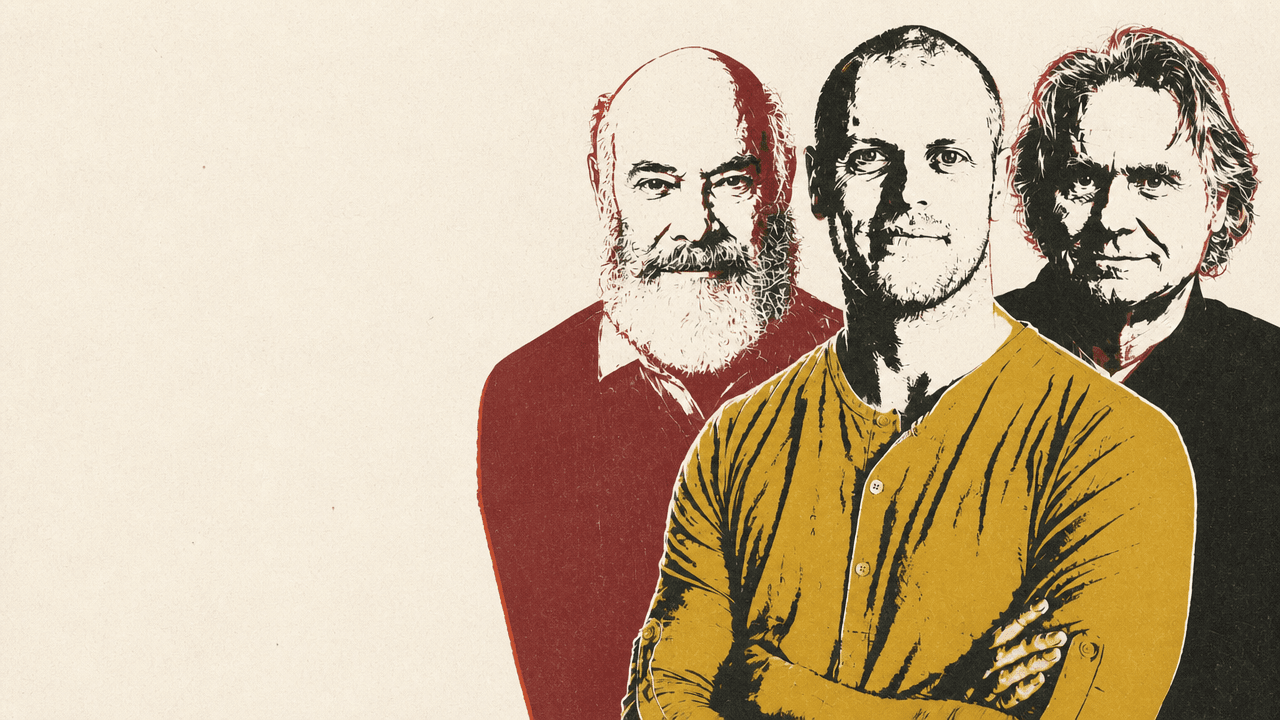
Coca is being judged as cocaine, and Weil and Davis say that category error has distorted medicine, policy, and culture
Wade Davis’s central distinction is blunt: “coca is to cocaine what potatoes are to vodka.” His example is a 2020 seizure at Philadelphia International Airport, where U.S. Customs and Border Protection described a Colombian shipment of green powder as “green cocaine.” Davis said anyone familiar with Amazonian coca preparations would have recognized the powder as mambe, an Amazonian form of coca, and the accompanying brown paste as tobacco paste. The chemical analysis found cocaine alkaloid in the powder, but Davis’s point was that coca naturally contains cocaine in small amounts, while the traditional preparation is not refined cocaine.
For Davis, the seizure condensed the failure of drug policy: after decades and enormous spending on the war on drugs, customs agents still did not distinguish between a traditional plant preparation and cocaine. He compared it to Eliot Ness busting a truckload of potatoes during Prohibition, and elsewhere pushed the analogy with peaches: “We don’t deny us the right to enjoy the luscious fruit of a peach because of the cardioactive glycosides found within the pit of every peach.”
The thing that was so disturbing about the bust is that after 60 years of a war on drugs, you had customs agents who still didn't know the difference between coca and cocaine, after expending a trillion dollars on this failed campaign.
Andrew Weil framed the same mistake as a broader failure in medicine and in modern relationships with plants. Coca, in his view, is “the most perfect example” of confusing a whole plant with one isolated component. He was careful not to argue that whole plants are inherently safe. Ferriss raised hemlock as the counterexample, and Weil agreed. His claim was narrower: isolated compounds have a place in medicine, but complex natural mixtures can behave differently from purified molecules, sometimes with wider therapeutic effects and greater safety.
Coca is the case Weil has cared about for decades because it forces that distinction. The leaf contains 14 alkaloids, cocaine being only one. Weil said the other alkaloids have essentially not been studied, because once cocaine was isolated, “everybody lost interest in everything else.” He repeatedly returned to the idea that coca’s reported effects are not reducible to cocaine. The amount of cocaine in the leaf is small, and Weil said home extraction would not be worth anyone’s time; significant production requires tonnage of leaves. What matters medically, he argued, is the whole complex of compounds, nutrients, and traditional modes of use.
Tim Ferriss supplied his own entry point: an episode of altitude sickness in Chile after quickly driving from Santiago to elevation. Locals at the lodge gave him coca leaf tea. Within several hours, he said, his symptoms disappeared and did not recur, which surprised him because even with Diamox, his prior experience of acclimatization was measured in days. Ferriss also described coca tea as subjectively far milder than half a cup of coffee for him, without the subsequent crash he associates with caffeine.

Weil added that tea is not the most efficient form. Traditional use involves holding leaves in the mouth, moistening them, adding an alkali to promote absorption of the alkaloids, and allowing slow buccal diffusion into the bloodstream. He suggested that a lozenge, chewing gum, or something like a snus packet could reproduce the traditional effect for people unlikely to chew a mouthful of leaves.
The medical case is suggestive, uneven, and still waiting for modern research
Andrew Weil first encountered coca in 1965, after his first year of medical school, when Richard Evans Schultes, director of the Harvard Botanical Museum and Weil’s mentor, sent him to South America to collect medicinal plants in the Amazon and Andes. Schultes told him, “When you’re in Peru, be sure to chew coca.” Weil did, and said he has used coca ever since.
His original interest was ethnomedical: how indigenous peoples used the plant. He described coca as being as important in Andean and Amazonian medicine as peppermint and chamomile are in European folk medicine. Its main traditional indication, he said, is gastrointestinal. He also said it is used for energy during physical work, altitude sickness, mood, and metabolism.
Weil emphasized the mismatch between coca’s importance and the research devoted to it. “For a plant of such enormous historical, cultural, economic, scientific, and medical importance,” he said, there is “an almost complete absence of research.” The sourcing he and Davis drew on was correspondingly scattered: traditional use, personal experience, older medical literature, a 1975 nutritional paper, a glucose-load study Weil recalled, and proposed modern research targets.
The gastrointestinal effects are the best example of both the promise and the uncertainty in Weil’s account. He said Andean respondents told him coca treated both diarrhea and constipation. From the standpoint of Western pharmacology, he said, that does not make sense if one thinks only of cocaine: cocaine is a gut stimulant, so it might help constipation but should worsen diarrhea. Yet the other coca alkaloids resemble tropane alkaloids such as atropine and scopolamine, compounds associated with nightshade plants and gut-paralyzing effects. Scopolamine has been used medically to treat diarrhea.
Weil’s hypothesis is that the leaf’s mixture of “ambivalent molecules” pushes and pulls against physiology. He did not present this as mystical intelligence in the body. He suggested it may depend on which receptors are available for binding at a given moment. In an overactive gut, the body may “select” the compounds that slow motility; in another state, different effects may predominate. Coca, in this account, is a model for why whole-plant preparations cannot be inferred from the behavior of a single isolated constituent.
Ferriss asked whether coca is used for conditions resembling Crohn’s disease or irritable bowel syndrome. Weil did not map it to those diagnoses. He answered more generally: among indigenous users, coca is “the great remedy for all GI disorders.” He also said users believe it helps them utilize the nutritional qualities of food, especially high-starch meals.
The metabolic claim was more specific but still framed by Weil as a subject for research. He said Andean populations often eat high-starch diets, are not always well nourished, and have a high incidence of genes predisposing them to type 2 diabetes. He said they do not develop diabetes when on traditional diets, exercising, and chewing coca, but when they move to lower altitude, stop chewing coca, and eat more like the white population in Peru, they develop high rates of type 2 diabetes. He described that pattern as “quite interesting” and called for good research on whether coca has a normalizing effect on blood sugar and metabolism.
He also recalled one study in which Andean Indians rode exercise bikes while researchers measured blood sugar after a glucose load. According to Weil, at any point in the cycle when participants began to chew coca, blood sugar normalized. He called it “just one study,” done some time ago. But to him it was exactly the kind of result that should have prompted more work.
Wade Davis pointed to another neglected line of evidence: nutrition. He said coca had been demonized from the 1920s, yet no one had done a nutritional study until Timothy Plowman and James Duke published one in 1975. The title page of “Nutritional Value of Coca,” published in Botanical Museum Leaflets, Harvard University, compared coca leaves from Chapare, Bolivia, with an average of 50 other Latin American vegetable products.
| Measure per 100 g | Coca leaves | Average of 50 Latin American vegetable products |
|---|---|---|
| Calories | 305 | 279 |
| Protein | 18.9 g | 11.4 g |
| Carbohydrate | 46.2 g | 37.1 g |
| Fiber | 14.4 g | 3.2 g |
| Ash | 9.0 g | 2.0 g |
| Calcium | 1540 mg | 99 mg |
| Phosphorus | 911 mg | 270 mg |
| Iron | 45.8 mg | 3.6 mg |
| Vitamin A | 11,000 IU | 135 IU |
| Riboflavin | 1.91 mg | 0.18 mg |
Davis’s interpretation of that study was that coca is both food and medicine: “chock full of vitamins and proteins,” with, in his phrasing, “more calcium than any other plant studied,” plus enzymes that may enhance carbohydrate digestion at altitude. Weil’s proposed modern indications included GI disorders, substance abuse disorders, ADHD with a safer stimulant, weight management, and metabolic disorders including type 2 diabetes. A page for Weil’s 1981 Journal of Ethnopharmacology article, “The therapeutic value of coca in contemporary medicine,” displayed an abstract stating that coca “appears” useful for gastrointestinal ailments, motion sickness, laryngeal fatigue, weight reduction, physical fitness, dependence on stronger stimulants, hypoglycemia, and diabetes mellitus, and that “in leaf form coca does not produce toxicity or dependence.”
Weil said there are currently no FDA-recognized approved uses for coca. His practical view is that one well-designed study demonstrating one of the effects under discussion could be a wedge: helping people get off more dangerous stimulants, regulating carbohydrate metabolism, or helping prevent type 2 diabetes.
The subjective effect described is steadier energy, mood, and task focus rather than intoxication
Tim Ferriss pressed for a practical description of what coca feels like because many listeners would hear “cocaine” in the background regardless of the distinctions. Ferriss said coca leaf tea, for him, produces a stimulant effect “far less” than half a cup of coffee. He also described using buccal forms such as mambe and said the effect remained “very, very mild.” Compared with modafinil, Adderall, Ritalin, caffeine, or cocaine, Ferriss said coca did not leave him feeling physically required to use it to return to baseline after several days. He acknowledged tolerance may occur, but said he did not experience the rebound he gets from caffeine or modafinil.
Andrew Weil agreed that the stimulant effect is much milder than coffee or pharmaceutical stimulants. He also said coca helps with weight management by reducing hunger and increasing the feeling of wanting to move, and he described its mood-elevating effects as significant.
Wade Davis supplied the most expansive experiential account. He cited late-19th-century physicians traveling in Peru who were aware of cocaine’s hazards but had not yet reflexively condemned coca leaves. One example shown was Robert Christison’s 1876 British Medical Journal paper, “Observations on the Effects of Cuca, or Coca, the Leaves of Erythroxylon Coca.” Davis described these reports as having an “ingenuous quality”: one elderly physician, head of the British Medical Association, walks across Scotland, climbs a mountain, goes without food all day, and notes the experience almost matter-of-factly.
Davis also invoked W. Golden Mortimer’s phrase for coca as “the stimulant that’s not a stimulant.” In his account, the user does not feel obviously stimulated. The evidence is retrospective: sustained focus, concentration, task completion, and steadiness through long periods. He gave a thought experiment: a plant that gives “a slight lightness of being,” a skip in the step, a sense of well-being, relief from small existential neuroses, and the capacity to remain at a creative task all day without feeling drugged and without the harshness of a second cup of coffee.
For Davis, the mood component is not secondary. He described himself as susceptible to mood swings and existential despair like anyone else. Coca, he said, does not make his life possible — he functions without it — but makes it nicer and more productive. He invoked Richard Evans Schultes, who chewed coca every day in the Amazon but not in Boston. Davis said that if he runs out, his life goes on; it is simply “not as nice a life and not as productive a life.”
Without having any sense that you've been drugged or even stimulated, you just find that stuff flitting away, and it just makes for a more productive life.
He tied that claim to his own productivity: 24 books and 50 films. He did not present coca as the sole cause, but he plainly attributed some of his sustained work capacity to it. Weil made a similarly personal claim, saying on his 84th birthday that he attributes at least some of his well-being to regular coca use and believes it has contributed to how good he feels.
The most precise subjective phrase came through Davis’s recollection of Weil’s first exposure to mambe among the Cubeo: walking away with a spring in the step, oblivious to humidity, swinging a machete, and feeling “just where I wanted to be.” Davis said that is a good summation of coca’s effect. The claim is not euphoria in the usual drug sense. It is alignment, steadiness, and the reduction of friction.
The cultural case is not just usefulness, but belonging
Wade Davis described coca as a plant used by virtually every culture of the Andean and northwest Amazon for 8,000 years, with, in his account, “no evidence whatsoever of any toxicity, let alone addiction” in that long traditional history. He said the plant has been domesticated three separate times — in the montaña of Colombia, the yungas of La Paz and Peru, and the northwest Amazon — from a wild progenitor, Erythroxylum gracilipes, growing along the eastern flanks of the Andes from Venezuela to Bolivia. For Davis, the repeated domestication is extraordinary. Human communities encountered a delicate shrub with ruby-colored fruits, white flowers, and delicate foliage, and repeatedly identified it as “the one.”
Wherever it was domesticated, Davis said, coca became “the plant of all plants,” the sacred plant. Andrew Weil described one everyday ritual expression: the k’intu, an offering of three perfect leaves arranged in a fan shape, blown upon, and accompanied by whispered prayers. Davis elaborated with the cruceta, a little cross of three perfect leaves lifted toward a sacred mountain, with the energy of the leaf blown toward the mountain. The metaphor, he said, is that the leaf’s energy flies as a cloud condenses to bring rain and fertility to soil.
Coca marks ordinary and ceremonial life. Davis said it is sprinkled when a field is planted. It is given to tools when they are brought back in the evening. It appears as a symbol of the social contract and social nexus. He cited anthropologist Catherine Allen’s formulation that denying coca to Andean people is not like denying Germans beer, the British tea, or the French coffee. It is, he said, “an act of cultural genocide,” because one cannot be runa kuna — of the Andes, of Pachamama — without using the leaves properly.
Improper use matters too. Davis said tourists offend when they stuff leaves into their mouths “like horses eating hay.” In the Sierra Nevada de Santa Marta, where he said coca consumption is the highest in the world, men constantly chew hayo, the Colombian name for coca, specifically Erythroxylum novogranatense var. novogranatense, used by the mamos. There, chewing begins when a man is of marriageable age. Men chew as they contemplate the day ahead and the day just lived. In cultures that believe their prayers maintain cosmic balance, Davis said chewing coca is “an act of being alive.”
The cultural argument extends to land, obligation, and ritual endurance. Davis described participating at age 48 in the Mujimiento near Cusco, which he called a ritual run rather than an ordinary race. The fastest young boy in every hamlet is given the gift of becoming a woman and leads able-bodied men on a 24-hour ordeal: starting around 11,500 feet, descending to 9,000 feet at the base of the sacred mountain Antakillka, then climbing over 16,000 feet and crossing Andean ridges. Davis said he was the oldest man ever to do it and the only outsider, and that he got through by chewing an enormous amount of coca.
The point was not athletic bravado. He said the race expresses obligation and belonging. Participants run the perimeter of their lands, pass sacred mounds, bring the energy of women to the mountaintop, and give coca to Pachamama. Coca is the mediator in the ritual, the adjunct without which the run cannot be done. He also recounted a syncretic myth in which Santísima María, grieving the loss of the Christ child, tastes a leaf and gains the spirit to continue. For Davis, that fusion of pre-Columbian and Catholic ideas signals coca’s centrality in Andean existence.
He acknowledged that indigenous people in the Americas often have the right to use coca in many jurisdictions. But prohibition has still raised the price of leaves through the illicit market, and he said some communities are losing traditions because coca has become too expensive. His project is therefore not only about protecting traditional use. It is also about asserting that all people should be able to benefit from what he called “Latin America’s greatest gift to the world.”
Davis says prohibition began as a cultural campaign, not a response to cocaine trafficking
Wade Davis argued that coca eradication efforts began 60 years before there was a cocaine problem. In his account, the campaign “had nothing to do with the pharmacology of cocaine hydrochloride” and everything to do with the cultural identity of indigenous people who revered the plant. Physicians and elites in Lima looked up into the Andes, saw poverty, illiteracy, poor nutrition, and other social pathologies, and, rather than confront land reform, economics, or justice, settled on coca as the culprit.
Andrew Weil described Peru as “a country with two nations within it”: a white European nation centered in Lima, whose preferred psychoactive drug is alcohol, and an indigenous population, largely at high altitude and in parts of the Amazon, that relies on coca. Those cultures, he said, have been at war ever since. For Europeans, coca chewing became a symbol of indigenous culture and of everything they wanted to eradicate or assimilate.
The UN history, as Davis presented it, is central. A United Nations commission went to Peru and Bolivia in 1949 to investigate coca chewing and the possibility of limiting production and controlling distribution. The United Nations Office on Drugs and Crime page shown in the source for the “Commission of Inquiry on the Coca Leaf” identifies the inquiry as requested by the governments of Peru and Bolivia, with the commission traveling from September to December 1949 and completing its report in May 1950.
Davis said the commission was led by Howard Fonda, a pharmaceutical executive, and that it announced its conclusions before leaving New York. Upon arrival in Lima, he said, it reiterated those same conclusions: coca had to be eradicated. During three months in the southern Andes, the commission met with military officials, alcaldes, government officials, and priests, but did not interview a single traditional user of the leaf. It naturally concluded the plant had to be eradicated.
The language behind the policy, Davis argued, was not merely outdated but racist. Near the end, he read at length from Pablo Osvaldo Wolff, Chief of the Addiction Producing Drugs section of the World Health Organization and, in Davis’s telling, an acolyte of Harry Anslinger. Wolff’s lecture to the Royal Society of Medicine depicted the non-chewing Indian as “clear-sighted, intelligent, and light-hearted,” while the coquero was “apathetic, lazy,” “morally and intellectually anesthetized,” prone to lying, criminality, and “barbaric forms of homicide.” Wolff called coca chewing a “social poison” and tied it to the “backwardness and misery” of the Indian population, listing pauperism, bad housing, deficient nutrition, absent education, alcoholism, tuberculosis, venereal disease, and promiscuity among the scourges.
Weil said he had never heard that passage before. Ferriss called it “quite a list of offenses.” Davis’s point was that this was not fringe rhetoric disconnected from law. He said Wolff wrote the language of coca demonization that fed into the statutes still governing coca, including the 1961 UN Single Convention on Narcotic Drugs.
Davis said the convention’s language continues to dictate international drug policy. He argued that the same worldview was recently reaffirmed when the World Health Organization recommended maintaining current controls on coca leaf. A WHO page cited in the source was headlined: “WHO Expert Committee concludes critical review of coca leaf, recommends maintaining current controls.”
Davis also said coca leaf remains scheduled internationally alongside fentanyl and heroin as among the most dangerous drugs. The recent effort by Bolivia and Colombia to get coca descheduled or rescheduled was unsuccessful. According to Davis, the rationale was that cocaine can be extracted from coca. He found this circular and incoherent: everyone knows cocaine can be extracted from coca, and prohibition has not stopped cartels from extracting it by the ton.
The historical claim sharpened at the end. Davis said the absence of studies was not an accident. The nutritional study of the 1970s could have been done in the 1920s, he argued, but was not done because authorities “did not want anything that would affirm the possibility that the plant was anything but the demonic entity that they claimed it to be.” In Davis’s account, the neglect of evidence was deliberate demonization for cultural, political, and power reasons.
A licit coca market is presented as a health, peace, and conservation strategy, not a replacement for cocaine enforcement
The policy proposal offered by Wade Davis is not to legalize cocaine. Davis argued that coca’s legal status has no practical relevance to cartels, which have made fortunes shipping cocaine by the ton while coca has been prohibited. If coca leaves had a licit commercial export market, he said, governments would still maintain controls on illicit cocaine production.
Davis’s case for a legal coca market begins with farmers. He said 250,000 families in Colombia grow coca to survive. Crop substitution programs, in his view, are an illusion because substitutes such as cacao or bananas are difficult to transport compared with coca paste, which can be carried in a mochila down a trail. Meanwhile, coca production has expanded dramatically, especially after Colombia’s peace agreement, with disturbing effects on tropical rainforest deforestation. Davis argued that millions of acres of already cutover land could be used to cultivate coca for legitimate products instead.
He linked this to national economics. Colombia, he said, needs tax revenue from international commercialization of the leaf to pay for the costs of peace, after draining its treasury for 60 years on a war sustained by the profits of prohibition. Above all, he said, “the world’s population has a right to benefit from this plant.”
Ferriss raised the obvious operational risk: if farmers suddenly had a legal export market for coca, could they avoid cartels, or would they be targeted? Davis did not pretend the transition would be smooth. Cartels would not “roll over” and let farmers sell tea to “Andy Weil Inc.” There would be conflict. But he argued the current situation is already chaotic, with cartels out of control, production skyrocketing, and parts of Colombia inaccessible. If the state had a national interest in licit coca cultivation, it would also have an interest in protecting farmers.
Andrew Weil’s policy wedge is consumer education and medical research. If people understood what coca is and experienced its benefits, he thinks they would demand it. He included cocaine users in that claim: he said he has known people strung out on cocaine who, after trying coca and using it properly, found it a more desirable state and no longer wanted cocaine.
The legal path in the United States may be less closed than many assume, though Weil still described serious barriers. He noted that coca is in Schedule II of the Controlled Substances Act, not Schedule I like cannabis and psychedelics. He said that is because cocaine has limited medical uses in ophthalmology and dentistry. Schedule II status still treats the substance as having high abuse potential, but recognizes therapeutic application. For Weil, that makes it somewhat easier to “leverage coca out of that controlled substance box” by demonstrating therapeutic uses the FDA could approve.
The practical obstacle remains severe. A U.S. Customs and Border Protection page shown in the source states that it is illegal to bring coca leaves into the United States for any purpose, including brewing tea or chewing, and that importation can lead to confiscation and legal penalties. Decocainized coca leaves are permitted. Ferriss noted that even Schedule II research is complicated by the need to import organic leaves rather than synthesize a molecule.
Weil named Christopher McCurdy at the University of Florida as the main researcher he knows currently working in this area. McCurdy, he said, is a medicinal pharmacologist known for kratom research and federal support, and is on the board of the Beneficial Plant Research Association. Weil said McCurdy had endured a “torturous route” to obtain leaves legally, but had finally received a supply that week. The early work would be animal research using whole coca to disentangle effects of different alkaloids, including interest in carbohydrate metabolism.
Ferriss also raised Peter Hendricks, whose work on psilocybin-assisted psychotherapy for cocaine use disorder was referenced through UAB materials. Weil said he had proposed long ago that coca might help wean people off cocaine, calling that “a big step up.” Ferriss suggested that, strange as it might sound, coca for cocaine use disorder might be worth exploring, though perhaps a difficult sell.
Funding, Ferriss argued, may not require enormous sums at the proof-of-concept stage. He cited his experience helping fund early psilocybin studies for depression at Johns Hopkins, saying $50,000 could make a large difference in some early research contexts, depending on study size and ambition. Weil said such studies cost more than one might think, but added that the National Institute on Drug Abuse has been willing to fund related work, which he considered promising.
The campaign is trying to create demand, science, and narrative at the same time
Andrew Weil and Wade Davis have both been involved in efforts to rehabilitate coca for decades. Weil founded the Beneficial Plant Research Association in the 1970s to research and educate people about lesser-known medicinal plants, with coca as the main focus. The group lapsed and was revived a few years ago. Weil said it is now robust and has strong scientists behind it. BPRA describes its mission as protecting beneficial plants, researching them, and preserving indigenous and traditional knowledge. Its coca project describes “The Coca Leaf: A Most Beneficial Plant” as a feature-length documentary seeking to restore coca’s story in the context of cultural sovereignty, ecological knowledge, environmental justice, and scientific inquiry.
Davis emphasized storytelling because he sees coca not only as a pharmacological subject but as a story of social justice, spiritual illumination, Andean prehistory, cultural celebration, ethnographic richness, and human-rights violation. He and Weil are raising funds for a film about coca. Ferriss committed to creating tim.blog/coca as a consolidated resource with links to BPRA, researchers mentioned, and writings by Weil and Davis, aimed at listeners who want possible next actions rather than passive education.
Entrepreneurs were another target. Davis said the person who “cracks this nut” could make enormous wealth because coca could compete at the level coffee occupies globally. In his view, it is a better natural stimulant: more effective, more benign, more useful. He acknowledged intellectual-property complexities but said this is a plant used for 8,000 years by many peoples, making exclusive claims difficult.
Ferriss jokingly turned to Weil’s commercial track record with True Food Kitchen and matcha, asking what “Coca Kari” might look like if Weil decided to introduce coca commercially. Weil noted that matcha and coca are both green powders. He had tried to introduce matcha years before it became popular, and now worldwide demand has strained Japan’s production capacity. Matcha took perhaps 15 to 20 years, he said; coca will probably take longer, but he is determined.
The Coca-Cola discussion underscored, for the speakers, a policy inconsistency. Ferriss referenced an Eater article about a chemical company in Maywood, New Jersey, legally manufacturing cocaine with U.S. government permission in service of Coca-Cola. Weil identified the company as Stepan Chemical and said the only legal export of coca from Peru goes there. According to Weil, the cocaine is extracted and sold for pharmaceutical use, while the rest of the leaves are made into an extract used as a secret flavoring ingredient in Coca-Cola. Davis added that, in his account, the 1961 UN Convention included a specific exclusion for coca solely for that company. Weil said he had visited the Peruvian source of those leaves and described them as low-quality “sweepings off the floor,” not leaves he or Davis would chew.
The near-term strategy, as it emerged, is parallel rather than sequential: build public understanding; fund credible research; pursue FDA-recognized uses; continue international rescheduling efforts; create licit commercial possibilities; and tell the cultural and historical story in a way that makes the existing legal framework harder to defend.
For Weil and Davis, the argument is professional, personal, and unfinished
Ferriss asked both men why coca matters so much to them personally. Andrew Weil’s answer was conceptual and medical: coca embodies the confusion between a plant and one element of it. He has spent much of his career trying to teach distinctions between whole plants, natural products, and isolated compounds, and coca is the clearest example of what goes wrong when that distinction collapses.
Wade Davis’s answer was anthropological and personal. Coca symbolizes for him the rights of indigenous people and the genius of other cultures. Its demonization is, in his view, one of the most egregious violations of cultural rights. It is also a plant that has brought him “enormous benefits.” He said it wrapped its arms around him when he was 19 and never let go.
His commitment is bound up with lineage: Schultes, Tim Plowman, and Weil. Plowman, a major botanical authority on coca and friend of Weil’s, introduced Davis to Weil and died of AIDS at 45. Davis said that while reading and delivering Plowman’s eulogy, he conceived of One River, his biography of Schultes and account of Amazonian explorations. Liberating coca, Davis said, feels like a final act of his professional life, done partly in Plowman’s memory and in renewed partnership with Weil.
The practical stakes, as Ferriss summarized them, are unusually broad. Coca touches conservation, indigenous land rights, public health, stimulant dependence, metabolic research, cultural sovereignty, and the economics of peace in Colombia. Ferriss stressed that none of this means coca is a panacea or should be without guardrails. It means, in his view, that it deserves another look — especially from people who care about alternatives to caffeine and pharmaceuticals, or about the ecological and political consequences of current coca policy.