The 10x Question Reframes What Deserves More Time

Tim Ferriss argues that deciding what matters may be less useful as a list of things to stop doing than as a question of where to invest more. Borrowing an idea from finance author Ramit Sethi, he asks what it would take to invest ten times more in the areas he values most—health and relationships—while recognizing that deliberate planning can also leave less room for unexpected experiences.

Replace the not-to-do list with a 10x question
Tim Ferriss describes optimization as “bleeding the stone”: trying to wring every last drop of efficiency or improvement from something. He still does that in some areas, but when asked what he no longer wants to optimize, he answers a different question: what is he choosing to overinvest in?
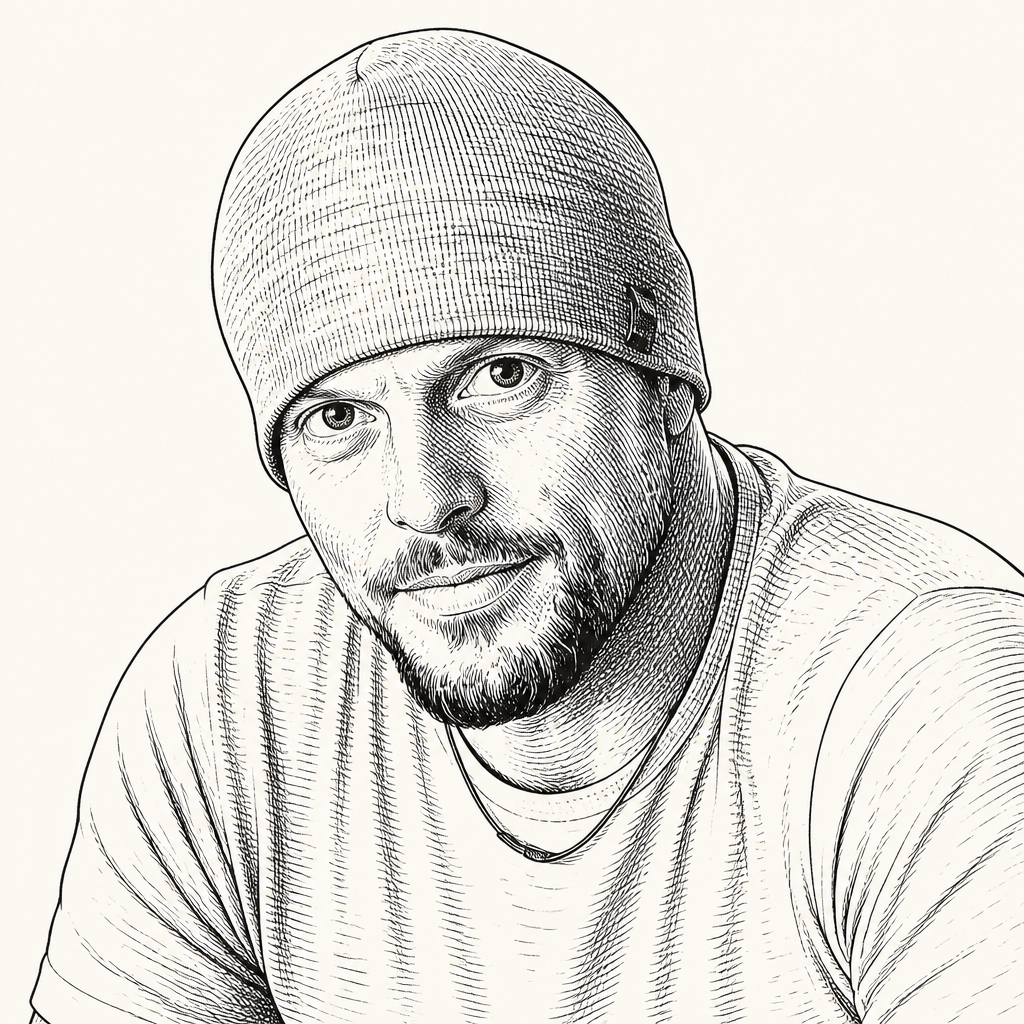

The shift matters because large investments crowd out other uses of time. Ferriss borrows a question from finance author and podcaster Ramit Sethi: What would it look like to invest 10 times more in one or two areas that matter most? Ferriss says he is paraphrasing Sethi, whose approach is not about extreme frugality or foregoing small pleasures. The question instead asks people to consider what they would do if they substantially increased their investment in the areas they care about most.
For Ferriss, those areas are health and relationships. He is trying to imagine what investing ten times more in each would require, even without an immediate answer. He calls it an “absurd question,” in the sense that it forces a different way of thinking about how a life is arranged. The point is not that the answer will be obvious, but that the question can make familiar assumptions about time and effort harder to take for granted.
That investment has an opportunity cost. If health and relationships take up much more attention, less time remains for activities that can consume hours while wearing “a veneer of productivity.” Ferriss’s preference is to focus on a larger “more to do” list rather than endlessly refine a list of things to stop doing. He sees investing more in a few important areas as a way to leave less free-roaming time for wasteful activity.
Intentionality can crowd out the unexpected
A question from an audience member presses on the tension behind that advice: if a good life can be deliberately designed—by identifying values, setting priorities, and eliminating what is unnecessary—does that make someone less receptive to meaningful experiences that could not have been planned?
Ferriss agrees that over-engineering a life makes it less receptive to what emerges unexpectedly. He does not offer a universal daily rule for balancing planning and openness. Instead, he describes having periods of heavily engineered focus and periods of what he calls “reasonably engineered serendipity”: putting things on his calendar that are likely to produce chance encounters.
For him, the two modes need not be opposites. One way to make room for surprise is to deliberately seek out people whose views differ sharply from his own.
I may very deliberately try to interview people who completely disagree with me.
Ferriss describes a friend in Austin who is far right in voting terms. Ferriss says he is neither far right nor far left, but issue by issue; he also describes his friend as very intelligent and good at questioning assumptions. He says that dismissing the friend as a “non-thinking knuckle-dragger” would not hold up. Sitting down to ask questions gives Ferriss access to opinions that are unlikely to appear in a feed personalized to reinforce his own biases. He adds that, in his view, every platform’s feed does this.
Health can create similar openings. Ferriss includes group fitness and coaching in his thinking about health, and says these activities bring him into contact with people he might never meet in a professional setting. Investing in health and relationships, then, is not only about making those priorities central; in his examples, it can also put him in settings where chance encounters become more likely.
Surrender still involves choosing what to accept
Ferriss read Michael Singer’s The Surrender Experiment on the recommendation of Kevin Rose as a counterexample to his own tendency to plan and blueprint his life. He did not know beforehand whether it would be a good or bad example of living with less over-engineering. He enjoyed the book and found it helpful partly because its approach was so different from his default.
But Ferriss also sees a question inside the book’s apparent surrender: Singer must have said no to many things in order to focus on the experiences described there. That raises what Ferriss calls the question of “overall surrender versus selective surrender.” He does not resolve it; he says it may be a conversation to have with Singer.
The distinction cuts both ways. Over-engineering can indulge the illusion of control and make someone blind to what is already around them. But Ferriss also warns against taking on the identity of someone who “goes with the flow” and treating every distraction as an opportunity. He borrows Seth Godin’s phrase for the risk: becoming “a floating generality.”
Ferriss says he is still writing about what the sweet spot looks like for him and for some people he knows. The tension remains: deliberate choices can narrow what a person notices, but indiscriminate openness can turn every distraction into a reason to change course. His 10x question offers a way to give health and relationships more space without claiming that planning can—or should—account for everything that might emerge.