Mount Pleasant Showed How Language Gaps Can Turn Policing Into Crisis
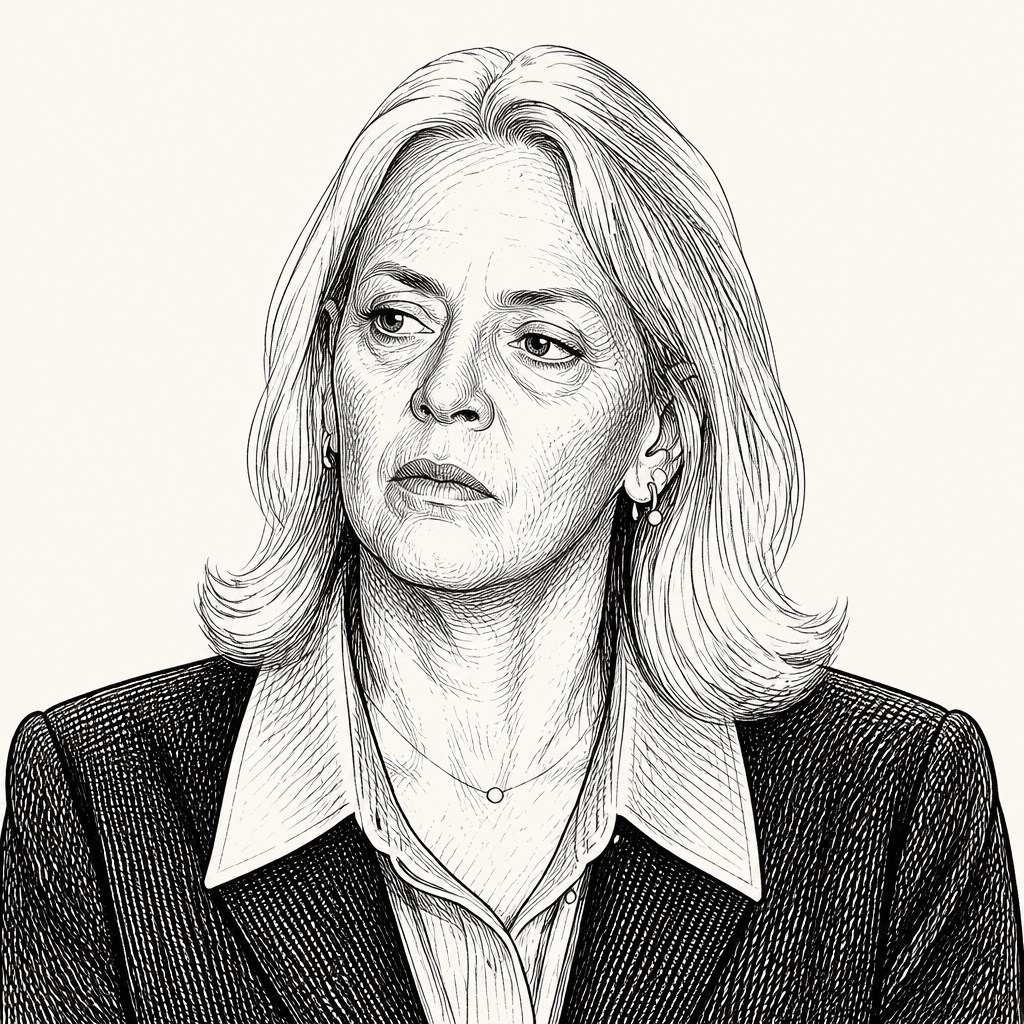
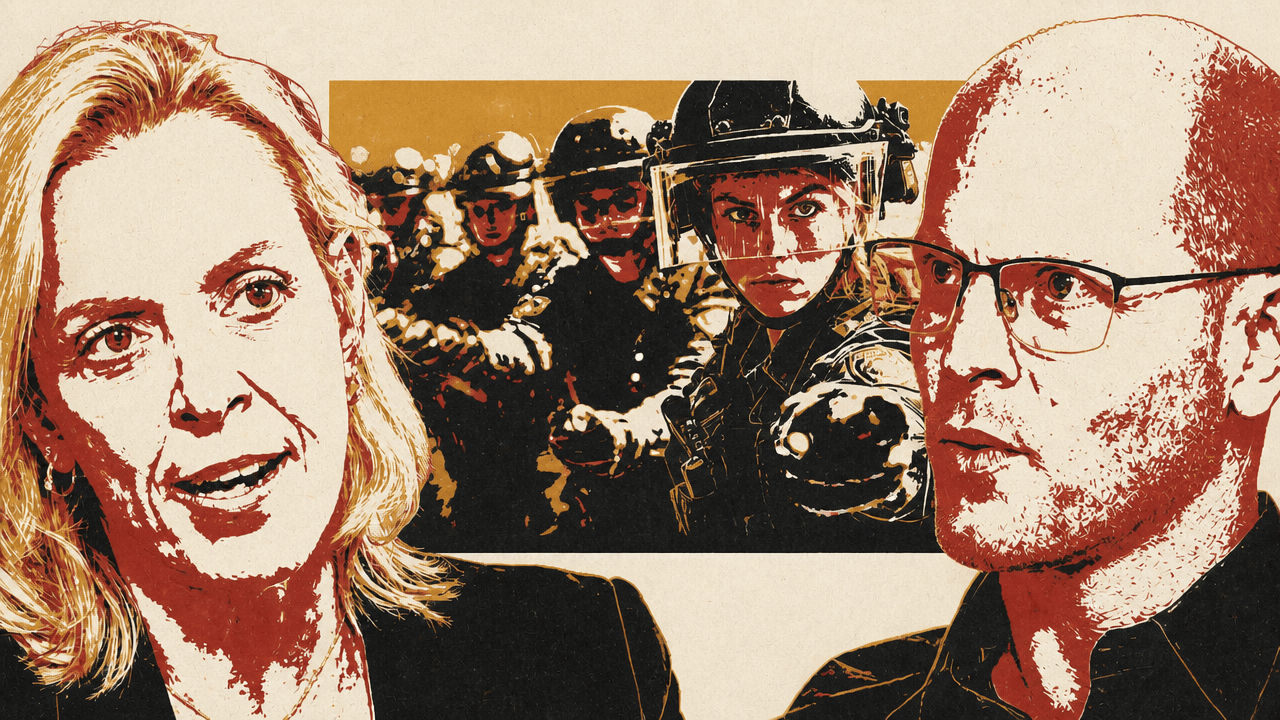
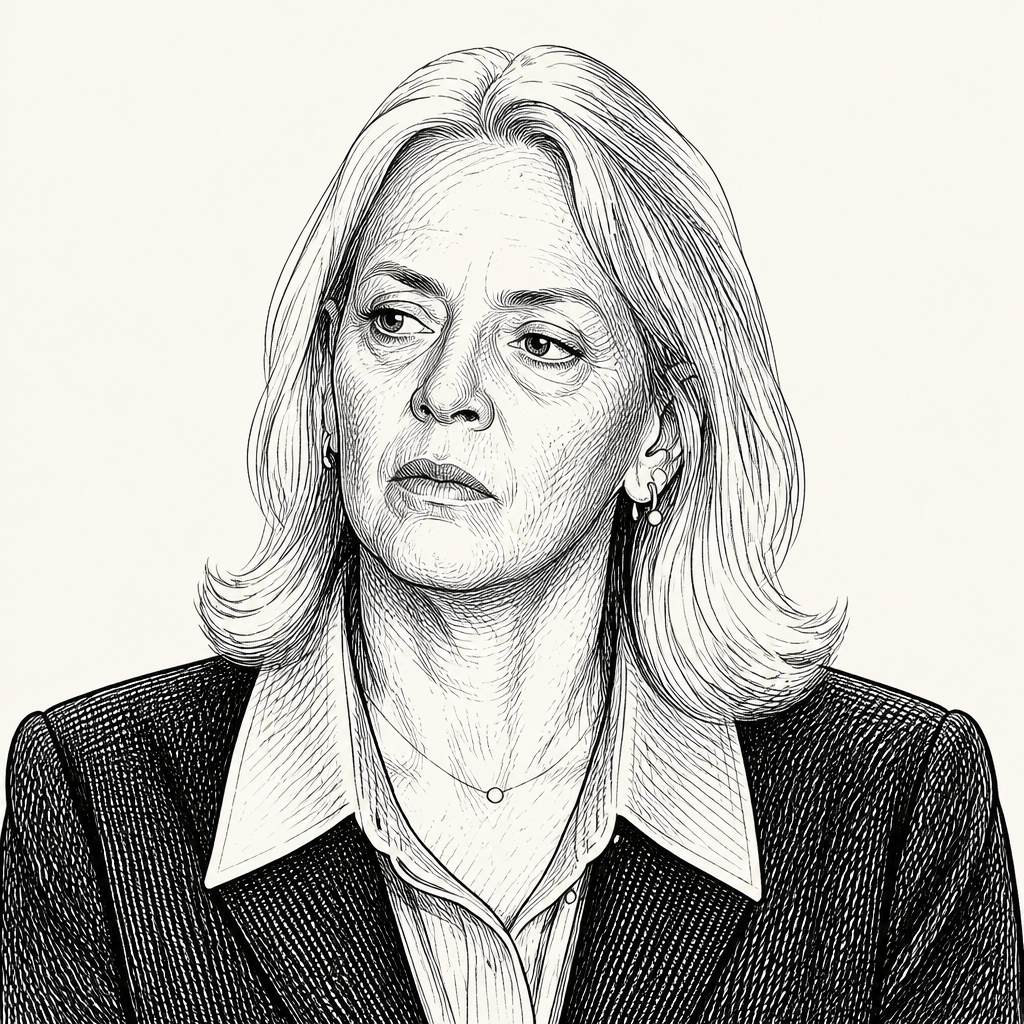
Cathy Lanier, the former Washington, D.C., police chief and current NFL chief security officer, uses her first days as a rookie officer during the 1991 Mount Pleasant riots to argue that policing fails when it substitutes force for understanding. In her account, the crisis grew from a language gap, mistrust, and a department unable to communicate with the community it was policing. The lesson she says shaped her career was operational rather than sentimental: officers have to know the people in front of them and solve the real problem, not merely impose control.
The first lesson was not force, but failed communication
Cathy Lanier describes the Mount Pleasant riots as a formative first day because they exposed, immediately and physically, what policing becomes when a department cannot communicate with the community it serves.
The incident began the night before Lanier’s first shift out of the academy. Two officers on foot patrol attempted to arrest a Latino man for drinking in public. Lanier says he did not speak English, and that Washington, D.C., law enforcement at the time had “very few” Spanish-speaking officers despite a large Latino population. That gap, in her account, made effective policing difficult because officers and residents could not reliably understand one another.
During the attempted handcuffing, after one cuff had been placed on the man, Lanier says he turned, pulled a knife on the officer, and the officer shot him. The partner then put on the second handcuff, removed the knife, and called paramedics. What residents saw, Lanier says, was “a handcuffed person who had been shot.”
By Lanier’s 5:30 a.m. roll call, a disturbance that began around 1 a.m. had become a riot. Police cars had been burned; stores had been looted and set on fire. Archival footage shown with the date “Mount Pleasant May 5, 1991” showed a burning vehicle, broken windows at a 7-Eleven, police in the street, crowds near fires, and people throwing objects.
Lanier’s first instruction as a rookie was not an orientation. She walked into the station, introduced herself, and was handed a gas mask.
I walked into the station, said, hi, I'm Cathy Lanier, I'm the, you know, new rookie from the academy. And they threw me a gas mask and they told me to go out and get in the van.
She was put in a van with roughly 15 other officers wearing gas masks and carrying riot sticks, then dropped at Mount Pleasant and Park Road. She had a helmet, a gas mask, and a riot stick. She did not have a radio. Rookies, she says, were not allowed to have radios because they had not been trained to use them, so her partner’s radio became her lifeline.
For five days, Lanier stood on the line while officers were pelted with bricks, bottles, and stones. She calls it “trial by fire,” but the lesson she emphasizes is not that force solved the problem. A large Latino community could not communicate effectively with police; police could not communicate effectively with that community; residents believed they had witnessed a handcuffed man being shot; and there was, in her account, no real effort to “get the story straight” or understand the frustration before the confrontation escalated.
Lanier saw an unwinnable response, not a test of toughness
Tim Ferriss frames the Mount Pleasant experience as a possible test of temperament: being dropped into violence on a first day, hit with bricks, and forced to discover whether crisis conditions reveal capacity or overwhelm.
Lanier’s answer is not that she discovered she liked danger. What drew her attention was the mismatch between the problem and the response. As officers were issued riot sticks, helmets, and gas masks, and as gas canisters were fired into the crowd, she says she was thinking that the department was not going about it the right way.
She emphasizes that she was a rookie and did not assume she knew more than the commanders making decisions. But from her vantage point, the response looked unwinnable because it was not treating the riot as a problem to be solved. The department had a real public-order emergency, but the underlying crisis included the language gap, residents’ frustration, what people believed they had seen, and police actions that left little room for explanation or understanding.
There’s a problem to be solved here and we’re not going about it in a problem solving manner. We’re going about it with brute force.
Lanier’s point is operational: brute force “doesn’t always work,” and in Mount Pleasant she felt the department had no path to a win through force alone. What intrigued her was the possibility of analyzing the way police were doing things and asking why they were being done that way.
That habit — looking at an official response and asking whether it is actually solving the problem — is the thread she draws from her first day. She says it began “from the minute I hit the ground.”
Inclusion meant knowing the community before the crisis
Cathy Lanier uses inclusion in practical policing terms rather than as a general aspiration. If an officer is not embedded in the community, does not know who lives there, does not understand what people need, and cannot communicate with them, she says, the officer is “really not going to be successful.”
The important detail is that Lanier says she understood the crowd’s frustration while standing on the police line being attacked. She was wearing riot gear, had no radio of her own, and was absorbing the consequences of a department and a community that could not communicate with each other.
That lesson traveled with her as she rose through the ranks. Policing, in Lanier’s account, depended on more than command presence and enforcement authority. It required officers who knew the community well enough to communicate before events reached a breaking point.
The job appealed to her as repeated problem solving under pressure
After the riots ended, Cathy Lanier began walking a foot beat in the city. The appeal of the job, as she describes it, was not the authority of the badge but the repeated opportunity to solve problems.
Every day brought calls for service and 911 calls: people in crisis, people needing help, situations that required someone to think through what was happening and decide how to respond. Lanier says she might get to do that six, seven, or eight times a day.
The job also carried the frustration of hierarchy. As a line officer at “the bottom of the totem pole,” she was inside a chain of command and could not make certain decisions. But she still felt that each shift gave her a chance to affect someone’s life, even if the effect was small.
That is the way she explains why the Mount Pleasant experience was “great” for a rookie. Not because the violence was good, or because the response was right, but because it showed her immediately what she had entered: a profession where bad communication could become public crisis, where brute force could fail as strategy, and where the daily work, at its best, was problem solving under pressure.