Staffed Homes Give Women Leaving Prison a Path to Reentry
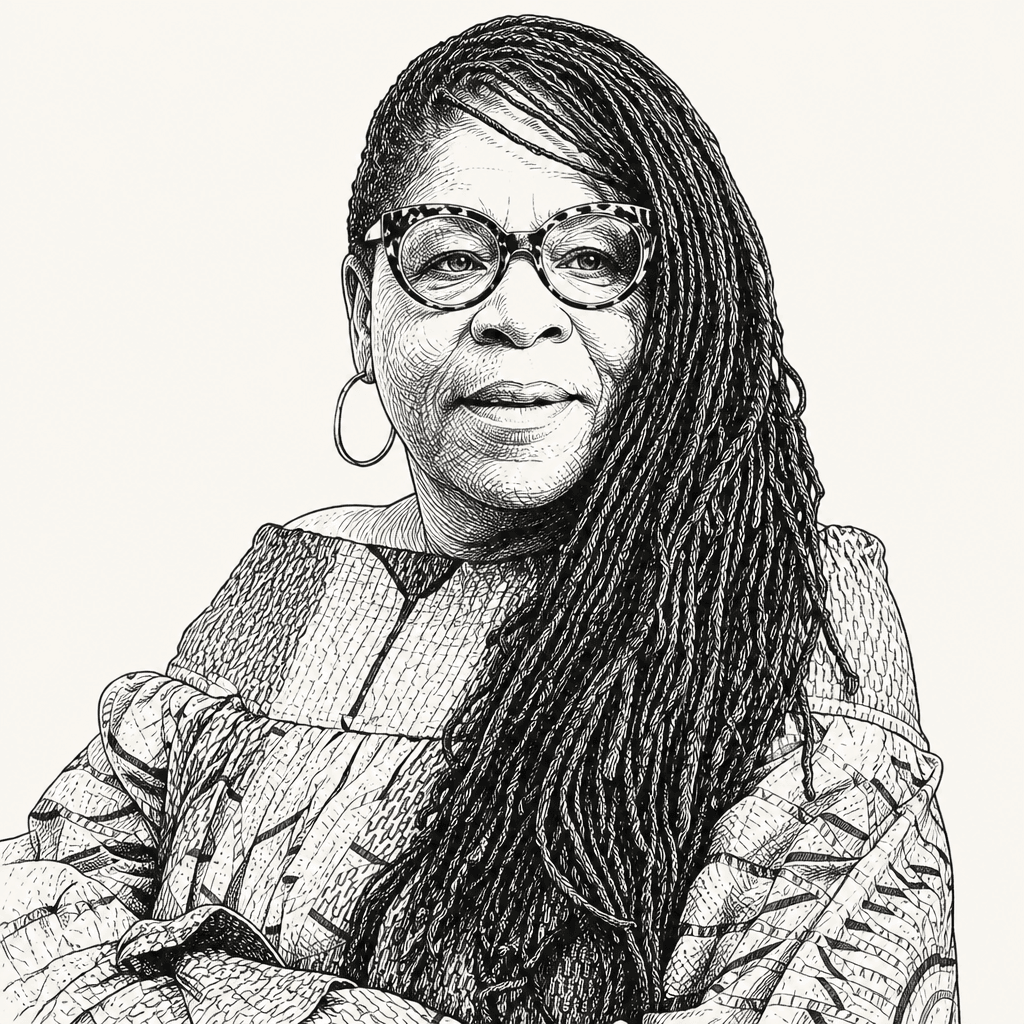
Susan Burton argues that women leaving prison need a staffed, accountable community—not merely a bed—to avoid being pulled back into the conditions that led to incarceration. Drawing on her own experience of repeated imprisonment, she built a Los Angeles network of 12 homes that combine housing with work, legal and financial support, shared responsibilities and peer relationships. Through the Sisterhood Alliance for Freedom and Equality, Burton is training women to replicate that model, framing stable reentry as family preservation, community repair and public safety.
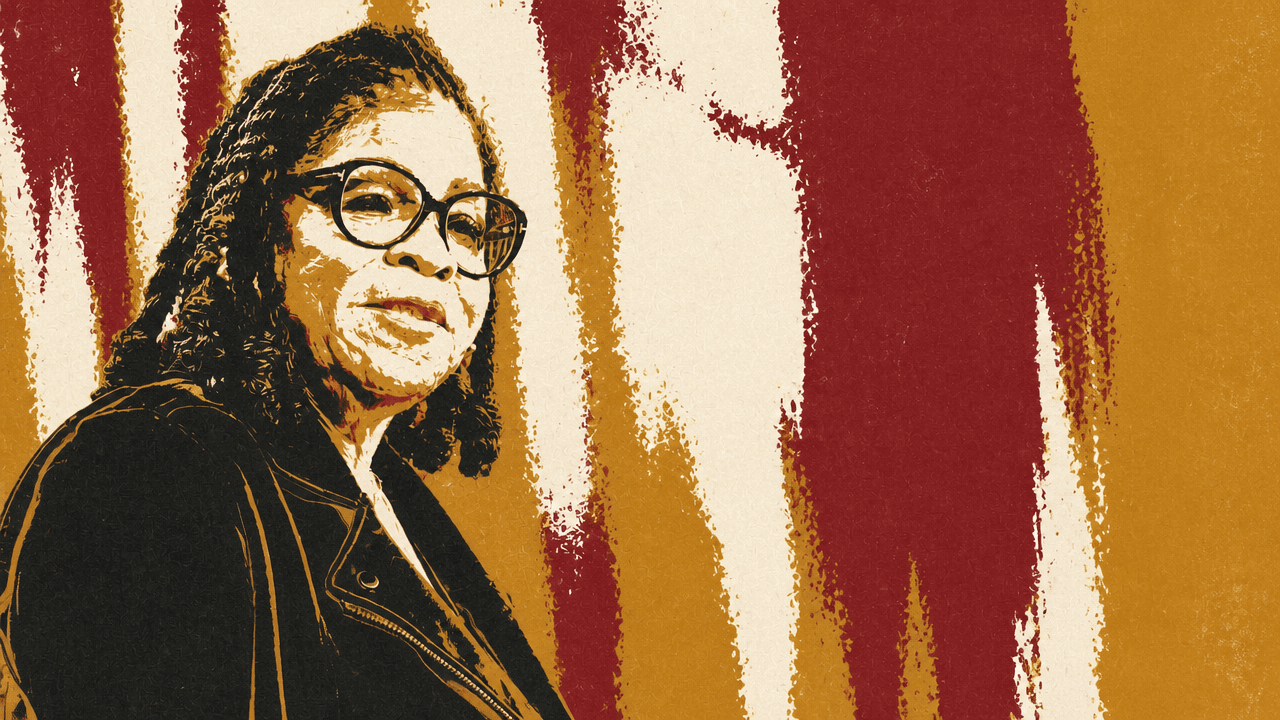
Reentry needs a staffed home, not just a release date
Susan Burton built a housing model for women leaving prison around a practical premise: release is not stable reentry. A person leaving with a trash bag of belongings and nowhere safe to go needs more than accommodation. Burton’s houses combine a place to live with accountability, employment help, financial literacy, legal support and a community in which residents can rebuild routines.
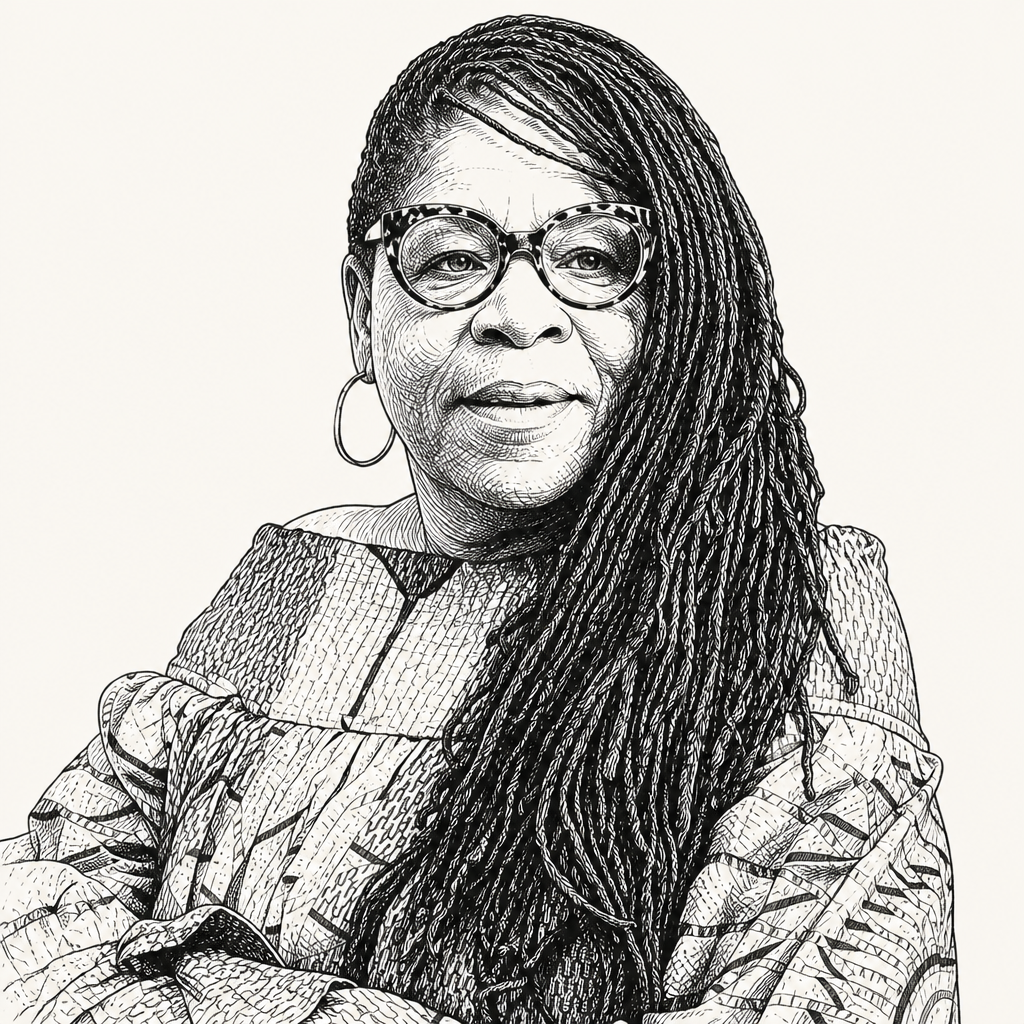
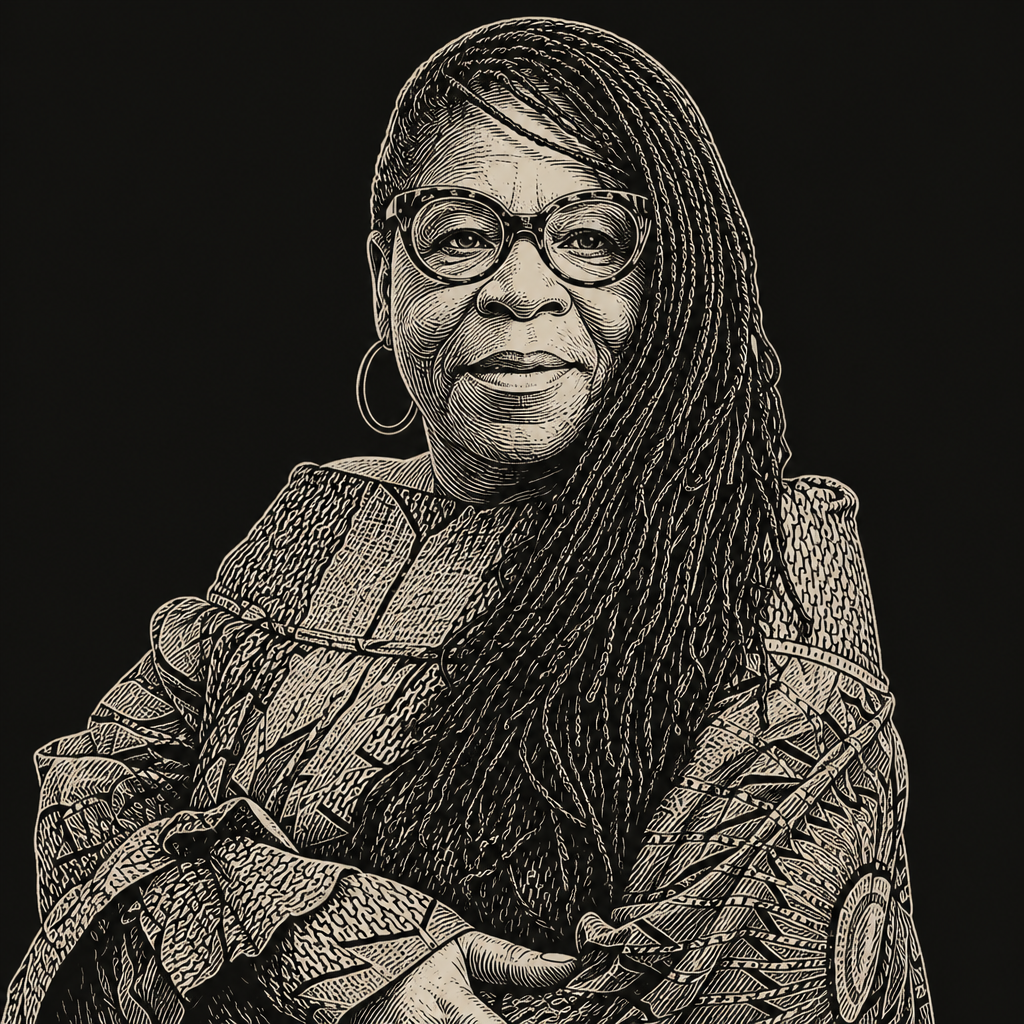
The organization that grew from her work now operates 12 houses across Los Angeles. Each is staffed to support residents, who pay rent, do chores and buy groceries while learning to be accountable members of the community. The homes help women find jobs, manage money and address legal issues.
Burton’s first house came from her own savings. After getting sober, she took a minimum-wage job, saved $13,000, put $3,000 down on a house and bought furniture. Every morning, she went to the Greyhound station where women leaving prison were dropped off—a place she knew because she had been released there herself. She approached women arriving with their belongings in trash bags and invited them to live somewhere safe.
Before long, 11 women were sharing the house, attending meetings, pooling resources and healing together. Others joined Burton’s effort, forming what she calls “a house of women helping women.”
That design was informed by Burton’s own repeated releases and by the lack of a safe, communal place to land after prison. At 25, she gave birth to a son, KK, who was killed by a car when he was five. Burton says the loss began a downward spiral of drinking, substance use and repeated imprisonment. Each time she left prison, she promised herself she would not return, but did. When she asked a judge whether help was available, she says, she was sentenced to prison again.
On October 4, 1997, at what Burton calls the lowest point of her life, she walked into an Alcoholics Anonymous meeting. People listened as she spoke about what drugs and alcohol had done to her, offering compassion, empathy and love rather than judgment.
Listening saved my life and it opened a door.
After getting sober in Santa Monica, Burton noticed that people there were not, in her view, being sent to prison for alcoholism or substance use. She returned to the question of why the judge had not directed her to AA rather than prison. “Was I not worth a piece of paper?” she asks. The homes were her answer for women cycling through the same conditions.
SAFE turns a local housing practice into a replicable model
Susan Burton says the need she encountered in Los Angeles was national. After publishing her 2017 memoir, Becoming Ms. Burton: From Prison to Recovery to Leading the Fight for Incarcerated Women, she held book talks behind prison walls around the country. Women pleaded for somewhere to go upon release: a place from which they could rebuild their lives, seek work, reunite with their children and break free of the criminal justice system.
Burton cites around two million women released from US prisons and jails each year. They leave, she says, hoping someone will listen and help; without help or a safe place to land, too many return to prison.
She did not believe she could personally provide a new way of life to all those women. So she created SAFE—Sisterhood Alliance for Freedom and Equality—as a way to replicate the model through training. SAFE’s first training included 13 women. Burton says it has since trained more than 700 women to listen, create support and give hope.
The network now reaches 20 US states, as well as Uganda, Kenya and Nigeria.
Burton says replication is “down to a science”: the leadership is there, the demand is there and the goal is clear—more houses in more cities, more mothers reunited with their children and more women breaking cycles that have lasted generations.
The intended outcome is community stability, not housing alone
Susan Burton frames the work as more than rehabilitation for an individual woman. Her intended chain of support begins with safe housing and continues through meetings, shared household responsibilities, job help, financial literacy, legal assistance and accountability to a community of peers. She argues that these conditions allow women to rebuild their lives and reconnect with their families.
When women have safe housing, Burton says, families reunify, recidivism drops and communities stabilize.
This is public safety, this is family preservation, this is community repair.
That is why Burton describes the work as a shared responsibility to heal harms caused by the criminal justice system. The houses supply practical structure—rent, chores, groceries, work and legal assistance—but that structure is directed toward a return to community rather than simply supervision after release.
Burton says thousands of women have returned to their communities through the work, and hundreds of mothers have reunited with their children. She connects those changes to the choice she encountered in 1997: being met with compassion rather than judgment.
She cannot bring back her son, Burton says. But she places his legacy in each woman who finds safety after prison, each child reunited with a mother and each person who breaks free from the cycle that once held her.