Nvidia Seeks $500 Billion in Institutional Capital for AI Compute
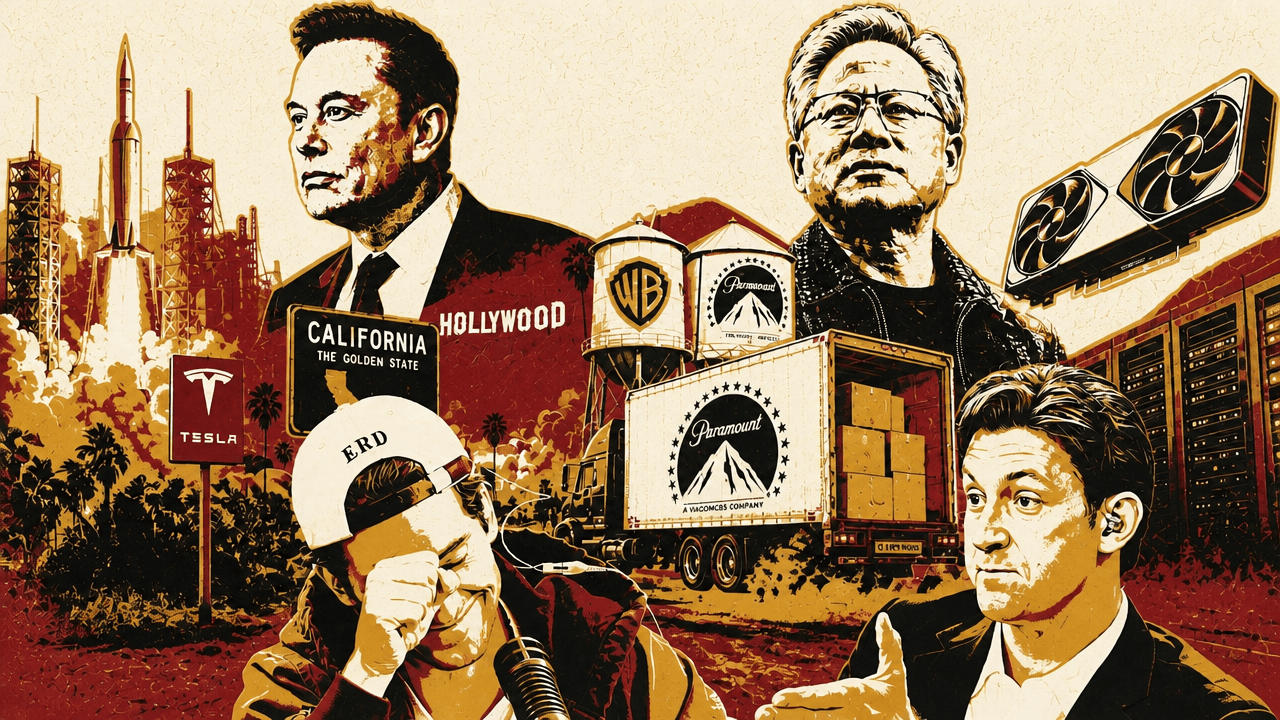
Jensen Huang argues that AI compute should be financed as an institutional infrastructure asset, with Nvidia’s partnerships targeting more than $500 billion of third-party capital for the broader “AI factory” stack. TBPN’s John Coogan sees the effort as a shift away from venture funding and technology-company balance sheets, though Jordi Hays notes that the private AI labs driving demand still offer limited financial disclosure. Coogan and Hays place Paramount’s threatened California exit and Tesla’s change-of-control clause in a similar frame: attempts to compress regulatory pressure or replace operating milestones with transaction valuation.
Nvidia wants compute financed like infrastructure, not venture capital
Jensen Huang described Nvidia’s partnerships with Apollo, BlackRock, Blackstone, Brookfield, Goldman Sachs, and KKR as independent financing platforms intended to mobilize more than $500 billion of third-party capital for AI infrastructure over time. In an X post shown during the discussion, Huang called the effort an attempt to make “NVIDIA AI Factory Compute” an investable asset class.
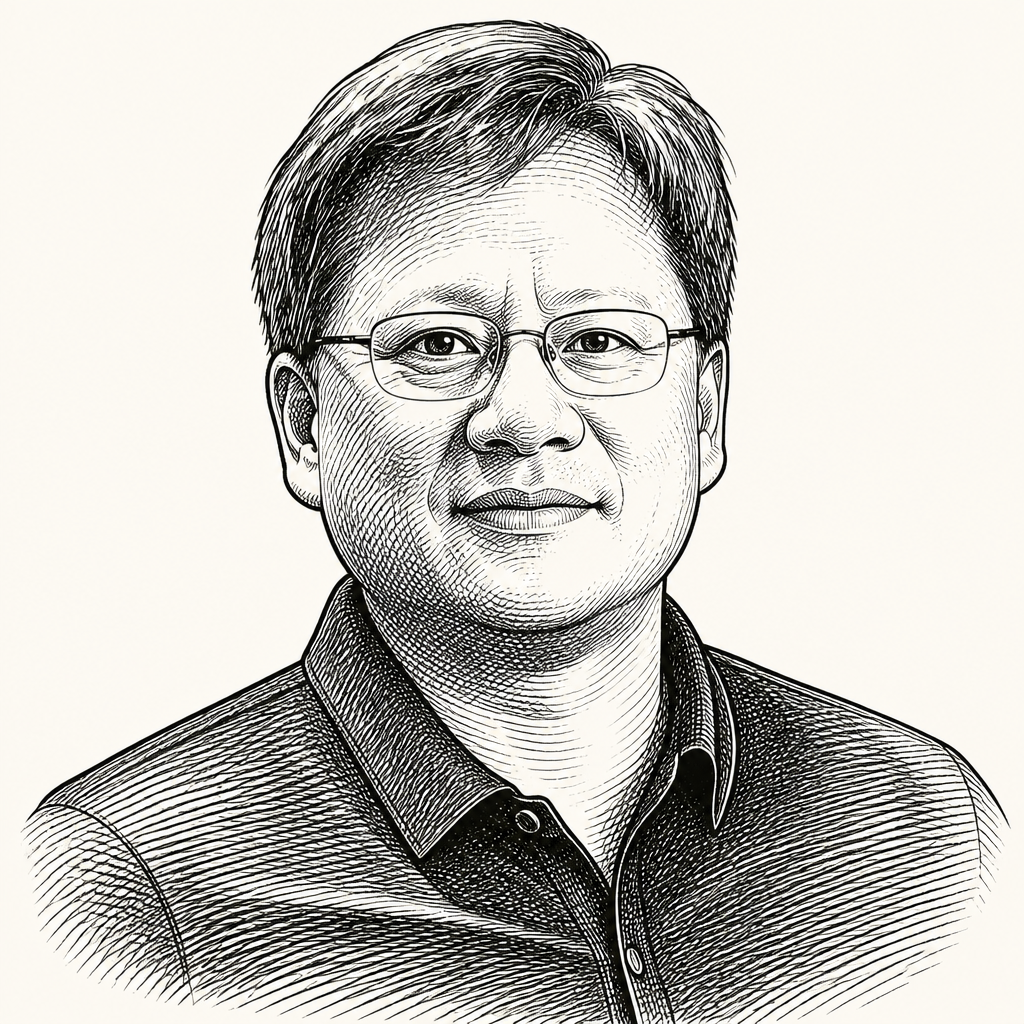
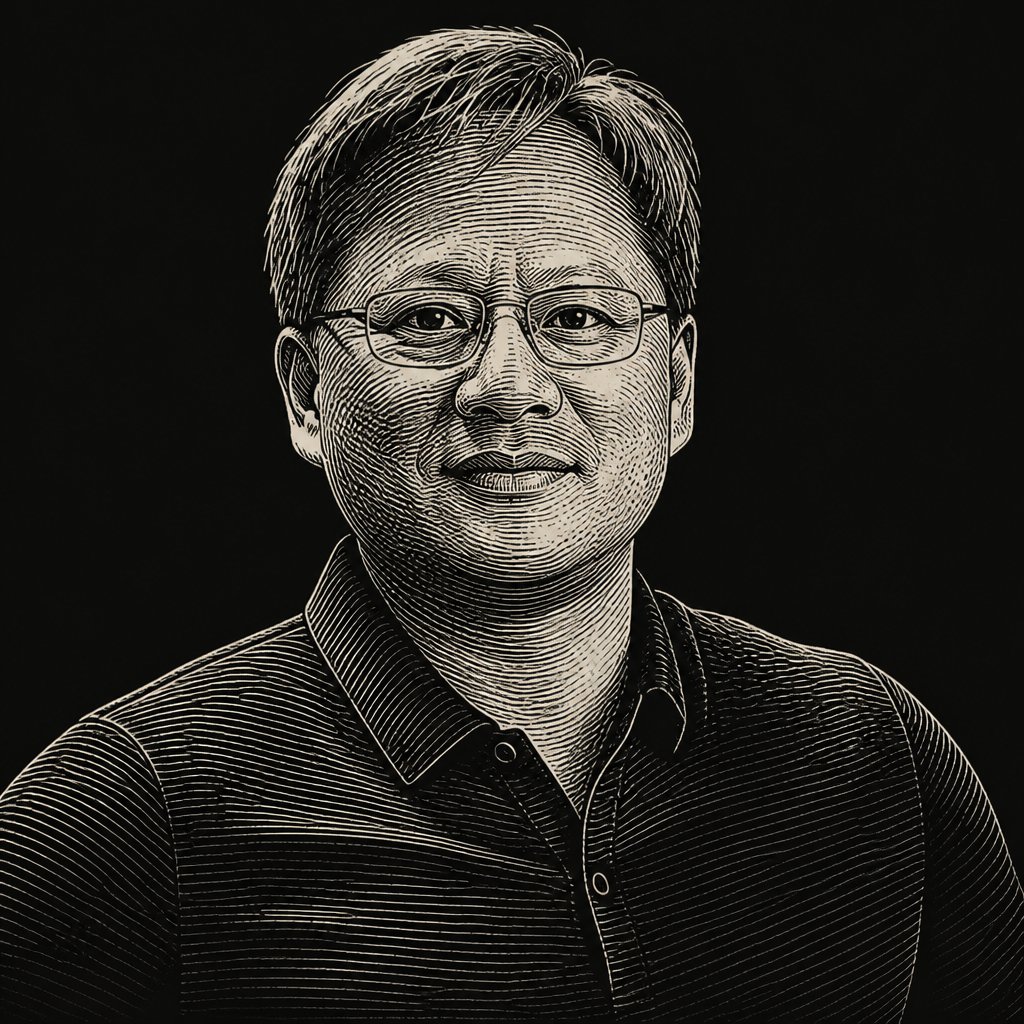
His definition of that asset is broader than a GPU. Huang wrote that Nvidia compute includes accelerated computing, networking, systems software, AI frameworks, and a global developer ecosystem: the entire “AI factory” stack. The financing announcement, on that account, is meant to support the buildout of that stack rather than simply fund chip purchases.
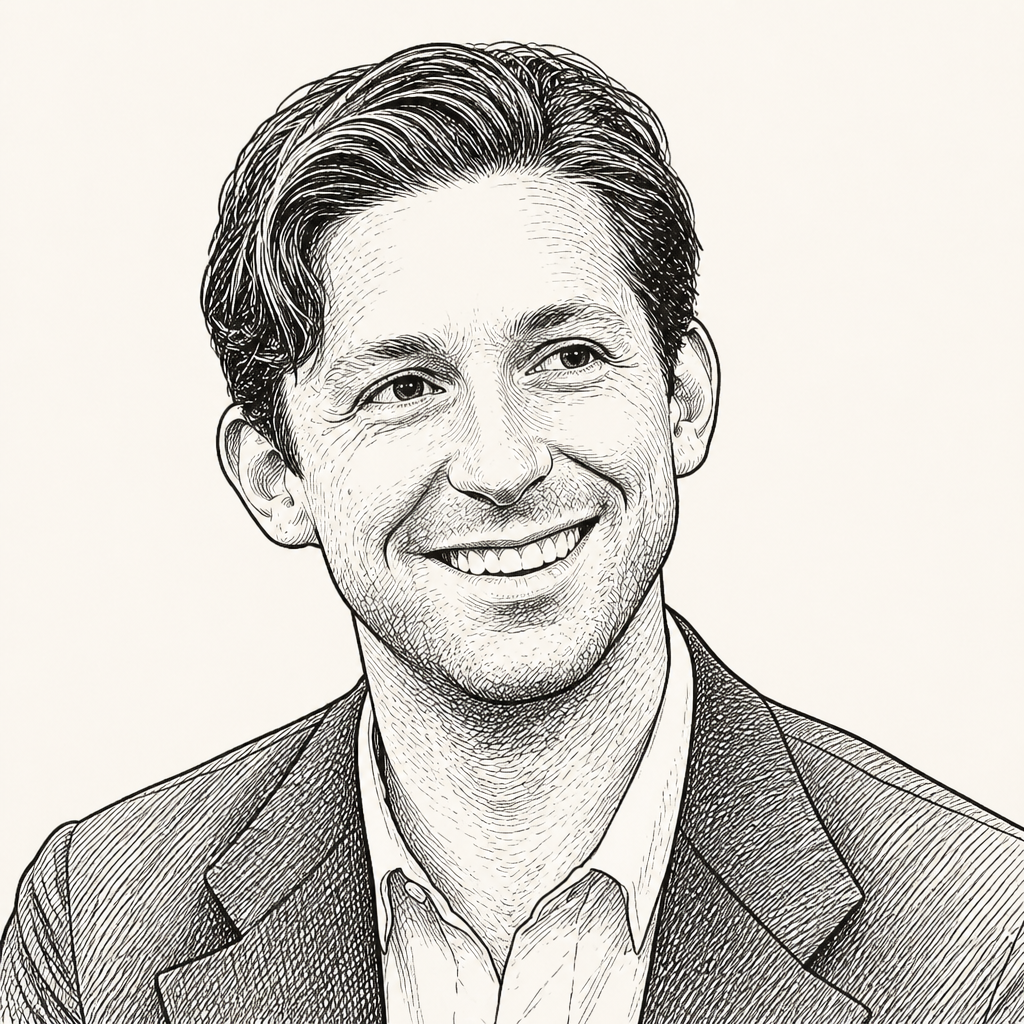
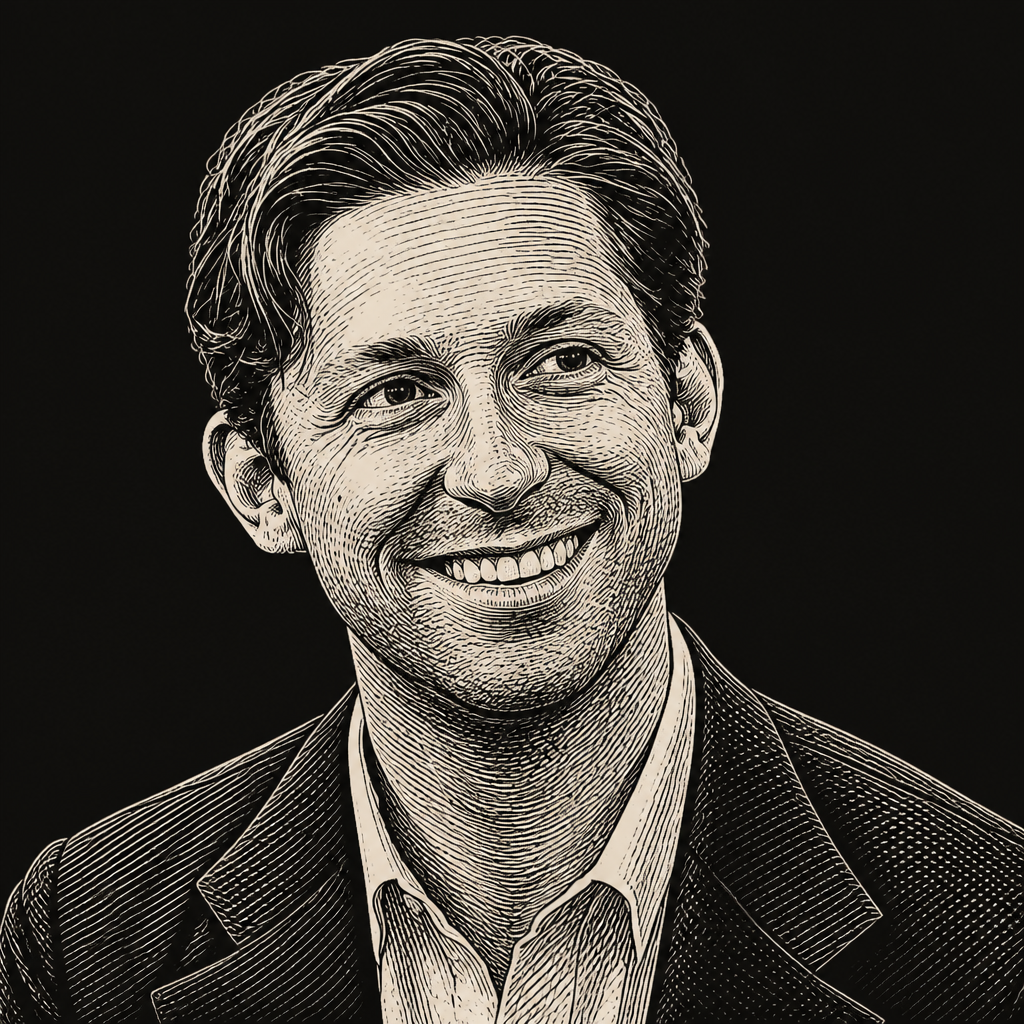
John Coogan treated the financial lineup as the consequential part of the announcement. Goldman Sachs CEO David Solomon, Blackstone’s John Gray, Apollo’s Jim Zelter, Brookfield’s Bruce Flatt, and BlackRock’s Larry Fink appeared alongside Huang. Coogan’s interpretation was that the data-center buildout is beginning to seek institutional infrastructure capital, rather than relying principally on venture investors and the balance sheets of technology companies.
Huang’s investment case rests on scarcity and unit economics. He said the industry would remain constrained “for some time” across chips, memory, packaging, systems, photonics, connectors, land, power, construction labor, and the broader supply chain from manufacturing through deployment. At the same time, he argued, AI is now doing productive work around the world and the tokens it generates are profitable. In his formulation, profitable output and strong demand justify more capacity.
We're going to be constrained for some time, and pretty much across the board. From chips, to memories, to packaging, to systems, photonics, connectors, land, power, construction workers—the whole thing.
Huang said none of the prospective financing partners had declined the proposal, calling them six of the world’s premier institutional infrastructure financiers. He also predicted that, within months, the market would recognize AI labs and startups as “extremely profitable,” describing them as the fastest-growing technology companies in history. The world had invested roughly $500 billion in AI startups during the previous six months, he said, and those companies need compute.
Coogan translated the headline financing number into physical capacity. At an estimated $50 billion to $60 billion per gigawatt of powered compute, he said, $500 billion represents around 10 gigawatts. That is substantial, but he did not regard it as detached from current plans: labs collectively sit at roughly three gigawatts, compute has been scaling rapidly, and Meta has discussed a 10-gigawatt plan of its own.
The economic case remains hard for outsiders to examine. Jordi Hays noted that two leading AI companies are private, with financial numbers emerging in fragments rather than through a complete public record. That is an unusual setup, he said: companies driving public-market enthusiasm do not provide the ordinary disclosures investors would use to evaluate the economics of the buildout.
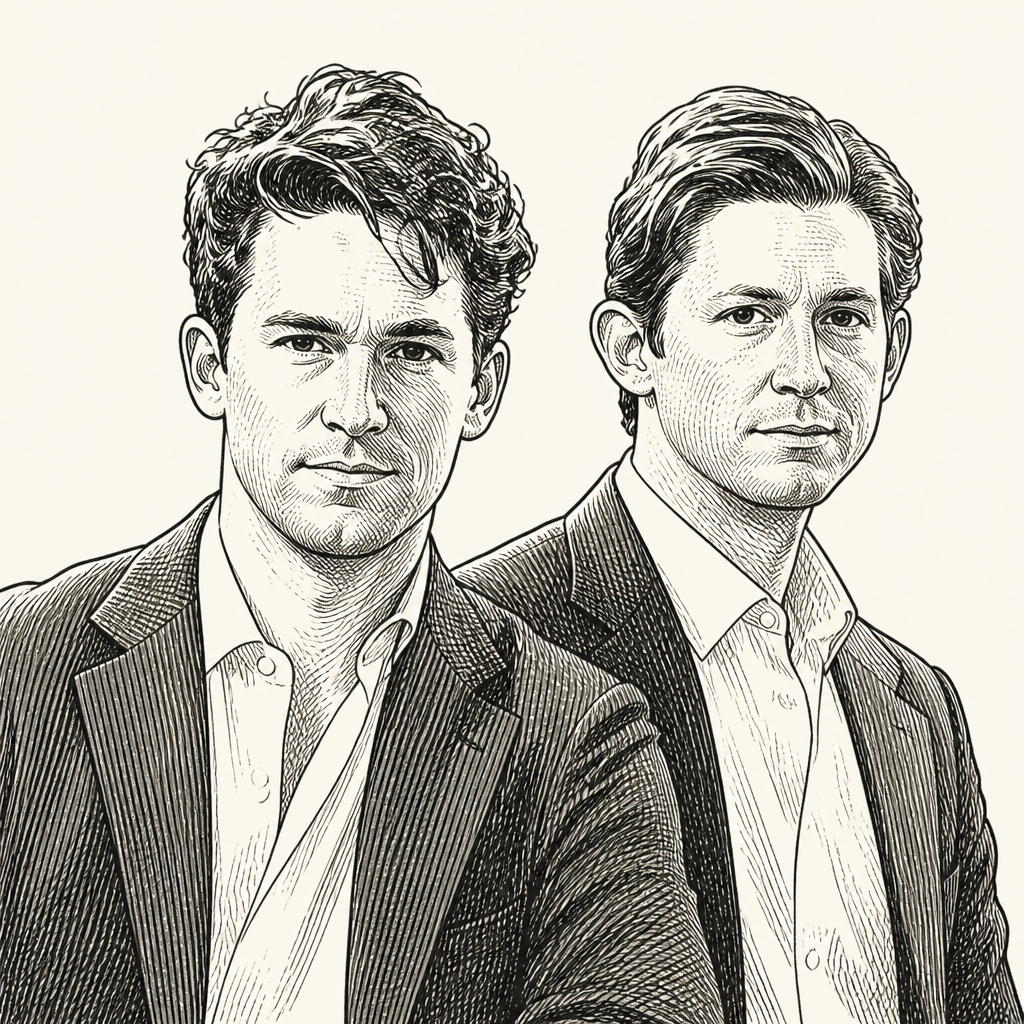
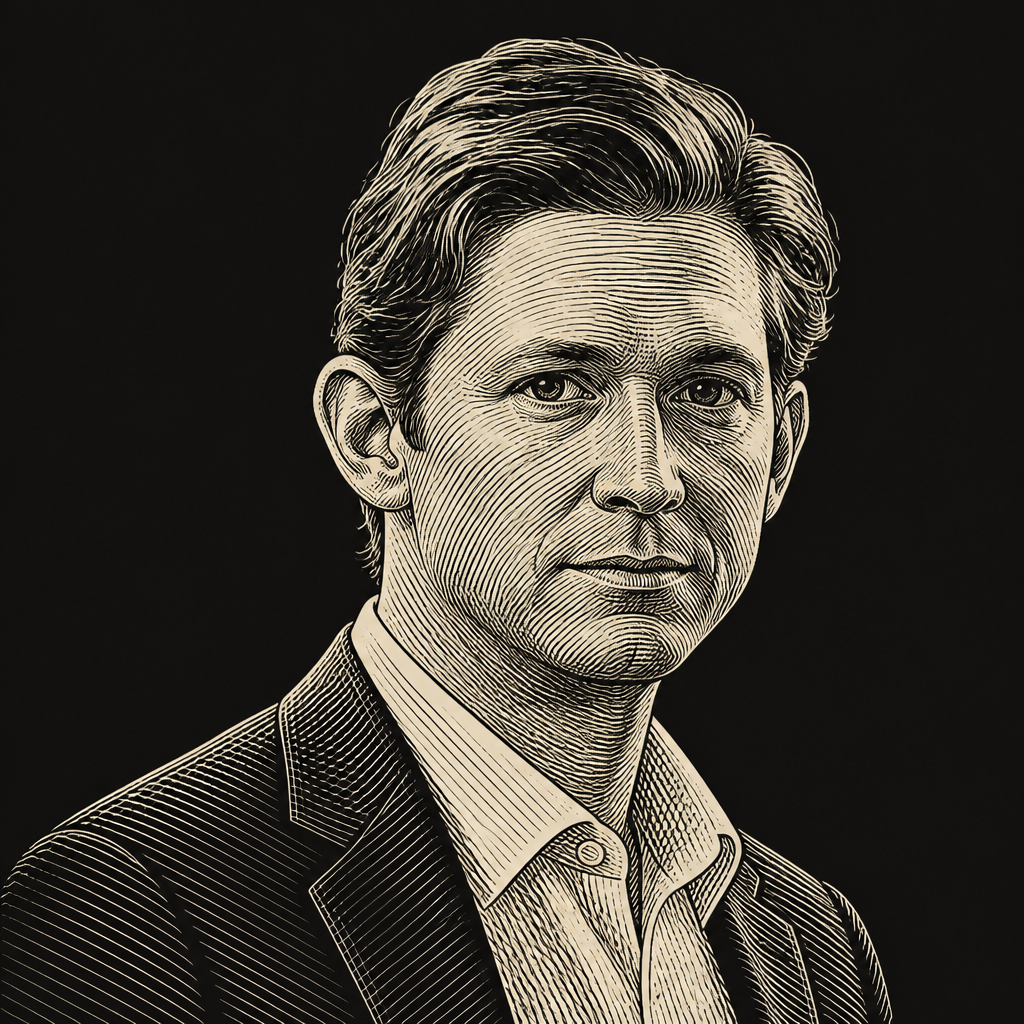
Huang’s response was that the profitability of incremental token output will soon become visible. Coogan described the stack behind that claim as a layered system: institutional financiers supply capital; Nvidia provides and coordinates hardware; data-center operators build facilities; and labs rent the resulting compute. He cited SpaceX as a possible supply-side participant because it is becoming, in his words, a “neocloud” that licenses compute. But he did not treat SpaceX as evidence of demand for a particular model. The relevant demand case, he said, is aggregate inference and compute demand.
The speculative collateral theory is about making GPUs legible to lenders
Prakash, in an on-screen post explicitly labeled “speculation,” outlined a possible mechanism for making GPU-backed lending easier to underwrite. The premise is that banks dislike GPUs as collateral because depreciation is unpredictable: a new generation of hardware can rapidly reduce the value of the prior generation.
The speculative answer is that Nvidia possesses information lenders do not have in the same form—its own product roadmap. Prakash suggested that Nvidia could offer depreciation insurance, up to 25%, helping lenders approve marginal deals by reducing the risk that collateral loses value faster than expected. Coogan presented that as a theory, not as part of Nvidia’s announced financing plan.
Prakash further speculated that Nvidia could advise lenders on standardized data-center “reference designs.” A one-gigawatt facility built to a defined configuration might then be treated as a recognizable asset class rather than as an entirely bespoke project. In that theory, standardization would make facilities more fungible and allow their debt to be packaged into asset-backed securities, collateralized loan obligations, or collateralized debt obligations.
Coogan used the speculation to clarify the financing ambition he sees around the buildout. If data centers could be standardized, their depreciation made more predictable, and their risks pooled, customers might obtain capital on terms more like infrastructure or real estate than venture financing. But that is an extrapolation from Prakash’s proposal, not Nvidia’s announced plan.
The comparison to mortgage-era structured finance will invite skepticism. Prakash’s post itself invoked ABS, CLOs, and CDOs in the context of 2008. Still, the economic objective Coogan identified is clear: move data-center finance beyond project-by-project underwriting, lower the cost of capital for compute buyers, and shift some idiosyncratic project risk into a broader sectoral market.
AI tokens are profitable. Incredibly profitable. When you have something profitable, everybody wants to make more of it.
Paramount is using its California headquarters as leverage
Paramount’s threatened departure from California is a negotiating weapon in its legal fight over the Warner Bros. Discovery merger. Coogan, citing Variety, said Paramount CEO David Ellison wants a rapid settlement with California Attorney General Rob Bonta, one of 12 state attorneys general seeking to block the transaction.
According to the Variety reporting Coogan described, the Paramount Skydance board has approved relocation planning and the company is prepared to begin moving operations if Bonta does not enter settlement talks. Paramount’s Los Angeles headquarters could leave California as early as October, with Georgia, Texas, and Tennessee reportedly under consideration. Coogan also said Ellison has a five-year plan to move most studio jobs out of California.
The threat has force precisely because it is not merely a routine production-location decision. Jordi Hays called it a “nuclear option.” A drawn-out antitrust process would stall integration planning and become increasingly painful for the Ellisons, he said, so the relocation threat appears designed to force a resolution rather than allow litigation to continue for years. It would also anger much of Los Angeles’s entertainment industry.
The financial clock is immediate. Beginning October 1, Coogan said, Paramount will owe Warner Bros. Discovery shareholders a $7 million-per-day ticking fee until the transaction closes. The states’ antitrust trial is not scheduled to begin until May 2, 2027. Coogan estimated that the fee could reach roughly $1.2 billion by the time the case concludes.
Bonta’s reported position makes a settlement harder to construct. Behavioral commitments—such as promising to maintain a specified number of annual film productions—would likely not suffice. Coogan said the state would seek structural remedies, potentially including asset divestitures. Paramount is therefore not simply being asked to promise continued California activity; it may need to change the shape of the combined company.
Coogan distinguished the headquarters threat from the narrower economics of individual productions. Moving a particular shoot from Los Angeles to Atlanta could shift more money in the near term. But relocating the historic Paramount headquarters is more symbolically potent. Ellison is signaling that, without a path to close the merger, California could lose both production work and the company’s defining Hollywood presence.
A SpaceX acquisition could convert Tesla’s operating test into a valuation test
Coogan laid out an unusual provision in Elon Musk’s 2025 Tesla compensation agreement: a change of control could remove the operating milestones attached to portions of Musk’s stock award. That makes a long-speculated SpaceX–Tesla combination relevant not just as corporate consolidation, but as a possible route to accelerating Musk’s path to a package commonly described as worth $1 trillion.
Under the ordinary structure, Musk can earn up to 423 million Tesla shares across 12 tranches. Each tranche requires both a market-cap target and an operating achievement. Coogan described the targets as deliberately enormous: Tesla would ultimately need an $8.5 trillion market capitalization, 20 million vehicle deliveries, 10 million active Full Self-Driving subscriptions, one million Optimus robots delivered, and one million robotaxis in commercial operation.
The acquisition clause changes the calculation. If Tesla experiences a change of control, the operational requirements disappear. The number of earned tranches would instead be determined solely by Tesla’s value at the time of the transaction. That value would be whichever is higher: Tesla’s market capitalization immediately before the deal, or the valuation implied by the price paid to Tesla shareholders.
If there's a change of control, it's purely based on the market cap. The milestones don't matter anymore, only the market cap matters.
At an $8.5 trillion transaction value, all 12 tranches could qualify. Musk could receive the full 423-million-share award without Tesla necessarily completing the robotaxi, robot, delivery, or subscription targets otherwise required. Coogan said The Wall Street Journal estimated the maximum award at roughly $824 billion at current values, despite the package’s “$1 trillion” label.
The obstacle is scale. A buyer would need to offer an extraordinary valuation for Tesla, and SpaceX is not, as Coogan put it, a $10 trillion or $50 trillion company that can casually acquire Tesla at $8.5 trillion. Tesla shareholders would also need to approve the deal. He presented the scenario as something that might become possible over years, not an imminent transaction.
Hays identified the conflict embedded in Musk’s incentives. Because Musk owns more of SpaceX, he would personally benefit from SpaceX acquiring Tesla at a lower price. But a sufficiently high Tesla valuation can unlock more Tesla compensation that then rolls into the combined entity. Coogan described the resulting incentive curve as U-shaped: Musk could benefit from a very low Tesla price through his SpaceX ownership, or from a very high Tesla price through the compensation award. The “messy middle” is where those interests are less aligned.
The hosts were more optimistic about some operating milestones than the headline numbers imply. Coogan called 10 million active FSD subscriptions plausible and argued that Tesla’s technology appears close to supporting robotaxi deployment, subject to legal and regulatory constraints. Hays noted that a robotaxi can avoid difficult driveway and private-property navigation by dropping passengers at the curb. Yet both acknowledged the magnitude: a million robotaxis would be an enormous fleet, far beyond today’s deployment levels.
A SpaceX combination could also increase Musk’s effective control over Tesla. Coogan said control has repeatedly mattered to Musk, and a merger would consolidate more of his companies under one corporate structure.
Meta’s frontier push leaves a credibility dispute unresolved
Meta’s practical relevance in the discussion was its potential position in the frontier-model race. An unnamed participant asserted that “MSL” was clearly in third place, ahead of xAI and DeepMind. John Coogan said that if Meta released its next Spark model before Gemini 4 and it proved better, the result would be a remarkable reversal. The claim was presented as a possibility, not established model-ranking evidence.
Jordi Hays agreed that Meta is executing well after starting “incredibly far behind” and is approaching the frontier. His objection was directed at Mark Zuckerberg’s attempt to frame that progress with a broader AI philosophy. Zuckerberg had said he believed Meta was close to substantially stronger models and wanted people to understand his values before those models arrived. Hays did not find that narrative authentic.
Hays’s view was that Meta’s historical behavior offers a clearer guide: buy, copy, or chase the hot product. That was not an argument that Meta lacks commercial value. He said he has built and invested in companies dependent on Meta platforms, while Coogan argued that Instagram has created businesses and Meta’s advertising products work. Hays summarized Zuckerberg’s actual values as “delighting customers” and “profitable advertising,” which he called good values. What he rejected was a more elevated, shifting narrative around open and closed models.
Coogan took the opposite position on authenticity. Zuckerberg may sincerely be thinking about AI, he argued, but is burdened by a public reputation that other AI leaders do not carry. In Coogan’s comparison, an AI skeptic concerned about surveillance or water use might find Demis Hassabis a more effective messenger because he can stay close to science and does not bring Zuckerberg’s social-media history and cultural baggage into the room. The dispute, then, was less about whether Meta can close the technical gap than about whether Zuckerberg can persuasively explain what it intends to do if it does.