AI Research Challenge Draws 200 Teams to Study Organizational Change
 Melissa ValentineMartin Gonzalez
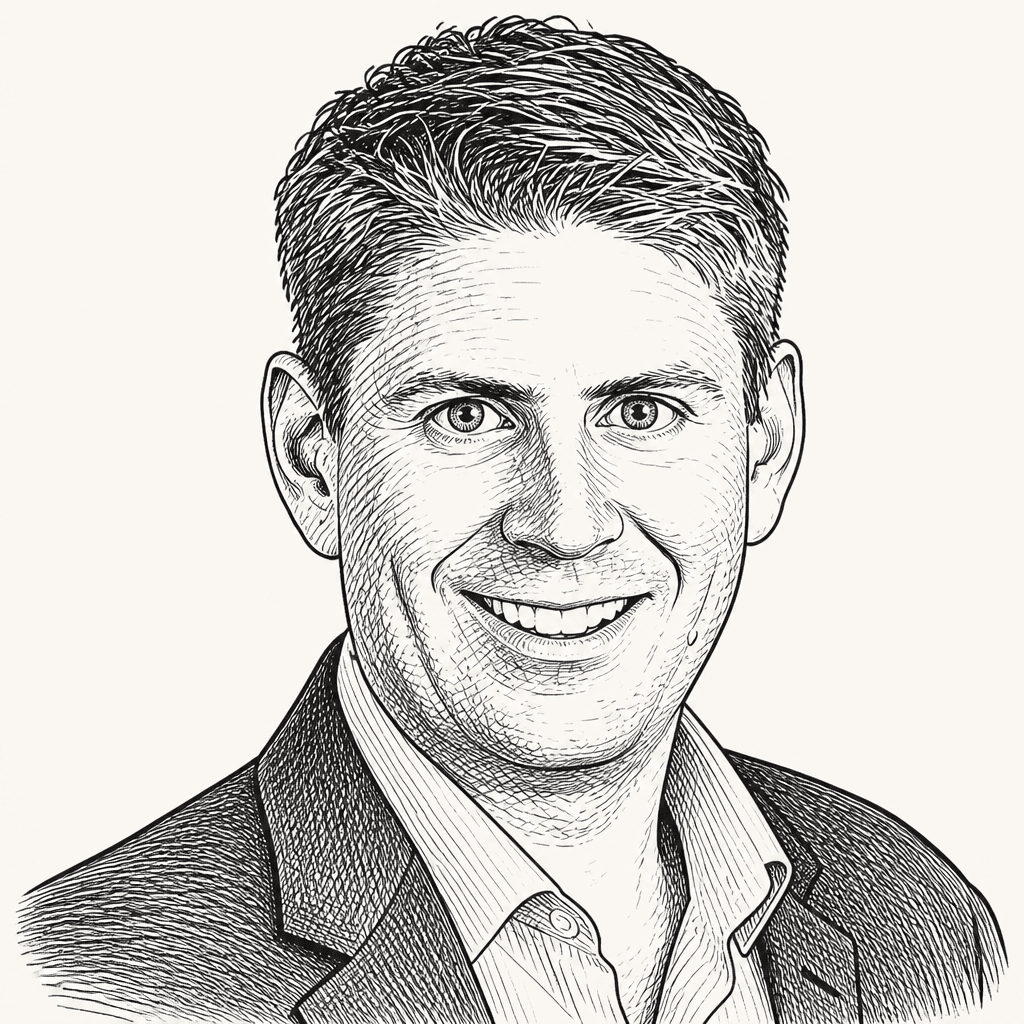 Chris Watkins
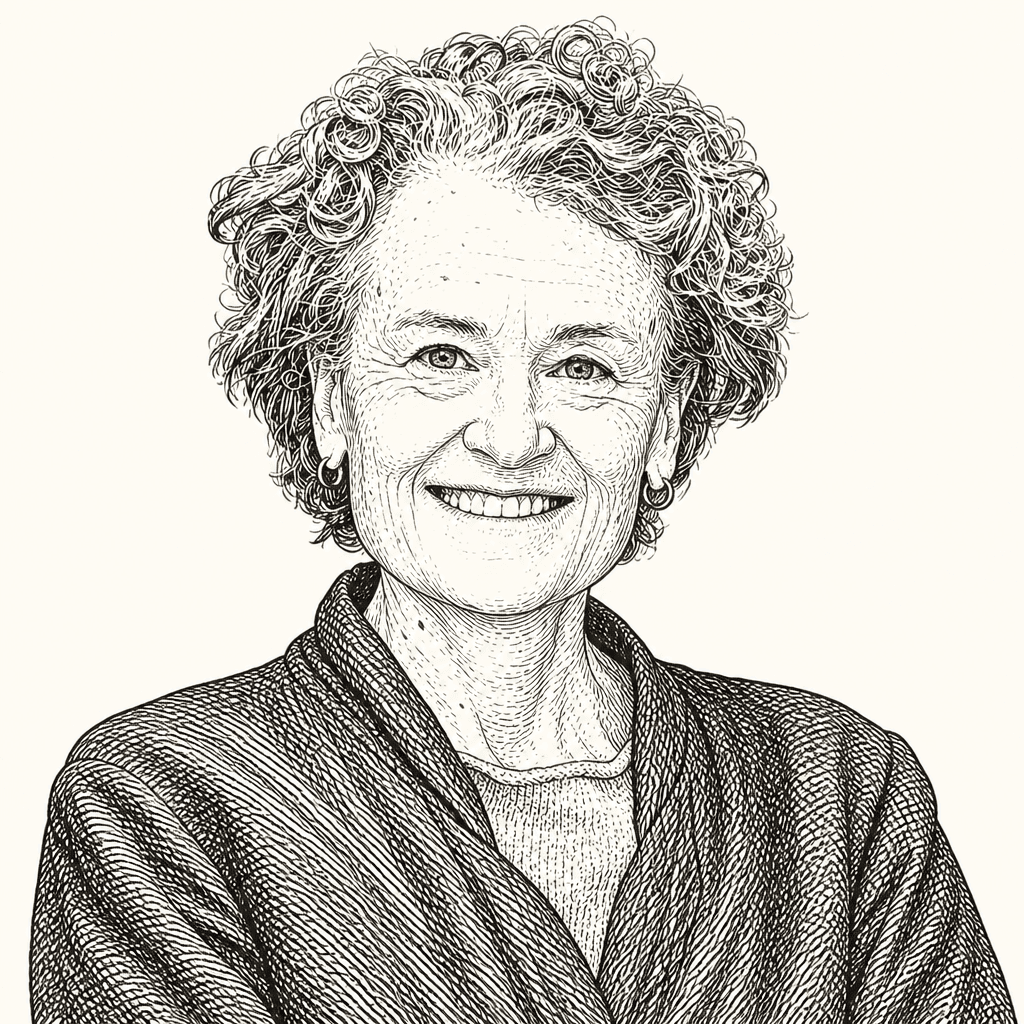 Anita McGahan
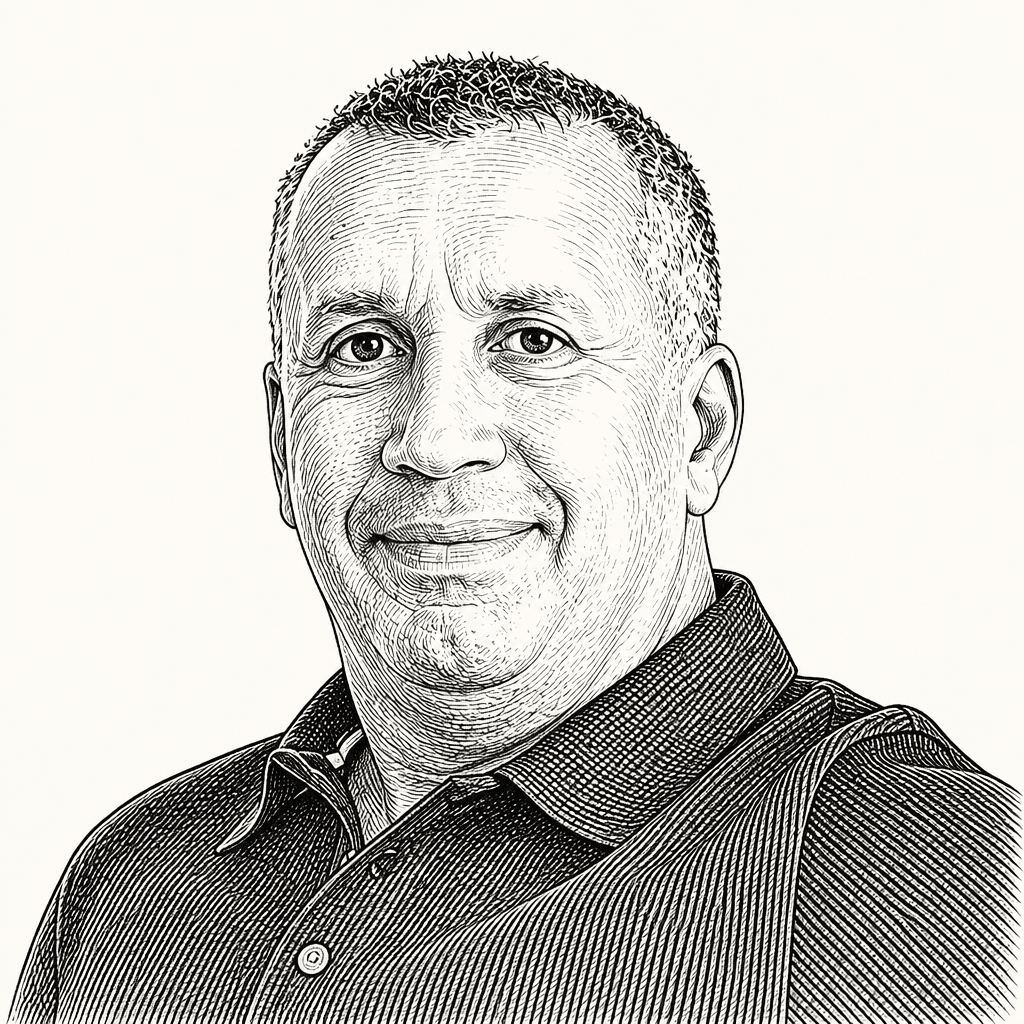 Simon Bouton
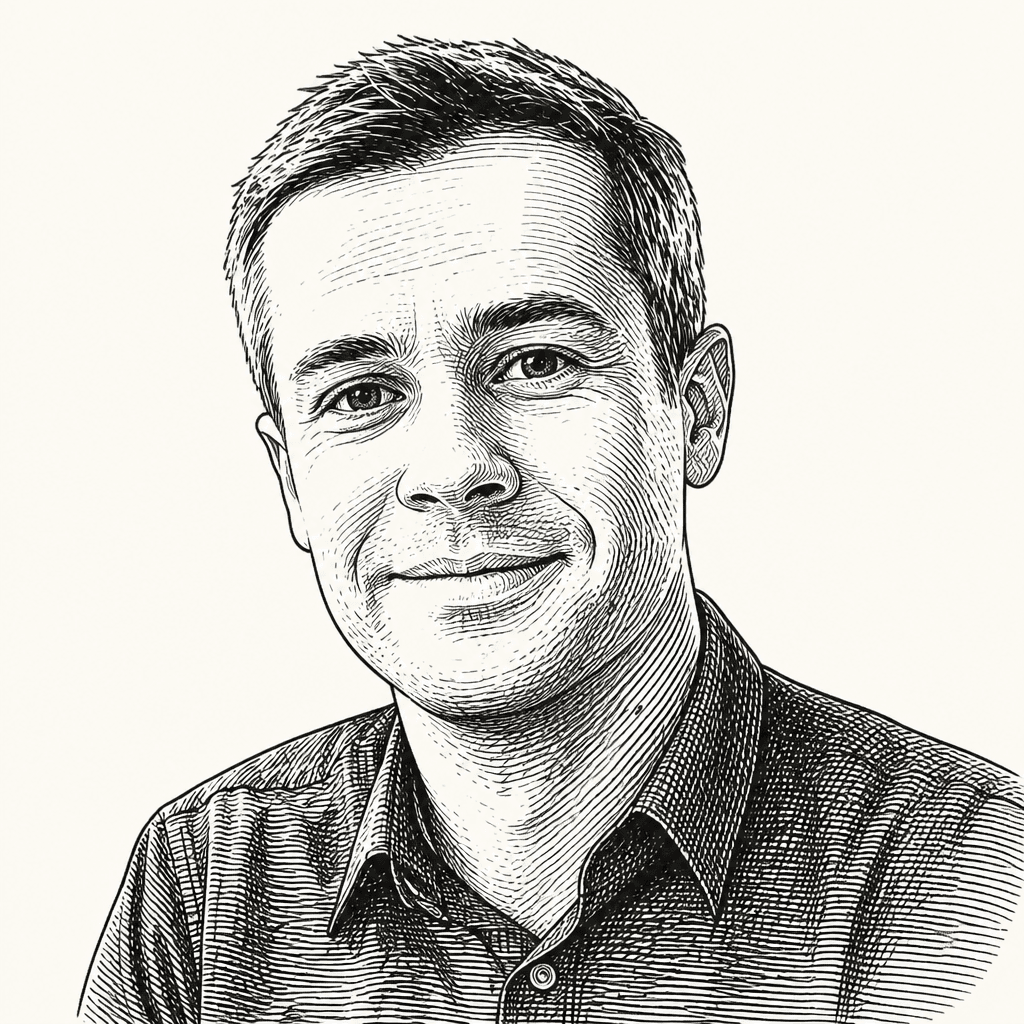 Steve Perry
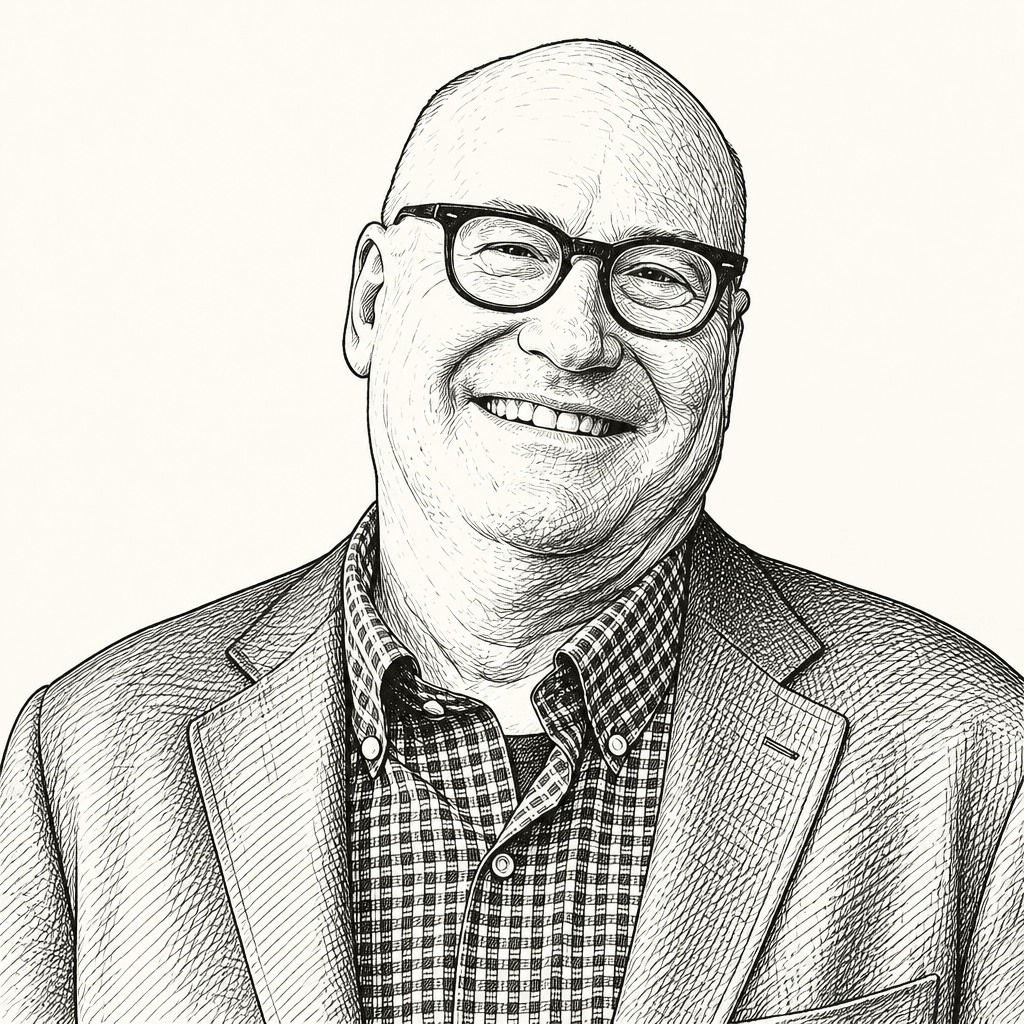 Robert Sutton
 Rebecca KarpStanford HAIMonday, June 8, 20265 min read
Stanford HAI and Google DeepMind’s AI for Organizations Grand Challenge is presented as an effort to study AI’s effects on organizations directly, rather than treating workplaces merely as places where AI tools are deployed. Melissa Valentine and other organizers argue that the central questions are how AI changes coordination, collaboration, alignment and collective performance, with DeepMind positioned not only as sponsor but as a research setting. The scale of the response — about 200 teams from more than 150 universities, narrowed to 13 finalists — is used to show broad academic demand for that inquiry.

The challenge treats organizations as the research object, not just the deployment site
Melissa Valentine frames the AI for Organizations Grand Challenge around a basic question: how is AI changing organizations? In her account, the point is not merely to invite technical work on AI systems, but to bring “cutting-edge researchers” together around AI’s effects on organizations themselves.
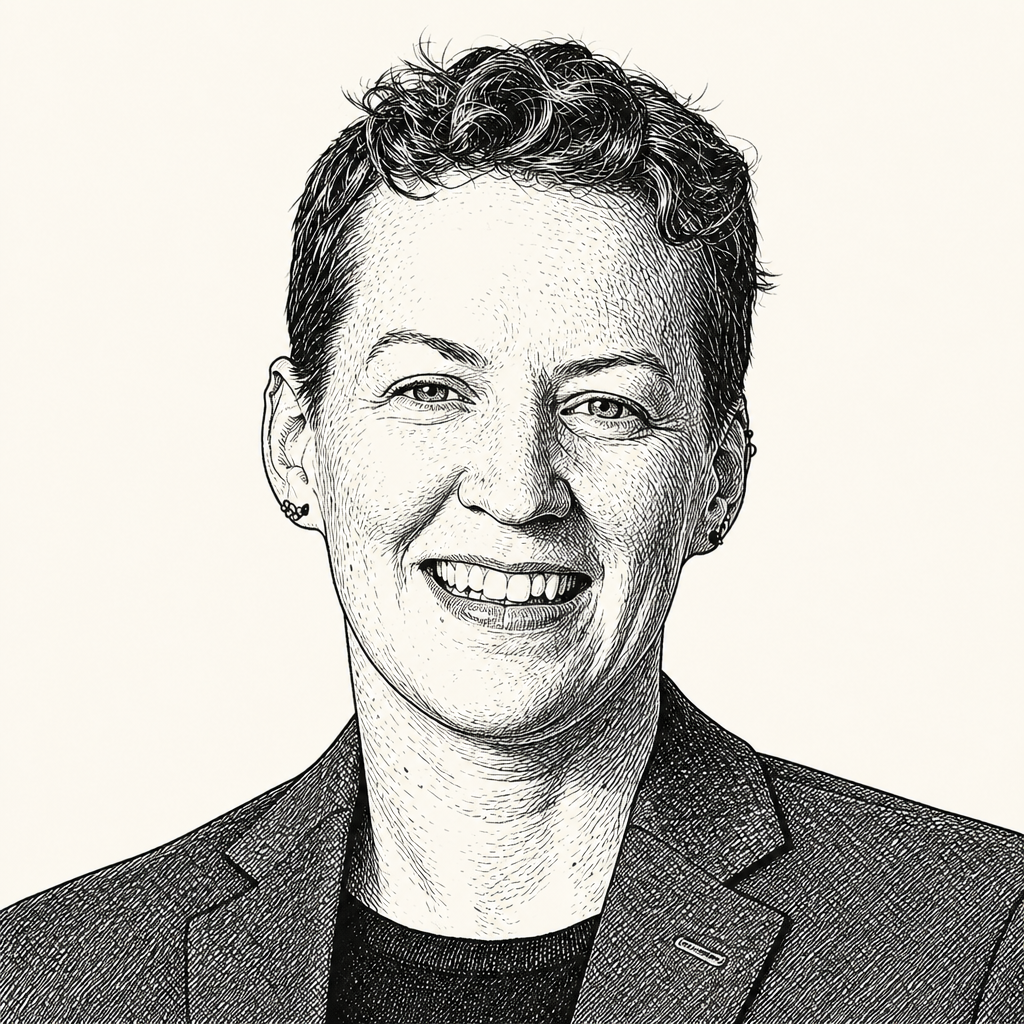
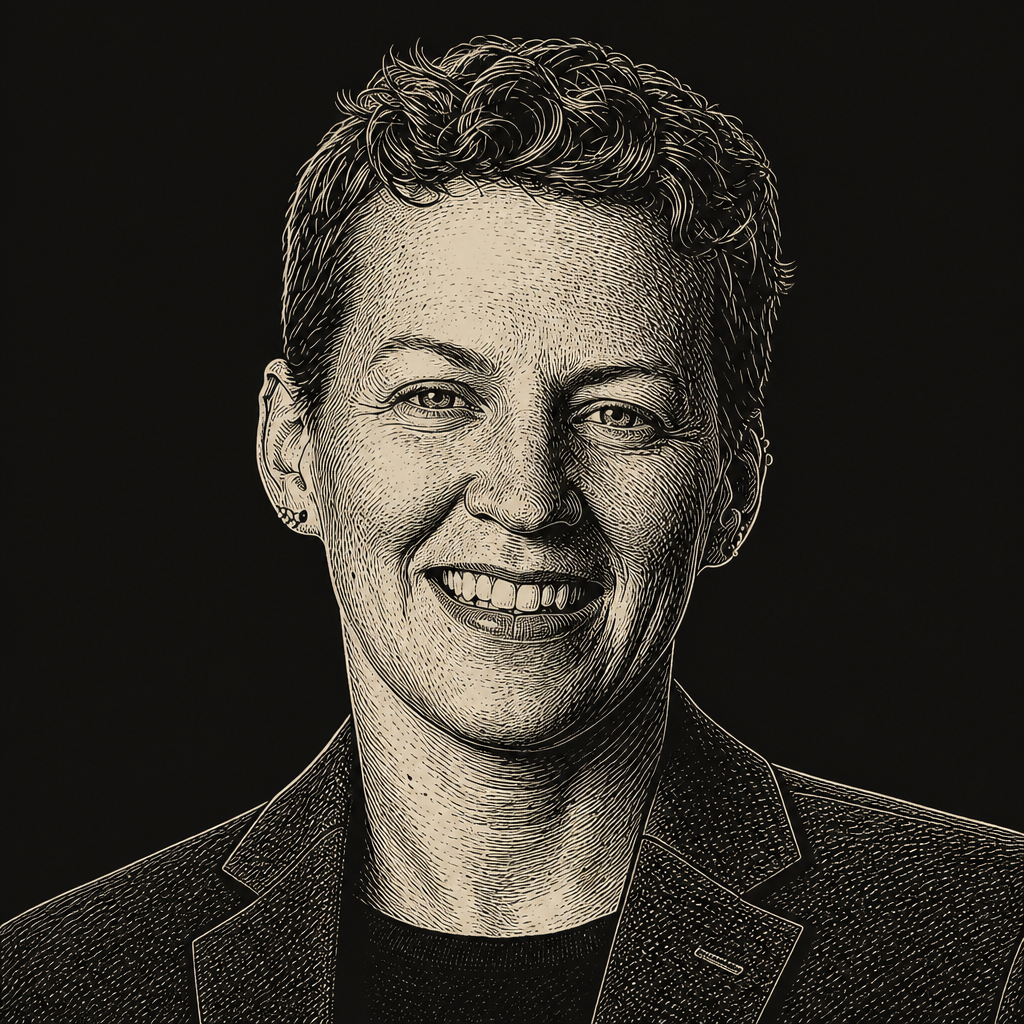
The agenda spans organizational theory, computer science, management science, and the study of work. The submitted research focused on three areas: improving organizational alignment, understanding the human impact of AI, and simulating how “synthetic” teams behave. The problem is not only whether AI can perform tasks, but how it changes coordination, collaboration, and collective performance inside organizations.
Steve Perry puts the ambition in practical terms: “How might AI transform the way that we work?” The challenge, he says, is meant to engage “the best minds” from computer science and management science in order to think about how AI might “unlock a positive future.” That wording leaves the outcome open. AI’s effect on organizations is treated as a field of inquiry that needs structured study.
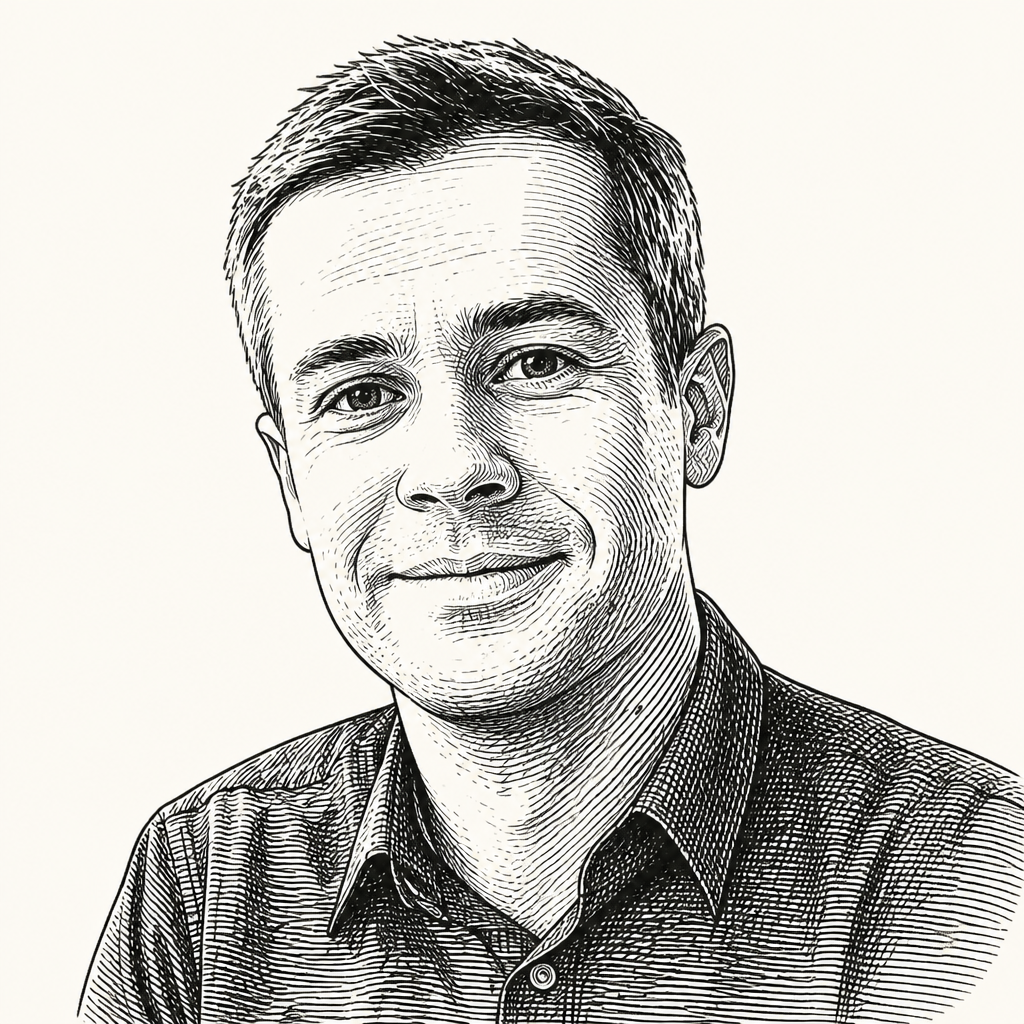
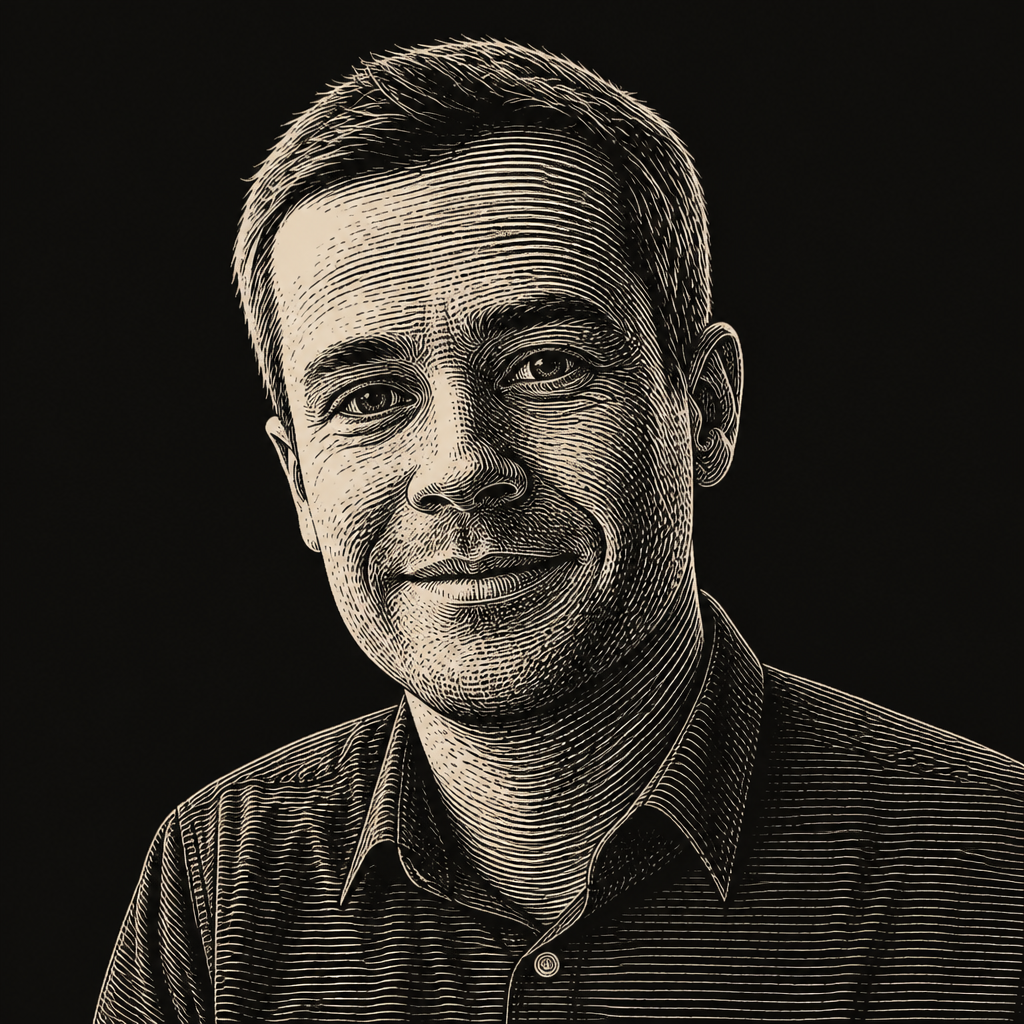
Anita McGahan describes the significance more sharply: AI is being studied as a way to “amplify the performance of organizations” and help them “coordinate their effort more effectively.” But she also says the question is being interrogated “right at its foundations.” The challenge is therefore not just asking for incremental efficiency proposals. It is inviting work on how organizations coordinate effort as AI becomes part of work.
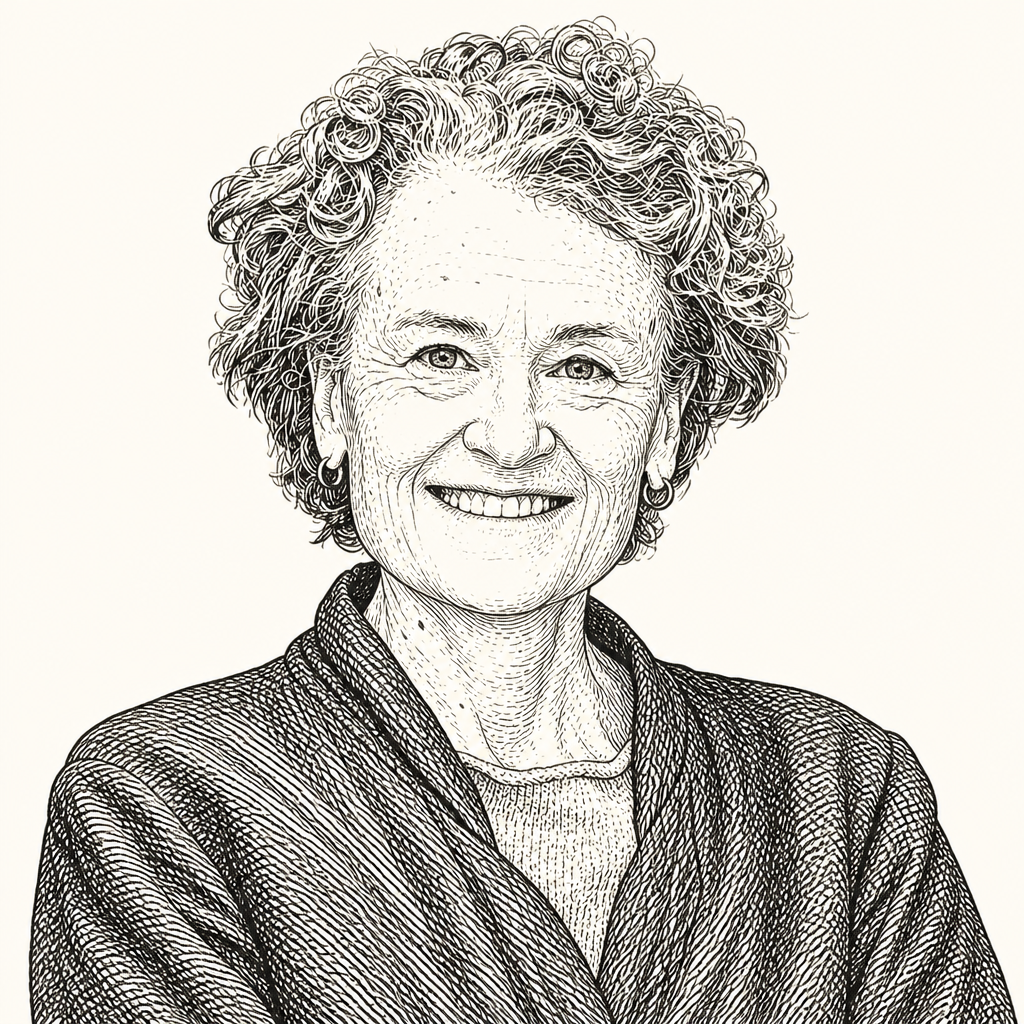
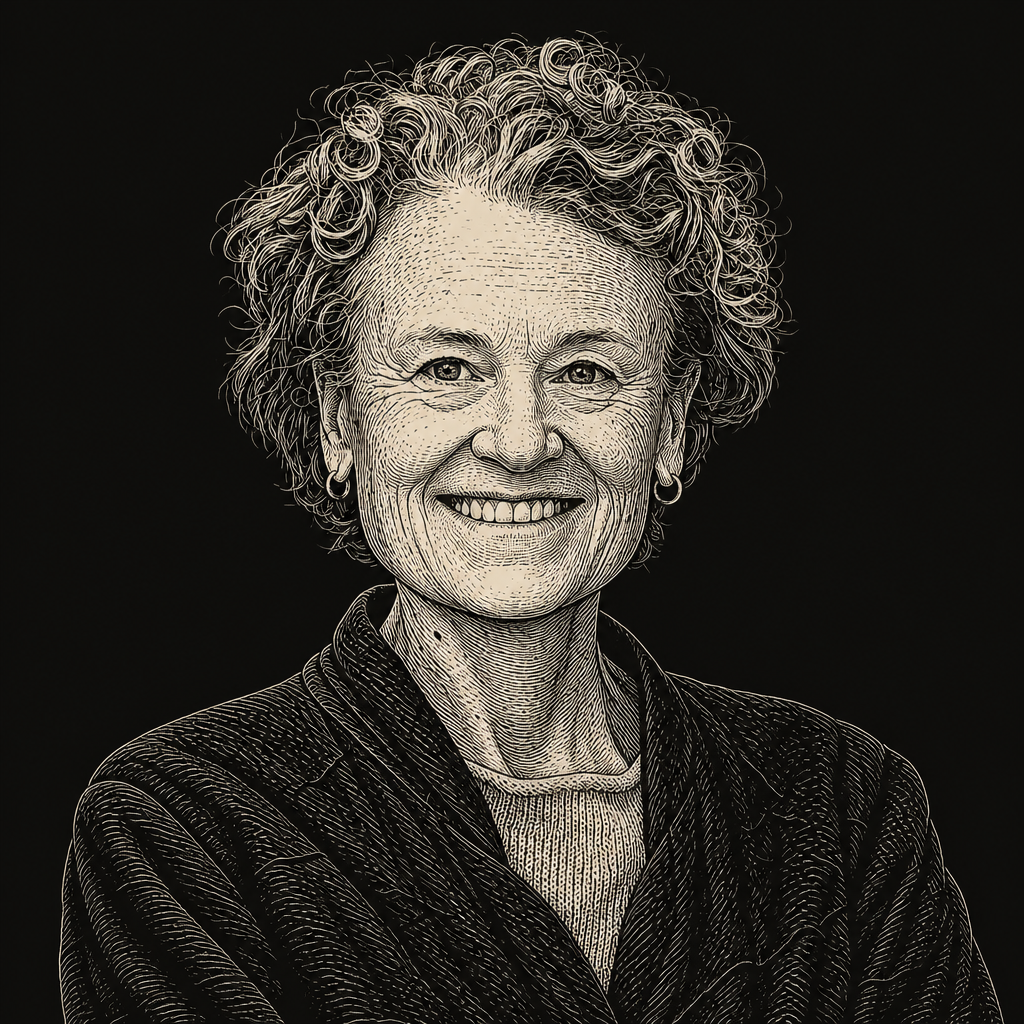
DeepMind is positioned as both sponsor and research setting
The partnership structure is central to the design. Simon Bouton argues that partnerships between industry, “leading AI players such as DeepMind,” and academic institutions such as Stanford HAI are the way to put “the best brains” on “the biggest problems and most complex problems.” His claim is collaborative rather than purely institutional: the problems are too large and complex for either industry or academia alone.
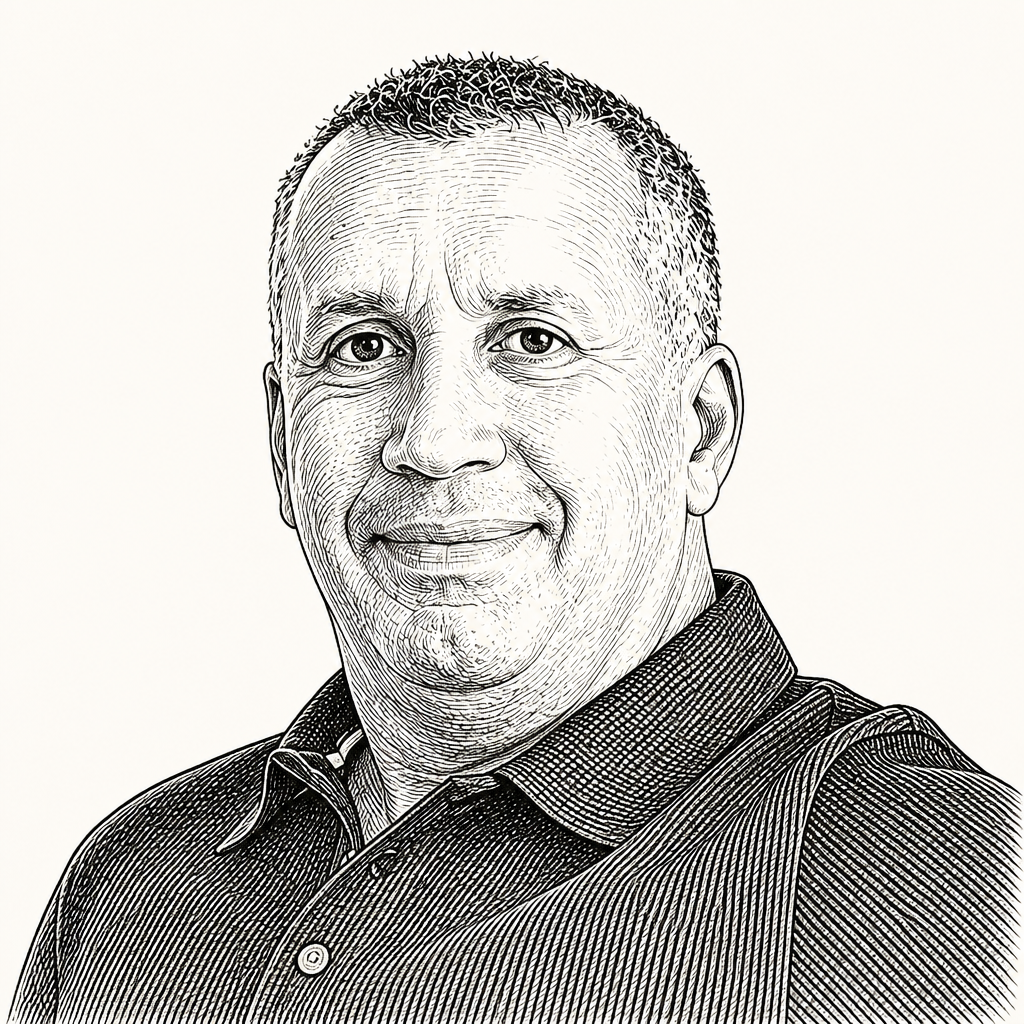
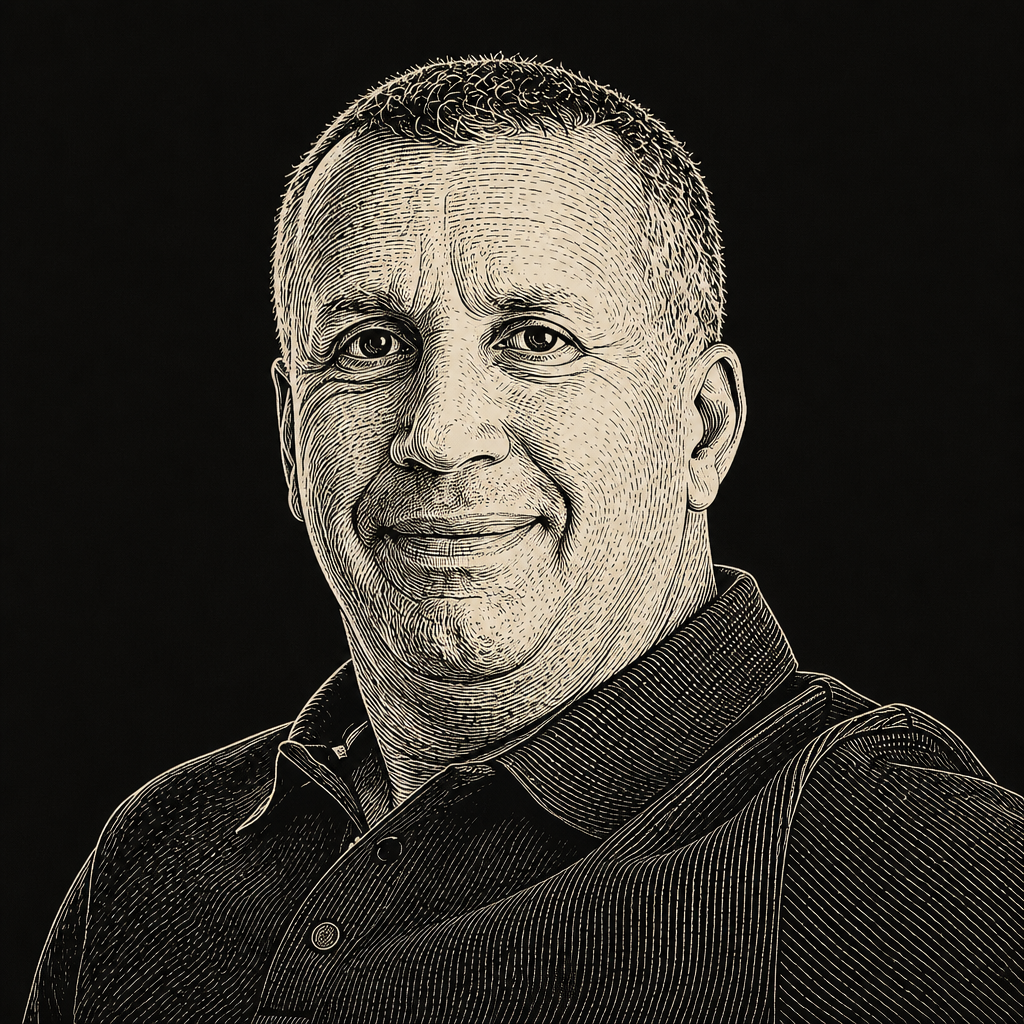
Robert Sutton explains the research design more concretely. The idea was to invite proposals about “how we’re gonna do research on AI and organizations,” with DeepMind serving as “sort of the guinea pig” where some of the research would be conducted. Sutton attributes two qualities to DeepMind that make it valuable as a site for this work: “the discipline of method” and “a balance between certainty and doubt.”
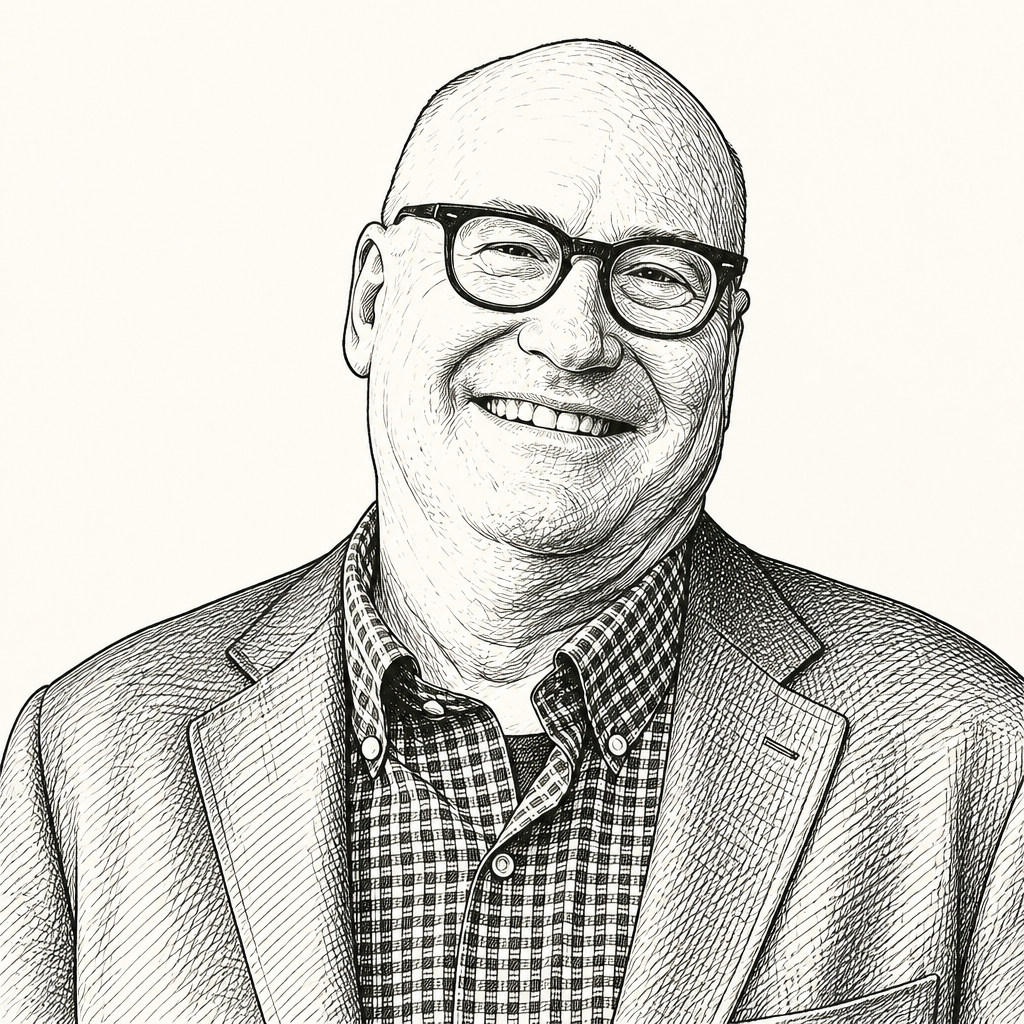
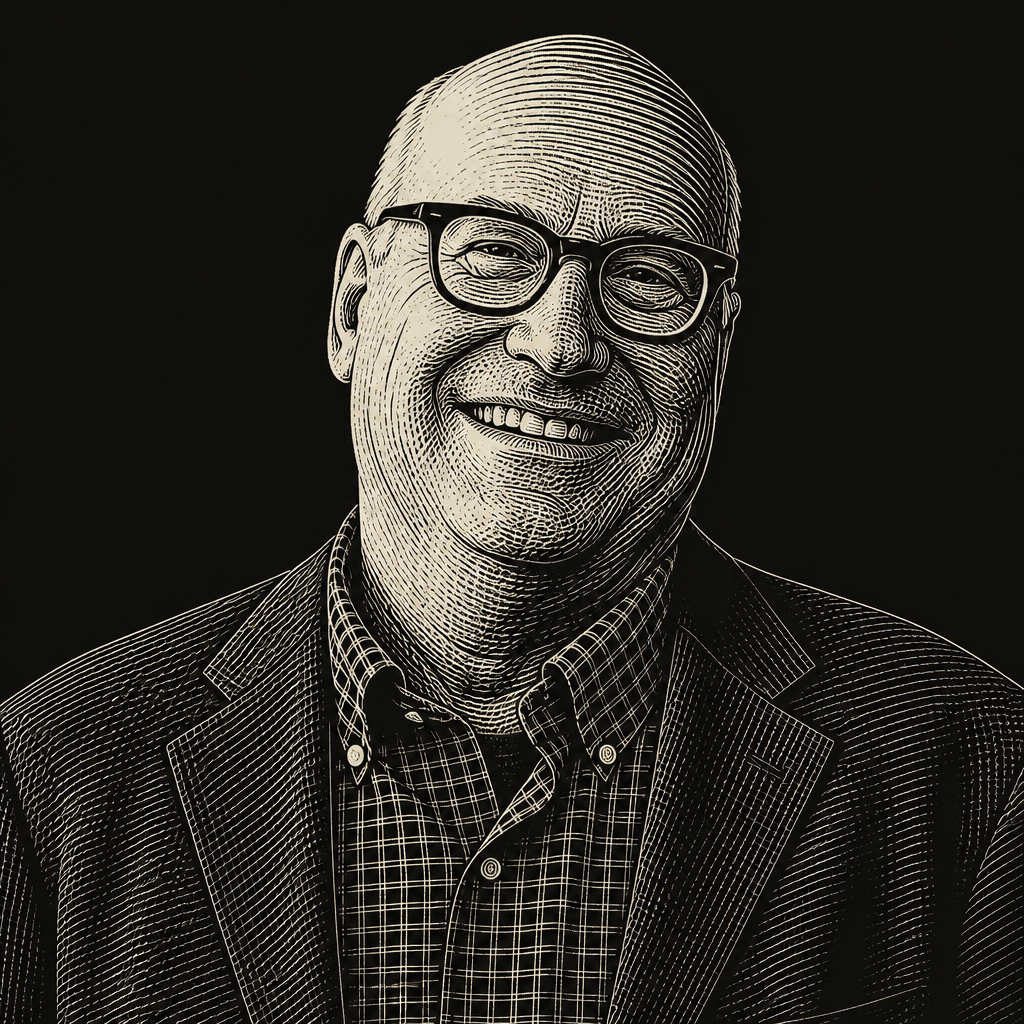
That combination is important in his framing. The field needs access to an organization where AI work is actually happening, and it also needs questions shaped by the people inside that setting. Sutton says DeepMind brings up research questions “that we never would have thought of.” The value of the partnership, then, is not just sponsorship; it is the chance to study organizational questions using DeepMind as a live research setting.
Valentine makes the same point from the perspective of the research field. When she heard that DeepMind would sponsor the grand challenge and allow researchers to use its data to answer organizational questions, her reaction was direct.
When I heard that DeepMind was going to sponsor the grand challenge and then let people come in and use their data to answer organizational questions, I was like, this is it. This is exactly what we need for our field right now.
Access to organizational data is presented as a major enabling condition for serious research on AI and organizations. The claim is not that DeepMind already answers the field’s questions, but that its participation gives researchers a setting and data source they otherwise might not have.
The selection funnel shows broad academic demand
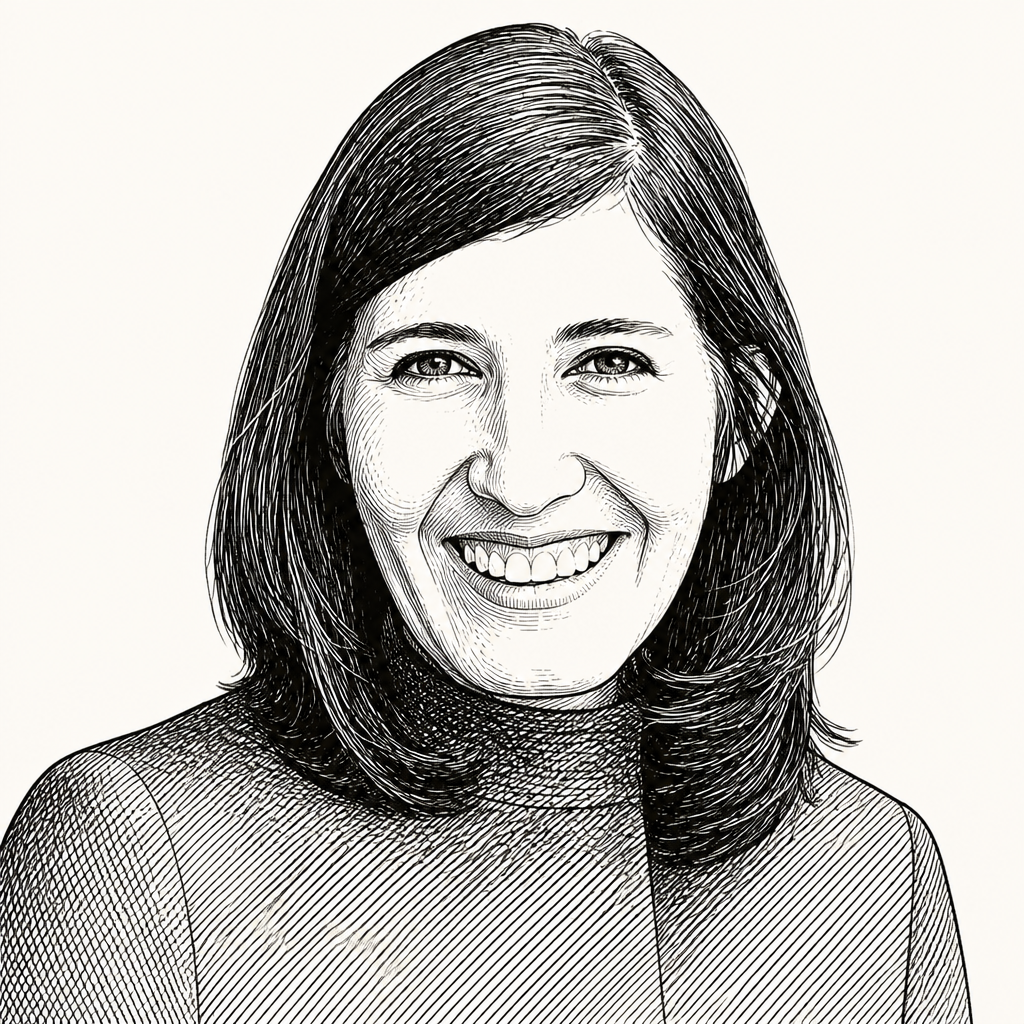
The challenge drew submissions at global scale. Martin Gonzalez says organizers received “tremendous energy from around the world” and reviewed proposals from more than 150 universities. He characterizes the proposals as ideas “at the cutting edge,” indicating that the organizers saw the response not simply as large, but intellectually substantive.
Rebecca Karp gives the selection funnel: international teams from a wide span of universities applied; about 200 university teams submitted proposals; 13 were shortlisted. An on-screen graphic reinforces the same progression: “150+ Universities,” “200 Teams,” and “13 Shortlisted.”
The figures matter because the challenge was not described as a small invited workshop. It was a broad call that moved from more than 150 universities and about 200 applicant teams to a 13-team shortlist. The funnel gives the initiative both scale and selectivity.
The breadth supports Chris Watkins’s framing of the work. Watkins says the challenge is about “imagining creatively” what more productive relationships can look like, and about combining “decades’ worth” of social and organizational theory with the “latest and greatest technology.” That formulation rejects a purely technical view of organizational AI. The challenge is meant to connect new AI capabilities with longstanding research on how people coordinate inside organizations.
The desired future is positive, but not assumed
Across the speakers, the desired direction is clear: more productive relationships, better coordination, amplified organizational performance, and a “positive future” for work. But the premise of the challenge is that those outcomes require investigation rather than assumption.
Robert Sutton’s phrase “balance between certainty and doubt” captures the posture the organizers want: enough confidence to study AI’s organizational effects seriously, but enough uncertainty to let the research questions change when exposed to real organizational data and practice. DeepMind is not only a partner with advanced AI capabilities; it is a research site where these questions can be observed and sharpened.
The closing title card places the AI for Organizations Grand Challenge under Stanford University Human-Centered Artificial Intelligence and Google DeepMind. The institutional pairing matches the substance of the remarks: organizational AI research is being positioned as applied, data-connected, and interdisciplinary, rather than as an abstract debate about the future of work.