Neuralink Says 20-Patient Scale Is Advancing Brain-AI Interfaces
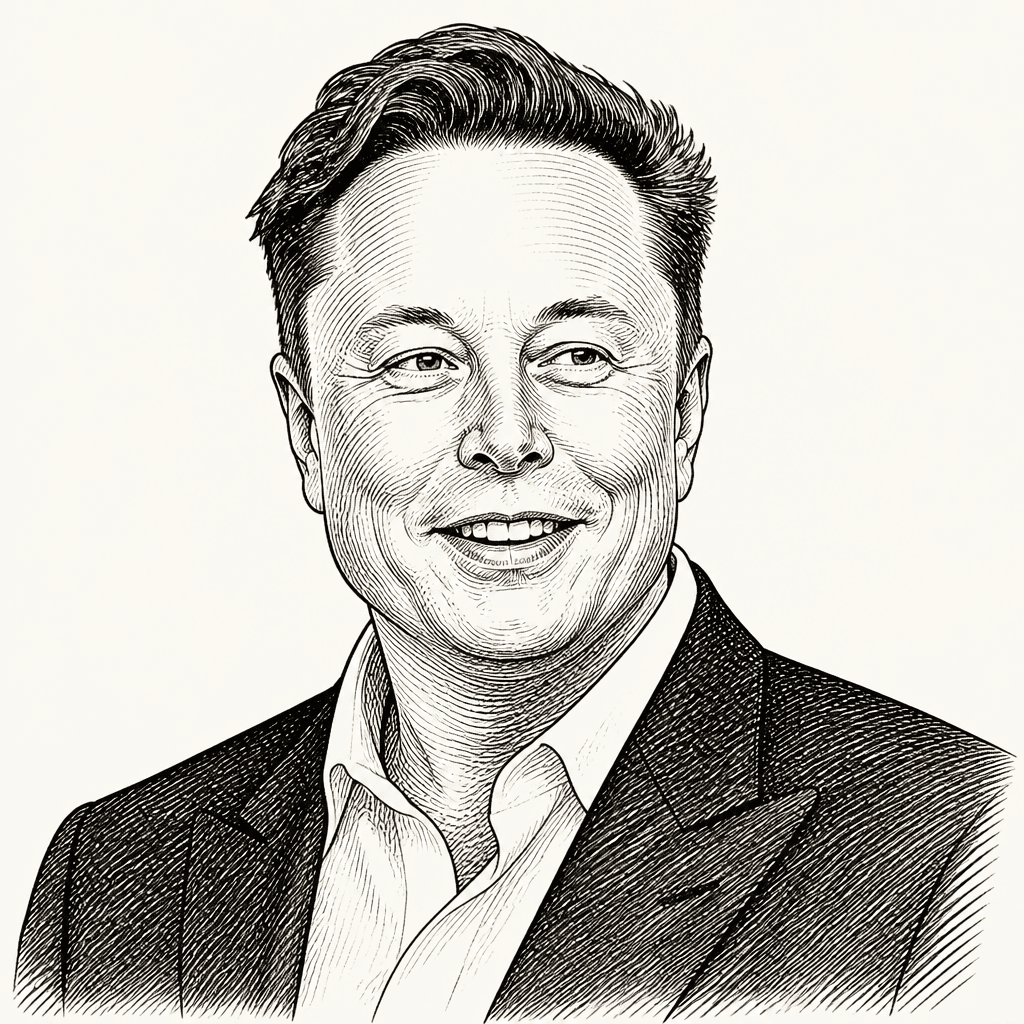 Elon Musk
 Shaun Maguire
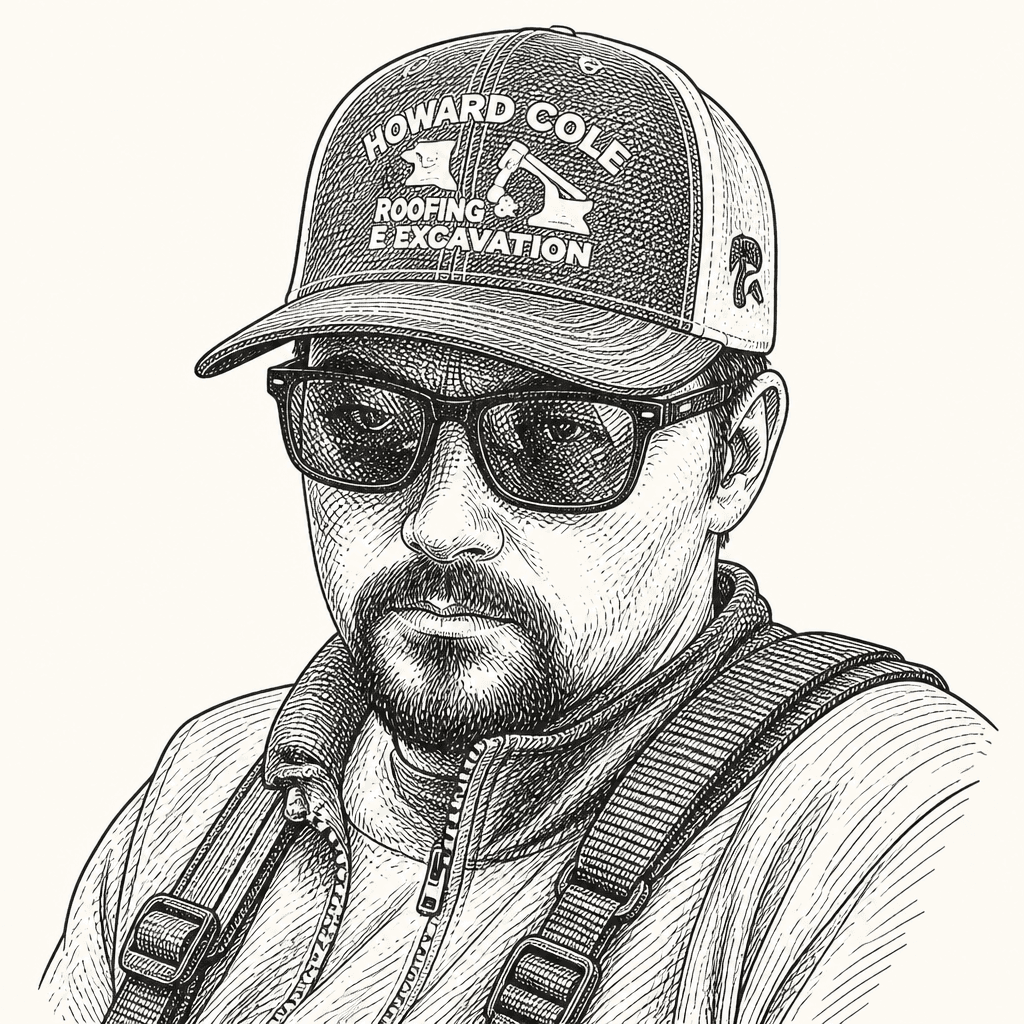 Alex Conley
 Noland ArbaughJake Harrell
 Nick Wray
 Audrey Crews
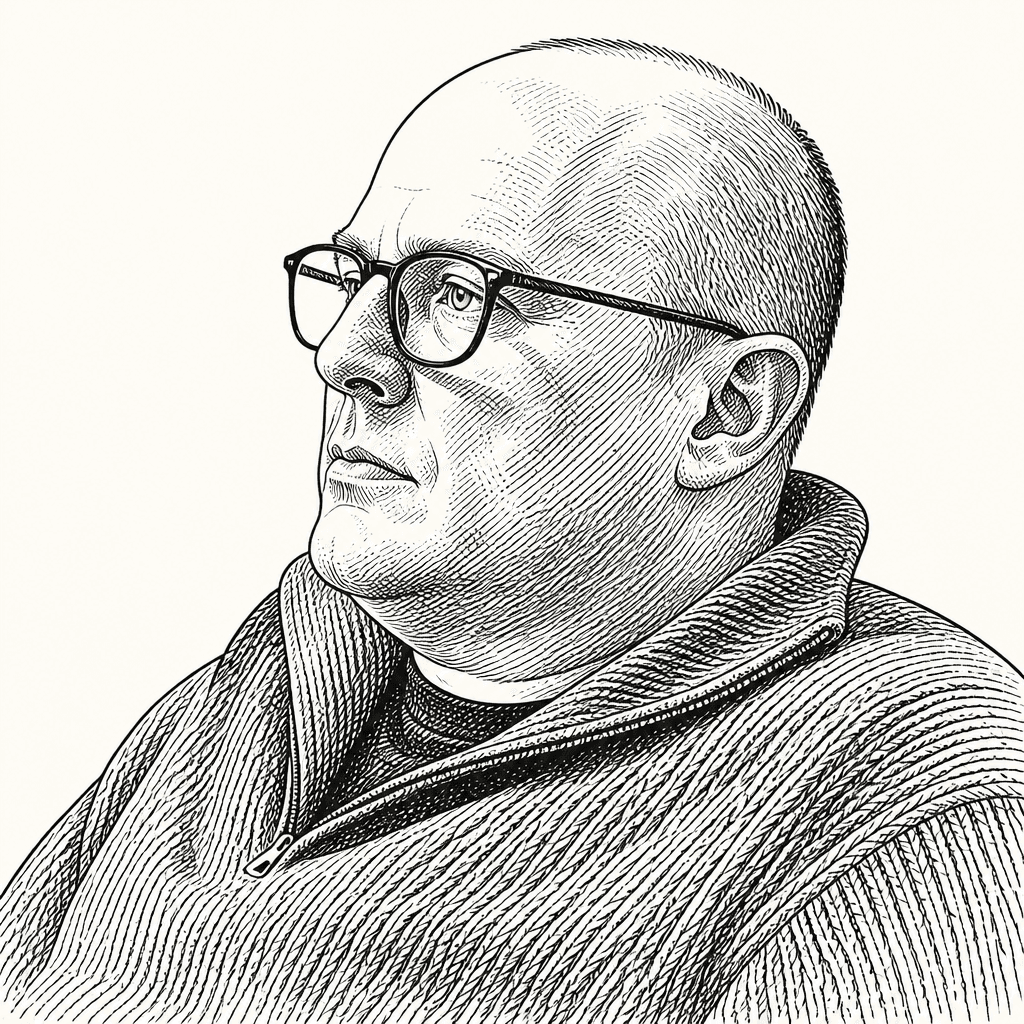 Sammy Nio
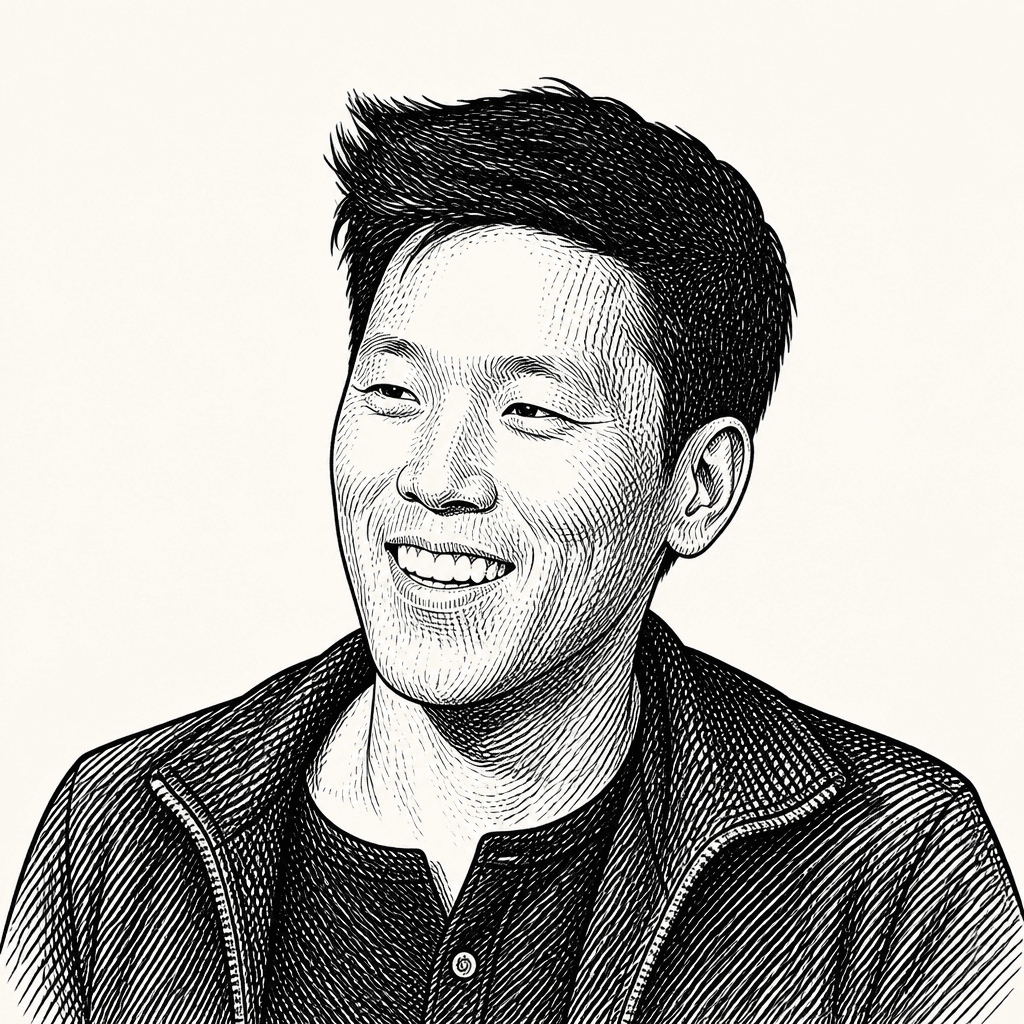 Dongjin Seo
 Kenneth Shock
 Brad SmithSequoia CapitalThursday, May 28, 202612 min read
Neuralink co-founder and president DJ Seo told Sequoia partner Shaun Maguire at AI Ascent 2026 that the company has moved from a single human implant demonstration to more than 20 patients, while still treating its current work as restoration of lost function rather than elective enhancement. Seo argued that Neuralink’s larger aim is not faster computer control but a higher-bandwidth interface between brains and AI, eventually enabling direct, multimodal transfer of concepts. The path there, he said, depends less on a single implant breakthrough than on scaling surgery, robotics, manufacturing, clinical evidence and neural-data models.
Neuralink’s demonstrations now rest on more than a single patient
The most concrete update Dongjin Seo and Shaun Maguire put in front of the audience was that Neuralink’s work has moved beyond a one-off demonstration. Maguire said the company now has “over 20 human patients.” Seo said that scale is beginning to matter not only clinically, but technically: even at “20 or so participants,” Neuralink is seeing early results from what he called a “neural foundational model,” using state-of-the-art LLMs or transformer networks fine-tuned on neural data.

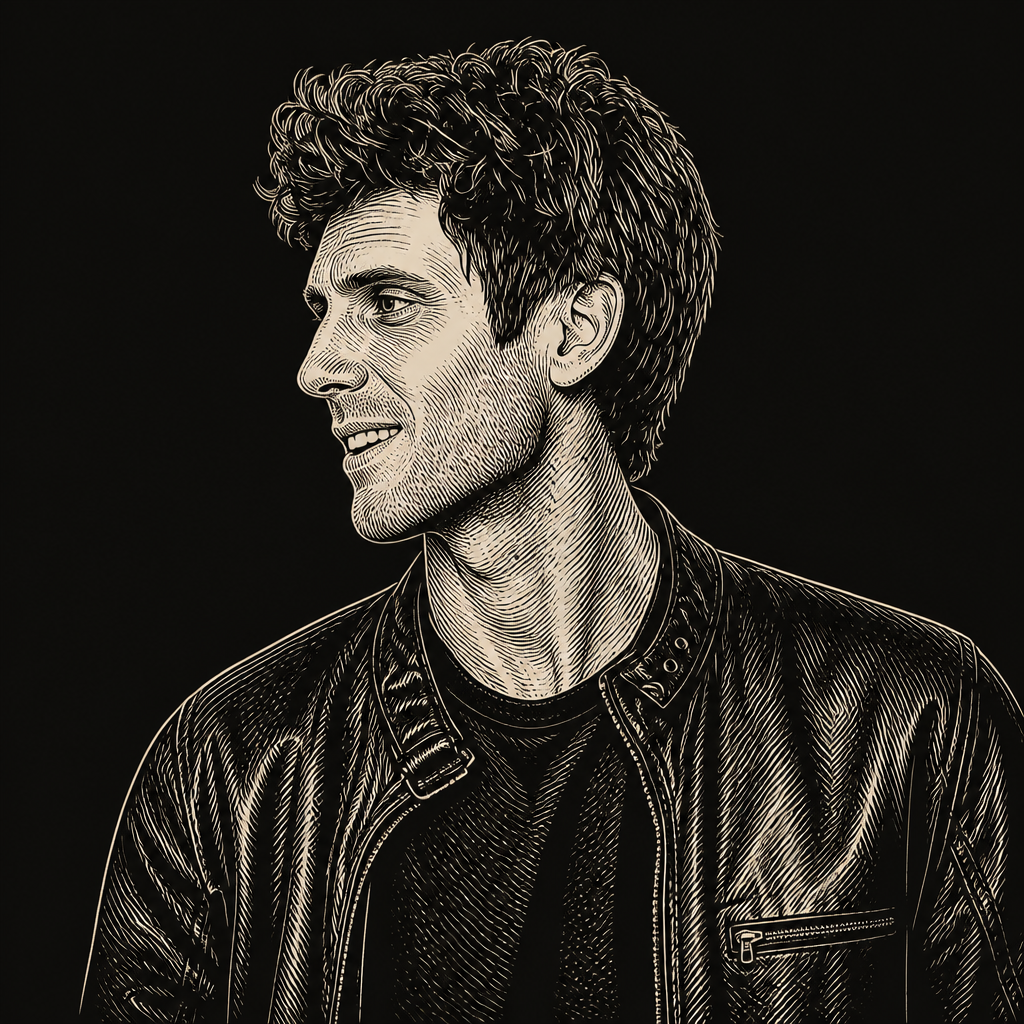
The patient video organized Neuralink’s current work around three kinds of restored capability: digital control, physical control, and speech. Telepathy, the first product, was described as enabling someone who has lost the ability to command their body to communicate with a computer. Noland Arbaugh described the basic experience plainly: “I’m thinking and a cursor is moving on a screen. It blew my mind.” Brad Smith, identified as having ALS, said that before the implant he was “locked in, non-verbal, quadriplegic,” and that he could now control his computer “just by thinking.”
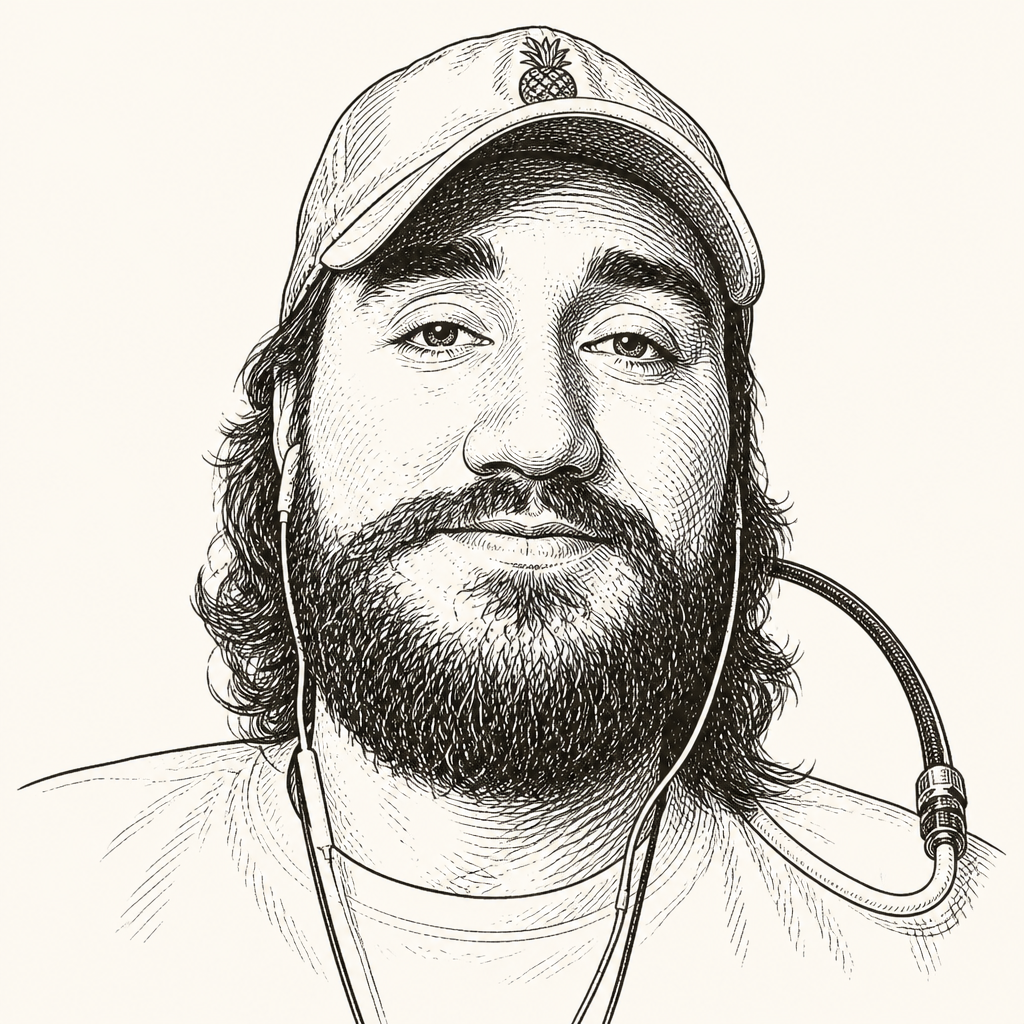
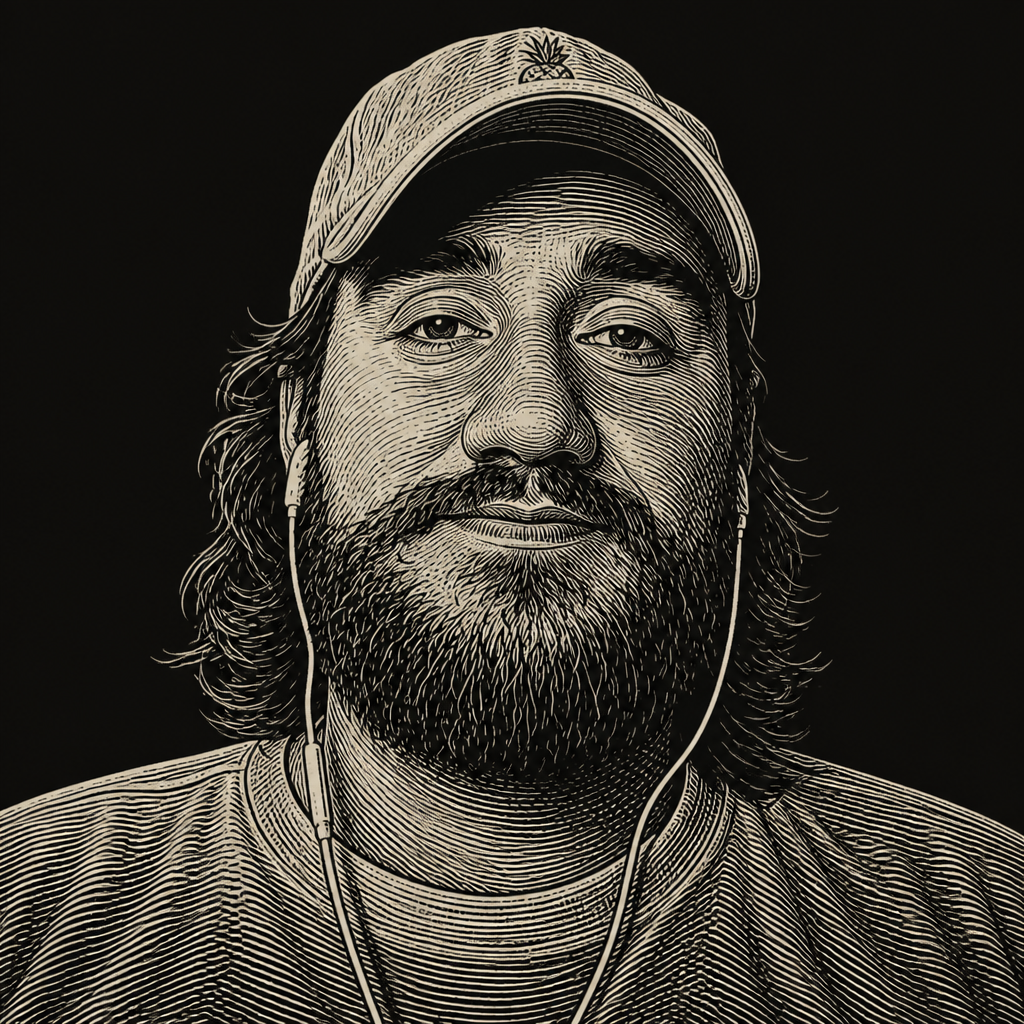
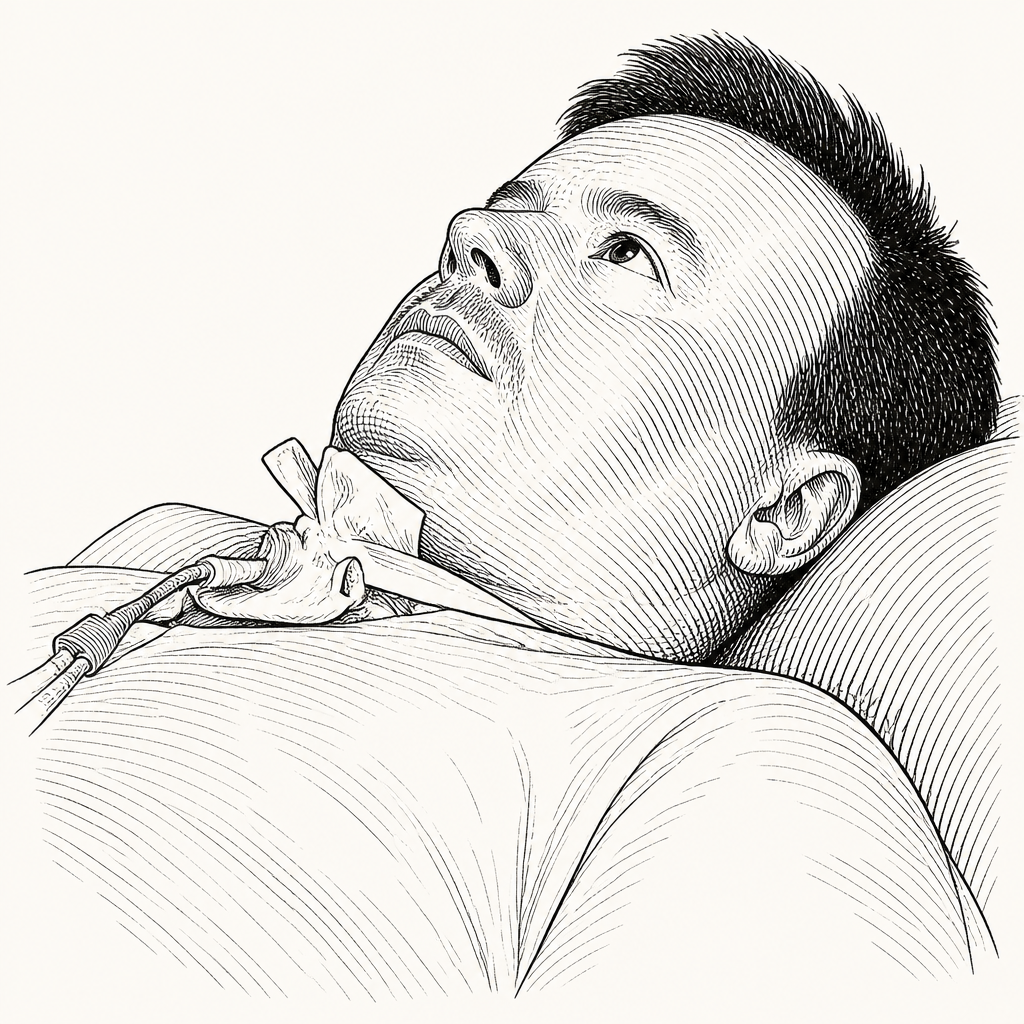
The next layer was physical control. A Neuralink team called Convoy is building assistive robotic devices controlled by the brain implant, with the goal of “physical independence in the real world.” Alex Conley, identified as having a spinal cord injury, described moving a robotic arm in different directions and axes as “pretty incredible.” Nick Wray, identified as having ALS, said it was “incredible to be able to just gesture with an arm again,” calling the recovered functionality life-changing.

The speech-restoration demonstration moved from control to communication. Kenneth Shock was introduced as losing his ability to speak, as many ALS patients do. A Neuralink interface showed decoded phonemes and neural signals alongside a video call involving Sammy Nio and Kenneth. The visible interface included decoded sounds, a neural-signal display, and the names “Sammy” and “Kenneth.” After Sammy said, “There we go,” Kenneth’s decoded output said: “I’m talking to you with my mind.” The demonstration also showed ordinary conversational use: “Everyone gets his own color. Will it be blue?” and “I’m done with my turn.”
Maguire’s reaction after the patient material was openly emotional. He said it “brought tears” to his eyes and called Neuralink “one of the most inspiring projects in the world,” saying the company was “truly saving people,” changing their lives, and “opening up possibilities that had been lost to them.”
Seo did not pick a single patient story as most meaningful. He said each patient and participant has “incredible stories,” especially the moment when the “digital barrier” first drops. But he redirected attention to caregivers: Noland’s mother Mia, Brad’s wife Tiffany, and Kenneth’s wife Sheryl. Seo described their role as a story of “love, sacrifice, and resilience,” and connected it to his own belief that fulfillment comes from helping others.
There are very special moments that I do have the privilege of witnessing, especially when they first encounter that digital barrier drop with the Neuralink.
Seo repeatedly treated Neuralink’s current work as restoration of lost function, not elective enhancement. That distinction becomes important when the discussion turns to AI, augmentation, and eventual non-medical uses. For now, he said, the company is building a serious medical device for people whose potential benefit can justify the risk of surgery.
The company was designed around scale before the first product was mature
Dongjin Seo said AI was “central to the origin story of Neuralink.” The key insight in 2016, as he described it, was the input-output bottleneck between human output and AI capability. Even in 2026, he said, talking about bridging that gap can still sound “crazy and wild,” though “with every passing week, it seems more real and real.” In 2016, he said, it sounded “insane.”
Seo’s personal path into Neuralink began with the brain as an engineering object. He called it “the most interesting compute that we all carry” and “the only form of general intelligence that we know to date.” He encountered brain-computer interfaces academically in the late 2000s, after the first human implant with the Utah array, which he described as a rigid silicon shank with a through-the-skin port. The idea that a quadriplegic person could regain some autonomy through such an interface was, he said, inspirational.
His own work focused on miniaturized, low-power electronics, first at Caltech and then at Berkeley, where he pursued a PhD with an eye toward bringing semiconductor principles into brain-interface systems. His aim was to miniaturize them and move them “out of the lab setting” into the real world. When he met Elon Musk and the team near the end of his PhD, Seo said the “sheer ambitiousness and the scale” of Neuralink was something he “could not say no to.”


The part Seo thinks people underappreciate is not the basic diagram of implanted device plus neural decoding. He said many people have seen patient stories on X and understand that the implant records neural intent, and that algorithms convert those signals into useful outputs. What they miss, in his view, is that Neuralink was built from day one not only around the device, but around the infrastructure needed to deploy it: surgery, manufacturing, factories, and robotics.
Even at the founding and day one of the company, we had scale in mind. We had not just the device, but all of the infrastructure around it to be able to do the surgery, do the deployment, build really, really hard factories for building these devices.
Seo called vertical integration “the lifeblood of Neuralink and Elon companies.” It enables a fast loop of designing, developing, deploying, and stacking talent across the whole technical stack. The example he returned to was robotic surgery. Neuralink’s long-term aim, as he described it, is to make implantation more like LASIK: a robotic surgical process that could eventually be deployed to “millions and billions of people.” Shaun Maguire emphasized the same point: Neuralink builds surgical robots, and the robot itself requires major breakthroughs if the approach is to scale.
The tension is that building for scale can look slow before it looks fast. Maguire compared it to building below the waterline: outsiders see little movement, but once the “iceberg pops over the water line,” progress can appear sudden. Seo agreed, but added the physical-world constraint that recurred throughout the discussion: “the world of atoms” is unforgiving. Building the team, the manufacturing process, the robot, the device, and the regulatory evidence all take time. The payoff, in his telling, is an organization that has learned from physical systems, not just software iteration.
Blindsight writes into the brain instead of reading intent from it
Blindsight, Neuralink’s vision-restoration product, is a distinct technical paradigm from Telepathy’s motor prosthesis work. Elon Musk described Blindsight as a future product that would enable people with total vision loss, including those who had lost their eyes or optic nerves, to see again.
The video illustrated the idea with a simulated dog image becoming progressively clearer. The on-screen label read: “Increasing resolution over time” and “Illustrative simulation based on optimized phosphenes.” The visual was used to show how increasing resolution might appear as the interface improves.
Dongjin Seo explained the mechanism more directly. Blindsight would use an external camera to capture a scene, then “directly write” into the visual cortex at the back of the head. Electrical stimulation changes the polarization environment of neurons, creating phosphenes. In his simplified framing: more electrodes means more pixels, and more pixels means a path to regained vision.
That is why Seo called it a “completely different paradigm shift” from the company’s motor prosthesis work. Telepathy reads neural intent and maps it to digital or physical control. Blindsight would write sensory information into the brain.
The status update was cautiously ambitious. Seo said Neuralink has a next-generation version it wants to take into humans, and that the system is in preclinical testing. He added, “Hopefully, I might eat my word, but hopefully by end of this year.” When Shaun Maguire told him he did not need to make a prediction he was uncomfortable making, Seo repeated: “End of this year.”
The AI ambition is not faster typing, but bypassing language as the interface
When Shaun Maguire asked how brain-computer interfaces and AI might meet, he offered the simplest near-term image: thinking directly into Grok prompts. Dongjin Seo answered by widening the frame. In some time horizon, he said, AI becomes an “exocortex,” analogous to the neocortex as a layer above the limbic system. The essential question is bandwidth: the interface between human cognition and machine capability.
Seo’s strongest formulation was that the ultimate ceiling of the technology is “direct, uncompressed, high fidelity, and multimodal transfer of concepts.” Maguire compared that to “I learned Kung Fu in the Matrix.” Seo accepted that as one version, but said the possibility might go beyond it.
The reason, he said, is that Neuralink’s current system still translates neural intent into legacy human-computer interfaces: keyboard, mouse, and language. The breakthrough would be to bypass those systems and compute on “raw intent itself.” Seo said he does not think that future is “super distant,” partly because modern transformer architectures are already doing things that once seemed out of reach. He said there is nothing fundamental preventing such systems from training on and learning the latent manifolds of neural systems.
The real breakthrough is gonna happen when you can bypass all of that and be able to compute on the raw intent itself.
Scale is the hinge in Seo’s argument. He drew the analogy explicitly to AI: without scale, things seem impossible; with scale, they can become inevitable. Neuralink’s patient count is still small by the standards of machine learning, but Seo said that even with roughly 20 participants, the company is seeing interesting patterns when fine-tuning transformer models on neural data. He described some of those patterns as “very counterintuitive.”
He also identified the harder data problem that comes with that ambition. Neural data is not automatically labeled in the way ordinary supervised training data might be. If a model is supposed to learn human intent, how does the company know the “true intent” in the first place? Seo said part of the challenge is designing systems that allow the data to be cleaned up, because data labeling and cleanup are central to AI work.
In Seo’s account, useful products and neural-data scale are linked: patient deployment produces opportunities to collect higher-quality neural data, and that data may support models that eventually move beyond translating thought into cursor movement or typed language. But Seo did not present that as solved. He presented it as the next major frontier, and returned again to the physical constraint: scaling in the world of atoms requires hard work “on the ground.”
The restoration-to-augmentation transition is governed by benefit and risk
An audience member asked how Neuralink thinks about going deep on a product like Telepathy versus expanding to other products. Dongjin Seo described the strategy as “beachhead and then expand.” The company tries to make systems generalizable enough that it is not building a wholly specialized stack for motor cortex, visual cortex, auditory cortex, and each other region independently.
The bottlenecks differ by type. Biology is the “pretty huge” bottleneck that is hard to overcome. Regulatory approval, payment, and market dynamics are also difficult, though Seo placed them in the category of problems that are “somewhat easier to overcome” than biology. Neuralink’s product timing, he said, depends on when it makes sense to allocate resources so the company can build a pipeline: once the first product is approved, and once the company has clinical evidence of safety, later products may be able to move faster through mechanisms he named as PMA supplements and 510(k).
That answer also explains why Neuralink can appear to be moving into Blindsight before Telepathy is widely available. Seo’s argument is that some preclinical and clinical evidence needs to be built ahead of time so later products are not starting from zero after the first approval.
A separate audience question pushed on augmentation: if the current work is therapy for disease and injury, when does Neuralink become optional enhancement? Seo said the current focus is “restoration of lost function.” The reason is benefit-risk. A person who is quadriplegic has a much higher risk appetite for potential benefit than someone who is otherwise healthy. Seo said it remains unclear when the balance crosses over for non-medical use.
He did not rule it out. He said Neuralink has ideas for what the benefit side could be, and that reducing risk is also part of the equation. He also pointed to “off-label use” after approval. If a person can find a neurosurgeon and a way to pay for the procedure, Seo said there may eventually be “some handful of people” walking around with a Neuralink despite being otherwise healthy.
That answer was deliberately less expansive than the exocortex discussion. Seo was willing to describe a long-term technical ceiling in which concepts move directly between minds and machines. But on adoption by healthy people, he returned to surgical risk, medical approval, and payment. The company’s public ambition stretches toward augmentation; its current operating justification remains restoration.
Elon time is presented as an engineering tool, not just a management style
Shaun Maguire asked Dongjin Seo what he had learned from working with Elon Musk, preferably something underappreciated by the public. Seo chose “Elon time”: the reputation for insanely aggressive schedules. He said he had once held a different conception of it, but learned that the schedule pressure is not merely an arbitrary management tactic. In his telling, it is a rigorous engineering and first-principles tool, especially in the physical world.
The relevant Neuralink concept is an “all green light schedule.” The question is not how long something usually takes inside existing constraints, but how fast it could be built if every light were green: no administrative delays, no shipping delays, no avoidable risks, no inherited bottlenecks. Seo said this frame forces engineers to distinguish physical limits from man-made ones. He estimated, loosely, that “80, 90 percent” of what people accept as fixed is there because they have not examined it from that perspective.
Seo also gave the caveat. This approach is “not for everyone.” It comes with costs: shifting priorities, intense stress, and cultural ramifications. But when it works, he said, it is “very empowering” and “the best thing ever to just see it unfold.” Maguire translated that into Musk-company examples: “When it works you get reusable rockets and electric vehicles.”
Neuralink is trying to apply that operating model to a domain that is less forgiving than consumer software and more regulated than most hardware. That is why the discussion of recruiting sounded broader than neuroscience. Seo said Neuralink has a saying: “You don’t have to be a brain surgeon to work at Neuralink.” The company does not require a neuroscience background. In his view, some of the best people at Neuralink are “hardcore engineers” who can learn the neuroscience as they go.
The immediate hiring need he named was embedded software and firmware. But he also pointed to AI and data roles, because Neuralink is entering a phase where the scale and quality of neural data are becoming interesting for training advanced models. The work is not just model building; it includes the harder question of how to label intent at all.
A final audience question asked whether the hard problem of consciousness is truly a hard problem, and whether there is a pathway to solving it. Seo answered quickly, because the session was out of time: “Hard problem of consciousness is extremely hard problem.” He added that if researchers are able to inject new senses, there may be ways to understand it quantitatively. That brief answer kept consciousness outside the product claims: Neuralink’s current systems read from the brain, and Blindsight would write sensory information into it, but Seo did not present the company as having a theory of consciousness.