Chip Ganassi Racing Uses OpenAI to Find Tenths Between Sessions
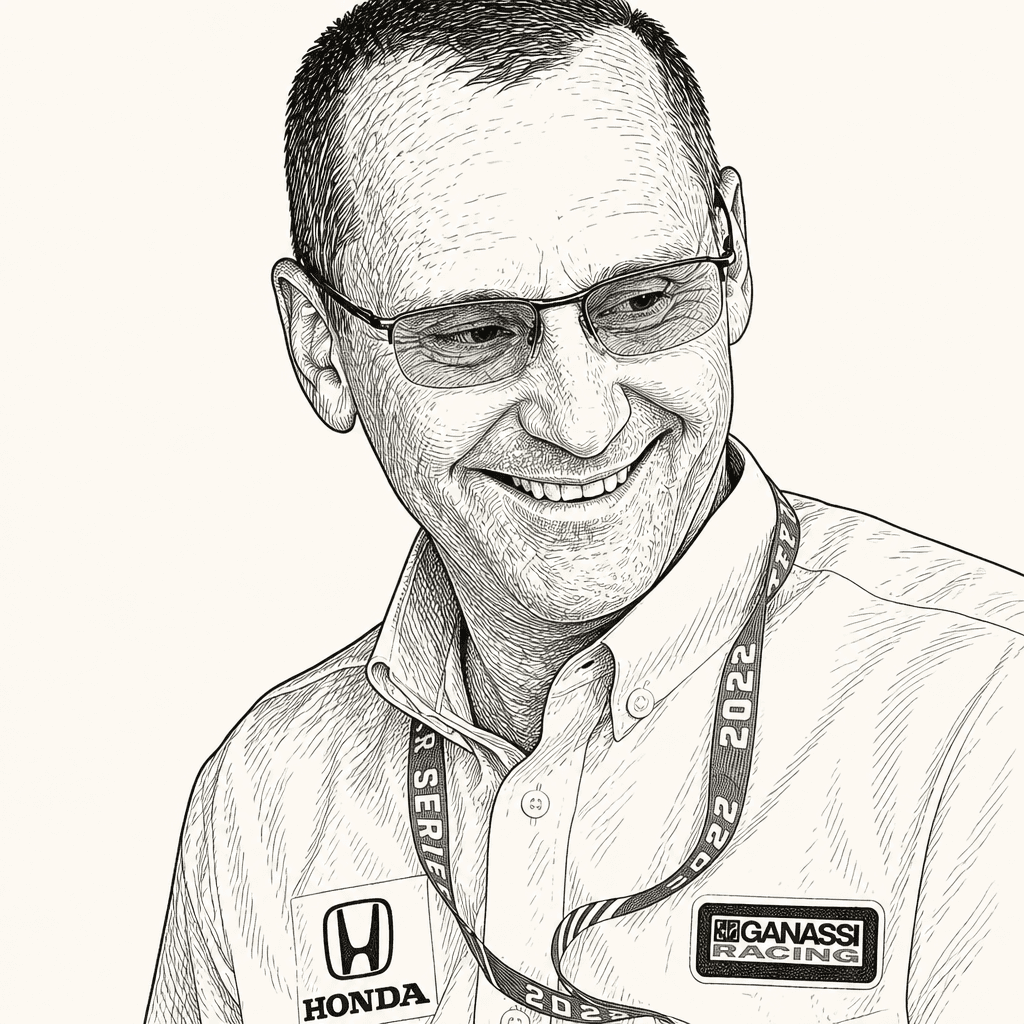
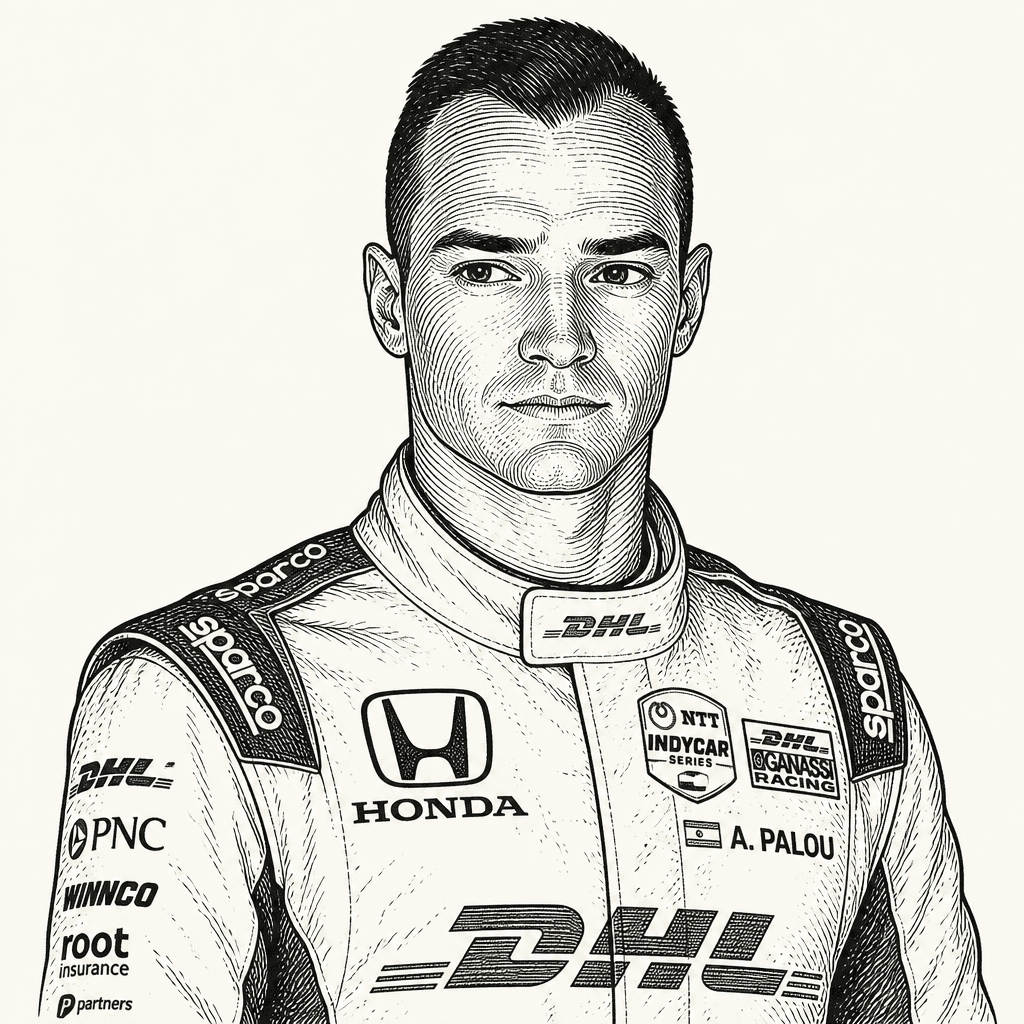


OpenAI’s Joyce Ruffell presents the company’s collaboration with Chip Ganassi Racing as an effort to turn an already data-rich IndyCar operation into a faster decision-making system. The case made in the source is not that AI replaces race judgment, but that it can connect historical, test, race, pit-stop, and strategy data quickly enough to matter in the narrow windows between sessions and during a race. At Long Beach, the argument is illustrated through Alex Palou’s win: a late pit-strategy adaptation, precise crew execution, and trusted information flow produced the margin.
The advantage is measured between sessions, not just on track
Joyce Ruffell frames the problem of racing from the position of the front runner: everyone is trying to catch you, the chassis, engine, and track are given, and the real work is finding where seconds can still be shaved away. For OpenAI’s motorsports collaboration with Chip Ganassi Racing, that work centers on using AI to make a dominant, data-heavy racing operation faster.


Ruffell, a research engineer at OpenAI who leads the collaboration, says Chip Ganassi Racing was already trying to become “the first motorsports team to truly figure out how to use AI to make them faster.” Chip Ganassi describes the team’s internal posture in similar terms: a “DNA” of trying new things, staying on the leading edge, and constantly asking how to beat the competition or improve on the prior year.
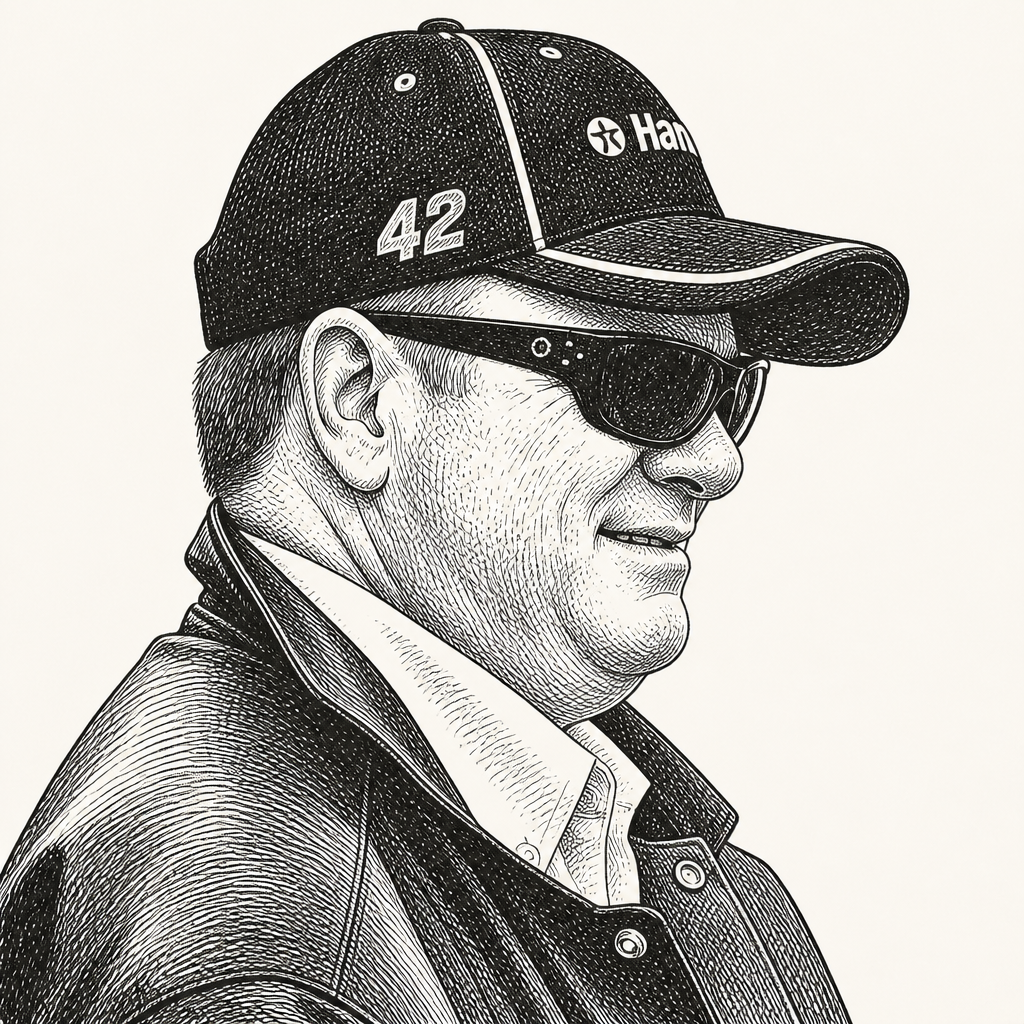
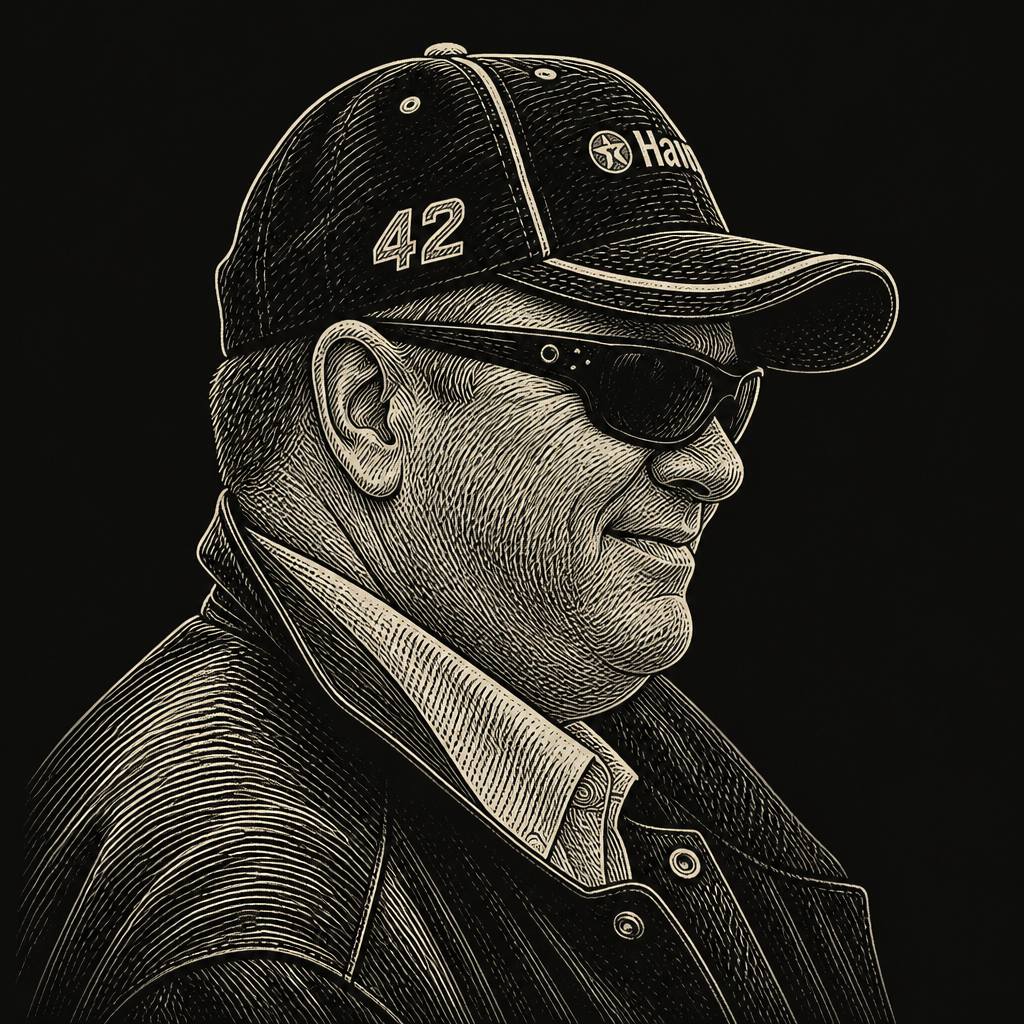
The immediate technical objective is not presented as replacing race judgment with automation. Ruffell says the team is trying to connect the data it already has: historical data, test-session data, race-session data, and other sources arriving at a volume that is “really kind of impossible to process.” The value of AI, in her account, is speed and recombination: pulling data faster, looking at it in different ways, and helping the team find advantages in the narrow windows between sessions.
That window matters because a race weekend compresses analysis into operational decisions. Ruffell says teams may have “only a couple hours” to take learnings and tune the car. Alex Palou says preparation for Long Beach is “more than 50%” of the weekend. The team reviews prior years — 2025, 2024, 2023, and beyond — looking for trends. With OpenAI, Palou says, they can analyze more races, more strategies, competitors, and cars to decide what is best.
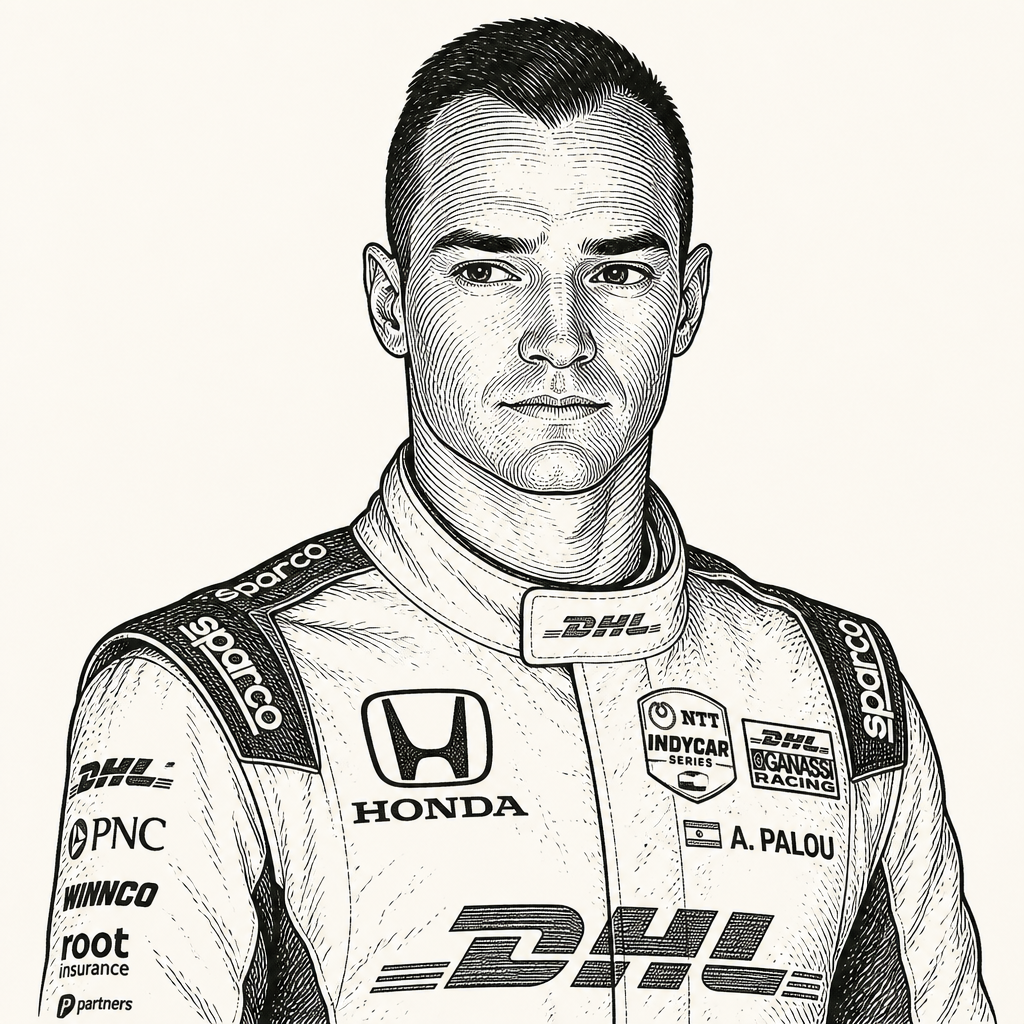
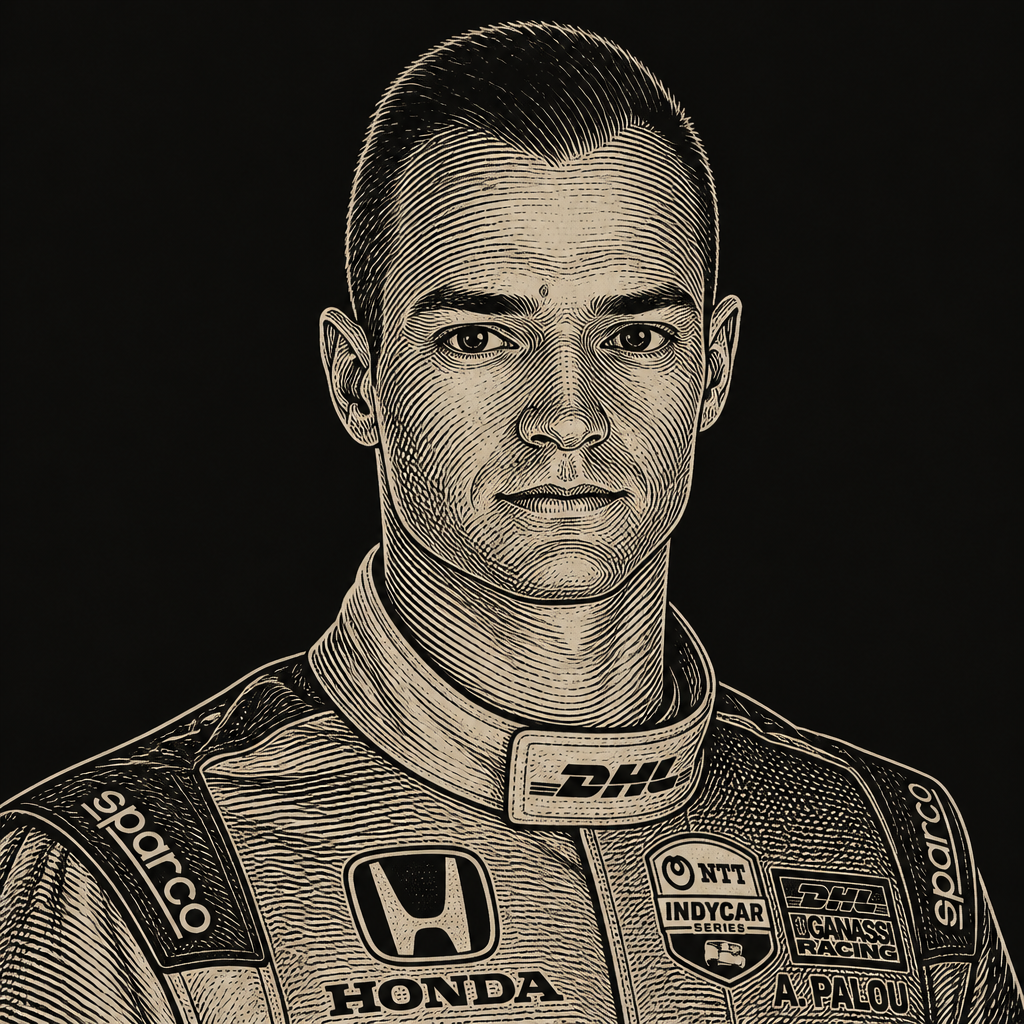
Ganassi cautions against the simple reading that the fastest car wins. “The fastest car plenty of times doesn’t win the race,” he says. Ruffell connects that to one of Ganassi’s sayings: do the simple things right. The collaboration’s examples follow that premise. The aim is not a single spectacular intervention, but better preparation, cleaner execution, and faster interpretation of signals.
Pit stops turn human execution into a seven-second system
Pit stops are presented as one of the clearest places where “doing the simple things right” becomes a measurable advantage. Ruffell says an IndyCar pit stop is about seven seconds, and that Chip Ganassi Racing is “pretty good about just being seven seconds,” while most other teams are slightly above that mark.
Will Plummer explains why the human-performance problem in IndyCar differs from some other racing series. In NASCAR, he says, teams may hire former collegiate or professional athletes specifically to pit the car. Chip Ganassi’s IndyCar crews work multiple roles — mechanic, truck driver, engineer — and are then called on “at the most pivotal point of a race” to service the car.
The source shows computer-vision analysis over pit-stop footage, with wireframe outlines and metrics tracking crew movements. On-screen labels include pit-crew roles and car or tire variables: “inside front,” “outside front,” “inside rear,” “outside rear,” “aeroscreen,” “tire type,” “soft,” “hard,” “temperature,” and “pressure.” The visual suggests an effort to quantify movements and context around a stop, though the source does not specify the underlying model, methodology, or measured gains from that overlay.
Plummer also describes a simpler, more personal AI use case: he uses ChatGPT as what he calls an “assistant strength and conditioning coach.” He enters a week of workouts and asks it to write the next one. “It listens for the most part and grows,” he says. The point is modest but concrete: in this environment, AI is not only applied to race strategy or engineering data; it is also used in the routines that prepare the crew whose execution must hold under pressure.
The timing stand is an information filter
The race itself is described as a filtering problem. Ruffell says the hardest part of being on the timing stand is sorting through signals and deciding what “crucial bit of information” should reach the driver. Barry Wanser puts it from the cockpit’s perspective: imagine a driver sitting there without knowing what is happening in front of him or behind him.
The source gives fragments of that information flow. A voice tells the driver there are cars behind Ericsson. Another says the gap is small and “pretty busy out there.” Ruffell describes her role as painting that picture during the race. Palou says that if his strategist says a strategy is the strategy, “I’ll just go.”
That trust is paired with discretion. Wanser says engineers use a variety of tools. Ruffell adds, after a hesitation, that this includes “some OpenAI confidential stuff.” Palou immediately jokes, “Maybe don’t put that on the — for everybody else to know.” The exchange is revealing not because it specifies the tooling — it does not — but because it marks the boundary between the public story and the competitive system. The team is willing to say AI is part of the workflow, but not to detail every implementation.
The Long Beach race context is specific. The circuit is described on-screen as 11 turns, 90 laps, and 177.12 miles. A race commentator calls turn 11, a tight right-hand hairpin, probably the most technical and challenging corner. Wanser tells the No. 10 car, “Next time by we’ll be green,” then asks Palou about the tires. Palou reports that they are still good.
What matters in the account is not only that data exists, but that it becomes usable under time pressure. Engineers, strategists, and the driver share only the necessary pieces. The driver does not need every input; he needs a decision he can trust.
The winning move was an adaptation, not the original plan
Long Beach becomes the demonstration case for adaptive strategy. Palou says that if he could not pass Felix Rosenquist directly, the team needed to get close enough to “try to pass him in the pits.” Ganassi says a team must have more than one strategy because “your whole day can change fast.” Wanser explains the tactical margin: the team may plan to pit on a given lap, but if other cars pit around the same time and there is enough fuel to continue, they may choose one more lap.
Ruffell says the team saw cars bunching together and entering pit lane. Rosenquist came in. Wanser says, “That wasn’t part of the plan.” Ruffell calls it the opportunity and says that is where trust comes in.
The stop itself is treated as a chain of precise decisions. Wanser counts down: “Five, four, three, two, one.” Ruffell says the engineer tells the crew exactly how many seconds they need to fuel, and they do “exactly that” — nothing more, nothing less. Ganassi summarizes the operating principle: “We make changes on the fly.”
The race call reports the result as a contest out of pit road: Palou “might just have barely beat Rosenquist out,” and then gets ahead. Palou wins the Long Beach GP 2026. Wanser tells him they will meet in Victory Lane.
Ruffell’s conclusion is grounded in that translation from lab to track. She says there is “nothing more visceral” than seeing OpenAI’s models leave the lab and become “real efficiency gains on and off the track.” But she does not present the collaboration as complete. Her final assessment is that they have “just dipped our toes in the water of what’s possible here.”
The ending keeps the practical racing constraints in view. Palou asks if he can do donuts after the win. Wanser says no. Palou argues it is the last race for the engine. Wanser replies that it still has two tests left. Even after victory, the system is still managing the next use of the asset.