AI Agents Shift Enterprise Strategy From Automation to Work Redesign
Barak Kaufman, chief strategy officer at Wonderful, argues that enterprises moving fastest on AI are treating agents not as an infrastructure project but as a means to redesign how work is organized. As agents take on longer-running, coordinated and multimodal work, he says the opportunity extends beyond automating individual manual tasks to changing operating practices around them. That requires putting agents into production alongside the change management needed for teams to work differently.
The enterprise priority is production change, not infrastructure ownership
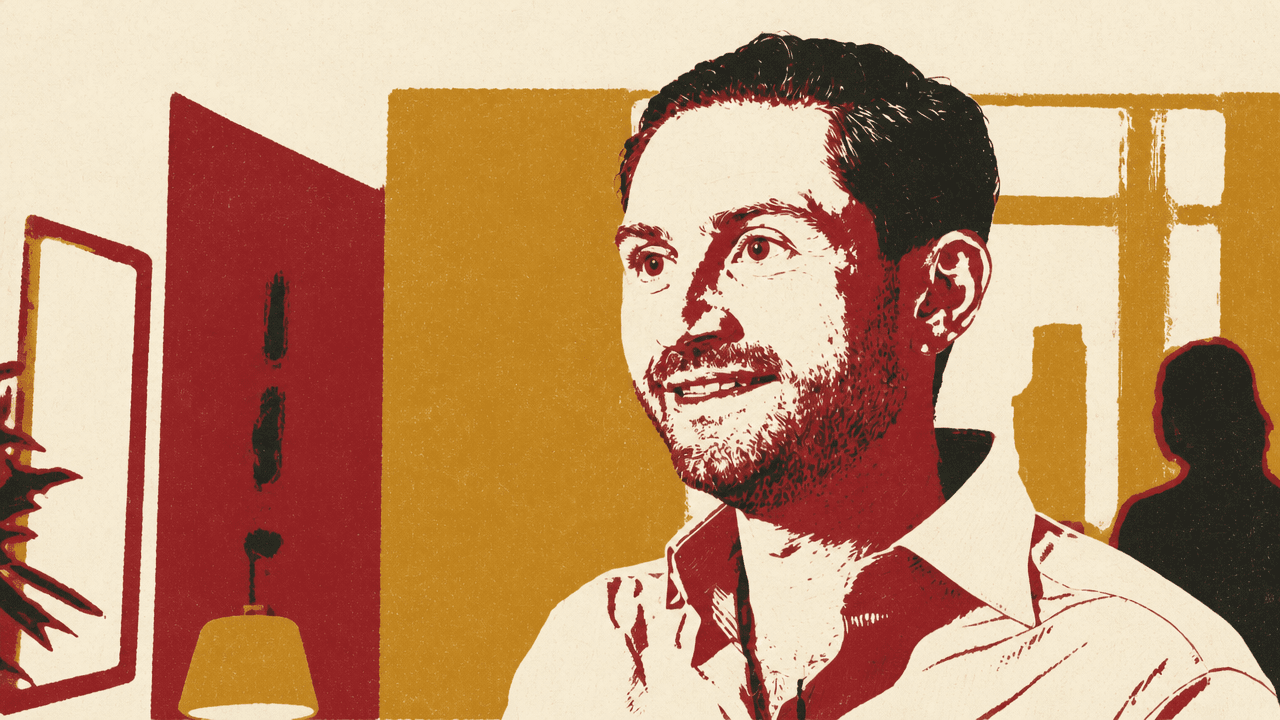
? barak-kaufman says the enterprises moving fastest with AI understand that they are not principally in the business of building AI infrastructure. Their task is to transform the organization with AI: put agents into production and enable teams to adapt to the changes that follow.
I think the enterprises that are moving fastest recognize that they're not in the business of building AI infrastructure, they're in the business of transforming their organization with AI.
Kaufman describes Wonderful as an enterprise applied-AI partner for large, complex organizations. Its offering combines an infrastructure platform to build, manage, and optimize agents with local, forward-deployed delivery teams intended to help enterprises get those agents into production.
That delivery work matters because deployment is not just a technical milestone in Kaufman’s framing. He tells enterprise leaders to focus on helping teams move faster through the change management required for “agentic go-lives.” The relevant question is whether agents can become part of an organization’s operating practice, with the support needed for people and teams to work differently around them.
Wonderful’s partnership with OpenAI illustrates both sides of the model, according to Kaufman. He says Wonderful needed to build its platform extremely quickly and could not have done so without OpenAI and Codex on its engineering team. The partnership also supplies the intelligence Wonderful brings to enterprises through its platform and delivery teams. One use accelerated Wonderful’s own product development; the other is meant to help customers operationalize agents.
Longer-horizon agent work creates a case for redesign
? barak-kaufman places this argument in a phase where agents can take on longer-horizon work, usually involving multiple agents and multiple modalities of interaction. Those capabilities expand the opportunity beyond assigning an AI system an isolated manual task. They allow enterprises, in his account, to rethink how work gets done.
You can start to redesign how work is done to be able to optimize for productivity not just trying to automate the manual tasks that we all do today.
The distinction is between improving the work as it is currently arranged and reconsidering the arrangement itself. Automation remains part of the picture: agents may take on manual tasks people perform today. But Kaufman’s larger claim is that longer-running, coordinated, multimodal agentic work gives enterprises a basis to optimize for productivity by redesigning their ways of working for 2026 and beyond.
That makes production deployment a strategic test rather than an implementation afterthought. Leaders should assess whether they can introduce agents with the organizational support required for teams to use them and for work to change around them. Building or owning infrastructure may be necessary for a provider such as Wonderful, but Kaufman does not present it as the strategic endpoint for the enterprise customer.