AI Factories Are Turning Taiwan’s Supply Chain Into Strategic Infrastructure
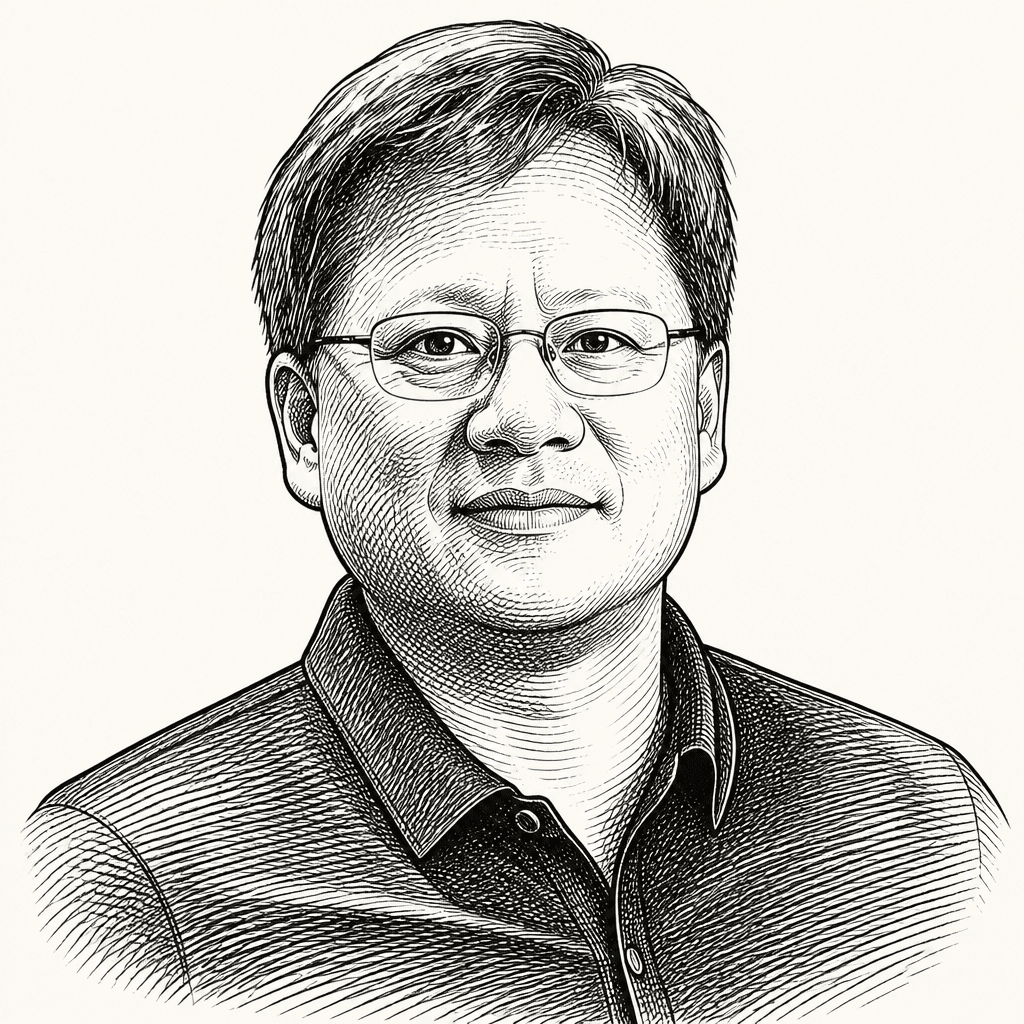 Jensen Huang
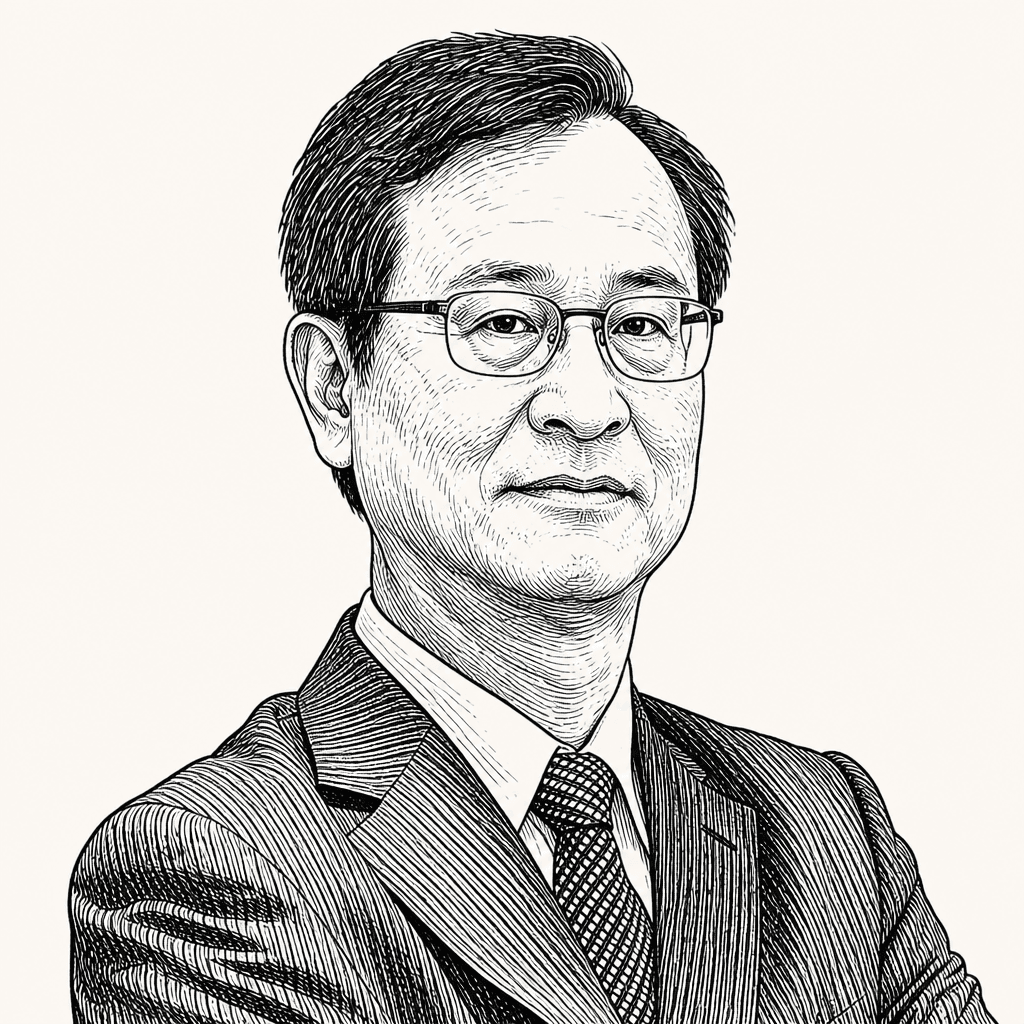 Simon Chang
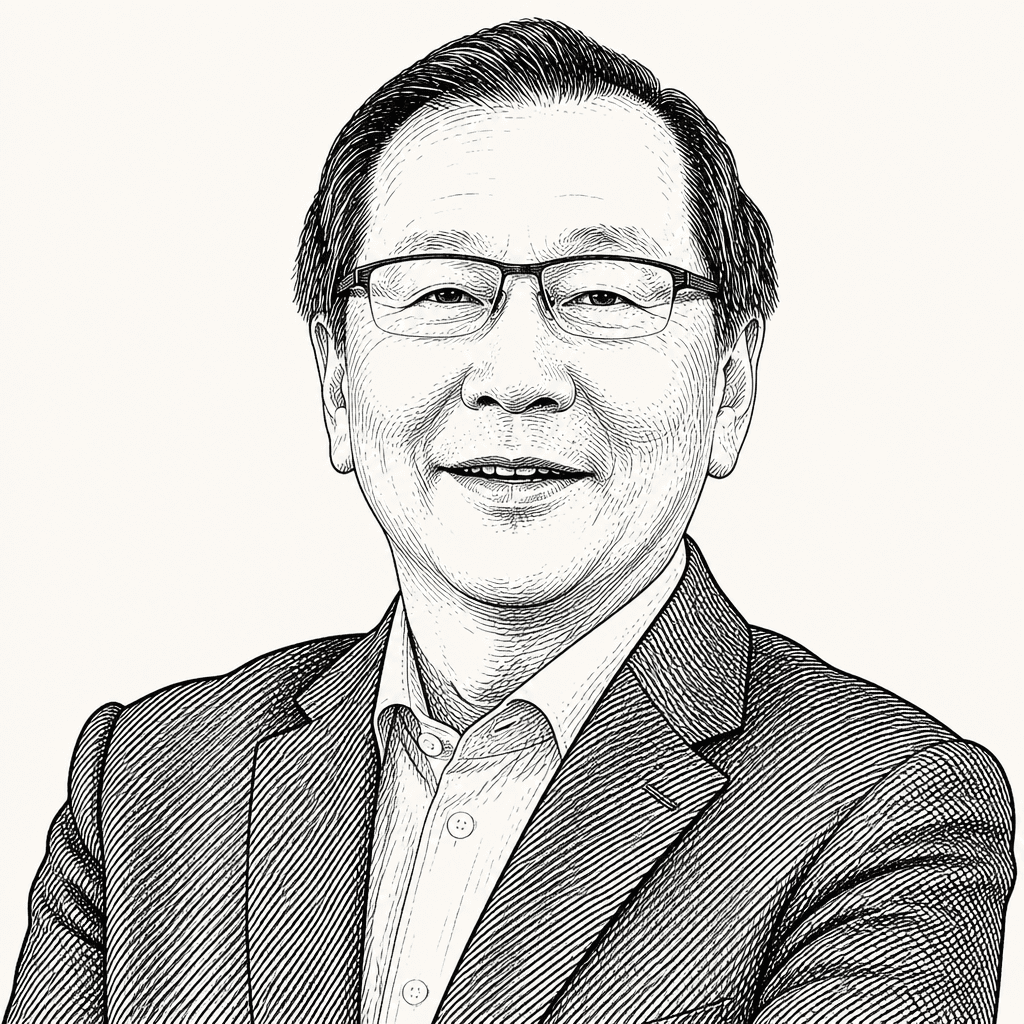 Rick Tsai
 Tracy TsaiBruce Lu
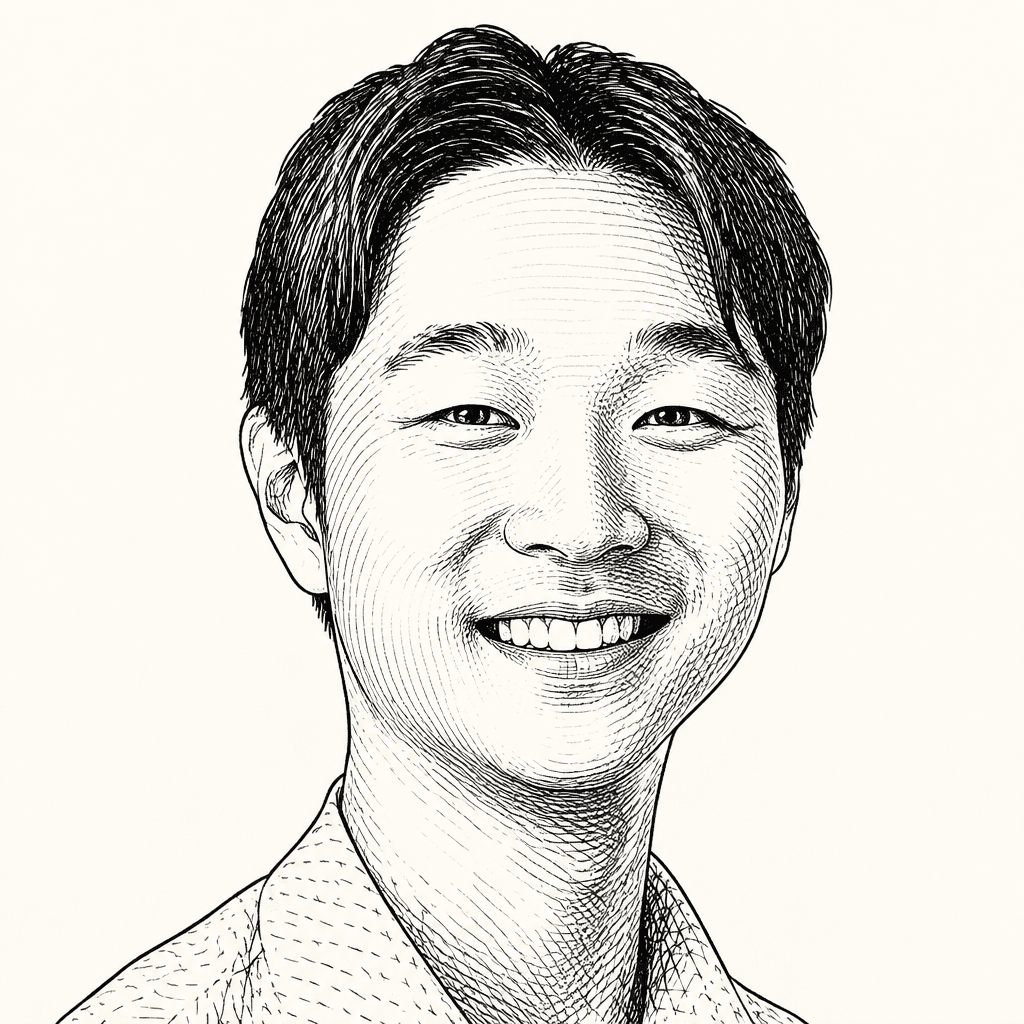 Alex Yeh
 Barry Lam
 Neo Yao
 Jonney ShihHaw Chen
 Hung-yi Lee
 Tzu-Hsien Tung
 Simon Lin
 Yuh-Jier Mii
 Kathy YangNVIDIAMonday, June 1, 202622 min read
NVIDIA’s GTC keynote pregame in Taipei presented Taiwan as more than a manufacturing base for the AI boom. Across interviews led by Bruce Lu of Goldman Sachs and Tracy Tsai of Gartner, Jensen Huang and Taiwanese technology executives argued that AI is becoming infrastructure, requiring chips, advanced packaging, racks, power, factories, robots, software, local compute and talent to work as one system. The case was optimistic but conditional: Taiwan’s strength is the density of its industrial stack, and its test is whether it can move up into systems, software and application leadership.

Taiwan’s AI position is being defined as infrastructure, not only supply chain
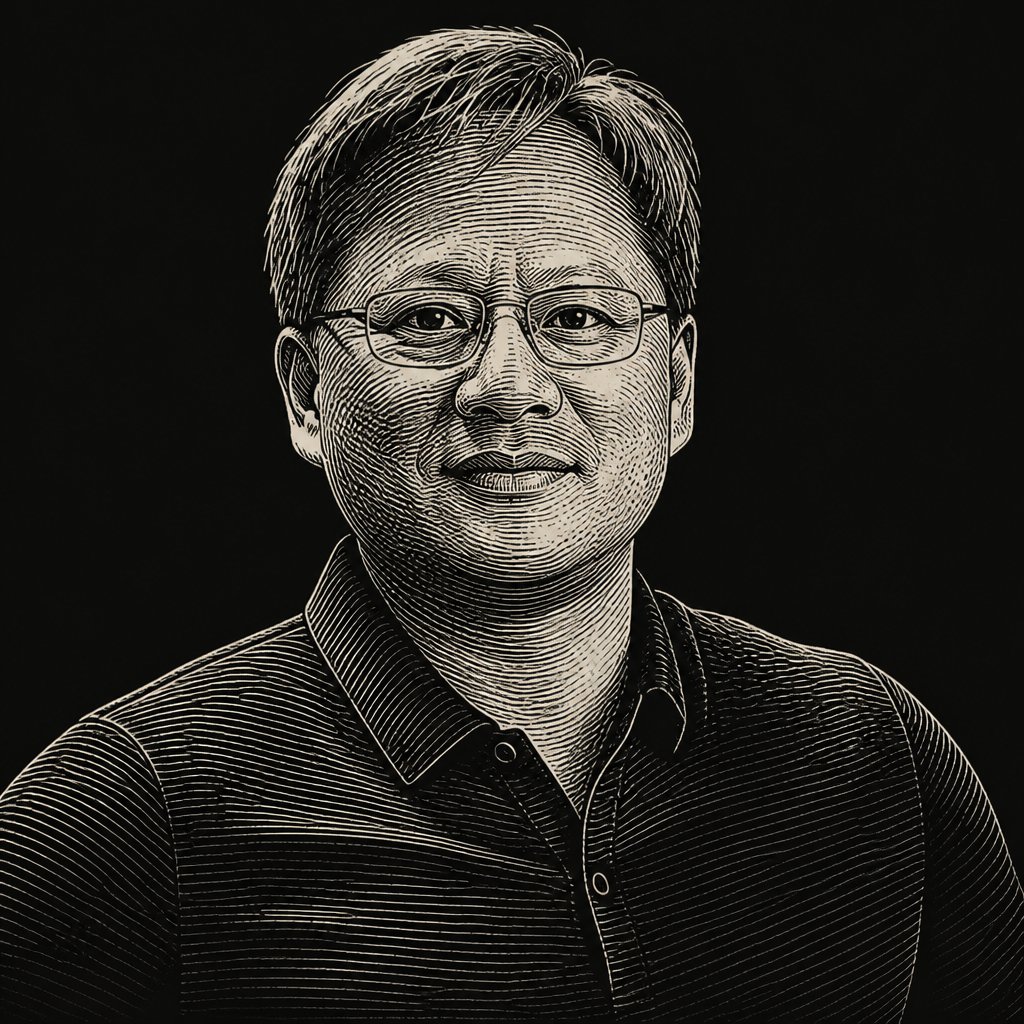
Jensen Huang framed the premise bluntly: AI has become infrastructure, comparable to the internet and electricity, and it requires “a new kind of factory.” In Huang’s formulation, AI factories produce tokens, “the building blocks of intelligence.” He described the current buildout as “the largest infrastructure build-out in human history,” with Taiwan at the center.
That framing shaped the rest of the discussion. Taiwan was not presented merely as a place where components are made. The repeated claim from executives across semiconductors, servers, PCs, robotics, power, factories, academia, and cloud infrastructure was that AI is forcing the full stack to come together: chips, packaging, racks, power, cooling, software, manufacturing data, factory workflows, talent, and local compute.
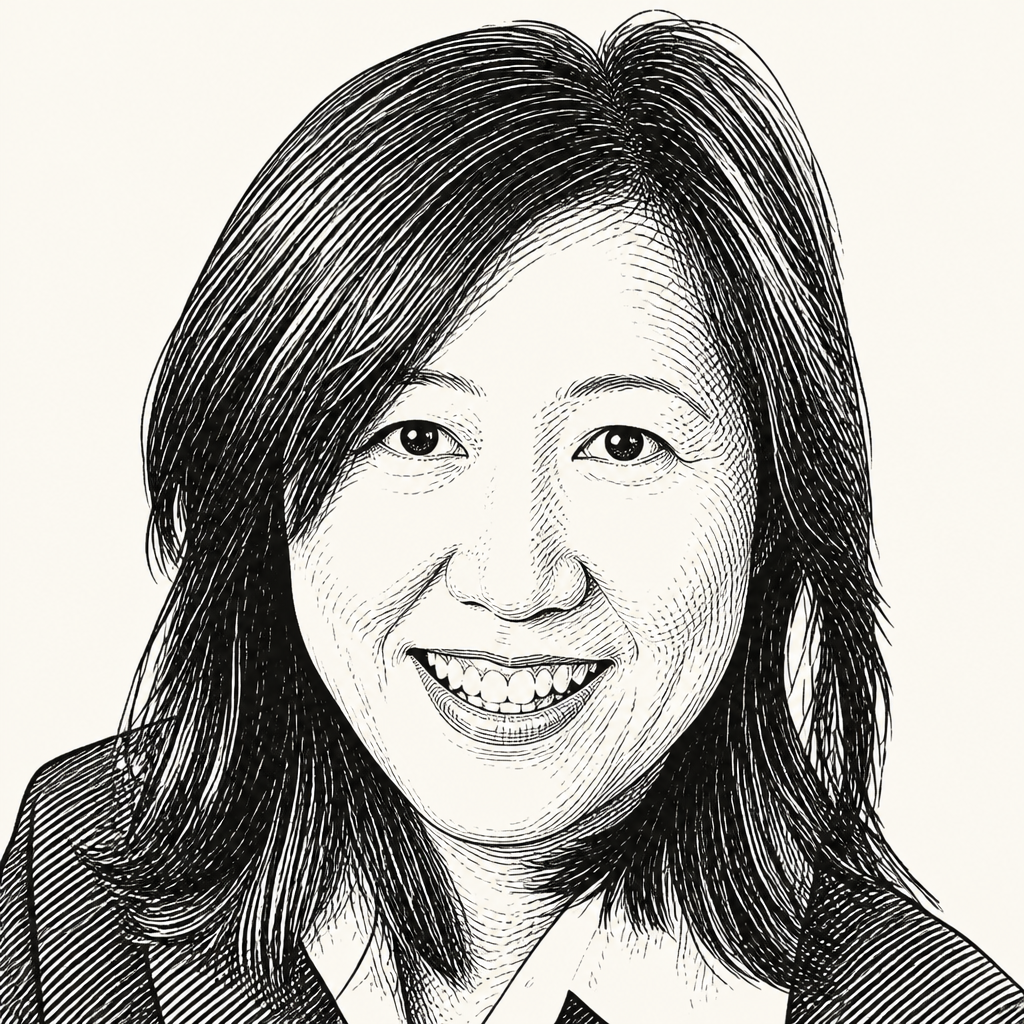
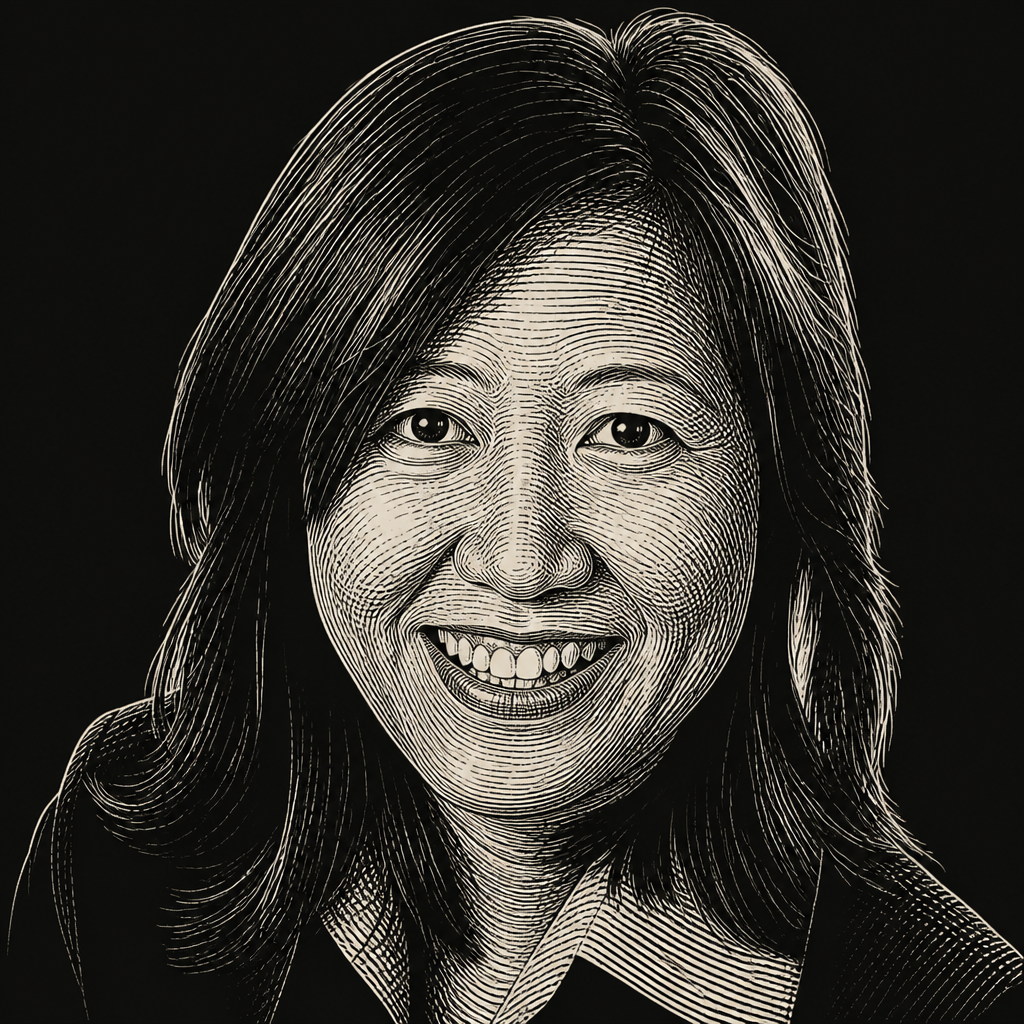
Tracy Tsai opened with the idea that every industrial revolution begins with infrastructure, and argued that AI factories require an ecosystem rather than any single product. Bruce Lu described the two-hour program as moving from semiconductors and AI servers through edge devices, robots, AI factories, working AI applications, infrastructure, and future talent.
The most consequential claim across those exchanges was that Taiwan’s advantage is not only excellence at one layer. It is the proximity and operating discipline of many layers at once. That advantage is also under pressure. Speakers repeatedly identified the same constraints: advanced capacity is scarce, AI-server systems have become vastly more complex, software and system-level design remain weaknesses for Taiwan, compute is becoming a national strategic resource, and AI deployment depends as much on workflow design and domain knowledge as on models.
TSMC is expanding first, then managing the risk of being wrong
For Yuh-Jier Mii, TSMC’s position rests on three competitive weapons: technology leadership, manufacturing strength, and customer trust. Lu put the central tension directly: AI demand is exploding across advanced process and packaging, capacity is seriously insufficient, and TSMC is expanding in Taiwan, the United States, Japan, Europe, and elsewhere with enormous investment. The question was how TSMC balances meeting customers’ needs and strengthening trust against the risk of future overcapacity.
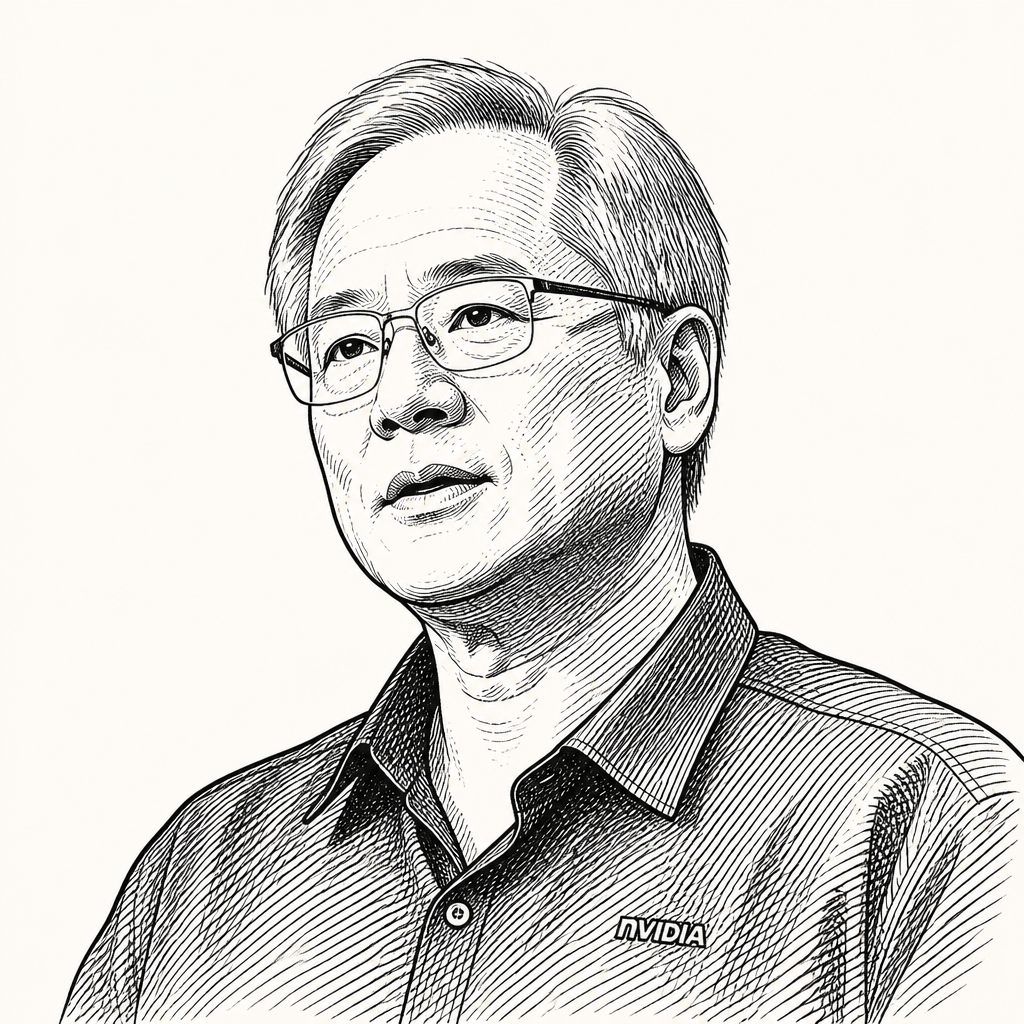
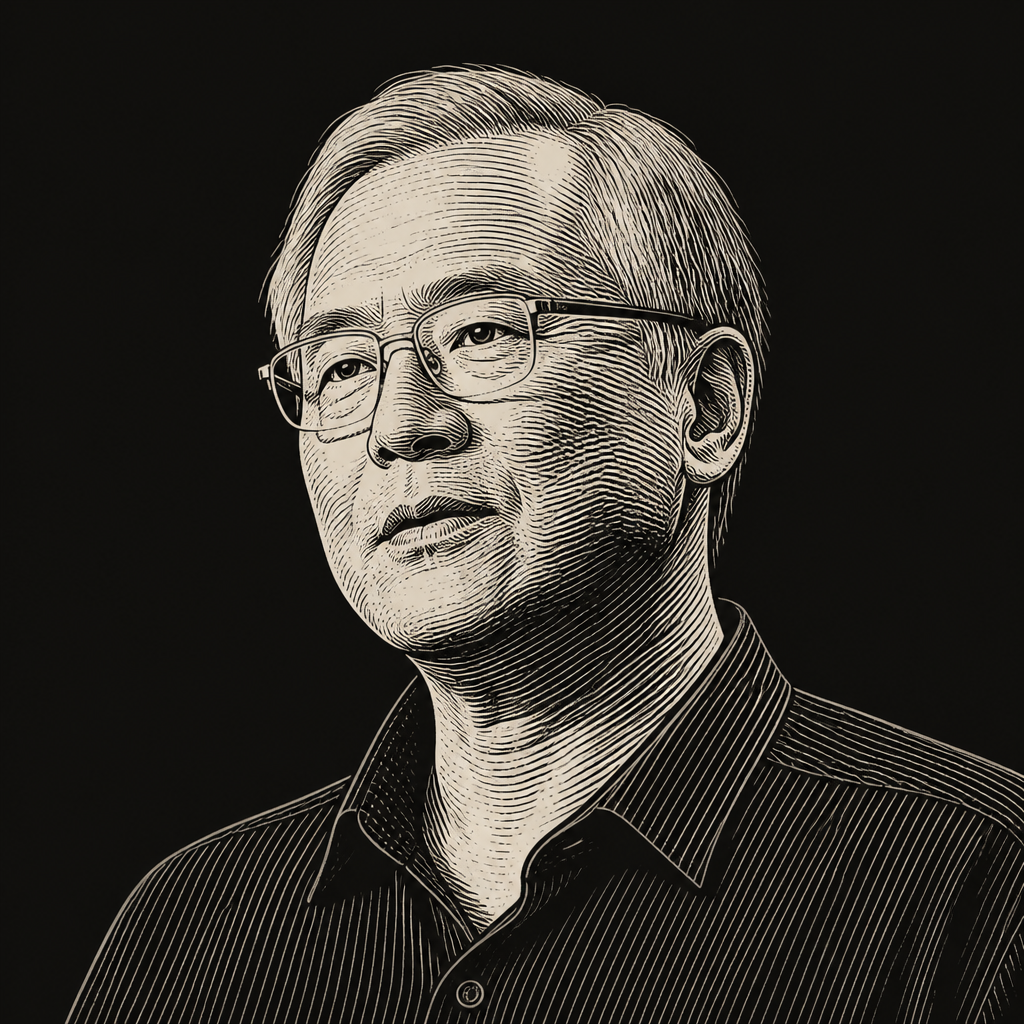
Mii’s answer was that, at the current stage, the company is prioritizing expansion because AI demand is too strong to do otherwise. TSMC’s market research organization analyzes demand not only from customers but also from customers’ customers and further downstream. But the near-term posture is clear: “全力的擴充產能” — expand capacity with full force.
That does not eliminate the allocation problem. Lu pressed on how TSMC decides among customers when everyone wants more capacity than is available and TSMC does not want to favor one customer unfairly. Mii described this as requiring “very wise judgment” from the chairman and president, supported by close cooperation with all customers. TSMC tries to support major customers such as NVIDIA while also making appropriate adjustments for smaller and newer customers. Internally, he said, allocation is discussed almost weekly and monthly, with the goal of finding the fairest way to satisfy the largest number of customers as much as possible.
Mii also used the technical roadmap to show how far TSMC thinks it must extend beyond traditional wafer manufacturing. Moore’s Law, in his account, has not ended but has evolved. TSMC’s R&D work is to keep pushing it forward through recent and coming nodes: 7 nanometer, 5 nanometer, 3 nanometer, 2 nanometer, A14, and future technologies. The company’s confidence, he said, comes from constant interaction with major global design companies, including NVIDIA, which lets TSMC understand where advanced technology is needed.
Advanced packaging was presented as a long-gestating bet now paying off. Mii said TSMC began investing in it roughly 15 to 17 years ago, and it has become an important technical support for the AI industry. When Tsai asked what “close cooperation with customers” means concretely, Mii pointed to 3D chip stacking: logic-on-logic stacking today, and eventually memory stacked on logic with other semiconductor suppliers. He linked that direction to the future inference stage of AI.
Silicon photonics was his other concrete example. Silicon is strong for computation, he said, but for longer-distance communication, photons are the most power-efficient medium. TSMC has invested heavily in the area in recent years, and Mii said production is expected to begin this year or next year. The company watches not only semiconductor bottlenecks but system bottlenecks, and invests early when it sees a future constraint.
That led to a broader claim about Taiwan’s supply-chain geography. Lu suggested that TSMC can no longer satisfy customers by doing only wafers and chips; integration with downstream hardware components, mechanical parts, and system design must happen before shipment. Mii agreed that TSMC works with companies such as Delta Electronics to understand system-level constraints in cooling and power. If others can solve a problem, TSMC cooperates; if no one appears to be addressing a gap, TSMC evaluates whether it has the capability and resources to move into it.
Taiwan’s value, in this telling, is not abstract “ecosystem” language. It is a practical advantage in planning technology roadmaps because the world’s most complete industrial supply chain is close enough to collaborate with.
The AI server is no longer a box; it is a rack-scale cell
Barry Lam described NVIDIA’s GB200 as the point where AI infrastructure shifted from chips to racks. In the old model, people talked about which GPU they were using. With GB200, he said, the unit of discussion became the rack. A rack is like a cell; a data center consists of thousands of such servers.
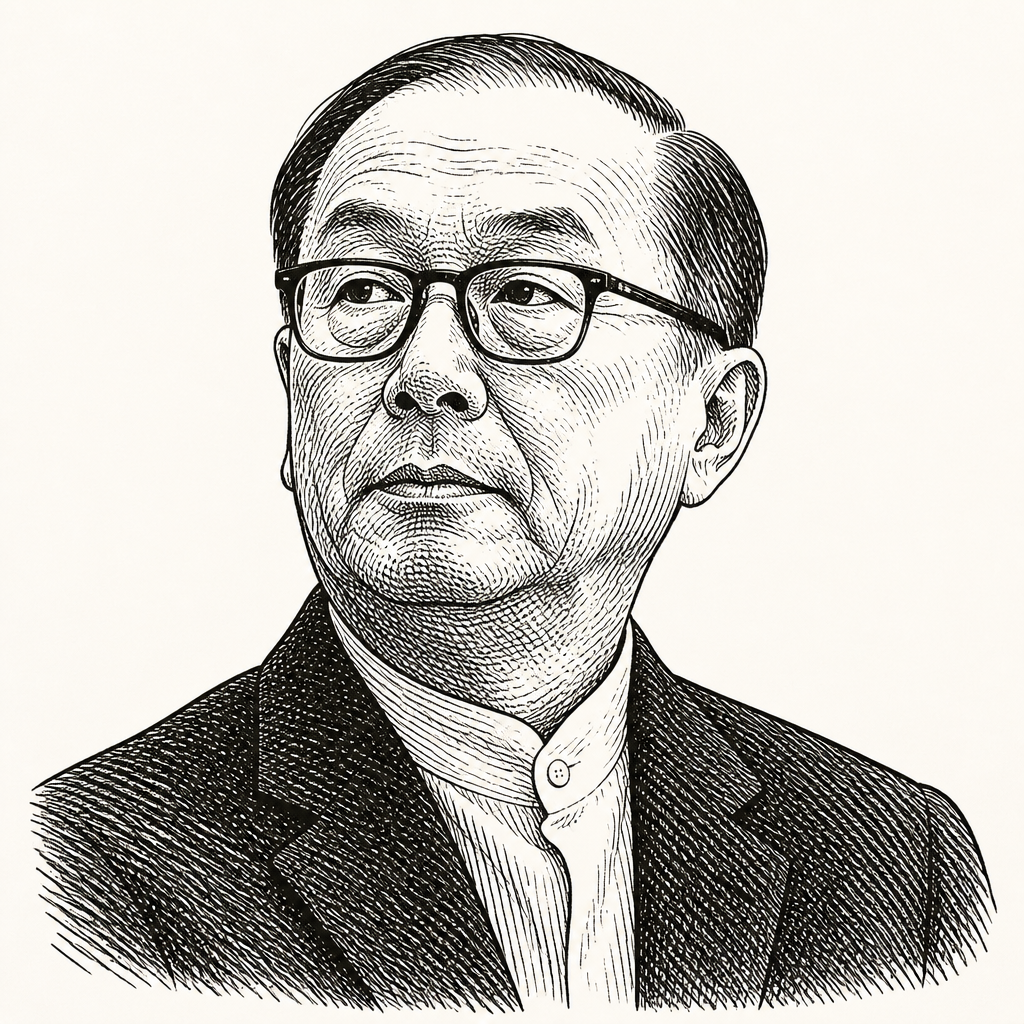
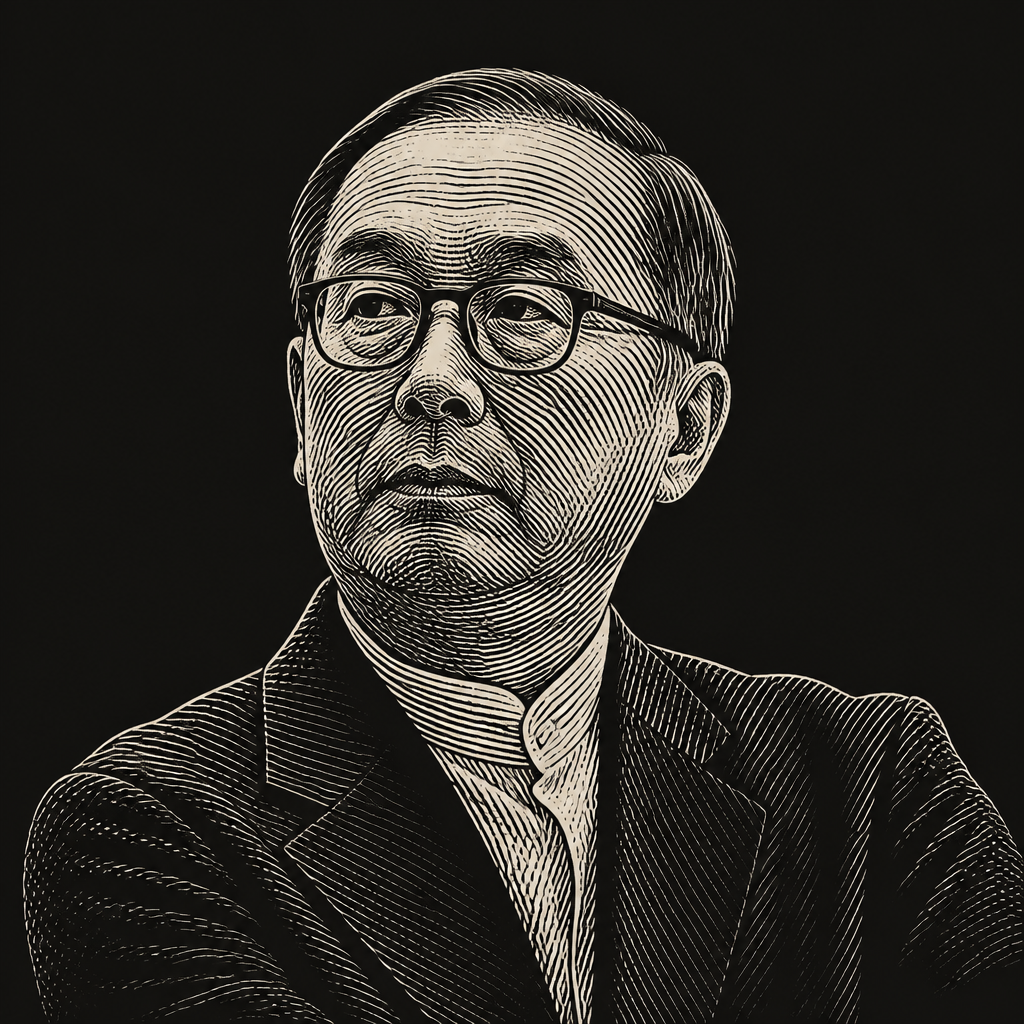
That change matters because it standardizes and accelerates deployment. Lam argued that the GB200 rack-scale approach exceeded available market solutions and improved customers’ time to technology, time to volume, and time to market. Customers became more willing to invest because they could see a faster path to returns. “Of course NVIDIA benefits most,” he added, but Taiwan benefits too.
Lam’s explanation of Taiwan’s manufacturing transformation was historical. In the 1980s, Taiwan began with PCs. Even when Taiwan was not making the chips — Intel was — it made the circuit boards, chassis, power supplies, and many other components. When servers began, the pattern was similar. By the AI-server era, TSMC had the world’s most advanced process technology, while Taiwan’s assembly companies handled the “last mile.”
The point was not that assembly is simple. Lam emphasized the opposite: every material matters, and because the relevant players are in Taiwan, assembly and quality control can be simpler and more scalable. Only that kind of concentration, he argued, can support AI-server volume at the current scale.
Simon Lin sharpened the difference between the PC era and the AI-server era. In PCs, the technology was relatively mature, manufacturing was highly standardized, and customer-driven changes were manageable. AI servers are different: technology iterates faster, the systems are more complex, and thermal, power, firmware, and other elements must be considered together. The complexity, he said, is multiplied by “X times.”
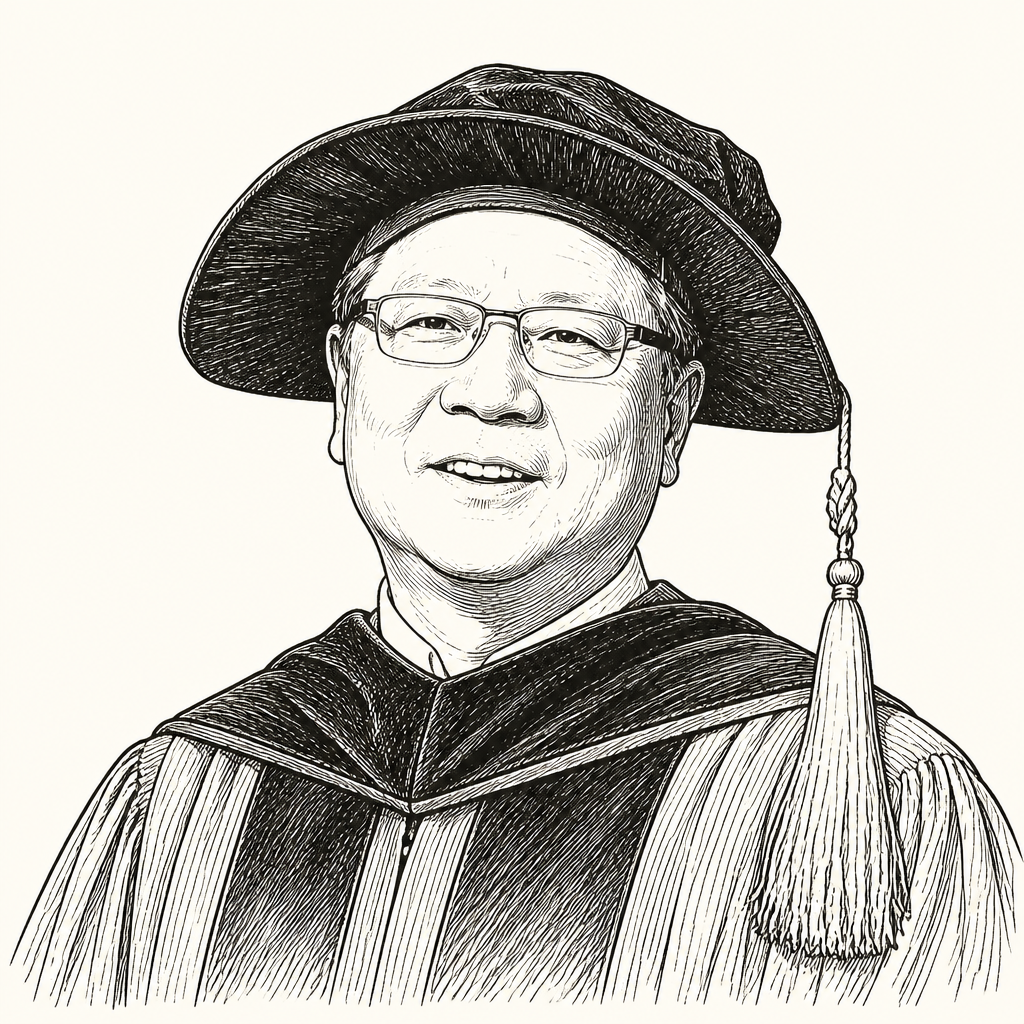
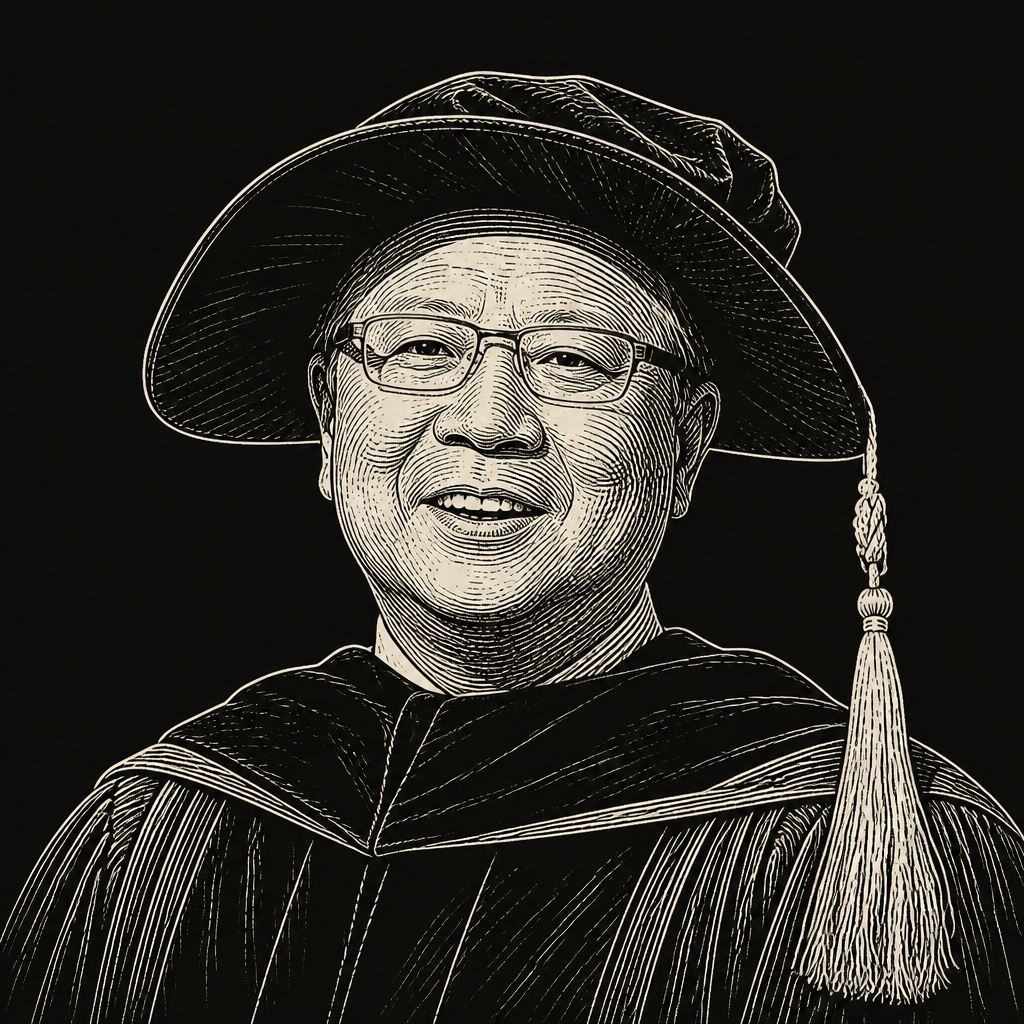
Lin identified two necessary changes. The first is talent. Much of Taiwan’s manufacturing expertise over the past decades was built in mainland China. Geopolitical change has forced manufacturing back to Taiwan or outward to the United States, Mexico, and other locations, but many trained people in China cannot simply be moved. Companies have had to cultivate new talent, including from schools and by bringing experienced people back from China to train others.
The second change is operating model. The old “human-wave” method cannot handle today’s complexity. Lin said companies must digitize and incorporate AI into operations so that fewer people can achieve better results. That requires a change in systems, operating models, and what he called corporate DNA.
He also made a subtle point about manufacturers becoming AI users. Taiwan’s companies are building AI equipment, but they must also apply AI to manufacturing itself. Agentic AI — AI that can generate, search for answers, and continue acting through steps — will make future manufacturing more flexible, resilient, and better able to anticipate change. Customers are still changing requirements rapidly, and rack-level systems are not yet standardized like PC boxes once were. Firmware and other elements must be adjusted repeatedly. Taiwan, in Lin’s account, caught the AI opportunity only because it had already endured painful internal transformation.
Edge AI forces Taiwan to confront software, systems, and trust
Rick Tsai brought a cross-industry view from foundry, telecommunications, and IC design. His core lesson from those roles was that every company must identify and provide its “foundational value.” At TSMC, that meant leading-edge silicon manufacturing. In telecom, it meant building and deploying the best network and delivering service to the public. At MediaTek, he said, it means providing a series of chip solutions from consumer devices to computing to cloud.
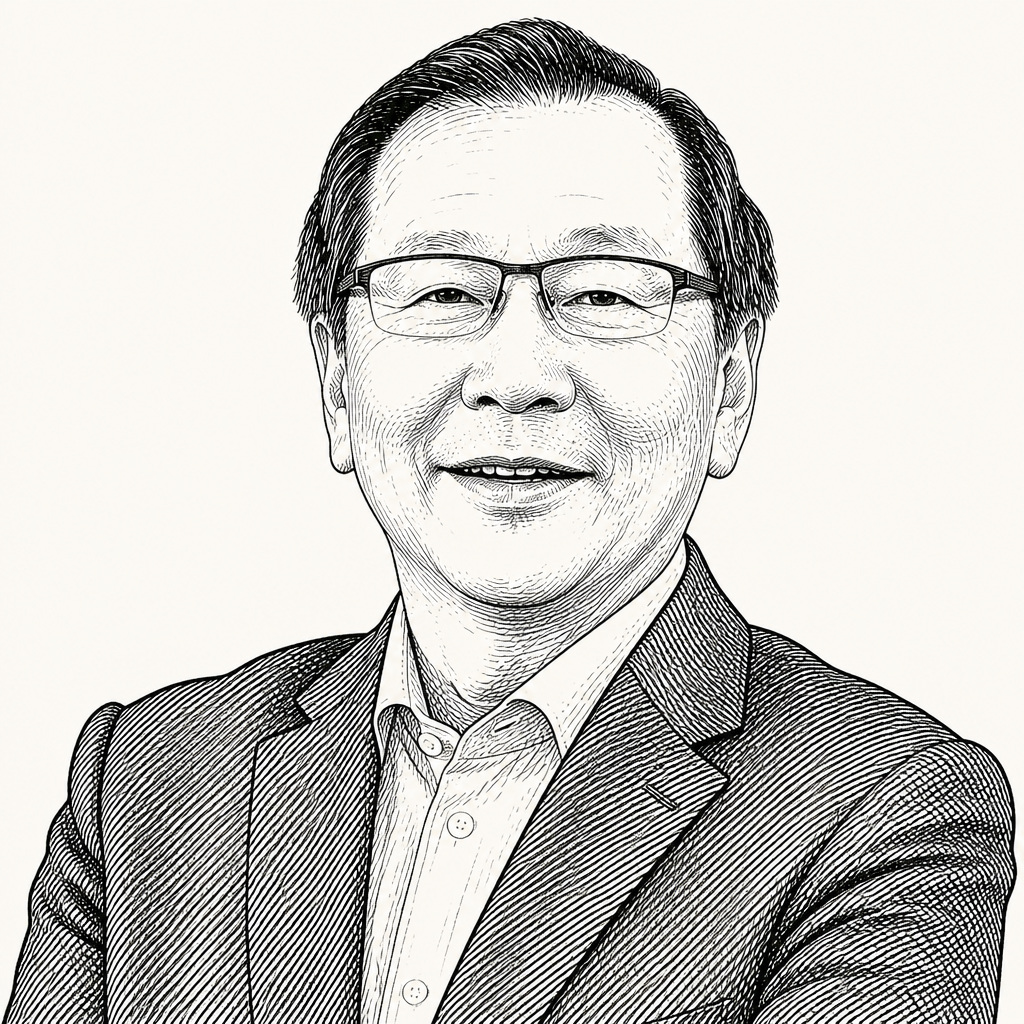
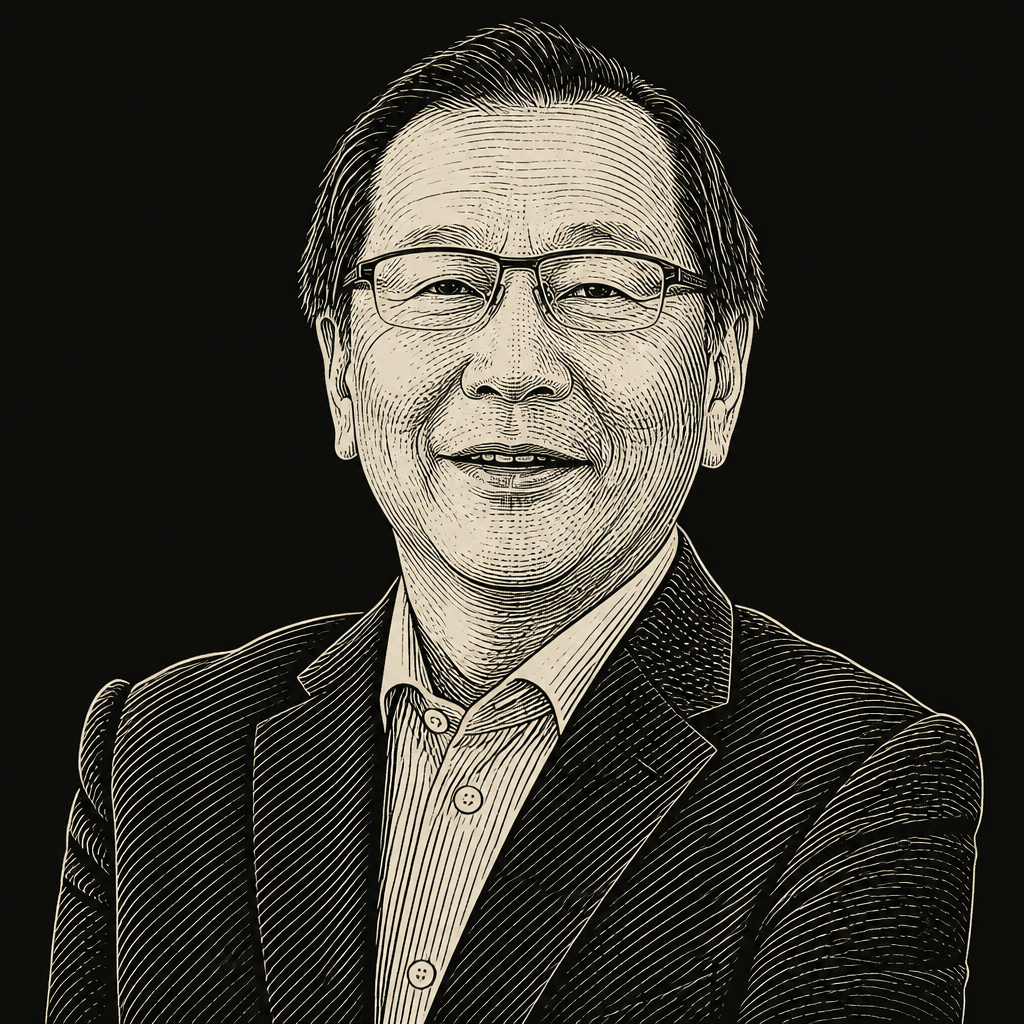
Tsai argued that AI hardware must be evaluated through performance per watt and performance per total cost of operations, not as isolated chips. The relevant system runs from the rack, through boards, XPUs, CPUs, and edge devices. Because agentic AI is becoming a central application, edge devices become extremely important. MediaTek’s position, he said, is unusual because it can connect from phones to computing chips with NVIDIA to cloud XPUs with large cloud service providers.
Lu pressed him on why MediaTek can cooperate both with IC companies such as NVIDIA and with its own customers. Tsai described this as a Taiwanese trait: flexibility plus discipline. TSMC is his archetype — flexible enough to serve many customers and technologies, disciplined enough to make identical products at scale. MediaTek needs the same combination.
He gave the GB200 chip collaboration as an example. NVIDIA and MediaTek each made part of an extremely advanced CPU-GPU system and connected them. Tsai said he has discussed with Jensen Huang and Jeff Fisher how remarkable it is that two different companies could jointly produce such a complex chip, something he described as almost unseen in semiconductor history.
Jonney Shih moved the discussion from chips to the meaning of agentic AI on personal devices. He said ChatGPT felt like the fourth industrial revolution, but agentic AI truly releases it. In gaming, for example, non-player characters will no longer be limited to prewritten scripts. They can think, learn, and adapt to different strategies, becoming either allies or rivals.
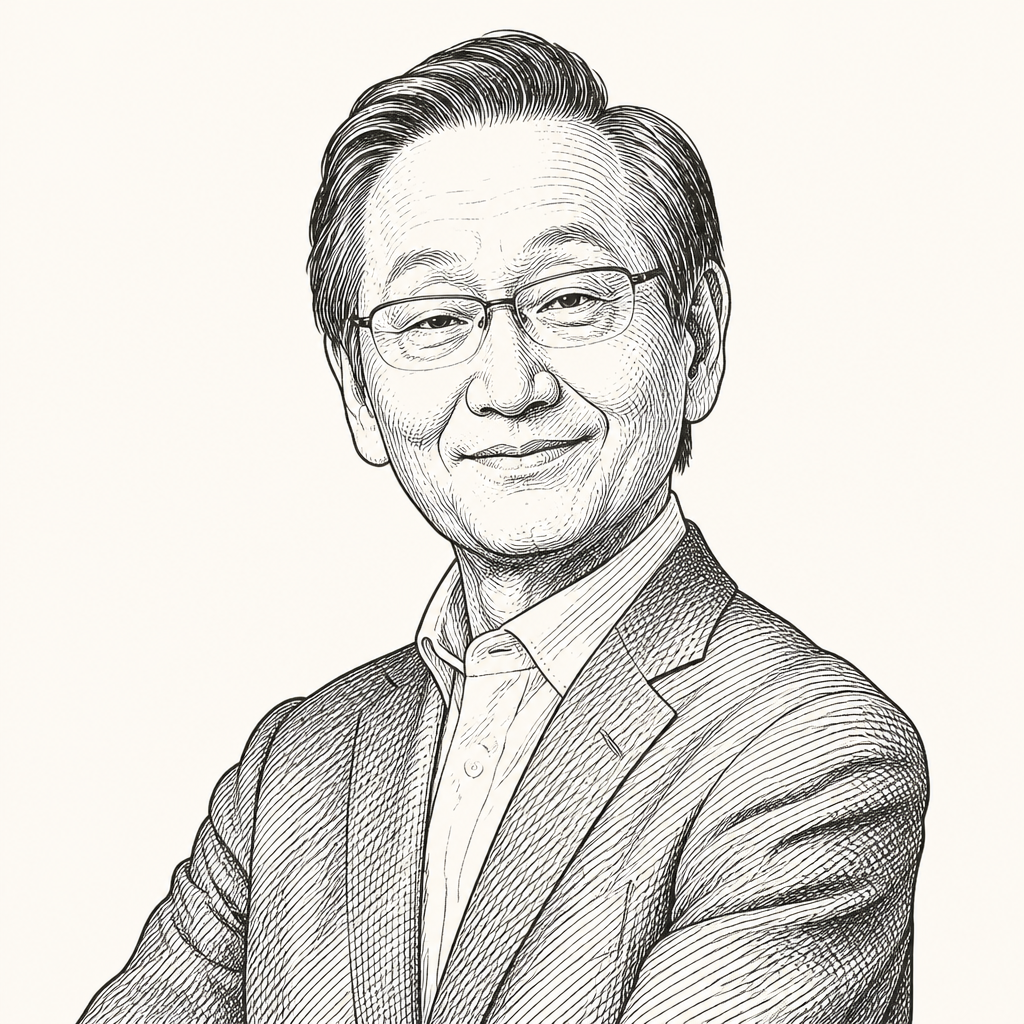
Shih argued that many people underestimate the size of the software shift. Earlier “intelligence” was often hand-crafted, rule-based logic. The new systems are, in his words, “有腦的” — they have a brain. He invoked Andrej Karpathy’s “software 2.0” as a way to describe the move to a new kind of software, and “agentic engineering” as the next stage, where the model’s capabilities are extended by tool use, computer use, and coordinated agents.
For PCs, that changes the device’s role. Earlier AI assistants were still thin clients, mostly relying on the cloud. Agentic AI requires local multi-step planning, feedback loops like PDCA, security, and guardrails against hallucination. Shih said the AI PC finally finds its strongest position as a “heavy client.”
Tsai, the host, highlighted the trust requirement: users will not adopt an agentic machine simply because it is intelligent if they cannot trust it. A machine must be reliable and secure. Intelligence without trust will not be used.
Shih later extended that point into a critique of Taiwan’s historical position. During the Wintel era, he said, Intel and Microsoft captured the richest parts of the stack. ASUS has tried to differentiate by moving “from paper to product,” but in the AI era Taiwan cannot be satisfied with being only at the manufacturing frontier. It must build design thinking, understand desirability, and connect deeply to user needs. Otherwise, products risk being mismatched to real demand.
He was explicit that Taiwan lacks some of this capability and must face that reality humbly. China and the United States are moving quickly, especially in robotics and AI systems. Taiwan still has advantages, but Shih’s warning was that system engineering, full-stack integration, and product thinking are now necessary, not optional.
Physical AI depends on narrowing the gap between simulation and the real world
Haw Chen distinguished physical AI from digital AI. Digital AI can be trained and validated on PCs and servers. Physical AI must operate in the real world, and simulation always leaves a sim-to-real gap. That gap is the main barrier.
Chen said his own background in control theory taught him kinematics and dynamics — mathematics and physics. The rise of AI may make older model-based methods seem obsolete, but he argued they remain necessary. Understanding physics is what allows engineers to understand where a digital twin differs from the real world.
He credited NVIDIA with initiating a change in robotics thinking. Two years earlier, he said, many people did not believe robots could be trained rather than built only through mathematics and physics. Now the possibility is to collect data, generate additional training scenarios in a virtual world, and shrink the sim-to-real gap until deployment becomes easier.
Taiwan’s advantage in physical AI, according to Chen, starts with infrastructure: TSMC, MediaTek, ASUS, Quanta, NVIDIA’s use of Taiwan’s supply chain, and the factories where physical AI can be tested. He emphasized that world models may not immediately allow robots to do everything a human can do, but many bounded tasks can already be defined and attacked.
Tsai described the opportunity in similar terms. If agentic AI can reason and act in the digital world, and world models can represent physical properties such as gravity, speed, and domain-specific operational logic, then virtual training environments can help systems infer better actions before entering real industrial or commercial settings. In earlier IoT systems, training depended heavily on historical data. With reasoning plus world models and domain models, she argued, AI can begin to infer decisions and actions even where the old data regime was limiting.
Chen saw Taiwan’s opportunity not only in components — chips, motors, gearboxes, integration — but in solution providers. Techman Robot is one example, but he said he would welcome more Taiwanese solution providers because the island also has real deployment fields, from semiconductors to assembly.
Tsai returned the question to chips. Rick Tsai answered with a warning: Taiwan is very strong bottom-up, in components, IP, ICs, and PCs, but system-level understanding must improve. Software and hardware architecture must be connected. If a company does not understand the system, its IP or chip may mismatch the real need, causing expensive redesigns and lost time to market.
He said software is still dominated by the United States and China, “so far,” while Taiwan must work harder on hardware at the system level. For robotics, sensing and computing matter, and he expressed confidence Taiwan can build the computing side if MediaTek, TSMC, NVIDIA, Techman, ASUS, and others cooperate. But without system understanding, companies are “like blind men touching an elephant,” each working on a part without seeing the whole.
Factories are becoming the first serious proving ground for agents
Kathy Yang said Foxconn’s concern in adopting AI for smart manufacturing was not that AI would be too expensive or too difficult. It was whether the company could move fast enough.


Foxconn began its smart-manufacturing project two years earlier under the name “Genis,” translated into Chinese as “Genesis.” Yang summarized the results with three numbers: production-line scheduling capacity efficiency improved 50%, false judgment rates fell 50%, and root-cause analysis accuracy for anomalies rose to 90%.
She attributed those results to three choices. First, Foxconn collected data before trying to launch grand AI projects. Under Chairman Young Liu’s direction, the company gathered meeting records from years of operations and records from abnormal-event handling processes. Looking back, Yang said, that was the right decision: data was the most important input.
Second, Foxconn did not expect AI to transform everything immediately. It put AI into the workflow. Third, when it found the right pain point and scenario, it moved quickly rather than waiting.
Yang’s example was the factory manager. A plant manager must maintain production volume and quality, but historically that meant starting the day with many meetings across supply chain, production control, quality, and procurement. With what Yang called Agentic Ops AI, the manager can come in, drink coffee, review the relevant information, and make decisions. She was careful not to say the work became effortless, but the direction was clear: AI is not replacing people; it lets people spend time on more meaningful and valuable tasks.
Tzu-Hsien Tung described the future factory as a combination of agentic AI and physical AI. A factory with sensors can detect a condition, reason about it, and make decisions. If humanoid robots are present, the factory’s agentic AI might tell a group of robots to pause their current heavy work because a transformer is overheating somewhere in the plant. It could coordinate robots to inspect the issue or dispatch a drone to examine a hard-to-reach area and then notify robots to repair a faulty part.
Tung used a Buddhist-inflected analogy: humans communicate with the world through eyes, ears, nose, tongue, body, and mind. Generative AI over the past three years had ears, a brain, and a mouth: it could understand language, think, and respond in language. What it lacked were hands, feet, and a body. Physical AI supplies that missing embodiment.
He broadened the definition of robot. Autonomous taxis, surgical systems such as a next-generation da Vinci, Boston Dynamics-style robotic dogs for disaster response or dangerous worksites, drones, and humanoids are all forms of physical AI. When such systems combine with agentic software that can operate computers, click, type, and execute tasks, he argued, human productivity can move beyond simple automation such as making coffee.
Simon Chang addressed the infrastructure behind that vision: power. Lu described Delta’s unusual end-to-end position from grid-level electrical equipment down to chip-side power modules — “from grid to GPU.” Chang said Delta began planning from grid to chip years earlier, with many products quietly developed over five to ten years.
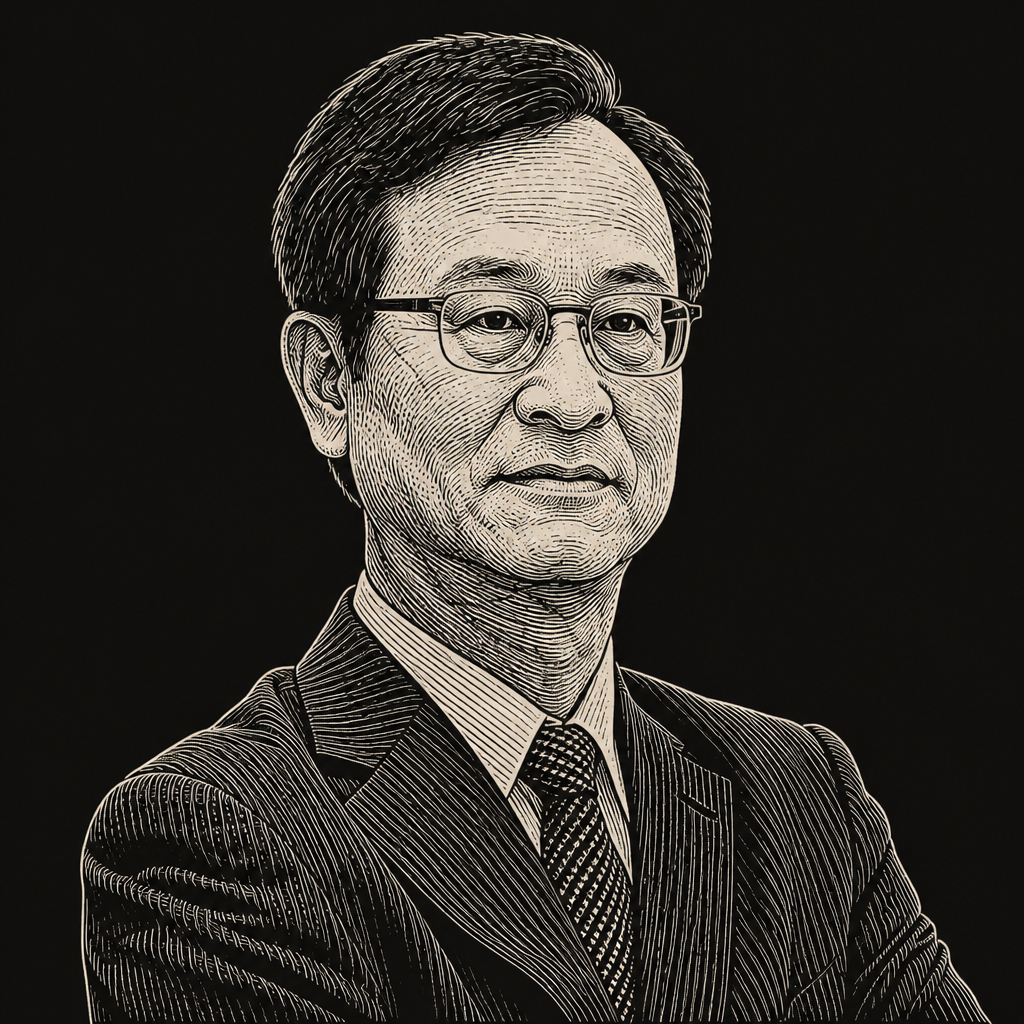
One example was 800V power architecture and the coming use of solid-state transformers, or SSTs, to replace traditional silicon-steel transformers. Chang said SSTs are adjustable and controllable, unlike traditional AC transformers. That matters because AI data-center loading fluctuates sharply. Traditional systems require capacitors and batteries for instantaneous backup; SSTs can adjust. They can also reduce the number of power-conversion stages from medium voltage down to fractions of a volt, cutting loss and improving efficiency.
Chang acknowledged that such shifts may kill some of Delta’s existing products, but argued that resisting the trend would be worse. If Delta does not lead the industrial change, it risks losing not only current products but the entire future market.
He also described how Delta is using AI internally through a program called smart design. Large models review market information, customer specifications, safety requirements, and regulations so engineers do not spend excessive time reading material outside their expertise. Delta builds digital models of components, circuits, and entire machines, iterates in virtual environments before producing hardware, then uses physical samples to validate simulation differences. Testing can also happen virtually. Chang predicted that companies able to use AI will survive, while companies unable to use AI may exit the market. Delta expects design cycles and design costs to fall by at least 50%, with smart design linked to smart manufacturing, smart quality, and new-product introduction.
Yang returned to robotics with a warning not to overlook Omniverse. She described it as solving the problem of “if only we had known earlier.” Before AI-enabled simulation, trial-and-error costs were high. Omniverse lets Foxconn simulate hardware, software, workflow, environments, and even thermal convection for AI server racks. Robots are trained first in virtual environments, then moved into the physical world. For new factory and line design, Yang said Foxconn has shortened time by more than 60%.
Foxconn’s robots in the United States can already pick, pack, do simple assembly, and screwdriving, Yang said. But she argued their greatest value is flexible manufacturing. In the past, a new product model often required replacing equipment. With robots, Foxconn can change the gripper or end tool, upgrade software, and reuse the system. The company is also deploying AMR nursing robots with Taipei Veterans General Hospital so nurses spend less time carrying samples, medicine, and documents across hospital spaces.
The labor question surfaced directly. Tsai asked Tung whether employees resist AI in factories. Tung’s answer was that employees should see AI as improving work rather than eliminating it. Washing machines did not replace homemakers; microwaves did not eliminate family roles. Agricultural productivity freed people from spending all day in fields. Likewise, physical AI can take over physically exhausting work, and agentic AI can take over mentally tedious “rough work” such as repetitive clicking and checking. His conclusion was simple: employees should not worry about unemployment; work will become more interesting.
Yang said Foxconn’s factory managers initially had concerns, but after adoption they “completely embraced” the systems. Tsai interpreted that as a process: fear comes from not understanding; usage follows once people experience the benefit.
Local compute is becoming a condition for local AI development
The final major thread moved from factories to national AI infrastructure. Tsai argued that AI development depends on access to compute, cloud infrastructure, research platforms, and development tools that let enterprises and developers actually build. Compute access has become a national strategic resource.
Hung-yi Lee questioned what kind of AI talent Taiwan should train if looking five to ten years ahead. In the near term, Taiwan needs people who can develop AI, deploy AI, and apply AI. But Lee asked whether traditional AI talent — people who train models — will still be doing that work in the future. He pointed to signs that AI itself may increasingly develop AI.
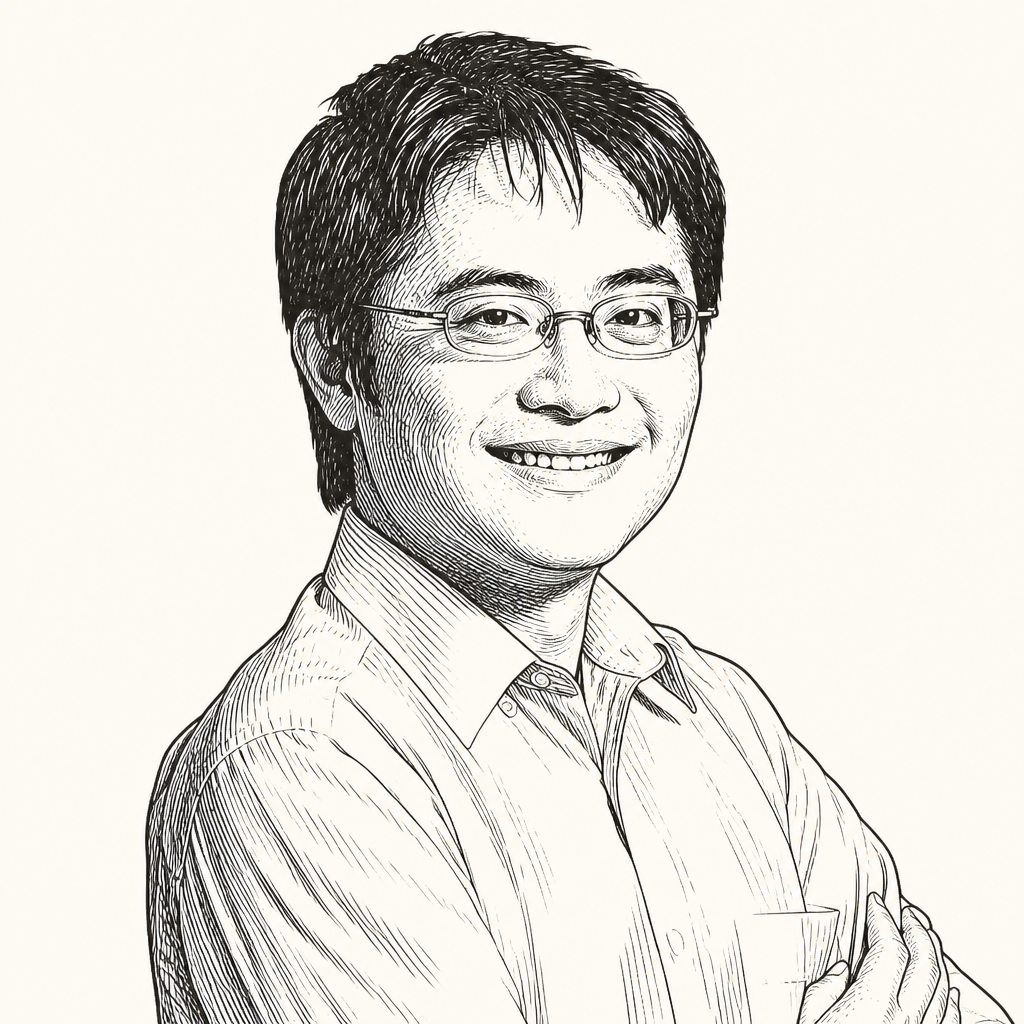
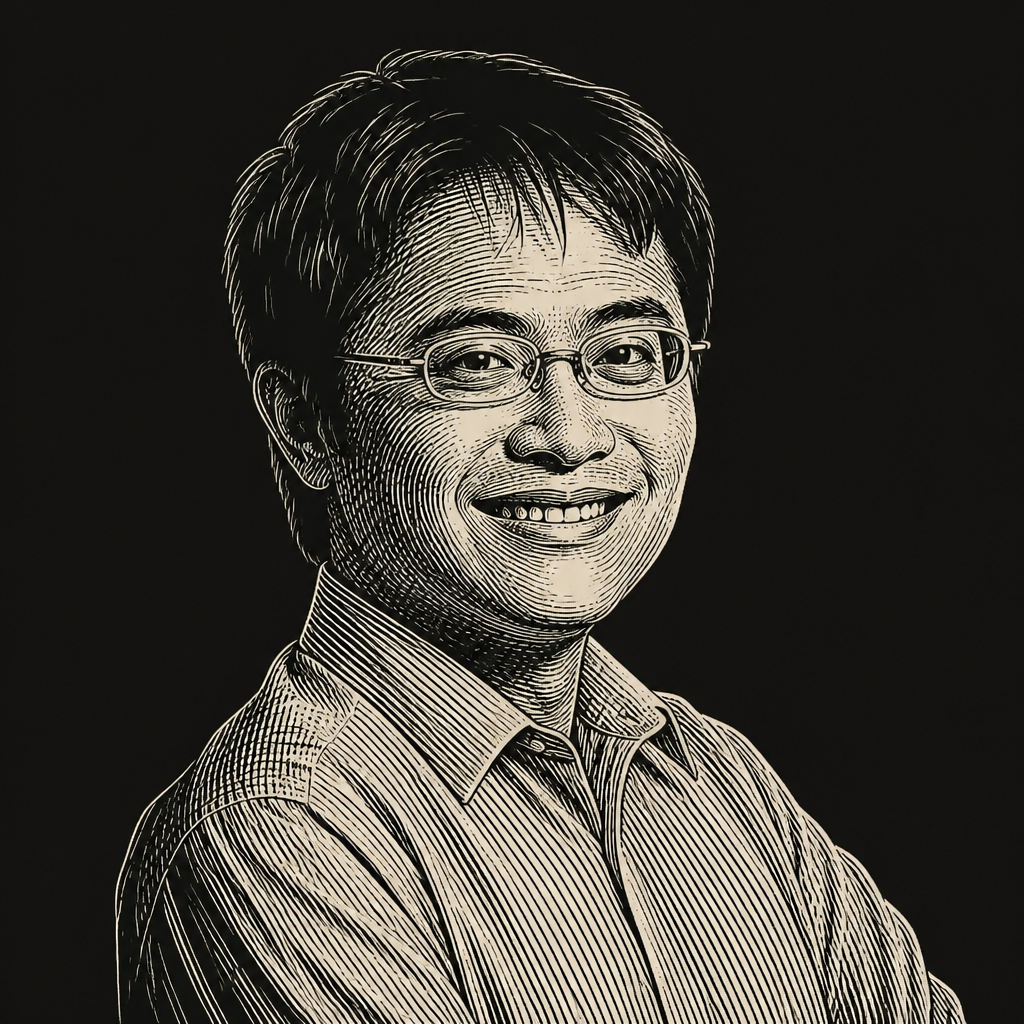
He gave an example from his lab: a doctoral student found a possible flaw in a commonly used algorithm, gave it to an AI system, and asked whether it saw a problem. The AI agreed, produced a new proof, and helped the lab publish a paper that changed their previous understanding. Lee suggested that future AI development may involve a person telling an AI engineer-like system what to optimize or what kind of model is needed.
That shifts the human role. The important person may be the one who knows what should be optimized, what the need is, why a model should exist, how to evaluate it, and how to monitor it during ongoing training. Tsai summarized this as requiring deep domain understanding, not just AI technical skill. Lee put it in a slogan: in the future, what you want to do matters more than what you already know how to do.
Alex Yeh addressed the enterprise side of compute access. GPU use, he said, has historically been painful enough that only a small number of AI-native startups use GPUs directly. GPUs are unstable and require infrastructure talent, research talent, pretraining talent, post-training talent, and inference talent. The shift he sees follows Huang’s “token factory” concept: virtualize GPUs into model services. Instead of provisioning GPUs, companies can use hundreds of integrated models — voice, video, image, and language models for different contexts — through tokens and model services.
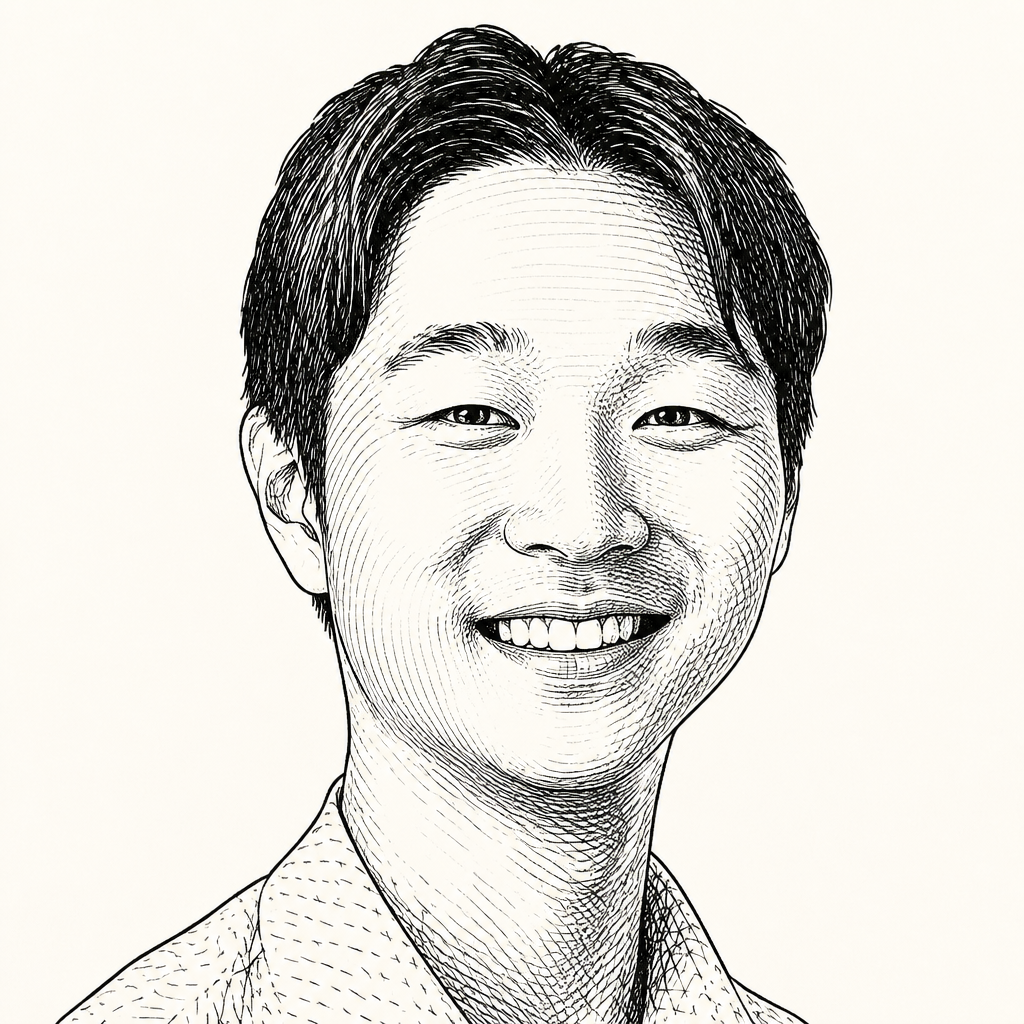
That abstraction, Yeh argued, lets enterprises focus on “what should I do with AI?” rather than being blocked by execution. He later divided Taiwan’s talent needs into three layers. At the bottom are data-center and infrastructure skills: DevOps, Kubernetes, bare-metal management, cluster management, and networking, especially optical transmission for large-scale clusters. In the middle are inference optimization skills: reducing cost and increasing speed across video, image, audio, reasoning, non-reasoning, and different context-length models. At the top are AI-native product builders — people he called “product geniuses” — who can assemble AI capabilities into applications.
Neo Yao described VisionBay.ai’s role as building Taiwan’s largest supercomputing center and the world’s first using NVIDIA GB200, according to Lu’s prompt. The question was not only how to build a data center, but how to support sovereign AI: keeping key data and domain know-how in Taiwan rather than sending enterprise or government data abroad for processing.
Yao said cloud-service competition is becoming cooperation for three reasons. First, GPU shortages have led U.S. cloud-service providers to collaborate with neo-cloud providers. Second, capital expenditure pressure is pushing some customers from CapEx to OpEx models. Third, the industry’s division of labor is still being defined. He compared the transition to PCs and phones: OEMs once had their own factories, but eventually focused on products, brand, and marketing while ODMs and EMS companies handled manufacturing. He expects a similar split in AI infrastructure, where model companies and cloud-service providers focus on applications and model R&D while specialized AI data-center builders supply tokens and compute.
On applications, Yao was cautious. Model companies and cloud-service providers may know what they want, but many enterprises are still figuring out how AI agents apply to their workflows and workloads. That uncertainty is precisely why the opportunity is large. Foxconn’s own work in smart manufacturing and smart city applications benefits from having real scenes where problems can be defined. Yao also said model companies are acquiring consulting-service capabilities because they must go into enterprises, segment by segment — semiconductors, healthcare, defense, security, and others — to understand what products should be built.
Taiwan’s advantage, in his view, is strong domain knowledge and local data in sectors such as semiconductors, manufacturing, and healthcare. What has been missing is local advanced computing capability to enable that knowledge.
Lee’s examples showed the research side of that same problem. He said his lab has no H100s and not even an A100. With NVIDIA’s Taipei-1 compute — 16 H100s — his lab trained an NTU speech-recognition system for NTU COOL, the university’s course platform. The system automatically generates subtitles for courses. Commercial systems, including OpenAI’s Whisper, struggled with NTU’s mixed Chinese-English lectures and specialized terminology. The NTU-specific system performed better for that environment, and because the model was smaller, Lee said it ran five times faster than OpenAI’s best model.
He also described a collaboration in which NVIDIA provided compute for a speech-language model named Desktop. The model can take audio input, understand not only words but speaker attributes and emotion, and generate an appropriate response. Using 5,000 hours of data — the largest amount the available compute allowed — Lee said the model outperformed Alibaba’s open-source Qwen-Audio at the time, even though Qwen-Audio used 100 times more data. His point was that algorithmic quality matters especially when compute is scarce; industry-academia cooperation can let academic ideas become working models.
Yao said VisionBay’s own hiring challenge is severe. Taiwan has not previously had a talent pool for clusters of this scale. The company needs people across electromechanical systems, air conditioning, cloud operations, and more. For adjacent backgrounds, it is willing to provide a platform for fast hands-on learning, and it is discussing internship pipelines with schools so students can onboard after graduation. On the application side, Yao said VisionBay is also working with government on ways to allocate advanced compute to startups and academic institutions to incubate AI talent.
The strongest claim was also the biggest caveat: Taiwan can help build AI only if it moves up the stack
The closing mood was optimistic, but the optimism was conditional. Lu called the day an extension of “Team Taiwan”: senior leaders, mid-career operators, and younger founders all connected to the AI industry. Tsai said the room should give students and industry participants ideas for entering the AI era.
But the substance of the discussion was not simply that Taiwan is indispensable. It was that indispensability must be renewed under different rules.
The PC era rewarded component excellence, manufacturing discipline, and supply-chain coordination. The AI era still needs those things, but adds rack-scale systems, advanced packaging, silicon photonics, power architecture, digital twins, workflow-integrated agents, inference optimization, software-hardware co-design, secure heavy-client devices, local compute, and domain-specific applications.
Several speakers openly named Taiwan’s gaps. Rick Tsai said Taiwan must understand systems better or risk mismatches between chips and real requirements. Jonney Shih said Taiwan must strengthen design thinking and full-stack product capability, rather than repeating the Wintel-era pattern in which the richest layers were captured elsewhere. Hung-yi Lee said future talent may be judged less by current technical skill than by the ability to define meaningful objectives and evaluations. Alex Yeh said enterprises need abstraction from GPU pain into token and model services. Neo Yao said many enterprise applications are still undiscovered and must be found by entering each domain.
The argument that emerged was therefore more demanding than a celebration of supply chain. Taiwan’s current strength is the density of the stack. Its next test is whether that density can become system leadership.