Seven Eight-Figure Businesses Run on a Relationship Operating System
Gary Vaynerchuk told Sam Parr and Shaan Puri on My First Million that his portfolio of seven eight-figure businesses depends less on software or formal process than on a long-built system of people. He described an operating model built around trusted lieutenants, compressed meetings, personal-brand distribution, and non-transactional relationship work, while acknowledging that the same instinct made him slow to deliver candid feedback and fire underperformers. His case is that disciplined generosity, long-tenured operators, and long-horizon bets are the leverage behind the “juggler” role outsiders often mistake for motivational branding.
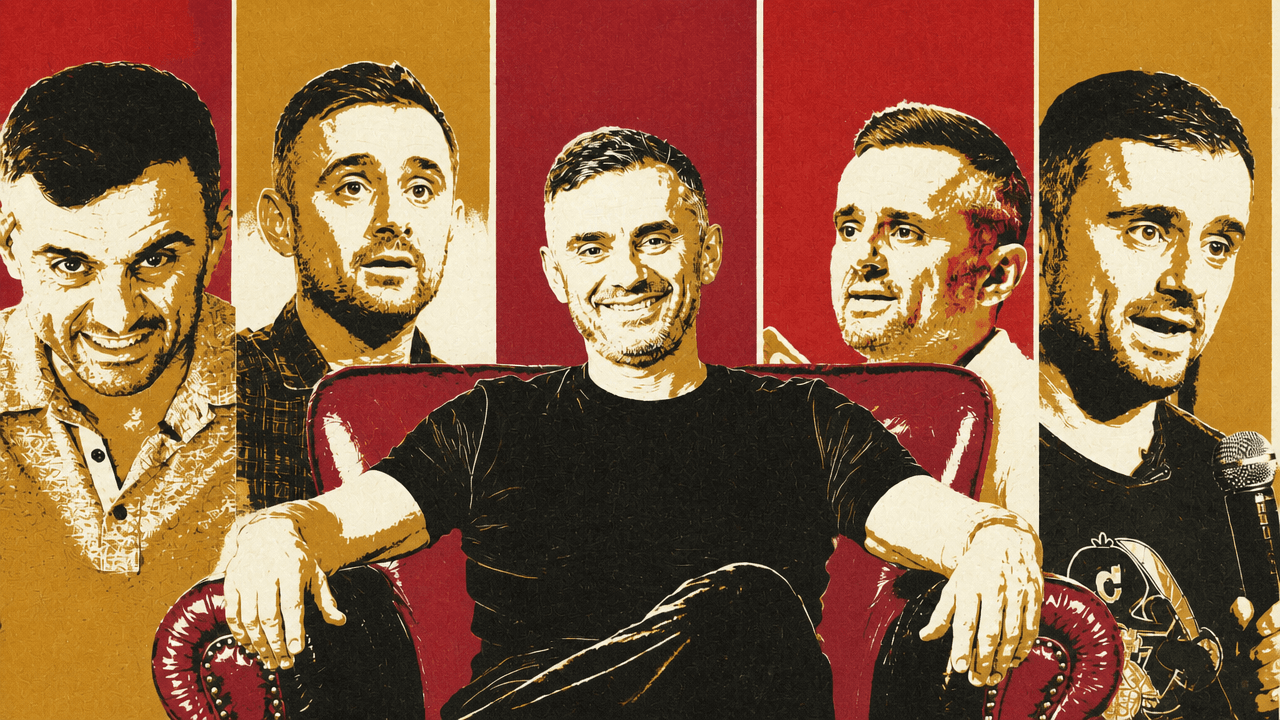
The operating system is people, not software
Gary Vaynerchuk described his current work as a system for compounding relationships: trusted lieutenants, captured context, short meetings, and long-duration bets. The striking detail is that the system is not built around a conventional executive stack. For several years before COVID, he said, he did not own a laptop at all. Around 2015, he went “full phone” because his work did not depend on Excel or documentation; it was email, meetings, and social.
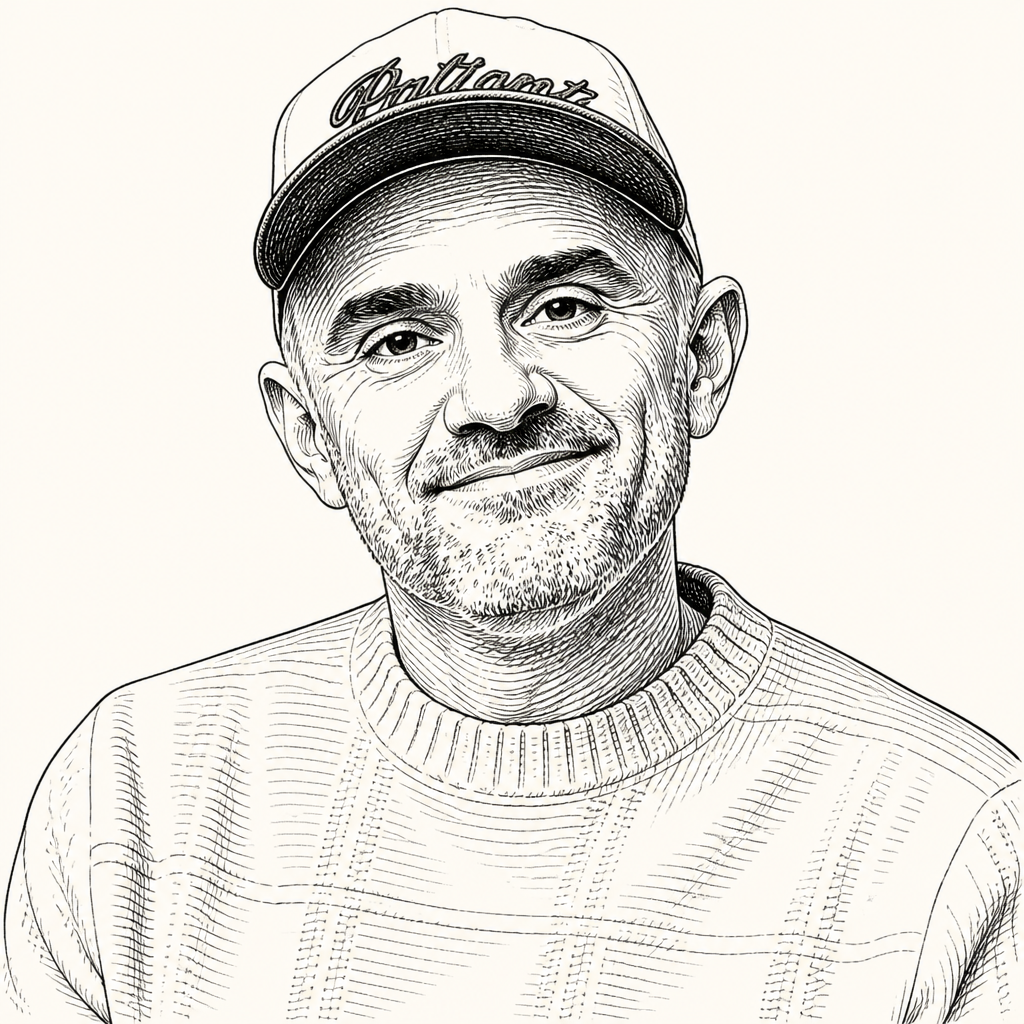
That has changed. He now treats an AI tool as “the most important thing” in his life, but not because it replaces the relationship work. He uses it to capture and structure that work. His description was specific: he wants it to act as a CRM and relationship graph, preserving context that would otherwise disappear across meetings, messages, and introductions. Even with three admins and a chief of staff, he said, he has never fully reached the model where someone is in every meeting capturing every detail.
The ambition is not merely reminders. Vaynerchuk framed it as “scaling all my favorite things about humans.” If the system knows he knows Sam Parr and Shaan Puri, knows that a trillion downloads would matter to them, and knows he would want to congratulate them in two years, it could send that note automatically. The point, in his telling, is to preserve the relational gestures he values but cannot manually execute at scale.
That same logic explains one of the more unusual roles in his organization: Nick Dio, whom Vaynerchuk called the VP of relationships. Dio has worked with him for 12 years, beginning as an intern and growing up inside VaynerMedia. Vaynerchuk said he trusts Dio to represent him “to some degree” because he cannot be everywhere. Dio travels, hosts dinners, listens for what people need, and looks for opportunities to help people without a KPI or ROI attached.
The mandate is deliberately non-transactional: “keep your ear to the ground,” notice who has the right intent, understand who is “talking shit and not talking shit,” and figure out where Vaynerchuk’s network or companies can be useful. Sam Parr described experiencing this from the outside: he received a DM from Vaynerchuk inviting him to dinner in Austin, showed up at a wealthy Microsoft executive’s home, and found a 50-person gathering hosted by Dio on Vaynerchuk’s behalf. Parr said it initially felt like a bait-and-switch, though he added that he may not have read the invitation closely. He met, among others, Paralympian Hunter Woodhall, and described the room as full of unusually interesting people.
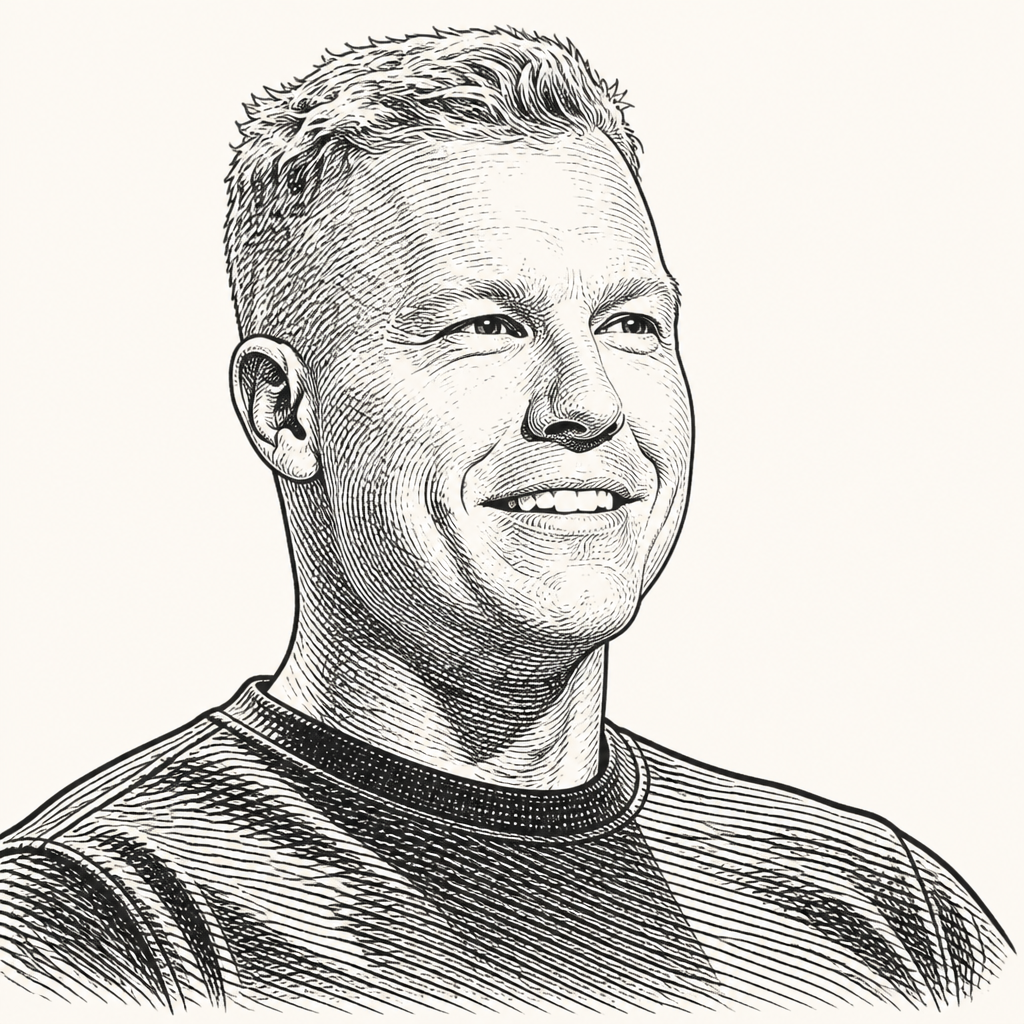
Vaynerchuk apologized if the wording had been unclear, but said the event was part of the early development of Dio’s role. The problem he is trying to solve is that successful people accumulate “unlimited business acquaintances” they would like to know better, but relationship-building does not scale naturally. Dio helps “decode” those relationships because Vaynerchuk trusts his intuition.
The work can be as simple as an introduction. Vaynerchuk gave an example: a DTC brand had grown from zero to $20 million in revenue, and its founder was stressed because the company had lost its head of marketing. Vaynerchuk had no investment and no financial stake. Separately, a strong Vayner employee had told him after eight years that they no longer wanted to work in the agency business. Connecting that person with the company created a win for both sides, he said, without Vaynerchuk earning anything from it.
Doing good things for people is literally the highest ROI and lowest risk thing.
Shaan Puri compared the investment to the famous claim that LeBron James spends heavily on his body. The useful question for any ambitious person, Puri said, is: what is your equivalent of spending a million dollars a year on your body? In Vaynerchuk’s case, Puri argued, the equivalent is spending millions developing relationships with people he thinks are doing good work and wants to support.
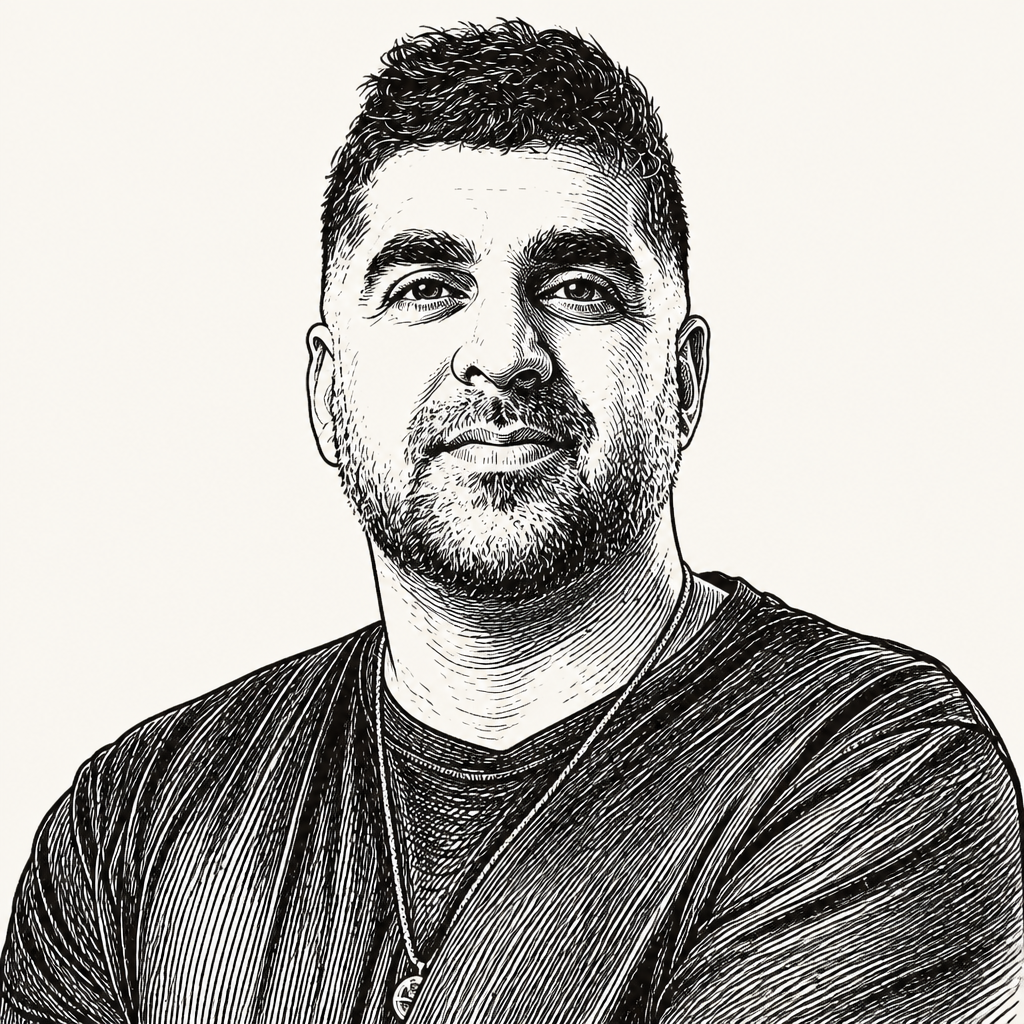
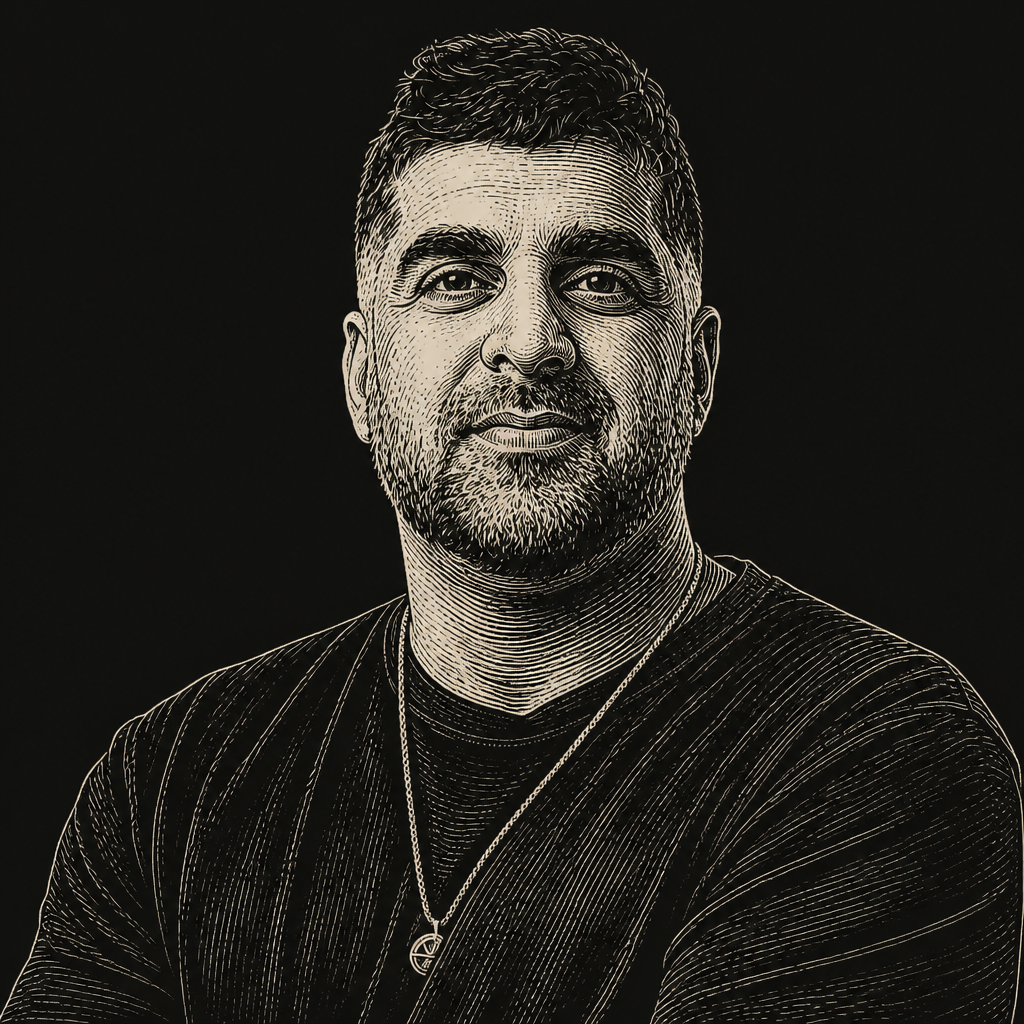
Vaynerchuk added that he has three full-time VaynerX employees whose job is to host emerging influencers, bring them through the office, and introduce them to brand teams that might give them deals — again, he said, “on pure karma.”
But he also drew a boundary around when that becomes possible. Parr pressed on the financial logic: Vaynerchuk has long seemed willing to hire many people and do things that do not make sense on paper. How did he justify that when margins were tighter? Vaynerchuk’s answer was that he did not operate at this level for the first 30 years of his career. He reached a point where he could afford to invest more visibly in it. More broadly, he argued that business education is often tactical and short-sighted compared with how humanity and business actually works. He sees himself as “a marathon runner” in a world where many contemporaries are sprinters.
Puri offered a Silicon Valley framing he attributed to Alexis Ohanian: the difference is not between generosity and self-interest, but between short-term greedy and long-term greedy. Vaynerchuk accepted that, then added his own distinction. His long-term greed is not primarily about putting a million dollars into a deal nine years later and making $40 million. He said he is more motivated by “rainy day human stuff”: the possibility that, 19 years from now, his daughter has a personal issue and someone connected to Parr’s family can help her. He feels secure enough financially, he said, that the human network matters more.
Seven eight-figure businesses make the people system necessary
Vaynerchuk said the reason he sometimes cannot name a specific creator or thinker he is learning from is simple: he has seven active businesses doing more than eight figures in annual revenue where he is meaningfully involved.
He listed them in concrete terms. VaynerMedia and VaynerX are the $400 million revenue business where he is day-to-day CEO. VaynerSports does sports representation for professional athletes such as Kirk Cousins, Sauce Gardner, Aidan Hutchinson, and Bo Bichette, and also operates in NIL at scale, with what he estimated as roughly 300 college athletes. VCR Group is a restaurant group that includes Flyfish Club, Capon’s, Ito, and other restaurants; he said it is doing tens of millions in revenue and that he is actively involved with David Rodolitz. VeeFriends, where he said he is “1A,” is expected to do at least $20 million this year from licensing, comic books, coins, and trading cards. Wine Library remains a daily involvement, with his father and his best friend Brandon Warnke deeply involved. VaynerWatt is a TV production company with shows sold to platforms and networks including Hulu, ABC, and Netflix. Finally, there is the Gary Vaynerchuk personal brand itself: speaking, books, content, and integrated brand or NIL-style deals.
| Business | What Vaynerchuk said it does | Scale or status described |
|---|---|---|
| VaynerMedia / VaynerX | The business where he is day-to-day CEO | $400 million in revenue |
| VaynerSports | Sports representation and NIL | Tens of millions in revenue; roughly 300 college athletes |
| VCR Group | Restaurants including Flyfish Club, Capon’s, Ito, and others | Tens of millions in revenue |
| VeeFriends | Character/IP brand with licensing, comic books, coins, and trading cards | At least $20 million in expected annual revenue |
| Wine Library | Wine retail business | Daily involvement; run with his father and Brandon Warnke |
| VaynerWatt | TV production company | Shows sold to Hulu, ABC, Netflix, and others |
| Gary V personal brand | Speaking, books, content, and integrated deals | Large dedicated team; open to seven- and eight-figure integrated deals |
Parr asked directly whether VaynerX owns the other six businesses. Vaynerchuk said it does not. The connective tissue, in the article’s synthesis of his account, is long-tenured operators, personal brand distribution, shared marketing capabilities, and Vaynerchuk’s own decision-making role across the portfolio.
His theory of the personal brand has also widened. He said he is writing a book called The Individual Empire, about the rise of creator-entrepreneurs and entrepreneur-creators as the next Fortune 500 companies. In his view, AI, blockchain, evolving social platforms, and the decentralization of Hollywood, Madison Avenue, and Wall Street will produce major human-based organizations. The human at the center either needs an operating partner or must be able to operate themselves. He put himself, Steven Bartlett, and Alex Cooper in the category of people pointing toward that future.
VeeFriends is the clearest example of how far out he is willing to underwrite a bet. He said the business has a “dark horse chance” to become one of his greatest wins because he believes that, after the ashes of the NFT era, it can emerge as a true character brand. His comparison was not modest: he said he wants VeeFriends to be in the terrain of Marvel and Pokémon over a 15- to 20-year horizon.
Puri asked the obvious operating question: how can one person be 1A or 1B across so many companies? Vaynerchuk’s answer was not a simple productivity hack, though his calendar is extreme. He wakes around 6 or 7, works out most days, starts around 8 to 9 a.m., and ends between 8 and 10 p.m. There are no real breaks, he said: no lunch, no empty time, every minute booked. About 60% of his meetings are 15 minutes.
The deeper explanation is 30 years of accumulated human equity. He has been hiring, developing, and retaining people who can become operators, partners, and co-founders. He said he had an intuition that strong A and B players would stay with him, could do larger things, and might make more money over 15 years as “Gary’s number 13” than as their own number one. He also believed he could convert D players into B players and C players into B players through relationship and coaching.
When he starts something new, he said, the person leading it is effectively family. They have often worked with him for seven to ten years before launching something together. That is how he describes Resy, where he was co-founder and inventor, Ben Leventhal was 1A, and Vaynerchuk was 1B; it ended in what he called a “hefty nine-figure exit.” It is also how he described Empathy Wines, which he started with two former interns who had worked with him for 11 years and sold to Constellation Brands after 18 months for an almost nine-figure, “hefty eight-figure” deal.
This is the contrast he drew with people trying to start new businesses with newly hired strangers. His co-founders and operators know the history, the operating style, the values, and the interpersonal context before the company begins.
Parr noted that many of these businesses begin with Vaynerchuk himself: his content, his audience, his reputation. He asked whether that dependency creates anxiety. Vaynerchuk said it does not. He sees himself as a preview of what is happening more broadly. Some celebrity-led companies require an operating partner, as he said of figures like Kylie Jenner and Hailey Bieber. But in his own case, he loves the work and does not want to escape from it. When he needs a break from VaynerX and the grind of client services, he said, he does not go to Aspen; he goes to VeeFriends off-sites and works on comic stories for his characters, or spends half a day at Wine Library with his best friend. Those activities “fill my soul,” he said, while also improving the business.
The restaurant group is one of the more concrete examples of Vaynerchuk’s claim that he is operating, not merely lending a name. Parr asked how he funds the businesses. VaynerWatt, Vaynerchuk said, was funded by Steve Ross, owner of the Miami Dolphins and also an investor in VaynerMedia, because Ross wanted to be part of it. The rest, Vaynerchuk said, he funded.
Parr had looked at Flyfish Club and thought the build-out looked substantial. Vaynerchuk described Flyfish as a three-story restaurant with a private omakase room. A short-form video shown during the exchange, attributed on screen to “flyfishclub,” identified David Rodolitz as founder and chief executive officer and showed him describing the omakase room as the club’s most intimate and elevated experience.
But Vaynerchuk emphasized that impressive interiors do not matter if the business is not viable. His larger claim was that VCR Group has found a model with Capon’s Chophouse in Bergen County, New Jersey, and is preparing to open another in Westchester. He said they intend to open 50 of them in high-net-worth neighborhoods around the biggest cities in the world.
The model, as he described it, is not the members-club structure Parr initially inferred from Flyfish. Capon’s is meant to be “Ruth’s Chris Steakhouse 2.0”: a steakhouse with New York City energy outside New York City, aimed at affluent bridge-and-tunnel markets. Vaynerchuk said the group is taking some lessons from operators like Eugene Remm, David Grutman, and Noah Tepperberg — places with nightlife “cool” — but shifting the mix: 20% less nightlife sizzle, 20% more food. The retention and lifetime value strategy is not novelty; it is an undeniable food program with enough sizzle around it. “Your steaks gotta be right,” he said.
Parr joked that Vaynerchuk had chosen two of the best businesses on earth — an agency and restaurants — meaning, plainly, two of the worst. Vaynerchuk agreed. That, for him, was the point: he is not solely maximizing dollars. He is playing for what makes him feel good. On the other side of the portfolio, he said, he still believes VeeFriends can become one of the most valuable intellectual properties in the world over 20 years, especially in an AI world.
Vaynerchuk said he is in a fun part of his career and wants to talk more openly about himself as “the juggler.” His self-assessment was that people who see him primarily as a motivational speaker may be missing the operating work underneath.
Kindness without candor became a management failure
The same people-first instinct that underwrites Vaynerchuk’s relationship strategy also created one of his largest operating weaknesses. Sam Parr challenged him on the tension between being nice and running a business: difficult decisions, especially firing, still have to happen. Parr said Vaynerchuk seemed like “a really bad firer.”
Vaynerchuk corrected him: he was not a bad firer; he was “an all-time atrocious firer.” He said the problem was so significant that it contributed to his writing Twelve and a Half, where the “half” principle was candor. He compared being able to talk about the flaw to someone being able to discuss alcoholism only once they feel closer to fixing it. In his case, the issue was fear and an inability to be candid.
For years, he believed one of his greatest strengths was eliminating fear. He had been managing people since age 18 at his family’s liquor store, where he was the boss’s son and functionally in charge. He came to see himself as someone who could absorb problems, protect people, and make everything okay. That “superhero syndrome,” as he called it, produced real benefits. But in his early 40s, he realized many people inside his company were scared precisely because they did not know where they stood with him.
His example was blunt. An employee could work for him for three years and hear enthusiastic encouragement on Friday — “have the best fucking weekend” — only to be called into his office Monday and told it was their last day. Vaynerchuk might have been sitting on the decision for a year and a half, thinking he was giving the person a gift by keeping them employed. But because he had not delivered direct feedback, the firing felt sudden and unfair. Worse, he said, he would then blame the employee for being surprised, telling others that everyone knew the person had been underperforming for 18 months.
A turning point came when he learned that former Vayner employees were saying negative things about him in a Facebook group. These were people he believed he had gone to bat for and helped build careers. Rather than dismiss it, he said, he looked at the names and realized they all shared a pattern: sloppy exits. The resentment was not proof that they were bad people; it was evidence of his own failure to provide candor.
Parr connected the issue to competing schools of management. Jensen Huang, he said, has a line about not firing people but squeezing them until greatness comes out. Dave Portnoy has said something similar about refusing to fire and trying to make people great. On the other side, Parr cited Neil Patel’s view: hire people who have already done the thing you need, and if they cannot do it, fire them quickly.
Vaynerchuk said he bled into both categories and added a third: he was like “the cliché girl that wants to date the bad boy because I’m going to fix him.” If he had not been an entrepreneur, he said, he likely would have been a therapist, guidance counselor, or coach. In both investing and operating, he allowed too much of that “non-profit therapy DNA” into the day-to-day.
The improvement, he said, has come from rebranding candor as “kind candor.” Candor by itself can be used as permission to be cruel or domineering. Adding “kind” made it culturally usable inside his company. He said cleaning up this weakness over the last three to four years has made him a dramatically better CEO and has shown up in business results.
Candor a lot of times is used as an excuse to be a dickface and suppress people. And so we had to put that word kind in front of it.
That tension — generosity as edge, generosity as liability — runs through Vaynerchuk’s account of his career. He wants to support employees who leave to start companies. He wants to believe people can become better. But he now treats withheld feedback as a form of operational negligence, not kindness.
The 15-minute meeting is the compression layer
Vaynerchuk’s calendar only works if meetings are aggressively compressed. Shaan Puri suspected that Vaynerchuk’s 15-minute meetings accomplish what takes most people an hour. Vaynerchuk said that was exactly the point: “Everyone’s meetings are twice as long as they need to be if they’re a winner, and they know it.”
He described the 15-minute meeting as a major unlock, not a gimmick. It works because of two conditions: strong people around him and an intolerance for filling the allotted time just because it exists. About 30% of those meetings, he estimated, are informational. The remaining 70% are decision-making. Parr called that level of context switching challenging, and Vaynerchuk agreed that people around him notice it immediately. New admins and new videographers consistently struggle to understand how he can move across so many subjects so quickly.
He does not know whether the ability is innate or trained. He wondered whether growing up in retail contributed to it: the liquor store environment required constant switching, constant interruptions, and constant attention to whatever was in front of him.
Parr drew a distinction between task switching and emotional switching. He told a story about a guest who received a text during sound check saying his daughter had not gotten into the college she wanted, and the news destabilized him for the rest of the recording. Vaynerchuk said that kind of resilience — carrying adversity in the moment and still showing up — is something he got from his mother.
He gets bad news daily, he said. Because he is deeply involved in the people side of his companies, he wants to know when employees are going through difficult things: a sick parent, a personal crisis, a hard moment. He also works in client services, where setbacks are constant. VaynerX had gone 16 months without losing a client, he said, then lost two in a recent 60-day stretch. The first was not surprising; the second was. He was angry and wanted to fix it, but had to walk into the next commitments and keep performing.
His phrase for the skill was “eat shit and firefight.” He called it a strong emotional framework and acknowledged that it is hard.
Notification fatigue is a related problem. Parr said he tends to reply quickly but gets exhausted because he wants to please people. Puri joked about being hard to reach and sometimes discovering, when he starts a “long time no talk” message, that the other person had been writing and he had been the one not replying. Vaynerchuk placed himself between them. He tries to reply often, uses flights to catch up, and relies on admins who understand his reality when people cannot reach him directly.
Project selection is gut, but downside control is inherited discipline
When asked how he decides which projects to enter, Gary Vaynerchuk did not offer a scorecard. His answer was “my tummy.” He wants to do the thing, and he wants to do it with the person. He called it intuition, “tummy tickles,” and said he is comfortable dying on that sword.
That does not mean he is casual about financial risk. Asked whether he had ever come close to bankruptcy or missing payroll, he said Resy had been in trouble and he had to put in personal money he did not really have at the time. But nothing where he was operating as 1A had reached that point. He credited training from his father, a Soviet immigrant who did not use debt, did not raise capital, and did not even have a credit line. In the liquor business, bills had to be paid on 30-day legal terms; failure meant being put on COD across the industry and losing access to product. That environment gave him a simple subconscious rule: always have money in the bank for a rainy day.
His five-year bets reflect the same mixture of intuition and long horizon. Asked where he sees heat, he chose areas where people are betting on five years from now rather than trying to create an exit in five months. He pointed to advanced AI, specifically the idea of building an agency of virtual people. It may seem weird today, he said, but in three to five years such a company could become the CAA of virtual people, owning the most famous virtual characters. In that framing, the business is not representation; it is IP.
He also sees live shopping as a major shift in commerce. His analogy was that live shopping will do to e-commerce what e-commerce did to physical retail. He estimated that e-commerce is now roughly 25% to 30% of the market and predicted that in six to ten years live shopping will be 10% to 15% of all commerce.
Puri asked whether he invested in Whatnot, given how long he has talked about live selling. Vaynerchuk said he did not. He explained that when he is an investor in something he expects to talk about often, he makes a lot of content early disclosing that he is an investor. In Whatnot’s case, the opportunity crossed his desk when he was not actively investing, and he never took a meaningful meeting with Grant. He praised the company and said he was happy for the founder and investors.
The misses that still came up were the kind of opportunities that crossed his field of vision without becoming real work. Vaynerchuk said he has an email from Joe at Airbedandbreakfast.com, but never saw it, so it does not hurt as much. Pinterest also crossed his path early through a Campbell Soup chief strategy officer who told him to look at a Pennsylvania startup connected through a friend’s cousin. Vaynerchuk said he did not seriously contemplate it, though he later invested through Scott Belsky.
Parr noted that Belsky invested in Uber and Pinterest within the same couple of weeks at around $3.5 million valuations, writing roughly $25,000 checks when he had about $75,000 in personal savings. Vaynerchuk called Belsky one of the best investors and said he has more wins beyond those.
Vaynerchuk’s own “win he doesn’t deserve,” as he put it, is Liquid Death. Founder Mike Cessario worked at VaynerMedia as a creative and emailed Vaynerchuk when he left, saying he was starting a company and asking if he wanted to invest. Vaynerchuk said he was first check in. The reason was not a deep diligence process. He wanted to support an employee starting his own venture.
He acknowledged that “Liquid Death” as a water company could look silly on paper, but said the branding did not repel him. In consumer products, especially commodities, marketing can be a decisive variable. Water in plastic versus water in a can is still water; the can may even be an advantage. The investment, however, was mainly an extension of his support-your-people instinct. He now expects the company to become a major win.
Reputation risk rises with scale, deepfakes, and proximity to grifters
Sam Parr raised a problem that comes with public business celebrity: the content and business world contains scammers and shady operators, and association itself becomes a risk. As he has become more visible, Parr said, he has become more careful about who he stands near.
Vaynerchuk separated political disagreement from dishonorable work. Ordinary political beliefs do not drive him away, he said, because he is empathetic to people seeing the world differently. Extremes involving hate or ridiculousness on either side are different. But if he does not think someone does honorable work, then yes, he has avoided association.
The speaking circuit makes this difficult. People at the same event may ask for a selfie, and that image can be weaponized. Vaynerchuk said people with tiny audiences selling $4,000 courses — he called some of them criminals — might take a selfie with him at an airport and post as if they had a strategy meeting for their mastermind. With deepfakes and the future of synthetic media, he said, this is increasingly on his mind. He used “NIL” in the broad sense of protecting one’s name, image, likeness, and reputation.
Parr said he thinks about this when looking at examples like email archives and association networks in true crime contexts. Vaynerchuk said he also wonders who has emailed him over the years and what could be made of it. But he takes comfort in how he was raised: he does not write cruel or compromising things, and he believes in being the bigger person.
That led to a broader observation that still bothers him. As he has spent more time around people who have “won” — with money, status, partners, and public success — he has been surprised by how many still spend much of their time attacking other winners. He attributed it to envy or insecurity and said he has confronted friends about it. If they are upset that someone else has won even more, he said, they should take the hours they spend gossiping and go build something.
Shaan Puri connected this to René Girard’s mimetic theory, which he summarized as the idea that people often want things because other people want them. He described the concept of a mimetic rival: someone whose success or claims provoke disproportionate irritation because they occupy a similar status lane. He used the rivalry between Jeff Bezos and Elon Musk in rockets as an example of extremely successful people still sending passive-aggressive, qualified congratulations to one another.
Vaynerchuk said he believes the reverse of the assumption that top performers are secure. In his view, the majority of people reach the top through extreme insecurity. He contrasted that with his own sense that he wants things for the process rather than because other people want them — a trait he attributes to his mother and his own DNA.